
Reviewed · GION & GEISHA DISTRICT TOURS
Kyoto: Gion Walking Tour
Gion gets under your skin fast. I love how this tour turns picture-perfect alleys into real story and daily-life details, and I love the way your guide keeps it interactive so you can ask anything you notice. One catch: a maiko or geiko sighting can’t be guaranteed, even with the best timing.
In two hours, you’ll cover about 3.3 km (2 miles) on foot while learning why Gion matters beyond the famous entertainment image. You’ll also walk through parts of downtown where history is still visible in house styles, shrine roots, and neighborhood layout, not just in signs.
You start by meeting the guide outside the Disney Store in Kyoto Shijo-Kawaramachi, then head out with a live guide available in English, French, Dutch, and Spanish. Bring comfortable shoes and sun protection—this tour doesn’t include amenities like water or snacks.
In This Review
- Key highlights that make this Gion walk work
- Gion is more than a postcard district
- What you’ll actually walk in two hours (Pontocho, Gion-Kōbu, Gion-Higashi)
- Pontocho: narrow streets with a sense of rhythm
- Gion-Kōbu: the hanamachi details people miss
- Gion-Higashi: finishing with the Yasaka-side atmosphere
- Yasaka Shrine and the Gion name origin story
- How your guide turns alley signs into real context
- Route notes: pace, distance, and the Hanamikoji-dori catch
- Price and value: why $35 makes sense for this format
- Who should book this Gion walking tour
- Practical tips so you get the best experience
- Should you book this Kyoto Gion walking tour?
- FAQ
- How long is the Kyoto Gion Walking Tour?
- How many people are in the group?
- What languages are available?
- Where do we meet the guide?
- Which areas of Gion does the tour visit?
- Will I see a maiko or geiko?
- Is Hanamikoji-dori included in the walking route?
- What should I bring since the tour doesn’t provide amenities?
- Can I cancel, and is there pay later?
Key highlights that make this Gion walk work
- Small group (up to 6) keeps the pace calm and the Q&A actually happens
- Three hanamachi covered: Pontocho, Gion-Kōbu, and Gion-Higashi
- Yasaka Shrine link explains how the name Gion connects to the district
- Walks through preserved neighborhoods so details don’t feel random
- Guide-led viewing spots that make it easier to notice what you’d miss alone
Gion is more than a postcard district
Gion is one of those Kyoto areas where you can walk for years and still find a new detail each time. On this tour, I like that the focus isn’t just on famous street names. You get a way to read the neighborhood—how the lanes, wooden Machiya houses, and shrine presence all fit together.
What makes this experience especially useful is the “why” behind what you’re seeing. Instead of rushing from one landmark to another, the guide points out the overlooked spots you’d normally slide past. That’s a big deal in Kyoto. Lots of places look old. Few explain how the old parts still shape daily life today.
You’ll also see the contrast that makes Gion tricky to understand at first glance: tradition on one side, modern Kyoto life on the other. The tour ties those threads together through stories and examples drawn from the guide’s personal experience in Japan.
Also, your guide uses an iPad with photos and short video clips to add context. That helps when you’re standing right in front of something that’s hard to interpret with your eyes alone.
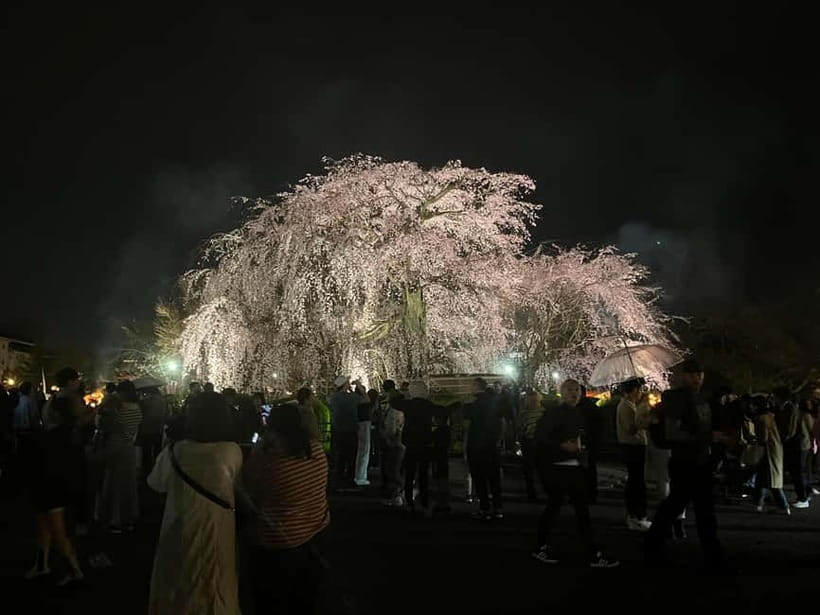
More evenings along the lantern-lit lanes of Gion

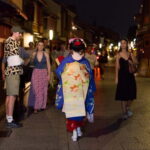
What you’ll actually walk in two hours (Pontocho, Gion-Kōbu, Gion-Higashi)
This is a short-but-full walk, designed for people who want real context without losing a whole day. You’ll move through roughly 3.3 km (2 miles) at a sensible pace, with plenty of stops to look closely and ask questions.
Pontocho: narrow streets with a sense of rhythm
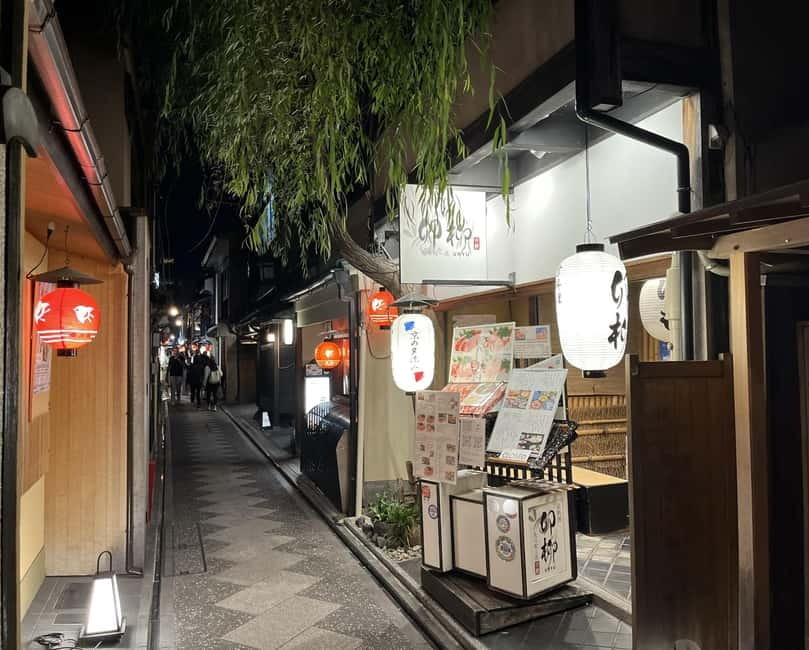
The tour begins in the Pontocho alley area, including a stop at Pontocho Kaburenjō. This is where Gion starts to feel like a living stage set. You’ll learn what makes the alley layout matter and how people historically moved through the neighborhood.
What I like here is the framing. Your guide doesn’t just point at buildings. You get ideas about how spaces support routines—where you’d expect activity, how sightlines work, and why certain views are repeated in the district’s layout.
Gion-Kōbu: the hanamachi details people miss
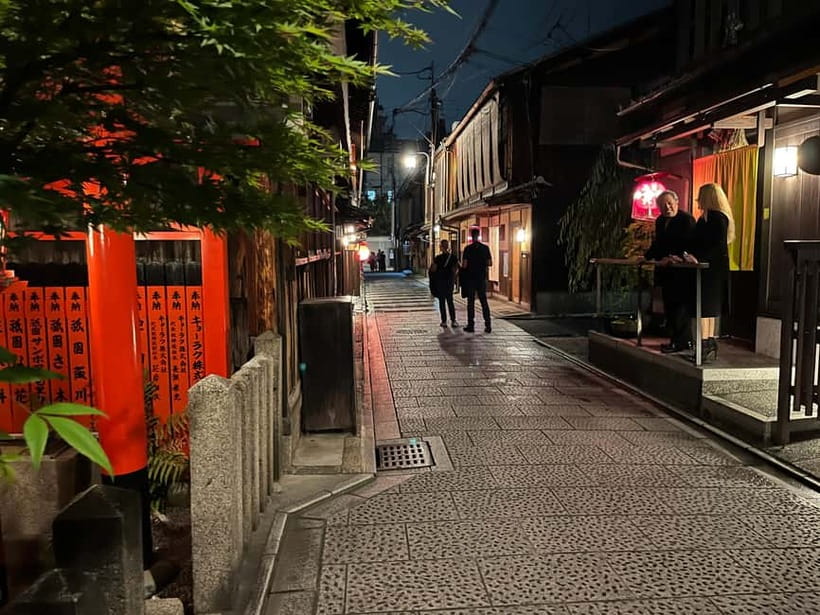
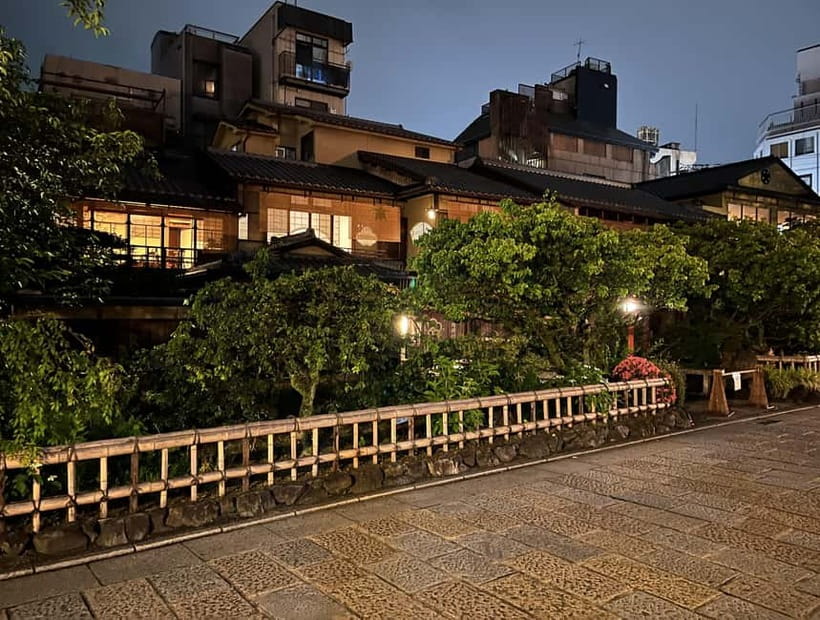
Next comes Gion-Kōbu, including walking along spots like Gion Shimbashi-dori and Gion Shirakawa. You’ll hear about hanamachi life and the roles of Maiko and Geiko (geisha). The goal isn’t a “myth only” explanation. It’s practical context: what the lifestyle looks like from the outside and what routines mean for how the neighborhood functions.
This section is also where the tour spends time on the preserved neighborhood feel. You’re not only looking at pretty streets—you’re learning how house design and street structure connect to daily behavior in the district.
Gion-Higashi: finishing with the Yasaka-side atmosphere
Finally, you’ll head into Gion-Higashi. This part brings a slightly different mood while still staying in the same old-downtown world. You’ll walk toward the Yasaka Shrine area and get more sense of how the district’s identity ties to local sacred spaces.
If you’ve ever thought Gion all looks the same, this tour gives you a reason to see the differences. The three zones aren’t just names—they feel different under your feet.
Other Kyoto tours and experiences to compare





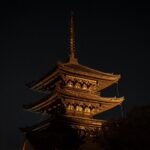
Yasaka Shrine and the Gion name origin story
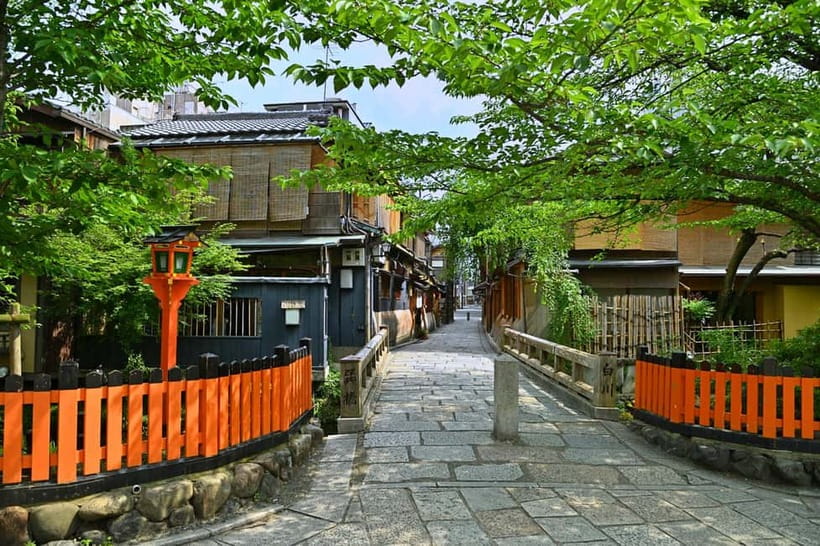
One of the most meaningful parts of the walk happens at the former Gion Shrine, which is now Yasaka Shrine. The tour connects the district name to this shrine origin, so Gion doesn’t feel like a single “famous area” label. It feels like a named place with roots that go back more than 1100 years.
If you have time, your guide may also explain the Gion Festival, noted as one of Japan’s three most famous and important festivals. Even if you’ve heard of it before, it lands better when you understand that it traces back to the district itself.
Standing near the shrine area at night (depending on your time slot) can change the whole feel of the neighborhood. The light, the walkway mood, and the spacing between buildings all make the story feel more immediate. Even if you’re not a “festival person,” the shrine connection makes the history feel personal instead of academic.
Tip: plan your photos for moments where the guide tells you to pause. You’ll catch views you might otherwise miss by walking too fast.
How your guide turns alley signs into real context
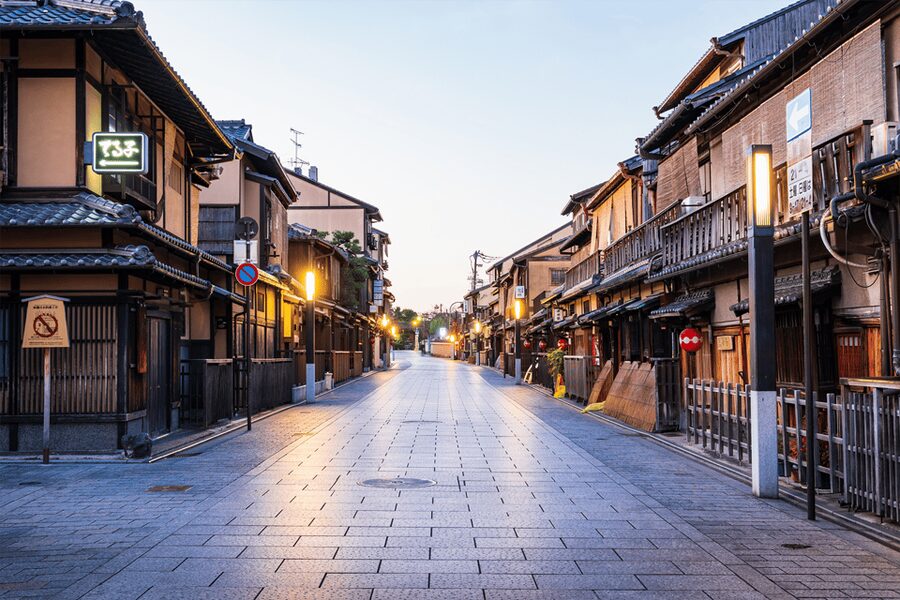
This tour’s biggest strength is the conversational style. Your guide is set up to answer lots of questions, including the ones you didn’t think to ask before you arrived.
That interactivity shows up clearly across past groups led by guides like Jose and Saskia. You can tell they’ve done this walk many times—and they still keep the energy up rather than sounding rehearsed. In practice, that means your guide will often connect what you’re seeing to broader ideas about Kyoto and Japanese culture.
You’ll get practical explanations of things you might spot but not decode. For example:
- Why certain house elements matter when you’re standing close
- What the Maiko and Geiko lifestyle looks like in real terms (not just in movies)
- How routines and neighborhood design influence each other
The iPad tool helps when you’re trying to connect today’s scene to how the area looked in the past. It also helps if you’re curious but your Japanese knowledge is limited. You’ll get the context in plain language.
If you want a “guided walk where you talk back,” this is a good match. If you prefer a silent stroll, you might find the frequent stops less your style.
Route notes: pace, distance, and the Hanamikoji-dori catch
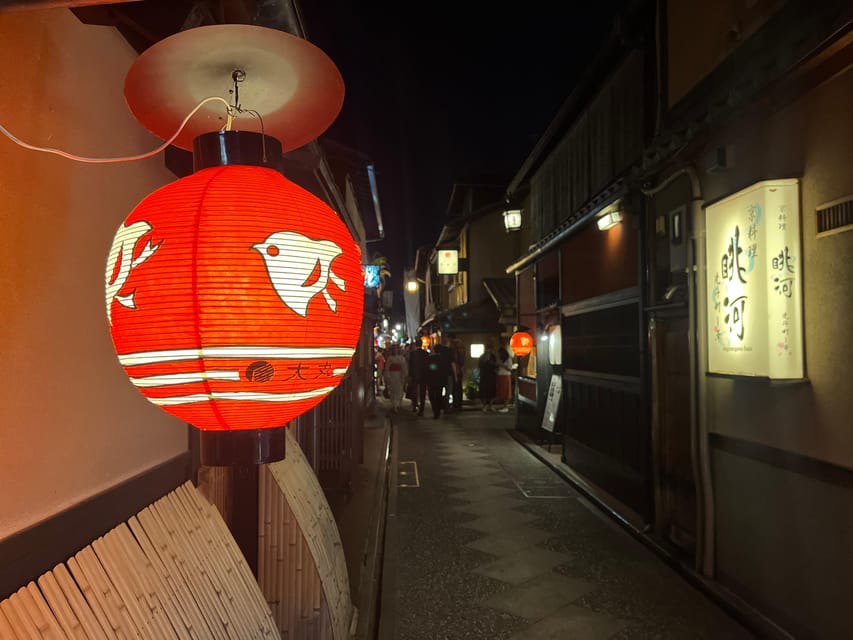
This walk covers about 3.3 km over roughly 2 hours. That distance is manageable even if you don’t do long walks every day, but it does mean you’ll be on your feet for most of the experience. Wear shoes you trust.
Two practical notes to know ahead:
- Hanamikoji-dori is not included in the route, so don’t plan your day expecting that street
- Your guide can include different viewing options during cherry blossom season (late March to early April), when the route may be adjusted around the blossoms
If you’re traveling in spring, you might get a nicer view payoff because of the route change. If you visit in other seasons, the tour still works well—you’re there for interpretation, not just seasonal photos.
Also consider that a Maiko or Geiko sighting can’t be guaranteed. The guide can put you in good places, but Gion is Gion. Timing matters, and sightings aren’t predictable.
Price and value: why $35 makes sense for this format
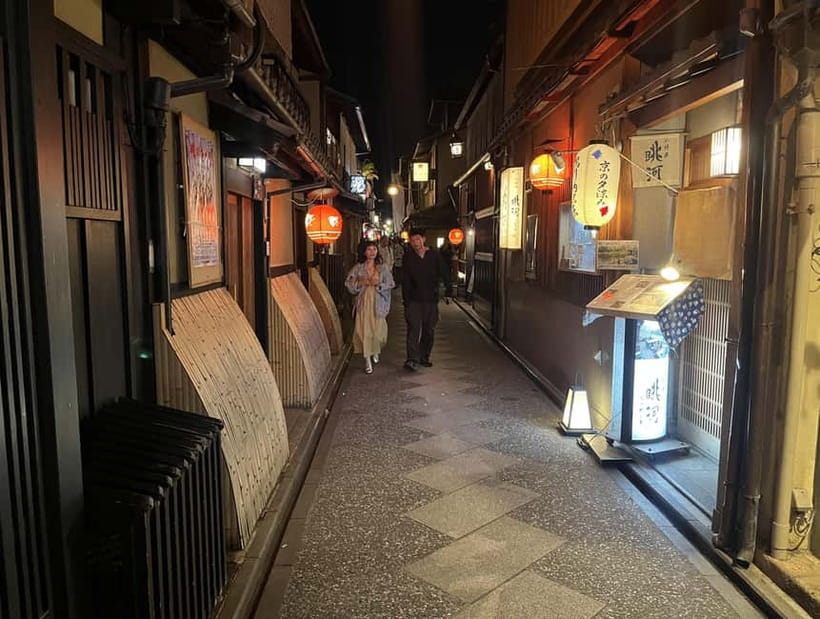
At $35 per person for a 2-hour small-group walking tour, the value depends on what you want from your time in Kyoto. If you’re the type who can read a map and happily figure things out on your own, you might feel this is optional.
But if you want to understand what you’re seeing—house styles, neighborhood meaning, and how Gion’s identity connects to shrines and festivals—this price is pretty fair. You’re paying for a guide who can explain in real terms and keep the group small enough that questions don’t get brushed off.
The group limit (up to 6 participants) matters more than it sounds. In busy Gion streets, larger groups turn into slow-moving traffic. Here, the pace stays workable, and you’re more likely to hear each stop’s explanation.
The tour also pays off when your Kyoto schedule is tight. Two hours is enough to add meaning to your future self-guided walks. After this, you’ll look at the alleys differently and notice details faster.
One more value point: this tour can visit three hanamachi areas in a single session, which is convenient if you’re staying in central Kyoto and don’t want to plan multiple half-days.
Who should book this Gion walking tour
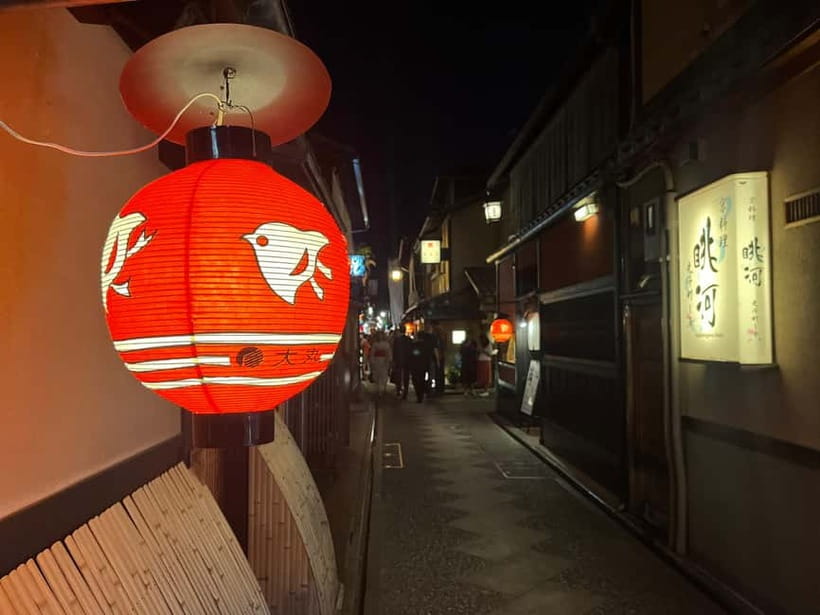
I’d book this if you:
- Want a guided explanation of Gion beyond the usual highlights
- Enjoy asking questions and getting direct answers
- Prefer a small group with a calm walking pace
- Want context on Maiko and Geiko lifestyle and the neighborhood’s role
It’s also a good fit for first-timers to Kyoto who feel overwhelmed by how many shrines and old streets exist. This tour helps you narrow the focus and build a clearer mental picture.
If you’re only here for a very quick “see the famous street” stop, you might find the no-Hanamikoji-dori detail a mismatch. But if you care about understanding Gion as a place, the route choices make sense.
Practical tips so you get the best experience
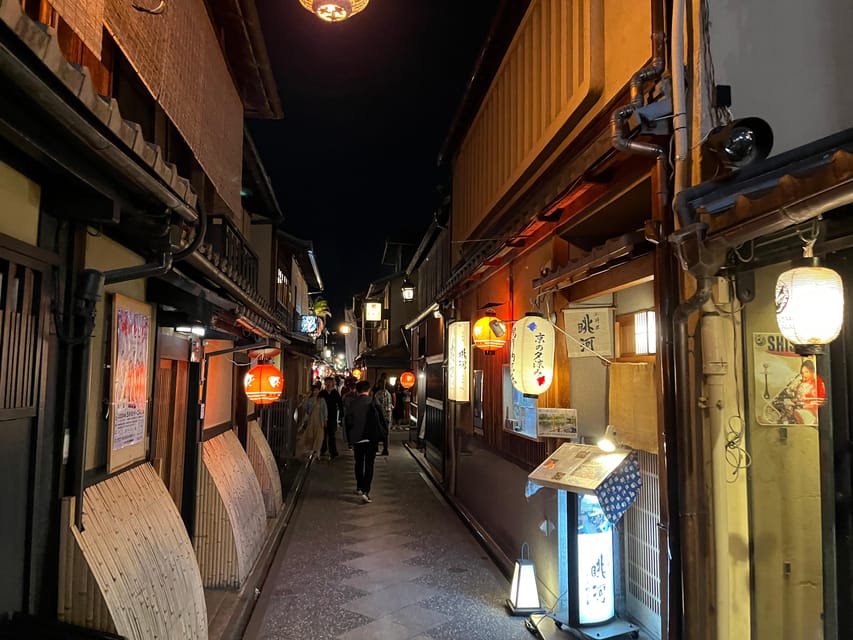
Bring:
- Comfortable shoes (you’ll be walking most of the time)
- Sun hat, sunscreen, and water
- An umbrella if rain or heat is in the forecast
The tour doesn’t provide amenities, so don’t count on getting something along the way.
Also, plan a little mental flexibility. The guide may shift the route for seasonal changes like cherry blossoms, and you’ll likely stop more often in interesting photo/view moments. That’s part of the value here, not wasted time.
Finally, aim to arrive a few minutes early at the meeting point. The guide will be seated outside the Disney Store – Kyoto Shijo-Kawaramachi, holding an iPad showing the Get Your Guide image.
Should you book this Kyoto Gion walking tour?
Book it if you want Gion to make sense, not just look pretty. The strongest part is the combination of three hanamachi zones, the Yasaka Shrine origin story, and the active Q&A style in a small group.
Skip it (or adjust expectations) if your main goal is guaranteed Maiko/Geiko spotting or a route that includes Hanamikoji-dori. This is a learning-focused walk, not a “hunt and hope for sightings” session.
If you want a Kyoto experience that leaves you with better eyes for the city, this is a solid use of two hours.
FAQ
How long is the Kyoto Gion Walking Tour?
The tour lasts 2 hours.
How many people are in the group?
It’s limited to a small group with up to 6 participants.
What languages are available?
The live guide offers Spanish, Dutch, French, and English.
Where do we meet the guide?
Meet at the Disney Store – Kyoto Shijo-Kawaramachi. The guide will be seated in front, holding an iPad with the Get Your Guide image.
Which areas of Gion does the tour visit?
The tour visits three hanamachi: Pontocho, Gion-Kōbu, and Gion-Higashi.
Will I see a maiko or geiko?
A maiko or geiko sighting cannot be guaranteed.
Is Hanamikoji-dori included in the walking route?
No. Hanamikoji-dori is not included, so don’t expect it on this tour.
What should I bring since the tour doesn’t provide amenities?
Bring comfortable shoes, a sun hat, an umbrella, sunscreen, and water.
Can I cancel, and is there pay later?
Free cancellation is available up to 24 hours in advance for a full refund. Reserve now and pay later is also offered.
More Tours in Kyoto

More Tour Reviews in Kyoto
Still in Gion? Keep Going


Just added: more Kyoto tours to browse






Gion & Geisha District Tours, compared.
 ★ 4.7Kyoto Geisha Walking Tour: Gion District & Hidden GemsFrom $253,273 reviews
 ★ 4.9Gion Magical Night Walking Tour with Geisha TriviaFrom $242,393 reviews
 ★ 4.7Gion Geisha District Walking Tour – Stories of GeishaFrom $202,187 reviews
 ★ 4.9Best of Kyoto: Gion, Geisha, Pagodas & CobblestonesFrom $242,058 reviews
 ★ 4.5Night Walk in Gion: Kyoto’s Geisha DistrictFrom $212,003 reviews
 ★ 5.0Kyoto Night Foodie Tour in Gion (9+ dishes + 6 Sake tastings)From $1631,762 reviews
 ★ 5.0Kyoto Gion Geisha District Walking Tour – The Stories of GeishaFrom $251,441 reviews
 ★ 5.0Kyoto Gion: 2-Hour Geisha Culture & History Walking TourFrom $231,186 reviews
Browse the lists this tour appears in