
Reviewed · GION & GEISHA DISTRICT TOURS
Kyoto: Gion Walking Tour for First-Time Visitors
Gion’s street corners teach you Kyoto faster than guidebooks. In just 2 hours, this walk links Yasaka Shrine (with its gardens and vermilion torii gates) to the nearby cobblestone charm of Ninenzaka, with an English guide adding meaning as you go. I really like how the tour balances quiet sacred space with lively street detail, and how you end right where the story clicks. One thing to consider: it’s on foot most of the time, so you’ll want comfortable shoes and realistic expectations for walking.
I’m also a fan of the tour’s focus: it doesn’t try to cover all Kyoto. Instead, you get a tight route through Gion, a temple stop at Kenninji, and the approach to Yasaka Shrine, with time for photos along the way. The guide—many guests highlight Saki—sets a friendly pace and shares background that helps you actually notice what you’re looking at. If you’re traveling with mobility limits, this one may not be your best fit since it isn’t suitable for wheelchair users.
In This Review
- Key Things I’d Plan Around
- Why Yasaka Shrine and Gion Make Sense for First-Timers
- Meeting at Kyoto Tourist Lounge Gion: Starting Easy, Not Rushed
- The First 15 Minutes in Gion: Getting Oriented Fast
- Kenninji Temple Stop: A Calmer Pause in the Middle
- The Quick Extra Guided Visit and a Photo Stop
- Ninenzaka Cobblestones: Teahouses, Shops, and Easy Wandering
- Yasaka Shrine Finish: Gardens, Vermilion Torii Gates, and Susanoo
- Price and Value: Is $22 Worth 2 Hours?
- Practical Tips to Make the Walk Feel Effortless
- Who Should Book (and Who Might Skip)
- Should You Book This Kyoto Gion Walking Tour?
- FAQ
- Where does the tour start?
- How long is the walking tour?
- Is the tour guided in English?
- What is included in the price?
- What should I bring?
- Is hotel pickup or drop-off included?
- Is smoking allowed during the tour?
Key Things I’d Plan Around
- Yasaka Shrine + Susanoo (god of storms): You get the key meaning behind the site, not just the photo spot.
- Vermilion torii gates + gardens: You’ll see the shrine’s atmosphere up close, including garden paths.
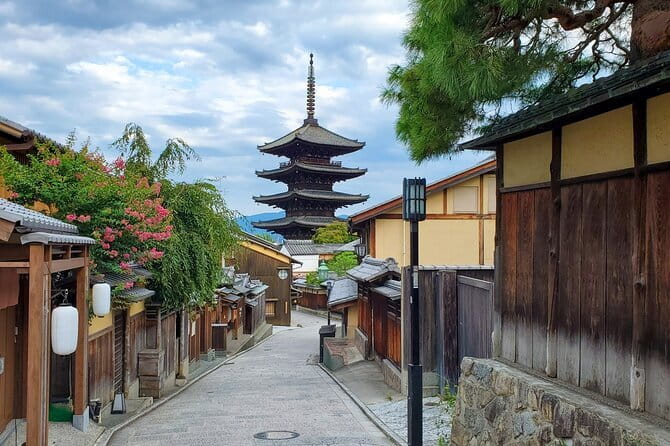
- Ninenzaka’s cobblestones: A classic Kyoto lane where teahouses and small shops make for easy wandering and photos.
- Gion orientation in the first stretch: Early context helps the neighborhood make sense for first-timers.
- Short, guided stops: The walking rhythm keeps it manageable—about 15 minutes per segment.
- English live guide: You can ask questions, especially if you want help reading what you see.
Why Yasaka Shrine and Gion Make Sense for First-Timers
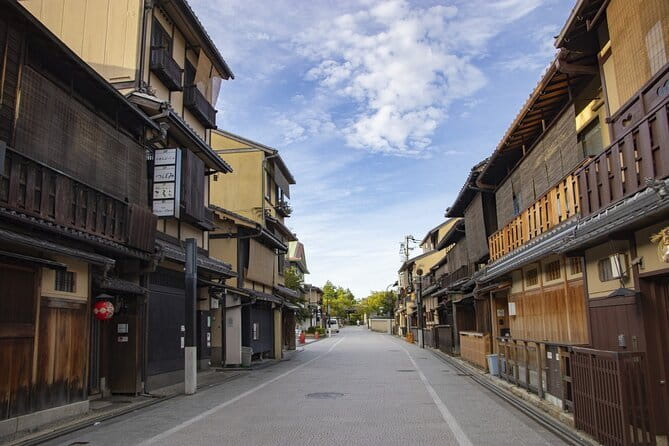
Kyoto can feel like you’re chasing beauty from one end of the city to the other. What I like about this tour is that it slows you down on the right parts of town. You’re based in the Gion area, where street layout, shrine presence, and the texture of old Kyoto all show up in a small radius.
Yasaka Shrine is a strong anchor for a first visit because it’s more than a dramatic entrance. It’s described as a calm oasis with over 1,300 years of history, and the guide’s focus on Susanoo, the god of storms gives you a reason to connect the visuals to the story behind them. That matters—once you understand what a place is honoring, you tend to look more carefully at details like gates, garden paths, and the general tone of the space.
And then you step back into the neighborhood side of Kyoto. Ninenzaka is one of those lanes that feels instantly photogenic: cobblestones, teahouses, and artisan-style shops. Even if you’ve seen pictures, walking it helps you understand why it’s always on the list—your feet catch the cadence of the street, not just your eyes.
The tour is also a good “first Kyoto win” because it blends the sacred and the everyday without trying to be a history lecture. You’ll be grateful you have structure when it’s your first time in town, especially if you don’t want to spend your day jumping between far-flung sites.
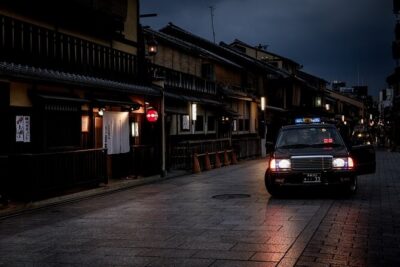
More evenings along the lantern-lit lanes of Gion


Meeting at Kyoto Tourist Lounge Gion: Starting Easy, Not Rushed
You start at Kyoto Tourist Lounge Gion, which is helpful because you’re meeting in a place designed for visitors. For me, that’s part of the value: you spend less energy figuring out logistics and more energy actually walking and looking.
The tour is English, and it runs for about 2 hours. That time window is tight enough to feel doable even if you’re jet-lagged, but long enough for multiple stops, including a couple of photo moments. You’ll likely get the tour rhythm quickly—short guided segments, then walking through the next pocket of street.
If you’re the type who likes to arrive early, aim to be there a few minutes before the official start. Kyoto sidewalks can be busy, and having a few minutes to settle makes it easier to match the group flow once everyone gathers.
The First 15 Minutes in Gion: Getting Oriented Fast
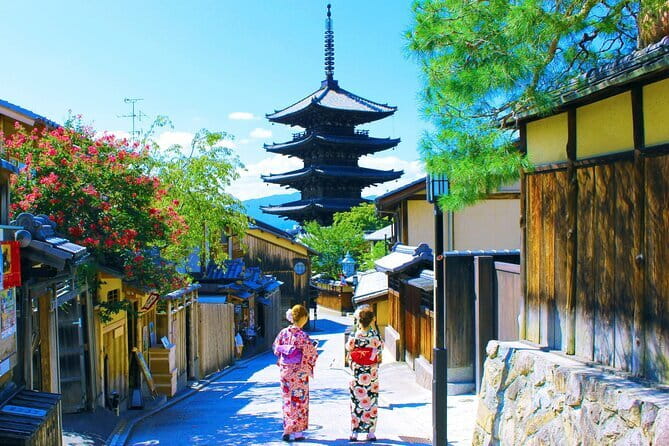
One guided segment is specifically set in Gion for about 15 minutes. This is smart for first-time visitors. If you go wandering without any context, Gion can look like a pretty neighborhood full of cameras. With a guide, you start to connect the dots: how the streets feel, how the shrine presence changes the vibe as you move, and why certain areas draw attention.
This part matters because it sets your expectations. Instead of treating Gion like a backdrop, you begin noticing how Kyoto’s cultural heritage shows up in everyday form—shopfront style, traditional lane geometry, and the way the area transitions from street energy into quiet pockets.
It’s also where the tour’s pace feels reassuring. You’re not asked to do marathon walking. You’re guided through the neighborhood, then moved on before you start feeling “tour fatigue.”
Kenninji Temple Stop: A Calmer Pause in the Middle
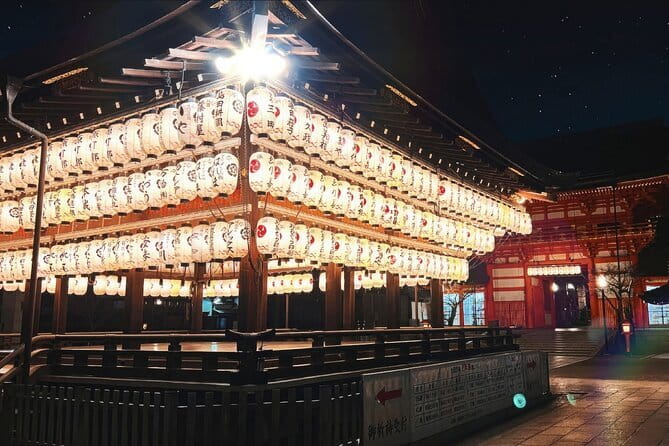
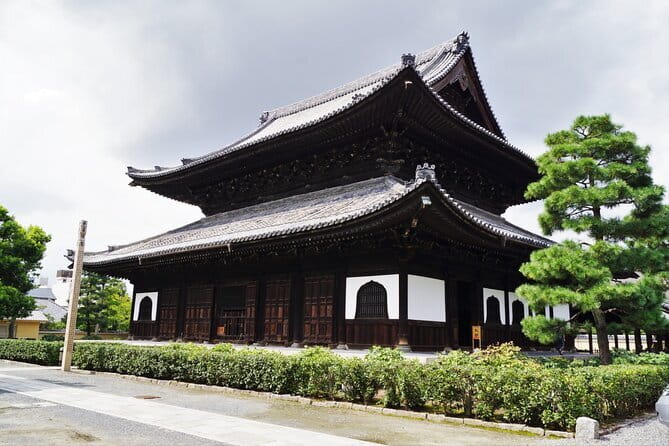
You also visit Kenninji Temple for about 15 minutes, with a guided visit. Even without getting a laundry list of details here, I like having a temple stop during a walk like this. It breaks the day up and helps your brain reset.
A good guided temple segment is rarely about memorizing facts. It’s about teaching you how to look: what elements matter, what’s respectful to notice, and how to move through the space with the right tempo. A short guided visit gives you enough context to enjoy the atmosphere, without turning the experience into a timed exam.
If you’re pressed for time in Kyoto, this temple stop is a practical win: you still get a major “Kyoto feeling” moment while staying on a tight route that fits the 2-hour structure.
The Quick Extra Guided Visit and a Photo Stop
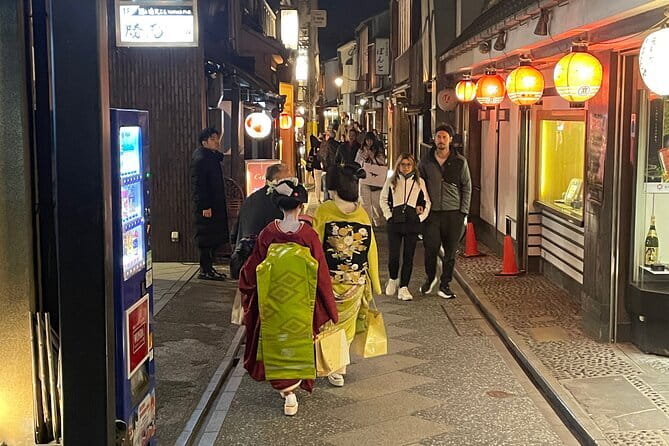
There’s an additional guided visit segment after Kenninji (also around 15 minutes), plus a photo stop later in the route (again, guided, with about 15 minutes assigned to that segment).
Because these moments are short, treat them like opportunities rather than chores. This is where you can ask your guide what you should watch for next. It’s also a good time to step into “slow travel mode” for a few minutes—stand where the guide tells you, take a few photos, then look up and around before you move.
For photographers, these built-in pauses help. You don’t have to guess when the best angle will appear. For everyone else, they prevent the classic problem of rushing from sight to sight and then realizing you never actually looked at what you paid to see.
Other Kyoto tours and experiences to compare




Ninenzaka Cobblestones: Teahouses, Shops, and Easy Wandering
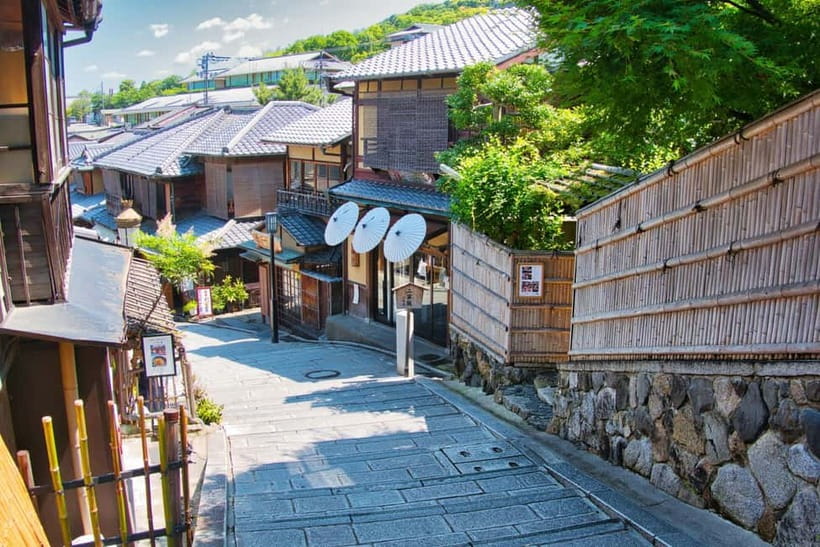
Then comes Ninenzaka, where you’ll get another photo stop plus a guided walk/visit for about 15 minutes.
Ninenzaka is special because it’s not just a street with old buildings—it’s a street where the vibe supports browsing. You’ll see traditional teahouses, along with artisan shops and options for local delicacies. Even if you don’t plan to buy anything, it’s one of the best parts of Kyoto to simply move at walking pace and let the street do the work.
I also like that this stop feels “Kyoto-y” without requiring you to enter too many indoor spaces. You can appreciate the architecture, the textures underfoot, and the way people move through the lane. If you’re the type who wants a souvenir but also hates tourist traps, artisan-style shops here tend to be a better fit than big-brand shopping.
A practical note: cobblestones mean your shoes matter. This is exactly the kind of street where comfortable soles save your evening plans.
Yasaka Shrine Finish: Gardens, Vermilion Torii Gates, and Susanoo

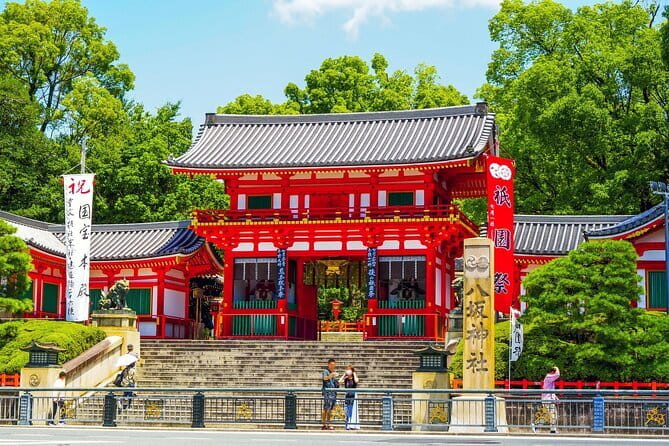
You end at Yasaka Shrine, with a photo stop and guided time on-site for about 15 minutes. This is the tour’s emotional payoff. By the time you reach the shrine, you’ve already seen the neighborhood side of Kyoto and the stone-and-shop atmosphere of Ninenzaka, so the transition into shrine calm feels earned.
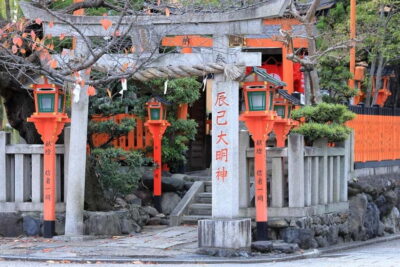
Yasaka Shrine is described as peaceful with lush gardens and striking vermilion torii gates. The guide’s focus on Susanoo, the god of storms is the key piece of context here. When you understand the dedication, the shrine feels less like a scenic backdrop and more like a living cultural space. You’re there to observe the setting and reflect on meaning, not just click photos.
I also like that the tour explicitly includes time for the shrine’s gardens. Gardens in Kyoto often work like a visual guide—paths and sightlines pull you through the space. Even in a short visit, having a guide helps you notice what’s intended for viewing.
Finish strong: because you finish at the shrine, you’re not forced to hurry to catch transit right away if you want to stay a bit longer on your own.
Price and Value: Is $22 Worth 2 Hours?
At $22 per person, this tour sits in the “good value” zone for an organized, guided walk in a major tourism area. Here’s how I judge it:
- You’re paying for an English-speaking local guide and a structured route, not just for being near famous sights.
- You get multiple stops in about 2 hours: Gion orientation, Kenninji Temple, the walk through Ninenzaka, and a guided visit at Yasaka Shrine.
- The focus is tight. Instead of trying to cover everything, you concentrate on the parts that connect well: neighborhood context, then sacred space, then the classic Kyoto street back-to-back.
If you were to self-tour the same area, you could, but you’d lose the meaning. The guide’s explanation about Susanoo and the shrine’s longstanding presence is exactly the sort of thing that makes a photo stop feel like a real cultural stop.
The included elements are simple: a local guide and a walking tour of the Gion district, positioned as a gateway for first-time visitors. Meals aren’t included, so think of this as a light cultural sprint rather than a full-day food experience.
Practical Tips to Make the Walk Feel Effortless
This tour asks for the basics, and that’s good. You’ll mainly need:
- Comfortable shoes
- A camera
- Water
Bring a bottle even if you think you’ll find water nearby. The tour is short, but Kyoto walking adds up fast when you’re also stopping for photos.
Also, plan on the fact that it’s a walking experience—no mention of transit inside the tour. So treat it like a comfortable stroll you control. If you get tired, slow down for a few minutes during the guided breaks rather than trying to push through.
A small but important behavior note: no smoking is allowed. It’s a rule you’ll appreciate because it keeps shrine and street areas more pleasant.
Who Should Book (and Who Might Skip)
This tour is a strong match for:
- First-time visitors who want a manageable introduction to Kyoto’s culture and street character
- People who prefer walking with guidance instead of wandering with zero context
- Anyone who likes a route that ends at a major landmark so they can decide what to do next
It may not be a great fit for:
- People with mobility impairments or wheelchair users, since the tour isn’t suitable for those needs
If you’re traveling with kids, you’d need to judge your child’s stamina. The time blocks are short, but it’s still a continuous walk through streets and temple areas.
Should You Book This Kyoto Gion Walking Tour?
I’d book it if you want a fast, guided hit of Kyoto that doesn’t overwhelm you. The combination of Yasaka Shrine (history, gardens, torii gates, and the Susanoo dedication), Gion orientation, and Ninenzaka cobblestones is a smart first-visit mix. For $22 and about 2 hours, it’s exactly the kind of tour that helps you enjoy your day more, because you stop guessing what matters and start noticing it.
I’d skip it if walking is a problem for you, or if you already know the area well and you want a full-day, self-paced plan with more stops. This is purpose-built as an introduction, not a marathon.
FAQ
Where does the tour start?
The meeting point is the Kyoto Tourist Lounge Gion.
How long is the walking tour?
The duration is 2 hours.
Is the tour guided in English?
Yes. It includes a live tour guide and the tour is in English.
What is included in the price?
The price includes a local tour guide and a walking tour of the Gion district.
What should I bring?
Bring comfortable shoes, a camera, and water.
Is hotel pickup or drop-off included?
No. Hotel pickup and drop-off are not included.
Is smoking allowed during the tour?
No. Smoking is not allowed.
If you tell me your travel dates and whether you’re prioritizing temples, photos, or shopping, I can help you place this 2-hour walk into a simple Kyoto plan for the rest of your day.
More Tours in Kyoto


More Tour Reviews in Kyoto


Still in Gion? Keep Going


Just added: more Kyoto tours to browse








Gion & Geisha District Tours, compared.
 ★ 4.7Kyoto Geisha Walking Tour: Gion District & Hidden GemsFrom $253,273 reviews
 ★ 4.9Gion Magical Night Walking Tour with Geisha TriviaFrom $242,393 reviews
 ★ 4.7Gion Geisha District Walking Tour – Stories of GeishaFrom $202,187 reviews
 ★ 4.9Best of Kyoto: Gion, Geisha, Pagodas & CobblestonesFrom $242,058 reviews
 ★ 4.5Night Walk in Gion: Kyoto’s Geisha DistrictFrom $212,003 reviews
 ★ 5.0Kyoto Night Foodie Tour in Gion (9+ dishes + 6 Sake tastings)From $1631,762 reviews
 ★ 5.0Kyoto Gion Geisha District Walking Tour – The Stories of GeishaFrom $251,441 reviews
 ★ 5.0Kyoto Gion: 2-Hour Geisha Culture & History Walking TourFrom $231,186 reviews
Browse the lists this tour appears in