
Reviewed · GION & GEISHA DISTRICT TOURS
Kyoto: Gion Geisha District Walking Tour and Hidden Gems
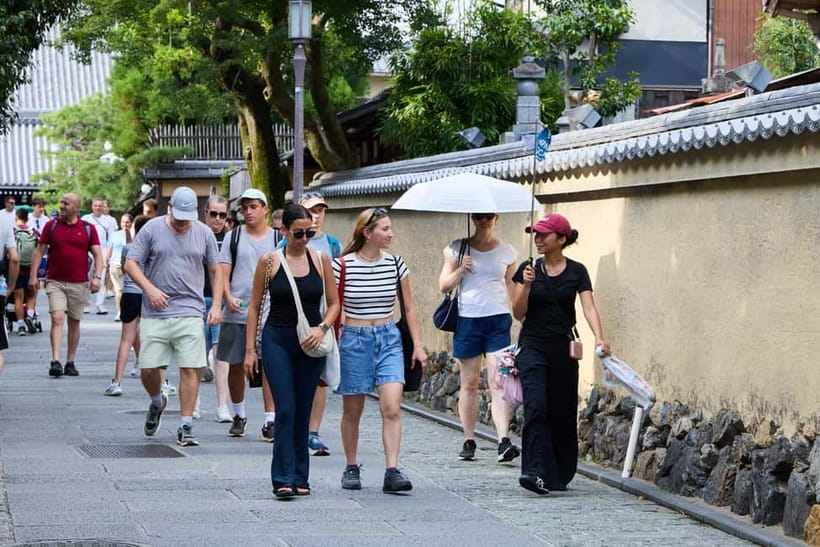
Kyoto’s Gion feels like another planet. In this 3-hour walk, you’ll learn how geisha culture fits into everyday life, then connect it to the city’s wider past and present. I especially like the mix of famous sights and calmer side streets, plus the way the guide turns alleyway scenery into real context.
Two things I’d put at the top: the guide-led storytelling (with history-minded explanations you can actually follow) and the chance to see lantern-lined backstreets without feeling rushed. If you want a smooth intro to Gion’s atmosphere, this is an easy one to choose. The only real drawback is the pace: you should expect a lot of steps, so it’s not the best pick for low fitness levels.
In This Review
- Key things that make this Gion tour work
- Gion on foot: why this tour feels different than checklist sightseeing
- Ben’s Cookies Kyoto Shijo to the bridge: starting with an easy meetup
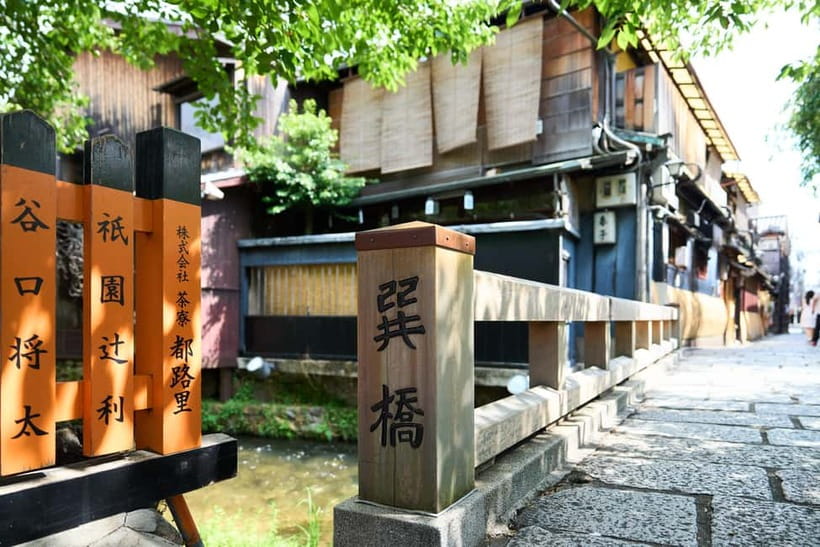
- Gion Tatsumi Bridge: the best kind of photo stop
- Chion-in: turning temple architecture into Kyoto context
- Maruyama Park: a calm pause inside a busy city
- Hōkan-ji Temple and the slow shift toward Kiyomizu-dera
- Ninen Zaka and Sannenzaka: two short lanes with big mood
- The finish at Kiyomizu-dera Niomon Gate: a strong end point
- Geisha culture made practical: what you’ll actually learn
- Hidden shrines and quiet backstreets: why the detours are the point
- Price and value for $25: what you’re really buying
- What to bring, and how to handle the steps
- Who this Kyoto Gion tour is best for
- Should you book this Kyoto Gion walking tour?
- FAQ
- Where do I meet the guide?
- How long is the tour?
- Is the guide available in English?
- How much does it cost?
- Is the tour walking-heavy?
- Can I cancel if my plans change?
Key things that make this Gion tour work
- Gion stories, not just photos: you’ll hear how geisha and daily Kyoto life connect.
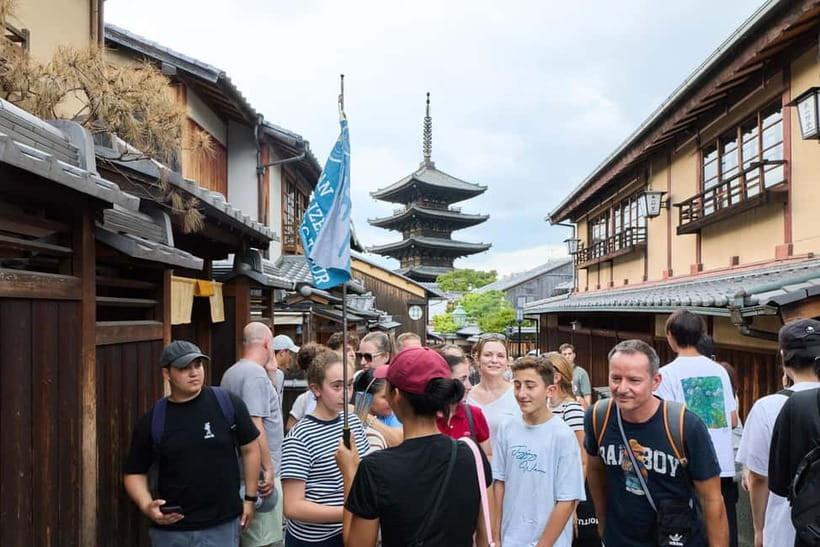
- Lantern alleys + preserved streets: you get the classic look and the calmer corners.
- Hidden shrines between buildings: detours help you slow down and notice details.
- Multiple major stops in 3 hours: bridge to temples to famous preserved paths.
- English live guide: you can ask questions and get straight answers.
- Ends near Kiyomizu-dera: the finish gives you a strong next step for your day.
Gion on foot: why this tour feels different than checklist sightseeing
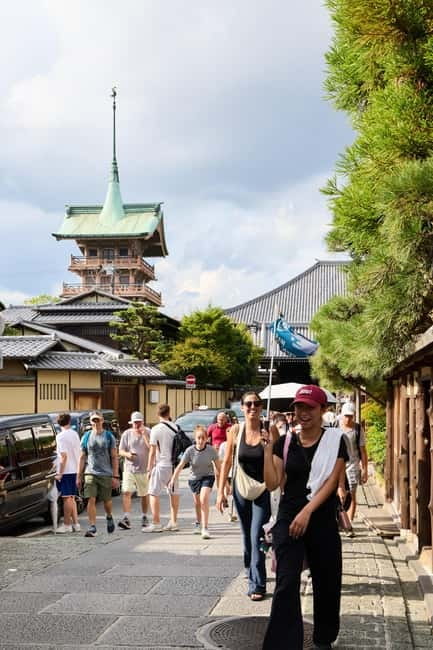
Kyoto’s Gion can look like a movie set, but this walk helps you read it. You’ll move through preserved streets and traditional atmosphere, while the guide explains the cultural side—geisha traditions, religious customs, and how Kyoto shifted from imperial capital to modern cultural center. It’s a walk that gives you meaning, not just locations.
I like that it’s designed for photos, yes—but also for comprehension. When someone points out what to notice, the whole area starts to click: why certain streets feel quiet, why temples matter here, and why the city’s past keeps showing up in daily life.
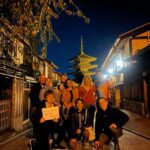
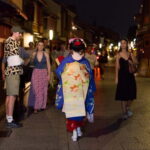
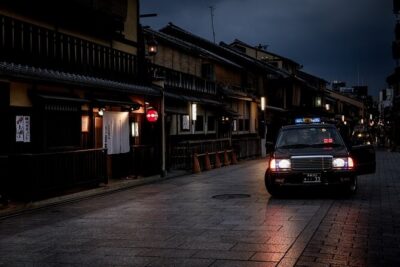
More evenings along the lantern-lit lanes of Gion
Ben’s Cookies Kyoto Shijo to the bridge: starting with an easy meetup
The tour starts at Ben’s Cookies Kyoto Shijo, with the guide holding a sign out front. It’s a practical meeting spot, and the first short segment helps you get your bearings before you head into the narrower Gion lanes.
From there, you’ll head toward Gion Tatsumi Bridge, where the timing sets you up for a smooth transition from city storefront life into older Kyoto scenes. This isn’t just a landmark stop—it’s a good place to start listening, because you can connect what you’re seeing (water/streets/views) to the stories the guide is building.
Gion Tatsumi Bridge: the best kind of photo stop

A bridge stop can be quick and forgettable on other tours. Here, it’s used as a setup: the guide helps you understand what you’re looking at and why this area matters in Kyoto’s identity.
You’ll get time for photos, but the bigger value is that the guide uses the moment to connect the surroundings to culture and history. That makes your later temple and alley stops feel more coherent, instead of like separate tourist boxes.
Chion-in: turning temple architecture into Kyoto context
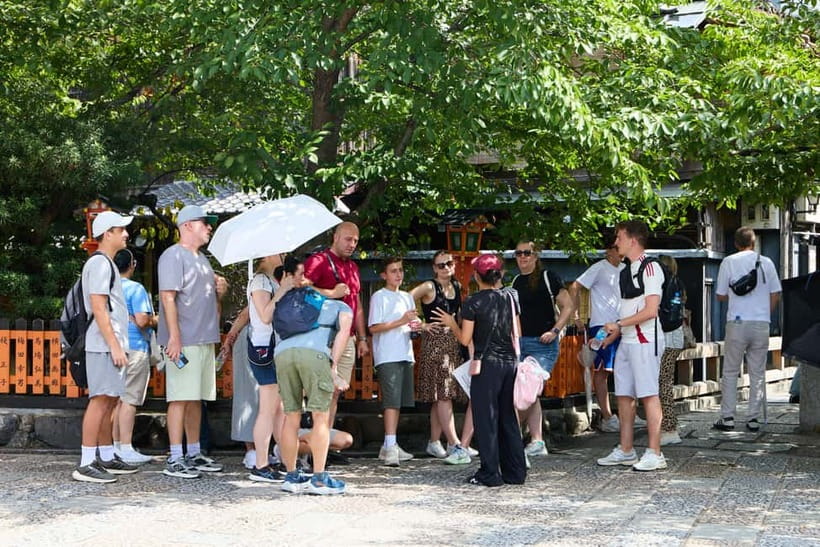
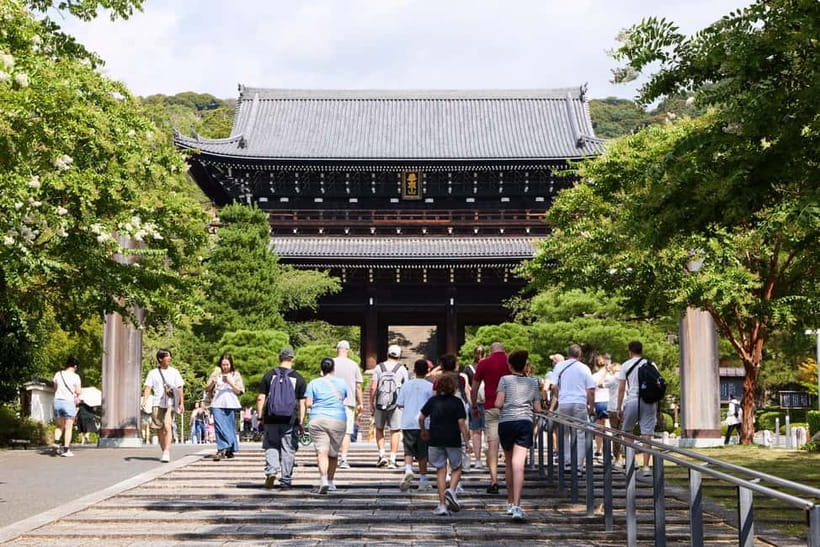
Next up is Chion-in, with guided time to explore the temple grounds. This stop is where the tour’s theme becomes clear: you’re not only learning about geisha culture, you’re seeing how religious traditions are part of Kyoto’s everyday rhythm.
Chion-in is a place where questions often come fast. You’ll likely find yourself asking about what you’re noticing, and the guide’s answers help you connect the spiritual side to the human side—how Kyoto operates, not just how it looks.
Maruyama Park: a calm pause inside a busy city
After Chion-in, you’ll walk into Maruyama Park, still with guide support. Parks in Kyoto often feel like breathing space, and this one works well mid-tour because it gives your legs and brain a moment to reset.
This is also a useful place for the guide to tie together the broader storyline: how Kyoto’s culture shows up in public spaces, and why the city’s past isn’t locked away behind museum glass.
Other Kyoto tours and experiences to compare





Hōkan-ji Temple and the slow shift toward Kiyomizu-dera
The tour then moves to Hōkan-ji Temple for a shorter visit. Even when time is limited, this kind of stop is valuable because it changes your visual rhythm—one moment you’re in open space, the next you’re in temple atmosphere.
From there, the walk starts to “lean” downhill and toward classic Higashiyama paths. That matters because the setting changes as you go, and the guide’s stories keep pace with the streetscape rather than stopping when the sights change.
Ninen Zaka and Sannenzaka: two short lanes with big mood
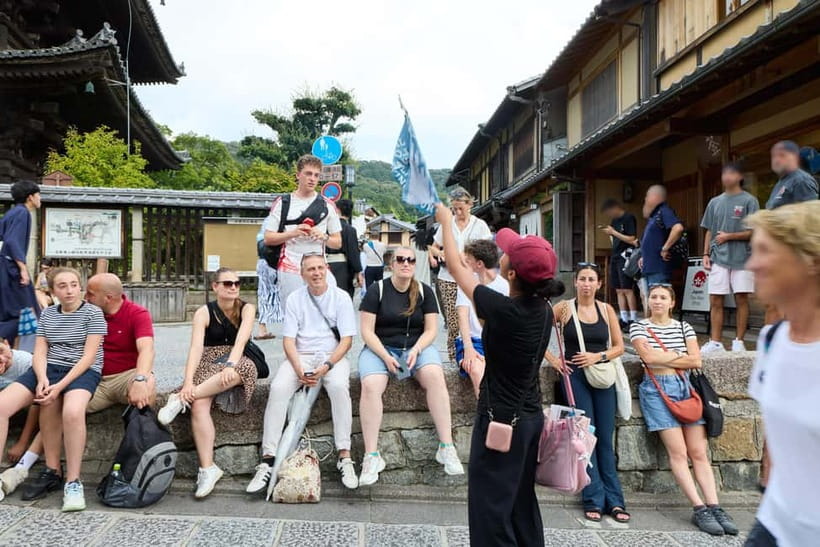
You’ll spend time on Ninen Zaka and Sannenzaka, both famously preserved-style lanes. These are short stops, but they’re exactly the kind that can make a walk feel complete—wooden streets, steps, and the sense that the city is still showing its old face.
The real advantage here is how you experience them. Instead of treating them like a quick photo corridor, you’ll walk with guidance, which helps you notice details and understand what makes these lanes culturally meaningful.
The finish at Kiyomizu-dera Niomon Gate: a strong end point
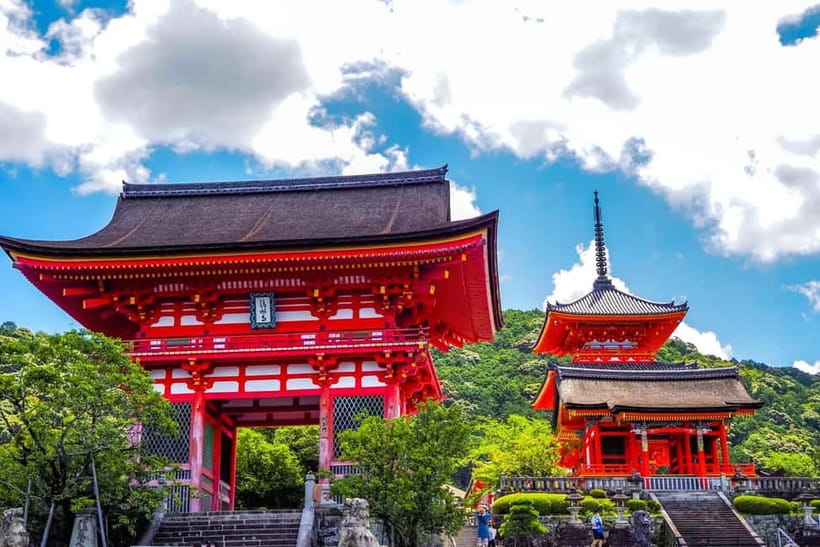
You’ll finish at the Kiyomizu-dera Niomon Gate, which is different from where you start. That end point is useful because it puts a major Kyoto landmark within easy reach for whatever you want to do next—linger, explore more, or simply catch the atmosphere one last time.
A good walking tour ends in a place where you can keep the story going. This finish location helps you do that without needing extra planning.
Geisha culture made practical: what you’ll actually learn
The tour’s core is geisha culture, and you’ll hear how it relates to Kyoto’s daily life. You’re not just told vague facts; you’ll learn about traditions and the rhythms around maiko and geisha training and work, plus how the city’s religious traditions fit into the bigger picture.
What I value here is the guide’s focus on connections. You’ll hear stories about Kyoto’s past and present, and you’ll watch those ideas land in real-world streets: alleyways, shrines, teahouse-era atmosphere, and the preserved wooden-townhouse look.
If you end up with a guide like Ben or Jay (names that show up with praise), you can expect friendly, question-friendly explanations. One of the standout themes in the guide chatter is that you get anecdotes and history links that make the sights feel less random.
Hidden shrines and quiet backstreets: why the detours are the point
This tour doesn’t stay glued to the most obvious corridors. You’ll discover hidden shrines tucked between buildings and walk quieter backstreets that many first-timers miss.
Those detours matter because they slow your brain down just enough to notice Kyoto’s details. You stop looking only for what’s famous and start picking up what’s subtle—small shrine corners, unexpected sightlines, and the way the city changes one block at a time.
Also, those quieter lanes tend to be easier for photos. Not always empty, but more manageable than the highest-traffic zones.
Price and value for $25: what you’re really buying
At $25 per person for a 3-hour guided walk, you’re paying mostly for two things: time and interpretation. A solo stroll through Gion is pleasant, but you don’t get guided context on geisha traditions, Kyoto’s transformations, and the everyday meaning behind what you see.
Given the number of stops and the storytelling focus, the value comes from having someone connect dots for you. If you enjoy learning while you walk, this is the kind of tour that keeps your money from feeling like you bought just a route.
One more practical note: small-group energy can make a big difference. You might find the pace very personal, with more room for questions, which is where tours like this become memorable.
What to bring, and how to handle the steps
Bring water. Then plan your legs like it’s a stair workout, because this walk includes a lot of steps.
Wear comfortable shoes with good grip. Kyoto’s classic lanes look charming, but the steps can add up fast, especially if you’re stopping for photos or taking time in temples.
Also note what not to do: alcohol and drugs aren’t allowed. Keep it simple—stay hydrated, move at a steady pace, and enjoy the slowing-down moments when the guide calls them out.
Who this Kyoto Gion tour is best for
This is a strong choice if you want:
- A guided intro to Gion and Higashiyama atmosphere without guessing what to pay attention to
- Culture-focused storytelling about geisha traditions and Kyoto’s religious traditions
- A walk that includes both landmarks and quieter lanes
It’s not a great match if you have low fitness. The tour includes many steps, and the route covers multiple areas in a short time.
Families can work well, too, if kids are comfortable walking. The tone of the tour is designed to stay engaging, not lecture-heavy.
Should you book this Kyoto Gion walking tour?
Book it if you want to understand what you’re seeing, not just check off famous streets. The big win is that the guide connects Gion’s look to geisha and religious context, and it does it while you’re still enjoying the walk.
Skip it if stairs are a problem for you. This is a three-hour, feet-on-the-ground experience, so if walking is limited, you’ll be fighting the tour instead of enjoying it.
FAQ
Where do I meet the guide?
Meet at Ben’s Cookies Kyoto Shijo. The guide will be holding a sign in front of the store.
How long is the tour?
The tour lasts 3 hours.
Is the guide available in English?
Yes. The tour includes a live guide in English.
How much does it cost?
It’s $25 per person.
Is the tour walking-heavy?
Yes. The tour includes a lot of steps, and it isn’t suitable for people with low fitness levels. Bring water.
Can I cancel if my plans change?
Yes. You can cancel up to 24 hours in advance for a full refund.
More Tours in Kyoto

More Tour Reviews in Kyoto
Still in Gion? Keep Going

Just added: more Kyoto tours to browse





Gion & Geisha District Tours, compared.
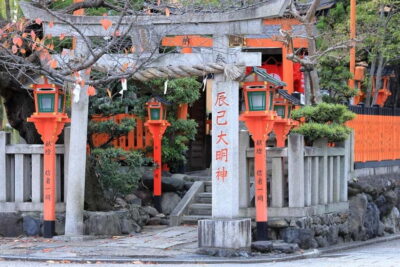 ★ 4.7Kyoto Geisha Walking Tour: Gion District & Hidden GemsFrom $253,273 reviews
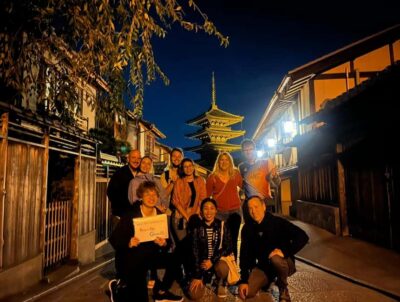 ★ 4.9Gion Magical Night Walking Tour with Geisha TriviaFrom $242,393 reviews
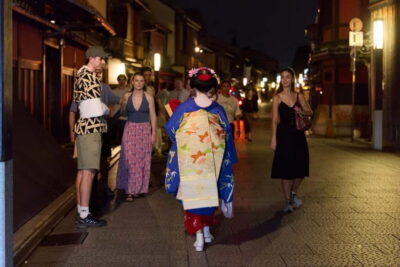 ★ 4.7Gion Geisha District Walking Tour – Stories of GeishaFrom $202,187 reviews
 ★ 4.9Best of Kyoto: Gion, Geisha, Pagodas & CobblestonesFrom $242,058 reviews
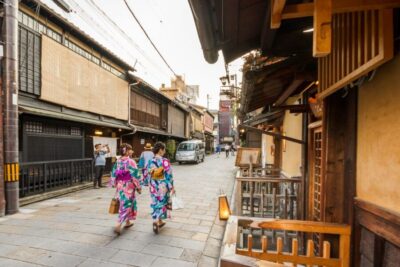 ★ 4.5Night Walk in Gion: Kyoto’s Geisha DistrictFrom $212,003 reviews
 ★ 5.0Kyoto Night Foodie Tour in Gion (9+ dishes + 6 Sake tastings)From $1631,762 reviews
 ★ 5.0Kyoto Gion Geisha District Walking Tour – The Stories of GeishaFrom $251,441 reviews
 ★ 5.0Kyoto Gion: 2-Hour Geisha Culture & History Walking TourFrom $231,186 reviews
Browse the lists this tour appears in