
Reviewed · GION & GEISHA DISTRICT TOURS
Kyoto Gion Early Morning Walking Tour
Waking up early in Kyoto pays off fast. This Kyoto Gion early morning walk strings together some of the city’s most famous lanes and landmarks before the day-trippers and tour buses fully arrive. You get guide navigation so you’re not hunting streets, and the small group size keeps questions easy.
My favorite part is the rhythm: you’re strolling through the old-town look of Gion (including Shirakawa and Hanamikoji) in a calmer, quieter mood than later in the day. I also like that the big ticket stop, Kiyomizudera, happens early enough that you spend more time looking and less time negotiating crowds. One consideration: Kiyomizudera entry is not included, so plan for the ¥500 temple fee.
In This Review
- Key Highlights You’ll Care About
- Why Gion Looks Different Before the Crowds Arrive
- Meeting Point, Walking Pace, and the 3-Hour Reality Check
- A Guided First Walk Through Gion Shirakawa’s River Lanes
- Hanamikoji Street: Iconic Geisha-District Charm, Without the Crush
- Kiyomizudera Early Access: Views, Spiritual Heritage, and a Paid Entry
- Sannenzaka and Ninenzaka: Step Streets, Traditional Shops, and Photo Corners
- Yasaka-no-To and Yasaka Shrine: Pagoda Silhouette to Vermilion Gate
- The Real Value: Why a Small-Group Guide Changes Kyoto
- Price and Value: What $49.42 Really Buys
- Who This Tour Suits Best (And Who Might Want a Different Plan)
- Should You Book the Kyoto Gion Early Morning Walk?
- FAQ
- What is the price of the Kyoto Gion Early Morning Walking Tour?
- How long is the tour?
- Is Kiyomizudera admission included?
- How many people are in the group?
- Is hotel pick-up included?
- Where is the meeting point?
- Does the tour end at the same place?
- Is free cancellation available?
Key Highlights You’ll Care About
- Small group (max 12), so the guide can actually answer you as you walk
- Early start for gentler streets and better photo odds in the key areas
- Easy routing with a guide, including the tricky Higashiyama lanes
- Kiyomizudera included in the plan, with the main view time front-loaded
- Free stops at Gion Shirakawa, Hanamikoji, Yasaka-no-To, and Yasaka Shrine, plus a guided flow
Why Gion Looks Different Before the Crowds Arrive
Kyoto’s Gion can feel like a stage by late morning. Early, it feels more like a neighborhood you’ve been let into for a couple of hours. That matters, because the experience here is about atmosphere as much as it is about sights.
You’ll move through postcard streets at human speed. Gion Shirakawa and Hanamikoji Street are the kind of places where crowds can turn a simple walk into a slow shuffle. The morning timing keeps things readable, so you can notice details like traditional machiya houses along the lanes and the river-side character in the Shirakawa area.
And because the tour is built around a short list of essentials, you’re not spending your limited time commuting or playing map Tetris. You’ll get a clean overview of Higashiyama’s “why Kyoto is Kyoto” mix of old streets, shrine culture, and temple views.
More evenings along the lantern-lit lanes of Gion
Meeting Point, Walking Pace, and the 3-Hour Reality Check
This tour is about about 3 hours, and it’s a walking tour, plain and simple. There’s no hotel pick-up. You’ll start at the Statue of Izumo-no-Okuni on Kawabatacho in the Higashiyama Ward, and the tour ends back at the same meeting point.
That structure is handy. You don’t need to coordinate a start time with a van or get left behind if your train runs late. You just show up at the meeting point, meet your guide, and follow the plan.
The tour also caps at 12 people, which is not just a comfort detail. It changes how the guide can work. In a larger group, you’d mostly listen. In a small one, you can ask where a street name comes from, what a shrine element symbolizes, or why certain buildings look the way they do.
The practical downside is that you’ll be on your feet. Comfortable walking shoes are the move here, especially once you’re near Sannenzaka and Ninenzaka where stone steps and slopes are part of the “this is Kyoto” experience.
A Guided First Walk Through Gion Shirakawa’s River Lanes
Stop 1 is Gion Shirakawa, about 15 minutes. This is the quieter-feeling opening, with the Shirakawa River and traditional machiya houses nearby. Weeping willows are part of the look (especially in the seasons they’re in full glory), and the early morning light can make the whole stretch feel gentle rather than overexposed and crowded.
What I like about starting here: it sets context before you hit the busy-iconic streets. You’re not just ticking boxes. You’re learning how the area functions—where the old architecture sits relative to the water and how the neighborhood character shows up even before you reach the geisha district’s busiest visual corridors.
Also, since this stop is free, you can treat it as pure observation time. Watch for street textures, small entrances, and the way the houses line up. This is the kind of moment you’ll remember longer than another temple photo.
Hanamikoji Street: Iconic Geisha-District Charm, Without the Crush

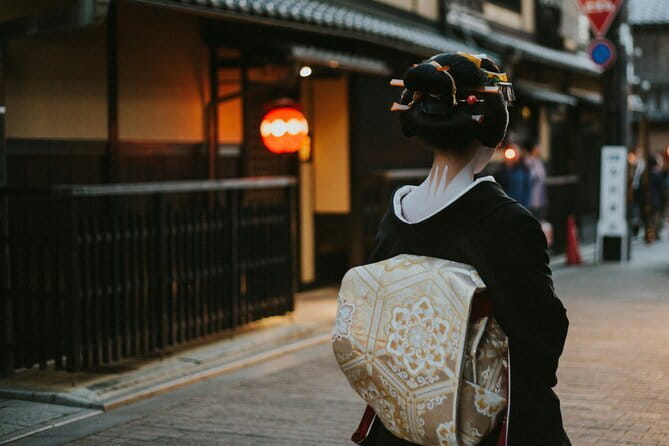
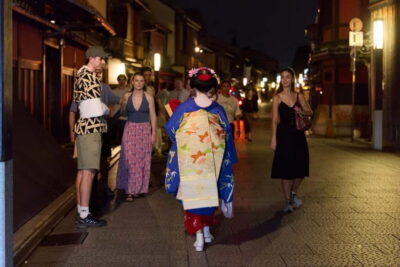
Stop 2 is Hanamikoji Street, about 20 minutes. This is the famous geisha district lane with historic wooden machiya houses and traditional teahouses (ochaya). Later in the day, Hanamikoji can become a bottleneck. Early, it’s closer to a stroll than a traffic jam.
In a small group, you also get something rare on big-name streets: a real sense of flow. Your guide helps you pace the walk so you’re not constantly stopping and starting while others squeeze around you. You can actually read the street like a story—old houses, the rhythm of shops, and the way the district’s identity is built into the architecture.
If you’re the type who likes to understand what you’re seeing, ask questions here. Names and roles matter in Kyoto, and this stop is where the explanations usually click best because you’re standing in the middle of it.
Kiyomizudera Early Access: Views, Spiritual Heritage, and a Paid Entry
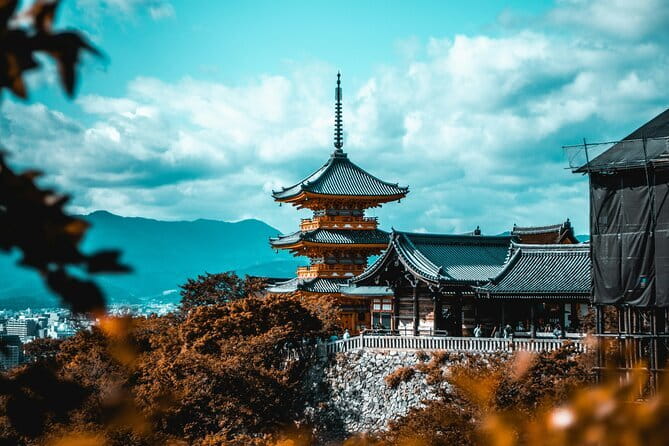
Stop 3 is Kiyomizudera Temple, about 1 hour. The big practical note: admission is not included. You’ll pay ¥500 per person when you arrive.
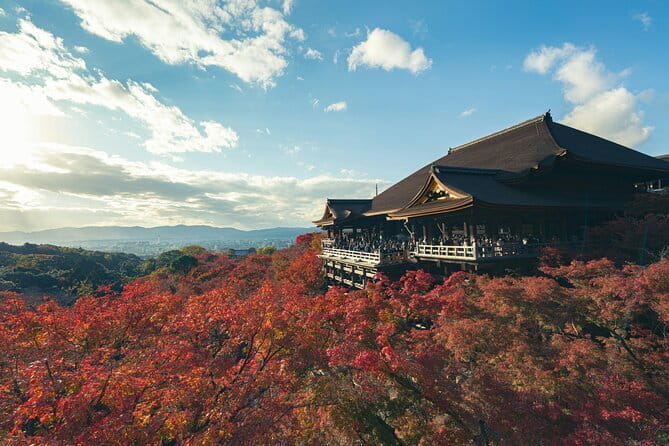
Why the early timing matters: Kiyomizudera is one of those sites that can get packed fast, especially in peak seasons. Going earlier doesn’t magically remove every crowd, but it shifts your experience. You spend more time looking at the wooden stage and the sweeping city views from a calmer vantage.
Kiyomizudera is also famous for its spiritual and cultural role, and that comes through best when you aren’t being swept along by a crowd wave. With time to stand and look, you can notice the temple’s relationship to the hillside and how the view changes as you move slightly.
If you want a smart strategy, I’d plan to pay the entrance fee without stress. Arriving with a clear mind makes the site feel less like an obstacle and more like the main event.
Other Kyoto tours and experiences to compare


Sannenzaka and Ninenzaka: Step Streets, Traditional Shops, and Photo Corners
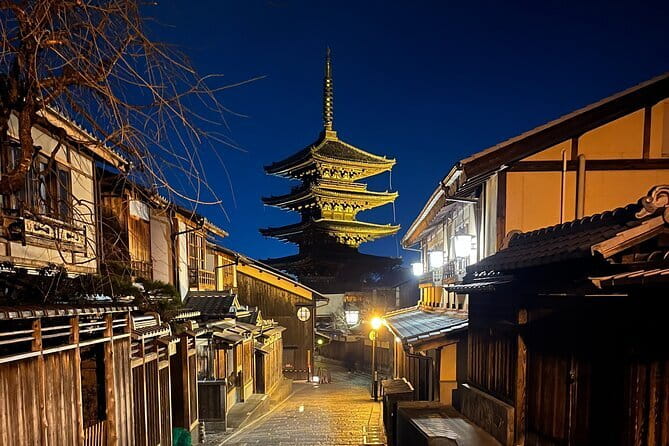
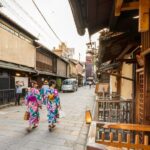
Stop 4 is Sannenzaka and Ninenzaka, about 30 minutes. These are the stone-paved, old-style lanes that lead toward Kiyomizudera’s area, lined with traditional wooden townhouses and small local shops.
This stop is where the tour turns from monuments into mood. It’s easy to over-plan Kyoto and end up seeing buildings only. These streets give you texture: the uneven pace of steps, the way shopfronts curve with the lane, and the photo angles that only work when you’re walking slowly enough to frame them.
The listing says admission is not included here, which is exactly how you should treat it. Think of it as a guided wander with orientation: which lanes connect, how to avoid getting lost when the streets fork, and where the best sightlines tend to be.
One consideration: shops and crowds can still pick up later in the day. Here, your advantage is timing, so don’t spend the whole 30 minutes scrolling your phone. Look up. Watch your footing. Let the street do its job.
Yasaka-no-To and Yasaka Shrine: Pagoda Silhouette to Vermilion Gate
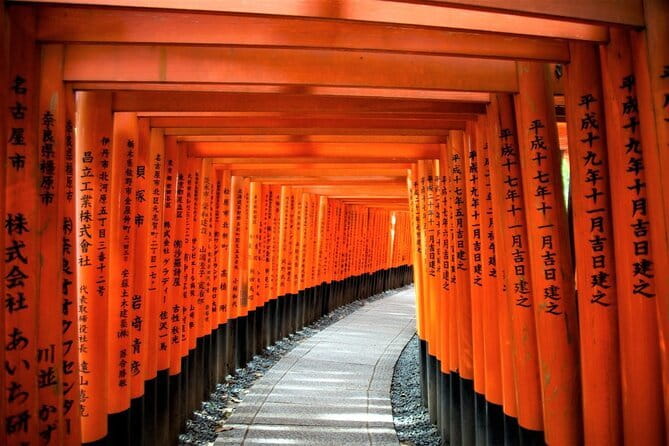
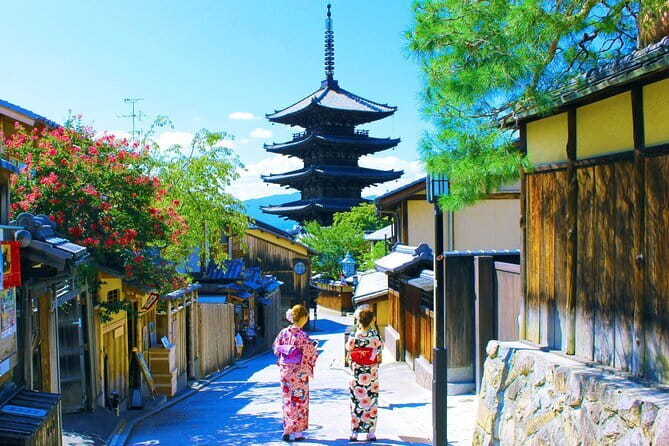
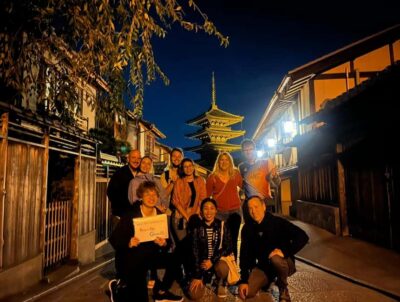
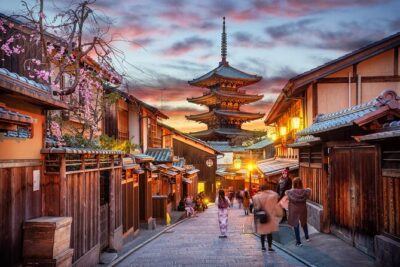
Stop 5 is Yasaka-no-To (Yasaka Pagoda), about 10 minutes. The point of this quick stop is recognition. This pagoda is one of Kyoto’s most recognizable silhouettes, and the early morning calm makes it easier to capture clean lines without fighting for position.
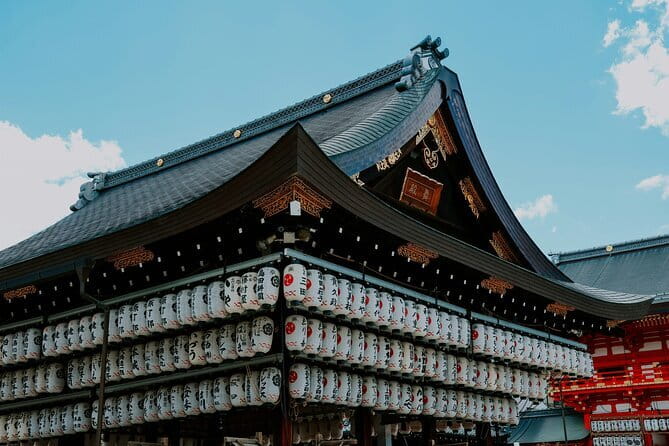
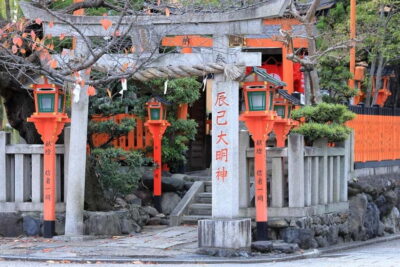
Stop 6 is Yasaka Shrine, about 30 minutes. This is one of Kyoto’s revered Shinto shrines, known for its vivid vermilion gate and a famous lantern-lit dance stage. Even if you don’t know all the shrine customs, you’ll feel the difference once you enter the precinct. It’s a step from “tour zone” into a lived religious space.
What I appreciate is that the tour doesn’t just stack temples. It connects the city’s spiritual architecture across traditions—Buddhist temple space at Kiyomizudera and Shinto shrine space at Yasaka Shrine—while keeping the walk efficient.
If you want a practical tip, it’s to slow down at the shrine gate area. That’s where your eyes adjust from street-level walking into shrine-level atmosphere. Spend a little time before you rush onward, and you’ll get more out of the 30 minutes.
The Real Value: Why a Small-Group Guide Changes Kyoto
A guide in Kyoto is not a luxury. It’s a shortcut to understanding. On this tour, the guide’s main job is to help you not get lost while also explaining what you’re seeing in plain language.
In the past, guides such as Caleb, Hiro, and Vincent have been praised for strong English, friendly interaction, and answering questions beyond the script. That matters because Kyoto rewards curiosity. If you ask why certain streets look the way they do, or what a shrine element refers to, the explanation makes the next 10 minutes make more sense.
You’ll also notice the pacing. The tour is about a short, high-impact route, so the guide can keep the group moving without turning it into a sprint. Early mornings are easier on your energy too. You arrive at the big stops less drained, which makes the experience feel smoother.
And since the group size is capped at 12, you’re not shouting over other people. You can hear the guide, and the guide can hear you.
Price and Value: What $49.42 Really Buys
The listed price is $49.42 per person for about 3 hours with an English-speaking guide and a mobile ticket. That’s not just “you pay for a walk.” You’re paying for three things that save real time and mental effort:
- Early timing (which reduces the chaos at the exact sites you came to see)
- Navigation help so you don’t lose time at street forks
- Context, so you see more than the photo in your camera roll
The one extra cost you should plan for is Kiyomizudera’s admission fee of ¥500. You can treat that as the entry fee for the temple’s main experience, while the rest of the route includes several free stops like Gion Shirakawa, Hanamikoji Street, Yasaka-no-To, and Yasaka Shrine.
So the value equation is simple: you’re paying for guide-led efficiency and early access, not for paying for every single entrance. If you care about beating crowds and want a coherent route through Higashiyama, this price sits in a reasonable zone for what you get.
If you’re the type who loves wandering solo without structure, you might prefer a DIY walk. But if you want the “I understand what I’m seeing” feeling without spending time mapping in the morning, this format usually fits well.
Who This Tour Suits Best (And Who Might Want a Different Plan)
This is a strong match if you:
- Want the best chance at peaceful photos at famous spots
- Enjoy walking with an English-speaking guide who answers questions
- Like the mix of traditional streets plus major sights in a compact timeframe
It’s also a good fit for first-timers in Kyoto, especially if you want a guided orientation to Higashiyama’s layout. Starting at Gion and moving toward Kiyomizudera-area streets gives you a logical geographic arc.
You might want to choose something else if you hate walking or struggle on stone steps. This tour doesn’t look extreme on paper, but Sannenzaka and Ninenzaka involve the kind of terrain where pace matters.
Finally, if you need a slower “sit and linger” schedule, the tour’s 3-hour pace may feel brisk. The upside is focus. The downside is you won’t spend hours at any single stop.
Should You Book the Kyoto Gion Early Morning Walk?
I’d book this tour if your main goal is to experience Kyoto’s Gion and Higashiyama highlights in a calmer window. Early morning is the whole point, and the route is built around the places where the crowd difference is biggest.
Book it if you want:
- A small group and an interactive guide experience
- Clear direction so you don’t waste morning energy getting oriented
- A walk that includes big sights like Kiyomizudera and shrine time at Yasaka Shrine
Skip it only if walking for a few hours doesn’t sound fun, or if paying the ¥500 Kiyomizudera entry feels like a hassle you’d rather avoid. For most visitors, that fee is a small trade for getting temple time with less chaos.
If you’re balancing Kyoto on a tight schedule, this is one of those morning plans that tends to pay you back all day.
FAQ
What is the price of the Kyoto Gion Early Morning Walking Tour?
The tour costs $49.42 per person.
How long is the tour?
It runs for approximately 3 hours.
Is Kiyomizudera admission included?
No. The Kiyomizudera-Temple admission fee is ¥500 per person and is not included.
How many people are in the group?
The tour has a maximum of 12 travelers.
Is hotel pick-up included?
No, there is no hotel pick-up.
Where is the meeting point?
The meeting point is the Statue of Izumo-no-Okuni in Kawabatacho, Higashiyama Ward, Kyoto.
Does the tour end at the same place?
Yes. The activity ends back at the meeting point.
Is free cancellation available?
Yes. You can cancel for a full refund up to 24 hours in advance of the experience start time.
More Tours in Kyoto

More Tour Reviews in Kyoto
Still in Gion? Keep Going


Just added: more Kyoto tours to browse





Gion & Geisha District Tours, compared.
 ★ 4.7Kyoto Geisha Walking Tour: Gion District & Hidden GemsFrom $253,273 reviews
 ★ 4.9Gion Magical Night Walking Tour with Geisha TriviaFrom $242,393 reviews
 ★ 4.7Gion Geisha District Walking Tour – Stories of GeishaFrom $202,187 reviews
 ★ 4.9Best of Kyoto: Gion, Geisha, Pagodas & CobblestonesFrom $242,058 reviews
 ★ 4.5Night Walk in Gion: Kyoto’s Geisha DistrictFrom $212,003 reviews
 ★ 5.0Kyoto Night Foodie Tour in Gion (9+ dishes + 6 Sake tastings)From $1631,762 reviews
 ★ 5.0Kyoto Gion Geisha District Walking Tour – The Stories of GeishaFrom $251,441 reviews
 ★ 5.0Kyoto Gion: 2-Hour Geisha Culture & History Walking TourFrom $231,186 reviews
Browse the lists this tour appears in