
Reviewed · GION & GEISHA DISTRICT TOURS
Kyoto: Gion and Geisha District Walking Tour
Gion turns into a storybook when someone guides you through it. This small-group walk through Gion ties together shrines, old streets, and geisha district context, so you know what you are looking at instead of just drifting. I like that it’s limited to 10 people max.
I also like how the route blends free landmarks like Yasaka Shrine and Maruyama Park with the kind of street-level explanations that make Hanamikoji feel meaningful. The one possible drawback is simple: you walk for about two hours, and some parts (like the stone lanes around Ninenzaka/Sannenzaka and shrine paths) can feel uneven, especially if it’s hot.
In This Review
- Key highlights to expect
- Why this Gion geisha district walk makes sense in Kyoto
- Meeting point at Gion Hotel Starbucks: easy start, easy end
- Yasaka Shrine: Kyoto’s Shinto gateway into Gion
- Maruyama Park: a short pause near Kyoto’s oldest public park
- Nene-no-Michi: the samurai-linked lane you’ll keep noticing
- Ninenzaka and Sannenzaka: stepping down old Kyoto streets
- Yasui-Konpiragu and the Power Stone tradition
- Hanamikoji Street: seeing Gion’s main lane with fresh eyes
- Guides really shape the tour: who you might get
- Price and value: what $22.55 really covers
- Timing matters: when Gion feels different
- What you’ll learn about geisha culture (and how it helps you)
- Who should book this walk, and who might not love it
- Should you book the Kyoto Gion and Geisha District Walking Tour?
- FAQ
- FAQ
- How long is the Kyoto Gion and Geisha District walking tour?
- What is the price per person?
- How big is the group?
- Is there an English-speaking guide?
- Where do I meet for the tour?
- Where does the tour end?
- Which stops are included on the walk?
- Are there admission fees for the stops?
- Do I need to bring a printed ticket?
- Is tipping included in the price?
- Is free cancellation available?
- Is the tour near public transportation?
Key highlights to expect
- Max 10 travelers: a smaller group means you can actually hear the guide and ask questions.
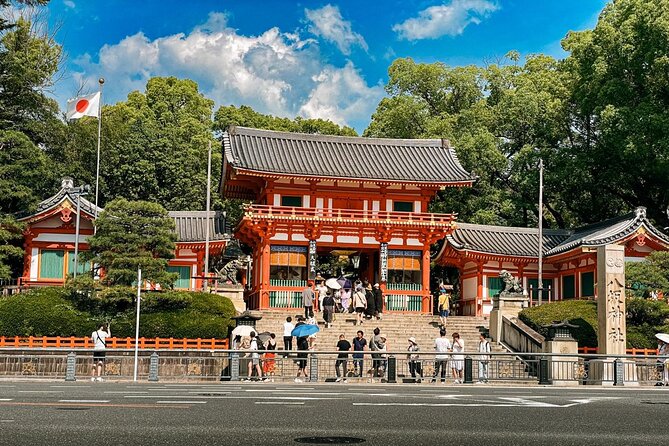
- Start with Yasaka Shrine: vermilion gate vibes and lantern-lit paths set the tone fast.
- Maruyama Park break: a short pause near Kyoto’s oldest public park.
- Nene-no-Michi and the old-street descent: preserved streets, old architecture, and a classic Kyoto stroll.
- Yasui-Konpiragu Power Stone tradition: a quirky shrine story about tying and untying relationships.
- Hanamikoji Street focus: machiya townhouses and the Gion lane you’ll remember.
Why this Gion geisha district walk makes sense in Kyoto
Kyoto can feel like a lot of separate sights. This tour does something smarter: it connects the dots between Gion as a neighborhood and geisha culture as a world of traditions, etiquette, and seasonal rituals.
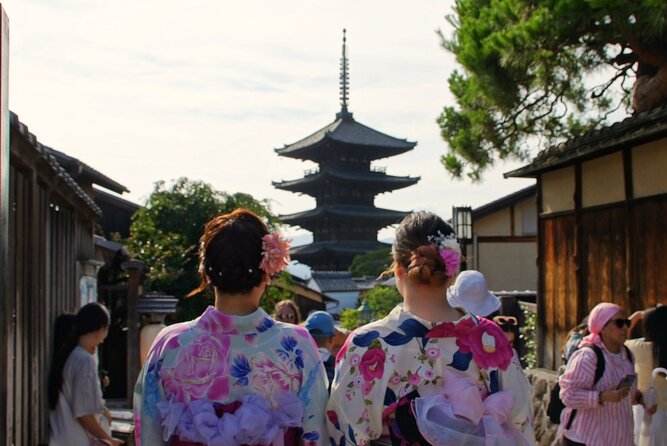
What I like for you here is the pace. The stops are short and close together, so you get constant context as you move. That matters, because Gion is full of tiny details: narrow lanes, old wooden storefronts, and shrine spaces that look like they should be part of a story.
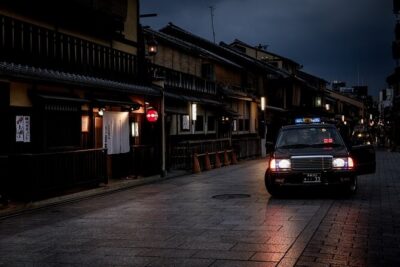
More evenings along the lantern-lit lanes of Gion


Meeting point at Gion Hotel Starbucks: easy start, easy end
The walk starts at Starbucks Coffee Kyoto Gion Hotel, on the 1F of the Kyoto Gion Hotel building (555 Gionmachi Minamigawa). It also ends back at the same spot, so you avoid the stress of figuring out transportation after a two-hour stroll.
The tour uses a mobile ticket, so you do not need to print anything. And because it’s near public transportation, you can slot it into a busy day without burning time just getting there and back.
Yasaka Shrine: Kyoto’s Shinto gateway into Gion
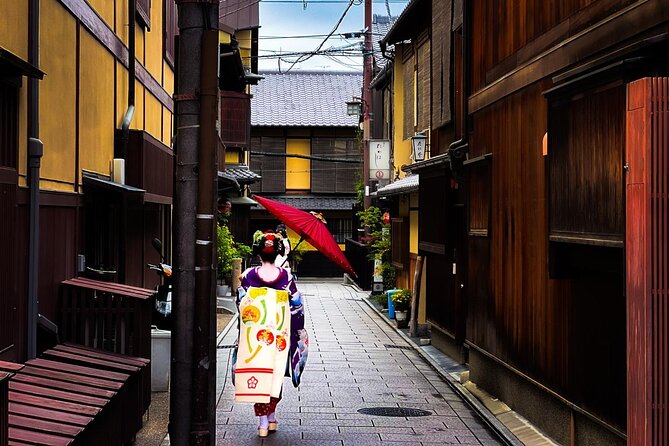
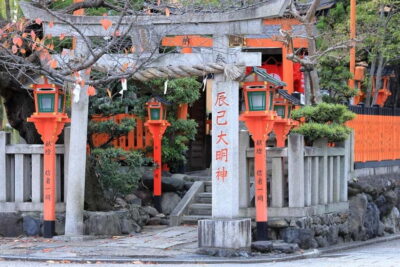
You begin at Yasaka Shrine, a centuries-old Shinto sanctuary between Gion and Higashiyama. The big visual draw is the striking vermilion gate, with lantern-lit paths that help you understand why so many people visit this area after dusk.
This is more than a photo stop. The guide sets up what makes Gion culturally special, then ties shrine life to the rhythms of the city—seasonal events, local traditions, and the way Kyoto’s neighborhoods carry meaning through everyday streets.
Time here is about 20 minutes. That’s long enough to take in the atmosphere without turning the tour into a standstill.
Maruyama Park: a short pause near Kyoto’s oldest public park
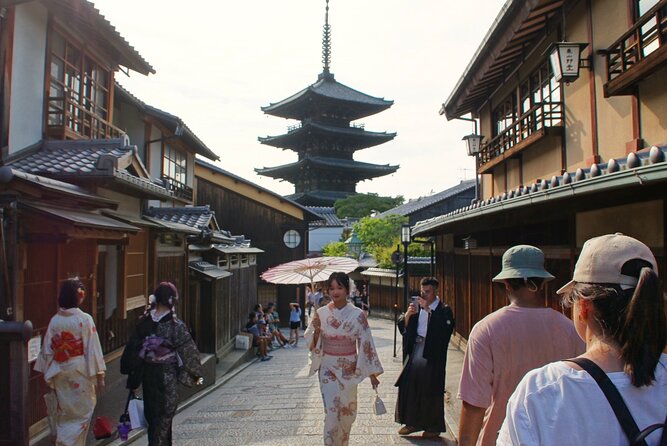
Next comes Maruyama Park, Kyoto’s oldest public park. It’s known for seasonal beauty, and the area is famous for weeping cherry trees.
The value of this stop is that it gives your legs a breather. It also helps you reset your brain after shrine energy and before you head into the older lanes where the walking gets more interesting.
Time is about 10 minutes. Think of it as a breathing space that keeps the rest of the walk enjoyable.
Nene-no-Michi: the samurai-linked lane you’ll keep noticing
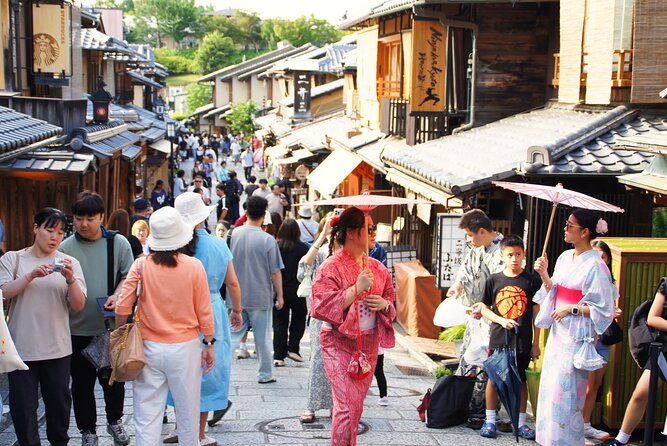
You’ll then head down Nene-no-Michi, a picturesque lane named after Nene, the wife of samurai warlord Toyotomi Hideyoshi. This is one of those streets where the buildings and the layout do the talking.
The tour includes preserved traditional architecture and plenty of small shops along the way, including teahouse-style storefronts. You start seeing how Gion’s look and feel come from preservation, not from theme-making.
At around 10 minutes, it stays focused. You get the context without getting stuck in a long shopping loop.
Other Kyoto tours and experiences to compare



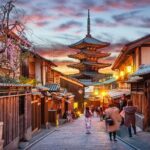
Ninenzaka and Sannenzaka: stepping down old Kyoto streets
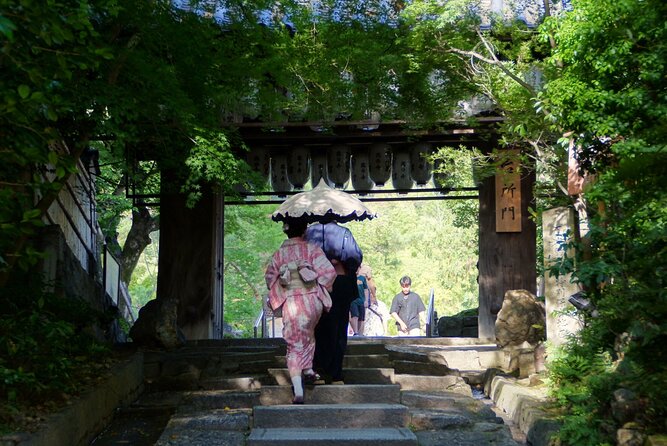
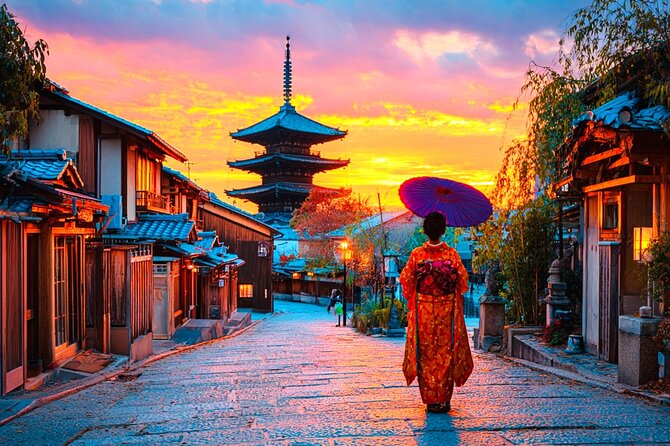
After Nene-no-Michi, the route moves to Sannenzaka Ninenzaka, a charming slope you descend. The street is described as stone-paved, with historic wooden buildings and artisan boutiques—basically the kind of Kyoto street you want to see at walking speed.
Here’s where the guide really earns their fee. You’re not just staring at old buildings. You’re learning what to notice in architecture and street layout, so you start to recognize patterns instead of treating every corner like a postcard.
This stop runs about 15 minutes. It’s enough time to look around and take pictures, but not so long that you lose the tour’s momentum.
Yasui-Konpiragu and the Power Stone tradition
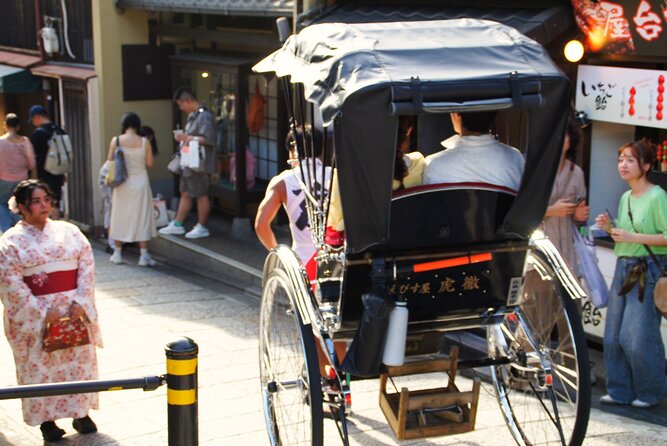
One of the most talked-about stops is Yasui-Konpiragu in the Higashiyama district. It’s famous for the Power Stone archway, and there’s a tradition tied to it: people crawl through (locals and visitors) and pray for strong relationships—or to break ties with the past.
The practical value for you is that the guide explains why people do it and what that says about the culture of wishes, rituals, and everyday faith. It’s one of those moments where Kyoto’s traditions feel both old and oddly human.
Time is about 10 minutes. Short, but memorable.
Hanamikoji Street: seeing Gion’s main lane with fresh eyes
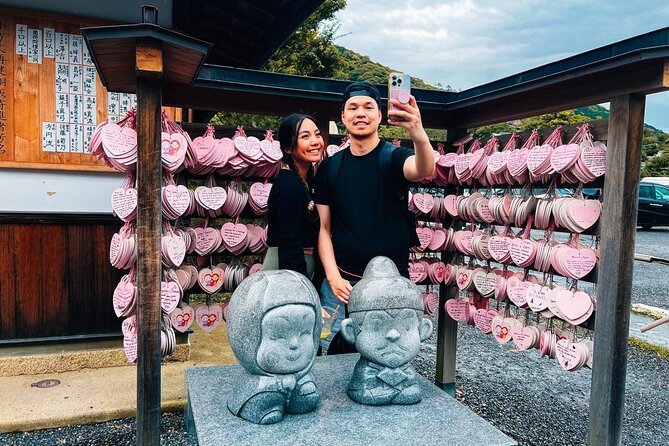
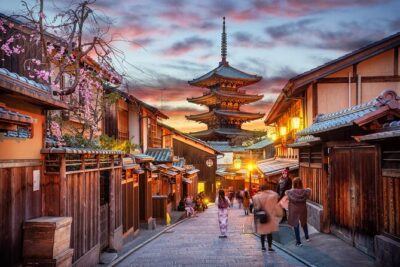
The final core stop is Hanamikoji Street, often called the heart of Gion. This is where you’ll see preserved wooden machiya townhouses and exclusive teahouses, with softly glowing lanterns creating that classic Gion look.
But the real payoff is the lead-up you just got. After Yasaka Shrine, the park pause, the old lanes, and the Power Stone ritual, Hanamikoji hits differently. Instead of only seeing scenery, you understand how the neighborhood functions as a historic entertainment district and why the lanes matter.
This last segment is about 15 minutes, and it’s designed to land you back near the starting area.
Guides really shape the tour: who you might get
A big reason this tour scores so well is the English-speaking guide. Names that come up include Sam, Shin, Amy, Tim, Naoya, and Maria, and the common thread is strong storytelling plus good pacing.
A couple of guide-specific details you should care about:
- Sam is described as accommodating with perfect English.
- Shin and Amy are praised for making the Gion neighborhood feel alive with clear explanations.
- Tim is called friendly and easy to follow.
- Naoya brings geisha stories to the street level.
- Maria is noted for being organized and kind, including messaging ahead and helping keep people comfortable when it was very hot.
That last point matters. On foot, weather and comfort can make or break the experience, and a guide who keeps the group moving wisely makes the whole walk more pleasant.
Price and value: what $22.55 really covers
At $22.55 per person, you’re paying for a guided two-hour walk, not for expensive admissions. The stops on the route are free where mentioned (Yasaka Shrine, Maruyama Park, and the other listed stops have no paid admission noted in the itinerary details).
The included portion you do want to notice is the English guide and the tour’s entry coverage for Gion and Hanamikoji Street. In other words, your money goes toward interpretation: the who/why behind what you’re seeing.
If you’re the type of visitor who likes to understand neighborhoods as living culture, this can be a strong value. If you just want to wander Gion on your own, you might feel you’re paying for context rather than tickets. The difference is how much you enjoy explanation.
Timing matters: when Gion feels different
Gion has a different mood depending on time of day. Some guide experiences mention the tour as special at night, and that lines up with the lantern-lit feel described around Yasaka Shrine and along the streets.
If you can choose, I’d pick a time when the lantern atmosphere is likely to be at its best. Even if you’re not chasing nightlife, night lighting makes lanes like Hanamikoji feel more like a place with stories than just a shopping street.
What you’ll learn about geisha culture (and how it helps you)
The tour’s goal is to teach you local geisha culture and give tips for places where you might spot geisha. It’s also designed to explain the broader context you’d miss wandering alone.
From the kinds of details mentioned, the guide connects dots between:
- shrine life and seasonal celebrations,
- samurai-era stories (like Hideyoshi through Nene-no-Michi),
- and how maiko training and traditional entertainment work in practice.
That matters because Gion is easy to misunderstand. Without context, you may only see costumes or crowd lines. With context, you start noticing how tradition, space, and routine shape what you see.
Who should book this walk, and who might not love it
This tour is a great fit if you want:
- a first-time Kyoto orientation to Gion that doesn’t drag,
- small-group attention (max 10),
- and a guide who explains culture through real streets, not museum talk.
It’s less ideal if you hate walking or prefer long temple circuits. The route includes slopes and stone lanes (especially around Sannenzaka Ninenzaka), so comfort matters. If you need a flatter, slower day, you might prefer a different style of tour.
Should you book the Kyoto Gion and Geisha District Walking Tour?
I’d book this if you want Gion with context. The price is low enough that you’re not taking a big risk, and the itinerary is built around the right mix: shrines, parks, old lanes, and Hanamikoji. Most of the “cost” goes toward explanation, and that’s where the tour seems to win people over.
I’d skip or reconsider if you want a free-for-all wander with zero structure. This is a guided walk with a clear order and short stop times, so you’ll get the most out of it if you enjoy listening and looking carefully.
If you book early, I think you’ll leave with a better sense of what Gion is, not just what it looks like.
FAQ
FAQ
How long is the Kyoto Gion and Geisha District walking tour?
The tour is about 2 hours.
What is the price per person?
The price is $22.55 per person.
How big is the group?
The tour has a maximum of 10 travelers.
Is there an English-speaking guide?
Yes. The tour includes an English speaking guide.
Where do I meet for the tour?
Meet at Starbucks Coffee – Kyoto Gion Hotel, on the 1F.
Where does the tour end?
It ends back at the meeting point.
Which stops are included on the walk?
The stops listed are Yasaka Shrine, Maruyama Park, Nene-no-Michi, Sannenzaka Ninenzaka, Yasui-Konpiragu, and Hanamikoji Street.
Are there admission fees for the stops?
The itinerary notes free admission for each listed stop, including Yasaka Shrine and Maruyama Park. The tour also includes entry/admission for Gion and Hanamikoji Street.
Do I need to bring a printed ticket?
No. The tour uses a mobile ticket.
Is tipping included in the price?
Tipping is not included, and tips are optional.
Is free cancellation available?
Yes. You can cancel up to 24 hours in advance for a full refund.
Is the tour near public transportation?
Yes, it is near public transportation.
More Tours in Kyoto

More Tour Reviews in Kyoto

Still in Gion? Keep Going


Just added: more Kyoto tours to browse








Gion & Geisha District Tours, compared.
 ★ 4.7Kyoto Geisha Walking Tour: Gion District & Hidden GemsFrom $253,273 reviews
 ★ 4.9Gion Magical Night Walking Tour with Geisha TriviaFrom $242,393 reviews
 ★ 4.7Gion Geisha District Walking Tour – Stories of GeishaFrom $202,187 reviews
 ★ 4.9Best of Kyoto: Gion, Geisha, Pagodas & CobblestonesFrom $242,058 reviews
 ★ 4.5Night Walk in Gion: Kyoto’s Geisha DistrictFrom $212,003 reviews
 ★ 5.0Kyoto Night Foodie Tour in Gion (9+ dishes + 6 Sake tastings)From $1631,762 reviews
 ★ 5.0Kyoto Gion Geisha District Walking Tour – The Stories of GeishaFrom $251,441 reviews
 ★ 5.0Kyoto Gion: 2-Hour Geisha Culture & History Walking TourFrom $231,186 reviews
Browse the lists this tour appears in