
Reviewed · FUSHIMI INARI SHRINE TOURS
Kyoto: Fushimi Inari Shrine and Tofukuji Temple E-Bike Tour
One short sentence can tell you if a tour fits: this one moves through Kyoto without draining you. You get a guided e-bike ride that links major sights like Fushimi Inari with calmer temple time at Tofukuji, plus real-life neighborhood lanes in between. I like that the pace stays friendly, with frequent stops, and that your guide (Maki) explains what you’re seeing in practical terms, not just dates.
I also like the balance: the tour covers Shinto and Zen/Buddhist settings so you understand why people behave differently at shrines versus temples. A possible drawback to consider: it’s not a full walk-and-chat city stroll. You’ll do a mix of cycling and some walking, so you’ll want comfortable shoes and basic comfort riding in traffic, even with e-bike help.
In This Review
- Key Things I’d Prioritize on This Tour
- Getting Oriented at Pedal Adventure Kyoto and Riding Kyoto Streets
- Pedaling Through Gion: Geisha Culture and Kyoto Customs Without the Lecture Tone
- Kyoto Neighborhood Lanes: Seeing Real Daily Life Between Big Sights
- Fushimi Inari Shrine: Shinto Basics You Can Use
- Tofukuji Temple and the Zen Garden Pause That Changes the Pace
- The 4-Hour Timing: How to Fit It Into a Kyoto Day
- Price Check: What $83 Gets You (and Why It Can Feel Fair)
- What It Feels Like With Maki: Storytelling, Humor, and Real Questions
- Who This Kyoto E-Bike Tour Is For
- Should You Book This Kyoto Fushimi Inari and Tofukuji E-Bike Tour?
- FAQ
- How long is the Kyoto Fushimi Inari and Tofukuji e-bike tour?
- Is the tour guide available in English?
- How big is the group?
- Where does the tour start?
- What’s included in the price?
- What is not included?
- What should I bring, and what should I wear?
Key Things I’d Prioritize on This Tour
- Small group (up to 8) means you can ask questions and actually hear the guide.
- E-bike orientation and helmet help you feel set up fast before you roll out.
- Gion district cycling adds context about geisha culture and Kyoto customs while you ride through real streets.
- Fushimi Inari Shrine with Shinto context turns a top sight into something you can place culturally.
- Tofukuji Temple Zen garden break gives you a quieter reset mid-tour instead of sprinting only.
- Short stops for understanding rather than racing between photo points.
Getting Oriented at Pedal Adventure Kyoto and Riding Kyoto Streets
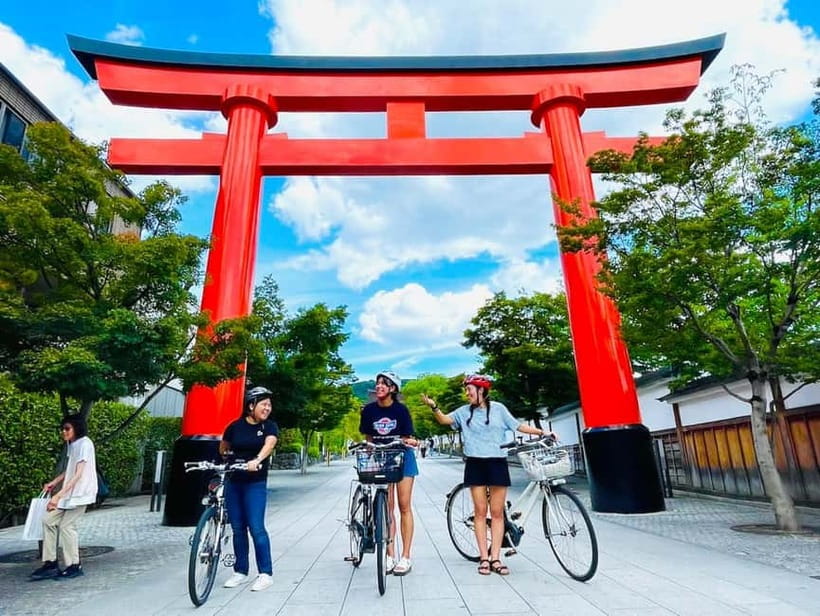
The tour starts at Pedal Adventure Kyoto. If you arrive a little early, you’ll have time to settle in, get your helmet, and get your e-bike set before the group moves. That first stretch matters more than people think, because it sets your comfort level for the rest of the day.
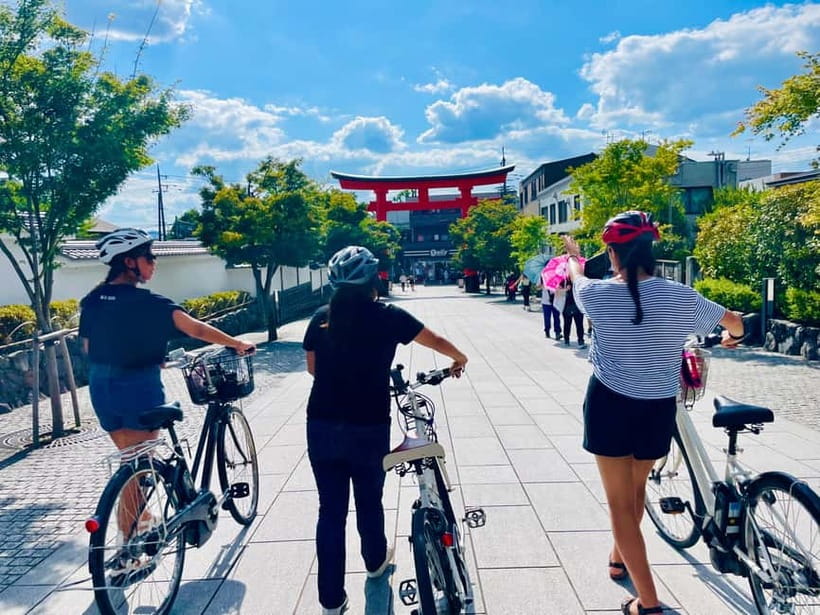
You get a bike orientation in Japan-riding basics (how to ride safely and what to expect on roads). Then the route starts near Higashiyama-Sanjo, and your guide gradually eases you from orientation into busy-city reality. In the reviews, the repeat theme is feeling safe even when the streets get active. Part of that is the e-bike itself, which helps with the steeper bits, and part of it is the way the group rolls together with frequent stops.
You’ll also want to plan your body for “comfortable cycling plus short walking.” This matters because Japan’s famous sights aren’t always right beside a parking lot. Even on an e-bike tour, you’re stepping on and off, pausing, and navigating a bit on foot. Bring comfortable clothes and comfortable shoes so you don’t feel your day shrinking after the first hour.
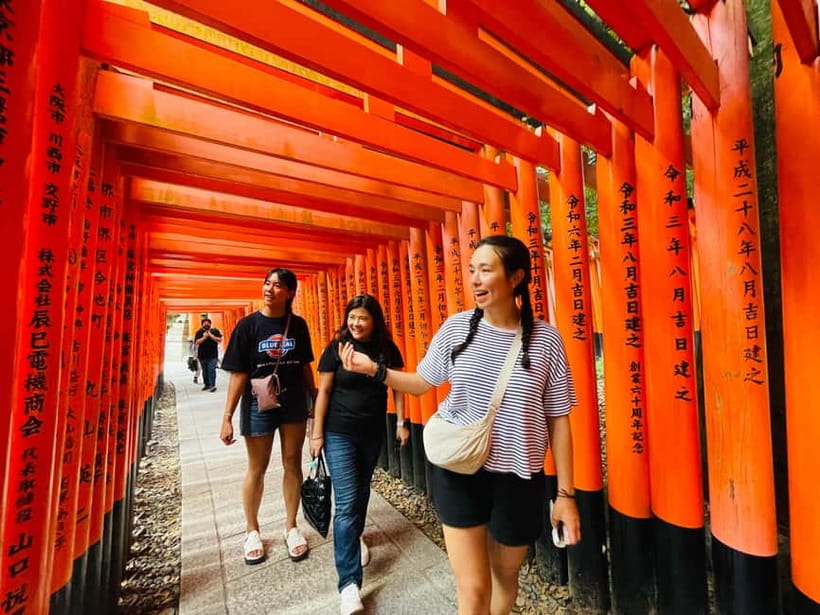
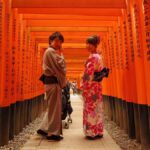
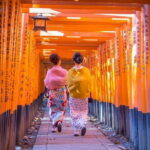
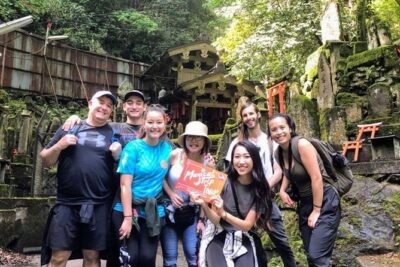
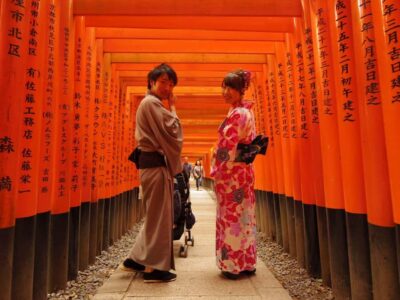
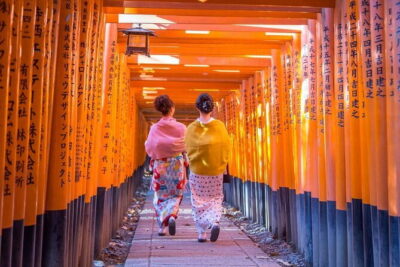
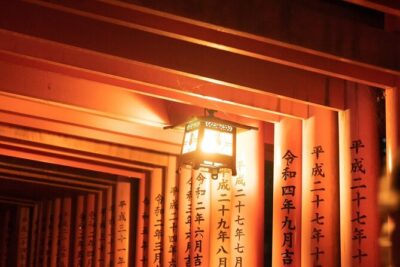
More walks up through the vermilion torii of Fushimi Inari


Pedaling Through Gion: Geisha Culture and Kyoto Customs Without the Lecture Tone
After setup, you ride through the Gion district. This is where the tour feels more like a guided walk from a local friend than a checklist tour. The key is what you learn while moving through streets, not just what you see when you stop.
Your guide covers geisha and Kyoto customs, and the best part is the way it’s explained to match what you’re likely to notice around you: how locals behave, how spaces feel different, and what certain cultural signals mean in daily Kyoto life. The group also gets time for questions, which is useful here because a lot of first-timers have the same uncertainties about cultural etiquette.
One thing I’d keep in mind: Gion is visually busy, even when you’re not in the densest crowds. So instead of trying to “win the sightseeing game” by photographing everything, aim for understanding. If you listen during stops and ask the one question you keep holding back, you’ll get more out of the district than just a few pretty frames.
This section also tends to be where you feel the e-bike doing its job. Even if you’re fit, Kyoto streets can have sudden rises and tight turns. The assist takes the edge off so you can stay relaxed and enjoy the ride.
Kyoto Neighborhood Lanes: Seeing Real Daily Life Between Big Sights
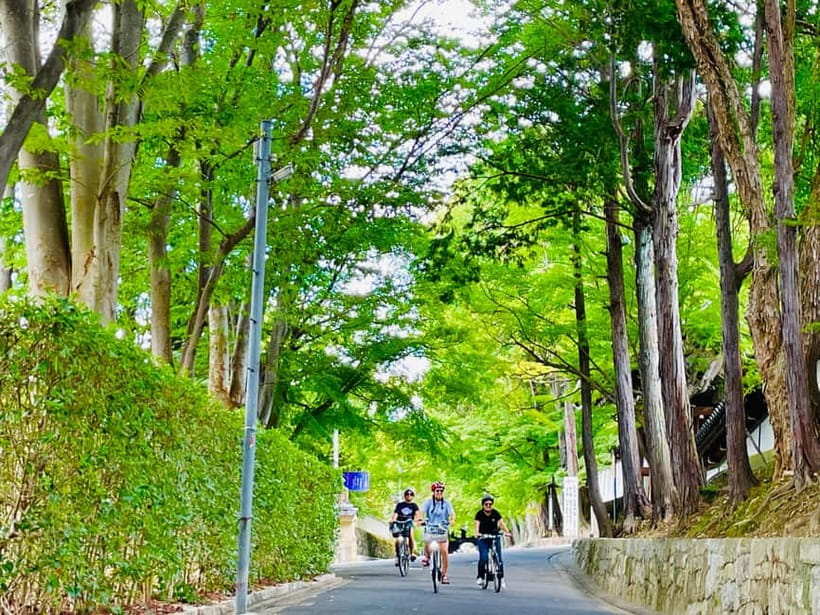
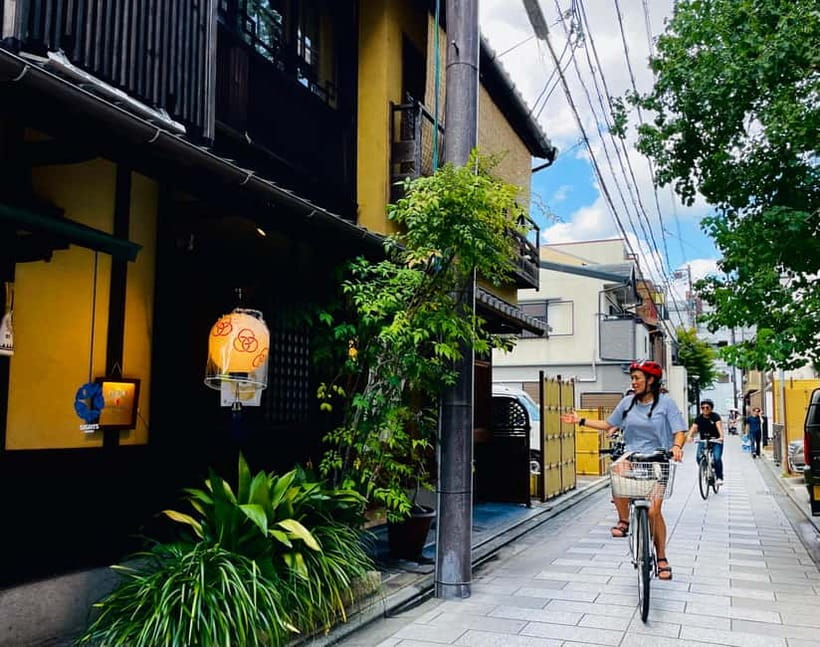
Between major stops, you cycle through Kyoto suburb areas and residential streets. This is the part that often makes a short tour feel longer in a good way, because you’re not only moving between headline locations.
You’ll notice your guide picks routes that help you see how people move through the city when they’re not just following a tourist map. Several riders mention quieter areas alongside busy ones. That mix is practical: it gives you contrast. One minute you’re in a well-known zone, the next you’re riding through calm streets where Kyoto feels more like a living city than a set.
If you’re worried about “road nerves,” don’t ignore it, but don’t assume it’s hard either. The reviews consistently mention that staying safe isn’t guesswork here; the guide directs the group and makes the riding doable. Still, be honest with yourself: this isn’t a ride for anyone who wants zero interaction with city streets.
Fushimi Inari Shrine: Shinto Basics You Can Use
Next comes Fushimi Inari Shrine, described as a top, iconic place. This is the big name stop, and your guide works to make it more than a famous photo location. The focus is on history and culture of Fushimi Inari, plus a practical explanation of Shintoism so you can connect what you see with why it matters to people.
One of the most useful skills you’ll take away from a tour like this is language for context. Instead of standing there thinking, I know it’s important but I don’t get the why, you’ll have a framework. Your guide explains meaning and customs, so you can spot patterns rather than just absorb crowds.
A small drawback you might plan around: because you’re in a group and riding to a high-demand sight, time can feel tighter than it would if you were alone. If you’re the type who wants to linger and wander at your own pace for a long time, you may wish you had more minutes at the shrine itself. On the other hand, the guided context can make your shrine time feel more intentional, even if it’s not hours long.
When you’re ready to move again, you’ll cycle back toward the city. One review notes a pleasant return route along the river area, which is exactly what you want after time at a major attraction: a calmer ride that helps your brain reset.
Tofukuji Temple and the Zen Garden Pause That Changes the Pace
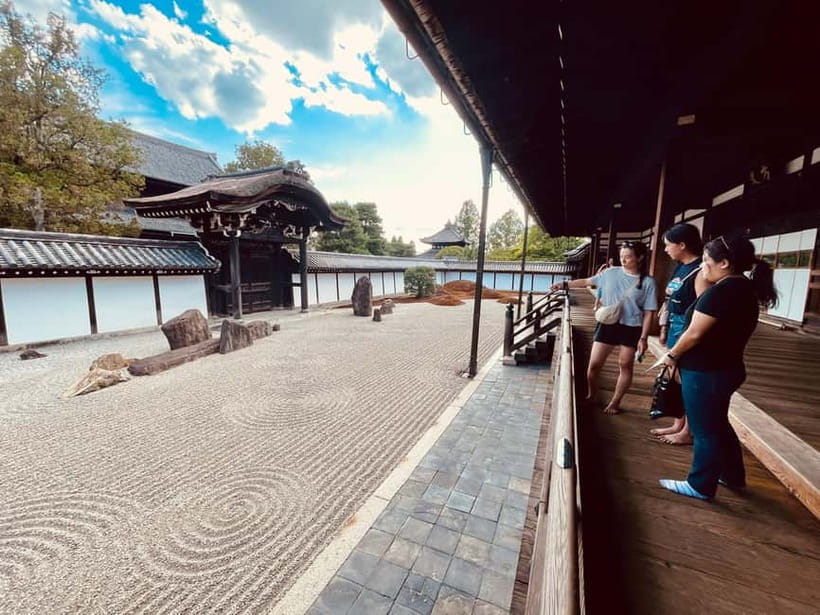
Before the tour wraps, you stop at Tofukuji Temple. This is where the trip slows down on purpose. Instead of stacking one stop on another, you get a chance to relax in the Zen garden and absorb the atmosphere.
This part matters because it balances the intensity of Fushimi Inari and the urban movement you did earlier. It’s also where the tour’s teaching style helps: your guide connects the difference between shrines and temples and how the religions shape everyday behavior and space. Since the tour already touched Shintoism and then shifts into temple time, you’ll start seeing why the two settings feel distinct.
If you’re hoping for a quiet moment to just breathe, this is that moment. Even if you’re not a meditation person, it’s still a useful reset during a short, active day. You’ll walk a bit and then slow down, which makes the whole tour feel less like a sprint.
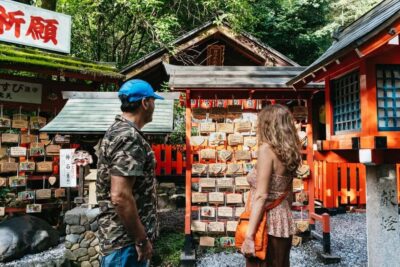
More temples and shrines to slow down in across Kyoto


The 4-Hour Timing: How to Fit It Into a Kyoto Day
This tour is 4 hours, and that length is a big part of the value. Kyoto can eat your time. Lines, walking, and transit can turn a “half-day” into a full-day stress festival.
Instead, this format gives you:
- major landmark exposure (Fushimi Inari),
- cultural neighborhood context (Gion and residential lanes),
- and a calmer temple interval (Tofukuji Zen garden).
In practice, it also helps you avoid a common travel mistake: trying to do too many temples in one day on your own. If you want to keep your energy for evenings, food, and exploring at your own pace after the tour, the timing is friendly.
Just remember you’ll be on the move. You’ll want to schedule this earlier rather than right before dinner if you hate feeling tired mid-meal. If you’re pairing it with other sightseeing, think in terms of “one guided anchor + some light wandering after.”
Price Check: What $83 Gets You (and Why It Can Feel Fair)
The price is $83 per person for about 4 hours, and what makes it feel reasonable is what’s included.
You get:
- a live local tour guide (English),
- electric bicycle rental,
- helmet,
- insurance,
- snack and a water bottle,
- and the entrance fee for two places.
Not included are hotel pickup and drop-off, and lunch. That’s normal for this kind of city tour, but it affects budgeting. You’ll need to plan your own meal situation and transit to the meeting point.
Is it worth it? If you want Fushimi Inari and Tofukuji plus Gion context without spending hours figuring out routes, you’re paying for convenience and interpretation. The e-bike also reduces the physical friction that can slow solo temple hopping. In other words, you’re buying time (and clarity), not just transportation.
What It Feels Like With Maki: Storytelling, Humor, and Real Questions
A standout in the reviews is the guide: Maki. Riders describe her as funny, energetic, and careful with the group. That matters because an e-bike tour can be either great or a little chaotic depending on leadership.
From what’s reflected in the feedback, Maki doesn’t just talk at you. She explains and then checks that you’re following. Some riders also mention visual aids like a binder with pictures, which helps when you’re listening while moving through a city.
Another practical plus: she’s willing to take photos for the group. That means you spend less time playing photographer and more time actually being there. You’ll also get local tips and time to ask questions, which is how you squeeze more meaning out of a short itinerary.
Who This Kyoto E-Bike Tour Is For
This tour fits best if you want:
- a guided structure that includes big-name Kyoto plus calmer breaks,
- an easier way to handle Kyoto’s riding challenges with e-bike assist,
- and someone to explain Shintoism and temple culture so you’re not guessing.
It’s not suitable for:
- children under 12,
- pregnant women,
- and people with mobility impairments.
Also, it includes cycling, so it’s best for people comfortable with the idea of riding in a city and occasionally walking.
If you’re traveling with teens or a mixed-age group, it seems especially workable. The reviews include families and teenagers who enjoyed the storytelling and the easy pace.
Should You Book This Kyoto Fushimi Inari and Tofukuji E-Bike Tour?
I’d book it if you want a smarter half-day: Fushimi Inari with Shinto context, Gion culture explained in context, and Tofukuji’s Zen garden as a reset. At $83, the value is strongest when you care about guidance, not just moving from spot to spot.
Skip it (or consider a different style) if you need a slow, unstructured day with lots of independent wandering, because group timing and the mix of cycling/walking will shape your experience. Also, if city riding makes you anxious no matter what, you might find the streets stressful even with e-bike support and a guide.
If you do book, come ready to listen, ask questions, and let the rhythm of the ride guide you. You’ll leave with a clearer sense of what shrines, temples, and Kyoto customs mean in daily life, not just a pile of photos.
FAQ
How long is the Kyoto Fushimi Inari and Tofukuji e-bike tour?
The tour lasts 4 hours.
Is the tour guide available in English?
Yes. The tour is led by a live local guide in English.
How big is the group?
The group is limited to 8 participants.
Where does the tour start?
The meeting point is Pedal Adventure Kyoto.
What’s included in the price?
The tour includes the live local tour guide, electric bicycle rental, helmet, insurance, a snack, a water bottle, and the entrance fee for two places.
What is not included?
Hotel pickup and drop-off and lunch are not included.
What should I bring, and what should I wear?
Bring comfortable shoes, sunscreen, and comfortable clothes. The tour involves a mix of walking and cycling.
More of Kyoto by Bike

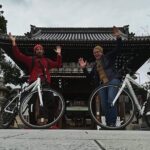

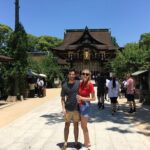
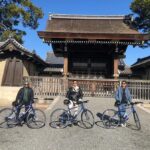
More Kyoto Temples and Shrines
Fushimi Inari, a Few More Ways
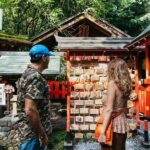
Just added: more Kyoto tours to browse






Fushimi Inari Shrine Tours, compared.
 ★ 4.8Fushimi Inari, Kinkakuji, Bamboo Grove 1 Day Bus TourFrom $1224,316 reviews
 ★ 5.0Fushimi Inari Hidden Hiking Tour (Private Option Available)From $631,750 reviews
 ★ 4.7Kyoto/Osaka: Nara, Fushimi Inari Taisha, Arashiyama Bus TourFrom $521,275 reviews
 ★ 4.4Osaka/Kyoto: Arashiyama, Nara & Fushimi Inari Shrine w/LunchFrom $61754 reviews
 ★ 4.7Nijo Castle, Kiyomizu & Fushimi Inari Guided TourFrom $54700 reviews
 ★ 5.0Nijo, Kinkaku-ji, Arashiyama, Kiyomizu & Fushimi InariFrom $51699 reviews
 ★ 5.0Kyoto Fushimi-Inari Night Walking TourFrom $43320 reviews
 ★ 4.93-Hour Fushimi Inari Shrine Hidden Hiking TourFrom $72270 reviews
Browse the lists this tour appears in