
Reviewed · KYOTO BIKE & E-BIKE TOURS
Kyoto: Full Day Bike Tour
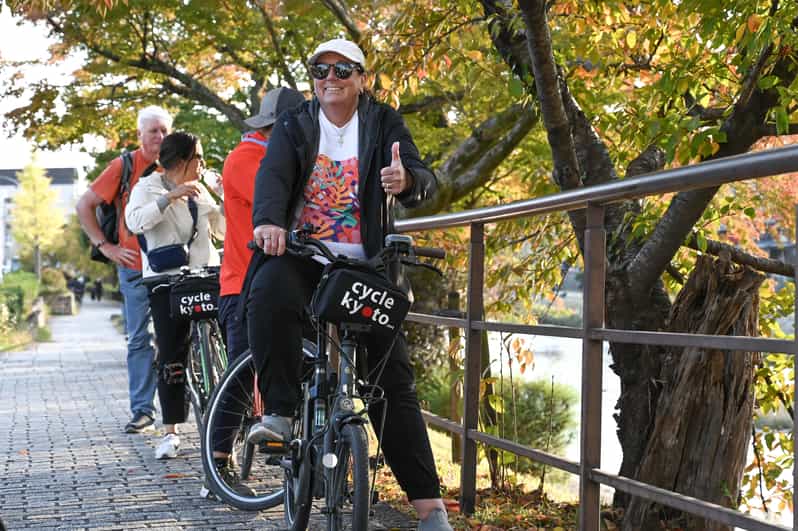
Kyoto on two wheels changes the pace fast. This full-day ride strings together major sights and quieter neighborhoods, with English-speaking guides and the chance to see how locals move through Kyoto’s streets. You’ll spend the day on well-kept Giant and Trek cross bikes, switching between guided temple time and easy cruising.
I like two things most. First, the guides are fluent in English and have lived in Japan for a long time, so explanations feel grounded rather than scripted. Second, the route is built to balance iconic stops with side streets, including a traditional lunch and a proper look at places like Golden Pavilion and Fushimi Inari.
One thing to keep in mind: this is a real full-day bike plan, not a casual stroll. The tour starts 9:30 AM sharp, you need to be comfortable riding, and storage on the bikes is limited—so pack light and dress for the weather.
In This Review
- Key things that make this Kyoto bike day work
- Why a Kyoto bike loop works so well for a one-day plan
- Cycle Kyoto setup: getting fitted, staying safe, riding a Giant or Trek
- Toji and Nishi Honganji: temples you start with for perspective
- Shopping arcades to Kitano Tenmangu: shrines in real Kyoto streets
- Kinkaku-ji with entrance included and a lunch you’ll remember
- Imperial Palace, Kamo River photos, and the road into Gion
- Tofukuji and Fushimi Inari’s Senbon Torii: the big finish
- What the $116 price covers and how it feels in use
- Who should choose this tour (and who should skip it)
- Should you book this Kyoto full day bike tour with Cycle Kyoto?
- FAQ
- What time does the tour start?
- Where does the tour meet?
- How long is the full day tour?
- How many people are in the group?
- Are the guides available in English?
- Do I need to pay for Golden Pavilion entry?
- Is lunch included, and what kind of lunch is it?
- Can I request an e-bike?
- What should I bring for the ride?
- What happens if it rains heavily?
Key things that make this Kyoto bike day work
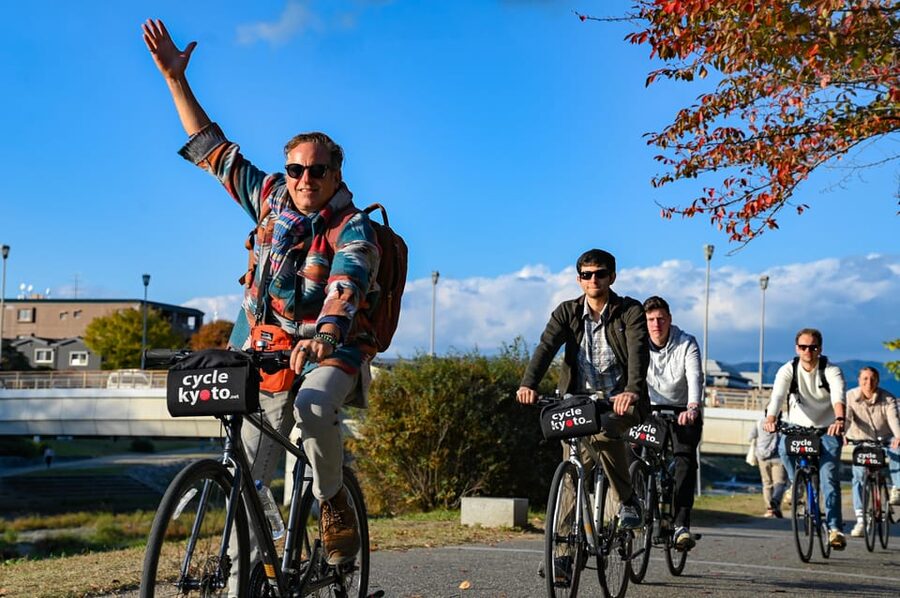
- Small group of 9 keeps the day feeling personal without rushing
- Bike fit and safety briefing help you get confident before the sights
- Golden Pavilion entry included so you avoid extra ticket hassle on arrival
- Neighborhood backstreets in Gion and around Kamo River add the local texture
- E-bike available on request if you want less leg work
Why a Kyoto bike loop works so well for a one-day plan
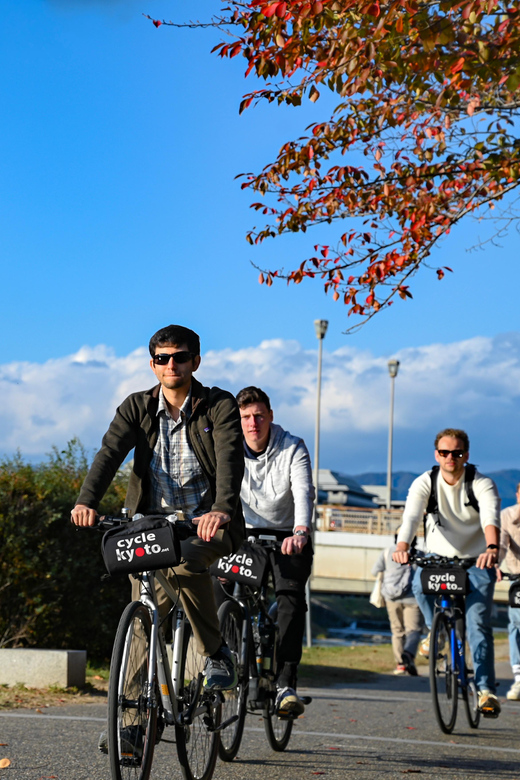
Kyoto can eat your whole vacation with lineups and transfers. This tour tackles that problem the practical way: it links temples, shrines, and classic districts into one ride so you spend less time crossing town and more time actually looking. The pacing also matters. You get guided time at major cultural stops, then you get free moments to take photos and soak up the atmosphere.
I also like the mix of “you know this place” and “wait, what is this?” You’ll hit big-name sights like Kinkaku-ji, but you’ll also glide through shopping arcades, gardens, and quieter areas that don’t always make it into short tours. That blend is why this works even if you’ve already seen Kyoto highlights on previous days.
There’s one tradeoff. Since it’s a bike day, the experience rewards comfort and stamina more than pure wandering. If you want long, slow, frequent stops with lots of walking detours, this plan may feel a bit structured.
More of Kyoto at handlebar pace
Cycle Kyoto setup: getting fitted, staying safe, riding a Giant or Trek
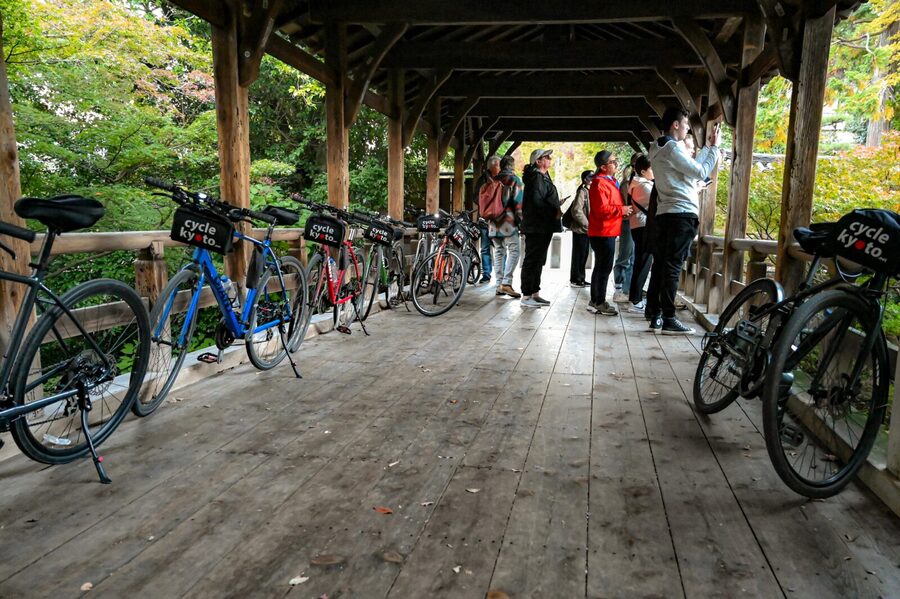
Everything starts at Cycle Kyoto, where you meet for bike fitting. Then you get a 25-minute safety briefing, which is exactly the kind of prep that makes the rest of the day feel less stressful. You’ll learn what to expect from the ride style and how the group moves, so you can focus on the city instead of worrying about traffic.
The bikes are cross bikes made by Giant and Trek, maintained for comfort and reliability. That matters because cross bikes handle Kyoto’s mix of paved streets and the kind of uneven sidewalk edges you’ll run into. If you prefer a lighter effort day, you can request an e-bike, which is a nice option if you’re biking once during your whole trip.
The tour also keeps it realistic about what you carry. Storage space is limited on the bikes, so bring essentials only, and leave bigger luggage in the shop’s secure space during the tour. You’ll feel grateful for that rule when you’re juggling water and a camera while moving from one landmark to the next.
Toji and Nishi Honganji: temples you start with for perspective
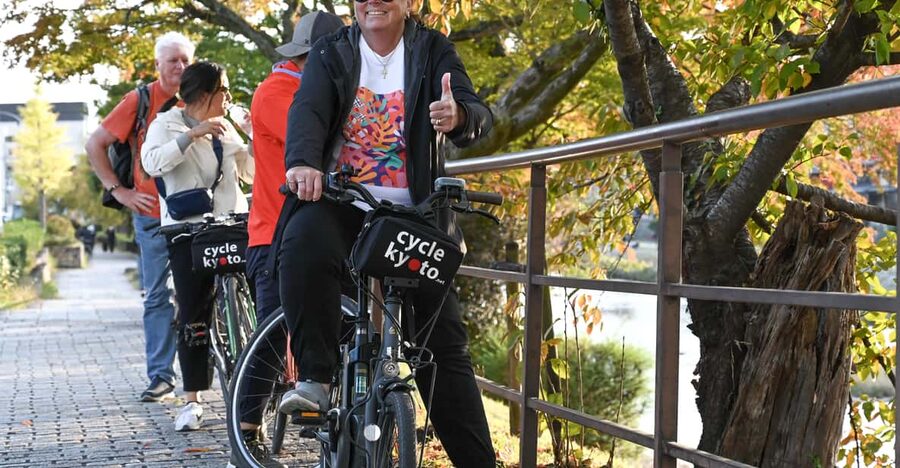
The day begins at Toji, the oldest temple in Kyoto. You’ll start with the bike safety briefing, then roll over to Toji for a 30-minute visit. This is a smart way to begin because it gives you a historical anchor early—so later sights make more sense as part of Kyoto’s long continuity.
After that, you ride about 10 minutes to Nishi Hongan-ji. Here you get a guided tour for 50 minutes, which means you’re not just snapping photos—you’re learning what you’re looking at while you’re still fresh. Nishi Hongan-ji is visually impressive, but what you’ll value most is how the guide connects details to the broader Kyoto story.
If you’re the type who likes to understand what you’re seeing, these first temple stops set the tone well. The main drawback is that your first part is less “free roam.” You’ll be moving with the group and following the guide’s pace, which is usually good—just know it’s not a solo wander.
Shopping arcades to Kitano Tenmangu: shrines in real Kyoto streets
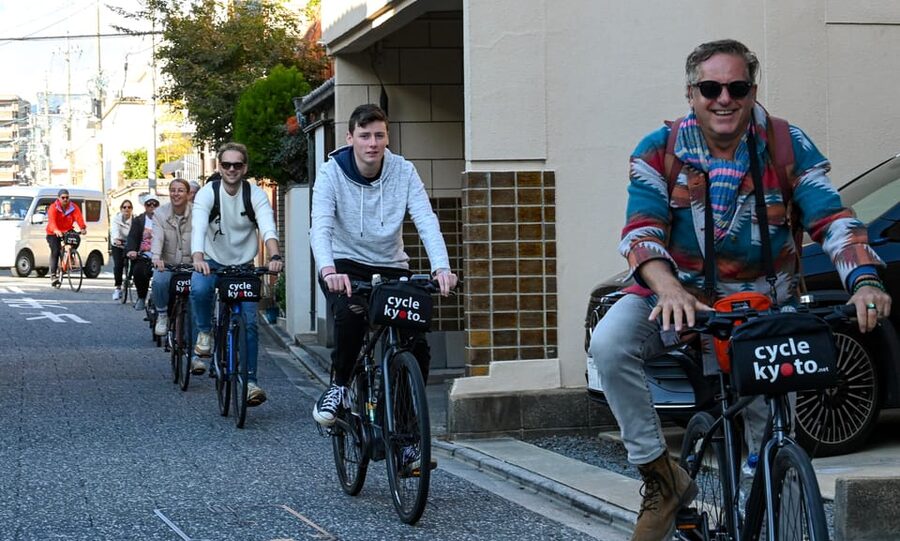
After the temples, you head north through the Sanjo Shopping arcade area. This stretch is less about one single landmark and more about Kyoto as a lived-in city. You’ll feel the rhythm of everyday streets, then transition into a calmer, more ceremonial mood with gardens and shrine grounds.
Next you’ll pause at Shinsen-en gardens, then continue to Kitano Tenmangu shrine for about 1 hour of guided time. Kitano Tenmangu is a great contrast to the earlier temple feel. Shrines have their own visual language, and the guide helps you notice what matters without turning it into a lecture.
From a practical standpoint, this section is also a “confidence builder.” The biking is straightforward enough that people who were worried about doing it on a regular bike often find the city manageable. Still, you’ll want comfortable shoes and the right clothing so you’re not dealing with hot spots, rubbing, or sweat-damp gear later in the day.
Kinkaku-ji with entrance included and a lunch you’ll remember
The Golden Pavilion (Kinkaku-ji) is one of those stops that people plan around, and here the entry fee is included. You’ll spend about 1 hour exploring it, so you’re not stuck in a rushed grab-and-go loop. The timing also helps. By the time you arrive, you’ve already built context from earlier temples and shrine explanations.
Then comes a real break: 1 hour at a local restaurant, included. Lunch is part of the value here, not just a checkbox. In past experiences, riders have highlighted that the lunch spot is the kind of place you might never find on your own, including ramen with a special duck broth. Even if your meal is different that day, the point is the same: this break is chosen for flavor and local feel.
One consideration: lunch location can vary depending on availability. That shouldn’t be a dealbreaker, but it does mean you can’t count on a specific restaurant name. Pack energy expectations accordingly and focus on the meal, not the exact menu.
Other Kyoto tours and experiences to compare
Imperial Palace, Kamo River photos, and the road into Gion
After lunch, the route heads toward the Kyoto Imperial Palace area, with 1 hour for a guided visit. This stop feels different from temples and shrines. You’re stepping into a civic, historical space where geometry, gardens, and formal grounds shift your attention from ornament to layout and atmosphere.
Then you pick up the Kamo River and get a 40-minute photo stop. This is where the day gets easier to breathe through. The guide keeps you moving, but you also get time to pause, reset, and catch the light along the river. It’s a nice balance after longer guided sections.
From there, you ride south into Gion for 1 hour of guided exploration. Gion is famous for a reason, but the payoff of biking through it is that you don’t just stare from the main lanes. You get street-level context and the sense of back streets and side paths that define how the district actually functions.
Tofukuji and Fushimi Inari’s Senbon Torii: the big finish
The final temples and shrine stops make the last stretch feel like a “wraparound” story. First, you reach Tofukuji with a 30-minute photo stop. This keeps the day flowing without dragging the schedule. You’ll get enough time to see what you came for, but you won’t feel like the ride turned into a checklist marathon.
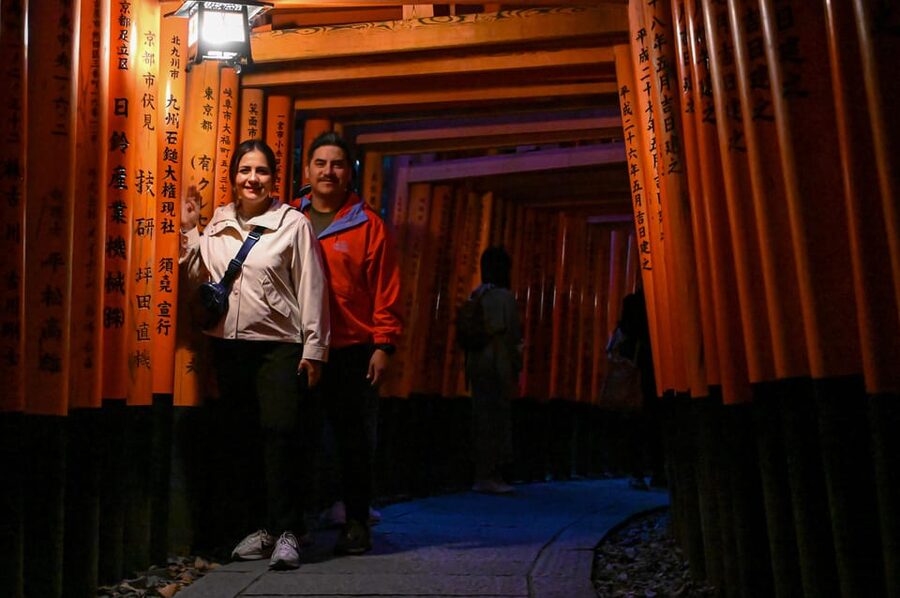
Then the big finale: Fushimi Inari Taisha, including the Senbontorii (thousands of torii gates). You’ll get about 1 hour of guided time, which is a useful length because the space can feel overwhelming if you go in cold. The guide helps you orient quickly, so you can enjoy the torii experience without spending your hour deciding where to look.
You’ll finish back at Cycle Kyoto after the ride. By the end, your legs may be tired, but your brain usually feels satisfied because the day includes both the iconic tower-moment and the quieter street moments that make Kyoto feel like more than a photo album.
What the $116 price covers and how it feels in use
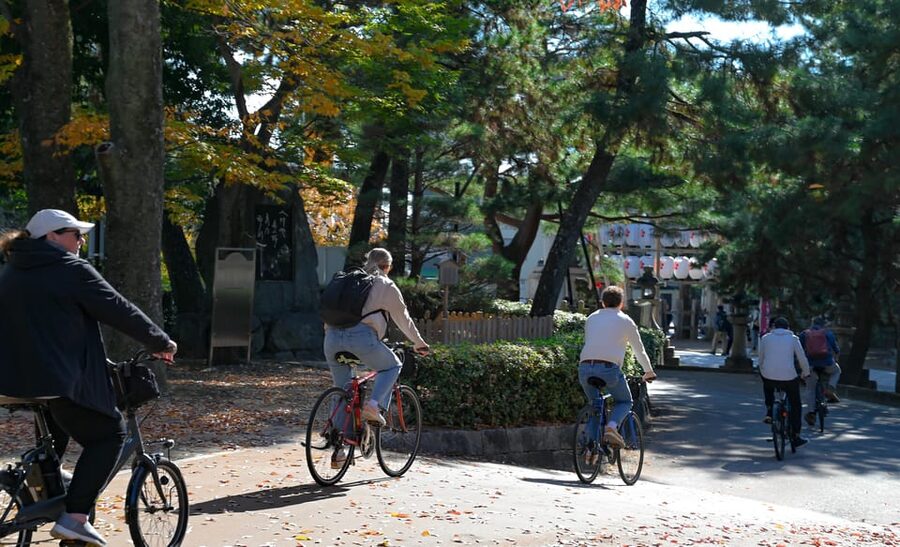
At $116 per person for a 450-minute day, the best way to judge value is what’s actually included. You’re paying for bike rental, a helmet, Golden Pavilion entrance, and a traditional Japanese lunch, all with an English guide. That’s not a tiny add-on cost, especially once you start factoring in that Kyoto sights often charge entry and that tours with fewer inclusions can force you into extra ticket lines.
The small group size (maximum 9 participants) also matters. With fewer riders, the guide can keep you together more easily and spend more time explaining what you’re seeing instead of repeating basics for a larger pack.
The only “cost” you pay that isn’t listed is effort. You’ll be on a bike for much of the day, so it’s worth asking yourself if you enjoy active sightseeing. If you’d rather spend most of the day on foot, you might find this format less comfortable.
Who should choose this tour (and who should skip it)
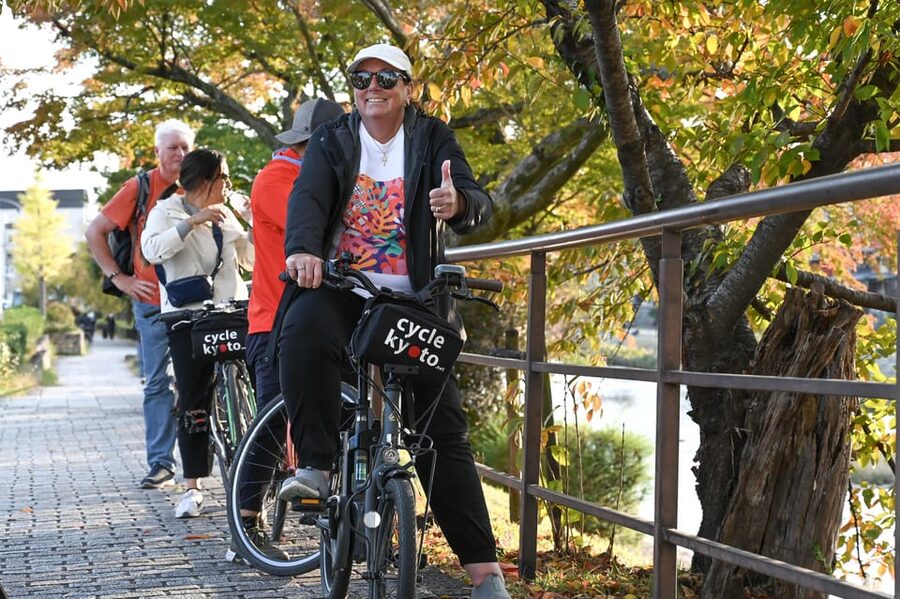
This is a strong match if you want a high-effort, high-reward Kyoto day with real local streets and a tight route through multiple key districts. If you’re comfortable riding a bike, the regular-bike option can work well, since Kyoto’s roads in this context are often manageable for casual riders. If you’re cautious, request an e-bike and let the guide help you pick the right approach.
It’s not a fit for everyone. The tour is not suitable for children under 12, pregnant women, or anyone who can’t ride a bike. That’s not just policy—it’s practical. A route that includes multiple guided sites and major walking/photo stops needs everyone stable on two wheels.
You should also plan for weather. The tour doesn’t operate in all weather conditions. If there’s heavy rain, it’s canceled and refunds are provided. Dress appropriately, bring water, and be ready for a day outdoors even when Kyoto is sunny.
Should you book this Kyoto full day bike tour with Cycle Kyoto?
I’d book it if your priority is seeing a lot of Kyoto in one day without losing your day to transit and ticket lines. The structure hits a sweet spot: temples and shrines with guided time, plus neighborhoods and back streets where biking feels like the natural way to move through the city. The included Golden Pavilion entry and the traditional lunch make it easier to enjoy the day without constantly checking what costs extra.
I’d skip it if you want slow, unguided wandering all day, or if your biking comfort level is low. This tour rewards confidence. If you’re unsure, choose the e-bike option and treat the ride prep and safety briefing as part of the experience, not an interruption.
FAQ
What time does the tour start?
The tour starts at 9:30 AM sharp, so arrive about 15 minutes early.
Where does the tour meet?
You’ll meet at the starting location at Cycle Kyoto.
How long is the full day tour?
The duration is 450 minutes.
How many people are in the group?
The group is small, limited to 9 participants.
Are the guides available in English?
Yes, the tour includes a live English-speaking guide.
Do I need to pay for Golden Pavilion entry?
No. The entrance fee to Kinkaku-ji (Golden Pavilion) is included.
Is lunch included, and what kind of lunch is it?
Yes, there is a traditional Japanese lunch included. The restaurant location can vary depending on availability.
Can I request an e-bike?
Yes. E-bikes are available upon request.
What should I bring for the ride?
Bring comfortable shoes, a hat, a camera, sunscreen, and water.
What happens if it rains heavily?
If there is heavy rain, the tour is canceled and refunds are provided.
More Tours in Kyoto
More Tour Reviews in Kyoto
More of Kyoto by Bike
Just added: more Kyoto tours to browse



Kyoto Bike & E-Bike Tours, compared.
 ★ 5.0Hidden Kyoto E-Biking tourFrom $1161,843 reviews
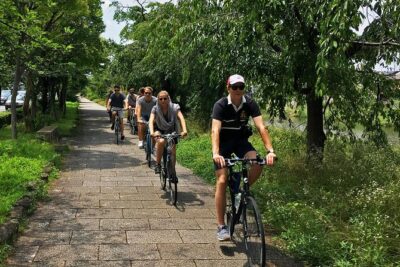 ★ 5.0Bike Tour Exploring North Kyoto plus LunchFrom $1061,087 reviews
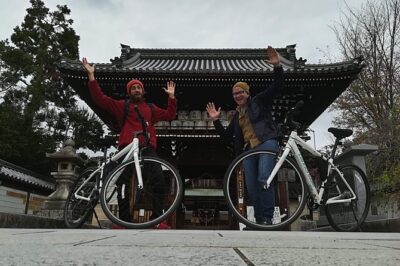 ★ 5.0Arashiyama Bamboo Forest & Hidden Gems Bike Tour (Early Bird)From $106613 reviews
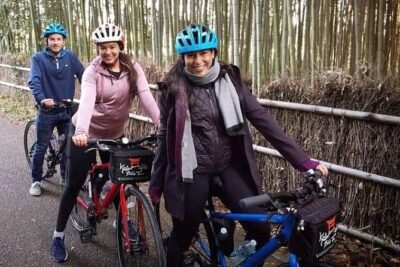 ★ 5.05 Top Highlights of Kyoto Full Day Bike Tour (E-bike option)From $172511 reviews
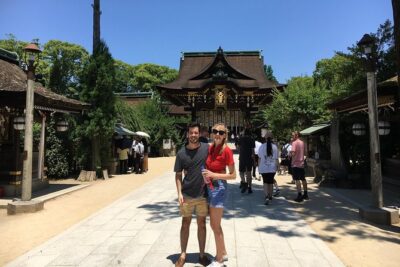 ★ 5.0Full Day Biking Tour Exploring the Best of KyotoFrom $119498 reviews
 ★ 4.8Memory Kyoto E-Bike TourFrom $91297 reviews
 ★ 5.0E-Bike Tours of the highlights of Kyoto!!!From $109291 reviews
 ★ 5.0Afternoon Kyoto Bike Tour: Bamboo Forest, Monkeys & Hidden SpotsFrom $106283 reviews
Browse the lists this tour appears in