
Reviewed · GION & GEISHA DISTRICT TOURS
Kyoto Evening Gion Food Tour
Lanterns, alleys, and a kaiseki seat at dusk. This Kyoto Gion evening tour turns twilight into an easy way to learn Maiko and Geiko culture while you walk the lanes. I love that the guide connects what you see outside to the living traditions of Gion, not just facts on a slide.
I also like the payoff: a 10-course kaiseki dinner with seasonal, regional flavors, plus dessert and one drink. One consideration: the tastings along the way are usually smaller bites, so the big food moment is the restaurant dinner at the end.
In This Review
- Kyoto Evening Gion: What Makes This 3-Hour Walk Feel Worth Your Time
- Quick Hits Before You Go
- Meeting in Gion: Japan Kanji Museum & Library Start Time Tactics
- Maiko and Geiko Culture Lessons: What You Actually Learn on the Streets
- Lantern Lanes and Architecture: How the Walking Tour Pays Off
- Snack Stops in Gion: What to Expect from the Tastings
- The 10-Course Kaiseki Dinner: Where the Real Magic Happens
- Price and Value: Is $216 Reasonable for 3 Hours?
- Small Group Comfort: Pace, Personal Attention, and Who This Fits
- Helpful Tips to Get the Best Evening
- Should You Book This Kyoto Evening Gion Food Tour?
- FAQ
- Where does the tour meet?
- How long is the Kyoto Evening Gion Food Tour?
- What’s included in the price?
- Is hotel pickup included?
- Do I need to bring my passport details?
- What if I have food allergies or dietary requirements?
Kyoto Evening Gion: What Makes This 3-Hour Walk Feel Worth Your Time
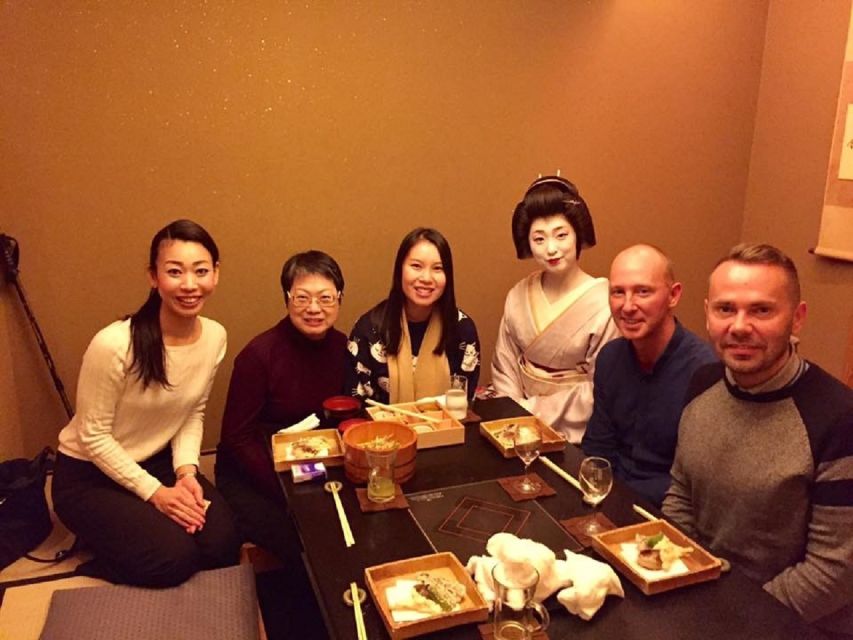
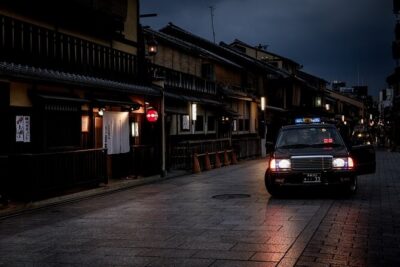
Kyoto at night has a special rhythm. As evening settles in, lanterns glow over cobblestone streets, and you’re walking through areas famous for tea houses and old-town charm. The tour gives you a focused time window of about 3 hours, which is perfect if you want an evening plan without sacrificing your next day.
You’re not just sightseeing. You’re learning how the Maiko and Geiko world works in everyday practice—what people do, what they wear, and why etiquette and timing matter in districts like Gion and Shirakawa. If you enjoy culture you can see with your own eyes, this format clicks.
Quick Hits Before You Go
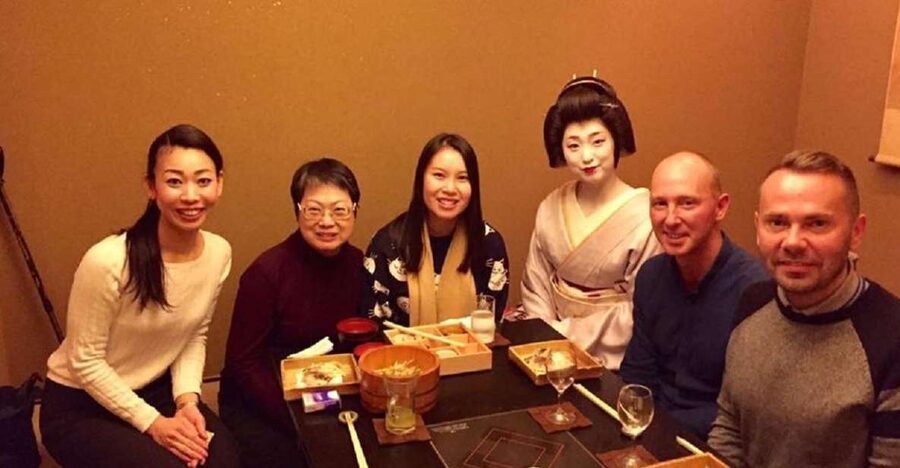
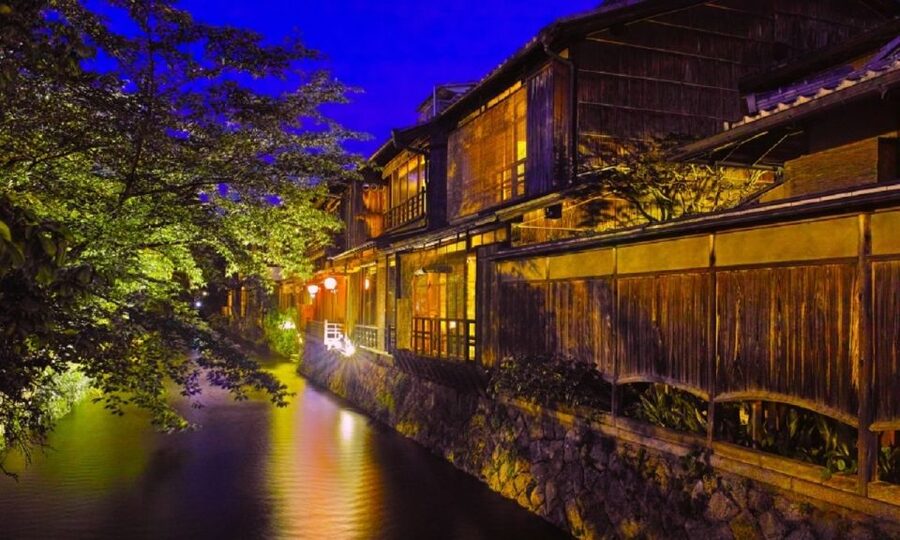
- Gion and Shirakawa in the evening with walking lanes that feel cinematic at dusk
- Maiko and Geiko culture explanations woven into what you’re looking at
- Several snack stops for Kyoto flavors, but the main meal is later
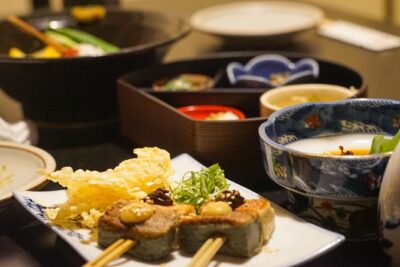
- A 10-course kaiseki dinner with seasonal dishes served on beautiful ceramics
- Small group of up to 10 for better pacing and Q&A
- English guidance from guides such as Miki, Sae, Ellen, Mickey, Marie, Rosalia, and Russ (names vary by date)
More evenings along the lantern-lit lanes of Gion


Meeting in Gion: Japan Kanji Museum & Library Start Time Tactics
The meeting point is simple: in front of the Japan Kanji Museum & Library at Gionmachi Minamigawa, Higashiyama Ward, Kyoto 605-0074. Your guide will be holding a sign, and they’ll wait no more than 5 minutes after the starting time.
This matters more than it sounds. Gion evenings are popular, and lanes can slow you down. I suggest you arrive early enough to take a breath, find the sign, and use the restroom if you need one—once the walk starts, you’ll be on schedule.
Also note the tour does not include hotel pickup. If you’re staying outside central Kyoto, you’ll want to plan your transit so you don’t feel rushed. You can arrange pickup for an extra charge, but the data is clear that it’s optional.
Maiko and Geiko Culture Lessons: What You Actually Learn on the Streets
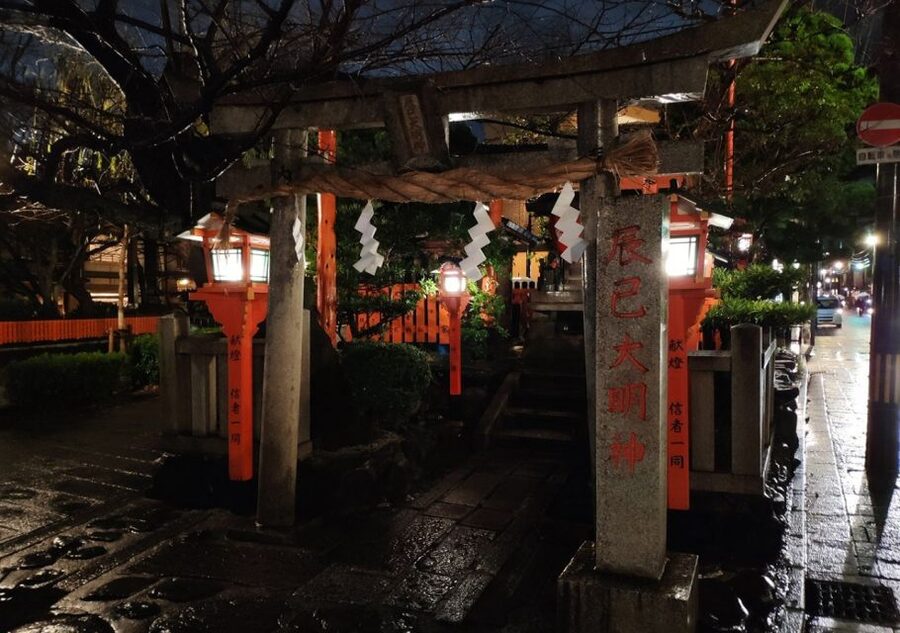
This is where the tour earns its spot on your itinerary. Instead of treating Geiko culture like a distant exhibit, you get real context on history and current practices—the kind that helps you understand what you might notice while walking.
You’ll hear stories about the culture and the artistry behind it. The point isn’t to turn Gion into a textbook. It’s to help you see the details: the role of tradition, how performers fit into the district’s rhythms, and why certain things are done with care.
And yes, your luck can play a part. Several guides have helped groups spot a geisha and/or maiko, and the atmosphere makes those moments feel meaningful rather than random. Just keep expectations flexible. You’re not buying a guaranteed sighting; you’re joining a walk where the district’s vibe and timing give you a shot.
Guides listed by name across bookings—Miki, Sae, Ellen, Mickey, Marie, Rosalia, Russ—all show up in different ways: friendly hosting, cultural storytelling, patience with questions, and managing the group pace. That combination is a big reason people score this tour so high.
Lantern Lanes and Architecture: How the Walking Tour Pays Off
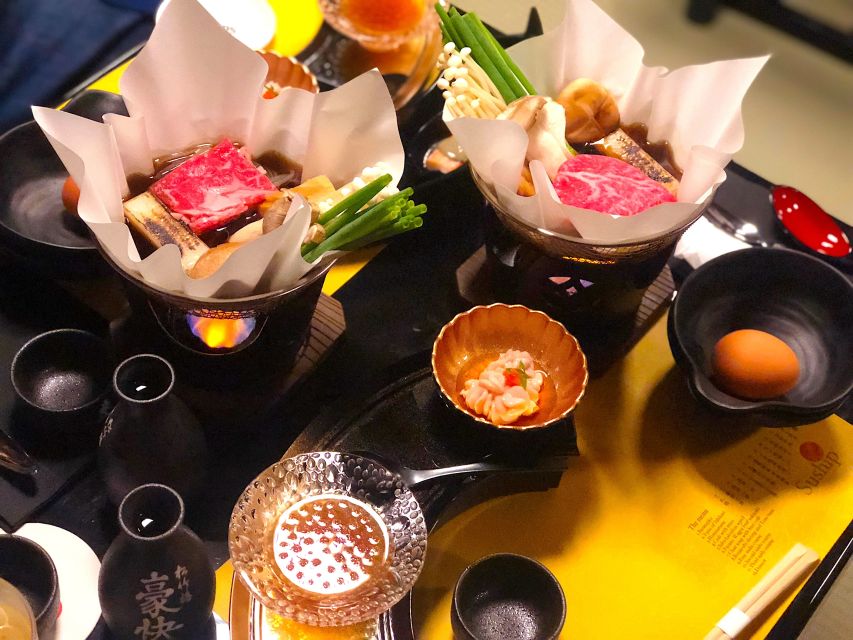
You’ll spend your evening moving through classic Kyoto streets where teahouses, narrow alleys, and old-town details shape the experience. The description leans into that twilight feeling—lanterns flickering to life, soft sounds drifting through the air, and the sense that the district has its own clock.
What I like about this approach is that it’s not just about where you go. It’s about how the walk is sequenced. An evening walk gives you two things at once: the look of old Kyoto and the mood of people slowing down. If you’ve been in Japan during busy daylight hours, this kind of evening pace is a nice reset.
Wear comfortable shoes. This is a walking tour with stops, and you’ll want traction for cobblestones and uneven sidewalk sections.
Snack Stops in Gion: What to Expect from the Tastings
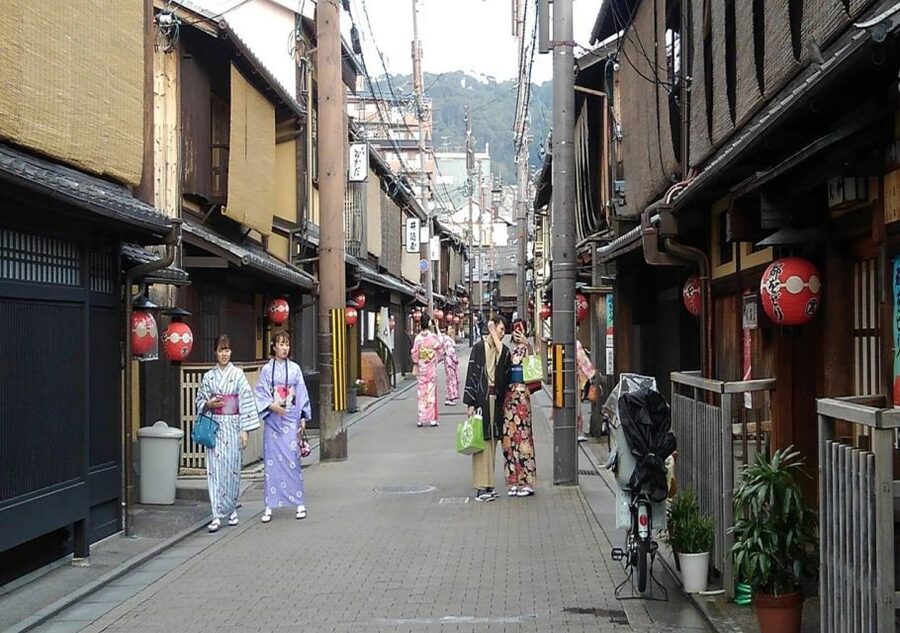
This tour includes several snack stops for traditional Kyoto cuisine. Here’s the practical thing: the snack portion is usually about sampling, not turning it into a full meal buffet.
One clear pattern stands out from the experience description and overall feedback: you may pick up a couple of small bites along the way, then the real dining happens at the end with the kaiseki course dinner. So if you’re hoping to eat a lot of separate street-style items for the entire 3 hours, adjust your expectations. Think of the snacks as flavor introductions.
Still, those bites can be fun because they teach your palate what Kyoto tastes like beyond one restaurant meal. You’ll also get chances to ask questions while you’re walking—what something is, how it’s made, or why it shows up in local traditions.
If you have food allergies or dietary needs, plan to communicate them early. The tour asks you to inform them of allergies or dietary requirements, which is exactly what you should do so the guide can manage the meal choices properly.
Still hungry? More tastes of Kyoto


The 10-Course Kaiseki Dinner: Where the Real Magic Happens
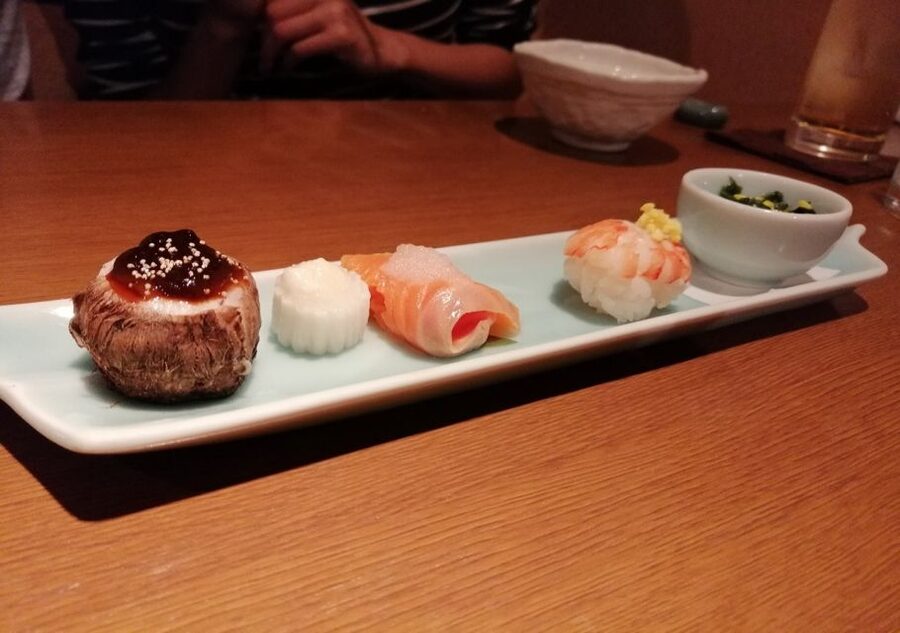
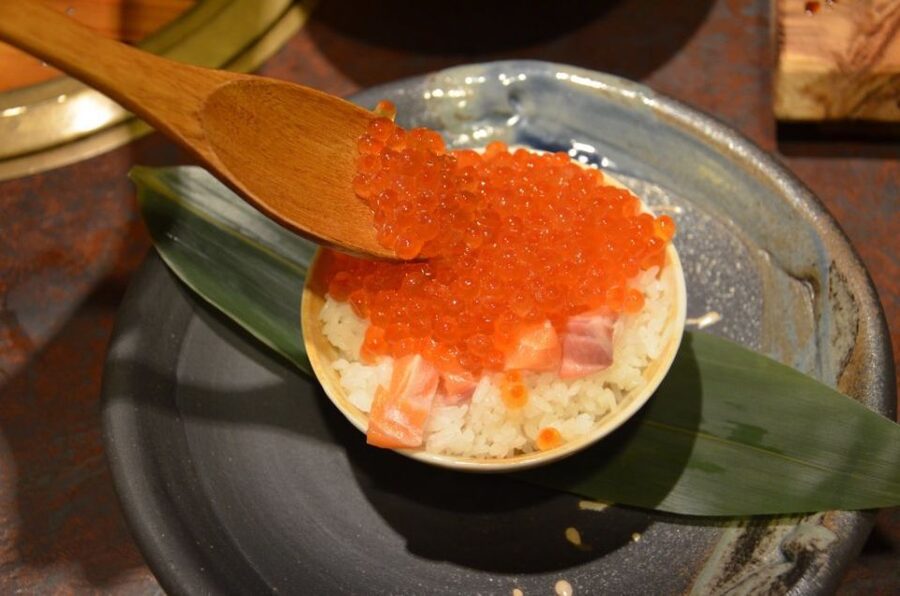
Kaiseki isn’t just dinner. It’s a structured sequence designed to match the season and balance flavors across small courses. In this tour, the dinner is a 10-course meal, plus dessert and one drink included in the price.
The kinds of flavors you should expect are very Kyoto-coded: dishes with umami depth like miso, delicate elements such as yuba, and dishes featuring subtle smokiness, like grilled fish. The description also highlights that the courses are artfully arranged on small ceramics, which matters because you’re eating with your eyes first.
Why this is valuable for you: it turns Kyoto food from a list of things to try into an experience you understand. Even if you’re not a food nerd, the pacing makes it easier to notice how each course shifts the mood—salty to savory, light to warming, finishing with dessert.
Also, one included drink helps the meal feel like a complete evening rather than a rushed stop.
Price and Value: Is $216 Reasonable for 3 Hours?
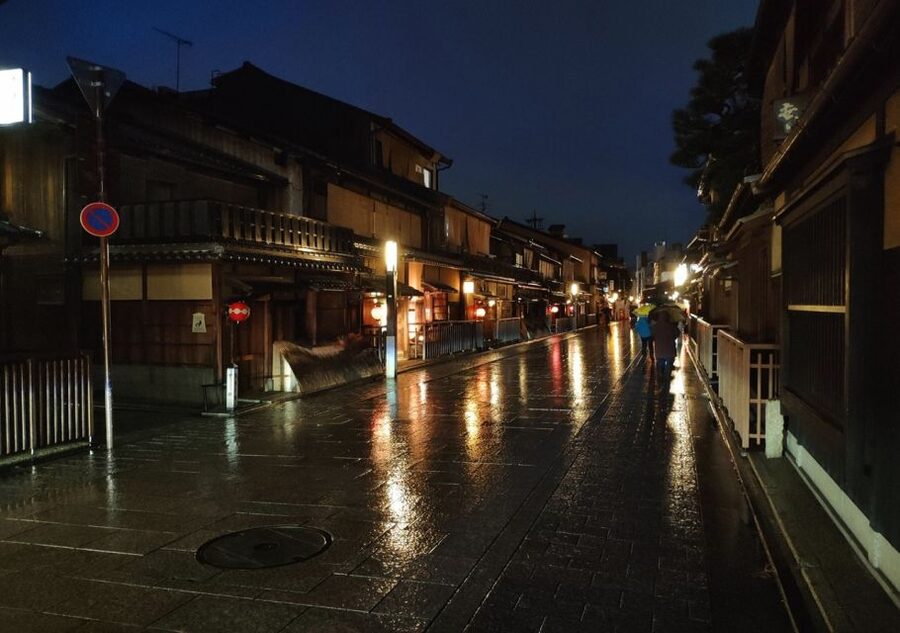
At $216 per person for about 3 hours, this isn’t a budget snack tour. So the question is value, not just cost.
Here’s what you’re paying for, based on what’s included:
- A local English-speaking guide
- 10-course kaiseki dinner
- Dessert
- One drink
- A walking experience through famous districts in the evening
When you translate it into “price per full meal experience,” it starts to look more balanced. You’re not only buying food; you’re buying context—how the culture works, what you’re seeing outside, and help understanding what you’re eating.
Where it may feel pricey: if you mainly want tons of casual street food all night. This tour is built around the restaurant kaiseki as the centerpiece, while snacks along the way are smaller tasters.
Small Group Comfort: Pace, Personal Attention, and Who This Fits
The group is limited to up to 10 participants, which is the sweet spot for a walking food tour. Big enough to feel lively, small enough that your guide can keep an eye on the group and answer questions without shouting.
This tour is a great match if you:
- Want to see Gion and Shirakawa at night
- Like cultural explanations tied to real sights
- Enjoy kaiseki or want to try it with guidance
- Prefer a set evening plan over piecing together restaurants yourself
It may be less ideal if you:
- Want long, frequent snack stops where you eat continuously for the full 3 hours
- Have strict dietary needs and want maximum flexibility beyond what’s handled by the included dinner process (still: the tour asks you to inform them of allergies and dietary requirements, which is the right first step)
Helpful Tips to Get the Best Evening
A few practical moves can make a big difference:
- Arrive early at the meeting point so you’re not dealing with last-second lane confusion.
- Bring good walking shoes and plan for uneven surfaces.
- Tell the guide about allergies/diet before you start eating. Don’t wait for the first course.
- Go with curiosity, not a checklist. The culture stories are part of the value.
Should You Book This Kyoto Evening Gion Food Tour?
If you’re in Kyoto for the first time, or you want one evening that blends district atmosphere with a high-quality meal, I think this tour is a strong choice. The combination of small group walking, culture context about Maiko and Geiko, and a 10-course kaiseki dinner is the core reason it earns standout ratings.
Skip it only if your main goal is a street-food binge for the entire night. In this format, you’re sampling on the way, then settling in for the serious meal. If that matches what you want, book it and enjoy Kyoto the way it feels after sunset.
FAQ
Where does the tour meet?
You meet in front of the Japan Kanji Museum & Library, at Gionmachi Minamigawa, Higashiyama Ward, Kyoto 605-0074. Your guide will be holding a sign.
How long is the Kyoto Evening Gion Food Tour?
The tour lasts 3 hours.
What’s included in the price?
The included items are a local English-speaking guide, a 10-course dinner, dessert, and one drink.
Is hotel pickup included?
No. Hotel pickup is not included, though it can be arranged for an additional charge.
Do I need to bring my passport details?
Yes. A copy of your passport information is required for all participants aged 10 and over.
What if I have food allergies or dietary requirements?
You should inform the tour of any allergies or dietary requirements ahead of time. The tour specifically asks you to share this information so it can be handled during the meal.
More Tour Reviews in Kyoto




More Kyoto Food Tours
Still in Gion? Keep Going

Just added: more Kyoto tours to browse








Gion & Geisha District Tours, compared.
 ★ 4.7Kyoto Geisha Walking Tour: Gion District & Hidden GemsFrom $253,273 reviews
 ★ 4.9Gion Magical Night Walking Tour with Geisha TriviaFrom $242,393 reviews
 ★ 4.7Gion Geisha District Walking Tour – Stories of GeishaFrom $202,187 reviews
 ★ 4.9Best of Kyoto: Gion, Geisha, Pagodas & CobblestonesFrom $242,058 reviews
 ★ 4.5Night Walk in Gion: Kyoto’s Geisha DistrictFrom $212,003 reviews
 ★ 5.0Kyoto Night Foodie Tour in Gion (9+ dishes + 6 Sake tastings)From $1631,762 reviews
 ★ 5.0Kyoto Gion Geisha District Walking Tour – The Stories of GeishaFrom $251,441 reviews
 ★ 5.0Kyoto Gion: 2-Hour Geisha Culture & History Walking TourFrom $231,186 reviews
Browse the lists this tour appears in