

Reviewed · KIYOMIZU-DERA & HIGASHIYAMA TOURS
Kyoto Early Bird English Tour: Gion & Higashiyama(Private opt)
A quiet start makes Kyoto feel personal. This English-guided morning-style walk takes you through Gion and Higashiyama without the map wrestling, with stops like Gion lanes, Yasaka Shrine, and Kiyomizu-dera views from up on the hill. I especially like that you’re not just looking at temples from the outside; you get commentary that helps you read what you’re seeing as you move.
Two things I also really value: professional photos are taken during the tour, and the guide style can be tailored for you since it’s private (and you may have a small-group option depending on what you book). One consideration: it’s a walking experience with moderate fitness expected, plus Kiyomizu-dera has an extra ¥500 admission fee you’ll pay on the spot.
In This Review
- Key things to know before you go
- Early-bird Gion and Higashiyama: why this route feels easier
- Where you meet and how the tour flows on foot
- Gion first: machiya streets and the geisha district feel
- Yasui-Konpiragu: praying for clearer relationships
- Yasaka Pagoda (Hokanji): nails or no nails?
- Sannenzaka and Ninenzaka: the stone steps that slow you down
- Kiyomizu-dera: UNESCO views and the one fee you must plan for
- Yasaka Koshin-do and Yasaka Shrine: color and the finish line
- The guide makes it click: Ikki Kataoka and clear English
- Price and value: what about $64.01 really covers
- Logistics you’ll feel during the walk
- Who should book this Kyoto early bird walk
- Should you book this tour?
- FAQ
- How long is the Kyoto Early Bird English Tour: Gion & Higashiyama?
- Is this tour private?
- What stops are included on the itinerary?
- Do I need to pay an entrance fee during the tour?
- What’s included in the price?
- Where do I meet the guide, and where does the tour end?
- What if my plans change?
Key things to know before you go
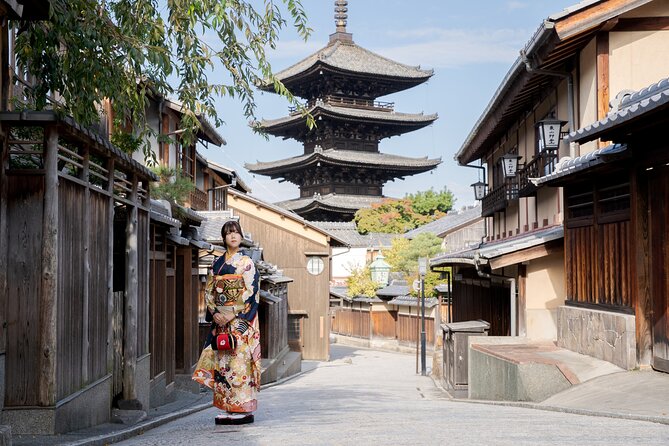
- Early-bird timing helps you see Gion and Higashiyama before the busiest foot traffic.
- Guide-led route means you don’t have to figure out directions while also trying to enjoy the scenery.
- Photo support included, with a guide who can also help with getting good shots.
- You hit UNESCO territory via Kiyomizu-dera on this 3-hour itinerary.
- Entrance fee not included for Kiyomizu-dera, so budget extra ¥500.
Early-bird Gion and Higashiyama: why this route feels easier
Gion and Higashiyama are famous for a reason, but they can also be a little intense when crowds arrive. This tour’s early start (especially in the morning format) is the difference between Kyoto as a checklist versus Kyoto as a place you can actually enjoy at walking speed.
You’ll spend about 3 hours moving through classic areas rather than bouncing around by transit. That matters, because the charm here lives in the small transitions: shopfront to shrine gate, a turning street to a wider temple stairway, then a sudden overlook.
More evenings along the lantern-lit lanes of Gion
Where you meet and how the tour flows on foot
The meeting point is the Statue of Izumo-no-Okuni at Kawabatacho, Higashiyama Ward. The tour ends back at the meeting point, which keeps things simple at the end of your walk.
Since it’s designed as a walking experience, I recommend showing up with good shoes and a bottle of water. Even with breaks built into the schedule, you’re on your feet for a big chunk of the morning, and the itinerary includes multiple stops close enough to feel connected, not scattered.
Gion first: machiya streets and the geisha district feel
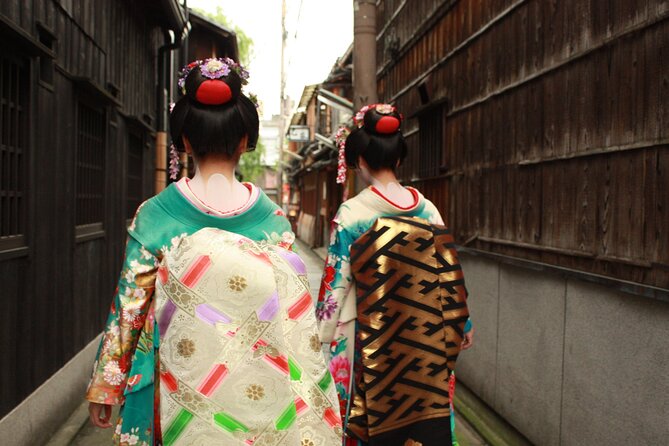
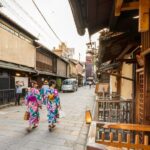
Your first stop is Gion, Kyoto’s best-known geisha district. It’s known for the traditional wooden machiya houses, teahouses, and preserved streets that make the area feel like old Kyoto rather than a modern theme park.
Then you’ll move to Hanamikoji Street, a famous lane where you might catch sight of geisha or maiko. I like that the tour doesn’t push you to hunt people down. The better approach is to stay respectful, keep your voice down, and let the street come to you as the guide explains what you’re seeing.
Practical tip: bring a phone camera, but also take a moment to look up and around. A lot of what makes these streets special is in the details—wood textures, narrow sightlines, and the way buildings frame the path.
Yasui-Konpiragu: praying for clearer relationships
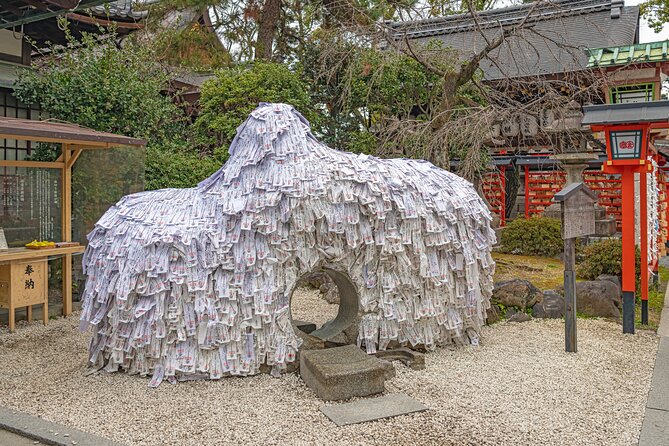
At Yasui-Konpiragu (Yasui Konpira Shrine), the focus is on a specific kind of prayer: severing bad relationships and finding new positive connections. It’s a good change of pace after the street atmosphere in Gion because you’re stepping into a more focused, ritual space.
This stop is short, so you’ll want to use the guide commentary to understand what to look for and how the shrine is used. Even if you don’t plan to pray, you’ll come away with better context for the shrine’s reputation in Kyoto.
Yasaka Pagoda (Hokanji): nails or no nails?
Next comes Yasakanoto, the Yasaka Pagoda at Hokanji temple. The description highlights its scale and the story that it was built without using nails—something that’s hard to believe until you see the structure and imagine how it must have been engineered.
This is also one of those stops that benefits from a guide’s framing. You’ll notice how Kyoto temples aren’t just standalone objects; they feel like landmarks anchored to the streets and sightlines around them.
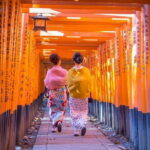
Keep climbing the Higashiyama slopes toward Kiyomizu-dera
Sannenzaka and Ninenzaka: the stone steps that slow you down
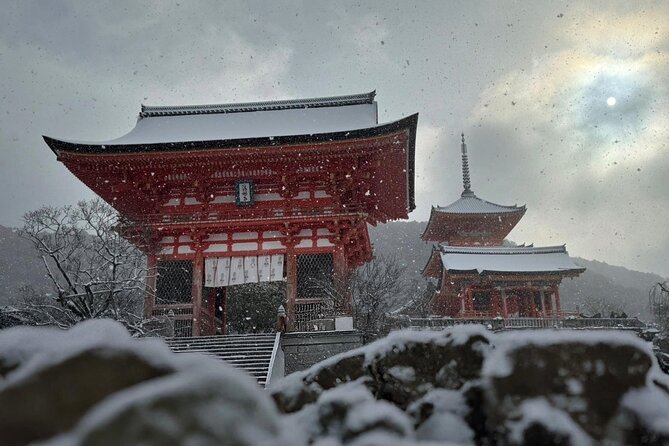
Then you’ll walk through Sannenzaka and Ninenzaka, two charming stone-paved streets lined with souvenir shops and restaurants in traditional wooden buildings. This part of the route is less about formal religion and more about the atmosphere—Kyoto’s pedestrian “in-between.”
These lanes tend to encourage a slower pace. That’s a good thing here. Take a minute to pause, look at how the street curves, and notice where the buildings change character as you move.
Kiyomizu-dera: UNESCO views and the one fee you must plan for
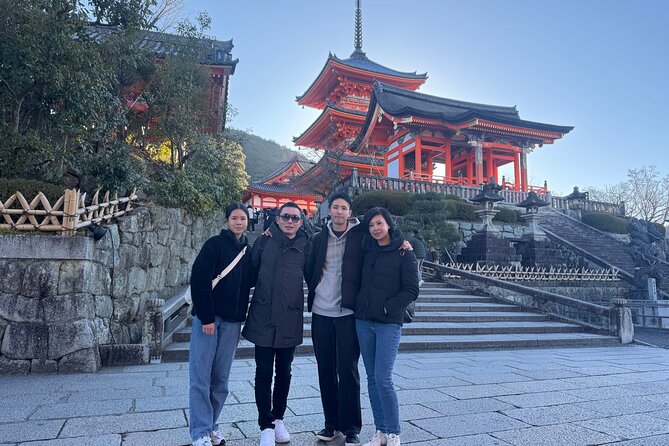
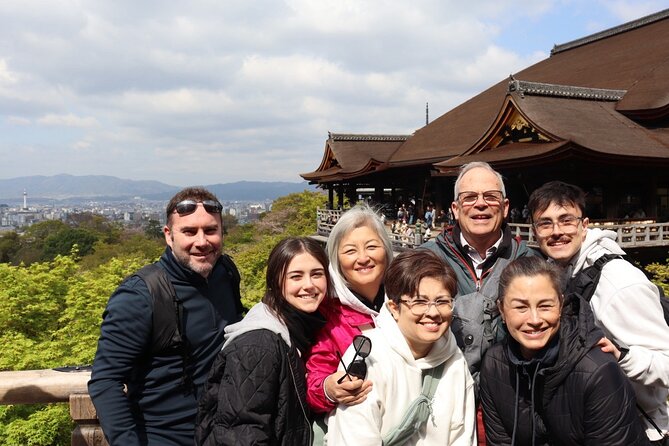
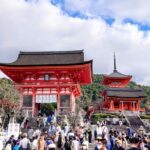
The big highlight stop is Kiyomizu-dera Temple, about 1 hour on your itinerary. This is the UNESCO World Heritage Site portion of the tour, and you’ll get panoramic views of Kyoto City from up on the hillside.
Important cost note: Kiyomizu-dera has an admission fee of ¥500 per person, and it’s not included. Since the tour has a low base price (about $64.01), this extra fee is part of the value math you should consider upfront.
What to expect in practice: you’ll likely have time for the main temple areas plus the most famous viewpoints. If you’re going to spend extra time taking photos, do it here—this is where the location earns your attention.
Watch your timing: the tour schedule stacks several stops on the way to and from Kiyomizu-dera, so plan for a steady pace rather than lingering everywhere equally.
Yasaka Koshin-do and Yasaka Shrine: color and the finish line
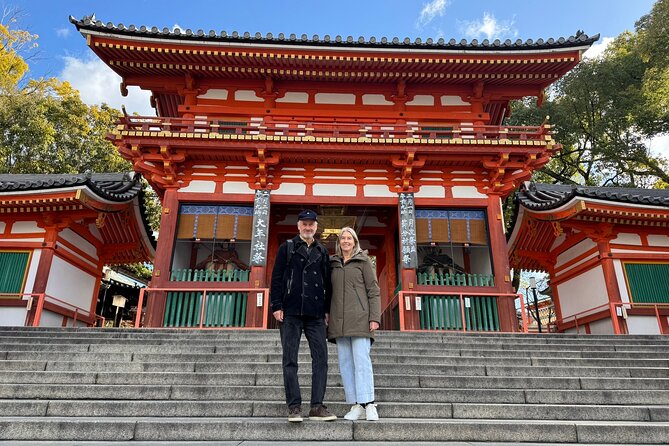
After Kiyomizu-dera, you head to Yasaka Koshin-Do (Yasaka Koshindo), a temple noted for its mysterious origin date and its colorful decorations. Compared to some temples that feel muted and subdued, this one is about visual impact—especially once you’re expecting more restrained colors.
You’ll then end at Yasaka Shrine, with an explanation of its role as a headquarters for around 2,300 related shrines throughout Japan. The tour framing also points you to the shrine’s associations with prosperity and protection, which helps the final stop feel meaningful instead of just another gate photo.
This closing sequence is a nice rhythm: street charm (Gion), relationship prayer (Yasui-Konpiragu), architectural awe (Yasaka Pagoda), slow wandering (Sannenzaka/Ninenzaka), a major UNESCO viewpoint (Kiyomizu-dera), then color and spiritual context to wrap up (Yasaka Koshin-do and Yasaka Shrine).
The guide makes it click: Ikki Kataoka and clear English
The biggest payoff of this tour is the guide commentary. In reviews, I saw a consistent theme: guides like Ikki Kataoka combine clear English with patience, which matters when you’re walking, taking photos, and maybe moving at a slower pace.
Ikki also stood out as both guide and photography helper during morning tours. That’s a real value add. Instead of you guessing where to stand, you get direction while you’re already in the right place.
How I’d use this on your tour: listen for what the guide wants you to notice at each stop. If you care about photos, ask where to stand before you start snapping. It saves time and keeps you from missing the landmark while you’re focused on your screen.
Price and value: what about $64.01 really covers
At about $64.01 per person, this tour is priced low for what you get: a guided route through major Kyoto highlights, photo service during the experience, and a schedule that’s designed for walking rather than rushing.
Here’s the value math that I think is important:
- Admission at Kiyomizu-dera is extra (¥500), so expect that additional cost.
- Food isn’t included, so you’ll want to plan breakfast or snacks before/after.
- You get a guide and route structure, which can be worth it if you’d otherwise spend time figuring out where to go and in what order.
The “mobile ticket” detail is also practical. It removes one more step of paperwork in a city where you don’t want delays eating into sightseeing time.
Logistics you’ll feel during the walk
This is offered as a private tour/activity, meaning only your group participates. In the overview, there’s also mention of flexibility between private and small-group options, so check what’s actually selected at booking.
It’s also important to show up on time. If you’re late, you won’t be able to join and there’s no refund. That’s a common policy for guided tours, but it matters more here because the itinerary moves through tightly connected stops.
If you’re sensitive about physical effort, keep in mind the tour expects moderate physical fitness. You don’t need to be an athlete, but you do need to be comfortable walking for a few hours with changing terrain around temple areas.
Who should book this Kyoto early bird walk
This tour is a great match if you:
- Want high-impact highlights in one connected morning walk.
- Prefer a guide who helps you interpret what you’re seeing.
- Care about photos and want support rather than random shooting.
- Like Kyoto at a calmer pace and would rather dodge the most crowded timing.
It’s less ideal if you:
- Hate walking in temple neighborhoods.
- Need meals included (food and drinks aren’t part of the tour).
- Want every attraction included without any extra fees (Kiyomizu-dera admission is separate).
Should you book this tour?
I’d book it if you want a smart introduction to Gion and Higashiyama with minimal stress. The combination of an English-speaking guide, included photo time, and a route that connects street culture to major temple landmarks makes this feel efficient without being rushed.
If you’re the type who enjoys getting lost, you might skip a guided route. But if you want Kyoto to make sense quickly—where to look, what the places mean, and how to structure your morning—this is a solid way to do it.
FAQ
How long is the Kyoto Early Bird English Tour: Gion & Higashiyama?
The tour runs for about 3 hours.
Is this tour private?
Yes. It’s listed as a private tour/activity, meaning only your group participates.
What stops are included on the itinerary?
You visit Gion, Hanamikoji Street, Yasui-Konpiragu, Yasakanoto (Yasaka Pagoda / Hokanji temple), Sannenzaka and Ninenzaka, Kiyomizu-dera Temple, Yasaka Koshin-do, and Yasaka Shrine.
Do I need to pay an entrance fee during the tour?
Yes. Kiyomizu-dera Temple has an admission fee of ¥500 per person, and it is not included.
What’s included in the price?
Included items are a local English-speaking guide and professional photos taken during the tour/experience.
Where do I meet the guide, and where does the tour end?
You meet at the Statue of Izumo-no-Okuni on Kawabatacho in Higashiyama Ward, Kyoto, and the tour ends back at the meeting point.
What if my plans change?
You can cancel for a full refund if you cancel up to 24 hours in advance of the experience start time.
More Tour Reviews in Kyoto

More Along the Higashiyama Slopes
Still in Gion? Keep Going

Just added: more Kyoto tours to browse




Kiyomizu-dera & Higashiyama Tours, compared.
 ★ 4.9Tea Ceremony in a Traditional Tea House in KiyomizuFrom $493,519 reviews
 ★ 4.7Nijo Castle, Kiyomizu & Fushimi Inari Guided TourFrom $54700 reviews
 ★ 5.0Nijo, Kinkaku-ji, Arashiyama, Kiyomizu & Fushimi InariFrom $51699 reviews
 ★ 4.8Kyoto Ninenzaka: Tea Ceremony in Old Townhouse with ChairsFrom $21215 reviews
 ★ 5.0Private Rickshaw Tour of Gion and Higashiyama AreaFrom $51144 reviews
 ★ 5.0Kyoto Tea Ceremony & Kiyomizu-dera Temple Walking TourFrom $109115 reviews
 ★ 5.0Kyoto Kiyomizu Tea Ceremony with Scenic Garden ViewsFrom $50101 reviews
 ★ 4.7Kimono/Yukata Rental 5 Minute from Kiyomizu-deraFrom $1989 reviews
Browse the lists this tour appears in