
Reviewed · KINKAKU-JI & GOLDEN PAVILION TOURS
Kyoto Bamboo Forest & Golden Pavilion E-Bike Tour
Kyoto turns into a bike ride with perfect timing. You cover major sights without turning the day into a long walk-only grind. This Kyoto Bamboo Forest & Golden Pavilion E-Bike Tour strings together four unforgettable stops, with guides keeping the route smooth and the stories clear.
I especially love how the Golden Pavilion moment mixes temple beauty with an efficient biking plan. I also like the way the ride pushes you past more local backstreets so the day feels less like a checklist.
One consideration: the big sites can get crowded, especially at Kinkaku-ji. The guide helps manage that, but you should still expect some crowd energy around peak hours.
In This Review
- Key highlights I’d plan around
- Kyoto by E-bike: the easy way to hit Kinkaku-ji and Arashiyama
- Where you start (and how you get back)
- Kinkaku-ji Golden Pavilion: pond reflections and a retirement-villa backstory
- Kitano Tenmangu Shrine: plum trees and Sugawara no Michizane
- Arashiyama Bamboo Forest trail: photo-friendly timing and the “quiet” factor
- Tenryu-ji Temple: Zen garden time with UNESCO weight
- How the ride feels: e-bikes, pacing, and staying with the group
- Guides you’re likely to meet: Diego, Jody, Jorge
- Price and value: what $99.08 buys you in real terms
- Should you book this Kyoto Bamboo Forest & Golden Pavilion E-Bike Tour?
- FAQ
- How long is the Kyoto Bamboo Forest & Golden Pavilion e-bike tour?
- Where do I meet, and where does the tour end?
- What are the main stops on this tour?
- Are temple admissions included?
- Is a mobile ticket used?
- What is the group size limit?
- Is this tour near public transportation?
- Can kids participate?
- What happens if weather is bad?
- What is the cancellation window?
Key highlights I’d plan around
- E-bike convenience: easier riding means more energy for temple time and photos
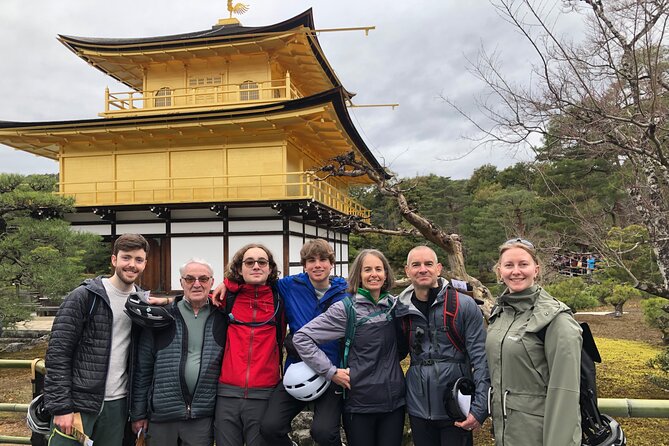
- Golden Pavilion + pond reflections: a classic view, plus solid historical context
- Kitano Tenmangu details: Sugawara no Michizane and plum-tree scenery
- Arashiyama bamboo trail atmosphere: tall stalks that turn a short walk into a mood shift
- Tenryu-ji Zen garden stop: a UNESCO World Heritage site with time to slow down
- Small-group feel: the tour lists a maximum group size of 8, which usually helps pacing
Kyoto by E-bike: the easy way to hit Kinkaku-ji and Arashiyama
This tour works because it’s built for how Kyoto actually feels in real life: lots of sights, lots of people, and a lot of walking you can’t fully control. An e-bike changes the math. You get the satisfaction of moving under your own power, but without paying for every detour with aching legs.
The route is also designed to feel varied. You’re not only chasing the postcard views. You ride through calmer residential streets and in-between areas, then you shift gears from neighborhood rhythm to major temple settings. That contrast is a big part of the value.
Another smart choice here is time allocation. Even with multiple stops, each key site gets a chunk of time (45 minutes at Kinkaku-ji and Tenryu-ji, 45 at the bamboo forest trail, 30 at Kitano Tenmangu). You’re not sprinting from one gate to the next.
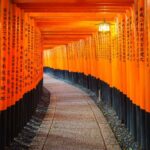
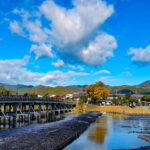
Deeper into Arashiyama, past the bamboo and the Hozu river
Where you start (and how you get back)
You meet at Memory Kyoto bike tour in Nakagyo Ward, at 8-6 Umaryo-cho, Nishinokyo Nakagyo-ku, Kyoto city (close to public transportation). Your ride ends back at the same meeting point.
That matters more than it sounds. Kyoto can be confusing when you’re hopping between far-apart areas. Ending at the start keeps your navigation stress low, and it also helps with planning your next meal, shopping stop, or onward train.
The tour also uses a mobile ticket, which makes check-in simpler—especially if you’re bouncing between apps and reservation confirmations.
Kinkaku-ji Golden Pavilion: pond reflections and a retirement-villa backstory
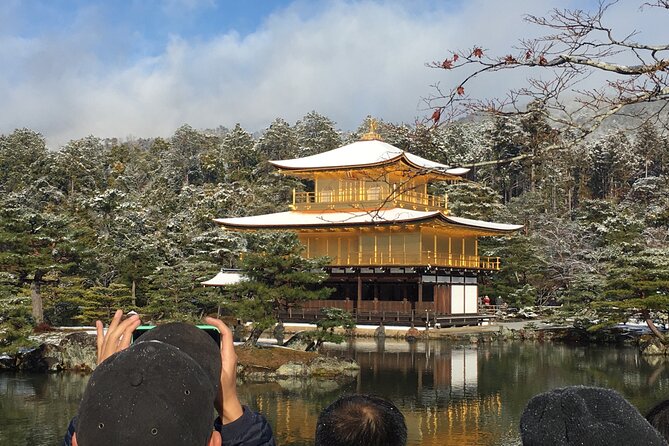
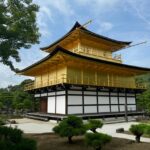
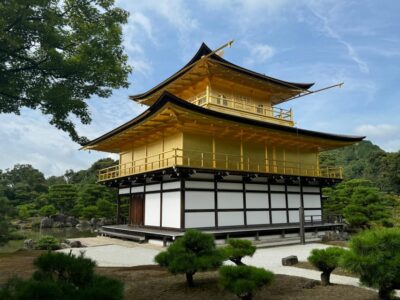
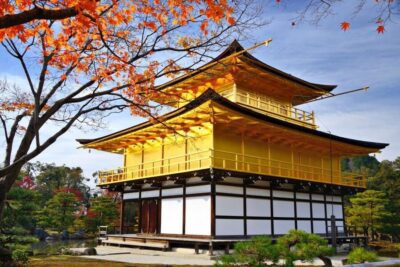
Kinkaku-ji is the headline for a reason: the gold-leaf exterior and the pond reflection are the kind of sight you want to see without standing around for hours. Your stop here is 45 minutes, and admission is included.
What I like most is that this isn’t treated like a photo stop only. You get a guided explanation of how the place evolved over time—from an origin as a retirement villa to its transformation into a Zen Buddhist temple. That context changes the way you look at the buildings. You start noticing structure and intention, not just sparkle.
Practical note: Kinkaku-ji is known for long lines. The good news is that the guide approach is built to keep your visit moving. Still, plan your expectations for some crowd presence near the main viewing areas. Think of it as part of the Kyoto experience.
If you care about photos, give yourself a few minutes to find angles where the pond reflection is strongest. The guided time won’t let you wander indefinitely, so treat those early minutes after arrival like your photo setup window.
Kitano Tenmangu Shrine: plum trees and Sugawara no Michizane
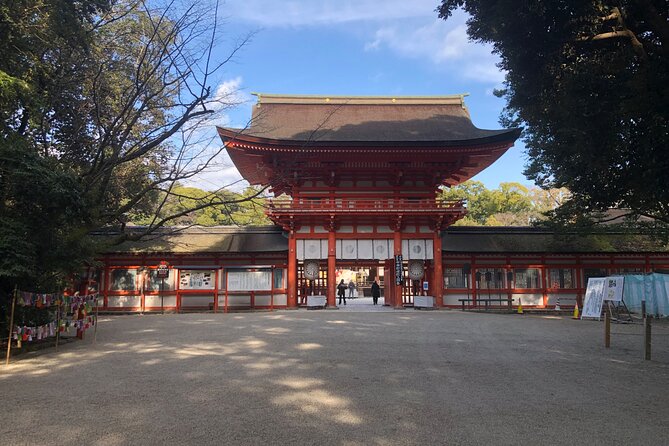
After Kinkaku-ji, you head to Kitano Tenmangu Shrine for 30 minutes, with no admission ticket required.
This stop is a nice palate cleanser. The vibe here feels more grounded and symbolic than grand and showy. The shrine’s connection to Sugawara no Michizane, the deity of learning, shapes the way you understand the site beyond architecture.
Then there’s the plum tree angle: the shrine is famous for 1000 plum trees, and during early spring they create a seriously pretty setting. Even if you’re not there in peak bloom, your guide can help you connect what you see with what the place is known for.
For me, a short shrine visit is perfect during a day tour. It keeps the pacing human while still giving you a meaningful cultural beat, not just a quick drive-by.
Arashiyama Bamboo Forest trail: photo-friendly timing and the “quiet” factor
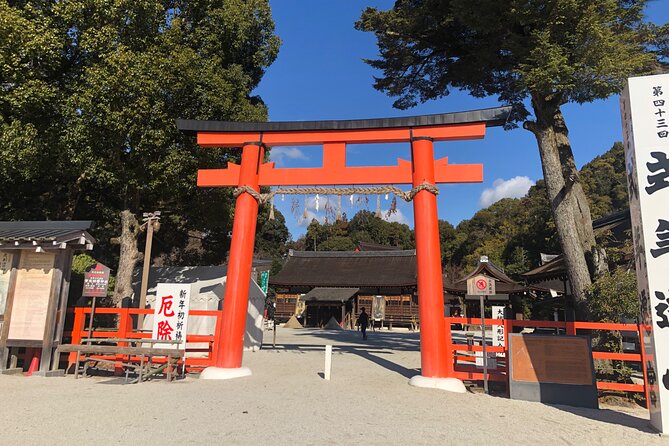
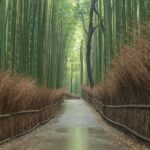
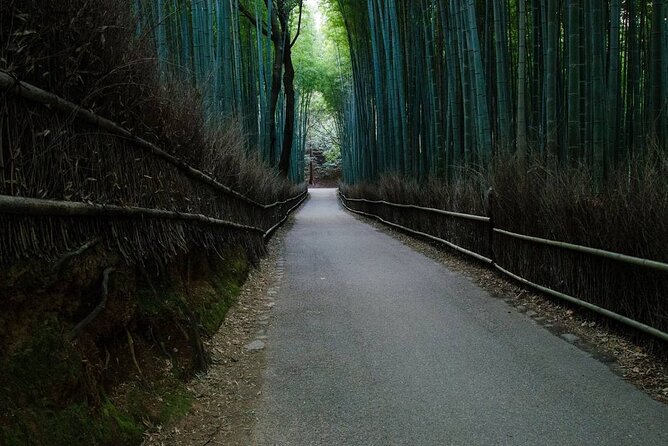
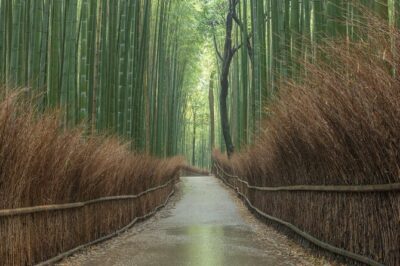
The tour’s bamboo segment is where the day shifts mood. The Arashiyama Bamboo Forest trail stop lasts 45 minutes, and admission is included.
This is the section people photograph nonstop. The tall trunks can look impossibly straight, and in real life they have that light, swaying motion that makes the whole area feel almost unreal—part nature, part stage.
Here’s what I’d pay attention to, beyond the iconic visuals: your guide can point out the bamboo’s reputation for sturdiness, flexibility, durability, and resiliency. That turns the bamboo from a pretty backdrop into something with personality and history.
Also, go in expecting to feel a little “slower” here. Even in a crowded timeframe, the bamboo area has a way of lowering your voice and speeding down your thoughts. It’s one of those moments where you don’t need to do much to enjoy it—just stand, look up, and take it in for a few minutes.
More gilded pavilions and raked gardens around Kyoto
Tenryu-ji Temple: Zen garden time with UNESCO weight
Next comes Tenryu-ji Temple, a UNESCO World Heritage site. Your stop is 45 minutes, and admission is included. The tour also frames Tenryu-ji as having one of the temple’s finest gardens, with UNESCO World Heritage status since 1994.
This is where the tour earns its balance. You’ve already hit the flashy gold and the instantly recognizable bamboo. Tenryu-ji adds the slower, more contemplative side of Kyoto—without needing a full-day temple wander.
In practice, you’ll want to use your time here for two things:
- Look for the garden viewpoints your guide highlights.
- Pause long enough for your eyes to adjust from “pictures” to “place.”
The guided element matters because Zen gardens can be confusing at first glance. With explanation, you start noticing the patterns, framing, and intentional emptiness that makes the garden feel like it has its own rhythm.
How the ride feels: e-bikes, pacing, and staying with the group
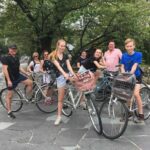
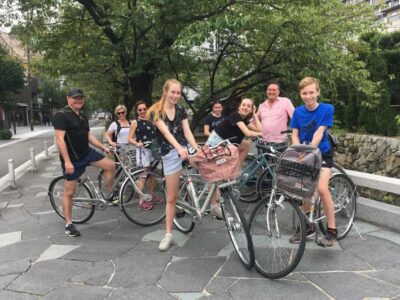
E-bike tours are only fun if the bike experience matches your comfort level. The consistent praise here is that the e-bikes make the riding manageable. One common point from past riders: it’s a way to cover around 20 km without turning the day into something physically exhausting.
This is also why the tour can work for mixed ages. There’s feedback from a family setup where kids aged 12 and 10 rode e-bikes, with the day still feeling structured and enjoyable. That’s a good sign that the ride style and route choices are practical.
Group size is where you should think about your preferences. The tour lists a maximum of 8 people, which usually helps with tight pacing at traffic lights and at walking sections. One note from prior participants: a group size around 10 can feel close to the upper limit, with moments where people can spread out. If you hate feeling separated from the group, aim for departures that run small.
Finally, pacing matters at the “big gate” moments. When you have places like Kinkaku-ji, you’re balancing your time between entry, viewing, and managing crowds. A good guide makes that feel like a plan, not a scramble.
Guides you’re likely to meet: Diego, Jody, Jorge
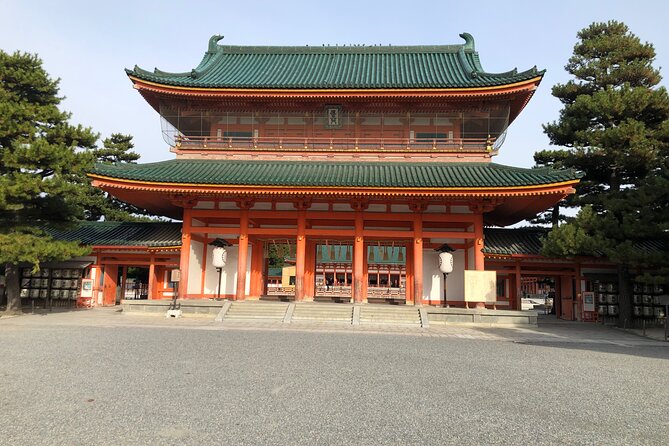
Guides are a big part of why this tour gets strong marks. Past groups have been led by names like Diego, Jody, and Jorge, and the common thread is clear communication and genuine helpfulness.
You’ll notice the difference in how you experience the temples. With a guide like Diego, for example, the history and details land in a way that makes the sites click fast. With Jody, the tone reported is friendly and attentive—plus the ultimate sign of readiness: one guide supported someone during a medical emergency. That kind of care is the difference between a fun day and a stressful one.
Jorge is another name tied to the tour experience, with comments about fluent English and a route that blends neighborhoods, main streets, and smaller alleys. That mix is exactly what helps the ride feel like Kyoto, not just Kyoto-on-rails.
Price and value: what $99.08 buys you in real terms
At $99.08 per person, you’re paying for a guided e-bike day that includes admission tickets at key stops. Specifically, admission is included for Kinkaku-ji, the Bamboo Forest trail, and Tenryu-ji. Kitano Tenmangu is free.
So the value isn’t only the bike—it’s the package:
- guided explanations that help you understand what you’re looking at
- a route that strings together multiple major sights
- built-in time at each anchor location
- e-bike effort-saving so you can enjoy the walking parts instead of fighting fatigue
If you tried to DIY this, you’d still spend time coordinating bikes, transport between neighborhoods, and ticket lines. Even with local transit, Kyoto’s layout can turn “short distances” into a long day. This tour sells the shortcut: less logistical thinking, more time spent looking at things you came to see.
Should you book this Kyoto Bamboo Forest & Golden Pavilion E-Bike Tour?
Book it if you want a practical, active day that still hits the big Kyoto icons: Kinkaku-ji, Tenryu-ji, Arashiyama Bamboo Forest, and Kitano Tenmangu. The e-bike approach is especially worth it if you want to cover ground without turning the trip into a leg workout.
Skip it (or think harder) if you’re the type who hates crowd energy at popular sites. Kinkaku-ji can be busy, and that’s not something a bike tour magically erases. Also, if you prefer ultra-quiet, slow solo exploring, this tour’s group timing might feel a bit structured.
If your goal is a well-timed “see a lot without suffering” day, this is a strong choice. With guides like Diego, Jody, and Jorge behind the handlebar plan, you’re not just getting transportation—you’re getting a better way to look at Kyoto while you’re moving.
FAQ
How long is the Kyoto Bamboo Forest & Golden Pavilion e-bike tour?
The tour runs about 5 to 6 hours.
Where do I meet, and where does the tour end?
You meet at Memory Kyoto bike tour, 8-6 Umaryo-cho, Nishinokyo Nakagyo-ku, Kyoto city, and the tour ends back at the meeting point.
What are the main stops on this tour?
The stops include Kinkaku-ji (Golden Pavilion), Kitano Tenmangu Shrine, the Arashiyama Bamboo Forest trail, and Tenryu-ji Temple.
Are temple admissions included?
Yes for Kinkaku-ji, the bamboo forest trail, and Tenryu-ji Temple. Kitano Tenmangu Shrine is listed as admission free.
Is a mobile ticket used?
Yes. The tour includes a mobile ticket.
What is the group size limit?
The tour lists a maximum group size of 8 travelers.
Is this tour near public transportation?
Yes, the meeting point is listed as near public transportation.
Can kids participate?
The tour information says most people can participate, and at least one family with kids aged 12 and 10 rode e-bikes during a tour.
What happens if weather is bad?
The experience requires good weather. If it’s canceled due to poor weather, you’ll be offered a different date or a full refund.
What is the cancellation window?
Cancellation is free up to 24 hours in advance for a full refund.
More of Kyoto by Bike
More Golden Pavilion and Temple Tours
More of Arashiyama and Sagano
Just added: more Kyoto tours to browse





Kinkaku-ji & Golden Pavilion Tours, compared.
 ★ 4.8Fushimi Inari, Kinkakuji, Bamboo Grove 1 Day Bus TourFrom $1224,316 reviews
 ★ 4.1Osaka/Kyoto:Kinkakuji,Arashiyama,FushimiInariShrine,NaraParkFrom $661,596 reviews
 ★ 5.0Nijo, Kinkaku-ji, Arashiyama, Kiyomizu & Fushimi InariFrom $51699 reviews
 ★ 4.9Best of Kyoto: Ginkakuji & Path of Philosophy E-Bike TourFrom $6979 reviews
 ★ 4.7Kinkakuji, Golden Pavilion Guided TourFrom $6471 reviews
 ★ 5.0Kyoto top must-see Golden pavilion and Bamboo forest half-day Private tourFrom $12252 reviews
 ★ 4.6Osaka/Kyoto: Katsuoji, Kinkakuji, Arashiyama 1-Day Bus TourFrom $5633 reviews
 ★ 5.0Golden Pavilion, Nijo Castle, & Nishiki Market Half day tourFrom $9029 reviews
Browse the lists this tour appears in