
Arashiyama gets easier with a plan. This 4-hour, small-group Kyoto tour is built for people who want the big-name sights without getting stuck in the wrong line or the wrong street, with a guide to keep everything moving. I especially like the small group size (max 8), because it means you can ask questions and actually hear the answers.
Two stops sold me on the whole route: Otagi Nenbutsu-ji with its over 1,200 stone rakan statues, and then the classic Arashiyama photo run through the bamboo area and toward Togetsukyo Bridge. One possible drawback: there’s a moderate amount of walking, and the tour doesn’t cover the bus fee (¥230), so you’ll want comfortable shoes and an IC card or coins.
In This Review
- Key things you’ll notice on this Arashiyama tour
- Arashiyama at 9:30 am: why a guide saves you time
- Route flow: meeting at Hannari Hokkori Square, ending near Kotokiki Bridge
- Stop 1: Otagi Nenbutsu-ji and its 1,200+ rakan statues
- Stop 2: Adashino Nenbutsu-ji on Wednesdays, with Kūkai’s 811 founding
- Saga Toriimoto preserved street: walking the old trail toward Mount Atago
- Sabou Sagano drink break: one included refresh, matcha optional
- Jōjakkōji Temple: gardens, nature, and quiet views
- Mikami Shrine and Ogura Pond: beauty-prayer and reflective calm
- Bamboo Forest photo spot and Togetsukyo Bridge: the classic Arashiyama finish
- Price and value: what $79.07 buys you in real time
- Logistics that actually matter: walking, bus fee, and weather
- Best time to go: spring and autumn beat the summer slog
- Should you book this Arashiyama tour?
- FAQ
- How long is the Kyoto Arashiyama tour?
- What’s included in the tour price?
- How big is the group?
- Where do I meet the tour, and what time does it start?
- Do I need to pay a bus fee during the tour?
- What happens if I’m visiting on a Wednesday?
- Is the tour okay if I’m not used to walking?
- Can I cancel for free?
Key things you’ll notice on this Arashiyama tour
- Max 8 people: fewer distractions, more time to ask your guide questions
- Temple context, not just checkpoints: why each site matters and what to look for
- A Wednesday swap: Otagi Nenbutsu-ji is closed Wednesdays, replaced with Adashino Nenbutsu-ji
- Real time for photos: a quick bamboo forest photo spot and river views
- One included refresh stop: a short drink break at Sabou Sagano (matcha costs extra)
Arashiyama at 9:30 am: why a guide saves you time
Arashiyama looks simple on a map, but in real life it can turn into a choose-your-own-adventure. Streets twist, crowds form around the same “must-see” spots, and it’s easy to lose 20 minutes just deciding where to go next. This tour starts at 9:30 am and follows a logical flow through temples, viewpoints, and the riverside.
The biggest practical win is the guide. You’re not just following a route; you get commentary along the way, which helps you understand what you’re seeing. That turns a walk from sightseeing into actual learning, and you’re less likely to miss the details that make temples and gardens feel special.
Also, the pacing is realistic for a half-day. You’ll have short stops, enough time to look closely, and then you’re off again. It’s a good fit if you want the highlights plus a few quieter places, without spending your entire day in Arashiyama.
Deeper into Arashiyama, past the bamboo and the Hozu river

Route flow: meeting at Hannari Hokkori Square, ending near Kotokiki Bridge
The meeting point is Hannari Hokkori Square (20 Sagatenryūji Tsukurimichichō, Ukyo Ward). The tour ends at the site of Kotokiki Bridge, in the same general neighborhood, so you’re not left stranded across town.
That matters because Arashiyama is spread out enough that “I’ll just take a quick train back” can become a time sink. With this route ending near the river area, you’re well-positioned to continue on foot, grab a meal nearby, or connect to transit.
You’ll also want to know the tour operates rain or shine. If you’re the kind of person who hates weather surprises, bring a compact umbrella or light rain layer and keep your pace steady.
Stop 1: Otagi Nenbutsu-ji and its 1,200+ rakan statues
Otagi Nenbutsu-ji is the kind of place you can miss if you’re only chasing the most famous names in Arashiyama. This temple is known for its collection of over 1,200 stone statues called rakan, each with distinct details. Even if you don’t read Japanese, you’ll feel the difference the moment you start walking through the grounds.
Why this stop works on a guided tour: the guide can point you toward what makes the statues worth slowing down for. Without that context, it can become too easy to treat the area like a quick photo stop and move on. With a little explanation, you notice variety and mood in the carvings and placement.
Time on site is about 20 minutes, and that’s enough if you’re focused. If you like deep quiet, you might want longer, but for a 4-hour tour, it’s a strong opening—dramatic atmosphere with a smaller, more intimate feel than the busiest temple crowd.
Stop 2: Adashino Nenbutsu-ji on Wednesdays, with Kūkai’s 811 founding
There’s one schedule detail you should actually plan around: every Wednesday, Otagi Nenbutsu-ji is closed, and the tour takes you to Adashino Nenbutsu-ji instead.
Adashino Nenbutsu-ji sits in Kyoto’s Sagano district and is tied to a long timeline. It was founded in 811 by the monk Kūkai, and it was established to honor those who died without family (as the temple tradition explains it). That matters, because it turns the visit from a scenic pause into a moment with meaning behind it.
Also, the stop keeps the same time window—about 20 minutes with admission included—so the tour stays on track. If you’re traveling on a Wednesday, this swap prevents your day from feeling incomplete. It’s not a detour; it’s a chance to see a different kind of temple atmosphere in the same Arashiyama/Sagano zone.
Saga Toriimoto preserved street: walking the old trail toward Mount Atago
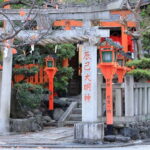
After the first temple, you shift from sacred grounds to a more historic walking environment at Saga Toriimoto Preserved Street. This is a traditional hiking trail that connects from the base of Mount Atago to the summit area, described as one of the higher points in Kyoto.
The appeal here is the texture of the route. You move through a traditional setting—there’s mention of a village feel with thatched-roof houses—so it’s not just temples and photos. It’s a chance to experience the older, more local “in-between” side of the district.
One thing to keep realistic: this is still a walking segment. You’ll feel the day in your legs a bit more if you’re not used to Kyoto’s uneven sidewalks and temple steps. If you’re traveling with knee issues, comfortable shoes matter even more here.
Sabou Sagano drink break: one included refresh, matcha optional
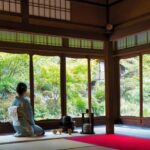
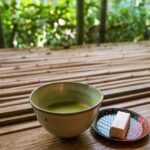
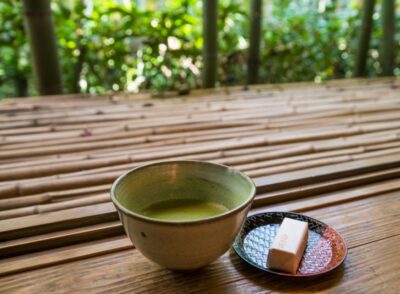
Next comes a short reset at Sabou Sagano. You get a single drink included (coffee/tea/juice). The info also notes that other options, including matcha, are at your own expense.
This stop sounds basic, but it’s smart. After temples and walking, a planned pause keeps you from rushing through everything else. It also helps you manage energy so you can enjoy the later viewpoints and not just power through.
Time here is about 25 minutes, which is enough to sit down, cool off (if it’s warm), and decide whether you want to buy a stronger drink option like matcha.
Jōjakkōji Temple: gardens, nature, and quiet views
Jōjakkōji Temple is a tranquil retreat that mixes spirituality with nature and views. The description highlights beautiful gardens and the sense that you’re stepping into a calmer pocket of Arashiyama.
This is one of those stops where the guide’s role can make your visit feel more personal. With commentary, it’s easier to understand what to look for in a garden setting—how plants, layout, and elevation work together. Without that, gardens can turn into “pretty plants” instead of something with a designed mood.
You’ll spend about 30 minutes here with admission included. That’s a good amount of time to slow down without feeling stuck for hours.
Mikami Shrine and Ogura Pond: beauty-prayer and reflective calm
After Jōjakkōji, the route includes two quieter, very different stops.
Mikami Shrine is described as spiritually significant and dedicated to beauty, specifically hair—often referred to as the shrine of hair, with visitors coming to pray for beautiful hair. If you like the human side of religion, this is a memorable moment. It’s not abstract. It connects to everyday hopes.
Then there’s Ogura Pond, tucked among greenery. The calm water reflects surrounding trees and mountains, and the scene changes with the seasons. Since you’re walking through a day that already includes views, the pond works like a mental breather: sit, look, and let your eyes rest.
Both of these stops fit the tour’s overall design: you’re not only collecting famous “postcard” locations, you’re also getting a few smaller experiences that feel more local and less crowded.
Bamboo Forest photo spot and Togetsukyo Bridge: the classic Arashiyama finish
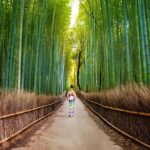
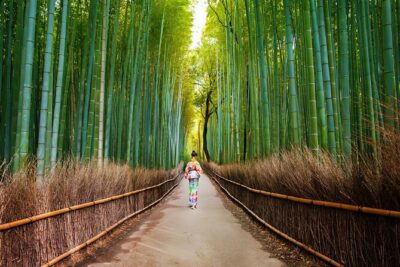
No Arashiyama day feels complete without the bamboo area, even if you’ve seen photos before. Here, you get Bamboo Forest Street as a photo spot, with 10 minutes and free admission.
The key is timing and attitude. Ten minutes is short, so you’ll want to arrive with a plan: take photos quickly, then step back and look up. The height and the path curves are part of the magic, and it’s easier to enjoy it when you’re not trying to do everything at once.
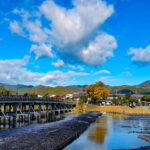
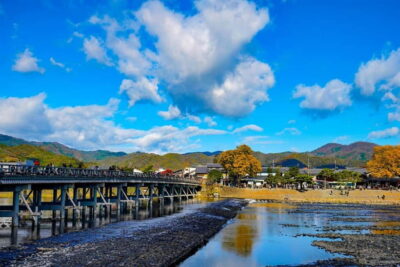
After that, the tour heads to Togetsukyo Bridge over the Hozu River. You get about 10 minutes, and it’s another free sight. Togetsukyo is described as centuries-old and famous for majestic views of mountains and river, and it’s both a crossing and a viewpoint—meaning you’re not only standing still for pictures, you’re positioned in a real-lived-in setting.
This is a great ending point because the river views make the day feel “finished,” even if you keep wandering afterward on your own.
Price and value: what $79.07 buys you in real time
At $79.07 per person for about 4 hours, this tour isn’t cheap in the way a bus ticket is cheap, but it’s priced like what you’re really buying: a guided route that compresses multiple areas into one day and includes admission for several stops.
Admission is included for multiple temples and sights on the itinerary (Otagi Nenbutsu-ji, Adashino Nenbutsu-ji on Wednesdays, Sabou Sagano, Jōjakkōji). Bamboo and Togetsukyo are free, and you’re getting a mix of included and free moments, which helps control your overall costs.
The bigger value is time. With a mobile ticket, small group size, and a guide handling directions, you’re not spending your half-day fighting logistics. You’re also not doing “temple hop roulette.” The route has enough structure to hit key moments while still leaving room for those offbeat stops like Mikami Shrine and the pond.
If you book about a month ahead (the average here is 39 days), you also reduce the chance of being stuck with limited options.
Logistics that actually matter: walking, bus fee, and weather
This tour involves a moderate amount of walking. You should plan for temple stairs, uneven ground, and a few longer stretches between stops. Bring comfortable walking shoes. If your footwear is wrong, the best views in Arashiyama won’t fix your day.
There’s also a transport detail: the bus fee is excluded. You’ll need an IC card or coins (¥230) prepared. That’s not a huge amount, but it’s exactly the kind of thing that can cause stress if you don’t have small cash or your transit card ready.
Lastly, it runs rain or shine. Kyoto rain doesn’t ruin the temples, but it does change the ground conditions. A light rain coat is smarter than hoping you’ll stay dry.
Best time to go: spring and autumn beat the summer slog
The feedback highlights a simple reality: Kyoto’s summer can be hot and humid. If you have the choice, plan around spring (cherry blossoms) or autumn, when the weather is more comfortable for a walking tour like this.
That advice also fits the route. Bamboo and bridge views are pleasant in soft daylight, and garden temples feel better when you’re not drenched in sweat.
If you’re going in summer anyway, treat this like a hydration-focused day. Start early, take your included drink break seriously, and slow down at the pond and gardens where you can sit.
Should you book this Arashiyama tour?
Book it if you want a guided, time-efficient Arashiyama plan that mixes famous sights with quieter stops like rakan statues at Otagi and the hair-focused Mikami Shrine. It’s also a solid choice if you like asking questions and getting explanations instead of just following crowds.
Skip it or consider a lighter self-guided approach if you’re trying to avoid walking, or if you’d rather spend lots of unstructured time lingering at just one place. This is designed for a packed half-day, not a slow temple retreat.
If your goal is to see Arashiyama’s greatest hits and still feel like you learned something, this small-group format is a smart way to do it.
FAQ
How long is the Kyoto Arashiyama tour?
The tour lasts about 4 hours.
What’s included in the tour price?
Admission tickets are included for multiple stops on the itinerary, and the tour includes a mobile ticket. Bus fee is excluded.
How big is the group?
The tour has a maximum of 8 travelers.
Where do I meet the tour, and what time does it start?
You meet at Hannari Hokkori Square at 9:30 am. The tour ends at the site of Kotokiki Bridge.
Do I need to pay a bus fee during the tour?
Yes. The bus fee is excluded, and you should have an IC card or coins for ¥230.
What happens if I’m visiting on a Wednesday?
Every Wednesday, Otagi-Nenbutsu temple is closed, and the tour takes you to Adashino-Nenbutsu temple instead.
Is the tour okay if I’m not used to walking?
Most travelers can participate, but there is a moderate amount of walking. Comfortable shoes are recommended.
Can I cancel for free?
Yes. You can cancel for free up to 24 hours in advance for a full refund.
More Tours in Kyoto
More Tour Reviews in Kyoto
More of Arashiyama and Sagano

Just added: more Kyoto tours to browse





Arashiyama & Bamboo Grove Tours, compared.
 ★ 4.8Fushimi Inari, Kinkakuji, Bamboo Grove 1 Day Bus TourFrom $1224,316 reviews
 ★ 4.1Osaka/Kyoto:Kinkakuji,Arashiyama,FushimiInariShrine,NaraParkFrom $661,596 reviews
 ★ 4.7Kyoto/Osaka: Nara, Fushimi Inari Taisha, Arashiyama Bus TourFrom $521,275 reviews
 ★ 5.0Kyoto Arashiyama Walking Tour: Bamboo, Monkeys, Gardens & SecretsFrom $651,216 reviews
 ★ 4.8Arashiyama Bamboo, Temple, Monkeys, or Secret Sake BreweryFrom $87886 reviews
 ★ 5.0Arashiyama Bamboo Forest, Monkeys, Matcha & Temple TourFrom $53759 reviews
 ★ 4.4Osaka/Kyoto: Arashiyama, Nara & Fushimi Inari Shrine w/LunchFrom $61754 reviews
 ★ 5.0Nijo, Kinkaku-ji, Arashiyama, Kiyomizu & Fushimi InariFrom $51699 reviews
Browse the lists this tour appears in