
Reviewed · KYOTO TEA CEREMONIES
Kimono Tea Ceremony at Kyoto Maikoya, Karasuma Shijo
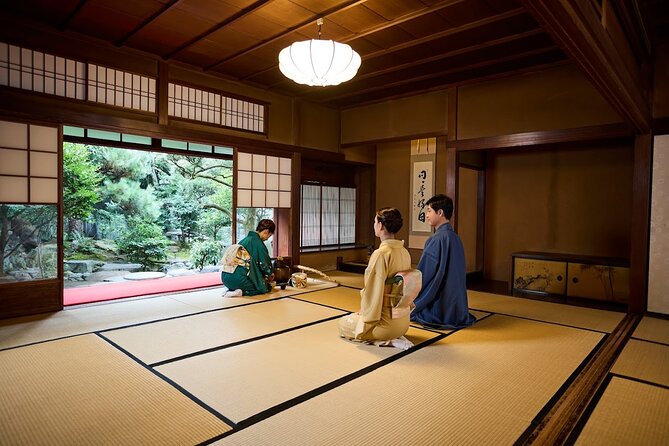
A kimono and matcha, tightly timed. This Kyoto tea ceremony at Kimono Tea Ceremony MAIKOYA Karasuma Shijo blends traditional dressing with a hands-on matcha lesson led by a tea master. It’s a calmer way to do Kyoto culture, because you’re not just watching—you’re learning the why behind each movement, tool, and pause.
What I like most is the full “getting ready” package: kimono selection, simple hairstyling, and help getting dressed, so you can focus on the moment instead of logistics. I also like the small-group feel (it’s set up for up to 4 people) and the chance to taste your tea with traditional snacks afterward. One possible drawback: you’ll sit on tatami during the ceremony, and while small chairs can be allowed, the floor part may still feel awkward if you have mobility issues.
In This Review
- Key things to know before you go
- Kimono + matcha in one focused 90 minutes
- Where to meet near Karasuma Shijo (and why timing matters)
- The kimono dressing process: outfit selection, hair, and real help
- Inside the tatami tea room: etiquette, tools, and pacing
- Making your own matcha: whisking under guidance
- Snacks and the tasting moment after the ceremony
- Group size and what it means for your experience
- Price and value check for $65.39
- Practical tips that make the whole thing easier
- Who should book this kimono tea ceremony—and who should skip it
- Should you book this Kyoto tea ceremony at MAIKOYA?
- FAQ
- FAQ
- How long is the Kimono Tea Ceremony at Kyoto Maikoya?
- Where is the meeting point?
- Is transportation or hotel pickup included?
- Is kimono rental included?
- What is included in the tea ceremony package?
- What about children—are they allowed?
- How many people are in a group?
- Are photos or videos allowed during the ceremony?
- Do I need to print anything for tickets?
Key things to know before you go
- Kimono + hairstyling included: you get dressed and styled on site, plus help choosing the outfit details
- Small group size (max 4): less waiting, fewer distractions, and more time with the tea master
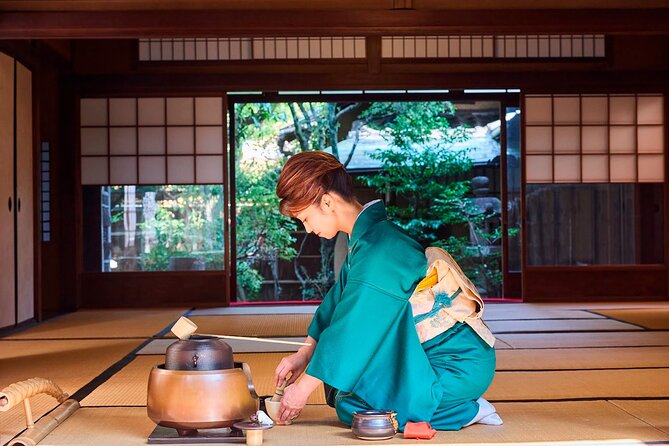
- Hands-on matcha: you whisk your own bowl under guidance, not just observe
- Photo rules: tripods aren’t allowed, and recording may be limited based on the tea master’s instructions
- Included tasting: green tea and traditional snacks follow the ceremony
- Hard limit for kids: children under 6 aren’t permitted
Kimono + matcha in one focused 90 minutes
This is one of those Kyoto experiences that saves you time and adds atmosphere at the same time. You start with the kimono ritual—hair, outfit, finishing touches—then you move into the tea room and do the ceremony step-by-step. The whole flow runs about 1 hour 30 minutes, so you can realistically fit it between temple stops without your day turning into a squeeze-fest.
If you want a “Kyoto day” that feels different from yet another shrine selfie line, this does the trick. The kimono makes you walk slower. The tea makes you breathe slower. And the teaching part means you come away with more than a photo in a pretty outfit.
The session is led by a tea master with staff support. You’ll learn the proper etiquette and the meaning behind tools and gestures—then you’ll make matcha yourself. That hands-on part matters. Watching is nice, but whisking your own bowl is where the lesson lands.
Sit for another bowl of matcha in a Kyoto tea house


Where to meet near Karasuma Shijo (and why timing matters)
You’ll meet at Kimono Tea Ceremony MAIKOYA Karasuma Shijo, address: 220 Itoyachō, Shimogyo Ward, Kyoto 600-8432. The activity ends back at the meeting point, so plan to continue your exploring from the same area.
It’s near public transportation, which helps a lot because Kyoto is spread out and walking can add up. One review also noted it was about a 25-minute walk from Kyoto Station—handy if you’re starting your day in that neighborhood.
Bring your best patience for the start of the schedule. The kimono portion includes dressing steps and a simple hair setup, so arriving late can throw the whole group timing off. If you’re trying to connect this with another booked activity, give yourself buffer time. You’ll thank yourself later.
One more small logistics note: this experience uses a mobile ticket, so make sure your phone battery is healthy when you head out.
The kimono dressing process: outfit selection, hair, and real help
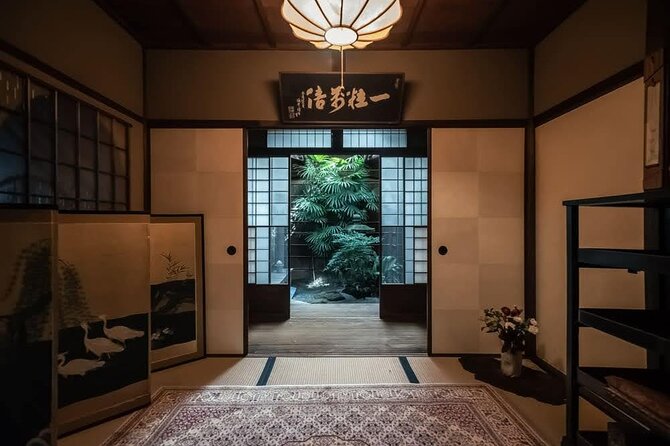
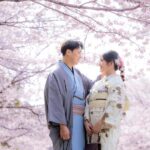
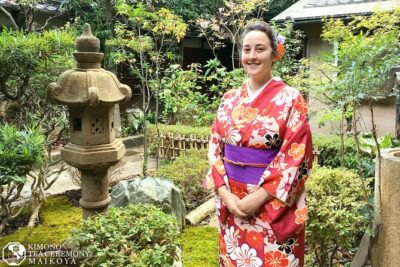
The kimono side of the experience is not an add-on. It’s a core part of the ritual. You’ll have a selection of elegant kimonos, and staff will help you get dressed and look properly coordinated.
What’s genuinely practical here is that they handle the fiddly stuff: how the garment sits, how it’s fastened, how your look comes together. You’re not left guessing. You’re guided.
They also include simple hairstyling. Depending on your hair length and texture, this can make a big difference in comfort and appearance in the ceremony photos. Reviews mention staff doing this with talent and professionalism, and the vibe is that they move efficiently without making it feel rushed.
One review mentioned the dressing happens in a building that feels more than a hundred years old, which adds a “you stepped into another pace” feeling while you wait for the ceremony room.
Comfort heads-up: kimonos come with footwear choices, and once you’re dressed you’ll want to avoid fussing with your outfit. Wear the mindset of: I’m here to participate, not to adjust every five minutes. Staff assistance is there, but the ceremony goes smoother when you let them handle their process.
Inside the tatami tea room: etiquette, tools, and pacing
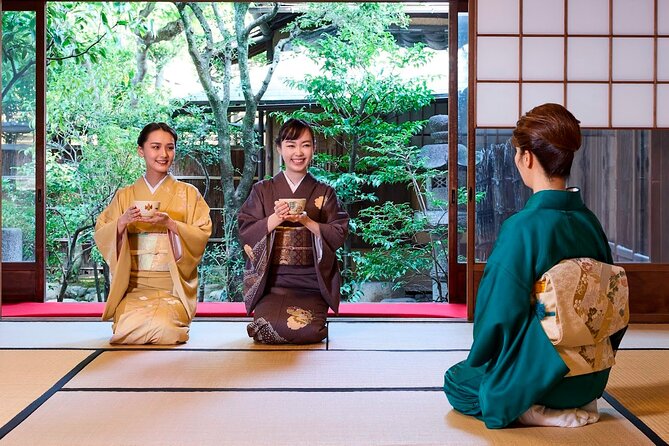
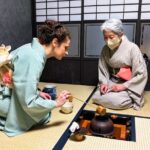
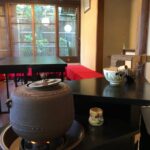
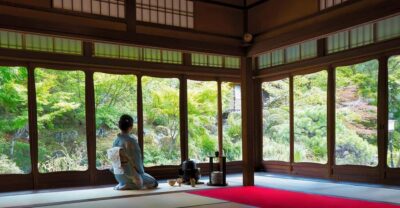
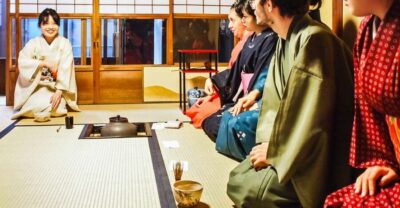
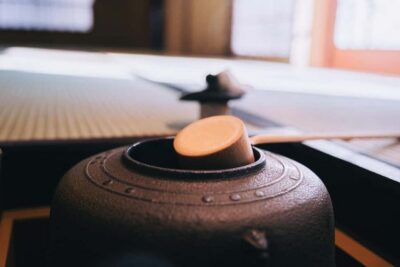
After dressing, you move into the tea room where the tea master leads the ceremony. This is where you’ll learn the significance behind the tools, movements, and traditions—plus the etiquette that makes the whole experience feel respectful rather than performative.
The tea master guides the steps while you observe, then explains what’s happening and why. You’ll learn not just what to do, but how to do it with the right tempo. That matters for matcha, because the goal isn’t speed—it’s control and calm.
There’s also an important practical rule: tripods aren’t allowed during the ceremony, and photo/video recording may be limited. You’ll need to follow the tea master’s instructions about timing and manners. If you’re the type who shows up with a camera plan, switch to a simpler mindset: take a few good photos when allowed, then enjoy the rest. The tea room isn’t a studio.
Sitting can be a factor. One review noted that sitting on the floor can be a challenge, and they allow small chairs without taking away from the ceremony. If you think tatami seating will be rough, don’t hide it. Ask staff what’s available so you can focus on the lesson instead of pain.
Making your own matcha: whisking under guidance
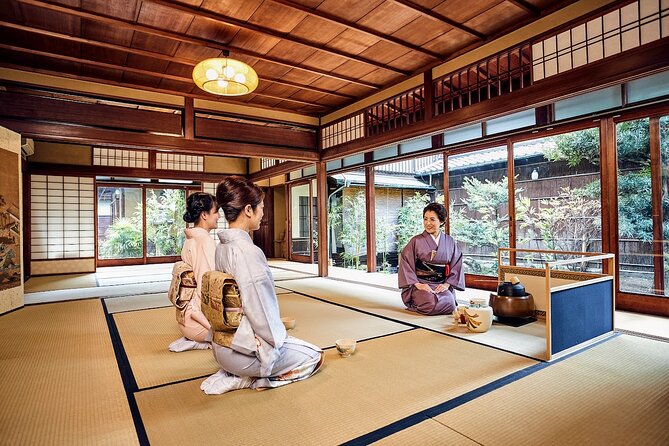
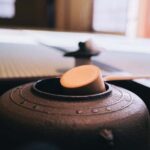
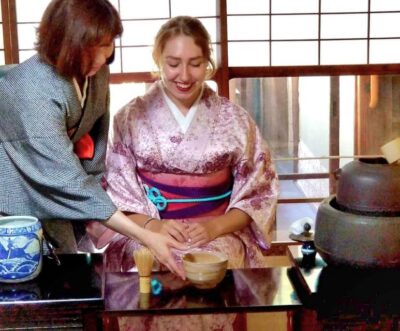
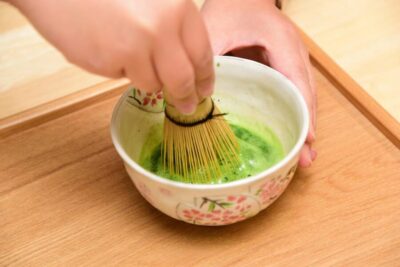
The best part for me is that you get to make matcha yourself. You’ll prepare your own bowl using higher-quality green tea, and you’ll whisk it under the tea master’s guidance.
This is more than a party trick. Matcha is sensitive to technique. Too aggressive and you’ll end up with the wrong texture. Too tentative and you’ll miss what the ceremony aims for. The tea master’s job is to get you the right motions and timing so you can taste the difference between guessing and doing it properly.
You’ll also learn etiquette around drinking. That’s where many tea experiences feel like a show. Here, the rules are explained as part of the experience, not just decoration. Some guests also mentioned learning the idea of ichi-go ichi-e—how each moment is unique and should be treated with attention. Whether or not you catch every phrase, the overall message is consistent: slow down and be present.
And good to know: you don’t have to be a lifelong matcha drinker for this to work. One person said they enjoyed it even without being a matcha fan, because the ritual itself and the lessons were the point.
Wander Kyoto in kimono a little longer

Snacks and the tasting moment after the ceremony
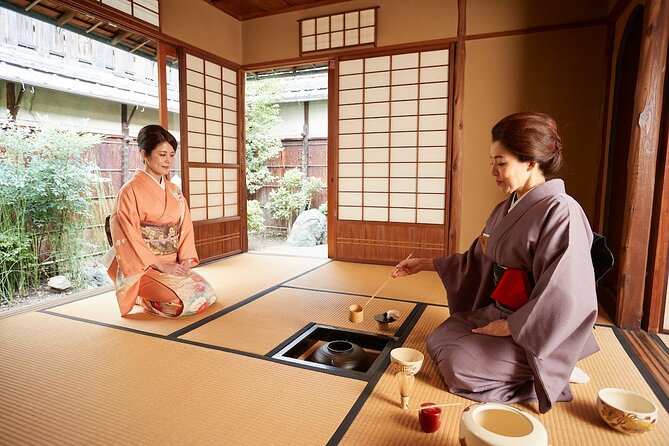
Once the ceremony is done, you’re not sent away immediately. You’ll enjoy green tea and traditional snacks after the ceremony. This is a nice way to keep the experience from feeling like an assembly line that ends the second the lesson finishes.
Snacks also help you absorb what you learned. Tea ceremonies can be a little sensory and a little mental. A bite afterward lets you reset your focus. You can compare flavors, notice aromas, and reflect on the steps you just performed.
If you’re building a Kyoto itinerary, this is useful too: you get a small food break while still finishing the cultural experience as a complete package. No scrambling for a snack two blocks later.
Group size and what it means for your experience
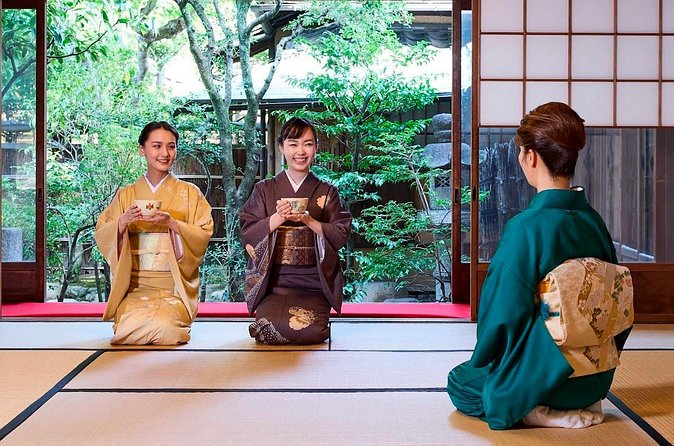
The experience is set up for a maximum of 4 travelers. That small number changes the feel. You’re less likely to wait. You’re more likely to get the teacher’s attention when you’re whisking. And you can ask questions without the session turning into a crowded performance.
One detail worth noting: there can be rare scheduling mismatches if a booking system changes at the last minute. If you care deeply about the small-group format, it’s reasonable to double-check your group size when you receive your confirmation. The goal here is a relaxed setting, not a crowded room.
Also, plan to keep your questions simple and clear. The teaching time is limited, so concise questions help you get the most value out of your time in the tatami room.
Price and value check for $65.39
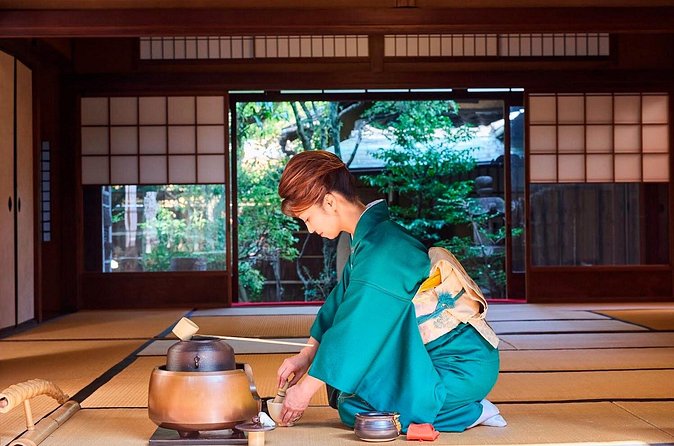
At $65.39 per person, this isn’t the cheapest thing you can do in Kyoto. But it can be a strong value if you add up what’s included.
You get:
- Kimono costume
- Green tea
- Utensils
- Simple hairstyling
- Snacks
That means you’re not paying separately for kimono rental, dressing help, and a lesson. If you’ve priced kimono rentals in Kyoto before, you know the costs can stack quickly—especially when you want staff to handle the fit and coordination.
You’re also getting an actual taught activity (not just a rental). The matcha portion is hands-on, and the etiquette lesson gives context, which is usually the difference between a gimmick and a real cultural encounter.
So for value, I’d say this is most worth it when you want both components in one smooth timeline: dressing + tea education + snacks.
Practical tips that make the whole thing easier
These are the small things that help your ceremony go smoothly:
- Respect the photo rules: tripods aren’t allowed, and recording may be limited. Wait for the moments you’re told are OK.
- Plan for sitting: tatami seating is part of the experience, though chairs can be allowed if needed.
- Wear easy basics underneath: you’ll be dressed on site, so choose something you can adjust easily for the kimono fitting.
- Bring your phone, not a tripod: you’ll likely get some photo opportunities, but the ceremony timing comes from the tea master, not your schedule.
- Don’t overschedule back-to-back: the kimono + hair portion takes time, so build buffer between activities.
- If you’re sensitive to cold: tea rooms and tatami can feel cool. Layering is your friend.
Who should book this kimono tea ceremony—and who should skip it
This is a great match if you want Kyoto culture you can actively participate in. I’d put it high on your list if you:
- like hands-on learning rather than passive sightseeing
- want kimono dressing with staff help
- enjoy etiquette lessons and calm, careful pacing
- want a small-group activity with limited crowd pressure
It may be less ideal if:
- you’re traveling with a child under 6 (they aren’t permitted)
- you have major mobility limitations for floor seating, even if chairs are available
- you expect a lot of filming freedom (tripods are not allowed, and recording may be limited)
If your group includes non-matcha drinkers, you’re still likely to have a good time. One guest even said they enjoyed it without drinking matcha regularly—the ceremony explanation and snack pairing carried the experience.
Should you book this Kyoto tea ceremony at MAIKOYA?
If you want one standout Kyoto activity that combines kimono dressing, matcha technique, and proper etiquette in a small-group setting, this is worth your time. The value is strongest because you get the whole package—costume, hairstyling, utensils, tea, and snacks—without needing separate rentals or extra reservations.
I’d book it if your ideal Kyoto day includes a quiet lesson where you slow down and actually do something. I wouldn’t book it if you’re mainly chasing photos and video, or if tatami seating is a hard no.
Bottom line: for most visitors, this is a well-structured experience that turns Kyoto tradition into something you practice, not just watch.
FAQ
FAQ
How long is the Kimono Tea Ceremony at Kyoto Maikoya?
It lasts about 1 hour 30 minutes.
Where is the meeting point?
The meeting point is Kimono Tea Ceremony MAIKOYA Karasuma Shijo, 220 Itoyachō, Shimogyo Ward, Kyoto 600-8432, Japan. The activity ends back at the meeting point.
Is transportation or hotel pickup included?
No. Transportation and hotel pickup/drop-off are not included.
Is kimono rental included?
Yes. The kimono costume is included, along with simple hairstyling.
What is included in the tea ceremony package?
Green tea, utensils, kimono costume, simple hairstyling, and snacks are included.
What about children—are they allowed?
Children under 6 are not permitted. If your group includes a child under 6, you’re asked not to book this activity.
How many people are in a group?
This activity has a maximum of 4 travelers.
Are photos or videos allowed during the ceremony?
Tripods are not allowed. Photo and video recording may be limited—follow the tea master’s instructions about timing and manners.
Do I need to print anything for tickets?
No. The tour uses a mobile ticket, and confirmation is received at the time of booking.
More Tour Reviews in Kyoto




More Kimono Days in Kyoto
One More Bowl of Matcha

Just added: more Kyoto tours to browse








Kyoto Tea Ceremonies, compared.
 ★ 4.9Tea Ceremony in a Traditional Tea House in KiyomizuFrom $493,519 reviews
 ★ 4.9Tea Ceremony Ju-An at Jotokuji TempleFrom $293,207 reviews
 ★ 4.345-Minute Tea Ceremony Lesson ExperienceFrom $222,378 reviews
 ★ 4.9Table-Style Tea Ceremony at a Kyo-MachiyaFrom $451,211 reviews
 ★ 5.0Kimono Tea Ceremony at Kyoto Maikoya, NISHIKIFrom $65911 reviews
 ★ 5.0Arashiyama Bamboo Forest, Monkeys, Matcha & Temple TourFrom $53759 reviews
 ★ 4.9Tea Museum Tickets and Matcha Grinding ExperienceFrom $23739 reviews
 ★ 4.9Kimono Tea Ceremony at Orizuruya GionFrom $49618 reviews
Browse the lists this tour appears in