
Reviewed · KYOTO SAMURAI & NINJA EXPERIENCES
Kendo and samurai experience in Kyoto
A quiet dojo trip beats another temple stop. This private kendo and samurai session in Kyoto trades sightseeing crowds for hands-on sword discipline near Shugakuin Imperial Villa, guided at your pace in a no-pressure setting. You get real instruction on safe handling, plus the kind of teacher attention that makes it feel personal even in a small group.
I also love the technique-first approach: you practice with bamboo practice swords, foam swords, and blunt replicas before you move toward more dramatic cutting exercises. It’s a very learnable experience—no martial arts background needed—and the class structure gives you time to get comfortable rather than just watching.
One thing to keep in mind: the famous tatami mat cutting moment is not always guaranteed. Some sessions focus on training and sword work without the final tatami cutting, so if that’s your must-do, I’d confirm before you go. There can also be variations in how much of the full uniform you get to wear and how smooth English communication is for your instructor.
In This Review
- Key takeaways
- Meeting at Studio NIN near Shugakuin Imperial Villa: plan for calm, not convenience
- Atelier NIN and the dojo setup: small space, real teacher attention
- What you actually learn in kendo basics: grip, posture, and safe motion
- Sword and gear lineup: bamboo, foam, replica blades, and real cutting moments
- The tatami cutting question: the big moment may be law-limited
- Photos, videos, and the samurai costume vibe (without turning it into a circus)
- Timing and pacing: what two hours feels like in real life
- Price and value: is $105.68 worth it for kendo instruction?
- Who should book this Kyoto kendo and samurai session
- Should you book it? My decision guide
- FAQ
- How long is the kendo and samurai experience in Kyoto?
- Do I need any kendo or martial arts experience to participate?
- What kind of training tools and swords will I use?
- Is tatami mat cutting included at the end?
- Where does the activity start?
- Can I get a refund if I cancel?
Key takeaways
- Private-feeling instruction with close teacher attention, often in a small group (maximum 15)
- No experience needed: you start with safe basics using bamboo, foam, and blunt replica training tools
- Samurai armor time plus photo help: you can expect dressing-up moments and support with photos/videos
- Katana cutting can be a highlight, but tatami mat cutting may not be offered every time
- A Kyoto outskirts location near Shugakuin Imperial Villa can mean easier calm, but getting there needs a little care
Meeting at Studio NIN near Shugakuin Imperial Villa: plan for calm, not convenience
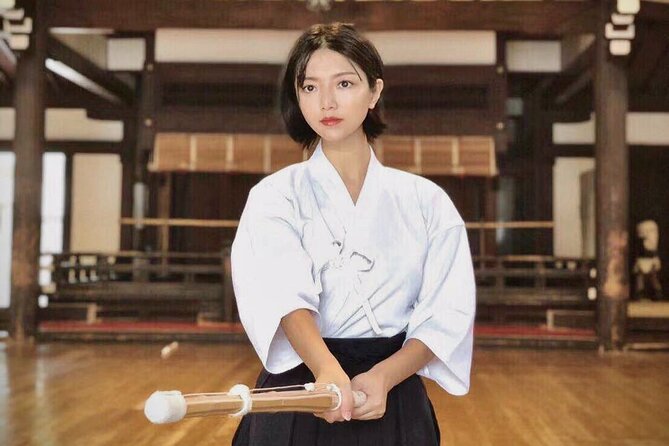
You meet at studio NIN 修学院16 Shūgakuin Daidōchō, Sakyo Ward, Kyoto, 606-8037, in the Shugakuin Imperial Villa area. The vibe here is the opposite of central Kyoto chaos. Expect quiet streets and a more residential feel, which is exactly why kendo class people love this spot—it’s a real break from temples-on-temples-on-temples.
The catch is simple: it can be easy to miss the place if you rely only on broad directions. Give yourself extra time. If you’re coming from downtown, take a public-transport route that gets you close, then use maps on your phone for the final stretch. The meeting point is near public transportation, but the last bit still matters.
Because the session is about two hours, you don’t want to burn 30 minutes just trying to find the dojo. If trains run late, the class is still workable (one visitor noted they were late and didn’t feel totally rushed), but you’ll get the best experience if you’re there on time—gear, photos, and practice all depend on it.
Pick up the blade again with these Kyoto sessions
Atelier NIN and the dojo setup: small space, real teacher attention
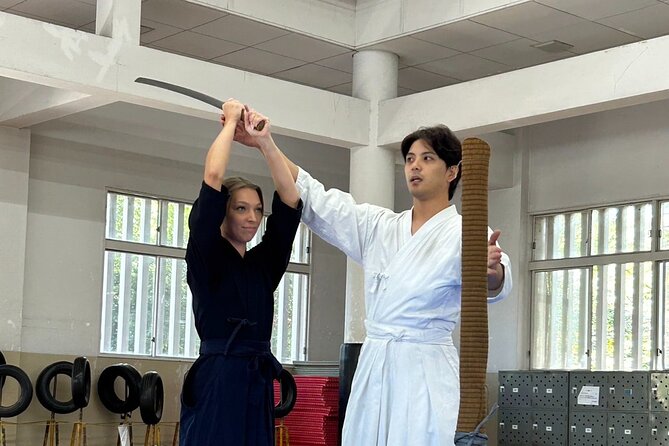
This experience is capped at a maximum of 15 people, and the class is designed to feel close and personal. That matters for kendo, because posture, grip, and safe sword handling aren’t things you can learn well from a crowd watching the same demo over and over.
In practice, many people get a near-private feel. Some sessions end up with just your group, which means you can ask questions and get corrections faster—especially useful when you’re learning how to hold the sword correctly and how to move without over-aiming.
The training setting is described as being on the smaller side, even like a private home dojo. That can be a plus if you want a low-drama, focused atmosphere. It can also mean the space feels a bit less polished than big, commercial training centers. If you’re the kind of person who expects a spotless museum-like environment, adjust your expectations and aim for the learning instead.
Communication is usually handled well, but English ability can vary by instructor. Some sessions are led by instructors named Taka or Kengo, and you might also encounter instructors listed as Matsudaira Takato Sensei or Okini Hayato-San. If your Japanese is limited, bring a translation app and keep your questions simple: what you should feel in your wrist, what your posture should look like, and what to correct after each try.
What you actually learn in kendo basics: grip, posture, and safe motion
Kendo can look intimidating in movies and anime. In this class, the instruction is about making it understandable. You’ll start with the fundamentals: how to hold the sword correctly, how your body lines up for strikes, and how to move with discipline rather than just swinging wildly.
You’re taught in a no-pressure environment, which is the right mindset. The goal is not to perform perfectly on the first attempt—it’s to learn how correct form feels. That includes:
- How to bring the sword in and out safely
- Posture and stance basics you can recognize quickly
- Basic strike mechanics so each attempt is consistent
A big plus is pacing. You’re not only getting a lecture—you’re doing reps. And because the class uses multiple training tools (bamboo, foam, and blunt replicas), you can practice technique without the fear factor of jumping straight to the hardest version.
If you’re traveling solo or you’re nervous about learning something physical, this structure helps. One-on-one correction turns anxiety into progress.
Sword and gear lineup: bamboo, foam, replica blades, and real cutting moments
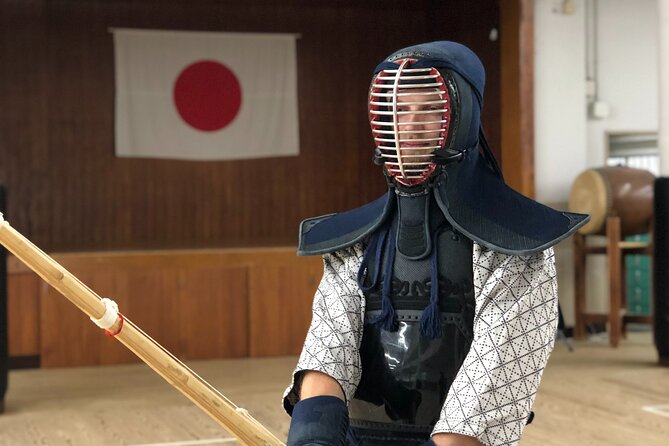
One reason people remember this class is the step-by-step progression of training tools. You don’t start with the scariest option. Instead, your teacher helps you move through tools that get closer to the real action over time.
From the available info, your practice may include:
- Bamboo practice swords for basic kendo strikes
- Foam swords for safer grip and movement practice
- Blunt replica blades for learning handling and form
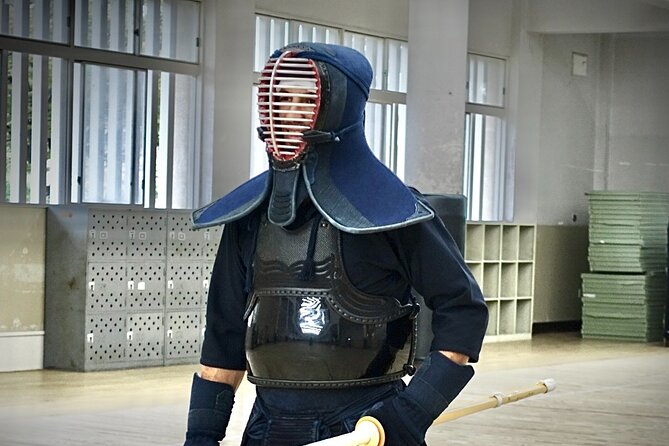
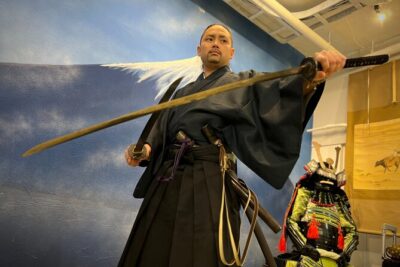
You’ll also wear authentic training gear. That’s one of the best parts for many first-timers. Putting on the armor and helmet transforms the experience from a normal activity into something you’ll actually remember (and yes, it makes great photos).
Still, keep a realistic note: one negative experience mentioned not getting the full uniform (only one helmet). Another mentioned the place being small and dusty. That sounds like a “depends on the session” situation. The safest expectation is that you’ll get kendo-style gear for your training, but the exact completeness of the outfit may vary.
The tatami cutting question: the big moment may be law-limited
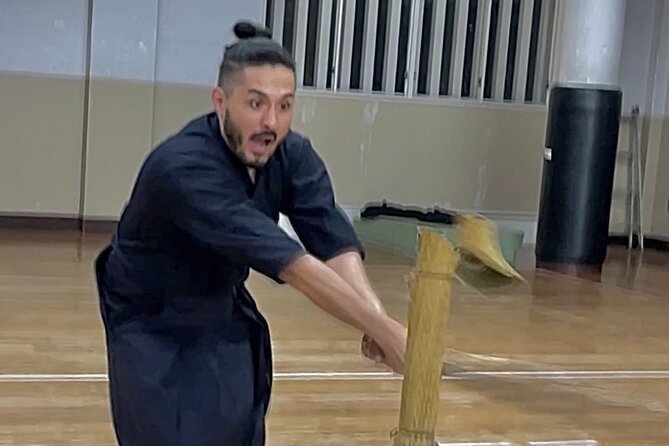
The experience is described as having a main event that involves slicing a tatami mat with a sword. That’s the headline moment you’re probably hoping for.
Here’s the honest travel advice: tatami mat cutting is not always included. Some people report that they did not do tatami cutting due to a recent law change in Japan that restricts what can be legally offered. That may mean you still get cutting practice, but not necessarily the tatami-specific final act.
So how should you plan?
If tatami cutting is your top priority, treat this like a “confirm the final moment” situation. Ask ahead of time whether your session includes tatami cutting or focuses on other cutting exercises. You don’t need to panic—many visitors still call the class a highlight because the technique practice and (in some cases) katana cutting itself is memorable. But if you’re arriving with only one goal and it gets removed, you’ll feel it.






Photos, videos, and the samurai costume vibe (without turning it into a circus)
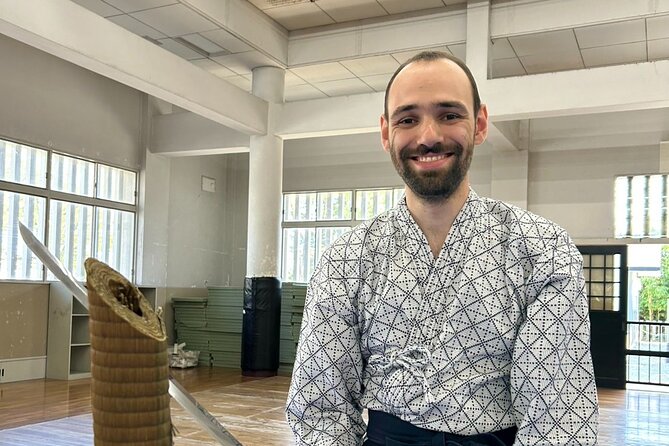
There’s a difference between a staged photo-op and supported documentation. This class aims for the second. Your instructor will help you take photos and videos, and you’ll get time for those memorable shots while you’re in training gear.
I like that this doesn’t feel like a rushed “stand here, smile” situation. When you’re learning sword handling, you need a few seconds to reset your stance and listen for the next cue. Those short pauses are also when photos happen—so you get the visuals without interrupting the flow too much.
Also: the photo moments work best if you’re willing to follow instructions. If you try to play to the camera and ignore safety and form, you’ll lose time and feedback. But if you treat it as part of the experience—stance, then click, then practice—you’ll end up with both good images and better technique.
Timing and pacing: what two hours feels like in real life
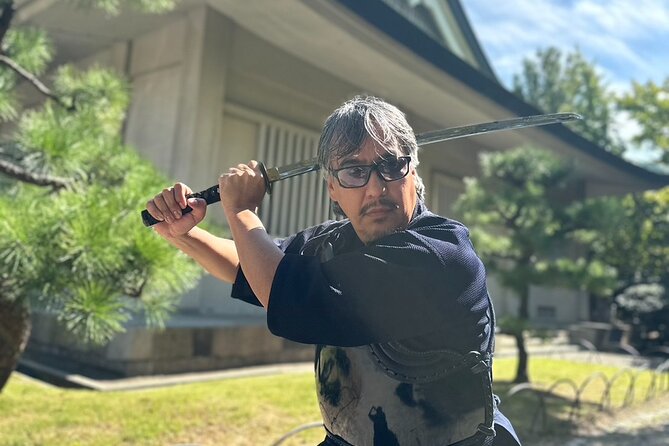
The session runs about 2 hours. In a class like this, that time can get quietly eaten up by getting changed, setting up gear, and filming photos. Some visitors felt there was a bit too much time spent on small talk and photo moments versus pure practice.
Here’s how I’d protect your experience:
- Arrive early so you start training on time
- Be ready for the dressing and gear portion
- Ask for quick corrections during practice, not during photo breaks
- If you want a sparring-like element, mention it early (some classes include some sparring against each other, but it may not happen in every session)
With the right mindset, 2 hours is enough to learn basics, try multiple drills, and leave with that satisfying feeling that you did something real—not just watched.
Price and value: is $105.68 worth it for kendo instruction?
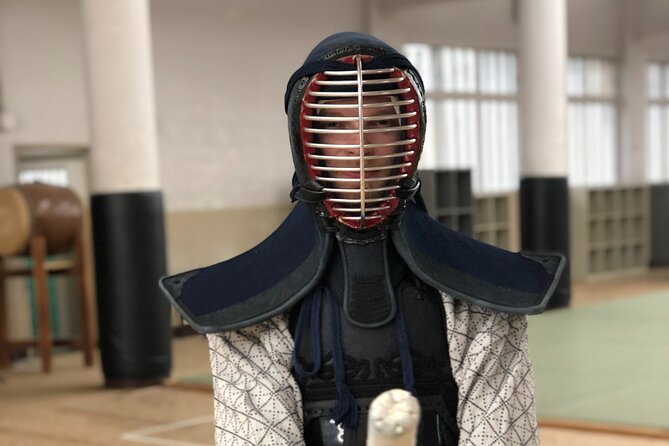
At $105.68 per person for about 2 hours, the value comes from what’s included—not from the scenery. You’re paying for:
- Private-feeling instruction with focused teacher attention
- Training gear and a progression of sword tools
- Time for practice, plus photo/video support
The price feels more justified if you get a small group session (even better if it’s essentially private). It also holds up when you leave with a tangible skill: knowing how to grip, how to stand, and how to strike with better form.
The weak point for value is uncertainty around the tatami cutting moment. If you’re paying for the drama of tatami slicing and it’s removed, you may feel the price is steep. That’s why I’d treat tatami cutting as a “confirm if it’s happening today” item.
Still, even without tatami cutting, many people rate this as a highlight because the technique practice and katana-handling moment (when included) are genuinely fun and teach you something you can explain later.
Who should book this Kyoto kendo and samurai session
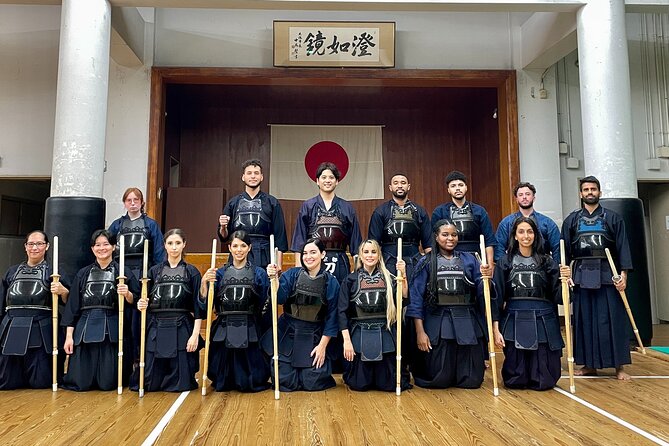
This is a great fit if you:
- Want something hands-on in Kyoto, not just another photo at a historic site
- Like discipline-based activities where technique matters more than strength
- Have no sword experience and want a guided first step
- Care about the samurai aesthetic but also want real practice time
It’s not the best fit if you:
- Only want the tatami mat cutting finale and nothing else
- Need a very large, modern training facility
- Have a hard time with variable English communication (you can still manage with a translation app)
And if you’re a fan of samurai stories and sword training from anime or film, this class can scratch that itch in a practical way—because you’re not just watching swordplay. You’re learning the basic movements behind it.
Should you book it? My decision guide
Yes, I’d book it if you want an honest kendo lesson with the chance to dress up, practice real sword handling skills, and get help capturing the experience. The class earns its praise from the structure: technique practice, teacher focus, and gear that turns learning into a memorable moment.
Before you go, do two things:
- Confirm whether your session includes tatami cutting or only other cutting practice
- Plan for a smaller, dojo-style training space in the Shugakuin area, not a polished “tourist attraction” building
If those points line up, this is one of those Kyoto experiences you’ll talk about for a long time—not because it was flashy, but because you did real work with a blade-shaped tool under safe guidance.
FAQ
How long is the kendo and samurai experience in Kyoto?
It lasts about 2 hours.
Do I need any kendo or martial arts experience to participate?
No. The experience is designed for beginners, and your instructor will guide you through the basics.
What kind of training tools and swords will I use?
You’ll use training tools such as bamboo practice swords, foam swords, and blunt replica blades. Some sessions may include katana cutting practice as part of the experience.
Is tatami mat cutting included at the end?
The description says tatami mat cutting is part of the experience, but some sessions do not include it due to legal restrictions. It’s smart to confirm what your exact session offers before you book.
Where does the activity start?
You start at studio NIN 修学院16 Shūgakuin Daidōchō, Sakyo Ward, Kyoto, 606-8037, Japan, and the activity ends back at the meeting point.
Can I get a refund if I cancel?
Yes. You can cancel for free up to 24 hours in advance for a full refund. Changes made less than 24 hours before the start time aren’t accepted.
More Tour Reviews in Kyoto
More Samurai and Ninja Sessions

Just added: more Kyoto tours to browse








Kyoto Samurai & Ninja Experiences, compared.
 ★ 5.0Kyoto Samurai ExperienceFrom $1191,294 reviews
 ★ 4.9Kendo and Samurai Experience with Uniform and GearFrom $103815 reviews
 ★ 4.9Samurai Sword Class by Experts in Traditional ArtsFrom $64657 reviews
 ★ 4.5Skip the lines Basic Ticket at SAMURAI NINJA MUSEUM KYOTOFrom $28632 reviews
 ★ 5.0Ninja 1-hour Hands-on Lesson by Japanese master in Kyoto -EntryFrom $80489 reviews
 ★ 4.8Ninja Weapon Forging ExperienceFrom $148478 reviews
 ★ 4.5Samurai Kenbu Traditional Sword Dancing ShowFrom $32426 reviews
 ★ 5.0Samurai Training with Modern day Musashi in KyotoFrom $132256 reviews
Browse the lists this tour appears in