
Reviewed · KYOTO COOKING CLASSES
Insider Kyoto Ramen Tour
Kyoto ramen has a way of sneaking up on you. This Insider Kyoto Ramen Tour turns two quick meals into a focused look at how locals think about broth, toppings, and style across the city. In 150 minutes, you’ll go from a short ramen briefing to two different shops and two different Kyoto vibes.
I particularly like the structure: you get two mini bowls (half the size of a full bowl) so you can compare styles without feeling stuffed. I also like that the tour explains what you’re eating as you eat it, so the food facts actually stick while you’re still holding your chopsticks.
One drawback to consider: the bowls are intentionally small. If you’re the type who always orders a full bowl plus sides, you might want to plan a later snack or another meal after the tour. Also, dietary needs like vegetarian, vegan, or gluten-free may be available but aren’t guaranteed on shared group tours.
In This Review
- Key highlights worth lining up
- Why Kyoto ramen feels different before your first sip
- The coffee shop briefing: ramen history you can actually use
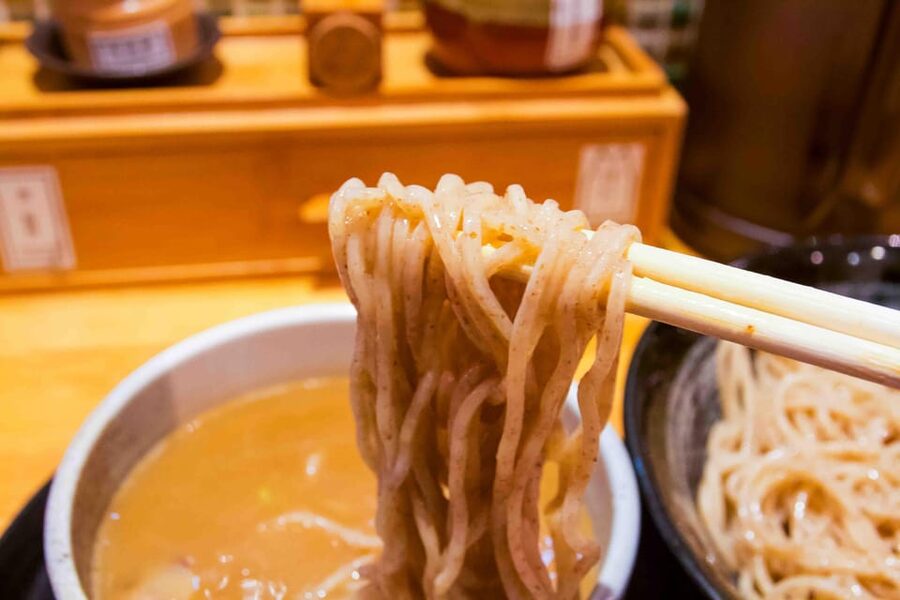
- Stop one: classic Kyoto ramen with thick broth and bright seasoning
- Stop two: soy-sauce tradition in a setting locals might choose
- Two neighborhoods in one outing: sights, sounds, and timing
- The guide factor: fun starts, easy questions, real ramen talk
- Price and portion math: is $90 worth it?
- Dietary needs: what you can plan, and what you should double-check
- Should you book this Kyoto ramen experience?
- FAQ
- How long is the Insider Kyoto Ramen Tour?
- How much does the tour cost?
- What’s included in the price?
- Is transportation to and from the meeting point included?
- What dietary options are available?
- Is the tour guide available in English?
- Where does the tour meet?
Key highlights worth lining up
- Two mini bowls, two ramen styles: classic Kyoto flavor versus a more modern take
- Start with a coffee-shop ramen briefing: origins, importance to locals, and how ramen is prepared
- A “ramen quiz” warm-up: more fun than a lecture, with an easy Q&A flow
- Two Kyoto neighborhoods in one outing: you’ll pick up sights and street energy along the way
- You’re led by an English-speaking guide: personable, question-friendly, and focused on the ramen scene
Why Kyoto ramen feels different before your first sip
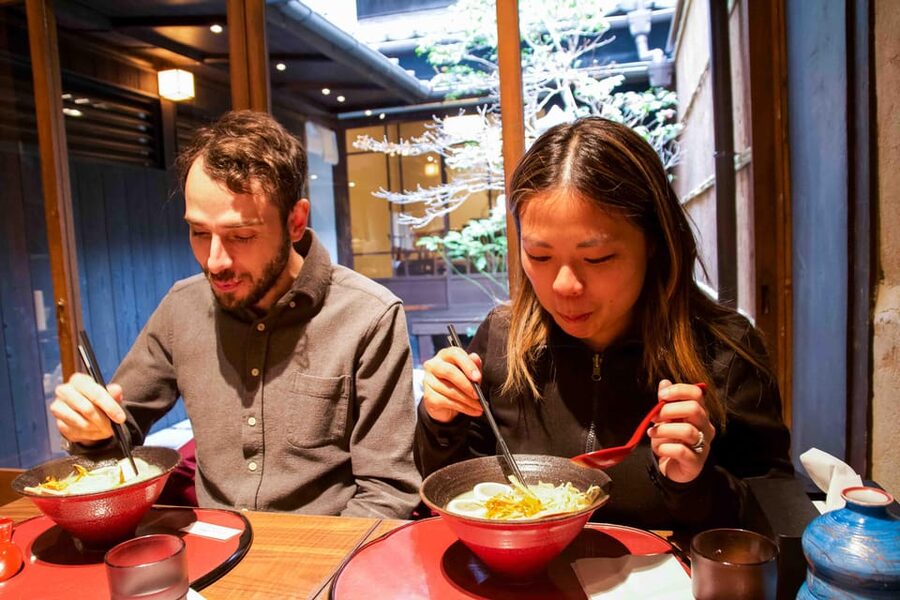
Kyoto ramen isn’t just comfort food. It’s also a window into the way the city organizes taste—subtle, layered, and often less about shock-and-awe than about balance. Even if you’ve eaten ramen all over Japan, Kyoto can feel a bit more thoughtful, and that’s exactly why this tour works. It doesn’t rush you through a checklist. It sets you up to notice the details: the broth texture, the style of soy sauce (or the way it’s balanced), and how the shop’s approach shapes the bowl.
What I like is that you’re not stuck eating the same kind twice. You’ll sample one bowl meant to represent classic Kyoto ramen and another that leans more modern. That gives you a real comparison, not just two separate meals that blur together. And because they’re mini bowls, you can actually taste the differences—no food coma needed.
You’ll also get plenty of context while you’re moving. The tour ties ramen to local life in Kyoto, so you understand why this dish matters beyond tourism. That makes the experience more like learning a local language than chasing a novelty item.
Roll up your sleeves for another Kyoto cooking class

The coffee shop briefing: ramen history you can actually use
You begin at a nearby coffee shop for a ramen briefing. It sounds small, but it sets the tone. Before you order your first spoonful, you talk with your guide about ramen’s origins and how it became important to people in Kyoto. You also get tips on what to watch for in each bowl—things like broth thickness and seasoning style—so the ramen you eat becomes a kind of live lesson.
This is also where you can ask questions and get a sense of how your guide thinks. In the best versions of this tour, the guide is playful without being flaky. One guide named Nick is described as making conversation easy, with a relaxed vibe that keeps the briefing from feeling like formal instruction. Another guide named Frank is described as going deep on Kyoto ramen—history, types, and how it’s made—while still staying friendly and engaging.
So even if you know nothing about ramen, you’re not arriving clueless. You’re getting a little framework that helps you read the bowl in front of you.
Stop one: classic Kyoto ramen with thick broth and bright seasoning
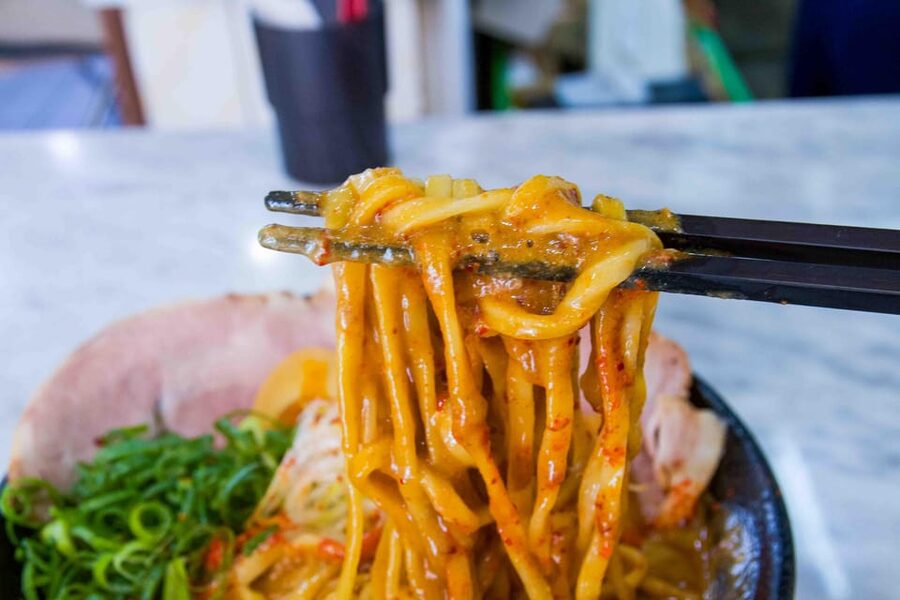
The first ramen shop experience leans classic Kyoto. You’ll eat a mini bowl designed to represent that traditional feel, and the shop itself is part of the show. One described stop features higher-end decor and an open, minimalist setup, while the ramen inside is the star: thick soup and a Kyoto-style approach to flavor.
A specific flavor detail that people rave about from this stop is yuzu seasoning. That matters because yuzu doesn’t just add a citrus note—it changes how you perceive the broth. It can make rich soup feel lighter and sharper at the same time, and once you catch that, you start noticing acidity balance in Japanese noodle culture much more clearly.
If you’re food-minded, this is where you learn to slow down for half a second. Look at the broth texture. Notice how the seasoning hits first, then how it lingers. With a mini bowl, you’re encouraged to focus on quality cues rather than trying to power through. And that’s why this part works even if you’re not the most serious ramen person on the planet.
Stop two: soy-sauce tradition in a setting locals might choose
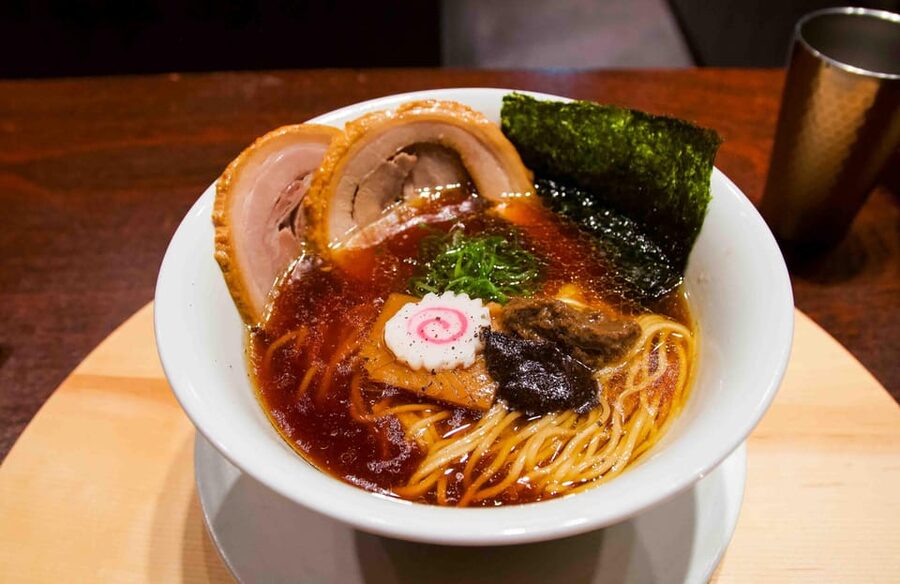
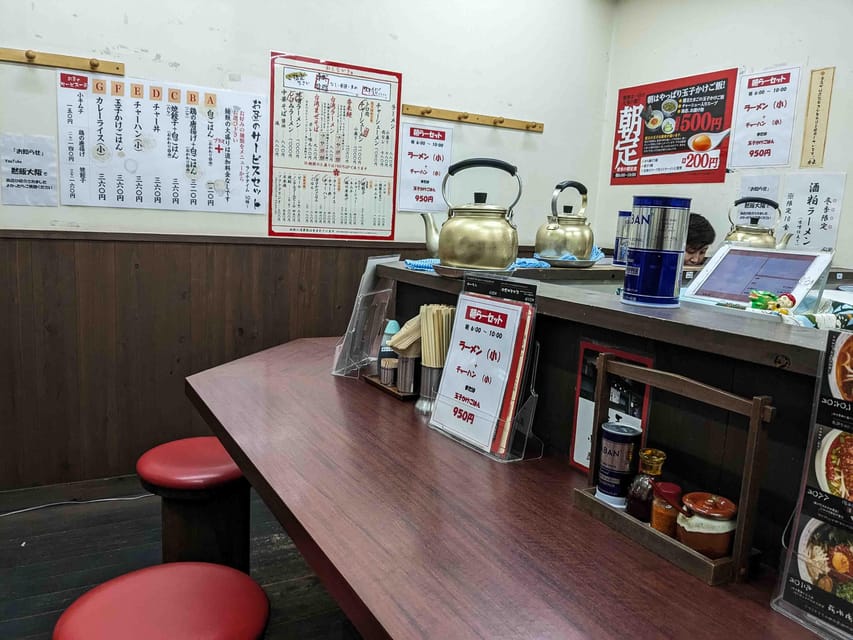
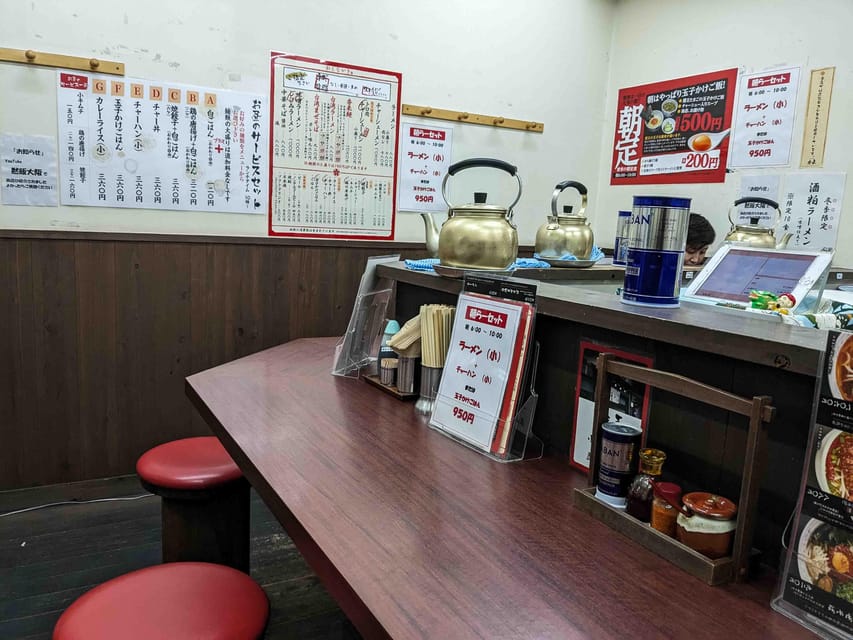
Then you move to the second ramen shop, which shifts the mood. This stop is described as more traditional—an actual ramen restaurant feel closer to what locals might use when they want a dependable bowl. Here, the flavor direction tilts toward a soy-sauce-based ramen style.
The difference between shop one and shop two isn’t just the taste. It’s the overall ramen experience—decor, atmosphere, and how the ramen’s style communicates its identity. One guide-led comparison people point out: the first place leans toward a minimalist, high-end space with thick soup and yuzu seasoning, while the second feels more classic and straightforward, with soy-sauce flavor front and center.
For you, this second bowl is where the tour stops being abstract. You’ll start linking taste to place. You’ll also likely notice how soy sauce shapes depth: it can make the broth feel darker, rounder, and more grounded. If you’ve only ever eaten tonkotsu-style pork ramen in other cities, this is the moment where Kyoto’s approach can feel surprisingly logical.
And because you’re having another mini bowl, you’re not overloaded with carbs. You get to experience the style and then carry the contrast with you as you walk through the neighborhood.
Two neighborhoods in one outing: sights, sounds, and timing
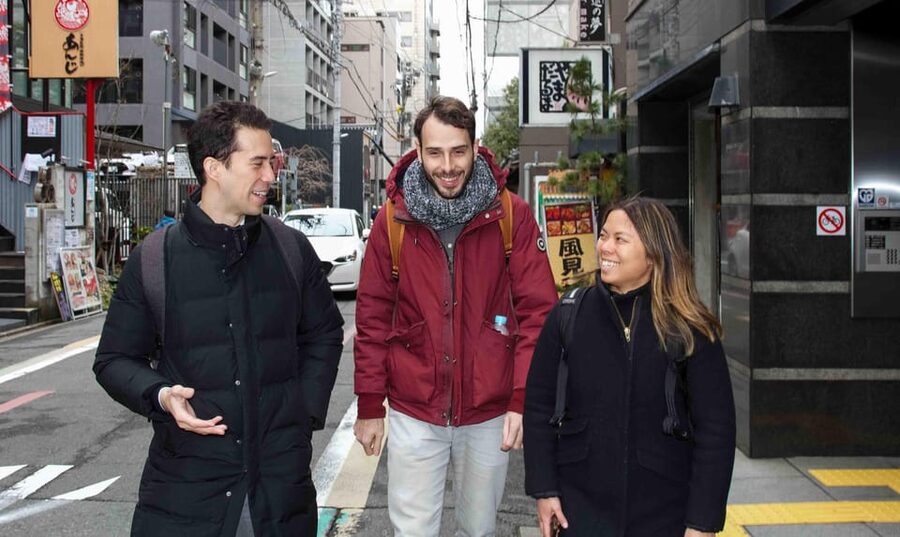
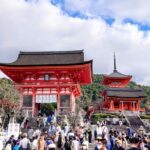
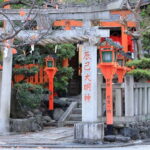
Between ramen stops, you’ll also get to see two different Kyoto neighborhoods. In 150 minutes, this is a smart way to get variety without building a full day around food. It helps the tour feel like something more than just eating twice and moving on.
What’s useful here is the pacing. You’re not doing huge detours. You’re walking with purpose while your guide points you toward what to notice—street life, general neighborhood feel, and the rhythm of Kyoto beyond the major sightseeing circuits. The result is that your ramen experience doesn’t float in a vacuum. It lands in real city context.
You should also think about how this fits into your overall day. If you’re doing temples and tea ceremonies, a ramen tour can be a perfect counterbalance. It’s not another shrine stop. It’s a practical food experience that feels local, and it gives you something memorable even when the rest of your day is full of visuals.




The guide factor: fun starts, easy questions, real ramen talk
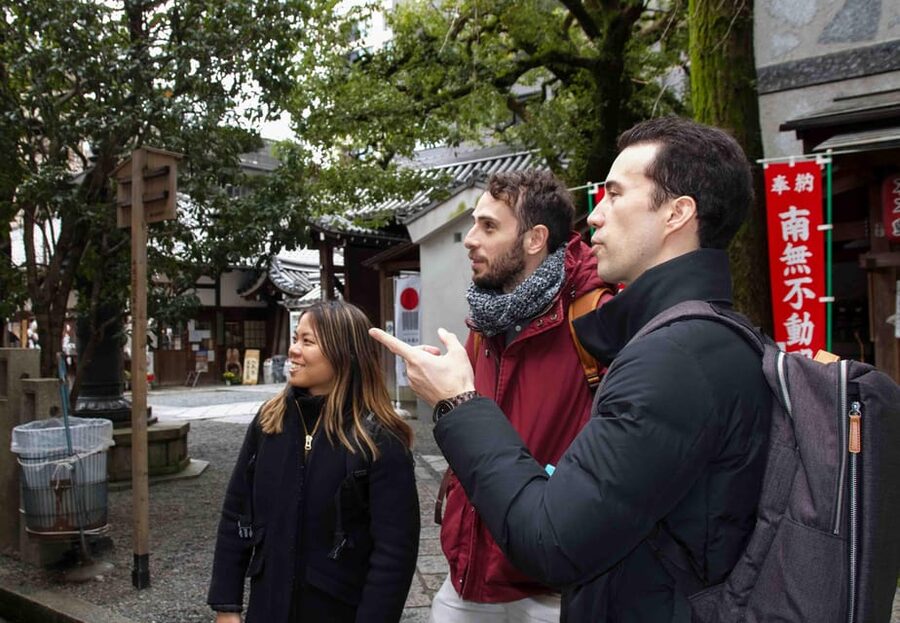
A good food tour lives or dies with the guide, and this one clearly aims for engagement. Your briefing includes a ramen quiz to kick things off, which helps you stop viewing the experience as a one-way explanation. It also makes it easier to relax and ask questions later.
The overall teaching style is described as an ask-any-questions approach. That’s exactly what you want on a food tour. If you’re curious—about broth, noodle texture, seasoning choices, or Kyoto-specific preferences—you’re encouraged to raise questions rather than just listen politely.
From what’s been shared by people who booked, guides can vary in personality, but they tend to be competent and friendly. Nick is singled out for conversational ease, while Frank is highlighted for a high level of ramen knowledge across history, types, and preparation. Either way, the important part for you is that the guide seems to connect information to the bowls you’re about to eat.
So you don’t leave with a list of facts. You leave with better taste instincts. That’s the real skill.
Price and portion math: is $90 worth it?
At $90 per person for 150 minutes, you’re paying for three things: two ramen tastings, a guided ramen briefing, and the structured comparison of styles. You’re also getting a beverage included, which helps round out the meal without you having to hunt down an extra drink on the spot.
The portion size is the key trade-off. You’ll get two mini bowls, each about half the size of a full bowl. That design choice is why the tour can focus on quality and variety instead of turning into a heavy meal. Several people note that the mini bowls were more than enough to satisfy them by the end of the outing. For most diners, that sounds like a win.
If you’re a ramen superfan who eats full bowls as a sport, you might consider this tour as the start of a ramen day rather than the only ramen you’ll have. The tour is long enough to give context and contrast, but it isn’t built to replace a full lunch for big appetites.
Also remember what’s not included: transportation to and from the meeting point. So your real value depends on how smoothly you can reach the start on your own. If you’re already walking around Kyoto neighborhoods that are close to the meeting area, the cost feels more reasonable. If you have to tack on extra commuting time and money, it’s worth factoring that in before you book.
Dietary needs: what you can plan, and what you should double-check
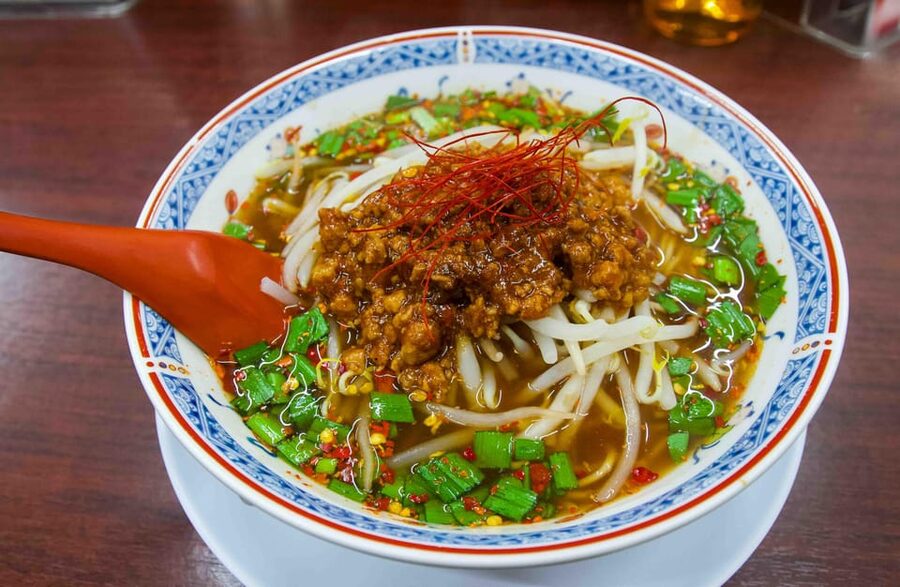
This tour can potentially accommodate vegetarian, vegan, or gluten-free options, but availability isn’t guaranteed on shared group tours. That’s the one part you should treat carefully.
If dietary restrictions matter a lot to you, I’d treat this as a best-effort situation rather than a certainty. Your safest move is to contact the operator in advance and ask what can be arranged for your specific needs, and whether it changes anything about what ramen you’ll be served.
The good news is that the tour is built around two ramen shops, so once the right bowl is lined up, you can still enjoy the comparison aspect. But you don’t want to arrive expecting a specific recipe and discover you can’t get it.
Should you book this Kyoto ramen experience?
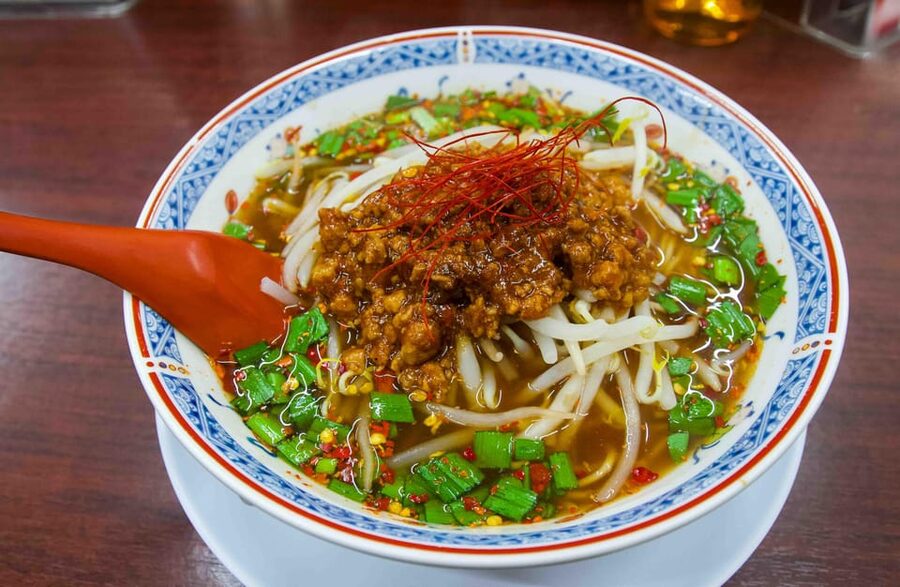
I’d book this tour if you want more than two bowls of noodles. You want a guided comparison between classic Kyoto ramen and a more modern style, plus a little ramen education that helps you taste better in the moment. The coffee-shop briefing, the quiz warm-up, and the Q&A approach are exactly the kind of structure that makes food tours feel worth it instead of repetitive.
Skip it or think twice if you’re expecting a full, heavy meal. Mini bowls are the point here, and while many people feel satisfied at the end, big appetites may want an extra food plan afterward. Also, if you have strict dietary restrictions, don’t assume options are available—confirm before you commit.
If your Kyoto days are packed with temples and tea experiences, this is a strong counter-programming choice: street life, two ramen styles, and a guide who helps you understand why the bowl tastes the way it does.
FAQ
How long is the Insider Kyoto Ramen Tour?
The tour lasts 150 minutes.
How much does the tour cost?
It costs $90 per person.
What’s included in the price?
The tour includes 2 mini bowls of ramen and 1 beverage.
Is transportation to and from the meeting point included?
No. Transportation is not included.
What dietary options are available?
Vegetarian, vegan, and gluten-free options may be available, but they cannot be guaranteed on shared group tours. You should contact in advance to discuss your needs.
Is the tour guide available in English?
Yes. The live tour guide speaks English.
Where does the tour meet?
The meeting point may vary depending on the option booked.
More Tours in Kyoto

More Tour Reviews in Kyoto
More Kyoto Cooking Classes

Just added: more Kyoto tours to browse








Kyoto Cooking Classes, compared.
 ★ 5.0Ramen Cooking Class at Ramen Factory in KyotoFrom $1311,937 reviews
 ★ 5.0Sushi Making in Kyoto! Same-day bookings welcome!From $53713 reviews
 ★ 4.9Ramen Cooking Class at a Ramen Factory with SouvenirFrom $127532 reviews
 ★ 5.0Ramen, Gyoza, and Onigiri Cooking ClassFrom $90445 reviews
 ★ 5.0The Original Small-Group Sushi Making Class in KyotoFrom $69436 reviews
 ★ 5.0Japanese Washoku Bento Small Group Cooking ClassFrom $58380 reviews
 ★ 5.0Kyoto Ramen and Gyoza Cooking Class with Professional ChefsFrom $86282 reviews
 ★ 4.9Afternoon Japanese Izakaya Cooking ClassFrom $67241 reviews
Browse the lists this tour appears in