
Reviewed · GION & GEISHA DISTRICT TOURS
Gion Walking Tour, Geisha Show and Japanese Game in Kyoto
Gion in Kyoto hits different after the first turn. This tour pairs a guided stroll through the district’s key sights with an intimate maiko apprentice performance and Q&A, then tops it off with a playful traditional fan game. In past tours, guides such as Ai Iwata and Rin have helped people find quieter corners and understand the etiquette, not just the landmarks.
I especially love two things: first, the small group size (up to 6), which makes it easier to ask questions and actually talk with your guide and the performer. Second, the way the experience goes beyond watching, with tea and a personal chance to learn about maiko life and then play a game that connects to the culture you just saw.
One consideration: this is a theater-style interaction, so if you want long free time wandering Gion on your own, you’ll need to plan extra time before or after. Also, you’ll be on your feet for a solid walking hour, so comfy shoes matter.
In This Review
- Key things to know before you go
- Entering Gion the right way: Izumo-no-Okuni to first impressions
- The first hour in Gion: walk, context, and etiquette you can feel
- The maiko apprentice show: dance, tea, and a real chance to ask questions
- The traditional fan game: playful fun with cultural meaning
- Tea and Japanese snack: a small pause that changes the mood
- Small group size up to 6: why it matters more than you think
- Price and value: what $108 per person is buying you
- Timing, logistics, and how to prepare without overthinking
- Who should book this Gion maiko experience (and who might prefer something else)
- Book it or skip it: my decision guide
- FAQ
- Where is the meeting point for the tour?
- How long does the tour last?
- What happens during the tour?
- What is included in the price?
- Is the tour offered in English?
- How big is the group?
- Where does the tour finish?
- Do I need to pay extra for food?
- Can I cancel for a full refund?
- Is there an option to reserve now and pay later?
Key things to know before you go
- Meeting point is specific: the Izumo-no-Okuni Statue above Gion Shijo Station, with a guide holding a white board that says GuideMe Japan
- Two distinct parts: one hour walking Gion with historical context, then one hour with a maiko dance show and Q&A
- You get more than a photo stop: the format is built for questions about the maiko and geiko arts
- Traditional fan game included: you play a culture-linked game with the maiko apprentice
- Tea and a Japanese snack are part of the experience: you’ll have a break built in, not just walking and watching
Entering Gion the right way: Izumo-no-Okuni to first impressions
The tour starts at the Izumo-no-Okuni Statue, right above Gion Shijo Station. That’s a smart choice because it puts you on the edge of the action quickly, without wasting your limited time in Kyoto figuring out where to begin. If you’re arriving a bit early, take a minute to orient yourself before the group gathers.
Your guide will be holding a white board with GuideMe Japan on it, which makes it easier to spot the meeting crew without stress. Then you head into Gion with a clear plan: understand what you’re seeing before you try to interpret it on your own. That one change turns Gion from pretty scenery into a story you can follow.
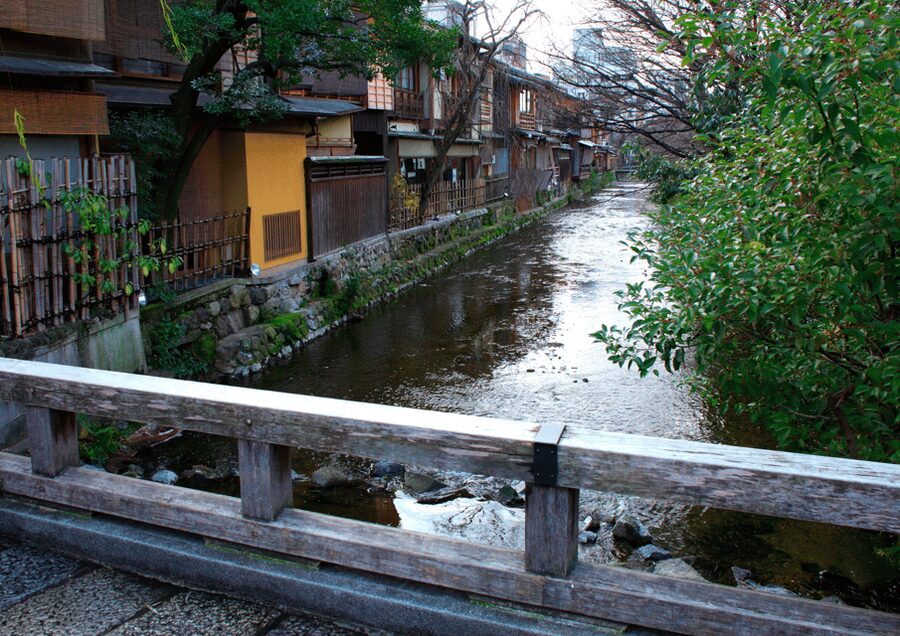
And yes, you may spot how the district is shaped by both tourism and tradition. The point is not to freeze in awe. It’s to learn the basics so your questions make sense, and your photos feel respectful.
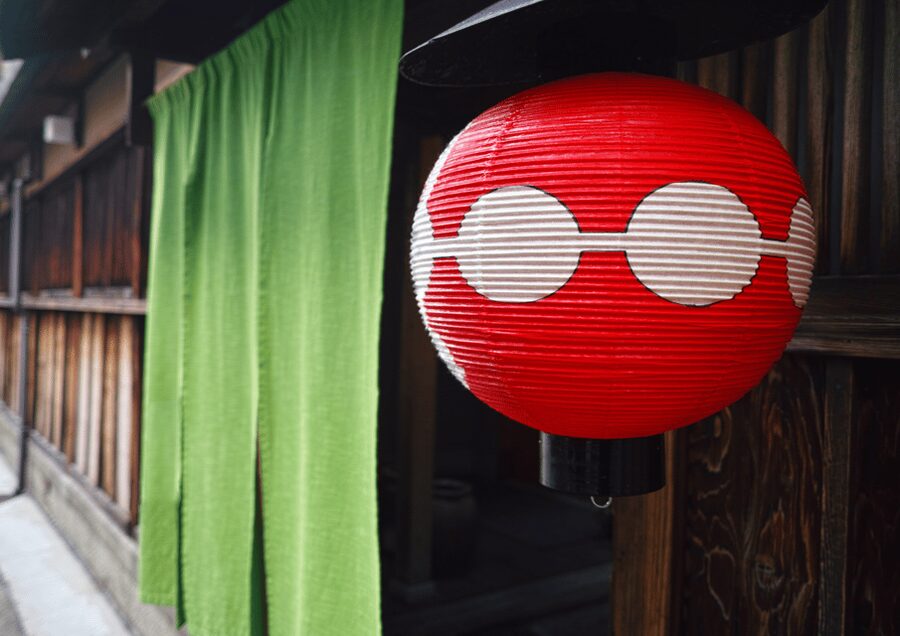
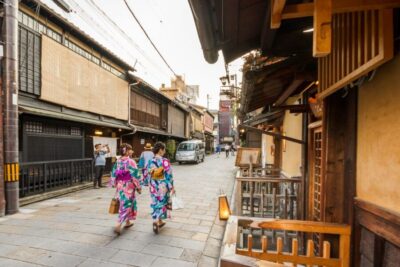
More evenings along the lantern-lit lanes of Gion


The first hour in Gion: walk, context, and etiquette you can feel
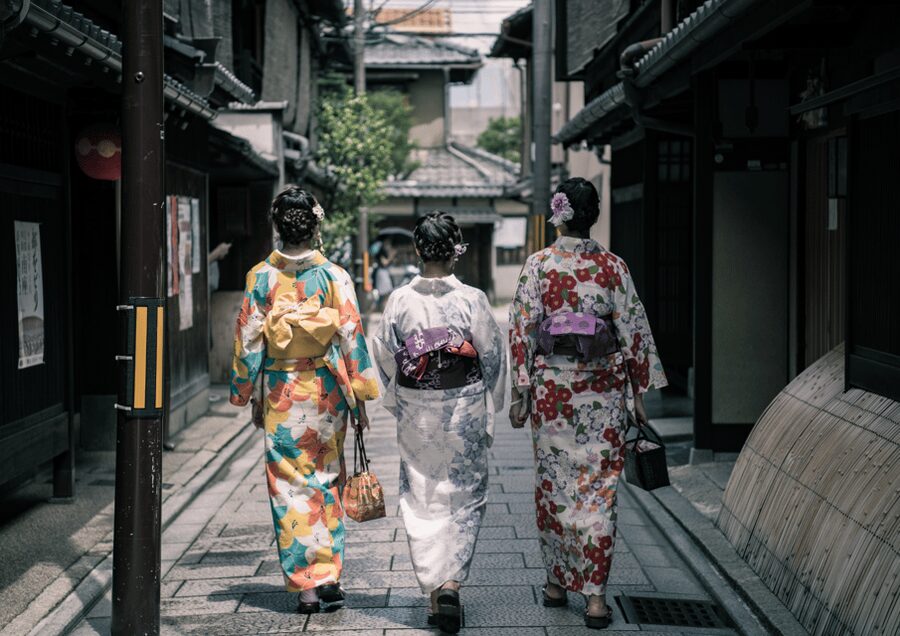
The walking portion is designed to give you historical and cultural insight while you move through the main Gion area. With only up to 6 people, this doesn’t feel like a rushed conveyor belt. Instead, you can keep up with the guide’s pace and still notice small details that get lost in larger tours.
One of the most praised parts of this experience is how guides help you find spots you might miss even after doing your own research. Guides such as Rin, Soichiro, and Yoshino have been praised for taking people across alleyways and into areas with less foot traffic. That matters because Gion can get busy, and the atmosphere changes fast when you’re in a quieter lane versus right on a main strip.
You’ll also pick up etiquette cues. Some guides have specifically advised when it’s appropriate to take photos and what respectful behavior looks like in this kind of setting. Even if you already know the general rules, having them explained in context helps you avoid accidental mistakes. Think of it as cultural safety rails.
This walking hour also sets you up for the second half. When you later meet a maiko apprentice, you’re not starting from zero. You’ll already understand terms and traditions enough to ask better questions.
The maiko apprentice show: dance, tea, and a real chance to ask questions
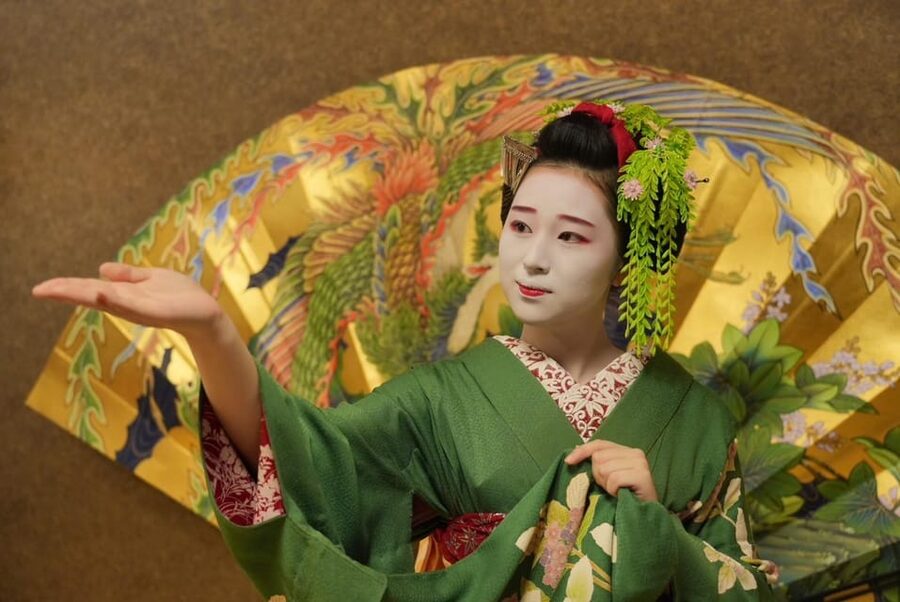
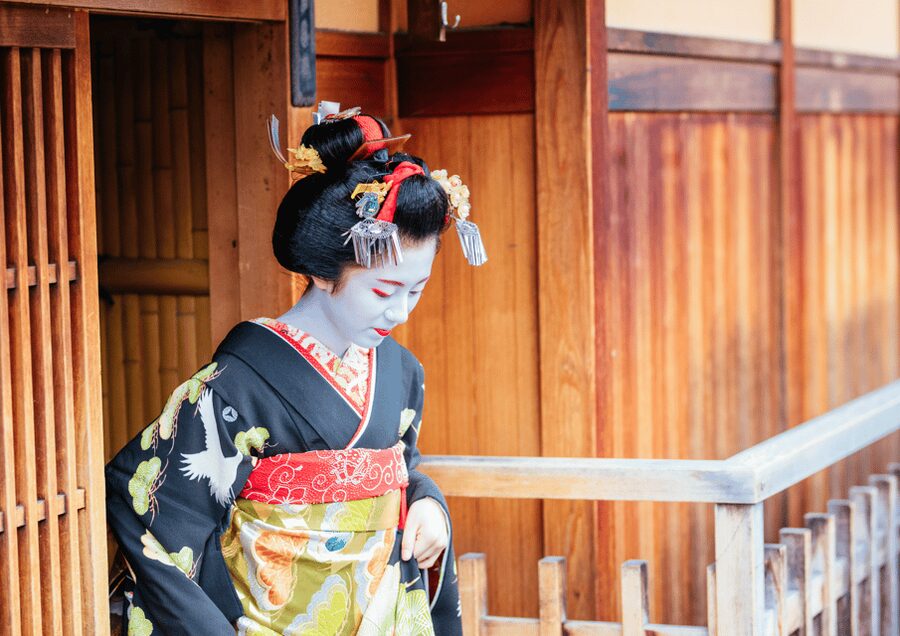
The second hour is the main event: you see a maiko apprentice perform, and you have time to ask about her current life. The format is intimate. People have described the setting as calm and close, with tea and a snack included, so it doesn’t feel like you’re sitting in a stadium waiting for a performance to start.
Here’s what makes this section valuable: it’s not only watching. It’s also dialogue. Guides have been praised for translating patiently, which is key when you want to ask thoughtful questions rather than just receive a quick explanation. If you’ve ever wished a cultural experience would slow down enough for real curiosity, this is that moment.
You can also expect the maiko to share perspective on what the work is like. In many of the detailed accounts, guests were able to ask about life as a maiko and learn how the arts connect to daily routines. That’s the difference between entertainment and education.
Photos can be part of the experience too, with guidance on what’s appropriate. Some accounts mention taking photos together after the performance, which sounds like the kind of structured, respectful interaction you’d want for a once-in-a-lifetime cultural encounter.
If you want to get the most from the Q&A, come ready with one or two clear questions. For example: what practice looks like day to day, how traditions are learned, or what tourists usually misunderstand. You’ll get better answers when your questions are specific.
The traditional fan game: playful fun with cultural meaning
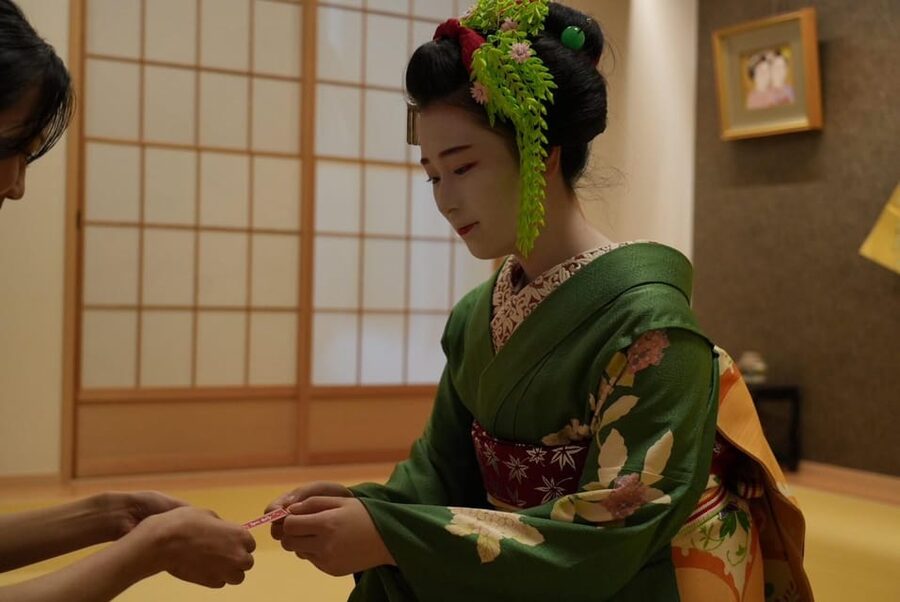
After the dance and Q&A, you play a traditional Japanese fan game with the maiko apprentice. This part is easy to overlook if you’re only thinking about the performance, but it’s also what makes the experience feel personal instead of formal.
A fan game is more than a novelty activity. It connects you to the objects and gestures that show up in traditional arts. And because you’re interacting directly, you learn faster than you would by listening alone. Your brain remembers what it’s doing, not just what it’s hearing.
People have described this as fun and silly in the best way, including moments where they struggled with scoring. That’s good. It means you’re not pressured to be good at it. Your job is to participate, laugh, and pay attention to what the maiko is teaching through the game.
If you’re traveling with family, this is often a win. Accounts have included groups with kids who enjoyed not only the show but also the chance to play. Even if younger visitors can’t explain everything they learned afterward, they usually remember the interaction.
Tea and Japanese snack: a small pause that changes the mood
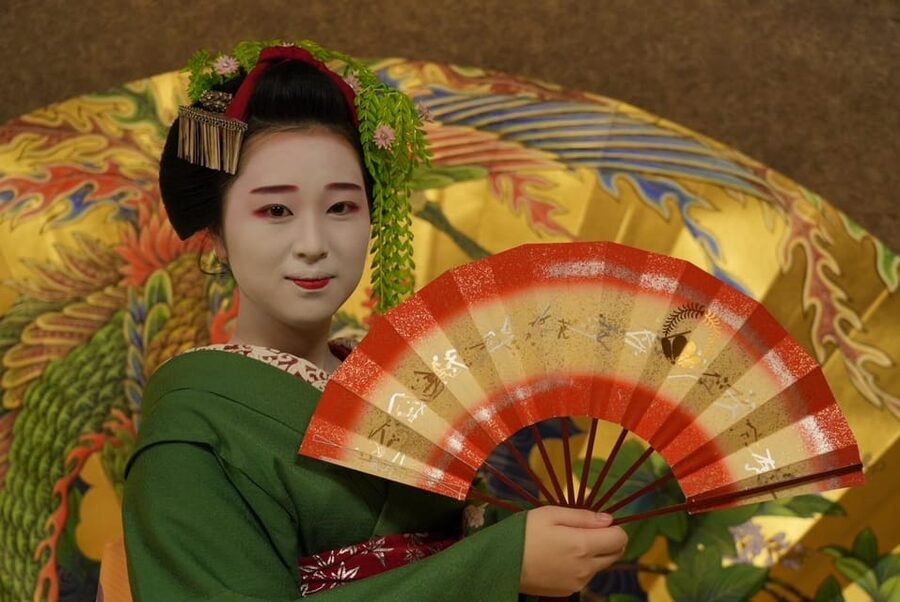
Tea and a Japanese snack are included, so you’re not stuck searching for food mid-tour. More importantly, the timing helps. Guests can settle in during the show portion, enjoy the drink and snack, and keep the experience from feeling like pure motion.
This small break also makes the cultural interaction feel more natural. It’s harder to feel stiff when you have something warm in your hands and a calm environment around you. Several detailed accounts mention a relaxed seating setup, which would match that softer, unhurried mood.
If you tend to get hangry when tours run long, this inclusion is not small. For a 2-hour experience, having food and tea built in protects the quality of your attention.
Other Kyoto tours and experiences to compare






Small group size up to 6: why it matters more than you think
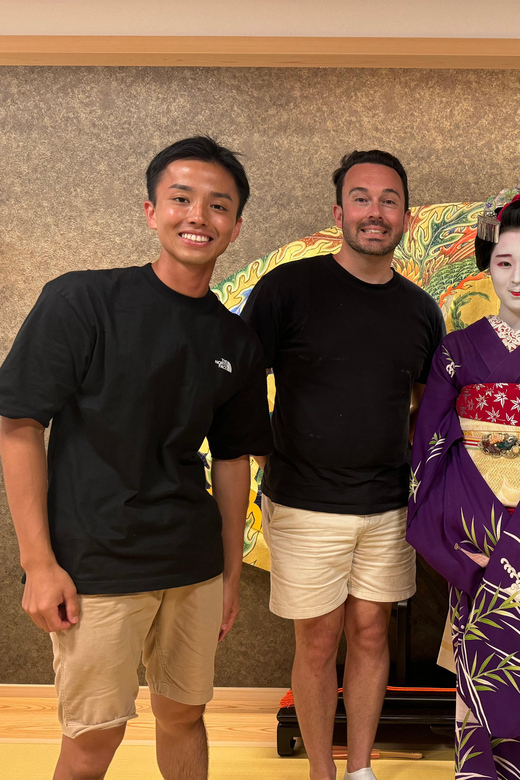
Up to 6 participants is the heart of the value here. With a tiny group, your guide can manage pace and questions. With fewer people, the performer interaction doesn’t feel rushed, and translation (when needed) can stay focused.
This matters in Gion because the setting requires respect. When you’re packed into a large crowd, it’s easy to talk loudly or lose track of etiquette. When you’re in a small group, your behavior becomes part of the experience, not a distraction from it.
You’ll also likely enjoy the tour more if you’re the type who likes context. If you want dates, meanings, and how the arts work behind the scenes, the small group format gives your questions space. If you just want to check boxes, you might feel a bit more guided than you expect. But for most people, that guidance is exactly the point.
Price and value: what $108 per person is buying you
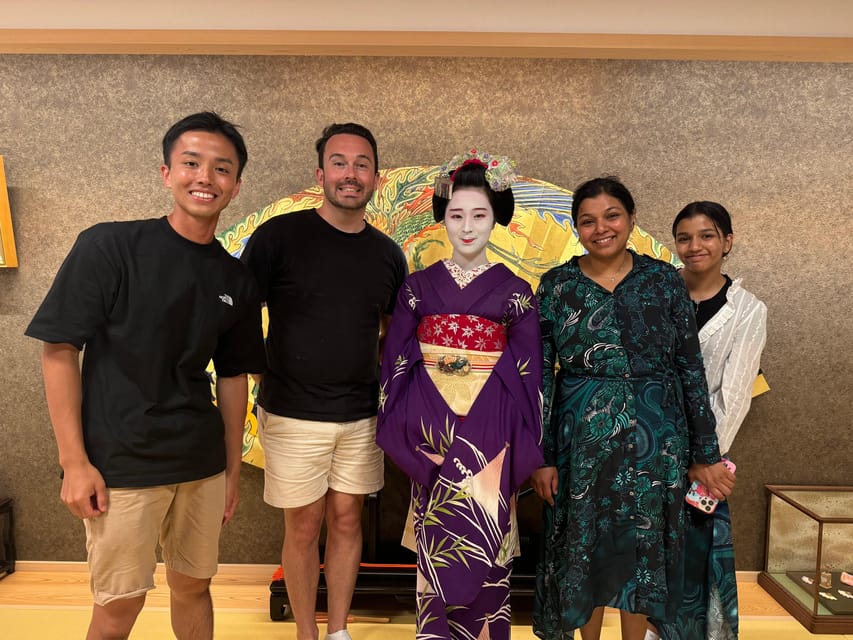
At $108 per person for a 2-hour experience, you’re paying for three things: a guided Gion walk, a close-up maiko apprentice show with Q&A time, and the included tea/snack plus a traditional fan game. If you price those separately in your head, the math starts to make sense.
The biggest value driver isn’t only access to the performance. It’s the structure. Many Gion tours can show you where things are. This one focuses on meaning, interaction, and time—especially the chance to ask questions and play the fan game.
Also, think about language support. English is provided through a live guide, and guides have been described as patient with translation. That can turn a cultural show from confusing to satisfying, and it’s part of what you’re paying for.
One practical consideration: food beyond the tea and snack is not included. If you’re coming straight from lunch or planning dinner right after, you’ll want to manage expectations so the tour doesn’t stretch your budget.
Timing, logistics, and how to prepare without overthinking
You’re looking at a compact 2-hour format, which is ideal if you want a meaningful Kyoto activity without surrendering an entire evening. Still, you should plan to arrive a few minutes early at the Izumo-no-Okuni Statue and scan for the GuideMe Japan sign.
Wear comfortable shoes. You’ll walk for about an hour around Gion, including areas that can be uneven like many old-city streets. Also, bring a sense of patience. In traditional settings, the best experience comes when you treat the moment as respectful participation, not a grab-and-go attraction.
If you’re hoping to take photos, go in knowing that guidance may be given on what’s appropriate. That’s a good thing. It keeps the interaction smooth, and it protects the performer’s space and safety.
Finally, remember that this tour is English-led and group-based. If you’re the type who likes questions, you’ll probably have a great time. If you’re shy, you can still enjoy the walk and the performance and let the guide do the talking.
Who should book this Gion maiko experience (and who might prefer something else)
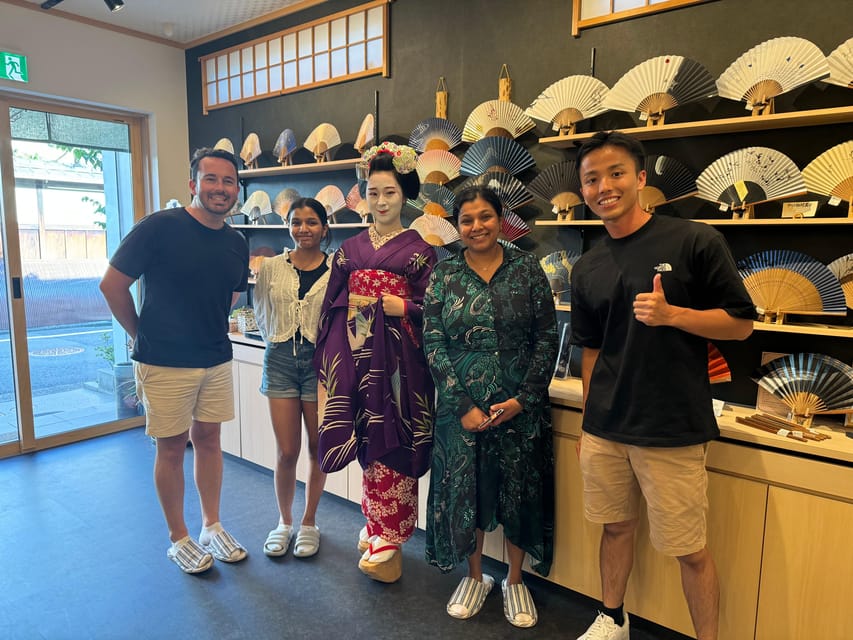
This is a strong fit if you want a classic Kyoto cultural moment with interaction. You’ll likely enjoy it if you care about the arts, want to learn why Gion looks the way it does, and like the idea of asking questions in a small-group setting.
It’s also a good match for couples and families who want something memorable without being overwhelmed. Accounts mention families enjoying the experience, including a tween and teen, which suggests the fan game helps bridge ages.
On the other hand, if you only want photo sightseeing and you’re not interested in a structured cultural explanation, you may find the question-and-game portion less appealing. This tour is designed for people who want to understand, not just look.
Book it or skip it: my decision guide
I’d book this tour if you want one of the best-value ways to experience Gion beyond the usual street walking. The combination of a small-group Gion walk, a close-up maiko apprentice dance and Q&A, and a hands-on traditional fan game is a rare mix.
Skip it only if you need free-roaming time more than you need guidance and interaction. For most visitors, 2 hours is enough to get the meaning, meet the arts up close, and leave with a story that lasts longer than the photos.
If you’re aiming for a “first time in Kyoto” highlight with real cultural context, this one fits the bill.
FAQ
Where is the meeting point for the tour?
The meeting spot is at the Izumo-no-Okuni Statue, right above Gion Shijo Station. The guide will be holding a white board that says GuideMe Japan.
How long does the tour last?
The tour duration is 2 hours.
What happens during the tour?
The first part includes a guided walk around the main area of Gion for about one hour with historical insight. The second part includes a maiko apprentice show for about one hour, including dance, time to ask questions, and a traditional fan game.
What is included in the price?
Tea and a Japanese snack are included, along with the 1-hour walking tour of Gion, the 1-hour geisha apprentice show, and the traditional Japanese fan game with the geisha apprentice.
Is the tour offered in English?
Yes. The tour guide provides English language service.
How big is the group?
The tour is a small group limited to up to 6 participants.
Where does the tour finish?
The tour finishes at Hangesho.
Do I need to pay extra for food?
Additional expenses like food are not included. Tea and a Japanese snack are included during the experience.
Can I cancel for a full refund?
Yes. There is free cancellation up to 24 hours in advance for a full refund.
Is there an option to reserve now and pay later?
Yes. You can reserve your spot and pay nothing today, then pay later.
More Tours in Kyoto


More Tour Reviews in Kyoto


Still in Gion? Keep Going

Just added: more Kyoto tours to browse








Gion & Geisha District Tours, compared.
 ★ 4.7Kyoto Geisha Walking Tour: Gion District & Hidden GemsFrom $253,273 reviews
 ★ 4.9Gion Magical Night Walking Tour with Geisha TriviaFrom $242,393 reviews
 ★ 4.7Gion Geisha District Walking Tour – Stories of GeishaFrom $202,187 reviews
 ★ 4.9Best of Kyoto: Gion, Geisha, Pagodas & CobblestonesFrom $242,058 reviews
 ★ 4.5Night Walk in Gion: Kyoto’s Geisha DistrictFrom $212,003 reviews
 ★ 5.0Kyoto Night Foodie Tour in Gion (9+ dishes + 6 Sake tastings)From $1631,762 reviews
 ★ 5.0Kyoto Gion Geisha District Walking Tour – The Stories of GeishaFrom $251,441 reviews
 ★ 5.0Kyoto Gion: 2-Hour Geisha Culture & History Walking TourFrom $231,186 reviews
Browse the lists this tour appears in