
Geisha culture gets real on Kyoto’s streets. On this Kiyomizu-area walking tour, I like how Lily’s explanations of geiko and maiko tie everyday Kyoto details to the old traditions, and I also like the built-in photo breaks at photogenic spots. One thing to plan for: there are stairs and the route is not a fit if you have mobility limits.
The walk is short and purposeful, with 2 hours of walking and an optional Chion-in extension if you want more temples. Meet in front of the Yajikita statue (near a Lawson and Starbucks), use the restroom before you start, and expect an English-speaking guide who keeps things lively while answering questions.
In This Review
- Key Highlights I’d Bookmark
- Where You Start: Yajikita Statue, Lawson, Starbucks, and a Quick Getting-Oriented
- The Geisha Culture Part: What You Actually Learn (Even If You Don’t See Geisha)
- Temples and Shrines Near Kiyomizu: How the Stops Work and What to Look For
- Photo Breaks and Photo Etiquette: Slower Moments Without Losing the Day
- Timing: 2 Hours on Foot, Plus an Optional Chion-in Add-On
- Price and Value: Is $39 Actually a Good Deal?
- Getting It Right: Shoes, Weather, Stairs, and What to Bring
- Who This Tour Suits Best (and Who Might Skip It)
- Should You Book This Kyoto Geisha Culture Walking Tour?
- FAQ
- How long is the tour?
- What is the Chion-in extension, and how much does it cost?
- Where do I meet for the tour?
- Where does the tour end?
- What’s included in the $39 price?
- Are meals included?
- Is video recording allowed?
- Can I take photos?
- Is the tour suitable for wheelchair users?
- Do I pay immediately, and what’s the cancellation policy?
Key Highlights I’d Bookmark
- Geiko and maiko explained in plain language so you get the logic behind customs, not just names.
- Shrines and temples in central Kyoto with story-led stops that help you recognize what you’re seeing.
- Photo breaks built into the pacing so you can slow down without feeling rushed.
- A short, walkable format that works well on a day when you have other Kyoto plans.
- Optional Chion-in temple time (add-on) if you want the extra atmosphere.
- Clear behavior rules for photos and no video recording so it stays respectful.
Where You Start: Yajikita Statue, Lawson, Starbucks, and a Quick Getting-Oriented
This tour anchors you in a practical meeting spot: in front of the Yajikita statue at the intersection of Sanjyo street and Kamogawa path, with a Lawson and Starbucks nearby. That matters because Kyoto days can start fast. Once you find the statue, you don’t waste time hunting for a tiny meeting sign.
You’ll also appreciate the “you start where you end” setup. It returns you to the same meeting point, which is a small thing, but it reduces stress when you still have dinner plans or want to hop back to another neighborhood after the tour.
One more practical note: the guide asks you to use the restroom before the start, because it will be a while before the first break. That’s easy to forget if you’re traveling lightly or if you assume “there must be somewhere nearby.” Don’t assume. Go before you step off.
More evenings along the lantern-lit lanes of Gion


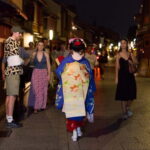
The Geisha Culture Part: What You Actually Learn (Even If You Don’t See Geisha)
This is the section that makes the tour different from a standard temples-and-shrines walk. The focus is geisha culture, especially the world around geiko and maiko, and how those traditions show up in Kyoto’s streets.
In particular, I like the way the guide’s stories connect to what you can spot during the walk. You’re not just hearing facts in a vacuum. You’re getting context for the architecture, art, and local customs you’re passing—so things that might look decorative start to mean something.
That said, I’d set a realistic expectation: you might not see geiko or maiko in person. The tour is designed to teach you about the culture either way. If you’re imagining that every stroll will include a sighting, you’ll likely be disappointed. The better mindset is: you’re learning the system, the roles, and the traditions, and you’re seeing why Kyoto still feels the way it does.
Lily’s style comes through here. People who have done this tour describe her as friendly, energetic, and genuinely passionate, with answers that feel more like conversation than a lecture. If you’re curious and you like asking questions, this is where that pays off.
Temples and Shrines Near Kiyomizu: How the Stops Work and What to Look For
The tour is structured around visits to historic shrines and temples in the Kyoto area around Kiyomizu, plus some lesser-known spots that give you a closer look at local life. Because specific stop names aren’t listed here, I’ll focus on what the experience is built around and what you can do to get more out of each location.
Expect a mix of:
- Major temple/shrine moments where the setting is the point
- Side-street scenes that show how daily Kyoto life sits next to the tourist icons
- Photo-worthy viewpoints where the guide pauses so you can take pictures comfortably
Here’s the value of doing this on foot with a guide: you’re learning how to “read” the place. When you know what the architecture or objects are for, it changes the whole experience. It’s also easier to understand the flow of the area—where a quiet shrine lane fits in with a more famous corridor, and why some spots feel preserved while others feel lived-in.
The one drawback is physical. There will be some stairs, and the tour is still a walking tour. Wear shoes you’d be happy wearing for real city walking, not just “pretty shoes.” If your feet get cranky quickly, plan accordingly.
Photo Breaks and Photo Etiquette: Slower Moments Without Losing the Day
This tour builds in a break during the walk, and it includes plenty of time for photos at photo-friendly stops. That’s a smart design choice. Kyoto can make you feel like you have to choose between seeing and shooting. Here, you can do both, because the pacing includes pauses.
One rule to remember: photography is allowed, but you should be respectful and ask permission before taking photos of people. That’s especially important in quieter temple lanes where someone may be praying, resting, or just trying to move through their day without cameras pointed at them.
Also note the tour prohibits video recording. Still photos are fine. If you’re used to filming everything, this will change your habits. Plan to take pictures, not continuous video.
Timing: 2 Hours on Foot, Plus an Optional Chion-in Add-On
The standard format is straightforward: a shorter tour with 2 hours of walking. That makes it a great fit for a packed Kyoto schedule because you aren’t committing to half a day or more.
Then there’s the optional add-on: an extended Chion-in temple visit offered on the day. It’s 40–50 minutes extra, and it costs 1,000 yen per person. If you love temples and want more depth (or your day has buffer time), this is a good chance to extend without scrambling for another ticketed plan.
If you prefer to keep your day open, stick with the main tour and save your energy. The main route already includes shrine and temple visits, plus quieter local stops.
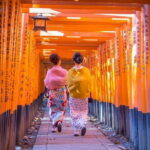
Keep climbing the Higashiyama slopes toward Kiyomizu-dera


Price and Value: Is $39 Actually a Good Deal?
At $39 per person, this tour sits in the “reasonable” zone for a guided walking experience that’s organized around culture and specific themes. Here’s what you’re really paying for: you’re buying a guide who can connect what you’re seeing (shrines, temples, street details) to what it means, and who keeps the walk moving without rushing you past the good moments.
What’s included is not just “someone to walk with you.” You get:
- A friendly, energetic, professional guide
- Guided exploration of historic Kyoto streets
- Built-in photo time and a break
- Local-life insight tied to the places you visit
What’s not included: meals and personal expenses. There isn’t hotel pickup or drop-off either, so you’ll need to handle transit to the meeting point on your own. Still, the setup is simple if you’re already in the central Kyoto area.
Also, there’s a small value lever: the tour notes that booking through their website can come with a discount. If you’re comparing multiple Kyoto options, that can move the price from “fine” to “nice.”
Getting It Right: Shoes, Weather, Stairs, and What to Bring
This tour is weather-dependent, but not weather-cautious. You should be ready for all conditions, because the plan involves walking in outdoor streets and temple approaches. Bring an umbrella or a raincoat if the forecast looks even slightly suspicious.
Wear comfortable shoes because of stairs and the overall walking time. If you’re the type who feels pain after 45 minutes on hard pavement, consider breaking your day differently and don’t schedule this tour as your last activity of the day.
And again, plan your restroom timing. Use the restroom before you start. The first break is not immediately at the start.
Who This Tour Suits Best (and Who Might Skip It)
I’d recommend this tour if you want:
- A guided way to understand Kyoto’s geisha culture, not just see temples
- A short Kyoto activity that still feels meaningful
- A guide-led walk with story time and photo-friendly pauses
- An English-speaking experience with room for questions
I’d be more cautious if:
- You have mobility impairments (this tour is not suitable for wheelchair users)
- You expect to always see geiko or maiko in person
- You hate stairs or long walking segments
If your goal is purely sightseeing photos with no cultural explanation, you might prefer a different tour style. But if you want the “why” behind the scene, this one fits.
Should You Book This Kyoto Geisha Culture Walking Tour?
Book it if you like learning on foot and you want geisha culture explained in a way that makes the temples and streets feel connected. The short 2-hour walking format is a major plus, and the optional Chion-in add-on gives you flexibility if you want more time.
Skip it or rethink if mobility is an issue, if stairs are a dealbreaker, or if your top priority is seeing geiko and maiko on the street. This tour’s strength is teaching the culture and linking it to what you see, not guaranteeing sightings.
If you’re choosing just one themed walk in Kyoto, this is a strong candidate—especially if you’re excited by geiko and maiko stories and want a guide like Lily who keeps the energy up and answers questions clearly.
FAQ
How long is the tour?
The walking portion is 2 hours. An extended Chion-in temple visit can add another 40–50 minutes on the day.
What is the Chion-in extension, and how much does it cost?
The tour offers an extended visit to Chion-in temple on the day. It costs 1,000 yen per person.
Where do I meet for the tour?
You meet in front of the Yajikita statue at the intersection of Sanjyo street and Kamogawa path. There is a Lawson and a Starbucks nearby.
Where does the tour end?
The tour ends back at the meeting point.
What’s included in the $39 price?
You get a guided walking tour with a friendly, energetic, professional guide, plus photo time and a break during the tour.
Are meals included?
No. Meals are not included.
Is video recording allowed?
No. Video recording is not allowed.
Can I take photos?
Yes, photography is allowed. You should ask permission before taking photos of people.
Is the tour suitable for wheelchair users?
No. It is not suitable for wheelchair users or people with mobility impairments.
Do I pay immediately, and what’s the cancellation policy?
You can reserve and pay later, meaning you can book your spot and pay nothing today. Cancellation is allowed up to 24 hours in advance for a full refund.
More Tour Reviews in Kyoto


More Along the Higashiyama Slopes
Still in Gion? Keep Going


Just added: more Kyoto tours to browse








Kiyomizu-dera & Higashiyama Tours, compared.
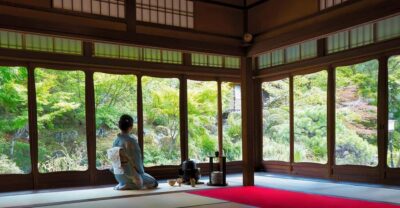 ★ 4.9Tea Ceremony in a Traditional Tea House in KiyomizuFrom $493,519 reviews
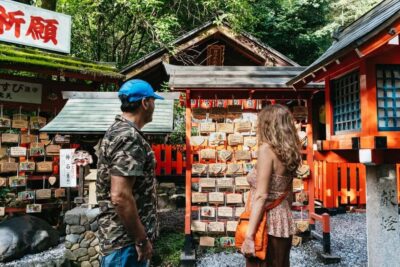 ★ 4.7Nijo Castle, Kiyomizu & Fushimi Inari Guided TourFrom $54700 reviews
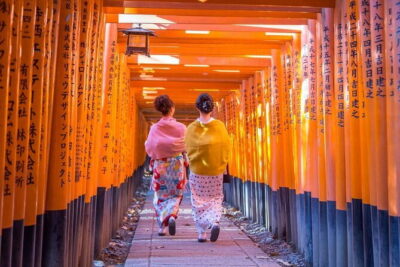 ★ 5.0Nijo, Kinkaku-ji, Arashiyama, Kiyomizu & Fushimi InariFrom $51699 reviews
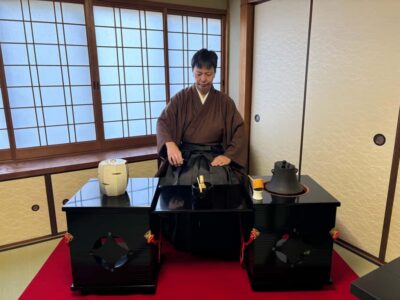 ★ 4.8Kyoto Ninenzaka: Tea Ceremony in Old Townhouse with ChairsFrom $21215 reviews
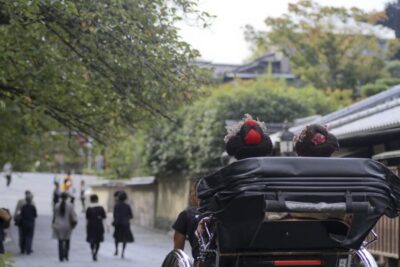 ★ 5.0Private Rickshaw Tour of Gion and Higashiyama AreaFrom $51144 reviews
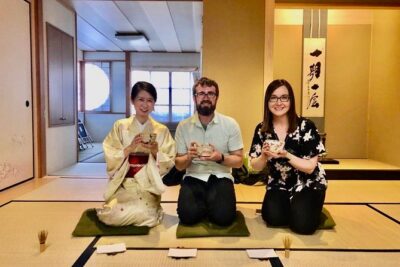 ★ 5.0Kyoto Tea Ceremony & Kiyomizu-dera Temple Walking TourFrom $109115 reviews
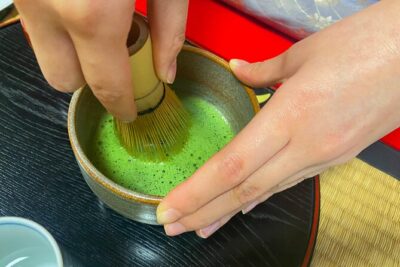 ★ 5.0Kyoto Kiyomizu Tea Ceremony with Scenic Garden ViewsFrom $50101 reviews
 ★ 4.7Kimono/Yukata Rental 5 Minute from Kiyomizu-deraFrom $1989 reviews
Browse the lists this tour appears in