
Reviewed · KYOTO TEA CEREMONIES
Elegant Tea Ceremony While Wearing Kimono Experience in Kyoto
A Kyoto tea ritual, right in your kimono.
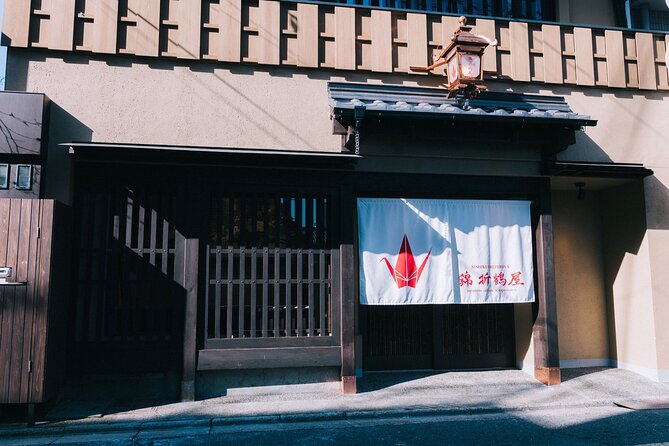
This experience at Nishiki Orizuruya gives you formal tea ceremony training in a traditional tea room, with kimono rental as the star accessory. It’s also handy that it’s only a minute’s walk from Nishiki Market, so the whole thing feels rooted in real Kyoto life.
My favorite part is the hands-on structure: you watch, then you make your own matcha with a bamboo whisk. And you’re not just sipping bland tea—there are seasonal wagashi sweets paired with your cup, including sweets from a 100-year-old confectionery.
One thing to consider: the tea-only format may feel lighter on the deeper history behind every step. If you want more explanation beyond what happens in the room, you might prefer adding the calligraphy or gold leaf option, since those add extra guidance and create a take-home keepsake.
In This Review
- Key things to know before you go
- Nishiki Orizuruya and the kimono moment near Nishiki Market
- The tea ceremony: matcha, wagashi, and a real tea-room pace
- English guidance that keeps the steps from feeling like a blur
- Your choice after tea: calligraphy, gold leaf, or Nishiki Market
- Option 1: Tea ceremony + calligraphy keeps a keepsake in your hands
- Option 2: Tea ceremony + gold leaf craft that you can take home
- Option 3: Tea ceremony + Nishiki Market walking experience
- Timing, group size, and what to do on the edges of the day
- Price and value: why $50.58 can actually feel like a bargain
- Who this fits best (and who might want a different approach)
- Quick tips so your day feels smooth
- Should you book Elegant Tea Ceremony While Wearing Kimono in Kyoto?
Key things to know before you go
- Kimono rental is part of the deal: women get free hair styling, and you’ll be dressed on-site.
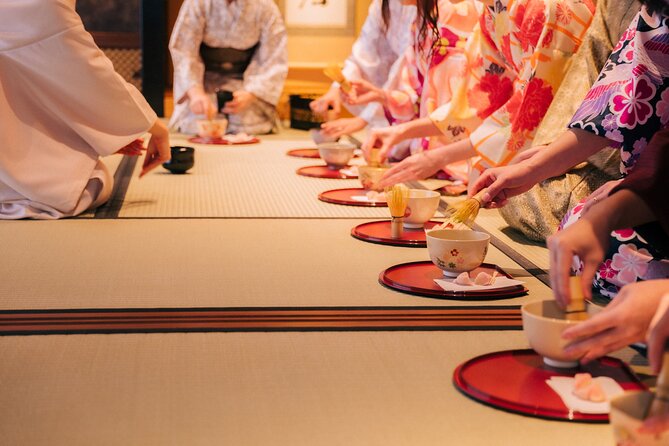
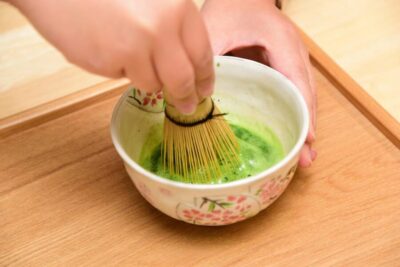
- You make your own matcha: watch a demonstration, then whisk your own cup using a bamboo whisk.
- Optional add-ons after tea: choose calligraphy, gold leaf craft, or a Nishiki Market walking experience.
- Small group size: the experience caps at 10 travelers, which helps it feel calm instead of rushed.
- Practical photo time and comfort options: they’ll style you carefully, and a chair can be available if you don’t want to sit on the floor.
Nishiki Orizuruya and the kimono moment near Nishiki Market
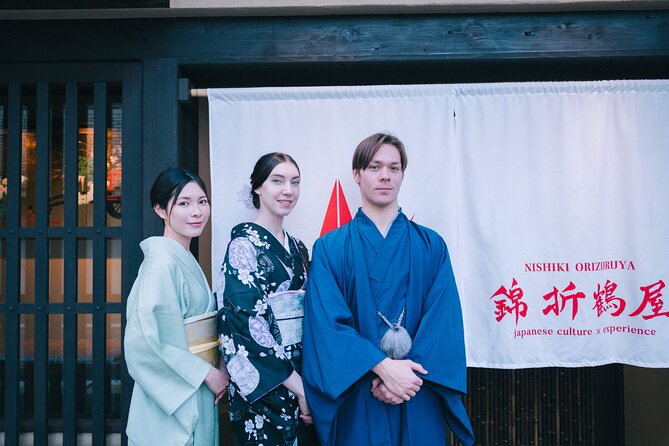
Kyoto has a way of making even “simple” activities feel special—especially when you start the day dressed for it. At Nishiki Orizuruya, you begin by changing into a kimono at the venue, and women also get their hair styled for free. It’s a nice setup because you’re not juggling logistics while trying to enjoy the moment.
The location helps a lot. You’re just a minute’s walk from Nishiki Market, which makes it easy to turn your tea experience into a larger, no-stress cultural block of time. You’re close to food stalls, historic shops, and small shrines—so your day doesn’t feel like one isolated activity.
A practical note: kimono sizing can be a concern on paper, but the staff are set up to handle different shapes and sizes. You’ll also have photo opportunities while you’re fully dressed, which is a big win if you like pictures but hate feeling awkward.
Sit for another bowl of matcha in a Kyoto tea house


The tea ceremony: matcha, wagashi, and a real tea-room pace
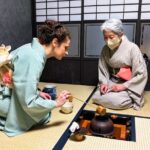
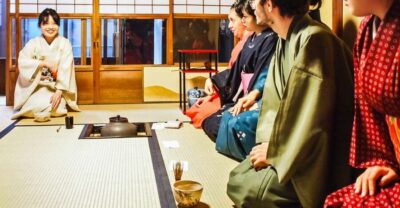
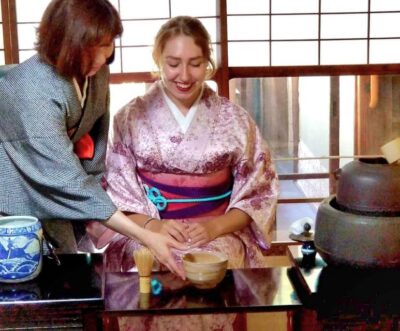
The core of this experience is a formal Japanese tea ceremony led by a professional tea master. The rhythm matters here. You’re not thrown in immediately—you’ll first watch a demonstration in a peaceful tea room, then you’ll prepare your own matcha using a bamboo whisk.
You’ll also taste seasonal wagashi—traditional sweets paired with your matcha. One of the most thoughtful details is the sourcing: the sweets come from a 100-year-old confectionery. That matters because it turns the snack into part of the culture, not just a filler between steps.
Here’s what I think makes this work well for most people: it’s hands-on without being chaotic. You get a guided process, and because the group is capped at 10, you’re more likely to get attention than you would in a large production.
And if you have comfort needs, you’re not stuck on the floor. A chair can be provided for those who prefer it, which keeps the experience enjoyable instead of physically limiting.
English guidance that keeps the steps from feeling like a blur
Language is usually the make-or-break issue for tea ceremonies. This one is guided in English, which helps you understand what’s happening while you’re doing it. You don’t need Japanese skills to appreciate the details, and the explanations are set to match what you’re seeing in real time.
In particular, the host role can be very narrative—people mention that hosts like Ruriko explain the meaning behind the ceremony steps, not just the mechanics. That’s exactly what you want: a reason for each action, so the whole ritual lands in your head as something you understand.
That said, it’s still a ceremony, not a lecture. If you’re expecting a deep history lesson every single minute, the tea-only option may feel a bit light. But the best move is to treat it like a mindful workshop: you’re learning by doing, not by reading a textbook.
Your choice after tea: calligraphy, gold leaf, or Nishiki Market
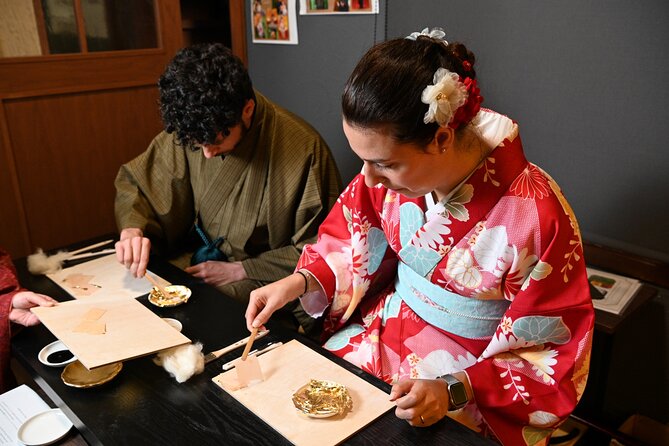
After matcha and sweets, you pick what you want to add. This flexibility is a smart value play. You’re already paying for kimono time and guidance; the extra options let you tailor the experience to your interests.
Option 1: Tea ceremony + calligraphy keeps a keepsake in your hands
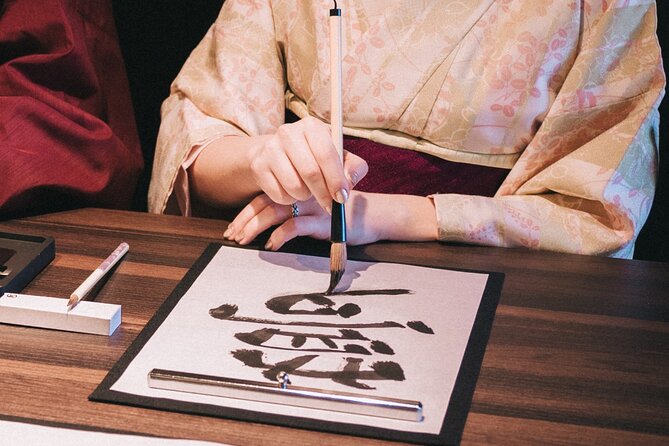
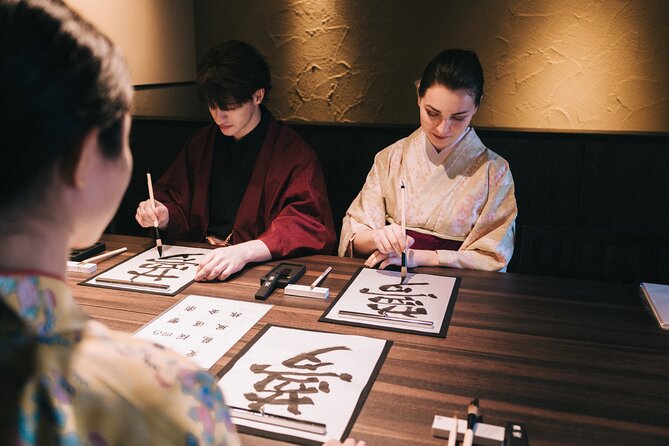
If you choose calligraphy, you’ll write your favorite kanji using a brush and ink. The point isn’t perfect art—it’s the satisfaction of making something personal during a real Kyoto cultural practice.
The “keepsake” factor is real here. Calligraphy is the kind of souvenir that feels meaningful because it’s tied to you, not just a generic postcard you can buy anywhere.
Wander Kyoto in kimono a little longer
Option 2: Tea ceremony + gold leaf craft that you can take home
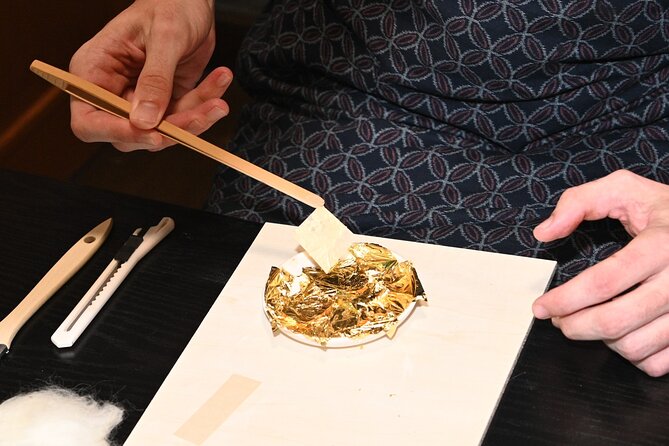
The gold leaf option adds a hands-on workshop after the tea ceremony. You’ll decorate a small plate using high-purity gold leaf, then take your handmade souvenir with you.
Gold leaf is one of those Kyoto crafts that looks dramatic, but the best part is how simple it can be when an instructor guides the steps. You get that wow factor without needing prior experience. And since you leave with an object you made, it feels more like a workshop than a performance.
Option 3: Tea ceremony + Nishiki Market walking experience
If you prefer food, sights, and practical Kyoto wandering, pick the Nishiki Market component. You’ll explore Nishiki Market—often called Kyoto’s Kitchen—along with nearby shrines and shopping streets.
This works especially well if you want your tea ceremony to connect to Kyoto outside the tea room. You’re still getting guidance, but now you’re applying it: what to look for, what kinds of snacks and shops matter, and how the neighborhood’s history shows up in everyday details.
People often highlight that the market guide experience is a strong part of the day—so if you’re the type who likes structure while exploring, this option fits.
Timing, group size, and what to do on the edges of the day
The typical total duration is about 2.5 hours. Your exact length can vary depending on the package: tea-only is 90 minutes, gold leaf runs 130 minutes, and the market walk option is listed at 150 minutes.
Because you’re near public transportation and the venue is close to Nishiki Market, you can also plan this as a smart “midday anchor.” It’s a great way to break up a Kyoto day that’s otherwise all shrines and long lines.
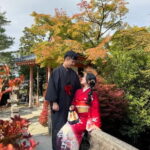
One detail that’s surprisingly useful: you may be allowed to keep the kimono on after the experience—some versions include time until 6pm to walk around in Kyoto streets. That’s a fantastic way to stretch the value of your rental day. It also turns your photos into a full storyline instead of one quick dressing-room moment.
A tiny planning tip: arrive at least 10 minutes before your reservation time. You’ll move faster when everyone starts on time, and you’ll have less pressure while you’re getting dressed.
Price and value: why $50.58 can actually feel like a bargain
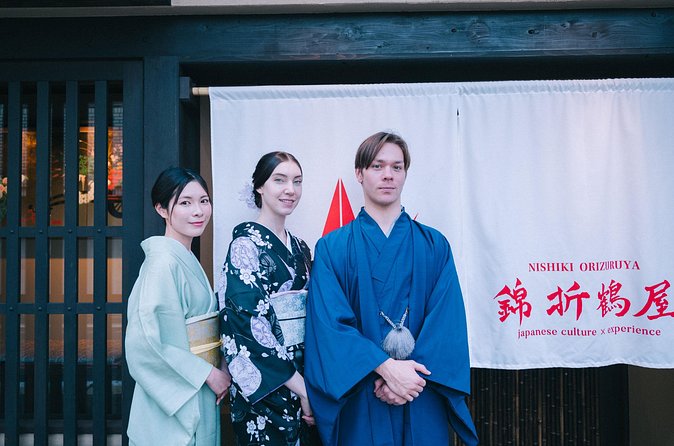
At $50.58 per person, this package is easier to justify than most “single activity” experiences in Kyoto—because you’re not just buying matcha.
Here’s what’s wrapped into the price based on the experience description:
- Kimono rental (women also get free hair styling)
- English guidance
- A formal tea ceremony experience where you make your own matcha
- Seasonal wagashi sweets from a 100-year-old confectionery
- A cultural add-on, depending on which option you choose
- calligraphy with your chosen kanji, or
- gold leaf plate workshop with a take-home souvenir, or
- Nishiki Market walking experience
That mix is what makes the value feel real. The kimono and hair alone can cost a lot if you try to arrange it separately. Then you’re layering in instructor time and a structured ritual. For couples, friends, and families, it’s also a way to buy one ticket that creates multiple memories: outfit photos, a skill you practice, and either a craft or a guided walk.
The small group size (up to 10 travelers) is another value driver. Less crowding means more attention, more calm, and fewer “watch from far away” moments.
Who this fits best (and who might want a different approach)
This is especially good if you want Kyoto culture in a form that’s easy to follow. Tea ceremonies can look intimidating from the outside, but the English guidance and step-by-step format help you participate without guessing.
You’ll likely enjoy it if:
- you want a hands-on cultural experience, not just sightseeing
- you like taking photos and dressing up
- you want a structured activity that still leaves time to explore nearby
You might hesitate if:
- you mainly want a long lecture about tea history (the tea-only experience can be lighter on explanation)
- you’re sensitive to sitting on the floor (a chair can be available, but it’s still best to ask when you arrive)
- you want a huge range of kimono styles for everyone (women tend to have a larger selection, and the experience notes that men may have less exciting options)
Families can also make it work. Children aged 5 and above may join, and there’s no child discount listed.
All in all, this feels like a “do it once, do it right” Kyoto activity—especially if it includes kimono time plus a second art component like calligraphy or gold leaf.
Quick tips so your day feels smooth
- If you’re photographing yourself, plan to arrive early so you don’t feel rushed during dressing and hair styling.
- Wear bottoms you can manage easily under a kimono. You’ll be in the outfit for part of the day.
- If you have allergies, ask about accommodations. People mention allergy handling for sweets and tea.
- If you prefer comfort, request a chair rather than floor seating when you check in.
Should you book Elegant Tea Ceremony While Wearing Kimono in Kyoto?
Yes—if you want a Kyoto experience that combines kimono dressing, a guided, hands-on tea ceremony, and either a take-home craft or a guided stroll through Nishiki Market. The value comes from what you get for your money: outfit styling, professional instruction, matcha you personally make, and sweets from a longstanding confectioner.
Book it especially if you’re short on time and want one well-run activity that still gives you a real cultural skill. If you’re the type who craves deep history speeches, you may want to choose the calligraphy or gold leaf option for extra instructor time and a more complete workshop feel.
If you’re just chasing pretty photos, this can still work—but the best results come when you treat the ceremony like practice, not a show.
More Tour Reviews in Kyoto

More Kimono Days in Kyoto
One More Bowl of Matcha

Just added: more Kyoto tours to browse








Kyoto Tea Ceremonies, compared.
 ★ 4.9Tea Ceremony in a Traditional Tea House in KiyomizuFrom $493,519 reviews
 ★ 4.9Tea Ceremony Ju-An at Jotokuji TempleFrom $293,207 reviews
 ★ 4.345-Minute Tea Ceremony Lesson ExperienceFrom $222,378 reviews
 ★ 4.9Table-Style Tea Ceremony at a Kyo-MachiyaFrom $451,211 reviews
 ★ 5.0Kimono Tea Ceremony at Kyoto Maikoya, NISHIKIFrom $65911 reviews
 ★ 5.0Arashiyama Bamboo Forest, Monkeys, Matcha & Temple TourFrom $53759 reviews
 ★ 4.9Tea Museum Tickets and Matcha Grinding ExperienceFrom $23739 reviews
 ★ 4.9Kimono Tea Ceremony at Orizuruya GionFrom $49618 reviews
Browse the lists this tour appears in