
Reviewed · KYOTO BIKE & E-BIKE TOURS
Discover Kyoto by Bike: Authentic Half Day Tour
Kyoto looks different from a bicycle saddle. This Kyoto bike tour strings together Gion, Nanzen-ji, the Philosopher’s Path area, Ginkakuji, Shimogamo Shrine, and the Kyoto Imperial Palace in about 4 hours, so you get the feel of daily Kyoto without rushing. I especially liked the way the guide steers you through real streets (Alex-style street and pavement guidance makes a big difference), and how the pacing leaves room to stop, look, and even get help with photos.
One thing to consider: you’re riding most of the time, on a standard non-electric bike, so you should feel comfortable sharing Kyoto streets and handling a few gentle slopes even if the route is mostly flat.
In This Review
- Key things I’d bet on
- Kyoto’s Classics on Two Wheels: Why This Tour Works
- What the 4-Hour Pace Really Feels Like
- Start at Gojō Station: Easy to Find, Easy to Return
- Gion by Bike: Seeing the Street, Not Just the Postcard
- Nanzen-ji Zen Temple: A Calm Pause in the Middle
- Philosopher’s Path: The Easy Part to Enjoy on a Bike
- Ginkakuji (Silver Pavilion): Peaceful Gardens Without the Marathon
- Shimogamo Shrine for a Full Hour: The Most Relaxed Stop
- Kyoto Imperial Palace Grounds: A Big Finish Without Fatigue
- Guide Skills Matter: Alex, Nobumasa, and Miya
- Bike Comfort and Safety: What You’re Actually Riding
- Price and Value: Is $85 Worth It?
- Who Should Book This Kyoto Bike Tour
- Should You Book This Kyoto Bike Tour?
- FAQ
- How long is the Discover Kyoto by Bike tour?
- What does the tour cost?
- Where is the meeting point?
- Does it return to the same place?
- What kind of bike is included?
- Is a helmet included?
- Are temple or site entrance fees included?
- What about meals?
- Is the guide English-speaking?
- Is the tour private?
Key things I’d bet on
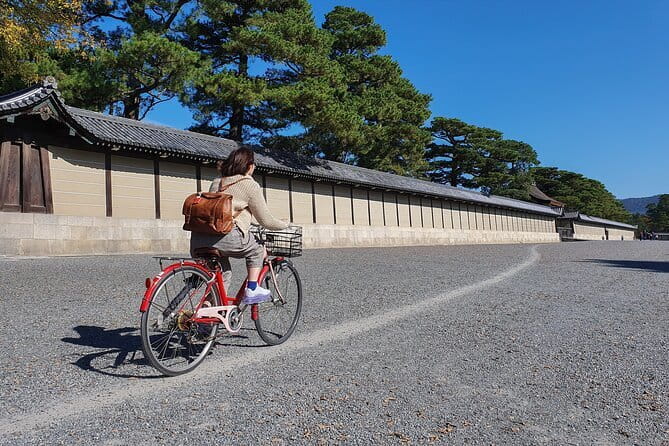
- Mamachari-style bike (non-electric, 3 gear shifts): simple, practical, and easy to pedal.
- Private feel: only your group participates, so the guide can slow down or help you find your footing.
- Street-smart routing: you can end up on authentic lanes and shortcuts that are hard to do by bus or on foot.
- Temple breaks that match the ride: Nanzen-ji and Ginkakuji are time-friendly stops, not rushed checklists.
- Great guide energy: names like Alex, Nobumasa, and Miya come through in the way they explain what you’re seeing and help with pacing.
Kyoto’s Classics on Two Wheels: Why This Tour Works
A half day can be a sweet spot in Kyoto. You get enough time to hit the big-name spots people line up for, but you still keep your legs fresh for the rest of your day—dinner, a stroll, or another short visit. This bike format also changes what Kyoto feels like. Instead of mostly viewing from a bus window or moving at temple-walk speed, you’re actually moving through the city streets like locals do.
What I like here is the balance between sights and motion. You ride mostly flat routes with a few gentle slopes, so you’re not white-knuckling every corner. Then you stop where it makes sense: temple time when things get quiet, garden time when you want a slower rhythm, and shrine time when the grounds feel like they’re meant for wandering.
You also get a guide who treats the city like a living map. In the stories I heard from past riders, guides didn’t just recite facts—they helped with street navigation, found quieter routes, and made it easy to stop for photos. That matters more than most people think. In Kyoto, small street turns can make your experience better or worse fast.
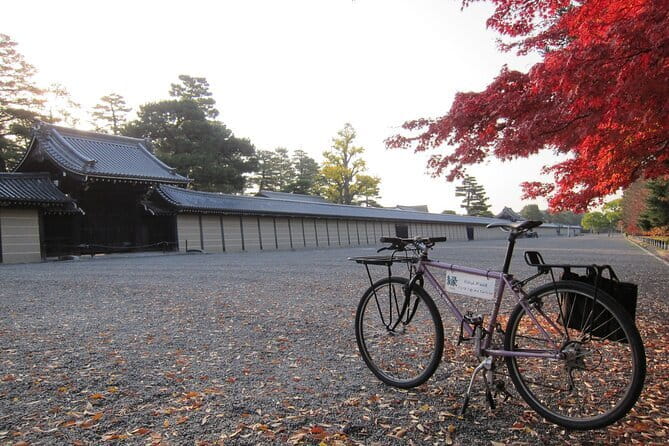
And yes, the bike is the classic kind—a standard non-electric Mamachari-style bike with 3 gear shifts and a helmet included. It’s not a gadget tour. It’s a practical way to see Kyoto’s highlights without needing to figure out bike logistics yourself.
More of Kyoto at handlebar pace

What the 4-Hour Pace Really Feels Like
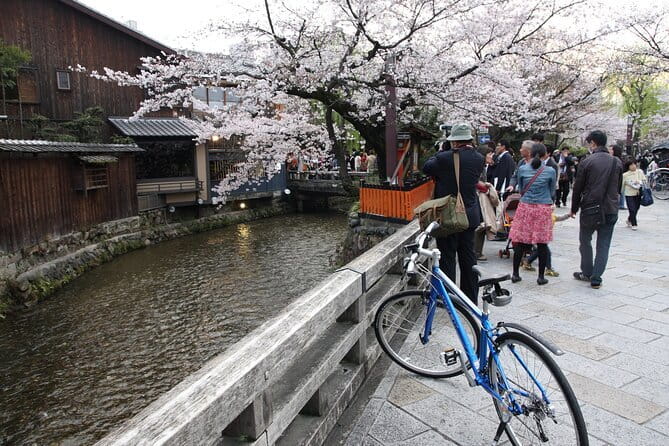
This tour is listed at about 4 hours, and that time is handled in chunks: short stops for the major photo-and-look moments, plus one longer visit that gives you breathing room. That structure keeps you from feeling like you’re spending your day in transit.
The route moves in a clear order. You start in Gion, then head to Nanzen-ji, take in the Philosopher’s Path stretch, move to Ginkakuji, shift to Shimogamo Shrine, and finish at the Kyoto Imperial Palace. The full loop ends back at the meeting point, which is handy when you want to keep your day plans simple.
The pacing also seems designed for what Kyoto is like in real life. You get time on the bike to actually cover ground, but you’re not stuck riding past everything while your feet itch to get off. The guide can also adjust the ride tempo within reason—past riders noted a leisurely feel and helpful direction around streets and pavements, so you’re not expected to be fearless from minute one.
Start at Gojō Station: Easy to Find, Easy to Return
Your meeting point is Gojō Station (Osakacho, Shimogyo Ward). It’s a sensible starting hub because it keeps the tour from feeling like a long taxi hunt right at the start of your day.
At the end, the tour returns to the same meeting point. That reduces stress if you’re trying to line up dinner reservations, or if you’re planning to jump on public transport afterward. You won’t be stuck asking how to get home from some faraway corner.
You’ll also have a mobile ticket, and confirmation is sent at booking. That’s a small thing, but in Japan it makes the day-of routine smoother.
Gion by Bike: Seeing the Street, Not Just the Postcard
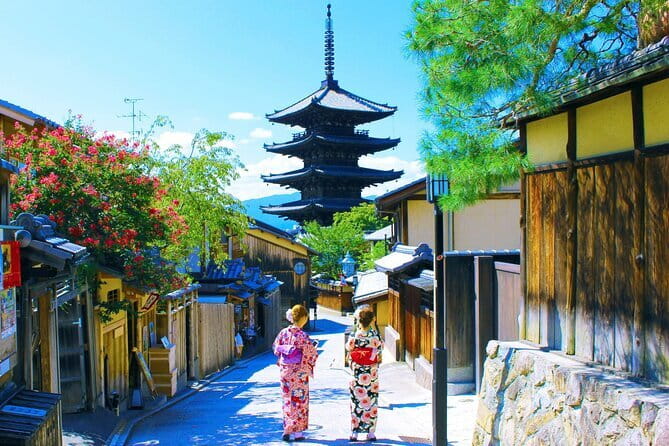
Gion is where many first-time Kyoto plans begin, and this tour starts right there. Cycling through Gion is a different angle than walking. You can glide through the neighborhood rhythm, notice the street textures, and move between viewpoints without constantly backtracking.
The stop here is about 20 minutes, which is long enough to get your bearings and take a few photos without feeling like you’re being rushed. Also, because the tour is built around cycling, you’re not stuck doing a stop-and-go crawl like some bus routes. You’re still moving, so it feels like you’re actually traveling through the city rather than just arriving and leaving.
Kyoto is known for being bicycle-friendly, and this route leans into that. Expect mostly flat riding with gentle adjustments. If you’re a nervous rider, this is where a good guide earns their pay—you want someone who understands where the smooth turns are and where the sidewalks can get tricky.
Nanzen-ji Zen Temple: A Calm Pause in the Middle
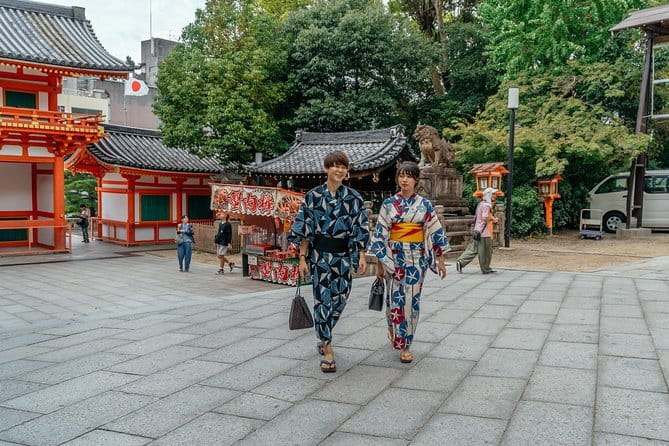
After Gion, you’ll reach Nanzen-ji Temple for about 30 minutes. This stop is a nice reset. Temples are where you slow your eyes down, and Zen temple grounds are built for that kind of quiet looking.
The tour listing says the entrance fee at Nanzen-ji is included, and the stop time is long enough to wander at a normal pace instead of just snapping one obligatory picture and moving on. You also get time for a breather—use it. Bike tours can feel deceptively active because you’re always learning the route and watching for turning points.
This is also where an English-speaking guide helps. Even if you don’t read everything, you’ll understand what you’re looking at and why that spot matters, right when your attention is most flexible.
Other Kyoto tours and experiences to compare

Philosopher’s Path: The Easy Part to Enjoy on a Bike
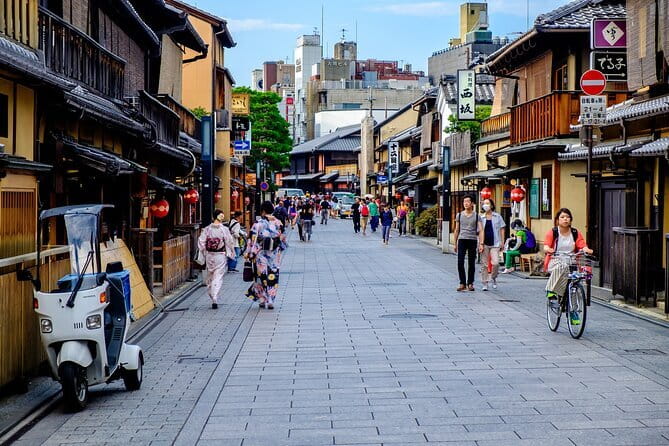
Next comes the Philosopher’s Path area, about 20 minutes. The route here is described as a canal-side walk, famous for its natural beauty. On a bike, this stop works well because you’re not trying to manage crowds or navigate a long on-foot stretch in the same way.
One detail to note: the Philosopher’s Path admission ticket is not included. That doesn’t automatically mean you’ll pay for anything at the entrance, but it does mean you shouldn’t expect the tour package to handle a ticket here.
If you want a takeaway from this stop, it’s about rhythm. It’s short enough that you don’t lose the day, but it’s scenic enough that it breaks up the heavier temple blocks. It’s also a “slow looking” kind of moment—perfect for photos, short pauses, and watching how the canal-side vibe changes across the seasons.
Ginkakuji (Silver Pavilion): Peaceful Gardens Without the Marathon
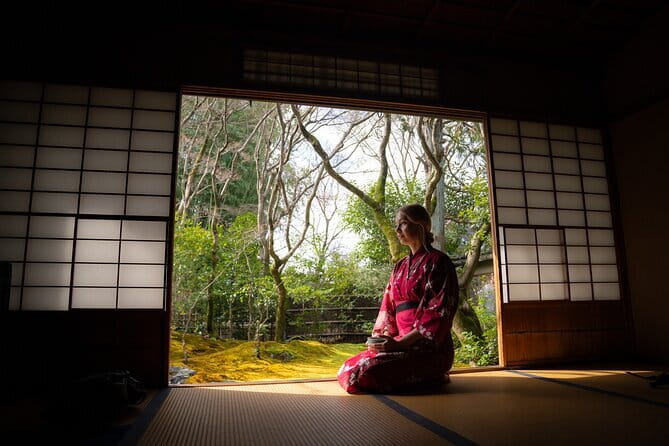
Then you head to Ginkakuji (the Silver Pavilion) for about 20 minutes. The listing describes it as a Zen temple with peaceful gardens. That’s exactly what I’d aim for in a half day: a place where you can see the gardens and soak in the quieter mood without being trapped there for hours.
Because this is a timed stop, you’ll get a focused visit rather than a long, wandering day. That’s not a drawback—it’s a planning win. Kyoto’s most famous sites can eat a whole day if you let them. This tour gives you the highlights, then moves on so you can still enjoy the rest of your trip.
If you’re the kind of traveler who loves gardens but hates rushing, you’ll likely appreciate this short-but-sweet format. You’re not forced to stay through everything; you can choose how you spend your minutes once you’re inside.
Shimogamo Shrine for a Full Hour: The Most Relaxed Stop
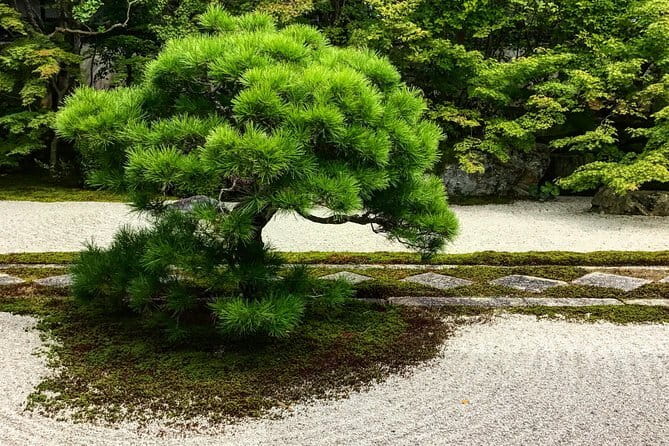
The longest stop is Shimogamo Jinja, about 1 hour. That’s a meaningful chunk of time on a bike tour, and it hints that this place is more about atmosphere than ticking off boxes.
The tour description calls it one of Kyoto’s oldest Shinto shrines, set in serene, wooded grounds. That matters for how it feels. Compared with many famous city-center sights, a shrine in the trees often creates a natural slow-down. You can walk, stop, and look around without needing to constantly think about timing.
Also, one review mentioned the ride included a river segment earlier in the day. Even if your experience varies slightly with route choices, the tour seems tuned for “movement + calm.” Shimogamo is likely where that calm shows up most clearly.
Kyoto Imperial Palace Grounds: A Big Finish Without Fatigue
Your final stop is the Kyoto Imperial Palace, with about 30 minutes to relax and take in the expansive palace grounds. That ending makes sense. After a full hour at Shimogamo, you’re not left with another marathon walk. You get to spread out a bit, look around, and then roll back to the meeting point.
This is also a good moment to reflect on what the bike adds. When you’re moving through Kyoto on wheels, you don’t just see landmarks—you connect them with the way the city looks between them: the street textures, the turning points, the small transitions from one neighborhood mood to the next.
Guide Skills Matter: Alex, Nobumasa, and Miya
The guides are a big part of why this tour earns top marks. Names that came up include Alex, Nobumasa, and Miya, and the common theme is that they’re not just explaining history like a slideshow. They guide you through real streets and make the bike part feel manageable.
One rider noted needing help around streets and pavements, and said the guide provided that support while staying patient and friendly. Another highlighted how the guide showed authentic streets and shortcuts that you might not access as easily by bus or on foot. That’s practical sightseeing value.
So if you’re thinking, I just want someone to keep things organized and safe, you’re in the right place. And if you’re the type who asks questions, you’ll likely appreciate the way your guide turns the ride into a living conversation instead of a rigid script.
Bike Comfort and Safety: What You’re Actually Riding
This isn’t an electric-bike tour. You’ll rent a standard non-electric Mamachari-type B-type bike with 3 gear shifts, plus a helmet and insurance included.
For most people, the big comfort question is: Will I be able to handle it? The route is described as mostly flat with a few gentle slopes, which is a good start. Also, since the guide is with you the whole time, you’re not left solving route puzzles alone.
Still, I’d set expectations realistically: you’ll spend a good chunk of the day pedaling. If you’re recovering from knee issues or you’re used to leisurely sightseeing only, you might find this style more demanding than walking at a slow pace.
On the other hand, if you want to cover Kyoto efficiently while still seeing the city up close, this bike setup is a very workable compromise.
Price and Value: Is $85 Worth It?
The price is $85 per person for about 4 hours. That’s not pocket change, but it also isn’t trying to be a luxury private driver experience. You’re paying for the combination of:
- a rental bike with a helmet,
- an English-speaking guide,
- insurance,
- and guided access to major Kyoto stops in a tight loop.
For me, the value hinges on one question: would you spend time and energy arranging a bike and building a safe route yourself? If the answer is no, the guide + routing saves you effort right away.
Also, this is described as private (only your group participates). That matters for couples or small groups because you’re not stuck blending into a big herd.
And there’s mention of group discounts. If you’re traveling with friends, that can turn the per-person cost into a more comfortable number.
Who Should Book This Kyoto Bike Tour
You’ll probably love it if you:
- want a half-day plan that hits major Kyoto sights without draining your whole day,
- like the idea of seeing Kyoto street-level, not just standing at entrances,
- want a guide to help with route choice and photo moments,
- and feel okay riding a standard non-electric bike for a few hours.
You might want to skip or rethink if you:
- don’t feel comfortable riding in a city environment,
- prefer to spend most of your time indoors or doing long museum-style visits,
- or want a purely walking-based itinerary.
Should You Book This Kyoto Bike Tour?
If your goal is Kyoto highlights with a local rhythm, I’d say this is a strong booking. The route covers iconic places in a logical order, and the bike format gives you a sense of Kyoto as a lived-in city, not just a sightseeing checklist.
It’s also one of those tours where the guide really changes the outcome. Past riders singled out guides like Alex for street and pavement guidance, and that tells you this isn’t a hands-off experience. You’re getting support, explanation, and help staying on track.
My only caution is simple: you’re riding for hours. If that’s your comfort zone, book it. If you’d rather walk slowly and avoid biking logistics, you’ll likely enjoy a walking-focused tour more.
FAQ
How long is the Discover Kyoto by Bike tour?
It’s listed as approximately 4 hours.
What does the tour cost?
The price is $85.00 per person.
Where is the meeting point?
The tour starts at Gojō Station (Osakacho, Shimogyo Ward, Kyoto 600-8177, Japan).
Does it return to the same place?
Yes, the activity ends back at the meeting point.
What kind of bike is included?
You get a standard non-electric Mamachari B-type bike with 3 gear shifts.
Is a helmet included?
Yes, a helmet is included.
Are temple or site entrance fees included?
Nanzen-ji entrance is included. The tour also lists admission tickets as free for Gion, Nanzen-ji, Ginkakuji, Shimogamo Shrine, and Kyoto Imperial Palace. Philosopher’s Path has admission ticket not included.
What about meals?
Meals and other drinks are not included.
Is the guide English-speaking?
Yes, the tour includes an English-speaking tour guide.
Is the tour private?
It’s private in the sense that only your group participates.
More Tours in Kyoto




More Tour Reviews in Kyoto


More of Kyoto by Bike

Just added: more Kyoto tours to browse








Kyoto Bike & E-Bike Tours, compared.
 ★ 5.0Hidden Kyoto E-Biking tourFrom $1161,843 reviews
 ★ 5.0Bike Tour Exploring North Kyoto plus LunchFrom $1061,087 reviews
 ★ 5.0Arashiyama Bamboo Forest & Hidden Gems Bike Tour (Early Bird)From $106613 reviews
 ★ 5.05 Top Highlights of Kyoto Full Day Bike Tour (E-bike option)From $172511 reviews
 ★ 5.0Full Day Biking Tour Exploring the Best of KyotoFrom $119498 reviews
 ★ 4.8Memory Kyoto E-Bike TourFrom $91297 reviews
 ★ 5.0E-Bike Tours of the highlights of Kyoto!!!From $109291 reviews
 ★ 5.0Afternoon Kyoto Bike Tour: Bamboo Forest, Monkeys & Hidden SpotsFrom $106283 reviews
Browse the lists this tour appears in