
Reviewed · KYOTO TEA CEREMONIES
A Unique Antique Kimono and Tea ceremony Experience in English
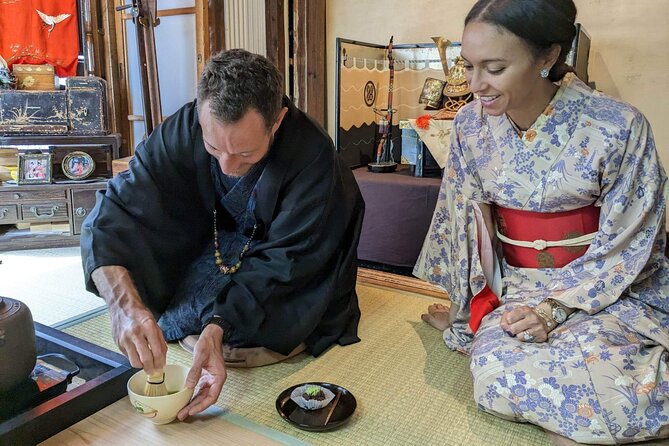
Trade the crowds for quiet tea. In Kyoto, this small-group antique kimono and matcha experience pairs a calm tea lesson with a visit to Miyagawa Tokusaburo Shoten, a 100-year-old house near Katsura Imperial Villa. It runs about 1 hour 30 minutes, is available in English, and the group is capped at six for a more personal feel.
I love two things right away. First, the kimono rental is part of the package, and you get real time for selection and styling (including help with hair accessories). Second, the tea teaching is led by Toku, with 20+ years in tea ceremony work, so you get the etiquette explained in plain, usable terms.
One consideration: in 1.5 hours, the focus is on proper ritual and a matcha walkthrough, not an all-day, super-deep chemistry lesson or a long lineup of different teas. Also, it’s in an authentic private-house setting, so if you’re picturing a showy garden venue, adjust expectations.
In This Review
- Key highlights at a glance
- What Makes Miyagawa Tokusaburo Shoten Feel Different Than Usual Kyoto Tea Stops
- Antique Kimono Rental: Picking a Look Without Turning It Into a Fashion Show
- Toku’s English Tea Etiquette Lesson: Where the Ceremony Gets Practical
- The Matcha Walkthrough and Tasting: What You’ll Learn (and What Might Feel Short)
- The Calm 90 Minutes Near Katsura Imperial Villa: Atmosphere, Seating, and Photos
- Price and Value: What You’re Really Paying For at $99.10
- Getting There: Meeting Point, Duration, and What You Should Expect
- Who This Kyoto Experience Is For (and Who Might Want a Different Option)
- Should You Book This Antique Kimono and Matcha Tea Ceremony in Kyoto?
- FAQ
- What is included in the $99.10 price?
- Is the tea ceremony available in English?
- How long does the experience last?
- What is the group size limit?
- Where do I meet for the experience?
- Is lunch or dinner included?
- Can I cancel for a full refund?
Key highlights at a glance
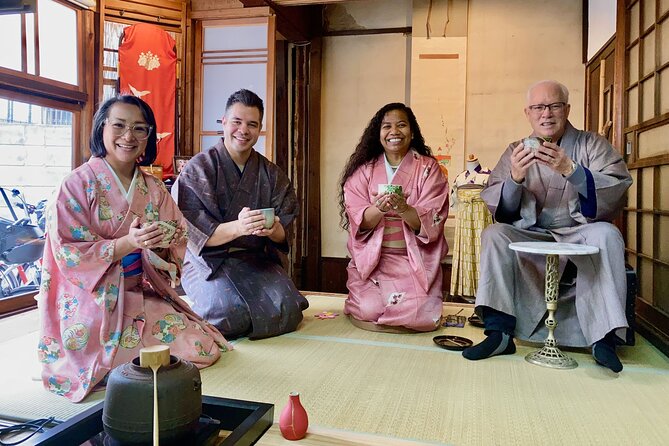
- Antique kimono rental included (kimono noted as 80+ years old)
- Small group (max 6) for a calmer pace and real attention
- Toku in English with 20+ years of tea ceremony experience
- Matcha lesson + etiquette, including the samurai connection
- Green tea and Japanese sweets included, plus plenty of photos
What Makes Miyagawa Tokusaburo Shoten Feel Different Than Usual Kyoto Tea Stops
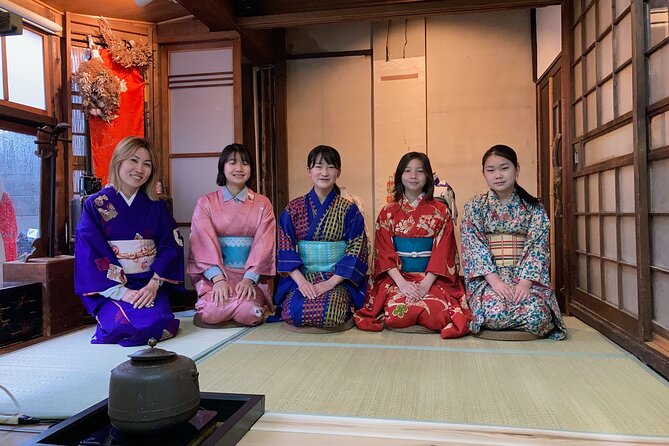
Most Kyoto tea ceremonies aim for “experience” first. This one also does that, but the vibe starts with place. You’re in a private home that’s over 100 years old, and because it’s near Katsura Imperial Villa, it tends to feel quieter than central Kyoto streets.
That matters more than you might think. Tea ceremony is slow by design. When you’re in a calm space, the whole lesson lands better—your brain stops multitasking, and you actually notice the order of things and the meaning behind them.
And the size helps. With a maximum of six people, you’re not getting marched through a script. You’ll have room to ask questions, pause, and absorb what’s being explained.
Sit for another bowl of matcha in a Kyoto tea house


Antique Kimono Rental: Picking a Look Without Turning It Into a Fashion Show
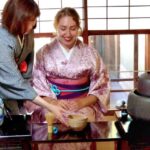
This experience includes the antique kimono rental, and that is a big part of the value. You aren’t just wearing a costume for photos; you’re guided through choosing and dressing in a traditional garment before the ceremony begins.
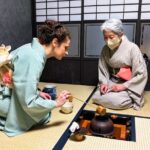
In practice, the flow usually goes like this: you arrive, then you select a kimono (and matching accessories). Toku and his team help you wear it correctly, and they also assist with details like styling and hair accessories. One review specifically notes help with obis and hair accessories, and another mentions help even when traveling with kids.
Two small but useful points for you:
- They take time to make the fit feel right and comfortable enough for sitting through the ritual.
- They’re used to different body needs. One guest shared that they adapted the ceremony when someone had trouble kneeling, which is worth remembering if you have mobility limitations.
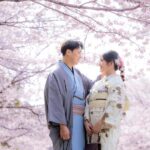
Also, expect photos to be part of the experience. Multiple guests mention that they took many photographs, including a sword prop for a photo series. That’s a fun extra, but the bigger benefit is that you’ll look back on the day and remember the details—not just the outfit.
Toku’s English Tea Etiquette Lesson: Where the Ceremony Gets Practical
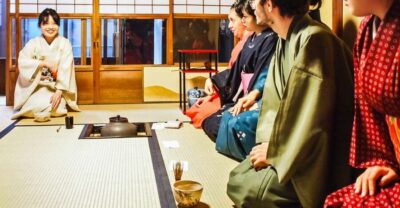
The tea ceremony part is led by Toku, the owner. He has over 20 years of experience, and the experience is available in English, which is a real comfort if your Japanese is limited.
What I like about this kind of teaching is that it doesn’t stay abstract. You learn etiquette and manners—how to move, how to handle the moment, and how to participate with the right mindset. That makes the ritual feel more respectful and less like a performance.
You’ll also hear context, including the relationship between samurai and tea ceremony. That’s a great angle because it explains why the ceremony wasn’t just about drinking tea. It connects to discipline, timing, and culture—ideas that are easier to understand when they’re tied to real historical roles.
One of the most praised elements here is the tone: welcoming, patient, and paced. People repeatedly note that explanations are careful and that the ceremony itself is solemn but not cold. You’re encouraged to take photos, but the focus stays on the ritual and understanding it step by step.
The Matcha Walkthrough and Tasting: What You’ll Learn (and What Might Feel Short)
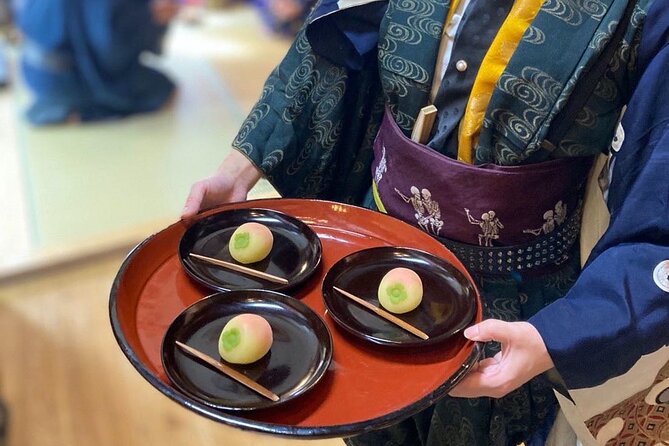
You get a special opportunity to learn how matcha tea is made, and you’ll taste green tea during the ceremony. The package also includes Japanese sweets, which give you something balanced alongside the tea.
Here’s the practical expectation-setting for you. The experience is 1 hour 30 minutes. That’s enough time to:
- learn the main steps in the matcha-making process,
- understand the etiquette around serving and receiving,
- and enjoy the tea and sweets in the proper rhythm.
What it may not be, based on the format and duration: a long menu of rare teas or an extremely deep, technical workshop on every variation of matcha preparation. There’s at least one critical review that wanted more matcha-process detail and more tea variety. So if you’re studying matcha academically, you might find this leans more toward ceremony and meaning than extended “tea tasting class” territory.
Still, if your goal is to slow down, learn the basics well, and experience matcha in a traditional setting with context, it’s a strong fit. And the overall rating is high for a reason: people generally leave feeling they learned more than they expected, especially about spirit and manners, not just the mechanics.
The Calm 90 Minutes Near Katsura Imperial Villa: Atmosphere, Seating, and Photos
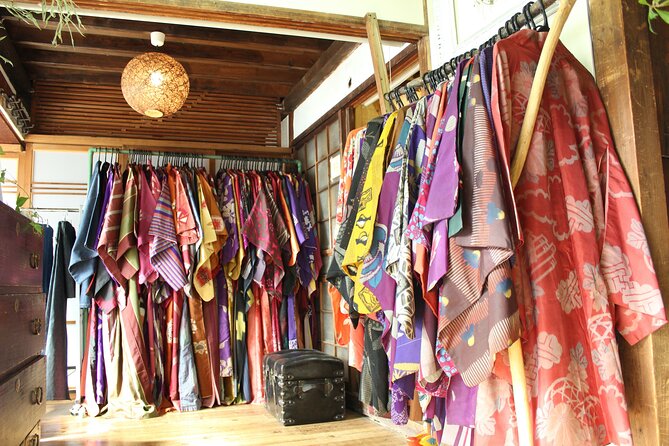
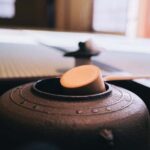
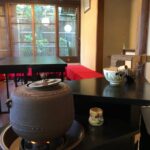
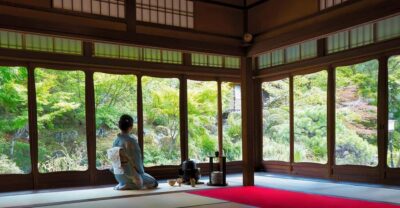
Where you do this shapes how you feel doing it. This ceremony happens in an old private house and is described as quieter and calmer than city tea spots, largely because of the location near Katsura Imperial Villa.
That quiet is not just nice scenery. It changes your experience. Tea ceremony asks for attention, and a calm atmosphere helps you stay present rather than constantly checking your phone or trying to place yourself in a busy neighborhood.
Photos show up naturally in this kind of setting. Many guests mention lots of photographs, plus help with hair and styling for kimono. If you’re traveling with family or kids, it can work well too—one review calls it good for kids and notes the host adapted for a very young child.
One more practical note: you’ll be sitting for parts of the ritual. If kneeling is hard for you, tell them. A review notes they adapted when someone couldn’t kneel comfortably, which suggests they handle these needs with care.
Wander Kyoto in kimono a little longer
Price and Value: What You’re Really Paying For at $99.10
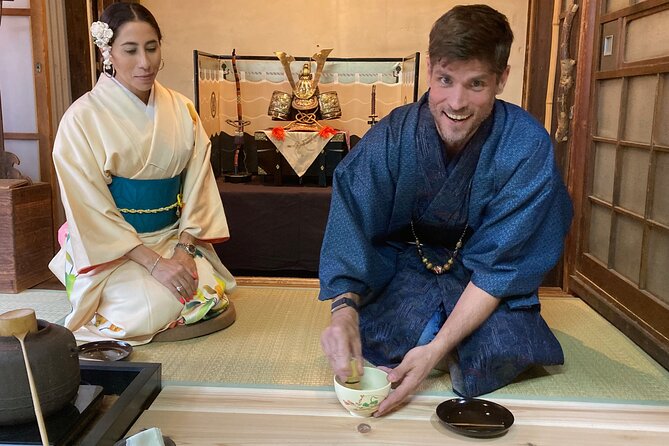
At $99.10 per person, this isn’t the cheapest Kyoto tea ceremony you’ll find. But it includes two expensive-looking things:
- Antique kimono rental
- Tea ceremony fee with green tea and Japanese sweets
That changes the math. A basic tea ceremony without kimono rental can cost less, but this one bundles the antique garment into the price. Reviews repeatedly highlight the kimono collection and the care taken with styling, which suggests you’re paying for time, attention, and materials, not just a short performance.
Value also comes from the group size. Small groups mean less waiting and more personal pacing. And the teaching is in English, which reduces the risk of missing key ideas.
So for you, the real question is this: do you want a tea ceremony, or do you want tea ceremony plus the kimono experience in a genuinely quiet setting? If the answer is yes, this price starts to look fair.
Getting There: Meeting Point, Duration, and What You Should Expect
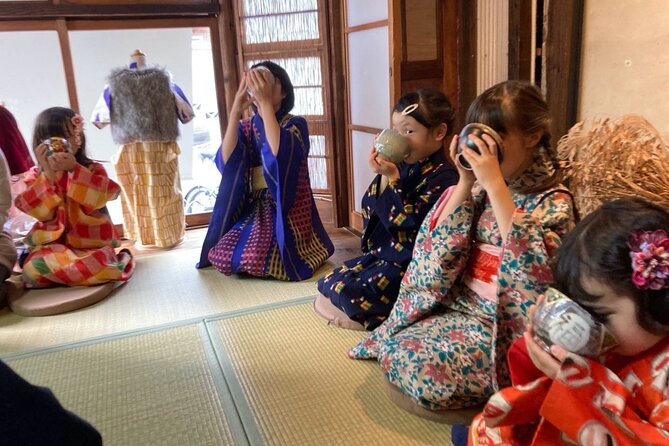
You start at Miyagawa Tokusaburo shoten, at 32-4 Katsuranozatochō, Nishikyo Ward, Kyoto (615-8073). The experience ends back at the same meeting point.
It runs about 1 hour 30 minutes (approx.). That’s long enough to wear the kimono, get styled, learn the etiquette, and take part in the matcha/tea moment without feeling rushed—assuming the pace stays steady.
It’s also near public transportation, and a mobile ticket is provided. Service animals are allowed, which is good to know for planning.
If you’re trying to fit it into your day, I’d treat it like a focused event. Plan something easy afterward, because once you’re in kimono and your brain switches into ceremony mode, you’ll want time to decompress rather than sprint into the next major sight.
Who This Kyoto Experience Is For (and Who Might Want a Different Option)
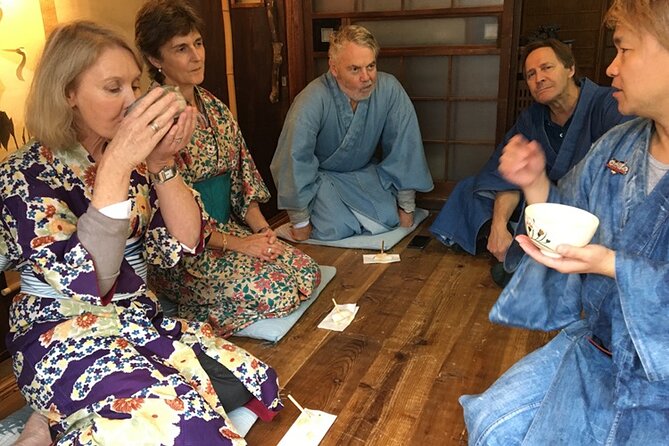
This is a great choice if:
- you want an English-friendly tea ceremony,
- you care about kimono as more than a quick photo prop,
- you prefer small-group pacing,
- and you like the idea of a quieter setting near Katsura Imperial Villa.
It may be less ideal if:
- you’re expecting a long, technical matcha-making course with lots of separate teas,
- or you want a garden setting with big theatrical scenery.
Also, because it’s a private-house environment, it’s best for people who enjoy intimate cultural moments and don’t need a crowd around them to feel satisfied.
Should You Book This Antique Kimono and Matcha Tea Ceremony in Kyoto?
If you want a Kyoto tea ceremony that feels personal—one where the kimono rental is real, the setting is calm, and the teaching is in English—this is an easy yes.
I’d especially recommend it if you’re the kind of traveler who likes learning etiquette and meaning, not only checking off attractions. The combination of an antique kimono, a 100-year-old house atmosphere, and Toku’s long experience is exactly the kind of value you remember later.
Just go in with the right expectation: it’s a thoughtful ceremony experience in 90 minutes, not a multi-course tea workshop. If that matches your goal, you’ll likely find it special.
FAQ
What is included in the $99.10 price?
The price includes the antique kimono rental fee and the tea ceremony experience fee, which covers green tea and Japanese sweets.
Is the tea ceremony available in English?
Yes. This activity is available in English.
How long does the experience last?
It lasts about 1 hour 30 minutes (approx.).
What is the group size limit?
The tea ceremony is capped at a maximum of 6 travelers.
Where do I meet for the experience?
You start at Miyagawa Tokusaburo shoten, 32-4 Katsuranozatochō, Nishikyo Ward, Kyoto, 615-8073, Japan, and it ends back at the meeting point.
Is lunch or dinner included?
No. Lunch and dinner are not included.
Can I cancel for a full refund?
Yes, you can cancel for a full refund if you cancel up to 24 hours in advance of the experience start time. If you cancel less than 24 hours before, the amount paid will not be refunded.
More Tour Reviews in Kyoto



More Kimono Days in Kyoto
One More Bowl of Matcha

Just added: more Kyoto tours to browse








Kyoto Tea Ceremonies, compared.
 ★ 4.9Tea Ceremony in a Traditional Tea House in KiyomizuFrom $493,519 reviews
 ★ 4.9Tea Ceremony Ju-An at Jotokuji TempleFrom $293,207 reviews
 ★ 4.345-Minute Tea Ceremony Lesson ExperienceFrom $222,378 reviews
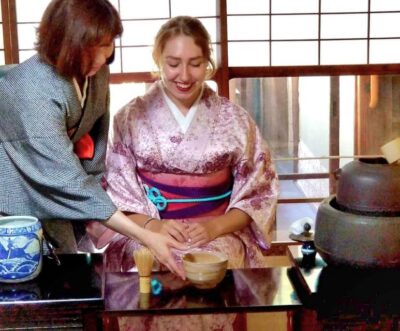 ★ 4.9Table-Style Tea Ceremony at a Kyo-MachiyaFrom $451,211 reviews
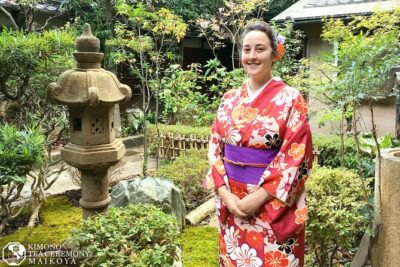 ★ 5.0Kimono Tea Ceremony at Kyoto Maikoya, NISHIKIFrom $65911 reviews
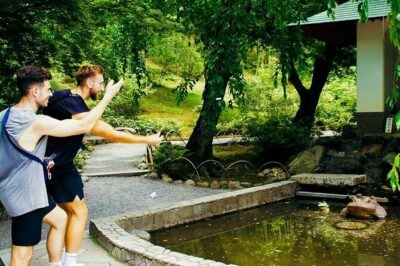 ★ 5.0Arashiyama Bamboo Forest, Monkeys, Matcha & Temple TourFrom $53759 reviews
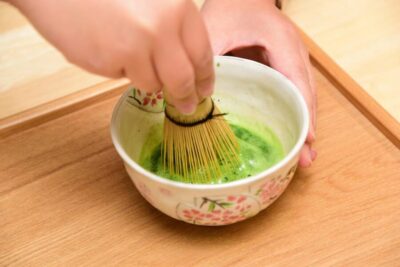 ★ 4.9Tea Museum Tickets and Matcha Grinding ExperienceFrom $23739 reviews
 ★ 4.9Kimono Tea Ceremony at Orizuruya GionFrom $49618 reviews
Browse the lists this tour appears in