
Reviewed · FUSHIMI INARI SHRINE TOURS
TREASURES of Kyoto: Fushimi Inari, Kiyomizu Temple, and more!
Kyoto hits different at 7:00am. This small-group tour is built for time-tight people who want the big icons—Fushimi Inari and Kiyomizu-dera—without spending your morning threading through bus crowds. It also saves you the headache of figure-it-out transport, since taxi fares are included between stops.
Two things I really like: first, the included taxi ride element means you can keep your energy for walking the sights instead of playing subway-and-stairs roulette. Second, the early timing is the whole point here, especially for Kiyomizu-dera’s sweeping views when the air feels calmer.
One drawback to consider: if you’re the type who loves exploring totally on your own and you’re comfortable paying for fewer extras, this may feel pricey—especially if you expect the tour guide to do most of the heavy lifting in a way that matches your style.
In This Review
- Key Points to Know Before You Go
- A 4-Hour Plan That Actually Fits Real Schedules
- Morning Logistics: How the Tour Moves You Through Kyoto
- Stop 1: Fushimi Inari-taisha Shrine and Its Torii Maze
- The Inari Value Angle
- Stop 2: Kiyomizu-dera Temple and the Early-View Advantage
- A Quick Reality Check
- The Third Moment: Wandering Preserved Old Streets
- The Guide Factor: When Small Groups Actually Help
- Price and Value: Is $98.53 Worth It?
- Who This Tour Suits Best (and Who Might Skip It)
- Practical Tips That Make the Day Smoother
- Should You Book It?
Key Points to Know Before You Go
- Small-group size (up to 12) keeps questions easy and the pace more human.
- Taxi fares included help you move efficiently between major Kyoto landmarks.
- Start at 7:00am for a quieter look at crowded favorites.
- Kiyomizu-dera admission included, while Fushimi Inari is free.
- Mobile ticket means less scrambling on the day.
A 4-Hour Plan That Actually Fits Real Schedules
This is a focused 4 hours approx. tour, which is exactly why it works for many first-timers. Kyoto can feel like a choose-your-own-adventure nightmare: temples here, shrines there, and somehow your day is gone before you’ve even seen the view from the main deck at Kiyomizu-dera.
Instead, you get a set sequence with built-in timing. The itinerary is arranged to reduce the classic problem in Kyoto: arriving to a site only to find a river of tour buses already parked and everyone flowing at once. The early start helps you beat that rhythm.
Also, the tour ends at Sanjuusangendo Temple instead of back where you started. That’s a practical choice: it can help you keep sightseeing after the tour without repeating transit just to get to your next thing.
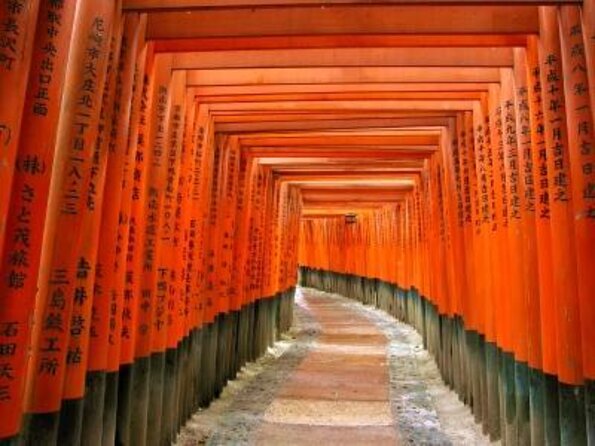
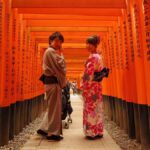
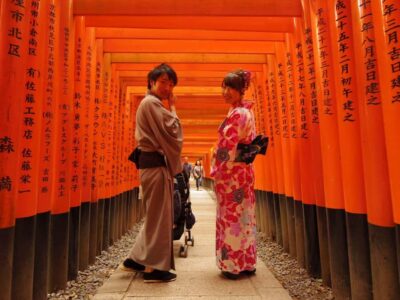
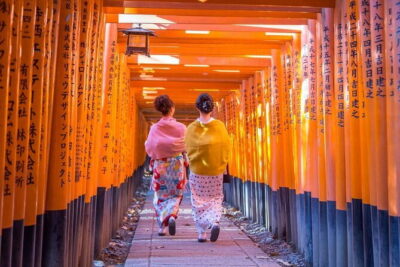
More walks up through the vermilion torii of Fushimi Inari

Morning Logistics: How the Tour Moves You Through Kyoto
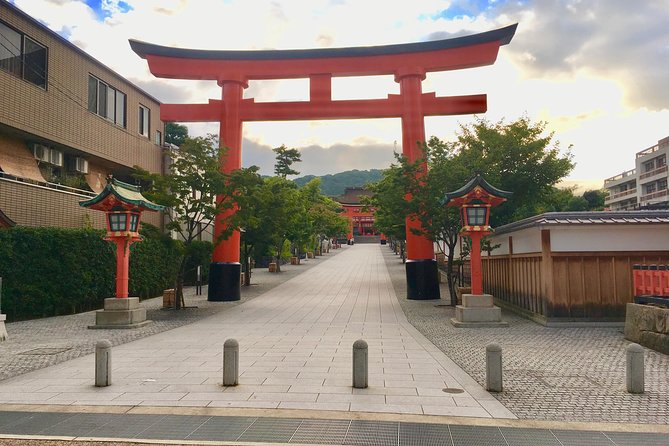
The meeting point is at Inari Station (Fukakusa Inarionmaecho, Fushimi Ward), and the tour starts at 7:00am. The end point is Sanjuusangendo Temple (657 Sanjuusangendōmawari, Higashiyama Ward). That one-way structure is great if you’re planning a more continuous route later.
Transportation is where this tour earns real points. The tour includes taxi fares including during the tour, which matters because Kyoto is full of short walking segments plus steep bits plus inconvenient transit connections. Taxis don’t remove all walking, but they do remove a lot of time loss and frustration.
One more detail that’s useful: it’s a mobile ticket setup, and it’s near public transportation. So if your day has Plan B energy—train delay, wrong stop, you misread a sign—getting yourself to the start point is usually manageable.
Stop 1: Fushimi Inari-taisha Shrine and Its Torii Maze
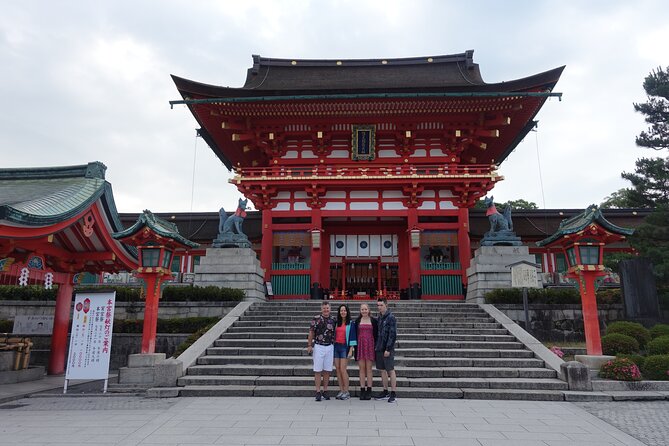
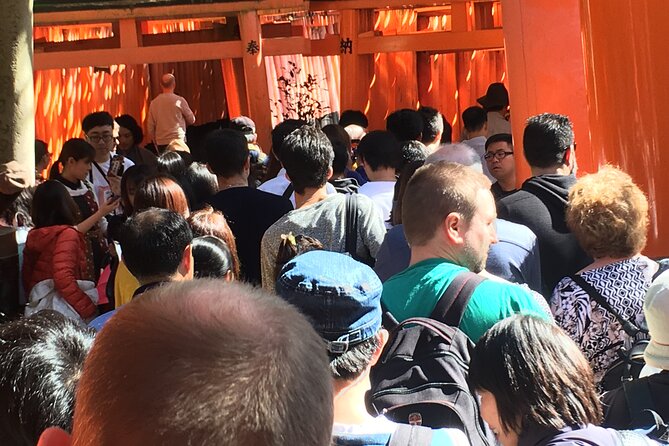
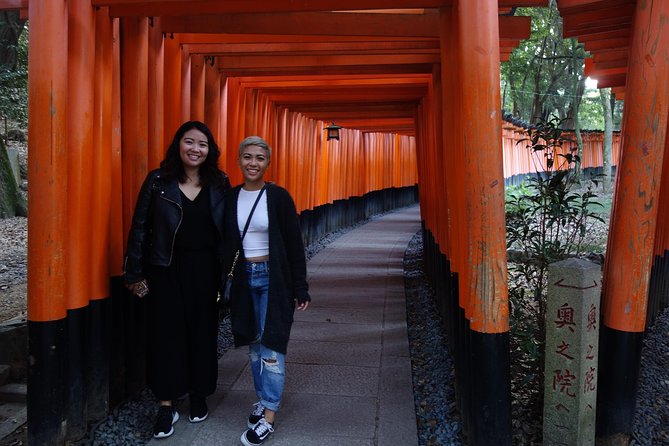
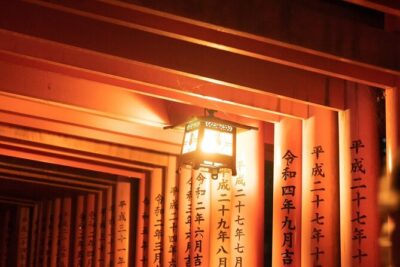
You kick off at Fushimi Inari-taisha Shrine, and you get about 45 minutes there. This is the shrine with the famous trail of torii gates, the place where you start walking and suddenly you’re inside a tunnel of color and repetition.
Here’s what you should expect during the visit: you’ll be guided through a good chunk of the gate path, with stops for photos and explanations about why the place matters. That matters because Inari isn’t just scenery. It’s tied to Shinto beliefs and the role of fox imagery in Japanese shrine culture. Even if you already know some of the basics, the guide’s context can make the experience feel less like you’re just collecting pictures and more like you understand what you’re seeing.
45 minutes is enough to get the feeling of the “torii maze” without turning it into an all-day hike. Still, it’s a walking experience. If you’re not comfortable with uneven ground and steady steps, keep your pace slow and plan for breaks.
The best part of booking this as a tour, rather than solo, is timing. Being there early helps the gate paths feel like a shrine path instead of a traffic jam.
The Inari Value Angle
Admission is free, so your money goes toward the time-saving structure: getting there smoothly, having the sequence handled, and getting context as you walk. If you love photographs, the early light and the less-crowded lanes usually make your shots easier to take without crowd choreography.
Stop 2: Kiyomizu-dera Temple and the Early-View Advantage
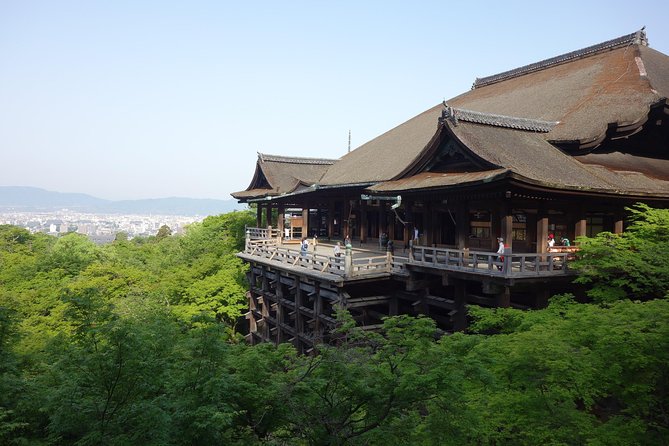
Next is Kiyomizu-dera Temple, where you’ll have about 1 hour. Admission is included, which is nice because Kiyomizu-dera is one of the big budget line items if you’re planning everything yourself.
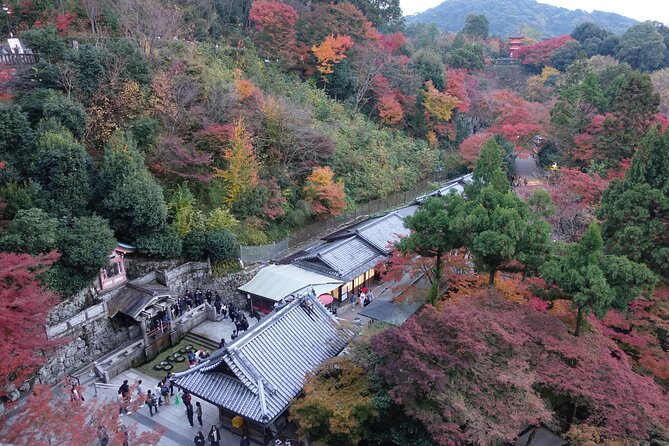
Kiyomizu-dera is an icon for a reason. The main hall area and the view points can stop you mid-sentence. What makes it extra special during a tour like this is the early rhythm. Going in the morning means you’re more likely to get that feeling of space rather than constant jostling.
Also, this site tends to work best when you’re not rushing. One hour sounds short until you’re actually there, because you’ll want time to:
- see the temple spaces up close,
- look out from the viewpoint areas,
- and take your time with the photo spots that always look different from different angles.
There’s a practical bonus too: if you’re time-tight, the tour makes it easier to hit Kiyomizu-dera and still continue onward without spiraling into transportation delays.
Keep climbing the Higashiyama slopes toward Kiyomizu-dera

A Quick Reality Check
Kiyomizu-dera is popular. Even early, it won’t be empty. But you’re far more likely to experience it in a calmer way than you would if you drifted in after the buses started arriving.
The Third Moment: Wandering Preserved Old Streets
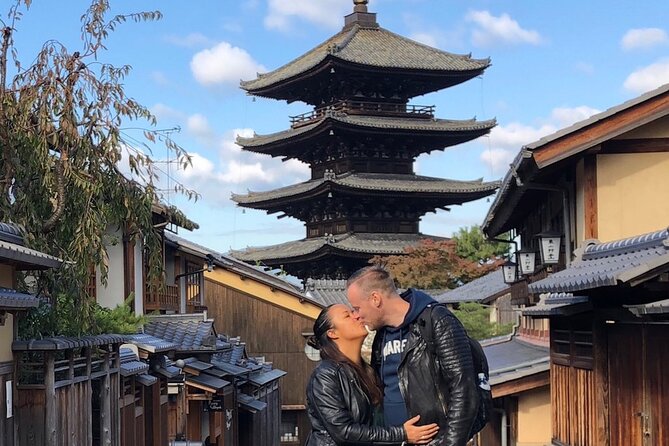
Between and after the big temple anchor points, you’ll wander the cobblestoned streets of a preserved district with quaint shops and townhouses. The exact district name isn’t spelled out here, but the vibe is the classic Kyoto preserved-street atmosphere: narrow lanes, storefronts, and historic-looking townhouses that make you feel like you’re watching the city’s past function in real time.
This stop is more than “free time.” It’s a reset. After shrine gates and a major viewpoint temple, walking through a preserved neighborhood gives you texture. It’s where Kyoto feels like a place you lived in for centuries, not just a collection of attractions.
If you’re shopping, bring small bills and keep an eye on your time. If you’re not shopping, still go slow. Window displays and old facades are part of the experience, and this is the segment where you’re allowed to move at your own pace without breaking the tour flow.
The Guide Factor: When Small Groups Actually Help
This tour caps at 12 travelers, which is meaningful. In a big bus group, questions are a noise problem. In a small group, the guide can actually answer clearly, point out what to notice, and help you move as a unit without dragging the pace.
In one strong review, the guide—Niall—was praised as being amazing and informative, with real enthusiasm for Japanese culture. You can feel the difference between someone who just reads facts and someone who understands how to bring a place to life. With a temple and shrine tour, that matters, because your payoff is interpretation as much as it is sightseeing.
There was also a less positive comment about a guide not being very helpful. I can’t control that part of your day, but I can help you manage your expectation: even the best tour can’t turn every guide-human chemistry match into a perfect match for you. What you can do is come ready with questions you truly want answered—about how shrines work, why Inari has certain symbols, or what to look for at Kiyomizu-dera viewpoints.
Price and Value: Is $98.53 Worth It?
The price is $98.53 per person, with an average booking window of 26 days in advance. So what are you paying for?
You’re not paying mainly for entry fees. Fushimi Inari is free, and while Kiyomizu-dera admission is included, the bigger cost driver here is the structure and the transportation. The tour includes taxi fares, which can quickly change the math for anyone trying to stitch Kyoto’s landmarks together efficiently.
You’re also paying for saved time. If you’d otherwise spend time figuring out transit, timing, and routes—and then possibly miss the calmer early periods—this becomes good value. The early 7:00am start is not just a cute marketing detail. It’s a strategy.
That said: if you’re comfortable taking taxis on your own and you’re happy arriving on your own schedule, you could replicate parts of this day for less money. That’s where personal travel style matters. If you want a built plan, easy logistics, and a guide to add context, the value tends to feel better. If you want maximum independence and minimum cost, you might feel like you paid for help you didn’t need.
Who This Tour Suits Best (and Who Might Skip It)
This is a strong match if you:
- want Kyoto highlights in a limited timeframe,
- dislike transport puzzle-solving,
- prefer smaller groups for easier questions,
- and enjoy early mornings when the city feels less frantic.
You might consider a different approach if you:
- love roaming freely with no schedule,
- plan to do a lot of independent temple-hopping anyway,
- or expect the tour to replace every kind of personal curiosity (guides can’t make you care about everything).
Practical Tips That Make the Day Smoother
Kyoto mornings can still feel cool depending on the season, so wear layers you can adjust. For the walking segments, wear shoes you trust. The torii-gate paths and the preserved street areas are not about sprinting.
If you’re serious about photos at Fushimi Inari, keep your camera ready as soon as you enter the gate path. The “maze” look happens when you get deeper into the sequence, not only at the first photo spot.
At Kiyomizu-dera, give yourself permission to pause. The views are the point, and you’ll remember those pauses more than the minutes you spent checking your watch.
Should You Book It?
I think you should book this tour if your priority is seeing the big Kyoto names with less stress and more time to actually enjoy what you’re looking at. The combination of a small-group pace, taxi fares included, and early timing is the winning mix for time-tight schedules.
If you’re mainly driven by saving money and you’re comfortable building your own morning route, you may feel the price is harder to justify. In that case, compare what you’d pay for taxis and admission on your own versus the value of having the plan handled.
Bottom line: this is for people who want a smooth, early, structured Kyoto morning—without turning the day into a transit workout.
More Kyoto Temples and Shrines


More Along the Higashiyama Slopes
Fushimi Inari, a Few More Ways
Just added: more Kyoto tours to browse






Fushimi Inari Shrine Tours, compared.
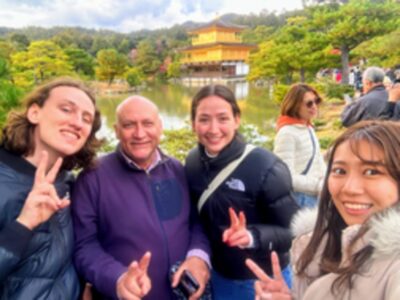 ★ 4.8Fushimi Inari, Kinkakuji, Bamboo Grove 1 Day Bus TourFrom $1224,316 reviews
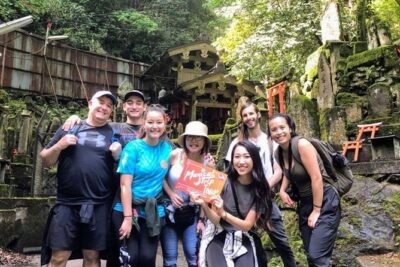 ★ 5.0Fushimi Inari Hidden Hiking Tour (Private Option Available)From $631,750 reviews
 ★ 4.7Kyoto/Osaka: Nara, Fushimi Inari Taisha, Arashiyama Bus TourFrom $521,275 reviews
 ★ 4.4Osaka/Kyoto: Arashiyama, Nara & Fushimi Inari Shrine w/LunchFrom $61754 reviews
 ★ 4.7Nijo Castle, Kiyomizu & Fushimi Inari Guided TourFrom $54700 reviews
 ★ 5.0Nijo, Kinkaku-ji, Arashiyama, Kiyomizu & Fushimi InariFrom $51699 reviews
 ★ 5.0Kyoto Fushimi-Inari Night Walking TourFrom $43320 reviews
 ★ 4.93-Hour Fushimi Inari Shrine Hidden Hiking TourFrom $72270 reviews
Browse the lists this tour appears in