
Reviewed · WORKSHOPS
Traditional Japanese Knife Sharpening Class in Kyoto
A sharp knife feels like a small power-up. This Kyoto class is a hands-on way to learn traditional Japanese sharpening, with expert guidance as you work through whetstones of different grits. I love the hands-on whetstone practice and the fact that you leave with a freshly sharpened knife you sharpen yourself. One consideration: the experience requires good weather, so you’ll want a flexible plan if Kyoto weather turns.
You also get a lesson that goes beyond technique. You cover knife history, steel types, and the theory behind sharpening, then apply it right away with your own blade under supervision. I really like that the class is small (max 6), which makes it easier to get feedback as your angle and pressure improve. The other thing I’d flag is that you’ll need to pay attention to the method—this isn’t a sit-and-watch demo.
In This Review
- Key highlights that make this class worth your time
- Where you start: MUSASHI JAPAN Sanjo and the Kamo Onsen stop
- The core skill: sharpening with whetstones (grits, angles, and control)
- Knife history and steel types, explained in class-sized chunks
- Learning the theory, then using it immediately
- The instructor experience: clear coaching and real conversation
- Taking home your sharpened knife: a souvenir with real value
- Price and value: what $97.55 buys in a 2-hour class
- Who should book this class (and who might want to skip it)
- Practical tips before you go
- Should you book it?
- FAQ
- What is the duration of the Kyoto knife sharpening class?
- How much does the experience cost?
- Where do I meet for the class?
- Is there a stop during the experience?
- How many people are in a group?
- What will I learn during the class?
- Do I sharpen my own knife?
- Can I take the knife home?
- Is it near public transportation?
- What happens if the weather is poor?
- What is the cancellation policy?
Key highlights that make this class worth your time
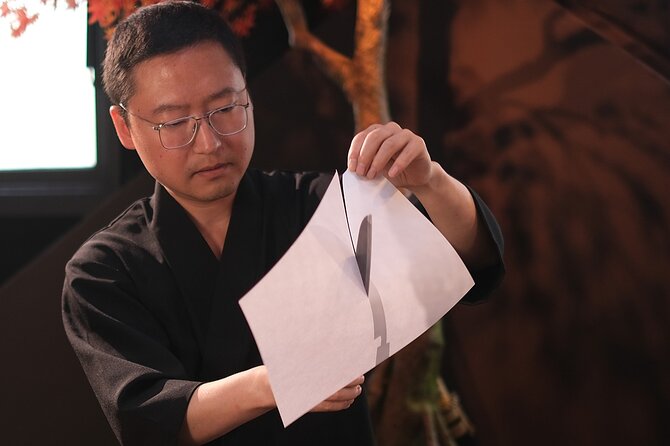
- Small group size (max 6) for real coaching, not just a quick explanation
- Whetstones of different grits so you learn how refinement changes the edge
- Knife history plus steel types so you understand what you’re sharpening
- Hands-on time with your own blade under experienced instructors
- You take home the knife you sharpen—a practical souvenir you can use
Where you start: MUSASHI JAPAN Sanjo and the Kamo Onsen stop
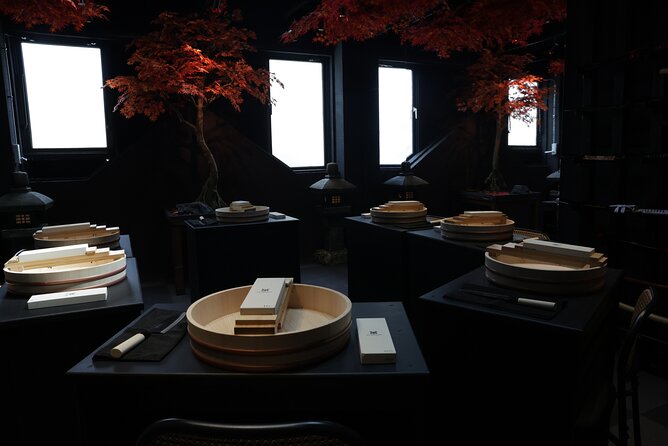
The experience starts at MUSASHI JAPAN 京都三条店 Knife ShopJapan in central Kyoto. The listed meeting point is at 604-8036 Kyoto, Nakagyo Ward, Ishibashichō, BiGBoSS, and it’s close to public transportation, so you’re not stuck hunting for a taxi.
You should plan on arriving a few minutes early to get settled and confirm you have what you need for class. Since the tour uses a mobile ticket, have that ready on your phone when you check in.
The itinerary includes a stop at Kamo Onsen. The most useful way to think about this: it’s part of the day’s flow in the neighborhood, so you should expect a short segment tied to that area rather than a single-location classroom-from-start-to-finish setup.
Other Kyoto tours and experiences to compare

The core skill: sharpening with whetstones (grits, angles, and control)
The heart of the class is learning traditional Japanese knife sharpening using whetstones of different grits. You’ll move from lesson to practice, and you’ll actually sharpen your own knife while the instructor watches your technique.
This is where the small group matters. When you’re learning something physical—like maintaining a consistent angle—fast feedback makes a big difference. With only up to six people, it’s easier to correct problems early instead of finishing the class with a technique that only sort of works.
What you’re training is control: how you guide the blade, how pressure changes during the stroke, and how the whetstone grit affects the edge you’re creating. Even if you’ve held a stone before, this kind of structured approach helps you avoid the most common mistake—thinking the edge is just about grinding metal off.
Knife history and steel types, explained in class-sized chunks
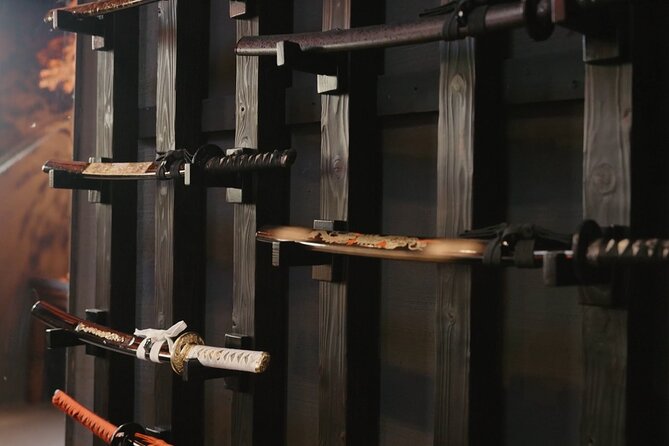
You don’t just jump straight to sharpening. The session also covers knife history and steel types, plus the theory behind sharpening techniques.
For me, this is the difference between learning a trick and learning a skill. When you understand steel types, you can make better choices about how you approach an edge, what kind of wear to expect, and why different knives behave differently. You’re also less likely to treat every blade the same way at home.
The history portion helps too, even if you don’t care about old-school culture for its own sake. It frames why whetstones, grits, and specific sharpening methods became standard tools in Japan. That context makes the hands-on practice feel less random and more intentional.
Learning the theory, then using it immediately
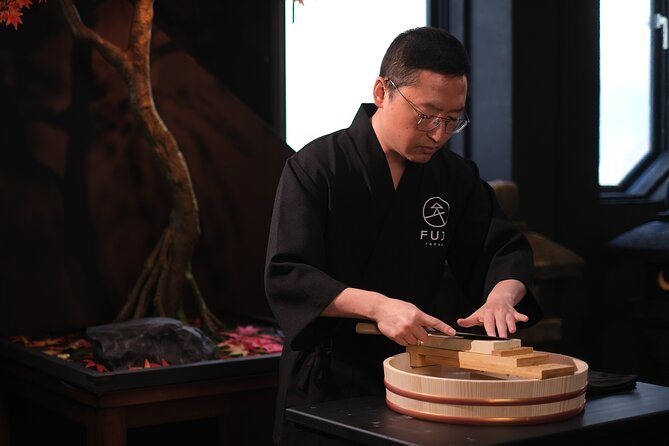
The class is built around the idea that theory should show up in your hands. After you cover sharpening theory, you use it right away while you sharpen your own blade.
This matters because knife sharpening is one of those skills where small changes create big results. If the instructor explains what to focus on—like consistent contact or how the grit level changes the finish—you get a clear target while you practice.
It also helps that you’re guided by experienced instructors rather than left with a generic how-to. In a good sharpening lesson, you’re constantly checking: Is the blade contacting the stone the way it should? Is your angle stable? Are you making progress step by step? This class is set up to make those checks part of the session.
The instructor experience: clear coaching and real conversation
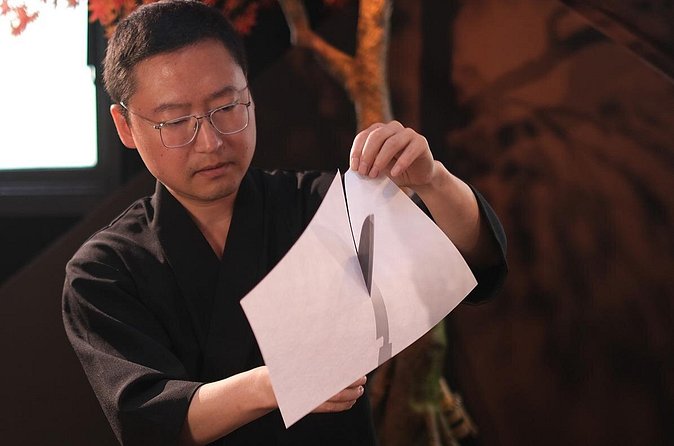
One thing that really stood out from the way the session is run is the quality of the instruction and the friendly, conversational tone. The leader of the experience, Clement, is described as phenomenal and fantastic, with a knack for chatting as you learn.
That matters more than you might think. If you’re nervous about messing up or you’re not sure what to ask, a guide who can explain things clearly and stay approachable turns the class from intimidating into enjoyable. You’re more likely to absorb the key points when the vibe is calm and you feel comfortable asking questions.
And because the group is small, you’re not just getting a lecture. You get a chance to interact and steer the learning toward what you actually want to sharpen and use.

Taking home your sharpened knife: a souvenir with real value
This class ends with the satisfaction of taking home your freshly sharpened knife. That’s a big deal, because it’s not a souvenir you’ll keep in a drawer.
Instead, you get a working tool that reflects the skills you practiced during the session. If you’re a home cook, you’ll likely notice the difference immediately when you prep food—especially if your current edge feels dull or uneven.
It’s also a satisfying way to connect with your trip. In Kyoto, where so much is about craftsmanship, taking home a knife that you sharpened yourself feels personal and practical at the same time. If you’re into kitchen gear, you’ll appreciate the logic behind the method, not just the end result.
Price and value: what $97.55 buys in a 2-hour class
At $97.55 per person, this isn’t the cheapest activity in Kyoto. But the price makes sense when you look at what’s included.
You’re getting:
- Guided instruction on whetstones and sharpening theory
- Hands-on time sharpening your own blade
- A small-group format (max 6)
- A take-home knife that’s tied directly to what you learned
- A structured session lasting about 2 hours
You’re not paying for a long sightseeing day. You’re paying for coaching time, tools and instruction, and the chance to leave with a usable upgrade. If you cook often—or if you travel with a knife you care about—this can be one of the more practical cultural workshops you can book.
Who should book this class (and who might want to skip it)
I think this is a great fit if you:
- Cook at home and want to understand how a Japanese edge is made
- Care about tools and craftsmanship, not just photos
- Like hands-on learning where you can ask questions as you practice
- Want a small-group activity that feels focused rather than rushed
You might want to skip or consider another option if you:
- Prefer purely observational experiences
- Don’t want to handle and work with a blade during a class
- Have limited patience for learning a new physical skill
The class is designed for most travelers, but the real requirement is your willingness to pay attention to technique and work carefully. Knife sharpening is about precision, and the class format supports that.
Practical tips before you go
Here’s how to set yourself up to get the most out of the time.
First, plan on wearing comfortable clothes you can move in. You’ll be working hands-on, and you’ll want to focus on stability and technique rather than fussing with your outfit.
Second, be ready with the knife you want to sharpen. Since you sharpen your own blade during the class, the best results come from bringing a knife you actually use or care about.
Third, if you’re choosing a travel day, think about weather. The experience requires good weather, and if it’s canceled due to poor weather you’ll be offered a different date or a full refund. In Kyoto, that flexibility matters.
Should you book it?
If you want a Kyoto activity that’s both cultural and useful, I’d book this. You learn sharpening theory, you practice with whetstones of different grits, and you finish with a knife you sharpened yourself. With a max group size of six, the class also feels personal enough to correct mistakes early.
I’d pass only if you’re the type of traveler who hates hands-on work or you don’t care about kitchen tools at all. For cooks, makers, and anyone who enjoys learning craft skills, this is exactly the kind of experience that turns into something you can use back home.
FAQ
What is the duration of the Kyoto knife sharpening class?
The class runs for about 2 hours.
How much does the experience cost?
It costs $97.55 per person.
Where do I meet for the class?
You meet at MUSASHI JAPAN 京都三条店 Knife ShopJapan, 604-8036 Kyoto, Nakagyo Ward, Ishibashichō, BiGBoSS.
Is there a stop during the experience?
Yes, Kamo Onsen is listed as a stop.
How many people are in a group?
The experience has a maximum of 6 travelers.
What will I learn during the class?
You’ll learn the art of traditional Japanese knife sharpening using whetstones of different grits, including knife history, steel types, and the theory behind sharpening techniques.
Do I sharpen my own knife?
Yes. The class includes sharpening your own blade under expert supervision.
Can I take the knife home?
Yes, you can take home the knife you sharpen during the session.
Is it near public transportation?
Yes, it’s near public transportation.
What happens if the weather is poor?
The experience requires good weather. If it’s canceled due to poor weather, you’ll be offered a different date or a full refund.
What is the cancellation policy?
You can cancel for free up to 24 hours in advance for a full refund.
More Workshops in Kyoto
More Tour Reviews in Kyoto
Just added: more Kyoto tours to browse





Workshops, compared.
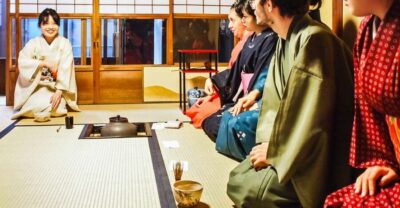 ★ 4.345-Minute Tea Ceremony Lesson ExperienceFrom $222,378 reviews
 ★ 5.0Ramen Cooking Class at Ramen Factory in KyotoFrom $1311,937 reviews
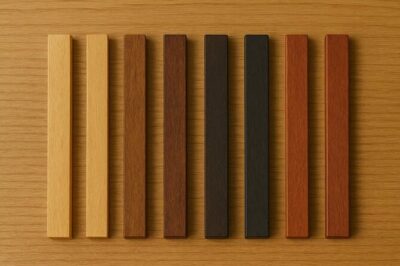 ★ 5.0Chopsticks Making Workshop in Gion with Engraving OptionFrom $15958 reviews
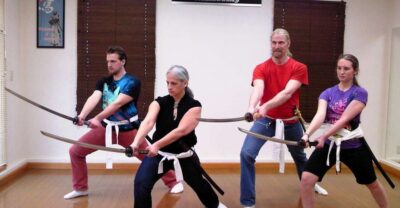 ★ 4.9Samurai Sword Class by Experts in Traditional ArtsFrom $64657 reviews
 ★ 4.9Ramen Cooking Class at a Ramen Factory with SouvenirFrom $127532 reviews
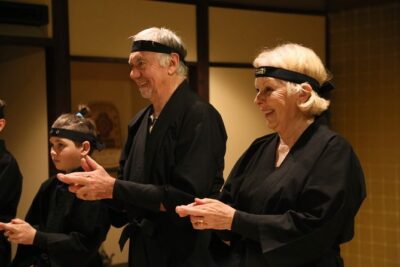 ★ 5.0Ninja 1-hour Hands-on Lesson by Japanese master in Kyoto -EntryFrom $80489 reviews
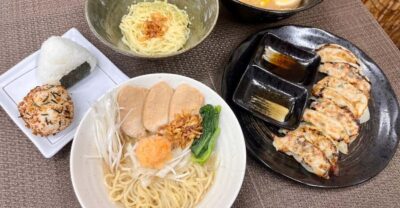 ★ 5.0Ramen, Gyoza, and Onigiri Cooking ClassFrom $90445 reviews
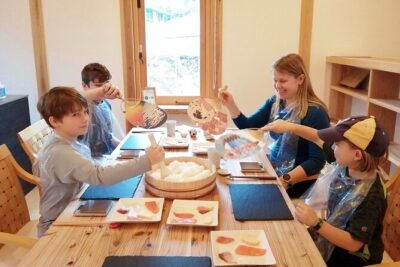 ★ 5.0The Original Small-Group Sushi Making Class in KyotoFrom $69436 reviews
Browse the lists this tour appears in