
Reviewed · KYOTO COOKING CLASSES
Sushi – Authentic Japanese Cooking Class – the best souvenir from Kyoto!
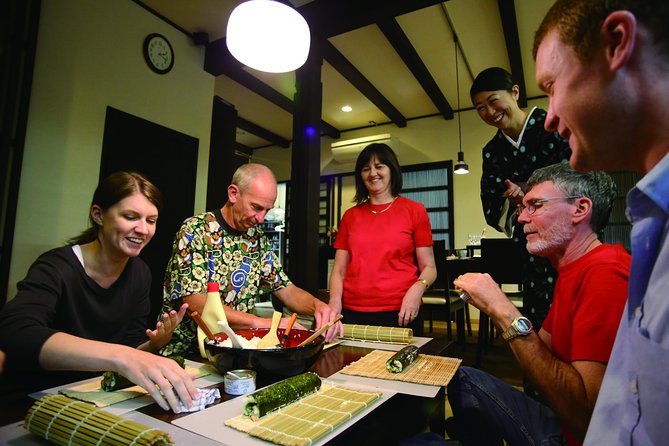
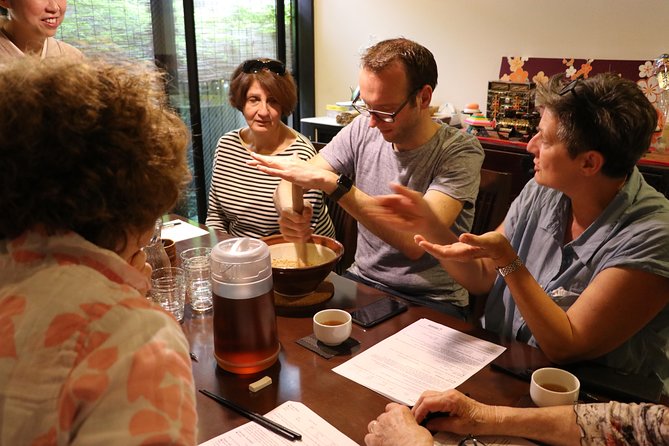
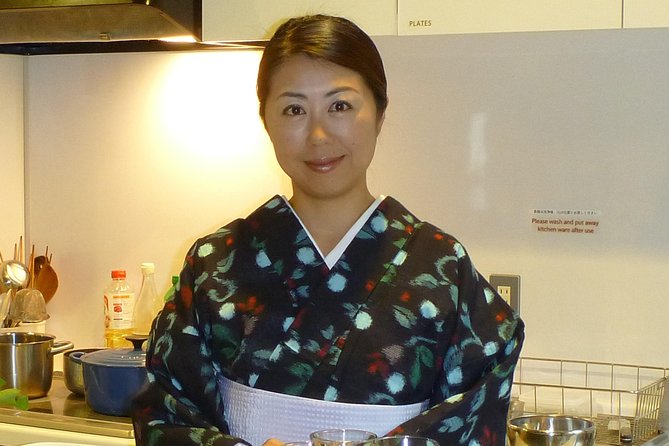
Sushi in Kyoto comes with rules, not just rolls. At Japanese Cooking Class Roujiya, Kaori turns a meal into a lesson: you learn sushi etiquette, then roll your sleeves up and make your own sushi with help in English.
I love how practical it is. You leave with a recipe guide (including steps for sushi rice, soup, and pickled ginger) and you also get real coaching on how to handle food and chopsticks like you mean it. I also love the small-group feel, which keeps things calm enough that you can ask questions while you’re working.
One possible drawback: you’ll be responsible for getting there on time. There’s no hotel pickup, and Kyoto addresses can be a little tricky for taxis and ride-hail drivers, so give yourself extra buffer and double-check the meeting point.
In This Review
- Key things to know before you go
- Where this Kyoto sushi class really shines
- The 11:30 start and the 2-hour flow
- Why sushi etiquette is part of the lesson (and not just a formality)
- Sushi rice, dashi soup, and umami: the core skills to take home
- Pickled ginger and soup: the sides that actually teach you something
- Drinks and the meal moment you’ll remember
- Price and value: is $72.67 a smart buy?
- Location in Nakagyo Ward: close to transit, but navigate carefully
- Who should book this class (and who might want something else)
- A realistic “what you’ll do” checklist
- Should you book this Kyoto sushi class?
Key things to know before you go
- Small group setting keeps the class interactive instead of rushed
- Japanese table manners are taught alongside the cooking
- Dashi and umami basics help you understand what you’re tasting
- You cook and eat multiple dishes, not just watch from the sidelines
- English instruction plus take-home recipes make it easier to recreate at home
Where this Kyoto sushi class really shines
Kyoto is great for food. Still, a lot of cooking classes stop at recipes. This one goes a step further, because sushi isn’t only ingredients and technique. It’s also timing, hand movements, chopstick rules, and the kind of quiet confidence you get from learning from someone who’s done it for years.
At Roujiya, you’re welcomed into Kaori’s home-kitchen style setup, not a loud production line. The vibe matters. When you’re standing close to your instructor and moving at your own pace, you’re more likely to remember the “why” behind each step. And that’s the real souvenir.
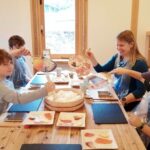
Roll up your sleeves for another Kyoto cooking class

The 11:30 start and the 2-hour flow
This class runs about 2 hours, starting at 11:30 am. That timing is helpful if you want something more substantial than a snack, but you still want your afternoon free for temples and neighborhoods.
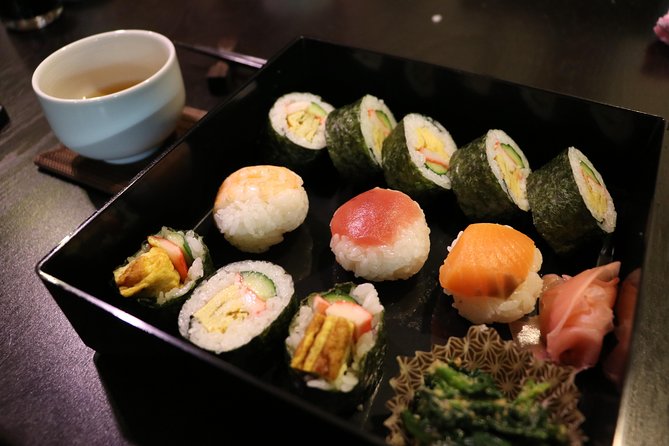
A typical flow looks like this: you start with a warm introduction to taste (soup and tea), then you move into building sushi rice and learning the basics of how sushi components come together. From there, you make and assemble multiple types of sushi, and you eat what you’ve made while Kaori explains the cultural pieces that connect everything.
Because the lesson is short, the pace is efficient. That can feel perfect if you want momentum. If you’re the type who likes to take notes slowly, just know you’ll want to pay attention early, so you don’t fall behind.
Why sushi etiquette is part of the lesson (and not just a formality)
Sushi can be surprisingly specific. You’re dealing with rice temperature, delicate fish handling, and a whole etiquette layer around how you eat it. In this class, that etiquette is treated like part of the cooking, not a separate lecture.
You’ll get guidance on Japanese table manners, including how to handle sushi and how to use chopsticks correctly for the setting. One fun cultural tidbit you might hear is the explanation of why Japanese chopsticks are shorter than Chinese ones. It’s not random trivia. It helps you understand that table manners are built around daily habits, not rules invented for tourists.
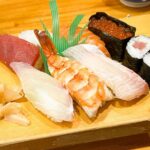
If you’ve ever eaten sushi and felt unsure whether you were doing it “right,” this class removes that anxiety. Even if you never become a sushi chef, you’ll understand what you’re seeing when the next set of nigiri lands in front of you.
Sushi rice, dashi soup, and umami: the core skills to take home
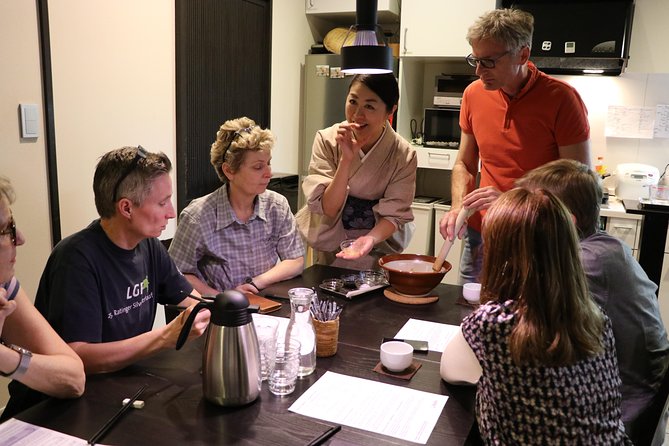
This is where the class pays off at home. A lot of people can order sushi. Fewer people can make sushi that actually tastes like sushi.
You’ll learn the foundation: how to make sushi rice properly, including why it needs a particular approach and what you do with it right after cooking. In one description from past students, the class includes the “fan the rice” idea, which makes sense if you want the rice to cool enough while still staying glossy and properly seasoned.
Then comes the taste engine: dashi. Several students mention learning how to make a simple broth using seaweed and bonito flakes. Once you understand dashi, you start to recognize umami everywhere in Japanese cooking. That matters because it changes how you season and balance flavors when you cook later.
If you want to impress at home, focus on these two pillars:
- Sushi rice texture and temperature
- Dashi/umami flavor balance
With those down, the rest of the meal feels less mysterious.
Pickled ginger and soup: the sides that actually teach you something
You don’t just get served sushi. You make the supporting cast too, including pickled ginger and Japanese soup.
Pickled ginger might seem like a filler, but it has a purpose: it resets your palate between bites so flavors don’t blur together. When you prepare it as part of the class, you understand it as a tool, not an accessory.
The soup portion also reinforces the lesson. Starting your meal with warm soup (plus green tea) helps you notice how Japanese dining often moves in stages: first comfort and flavor base, then the more delicate texture work of sushi. It’s practical dining design, not just tradition.
Other Kyoto tours and experiences to compare


Drinks and the meal moment you’ll remember
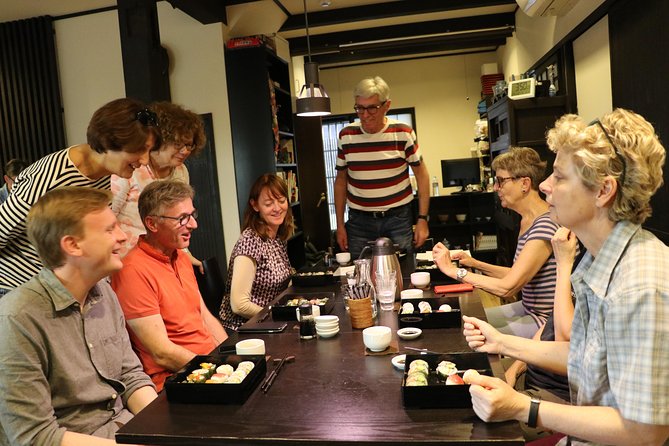
You’ll have an aperitif and Japanese green tea included as part of the experience. This is more than a nice touch. Tea supports the meal and gives you a taste framework to compare with the food you just learned to make.
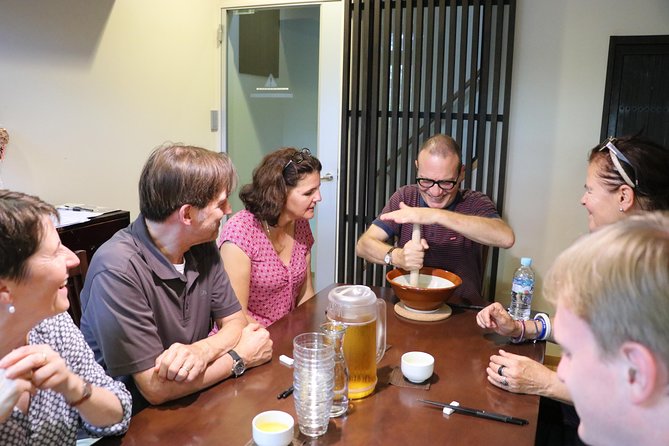
After you’ve finished cooking and eating your creations, you might also be offered additional drinks like sake or beer as an optional extra. That’s not guaranteed for every day, so think of it as a possible add-on rather than something you should plan around.
The best part is that you get to eat immediately—your sushi, your soup, your ginger. Cooking classes often end with a taste that feels like a formality. Here, the meal is the payoff, and you get enough food to feel like you actually had lunch.
Price and value: is $72.67 a smart buy?
At $72.67 per person, this isn’t the cheapest way to spend two hours in Kyoto. But it’s also not trying to be. You’re paying for:
- an English-speaking instructor
- all ingredients for the meal
- hands-on instruction (not observation time)
- the included meal
- an aperitif and Japanese green tea
- take-home recipes
The value becomes clear if you think in “what would it cost me to learn this properly?” Sushi rice, dashi components, and the right way to season and assemble all add up. More importantly, the technique transfer is the part you can’t easily buy at a market.
This class also includes the etiquette coaching that most cooking videos skip. If you’ve ever bought a cookbook, tried one roll at home, and still felt like something was missing, you’ll understand why that matters.
If your goal is to bring home an actual skill (not just photos), the price starts to make sense fast.
Location in Nakagyo Ward: close to transit, but navigate carefully
The meeting point is at Roujiya, 22-58 Nishinokyō Ikenouchichō, Nakagyo Ward, Kyoto. It’s listed as near public transportation, so you should be able to reach it without a car.
Still, Kyoto can be tricky for ride-hail drivers. The good move: plan to arrive a bit early, and treat the address pin as important. If you’re using a taxi or Uber-style pickup, don’t wait until the last minute.
Once you’re there, the kitchen setup is part of the experience. Several students highlight that the environment is clean and easy to follow, which is exactly what you want while you’re learning sticky rice skills.
Who should book this class (and who might want something else)
This class is a strong fit if you:
- love sushi and want the how behind it
- care about Japanese etiquette, not just recipes
- want an experience that feels personal and not mass-grouped
- like classes where you cook, eat, and take home instructions
It also works well for families. Past students describe kids doing well in the group and learning alongside adults. If you have dietary needs, you should message in advance—dietary requirements are specifically requested at booking.
One note: if you’re looking for a high-energy street-food crawl or a cooking class that focuses only on speed and final presentation, this may feel more “calm lesson” than “performance.” That’s not a negative. It’s just a different style.
A realistic “what you’ll do” checklist
Here’s what you can expect to walk away with, skill-wise:
- Japanese table manners you can use next time you eat sushi
- Sushi rice technique and seasoning logic
- Dashi soup know-how and the umami idea behind it
- Pickled ginger knowledge and how it fits the meal rhythm
- Take-home recipes so you can try again after you’re home
And yes, you’ll eat what you make. That’s a big deal. Learning is easier when your brain associates technique with taste.
Should you book this Kyoto sushi class?
Yes, if you want a genuine Kyoto souvenir: not a fridge magnet, but a skill. The combination of hands-on sushi making, etiquette training, and take-home recipes makes it a class you can use long after your trip ends.
Skip it only if you hate the idea of learning rules and prefer a purely casual tasting experience. Also, if you’re worried about finding the location, build in time and transport wiggle room—there’s no hotel pickup to rescue you.
If you’re in Kyoto and you like sushi, this is the kind of class that leaves you thinking about rice texture and umami weeks later, not just that you had a nice meal that day.
More Cooking Classes in Kyoto
More Tour Reviews in Kyoto


More Kyoto Cooking Classes
Just added: more Kyoto tours to browse



Kyoto Cooking Classes, compared.
 ★ 5.0Ramen Cooking Class at Ramen Factory in KyotoFrom $1311,937 reviews
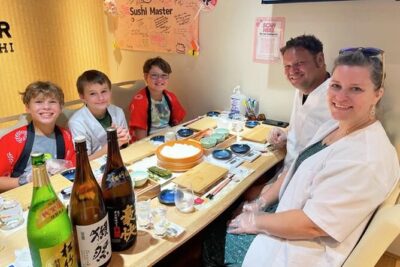 ★ 5.0Sushi Making in Kyoto! Same-day bookings welcome!From $53713 reviews
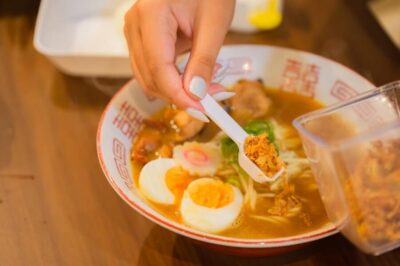 ★ 4.9Ramen Cooking Class at a Ramen Factory with SouvenirFrom $127532 reviews
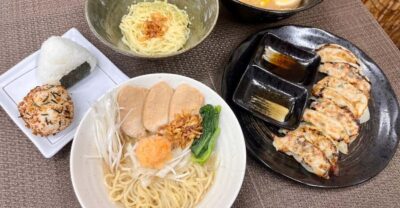 ★ 5.0Ramen, Gyoza, and Onigiri Cooking ClassFrom $90445 reviews
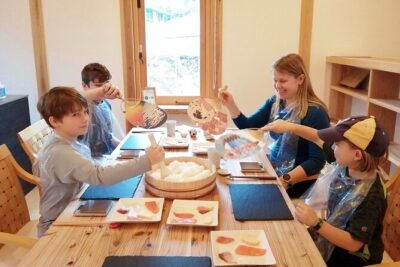 ★ 5.0The Original Small-Group Sushi Making Class in KyotoFrom $69436 reviews
 ★ 5.0Japanese Washoku Bento Small Group Cooking ClassFrom $58380 reviews
 ★ 5.0Kyoto Ramen and Gyoza Cooking Class with Professional ChefsFrom $86282 reviews
 ★ 4.9Afternoon Japanese Izakaya Cooking ClassFrom $67241 reviews
Browse the lists this tour appears in