
Reviewed · PRIVATE
SHIRAKAWA Japanese Culture Experiences with private English staff
Kyoto culture can be hands-on and calm. This Shirakawa-area experience uses Furukawacho Shopping Arcade as the backdrop, then teaches you real skills like knife sharpening, obanzai home cooking, or calligraphy with tools local artisans use every day. Two things I love right away are the chance to work one-on-one with a private English-speaking staff, and the arcade setting itself, with lantern-lit lanes that feel like everyday Kyoto. One thing to consider: you only get to book two of the three workshop options, and availability can limit the exact choices.
What makes this feel extra practical is the way it blends local life with instruction. You’ll spend about 3 hours at Furukawacho, moving between workshops inside a shopping arcade that the locals treat like their kitchen and meeting place. It’s designed for small groups (2 to 6 people), so you’re not stuck as a “number” while you try to learn something new.
In This Review
- Key highlights you’ll actually feel
- Why Furukawacho Shopping Arcade feels like Kyoto’s living kitchen
- Private English guidance and the 2-workshop format (how to choose)
- Knife sharpening at the whetstone shop: learn a skill you’ll feel every day
- Obanzai making at Kyo-gohan Nishimura: shopping the arcade like a local
- Calligraphy at the arcade: brush, ink, suzuri, and your own hanging scroll
- Price and value for about $98.53 per person
- Timing, location, and how to make it fit your Kyoto day
- Who should book this experience (and who may not love it)
- Should you book Shirakawa Japanese Culture Experiences with private English staff?
- FAQ
- What activities can I choose?
- How long is the experience?
- Will there be English support during the workshops?
- What is included in the price?
- Where does the activity start and end?
- What happens if I cancel, or if my chosen workshop isn’t available?
Key highlights you’ll actually feel
- Retro and Modern Furukawacho: a lantern-lit arcade vibe where local life happens, not a staged set.
- Two workshops, private English guidance: you get real coaching rather than vague explanations.
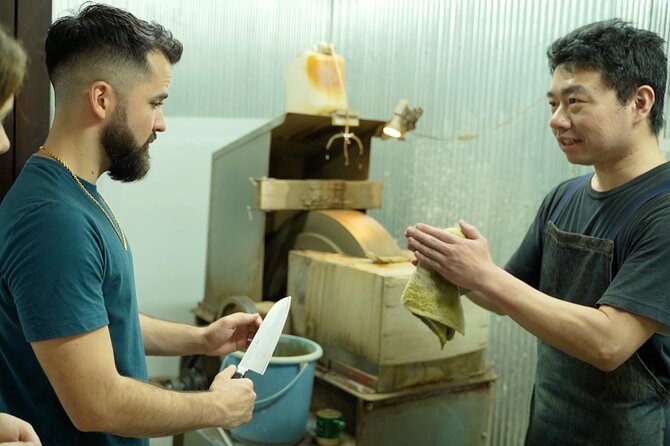
- Knife sharpening with an artisan (26 years of experience): learn whetstone technique the right way.
- Obanzai at Kyo-gohan Nishimura: shop the arcade for ingredients, then cook Kyoto home style.
- Calligraphy that ends as a hanging scroll: practice brush + ink basics and make something personal.
- Small-group format (2–6 people): easier questions, slower pace, better attention.
Why Furukawacho Shopping Arcade feels like Kyoto’s living kitchen
Most Kyoto experiences make you look outward. This one turns you inward, into the rhythm of a neighborhood arcade. Furukawacho Shopping Arcade is described as Retro and Modern, which is a nice way of saying you get old-school texture plus day-to-day energy. Lanterns hung from the arcade roof create a warm glow, and that matters more than you’d think. It sets a calmer tone for learning, not just sightseeing.
The arcade’s identity also helps you understand what you’re there for. The concept is that this place is the kitchen of locals and a base of their lives. When you’re inside, you’re not only watching culture from a distance. You’re learning in a setting that people treat as part of normal life, with shops and daily movement around you.
For me, that’s the key difference. It’s not just an activity; it’s a context. Knife sharpening, obanzai cooking, and calligraphy all fit naturally here, because these are skills and traditions that belong to everyday routines, not only museums.
Other Kyoto tours and experiences to compare

Private English guidance and the 2-workshop format (how to choose)
You’ll have an English-speaking staff member attend your group throughout the workshops. That’s a big deal if your goal is to learn, not just participate. When you can ask small questions in your own language, the lesson gets clearer fast: what the instructor wants, how to correct your grip or motion, and what to do next.
The format is also simple: you choose two experiences from the three options. Each workshop has its own length, so your day roughly lands at about 3 hours total. Because you’re picking only two, you’ll want to choose based on your comfort level and interests.
Here’s an easy way to decide:
- If you cook often or enjoy practical skills, knife sharpening is the best “use it later” choice.
- If you like food and want the Kyoto home-style meaning of obanzai, go for cooking.
- If you want a visual, creative souvenir you can keep, calligraphy is usually the most personally satisfying.
One practical note from the rules: you may not be able to take your first choice of workshop if reservations are tight. In that case, the prepaid fee will be refunded to the credit card used for payment. Also, this experience accepts groups of 2 to 6, so it’s built for intimate learning rather than large tour batches.
Transport isn’t included, and the activity ends back at the meeting point. That means you’re mostly responsible for getting there (public transport is nearby), then letting the staff handle the teaching and timing once you arrive.
Knife sharpening at the whetstone shop: learn a skill you’ll feel every day
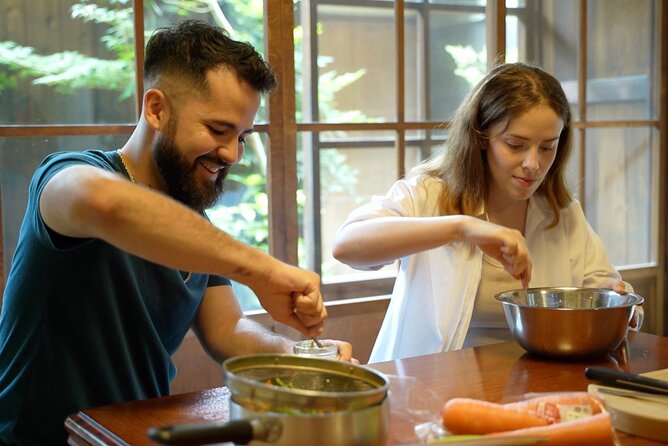
Knife sharpening sounds simple until you try it. This workshop is designed around instruction at a store specializing in sharpening cutting tools on a whetstone. You’re not just watching someone do it. You’re receiving guidance so you learn how to sharpen knives properly.
What I like here is the credibility behind it: the instruction is from an artisan with 26 years of career. That matters because whetstone sharpening is one of those skills where small details change everything—angle, pressure, consistency. An experienced artisan is likely to explain the “why,” not just the “do this.”
How the session likely feels (based on how this kind of workshop runs): you’ll get the basics first, then practice with feedback. Expect it to be hands-on and focused on technique, because that’s the only way it works. And the best part is you can carry the learning home. Even if you don’t sharpen constantly, you’ll understand what to look for when a knife feels dull or uneven.
Why this is value beyond the novelty:
- You’ll leave with knowledge you can reuse in your kitchen.
- It’s a cultural skill, but also a practical one, so it doesn’t depend on you being artsy or foodie.
- It’s a good balance if you want something traditional without committing to cooking or writing.
If you’re the type who gets frustrated with vague instructions, the private English staff helps here. You can ask what angle you should aim for or what you’re seeing on the blade, instead of guessing.
Obanzai making at Kyo-gohan Nishimura: shopping the arcade like a local
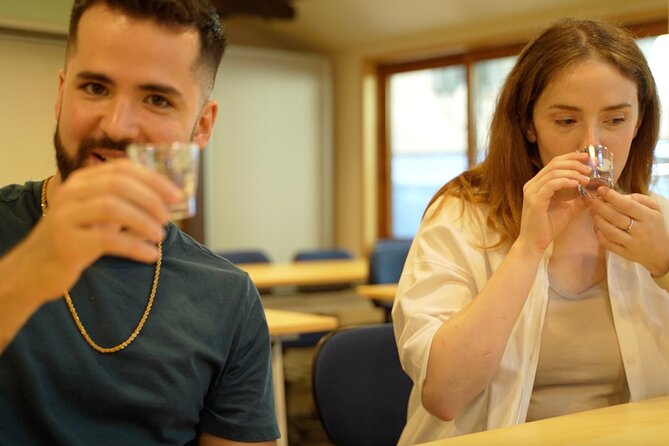
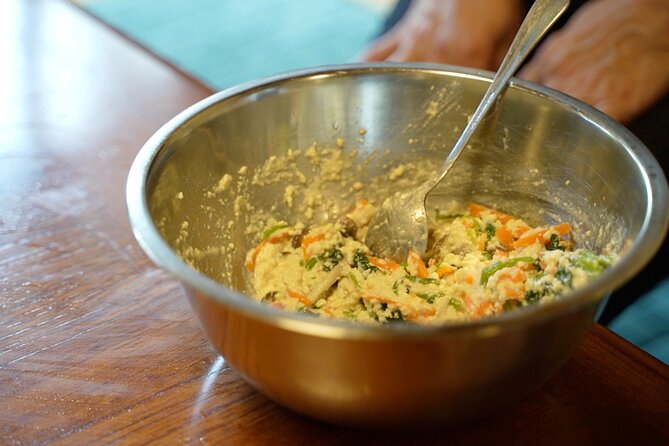
Obanzai is a Kyoto-specific word for home-cooked dishes, with recipes passed down through families. The workshop leans hard into that idea. You’ll learn to make obanzai with the chef-owner of an obanzai store at the shopping arcade, Kyo-gohan Nishimura.
What sets this up for you is that you don’t just start cooking immediately. You buy ingredients at stores within the arcade first, then cook together. That sequence matters. It turns the shopping into part of the lesson, and it also connects the food to place. When you see where ingredients come from in the neighborhood, the cooking feels more like a Kyoto routine and less like a cooking class in a hotel kitchen.
During the session, the chef-owner shares a family recipe. That’s the cultural heart of obanzai: not only what you make, but how generations think about everyday meals. Expect the lesson to focus on the recipe process and techniques you can apply, rather than fancy presentation tips.
A balanced way to think about this workshop:
- Great if you enjoy eating and want a Kyoto-specific flavor of home cooking.
- Less ideal if you’re strongly time-limited or prefer dry, non-messy activities. Cooking is cooking, and you’ll be hands-on.
Also, because your price covers two workshops, choosing obanzai as one of your picks can be the most “memorable meal” option, especially if you’ve already done temple-heavy days and want something that tastes like the city you came for.
Calligraphy at the arcade: brush, ink, suzuri, and your own hanging scroll
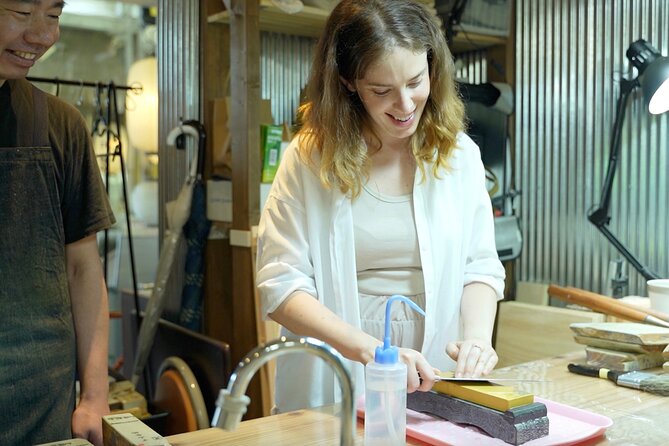
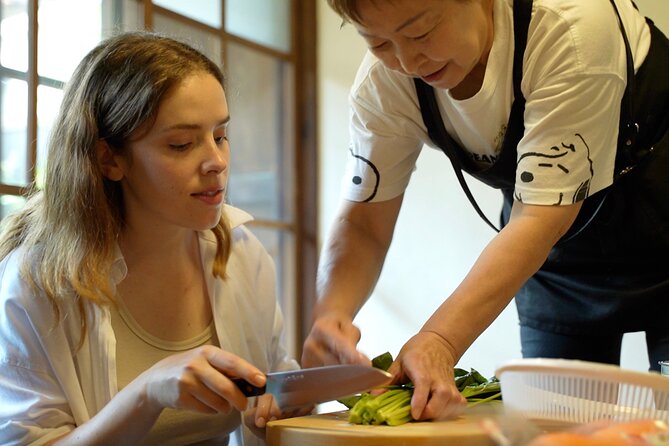
Calligraphy is one of those activities where results can feel magical even when the basics are simple. In this lesson, you learn the shape of kanji and how to use the tools: brush, ink, and suzuri (inkstone). Then you actually try writing by brush so you can produce something you’ll be proud to take home.
This workshop also supports personalization. You can ask the instructor how to write kanji for your name, then you complete a hanging scroll with your own writing. That’s not just a craft souvenir. It’s a learning moment you can reference later, like a small piece of the lesson that stays with you.
A few practical reasons this works well:
- You’ll learn tool use, not only letter copying. Knowing how the ink and brush behave helps your handwriting look better.
- The structure gives you progression: basics first, then a real finished object.
- The private English staff makes instructions easier to follow, especially for questions about writing your own name.
Potential drawback: calligraphy can be deceptively detailed. If you go in expecting a quick try-and-leave, you might feel you want more time. But you are paying for a lesson designed to produce a real result, which is exactly what makes it satisfying.
If you’re choosing between calligraphy and cooking, consider your energy. After a day walking Kyoto, calligraphy can be a calmer reset. If you’re craving food, obanzai is your choice. If you want a skill for daily life, knife sharpening is hard to beat.



Price and value for about $98.53 per person
At $98.53 per person for roughly 3 hours, the price is really about three things: the private English-speaking support, the small-group format, and two hands-on workshops in a neighborhood setting.
You’re not just buying an entry ticket. You’re paying for instruction and time at a real local arcade where each workshop has its own specialist setup:
- knife sharpening at a whetstone-focused store,
- obanzai cooking with ingredients gathered from the arcade itself,
- calligraphy with traditional tools and a finished hanging scroll.
That’s why the “value” part isn’t only the number. If you tried to recreate this on your own, you’d spend time finding classes, matching language support, and tracking where to go. Here, the experience is bundled: you arrive, the staff supports you throughout, and the arc of the day is handled.
One more value point: small groups (2 to 6) mean more chances to ask questions. That’s where private formats often earn their cost. If you’ve ever been in a group tour where the guide speaks but you still don’t understand the key step, you’ll feel the difference here.
The main consideration for value is flexibility. You can choose two activities, but workshop availability can affect which ones you get. And if your plans change completely, the experience is non-refundable and cannot be changed for any reason. So this is a good booking when your Kyoto dates are firm.
Timing, location, and how to make it fit your Kyoto day
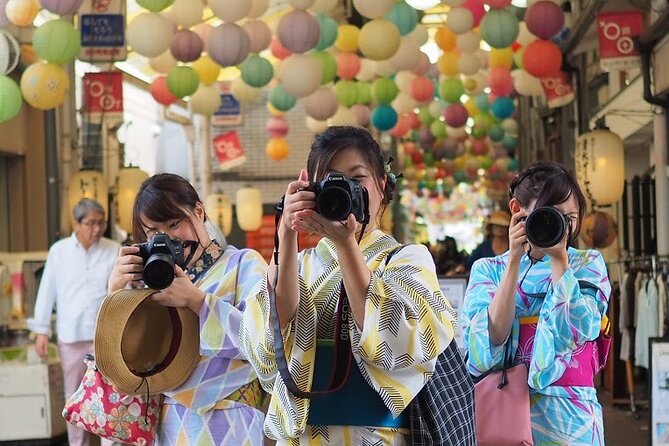
This experience is based in the Shirakawa area of Kyoto, at Furukawachō in Higashiyama Ward. Your start point is listed as 古川趣蔵 (Furukawashuzo) / 白川まちづくり会社 546-1, and the activity ends back at the meeting point.
It’s near public transportation, which makes it easier to plug into your itinerary without needing a private car. It’s also a mobile ticket experience, which is usually convenient compared with paper-only vouchers.
For planning your day: treat this like a main-event activity rather than an add-on. Between the two workshops and the time needed to switch between stations, you’ll want to avoid stacking it right between two long, crowded sightseeing stops. The experience is designed for learning, not constant moving.
Who should book this experience (and who may not love it)
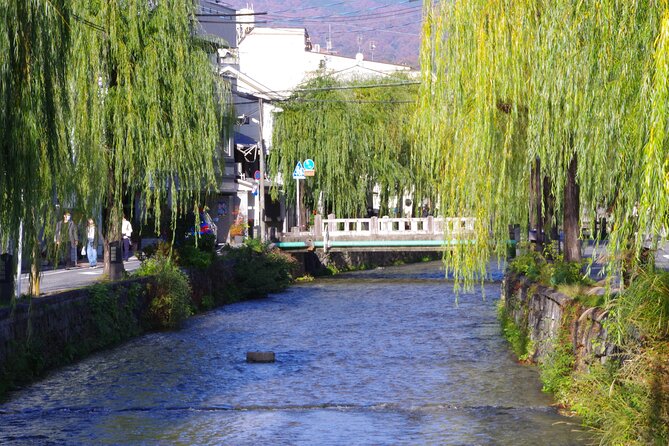
This is especially a good fit if you want Kyoto culture that isn’t only temples and streetscapes. You’ll likely enjoy it if you:
- want hands-on skills (sharpening, cooking, or writing),
- prefer small groups with English support,
- like the feeling of being in a neighborhood space rather than a high-traffic tourist zone.
You might skip it if:
- your heart is set on seeing a specific list of major sights during the same window and you need a fast, low-commitment stop,
- you dislike any chance of workshop swapping due to reservation availability,
- your schedule is so tight that committing to a firm time feels risky (because non-refundable rules apply).
Should you book Shirakawa Japanese Culture Experiences with private English staff?
If you want Kyoto in a way that changes how you cook, write, or handle a knife, this is an easy yes. The big strength is the combination of private English-speaking instruction and two different crafts in a real local arcade setting. It’s the kind of experience that adds depth to your trip, especially if you’ve already done the classic highlights and you’re looking for something more personal.
Book it if your dates are solid and you’re excited about learning one of these practical skills, not just taking photos. Skip or reconsider if you need total flexibility or you only want a quick cultural taste without committing to two workshops in a set schedule.
FAQ
What activities can I choose?
You can choose two experiences from knife sharpening, obanzai making, and a calligraphy experience.
How long is the experience?
It runs for about 3 hours.
Will there be English support during the workshops?
Yes. An English-speaking staff member attends your group during the workshops.
What is included in the price?
The experience includes two workshops and a private English-speaking staff.
Where does the activity start and end?
It starts at 古川趣蔵 (Furukawashuzo) / 白川まちづくり会社 546-1 in Furukawachō, Higashiyama Ward, Kyoto, and ends back at the meeting point.
What happens if I cancel, or if my chosen workshop isn’t available?
The experience is non-refundable and cannot be changed for any reason. If you cannot participate in the workshop of your choice due to reservation availability, the prepaid fee will be refunded to the credit card used for payment.
More Private in Kyoto

More Tour Reviews in Kyoto
Just added: more Kyoto tours to browse








Private, compared.
 ★ 5.0Fushimi Inari Hidden Hiking Tour (Private Option Available)From $631,750 reviews
 ★ 5.0Private Kyoto Tour with a Local, Highlights & Hidden Gems, PersonalisedFrom $1021,543 reviews
 ★ 5.0Kyoto 6hr Private Tour with Government-Licensed GuideFrom $1551,369 reviews
 ★ 5.010 Must-see Spots in Kyoto One Day Private Tour (up to 7 people)From $1791,108 reviews
 ★ 5.0Kyoto 4hr Private Tour with Government-Licensed GuideFrom $109629 reviews
 ★ 4.8Private Tour with Local Licensed GuideFrom $106463 reviews
 ★ 5.0Private Kyoto Tour with Licensed Guide & Vehicle (Max 15 persons)From $634417 reviews
 ★ 4.8Private Customized Walking Tour with a Local InsiderFrom $64383 reviews