
Reviewed · KYOTO CRAFT & CALLIGRAPHY WORKSHOPS
Shamisen Discovery in Kyoto 【Group】
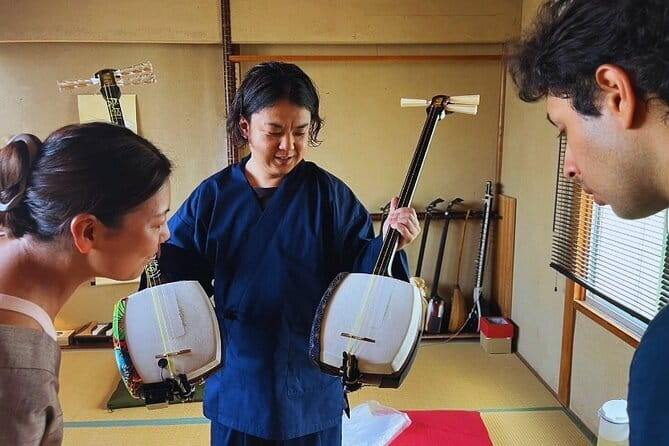
This Kyoto class turns a traditional instrument into something you can actually play. In one hour at Shamisen Dojo, you get hands-on instruction plus a photo session with your instrument.
What I like most: the class is small (max 5) so Jack can correct your grip, and the lesson is structured so you’re playing quickly, not just watching. One heads-up: it’s only about an hour, so it’s not a full mastery course.
You’ll start with the basics of shamisen—types, history, and technique—then move into holding the instrument, using the bachi (the playing pick), and learning a first scale. After that, you get time to practice on your own and then join a guided jam session with instructor accompaniment.
In This Review
- Key Highlights You’ll Remember From This Kyoto Shamisen Class
- First Hour, Big Payoff: Why This Lesson Fits Kyoto So Well
- Meeting Point and Getting Settled: What Happens Before You Play
- Your Shamisen Rental and Photo Session: A Small Detail With Real Value
- Learning Technique the Right Way: Grip, Bachi Control, and Basic Form
- The History Comes First, Then the Hands-On Part
- One Scale and Free Play Time: Turning Instructions Into Muscle Memory
- The Guided Jam Session: Making Melodies With Instructor Support
- Who This Shamisen Class Is Best For
- Price and Value: What $65.89 Really Covers
- Planning Your Kyoto Day Around This One-Hour Lesson
- Should You Book Shamisen Discovery in Kyoto (Group)?
- FAQ
- How long is the Shamisen Discovery in Kyoto group class?
- What is the group size?
- Do I need to bring a shamisen?
- Is a photo session included?
- Is coffee or tea included?
- Is there a left-handed option?
- Is the location easy to reach?
- What can I expect to learn during the hour?
- What is the cancellation policy?
Key Highlights You’ll Remember From This Kyoto Shamisen Class
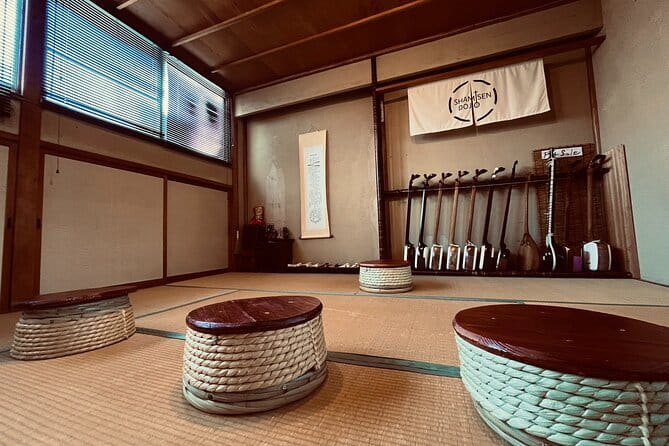
- Max 5-person group so you’re not stuck waiting for help
- Rental shamisen included, plus a choice of the instrument you hold for photos
- Photo session while you play, with Jack taking pictures of you
- Beginner-friendly structure: basics, techniques, one scale, then free playing
- Guided jam session where you can create melodies with accompaniment
- Left-handed shamisen available for lefties who don’t want to adapt awkwardly
First Hour, Big Payoff: Why This Lesson Fits Kyoto So Well
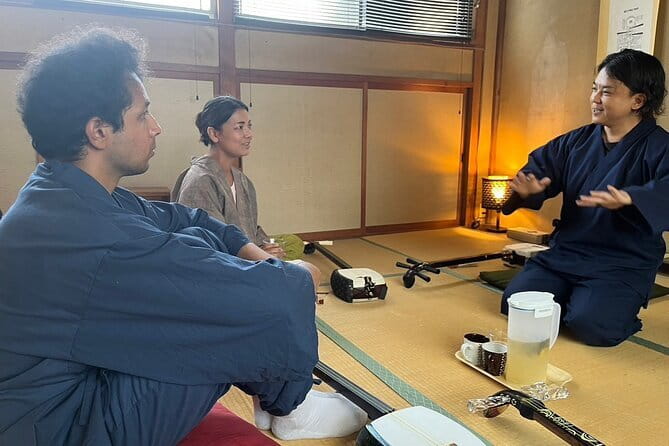
Kyoto is full of temples, lines, and time slots. This experience is different because it gives you a skill in a short window, and it feels personal the whole way through. You’re in a small group, working directly with the instructor rather than just receiving information.
The setup makes sense for most people. You don’t need prior musical training. The course starts with basics (history and instrument information), moves to technique (how to hold the shamisen and play with the bachi), then gives you a defined starting point (one shamisen scale) before you’re allowed to experiment.
And yes, the price is not low, but you’re paying for a true lesson format: instructor time, instrument rental, guided practice time, and a jam session. That combo is harder to find in Kyoto than you’d think.
Make something by hand in a Kyoto workshop
Meeting Point and Getting Settled: What Happens Before You Play
The activity starts at Murasakino Nakakashiwanocho, Kita Ward, Kyoto, 603-8312, Japan. It’s near public transportation, which matters because you don’t want to burn your day on a long transfer just to reach a one-hour class.
From there, you’ll stay in the same area for the duration and it ends back at the meeting point. That simplicity is one of the practical wins of this tour: you can slot it into a day that already includes major sights without worrying about a complicated route.
Once you arrive, you’ll get your rental shamisen. The included rental detail is more important than it sounds. If you’ve traveled with no instruments, you avoid extra baggage and you get an instrument already set up for the lesson.
Your Shamisen Rental and Photo Session: A Small Detail With Real Value
A lot of cultural classes end with a handshake and a memory in your head. Here, they build in a photo session where you hold the shamisen you like and Jack takes the pictures while you play.
That’s useful for two reasons. First, shamisen is physical. The way you hold the neck and angle the body is part of the story. Second, you’ll likely forget the exact look of your own first-hand setup later, and photos help you recreate your posture when you practice at home.
The photo element also keeps the mood from becoming overly instructional. You’re still learning, but you’re seeing progress quickly—because you’re capturing the moment when you’re finally producing sound.
Learning Technique the Right Way: Grip, Bachi Control, and Basic Form
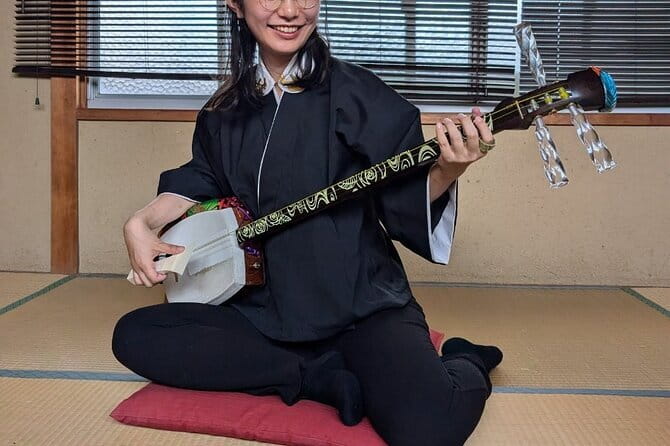
This is where the small group size really matters. With a maximum of 5 travelers, Jack can check what your hands are doing. For a string instrument, tiny issues in posture can lead to weak sound or frustration—especially in the first five minutes.
The lesson covers:
- Basic information about the shamisen, including types and history
- How to hold the instrument properly
- How to use the bachi
- Introduction to one shamisen scale
- A hands-on time to play and experiment
Even if you’ve played other instruments before, shamisen has its own feel. You’ll get guidance on form, and the goal is not perfection. The goal is getting you to a point where you can make the sound on purpose and not just by accident.
One extra plus from the experience design: the course includes a break for hydration—coffee and/or tea (including green tea). It’s a small thing, but it helps you stay relaxed during technique coaching, especially if you’re visiting Kyoto in warmer months or after walking.
The History Comes First, Then the Hands-On Part
The course doesn’t jump straight to music. You get an introduction to basic shamisen information—types and history—before you’re expected to play. That timing helps because it gives meaning to what you’re doing.
Jack also focuses on how the instrument fits into Japanese music. The overview mentions learning through the five signature sounds of Japan, and the structure supports a quick path from concept to practice. You’ll hear or understand the idea, then you’ll try it.
If you like context, this part feels grounded. If you don’t, the important thing is that the information doesn’t become a lecture marathon. It stays connected to what you’re about to attempt.






One Scale and Free Play Time: Turning Instructions Into Muscle Memory
After you learn some technique, you’re introduced to one shamisen scale. That might sound small, but it’s the smart way to start. A single scale gives you:
- a repeating pattern to build confidence
- something you can reference during practice
- a baseline for the later jam session
Then comes free time to play. This is where you stop thinking so much and start listening. You’re allowed to try variations, adjust your bachi angle, and see what changes the sound.
That free practice time is also why this course works for beginners. You don’t just get one lesson demonstration and then pack up. You get a chunk of time to translate instruction into personal control.
If you’re traveling with a friend, this is a great moment to compare what you’re hearing. Bringing someone along is encouraged in the experience description, and I agree with that logic: music classes feel better when you can laugh at the awkward first attempts and celebrate the first solid sounds together.
The Guided Jam Session: Making Melodies With Instructor Support
The final stretch is a jam session where the instructor provides accompaniment. Participants can freely create melodies while Jack plays along.
This is the part many people remember most because it turns learning into performance. Instead of chasing a perfect end result, you’re exploring sound in real time—supported by a professional who keeps the music moving.
It’s also a confidence builder. Once you’re accompanied, you can stop worrying as much about whether you’re doing everything right. The accompaniment helps you find your place, and the structure gives you permission to experiment.
From the feedback pattern, Jack is hands-on and adapts to the group’s understanding as the lesson progresses. That matters in a one-hour class. It’s the difference between leaving frustrated and leaving with the sense that you actually got somewhere.
Who This Shamisen Class Is Best For
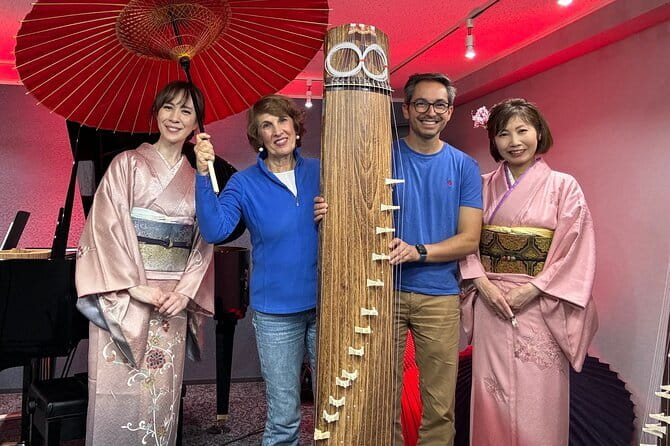
This experience is designed for beginners, and most people can participate. I’d especially recommend it if you fit one of these profiles:
- You want a Kyoto activity that’s not another crowded temple photo stop
- You like hands-on classes with a real instructor, not just a talk
- You’re traveling with a partner or family member and want an activity you can share
- You’ve played music before and want something distinctly Japanese
- You’re left-handed and want a tailored instrument option (a lefty shamisen is available)
It’s also a good choice if you’re short on time. One hour is not long enough to master a new instrument, but it’s plenty of time to learn the key basics and walk away with a playable starting point.
Price and Value: What $65.89 Really Covers
At $65.89 per person for about 60 minutes, the headline price is only part of the story. The value comes from what’s included:
- Rental shamisen
- A photo session with you holding and playing the instrument you choose
- Instruction covering history basics and technique
- Coffee and/or tea (including green tea)
- A jam session with instructor accompaniment
- Small-group attention (max 5)
In other words, you’re not paying for a general overview. You’re paying for instrument access, instructor coaching time, and a guided way to make music by the end.
The lesson also includes mobile ticket delivery and is confirmed at booking. And since it’s near public transportation with a single meeting point, you’ll likely spend more time learning and less time navigating.
Planning Your Kyoto Day Around This One-Hour Lesson
Because the class is only about an hour and returns to the same meeting point, it’s easy to slot between bigger activities. If you’re trying to build a day around iconic Kyoto sights, this is one of those experiences that can act like a reset. Temples are impressive, but your brain often needs a hands-on activity to balance the day.
A couple of practical planning tips:
- Wear shoes you can stand in comfortably for technique adjustments.
- Plan your day so you’re not rushing right after a long walk; the tea/coffee break helps, but you still want to arrive ready to focus.
- If you’re bringing friends, agree on who takes photos before the class starts. Jack handles the main photo moment, but you’ll still want your own angles too.
Also, the class is booked fairly ahead on average (around 25 days in advance). If you’re traveling during peak seasons or you have a tight schedule, it’s smart to lock in your time early.
Should You Book Shamisen Discovery in Kyoto (Group)?
I’d book this if you want something authentic that’s active, personal, and fast. The combination of small-group coaching, rental instrument access, and a real jam session is what makes it feel worth it, even in a city full of impressive cultural options.
You might skip it if you’re looking for a long, deep study of shamisen technique or a performance-only experience. This is a first step, not a full conservatory track.
But for most people—especially beginners—this class is a strong bet: you’ll learn the basics, make sound quickly, take home photos, and leave with the feeling that you actually joined the music, not just watched it.
FAQ
How long is the Shamisen Discovery in Kyoto group class?
The class is about 1 hour.
What is the group size?
The experience has a maximum of 5 travelers.
Do I need to bring a shamisen?
No. A rental shamisen is included.
Is a photo session included?
Yes. The course includes a photo session with the shamisen you like, and the instructor can take photos of you playing.
Is coffee or tea included?
Yes. Coffee and/or tea is included, including green tea.
Is there a left-handed option?
Yes. A lefty shamisen is available for left-handed players.
Is the location easy to reach?
It’s near public transportation, and the activity starts at a specific meeting point in Kita Ward and ends back there.
What can I expect to learn during the hour?
You’ll get basic information about shamisen (types and history), a lesson on basic playing techniques, an introduction to one shamisen scale, free time to play, and a guided jam session.
What is the cancellation policy?
Free cancellation is available up to 24 hours in advance for a full refund. If you cancel less than 24 hours before the start time, the amount paid is not refunded.
More Tour Reviews in Kyoto
More Kyoto Workshops to Try

Just added: more Kyoto tours to browse








Kyoto Craft & Calligraphy Workshops, compared.
 ★ 5.0Chopsticks Making Workshop in Gion with Engraving OptionFrom $15958 reviews
 ★ 4.8Authentic knife making experience at a blacksmith in KyotoFrom $154350 reviews
 ★ 5.01-Hour Japanese Archery Experience in KyotoFrom $46176 reviews
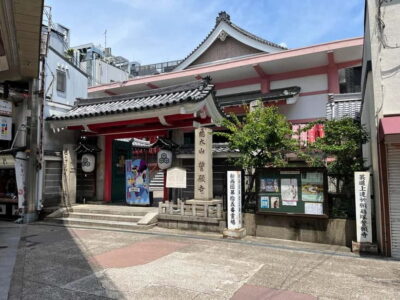 ★ 5.0Calligraphy class at Buddhist temple in city centerFrom $55167 reviews
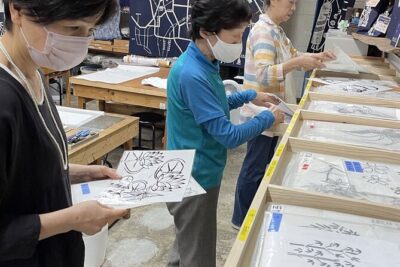 ★ 5.0Roketsu dyeing experience: M course Roketsu Dyeing ExperienceFrom $25163 reviews
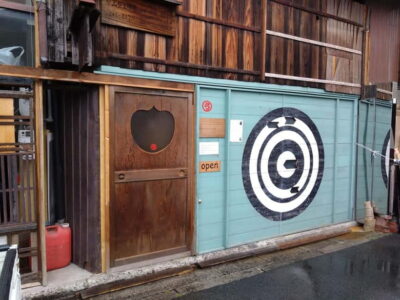 ★ 4.9Japanese Archery Workshop with Experienced InstructorFrom $38132 reviews
 ★ 4.8Japanese Calligraphy ClassFrom $5189 reviews
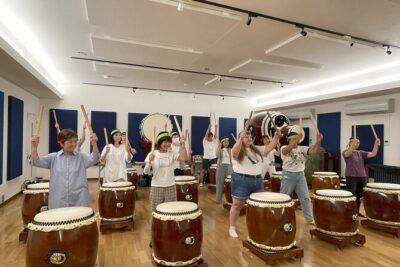 ★ 5.0TAIKO, Japanese Drum Experience from KyotoFrom $11586 reviews
Browse the lists this tour appears in