
Reviewed · PRIVATE
Scenic Green Tea Fields of Hidden Kyoto & Local Tea Exp (Private)
A day in Kyoto that smells like matcha. This private tour heads out into Wazuka’s tea country to see green tea fields that look almost unreal, then pair the scenery with tastings and temple time.
Two things I really like: you get real tea culture (not just tea shop browsing), and the guide’s stories connect the countryside to Japan’s history in a way that actually sticks. A quick consideration: two major temple stops have extra admission fees, and there are short walks plus stairs.
You’ll also appreciate the logistics. Pickup and drop-off are pinpoint, and the ride is comfortable whether you’re in a Nissan van (up to 6) or a one-seat Mini Cooper convertible for solo travelers. One more thing to know: your own coffee/tea isn’t included at the cafe, so budget a little if you want to linger with extra sips.
In This Review
- Key Highlights You’ll Care About
- Why This Private Kyoto Tea Tour Feels Different
- Price and What You’re Really Paying For
- The Ride: Comfortable Van or Mini Cooper for One
- Stop 1: Byodoin Phoenix Hall and the Pure Land Story
- Stop 2: Wazuka-cha Cafe for Tea Tasting You Can Taste
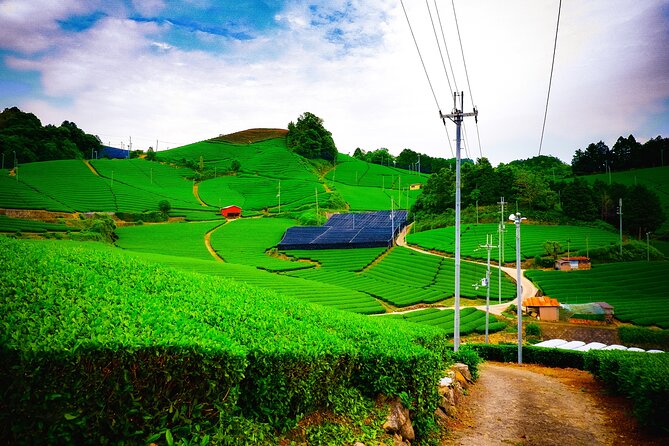
- Stop 3: Ishitera Tea Plantation and the Tall Green Photo Moment
- Stop 4: Ujitawara-cho Tea Production Area and a Walk-Photo Pause
- Stop 5: Shoju-in Temple and the Love-Heart Window
- Tea Culture Stories That Actually Make the Day Click
- Tea Shopping Without Getting Ripped Off
- Timing, Walking, and Who This Tour Fits Best
- Practical Tips to Get the Most Out of the Day
- Should You Book This Hidden Kyoto Tea Country Tour?
- FAQ
- What is the duration of the Scenic Green Tea Fields of Hidden Kyoto & Local Tea Exp (Private)?
- Where does the tour take place?
- How much does the tour cost?
- Is pickup offered?
- Is the tour private?
- What is included in the tour price?
- Which admissions are not included?
- Are coffee or additional tea included?
- Is the tour difficult?
- Is there a set start time?
Key Highlights You’ll Care About
- Wazuka-area tea tastings at local farmer-supplied cafes, with matcha desserts on the menu
- Byodoin Phoenix Hall time, a famed Pure Land temple tied to the Japanese 10-yen coin
- Photo-stop tea plantations with tall views of neatly planted evergreen rows
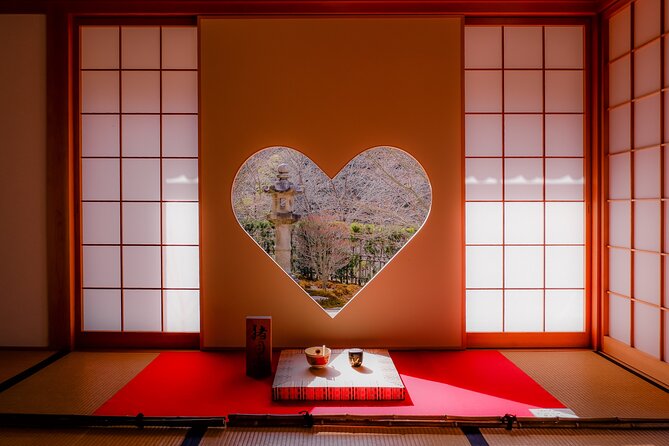
- Shoju-in Temple in the countryside, including the famous love-heart window in the tea room
- Private guide + flexible ride: van for groups, or a Mini Cooper convertible for solo travelers
- Tea shopping value: premium tea often costs about 1/2 to 1/3 of what you’d see in the city
Why This Private Kyoto Tea Tour Feels Different
Most Kyoto days run on dense schedules: temples, crowds, repeat. This one changes the tempo. You leave the city energy and head into Wazuka and nearby production areas where the views are tall, quiet, and built around tea—rows stretching across hills like a living grid.
What makes it satisfying is the combination of three layers. First, you get the scenery people post online, including the famous “green tea fields reaching to the sky” feeling. Second, you taste tea in the place where it’s actually grown and processed. Third, your guide ties those flavors to tea culture: monks, samurai, and even ninja-era connections show up as you move through the day.
The result is a tour that feels like more than a drive plus photos. You leave with a better sense of why matcha is valued, how it’s tied to Japanese life, and what to look for when you shop.
Other Kyoto tours and experiences to compare


Price and What You’re Really Paying For
The tour is listed at $250.38 per group (up to 6), running about 5.5 hours. The math matters because it’s a private experience. With a full group, the per-person cost drops quickly; even with fewer people, you’re paying for comfort, pickup, and a guide who’s focused on your schedule rather than a big bus rhythm.
Also, the price is mostly for transportation and guided time, not for major admissions. You’ll pay extra for Byodoin (¥600) and Shoju-in (¥1,000) per person. Plan on that, and you’ll feel better about the total.
One more value point: the tour explicitly sets you up for tea buying at better pricing than the city. If you were already thinking of picking up Uji or matcha for home, this tour can turn that plan into something more cost-effective—especially if you want multiple types (not just one souvenir tin).
The Ride: Comfortable Van or Mini Cooper for One
You start with the easiest part: pickup. You get pinpoint pick-up and drop-off, and the tour info notes that different start and goal locations can be set. That flexibility is helpful in Kyoto, where getting across town can eat up time.
If you’re traveling with a group (2–6), you’ll ride in an air-conditioned Nissan van. If you’re solo, you may go in an open-air Mini Cooper convertible. Even if you’re not the type to care about vehicles, it changes the feel of the day. The countryside roads and cedar-lined stretches are part of the experience here, and an open-top ride lets you actually notice the drive, not just tolerate it.
Stop 1: Byodoin Phoenix Hall and the Pure Land Story

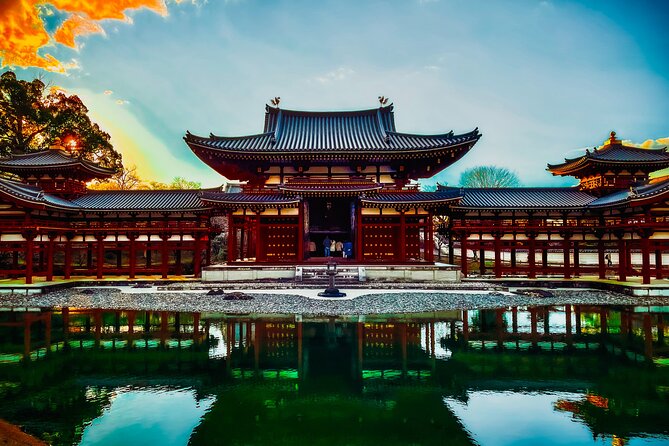
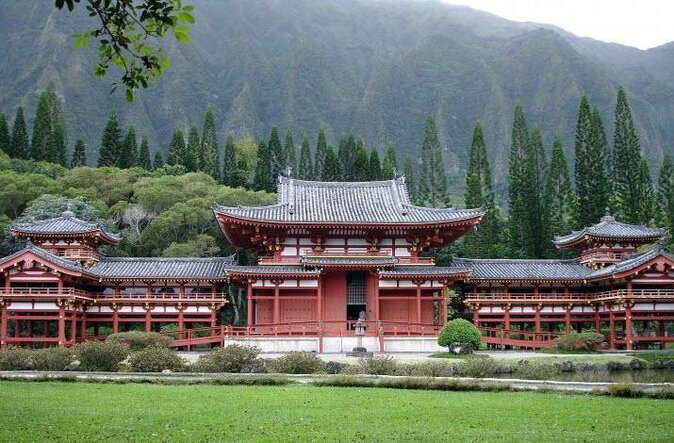
Your first big cultural stop is Byodoin Temple and its Phoenix Hall (Byodoin Phoenix Hall). This is one of the most beautiful temple interiors in Japan and one of the easiest places to see why it’s a national icon: it even shows up on the Japanese 10-yen coin.
You’re there long enough to slow down and look. What I like about starting here is that it gives your day a historical anchor before you move into tea country. The temple connects to the idea of the Buddhist Pure Land, a paradise-like vision tied to devotion. You’ll also get context on how people shaped cultural life over centuries, including how tea culture connects to religious practice and social life.
Practical note: the temple admission isn’t included (¥600). Also, you should expect some short walking and steps since the day is never purely “sit and look.”
Stop 2: Wazuka-cha Cafe for Tea Tasting You Can Taste
Next comes the part most people came for: tea. At the Wazuka-cha Cafe, you taste tea and matcha in a setting that focuses on the local production area.
A key detail here: the tour positions Wazuka tea as purer and more authentic than even the already-famous Uji tea. You’ll hear the difference described in terms of quality and character, and you’ll have the chance to put that idea into your mouth—then decide what you actually like.
This stop also covers matcha desserts. That matters because matcha isn’t only a drink here; you’ll learn how it shows up in sweets, how sweetness and bitterness balance, and what “good” feels like beyond the initial flavor hit.
What’s not included: if you want extra coffee or tea beyond the tasting, your own order isn’t covered. So if you’re a heavy tea drinker, bring a little extra cash and don’t assume everything is included.

Stop 3: Ishitera Tea Plantation and the Tall Green Photo Moment
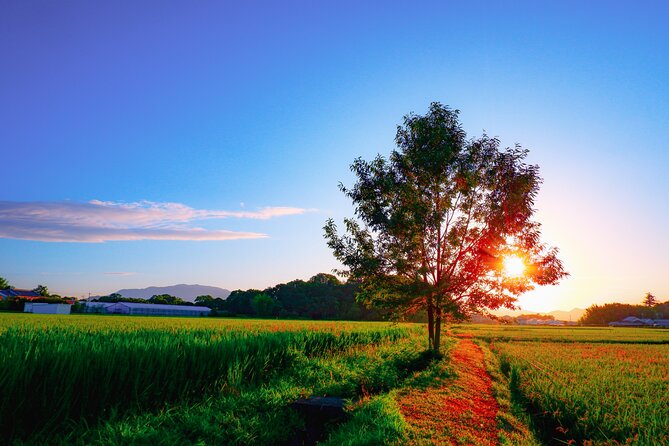
Then you step into the main show: tea fields. At the Ishitera Tea Plantation, you get the famous “green views” moment—neatly planted rows that can look like they rise straight up against the horizon.
I love stops like this because they’re simple. You don’t need a museum explanation to appreciate them. But the guide’s job is to help you see details: how the plants are arranged, how the terrain shapes what grows, and why tea fields look the way they do.
This stop is shorter—about 30 minutes—so the goal is not to wander forever. Instead, you’re given enough time to walk a little, find a photo angle, and take in the way the fields look in different light. You’ll also get the reassurance that the views work in every season, including winter, so you’re not gambling on weather to get the shot.
Stop 4: Ujitawara-cho Tea Production Area and a Walk-Photo Pause
Your day continues into Ujitawara-cho, described as one of the most famous tea production areas in Japan. This is also where the tour claims that Japanese green tea and matcha were invented, so the stop feels a bit like walking through origin territory.
Here you get a shorter pause—about 30 minutes—including a walk through a farm area and a guided photo moment. The idea is to give you a “how it looks on the ground” view, not just a distant view from a road.
This is also where your matcha tasting earlier pays off. When you look at the leaves and the planted rows now, it’s easier to understand what you were tasting at the cafe. You’re connecting flavor to place, fast.
Stop 5: Shoju-in Temple and the Love-Heart Window
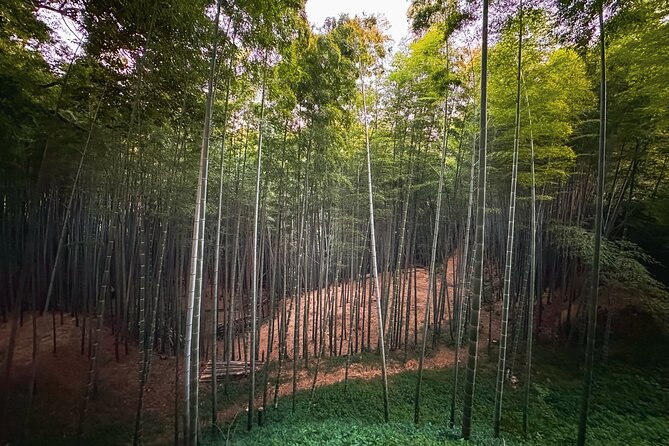
The farthest stop is Shoju-in, a temple in the countryside that takes about an hour drive from Kyoto downtown. That travel time is part of why the day feels like a break from the city. You’re trading convenience for quiet.
Shoju-in is known for a special detail: the tour highlights the famous love-heart window in the tea room. If you like small, design-forward moments, this is your payoff. The window isn’t just a cute photo; it’s tied to how space is shaped for viewing and tea culture.
Because Shoju-in admission isn’t included (¥1,000), plan for that budget. Also, the day includes short walks and stairs, so pack comfortable shoes. The good news: the day is paced with breaks built in, so it doesn’t feel like a forced hike.
Tea Culture Stories That Actually Make the Day Click
What sets this tour apart isn’t only the places. It’s the way the guide connects tea to Japan’s social layers.
You’ll hear about how monks, samurai, and even ninjas shaped tea culture. In practice, the stories turn into specific scene descriptions as you move through temples and tea areas. One of the most memorable moments for me wasn’t a photo—it was the guide slowing down to explain how tea culture traveled through different kinds of people, not just scholars.
In fact, some tour days may include an extra shrine setting tied to the ninja-era theme described in the day’s stories. That kind of added context is why private tours work: you can adjust to what grabs your attention instead of following a fixed script.
Tea Shopping Without Getting Ripped Off
One of the best “value” parts is the shopping strategy. The tour notes that premium tea can be 1/2 to 1/3 of city prices, which is a big difference if you like to bring home several items—matcha for drinking, tea for cooking, and maybe a sweeter treat to share later.
What to do with this info: go into the tea stops with a clear plan. If you only want one souvenir, you can still ask questions about grade and taste. If you want to compare styles, tell the guide you want variety: lighter drinking matcha vs. deeper-flavored types, or tea that’s good for steeping versus one aimed at sweets.
The cafe tasting helps a lot here. Once you’ve tasted, you’re not buying based on packaging or price alone. You’re buying based on your own taste memory from earlier that day.
Timing, Walking, and Who This Tour Fits Best
This is about 5 hours 30 minutes, starting at 1:00 pm. That’s a smart time because you’re not rushing through sunrise crowds in central Kyoto, and you get enough daylight to enjoy tea fields even if clouds roll in.
Expect short walks and stairs at temple stops. It’s not described as a full-on endurance event, and most people can participate, but comfortable shoes are a must.
Who this suits best:
- Families or couples who want a break from Kyoto crowds and a clear tea-focused day
- Solo travelers who like the idea of the Mini Cooper convertible ride
- Anyone who cares about buying matcha wisely, not just snapping pictures
- People who enjoy history stories but still want the scenery to lead
If you hate extra admission fees, this might feel less appealing. But if you’re planning to pay temple admissions anyway during your trip, it balances out.
Practical Tips to Get the Most Out of the Day
Bring cash for admissions at Byodoin and Shoju-in since those are listed as not included. Also consider bringing a small snack or water plan if you’re sensitive to hunger; the day has breaks but doesn’t list a full meal.
For photos, plan to slow down. Your guide is known for being patient about picture taking, and the tea fields reward that mindset. Find one or two angles you love, then wait for the light to shift a bit.
Finally, treat the tea tasting as part of your shopping research. It’s not just a drink stop. It’s the moment where you learn what you actually like, so you don’t end up buying something you feel “meh” about at home.
Should You Book This Hidden Kyoto Tea Country Tour?
If you want a Kyoto day that feels like countryside Japan, not a checklist, I think this is an excellent booking. The best reasons are simple: you get tea tastings tied to production, you visit major temple beauty like Byodoin, and the green tea field visuals are the kind you’ll remember when your other photos blur together.
Book it if:
- You care about matcha quality and want to buy with confidence
- You prefer private pacing and pickup convenience
- You’d rather see tea farms than repeat more downtown sights
Skip it if:
- You dislike paying extra temple admissions
- You’re not interested in tea beyond a quick photo
Overall, this tour is a strong value for the right traveler: one guide-driven day where the tea tastes better because you’ve seen the place it comes from.
FAQ
What is the duration of the Scenic Green Tea Fields of Hidden Kyoto & Local Tea Exp (Private)?
The tour runs for about 5 hours 30 minutes.
Where does the tour take place?
The tour is in Kyoto, Japan, including stops in tea-producing areas such as Wazuka and nearby regions.
How much does the tour cost?
It’s $250.38 per group, up to 6 people.
Is pickup offered?
Yes. Pickup and drop-off are offered, with pinpoint locations. Different start and goal can be set.
Is the tour private?
Yes. It’s a private tour/activity, so only your group participates.
What is included in the tour price?
Transportation (air-conditioned Nissan van for 2–6; Mini Cooper convertible for 1), and fuel and highway fees, plus the guided stops. A mobile ticket is also provided.
Which admissions are not included?
Shoju-in costs ¥1,000 per person and Byodoin costs ¥600 per person.
Are coffee or additional tea included?
No. Coffee and/or tea for your own tea are not included.
Is the tour difficult?
There is short walking and stairs needed, but most travelers can participate.
Is there a set start time?
The start time is 1:00 pm.
More Private in Kyoto


More Tour Reviews in Kyoto
Just added: more Kyoto tours to browse





Private, compared.
 ★ 5.0Fushimi Inari Hidden Hiking Tour (Private Option Available)From $631,750 reviews
 ★ 5.0Private Kyoto Tour with a Local, Highlights & Hidden Gems, PersonalisedFrom $1021,543 reviews
 ★ 5.0Kyoto 6hr Private Tour with Government-Licensed GuideFrom $1551,369 reviews
 ★ 5.010 Must-see Spots in Kyoto One Day Private Tour (up to 7 people)From $1791,108 reviews
 ★ 5.0Kyoto 4hr Private Tour with Government-Licensed GuideFrom $109629 reviews
 ★ 4.8Private Tour with Local Licensed GuideFrom $106463 reviews
 ★ 5.0Private Kyoto Tour with Licensed Guide & Vehicle (Max 15 persons)From $634417 reviews
 ★ 4.8Private Customized Walking Tour with a Local InsiderFrom $64383 reviews