
Reviewed · KYOTO COOKING CLASSES
Ramen Gyoza Onigiri Japanese Cooking Class in Kyoto
Ramen, gyoza, and onigiri in 90 minutes. This Kyoto class is built around ramen broth technique (not just assembly), plus hands-on dumplings and rice balls, all in a small setting with friendly English support from Chef Nori and his team.
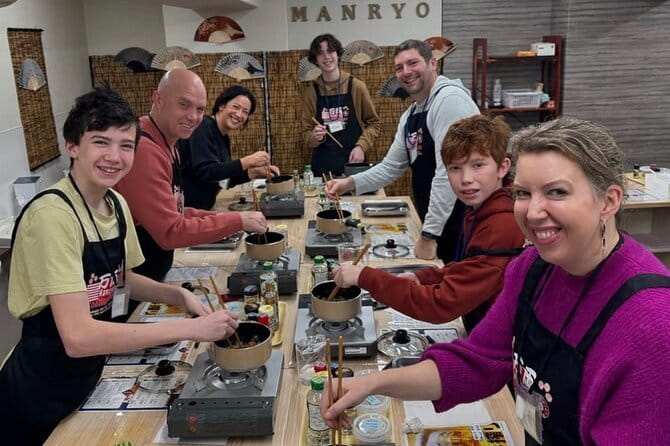
I like two things a lot. First, you get a real hands-on food lesson that ends with a full sit-down lunch of what you make. Second, the format keeps you close to the instructors in a group capped at 8 travelers, which matters when you’re learning wrappers, folding, and shaping.
One consideration: this is not a class for every diet. There’s a vegetarian menu (pork swapped to tofu), but options like vegan, gluten-free, and several religious diets aren’t accommodated, and you also won’t make the noodles themselves (you focus on broth instead).
In This Review
- Key Things to Know Before You Go
- A 90-Minute Triple: Ramen Broth, Gyoza, and Onigiri
- Where You Meet (and Why Mobile Check-In Helps)
- The Class Flow: How the Time Gets Used
- Making Ramen Broth Without Noodle-Making
- Wrapping Gyoza Like You Mean It
- Shaping Onigiri: The Rice Ball Skill
- Vegetarian Menu: What Changes, What Stays
- The Food Part: You Really Do Eat What You Cook
- Price and Value: What You’re Paying For
- Who This Kyoto Cooking Class Suits Best
- Should You Book Ramen Gyoza Onigiri in Kyoto?
- FAQ
- How long is the Ramen Gyoza Onigiri Japanese Cooking Class in Kyoto?
- How many people are in the group?
- What dishes do you make in the class?
- Is lunch included?
- Is there a vegetarian menu option?
- Can the class accommodate vegan, gluten-free, or other special diets?
- Is it easy to reach, and is there free cancellation?
Key Things to Know Before You Go
- Ramen focus is on broth technique (no noodle-making in the class)
- A small group cap (max 8) means better instructor access while you cook
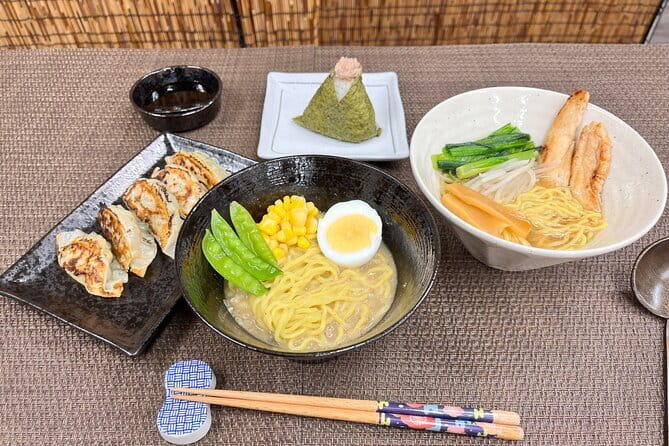
- You’ll make three dishes in one session: ramen broth, gyoza, and onigiri
- Vegetarian menu exists, with pork replaced by tofu
- Expect to eat a lot at the end, not just nibble samples
A 90-Minute Triple: Ramen Broth, Gyoza, and Onigiri
If you like Japanese food but don’t want to choose one dish and call it a day, this class fits. In about 1.5 hours, you learn the core skills behind ramen (the broth), gyoza (the wraps and shaping), and onigiri (classic rice-ball comfort food).
The best part is that it’s not just “watch and repeat.” The teaching is structured so you can follow along, get your hands involved, and still finish with food you actually want to eat. You’ll leave with the sense that you could cook this again at home, not just recreate a memory.
And yes, you’ll eat what you make. That matters in cooking classes. Some are mostly about the process and a tiny taste at the end. Here, the meal portion feels like the point.
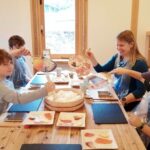
Roll up your sleeves for another Kyoto cooking class

Where You Meet (and Why Mobile Check-In Helps)
You meet at Manryo Japanese Cooking Class, Sakyo Ward, Chōshōji Monzenchō, inside the Life Building (B1). It’s listed as being near public transportation, so you can arrive on your own schedule rather than relying on a package that includes private transfers.
You’ll also use a mobile ticket. That’s a practical win in Kyoto, where you’re often navigating by train/subway and short walks. No paper ticket hunting right before you start cooking.
The class ends back at the meeting point, so you’re not sent off into a maze afterward. You can plan your next stop while the smell of garlic, soy, and broth still clings to your jacket.
The Class Flow: How the Time Gets Used
This experience is designed to “do more in less time.” In 90 minutes, you cover three dishes by focusing on techniques rather than endless steps.
A typical rhythm looks like this:
- You start with ramen broth, including ingredients and seasoning choices.
- Then you move into gyoza wrapping and shaping.
- Finally, you finish with onigiri so you can assemble something that holds together well and tastes right.
That pacing is a big deal if you’re on a tight Kyoto itinerary. You get variety without burning your whole day. It also keeps energy up, because you’re switching tasks instead of doing one long repetitive station.
One detail to be aware of: you don’t make the noodles. The emphasis is the soup/broth part of ramen. If you’re imagining rolling fresh noodles by hand, adjust expectations early and you’ll enjoy what’s actually on offer.
Making Ramen Broth Without Noodle-Making
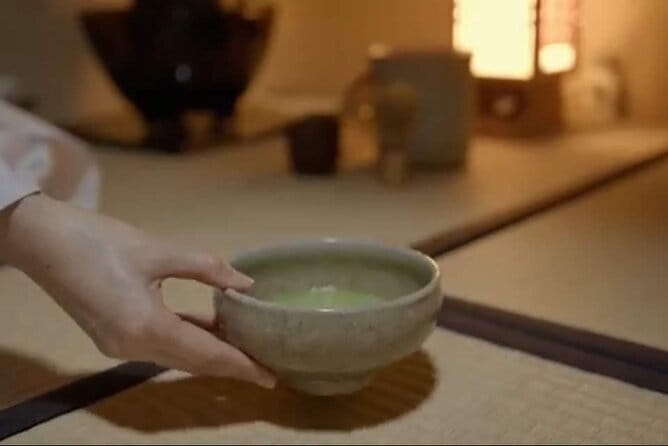
Ramen often gets treated like noodles plus toppings. This class flips that idea. You focus on the broth—the part that makes ramen feel like ramen.
You’ll learn how to build a homemade-style ramen broth using ingredients and seasonings you can also recreate at home. The goal isn’t to overwhelm you with complicated kitchen chemistry. It’s to teach technique: what to pay attention to, how flavors come together, and how to get a soup that tastes balanced rather than flat.
Here’s why that focus is valuable: lots of people can boil noodles. Fewer people know how to make a broth that tastes like something you’d order. If you take one “skill takeaway” home from this class, make it this.
Also, because you’re not busy preparing noodles, you can spend more time on broth taste and timing. That’s part of how they fit everything into 1.5 hours.
Wrapping Gyoza Like You Mean It
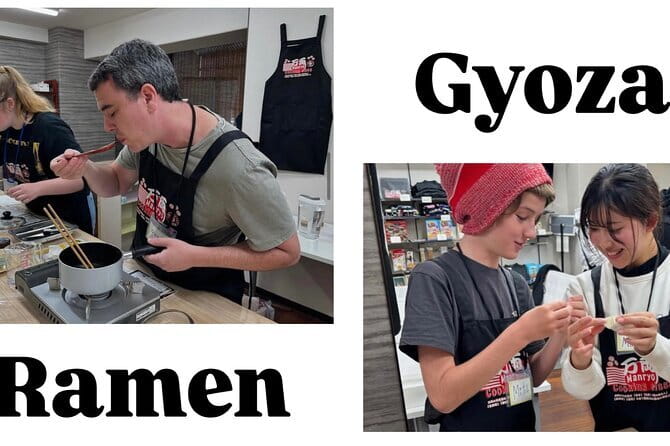
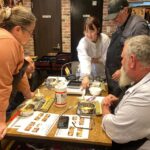
Gyoza is a hands-on skill test. The class teaches you how to wrap and form the dumplings so they cook up properly and look right.
Expect to learn:
- How to handle the wrapper so it doesn’t tear or dry out
- How to portion the filling
- How to fold and press for a sealed edge
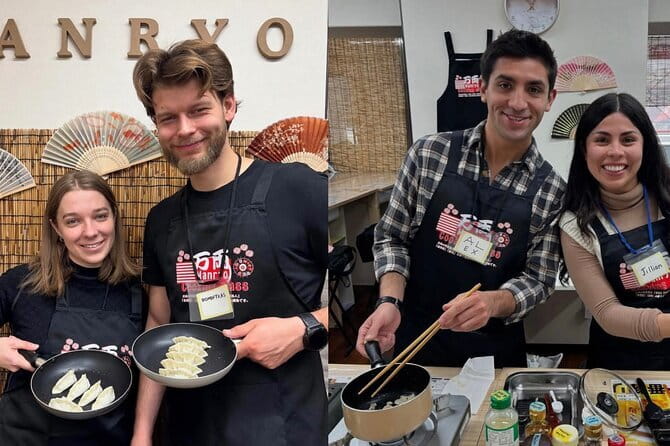
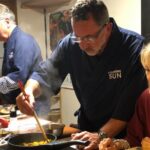
The instructors also explain the technique clearly, with an easy English delivery. Chef Nori and the team members help you work through the “first few wraps” awkwardly—then suddenly they click. The atmosphere tends to be upbeat, and you’ll likely laugh while you’re learning, but you’re still getting real guidance at every stage.
This is one of the most practical skills for home cooking. Once you know the wrap-and-seal rhythm, you can make gyoza for friends or family and feel confident they’ll hold together.
Other Kyoto tours and experiences to compare

Shaping Onigiri: The Rice Ball Skill
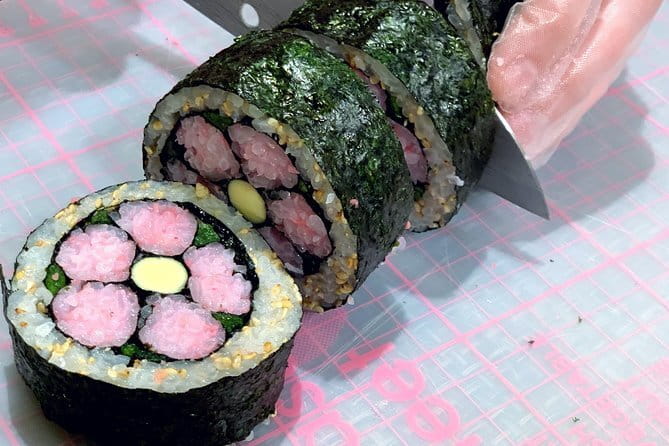
Onigiri looks simple until you try it. This class gives you the technique so your rice balls don’t fall apart and your shaping feels natural.
You’ll learn how to:
- Wrap or form the rice into a neat ball (or shape) consistently
- Work with the recipe so the flavor balance makes sense in each bite
Onigiri is also great as a home skill because it scales. You can do one or two for a quick meal, or make more for a lunch box style plan. And it fits right into Japanese comfort-food culture: quick, portable, and satisfying.
In a class that already includes broth and gyoza, onigiri is the finishing touch that makes the whole experience feel complete.
Vegetarian Menu: What Changes, What Stays
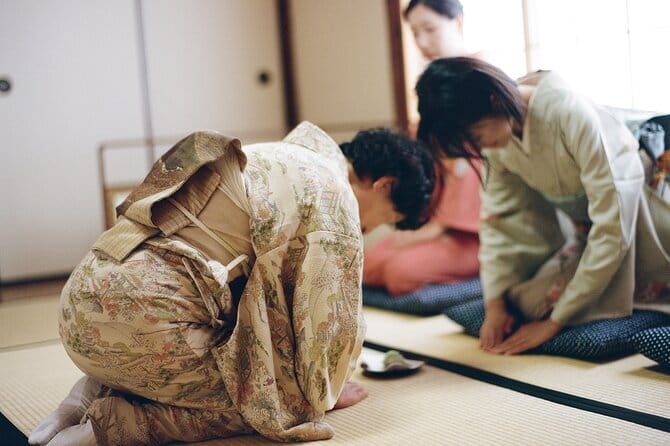
There’s a vegetarian menu option. The info is straightforward: the only substitution is that pork is replaced with tofu, while other ingredients remain the same.
That’s actually good news for decision-making. You’re not guessing what else will change. If you book the vegetarian option, you can plan around the idea that the dish profiles stay consistent, just with tofu stepping in for pork.
A note of realism: the class lists limits on diets it can’t accommodate, including vegan and gluten-free. If your needs are specific, double-check before booking. When the class can’t swap core ingredients, trying to “make it work” at the table usually doesn’t happen.
The Food Part: You Really Do Eat What You Cook
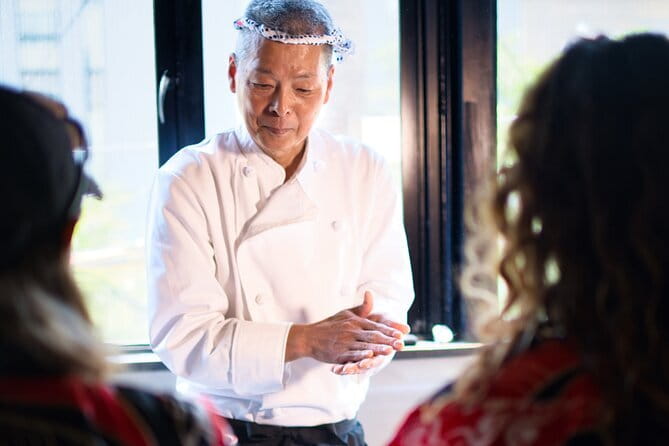
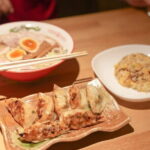
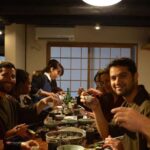
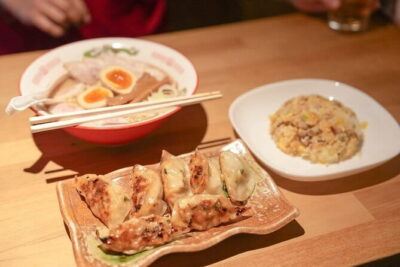
This is a lunch-included class. After cooking, you enjoy what you made—ramen broth, gyoza, and onigiri.
That’s one of the most consistently praised aspects: you’re not leaving hungry or disappointed by tiny portions. With ramen broth plus gyoza and rice balls, you get a complete meal structure—warm soup, savory bites, and filling carbs.
And because everything is connected by theme, it doesn’t feel random. Your broth tastes like broth you worked on. Your gyoza tastes like the filling you assembled. Your onigiri tastes like the rice-ball comfort you shaped.
If you’ve ever taken a workshop where you spent 90 minutes making something that looked pretty but didn’t fill you up, you’ll appreciate this setup. It’s designed for actual eating.
Price and Value: What You’re Paying For
At $92.47 per person, this isn’t the cheapest thing you can book in Kyoto. But it’s also not a “souvenir cooking class.” You’re paying for instruction, ingredients, a small group cap, and a full meal at the end.
Here’s how to think about value:
- Time: 1.5 hours means you get a lot packed in without losing a whole day.
- Variety: you learn three dishes, not one.
- Technique: the broth focus is harder to replicate without guidance.
- Food outcome: lunch is included, so you’re not factoring in additional restaurant costs the same way.
For that price point, you’re also buying convenience. The class takes care of the ingredient prep and the teaching structure, so you don’t have to source everything before you cook.
If you’re the type who wants skills you’ll reuse at home, the cost makes more sense. If you mainly want a light snack experience, you might find it feels like more class than you need.
Who This Kyoto Cooking Class Suits Best
This class is ideal if you:
- Want a compact, hands-on Japanese food experience in a short time
- Like ramen and want to learn broth technique, not just toppings
- Enjoy learning practical home cooking skills like gyoza wrapping and onigiri shaping
- Prefer small-group instruction so you can ask questions while working
It may be less ideal if you:
- Need diets beyond vegetarian (the class states it can’t accommodate several options)
- Expect noodle-making (the class focuses on broth, not noodles)
- Want a super-quiet, museum-style experience rather than a lively cooking room
Families can be a fit too, but the class notes it can’t accommodate under 13. So plan around that age limit.
Should You Book Ramen Gyoza Onigiri in Kyoto?
I’d book it if your goal is to leave Kyoto with a few techniques you can actually use again. The mix of ramen broth, gyoza wrapping, and onigiri shaping is a smart trio. And with a small group cap, clear English instruction, and a meal included, it’s set up to feel worth your time.
Skip it if you’re strict about dietary needs outside the vegetarian menu, or if noodle-making is a must-have for you. In those cases, look for a different workshop that matches your constraints more directly.
If you’re ready to get your hands involved and eat well afterward, this one is a strong choice.
FAQ
How long is the Ramen Gyoza Onigiri Japanese Cooking Class in Kyoto?
The class runs for about 1 hour 30 minutes.
How many people are in the group?
The experience has a maximum of 8 travelers.
What dishes do you make in the class?
You learn to make ramen broth, gyoza, and onigiri (Japanese rice balls). The class focuses on preparing the broth, not the noodles.
Is lunch included?
Yes. After cooking, you’ll enjoy what you made.
Is there a vegetarian menu option?
Yes. The vegetarian menu replaces pork with tofu, while other ingredients remain the same.
Can the class accommodate vegan, gluten-free, or other special diets?
No. It lists that it cannot accommodate vegan, pescatarian, gluten-free, halal, kosher, and other special diets. It also cannot accommodate under 13 years old.
Is it easy to reach, and is there free cancellation?
It’s near public transportation. Free cancellation is available up to 24 hours in advance for a full refund.
More Cooking Classes in Kyoto
More Tour Reviews in Kyoto

More Kyoto Cooking Classes
Just added: more Kyoto tours to browse


Kyoto Cooking Classes, compared.
 ★ 5.0Ramen Cooking Class at Ramen Factory in KyotoFrom $1311,937 reviews
 ★ 5.0Sushi Making in Kyoto! Same-day bookings welcome!From $53713 reviews
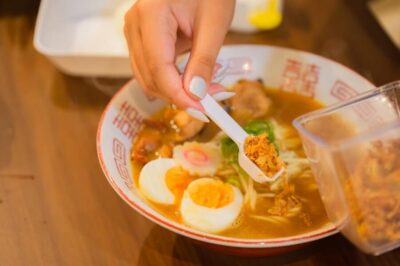 ★ 4.9Ramen Cooking Class at a Ramen Factory with SouvenirFrom $127532 reviews
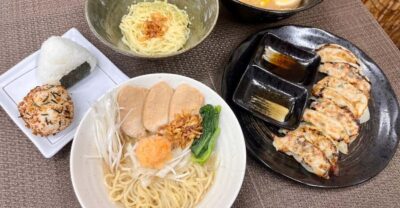 ★ 5.0Ramen, Gyoza, and Onigiri Cooking ClassFrom $90445 reviews
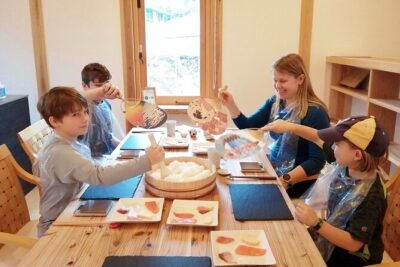 ★ 5.0The Original Small-Group Sushi Making Class in KyotoFrom $69436 reviews
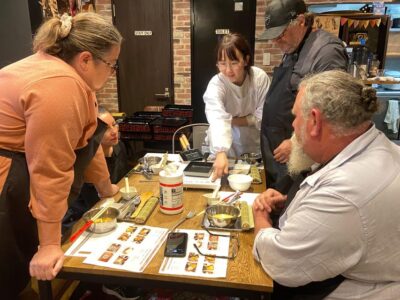 ★ 5.0Japanese Washoku Bento Small Group Cooking ClassFrom $58380 reviews
 ★ 5.0Kyoto Ramen and Gyoza Cooking Class with Professional ChefsFrom $86282 reviews
 ★ 4.9Afternoon Japanese Izakaya Cooking ClassFrom $67241 reviews
Browse the lists this tour appears in