
Reviewed · PRIVATE
Private Japanese Sound Bath in Kyoto
Quiet has a sound in Kyoto. This private session turns relaxation into something you can actually feel, using a handcrafted Singing Ring and a guide who helps you settle fast. I especially love the fully private setup (no strangers added to your slot) and the way the guided pace makes a first-time sound bath feel simple. One consideration: you’ll be lying down on a heated mat, so if getting into that position is tough for you, plan accordingly before you book.
In practice, the experience is made for real-world travelers, not sound-bath purists. The guide, Junichiro (spelled a few ways in messages, but it’s the same person), meets you near the start point—some folks are even met at a nearby family mart to avoid the Kyoto-location scramble. Then you get an eye mask and blanket, and the session starts with sound right beside you.
If you want a calm break from Kyoto walking days, this is a good one. You leave less “buzzing,” more grounded—and you don’t need to bring anything besides an open mind and a body that’s ready to rest for an hour.
In This Review
- Key Highlights You’ll Feel Right Away
- Setting Up in Kyoto: Where You Start and Why It Matters
- Meet Junichiro and Get Comfortable Fast
- The Instruments: What the Singing Ring Changes
- The 60-Minute Sound Bath: What Happens While You Lie There
- Private Time in Kyoto: Why No One Else Changes Everything
- Traditional Tatami Room Option: Separate Venue, Same Goal
- Price and Value: Is $97.73 Worth It?
- Who This Experience Fits Best (And Who Might Skip It)
- Practical Tips to Make the Session Feel Easier
- Should You Book This Private Sound Bath in Kyoto?
- FAQ
- FAQ
- How long is the sound bath session?
- Is this a private experience?
- How many people can be in a session?
- What instrument is used during the session?
- Where is the meeting point in Kyoto?
- What if I choose the Traditional Tatami Room option?
- Do I need a printed ticket?
- When do I get confirmation after booking?
- Can I get a refund if plans change?
Key Highlights You’ll Feel Right Away
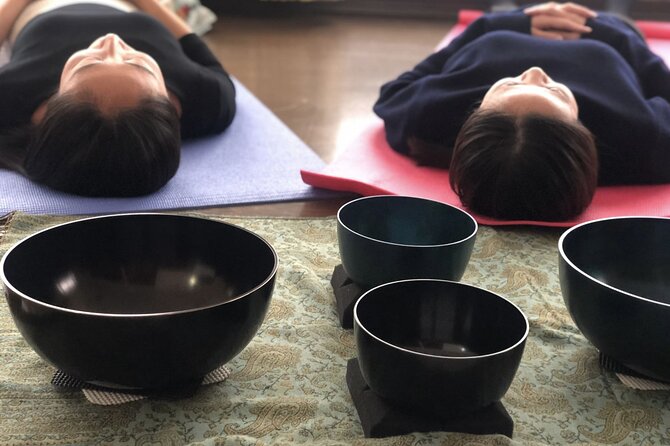
- Private by design: Up to 2 people per session, with no one else added once you’re confirmed
- Heated mat + eye mask setup: You’re comfortable before the first vibration lands
- The Singing Ring instrument: Handcrafted by Japanese artisans, built one by one
- Vibrations you can sense: The guide places instruments on/near your body so the sound becomes physical
- Kyoto meeting point near transit: Start at Little Granmy Kyoto, with easy guidance if directions are confusing
- Optional traditional tatami room: A separate venue that may accommodate up to 3 people when requested
Setting Up in Kyoto: Where You Start and Why It Matters
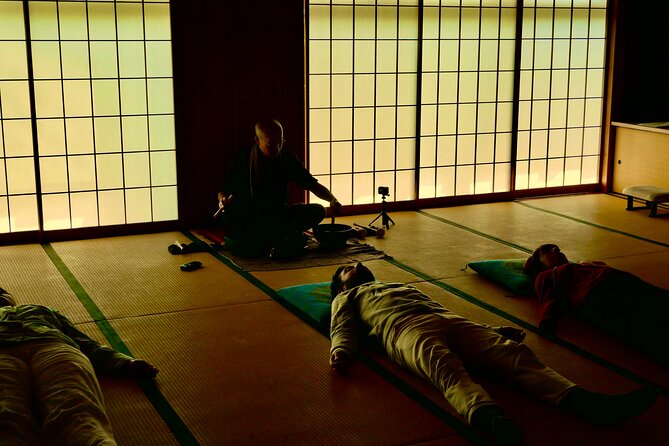
Your session starts at Little Granmy 京都 (Shimogyo Ward, Koinarichō, address listed with the activity). It’s described as near public transportation, which matters because the biggest risk in Kyoto is arriving stressed.
Here’s the practical part: you’ll likely need the exact guidance message after booking. The experience notes that the Traditional Tatami Room is at a separate venue and that a Google Maps link in the option details can’t be set directly. So if you choose that room (or even if you’re unsure), don’t rely on assumptions—wait for the instructions you get after booking.
In terms of timing, the whole experience is about 1 hour 20 minutes, but the sound bath itself is 60 minutes. That extra time is usually about getting you comfortable, handling the simple setup, and transitioning into the session.
Other Kyoto tours and experiences to compare



Meet Junichiro and Get Comfortable Fast
This isn’t a “show up and figure it out alone” kind of activity. You’ll meet your guide and get settled in a quiet space made for lying down and listening.
From people’s descriptions, the flow is consistent and traveler-friendly:
- You lie down on a heated mat
- You get an eye mask and blanket
- Junichiro begins with the sound near you, then adjusts how the instruments interact with your body
That comfort setup is not a small detail. If you’ve ever tried meditation on a cold floor, you know how fast your body rebels. The heated mat helps your muscles stop scanning for discomfort, which makes it easier to drop your mental volume.
And if you worry about finding the place, you have a safety net: some sessions include meeting at a nearby family mart so you don’t waste time wandering.
The Instruments: What the Singing Ring Changes
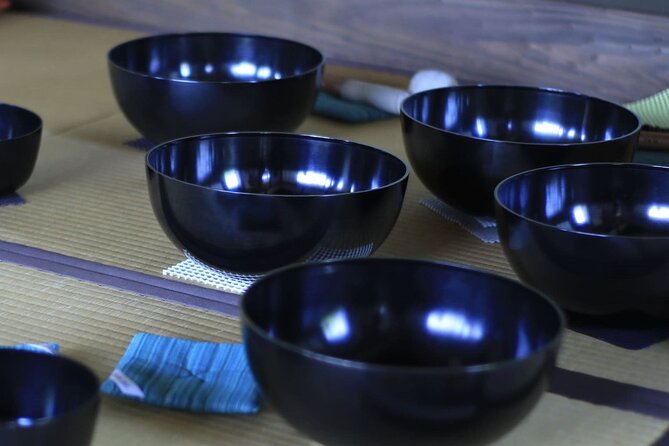
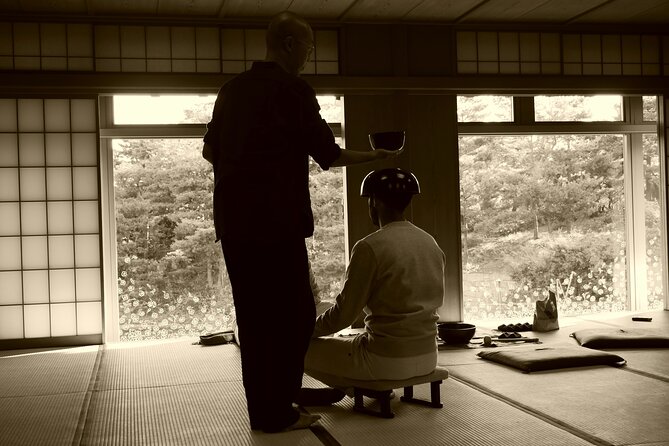
The star of this session is the Singing Ring, described as a special harmonic instrument crafted one by one by Japanese artisans. In a lot of sound baths, you get bowls and chimes and that’s it. Here, the focus is on Japanese craftsmanship and on creating a sustained, layered resonance—more like a tuning fork for your nervous system than a playlist for your ears.
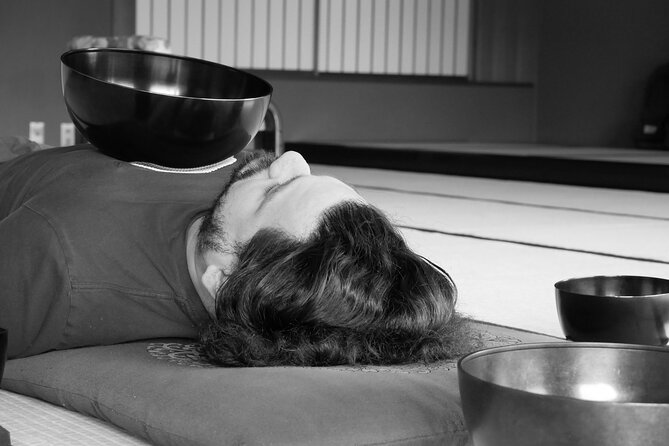
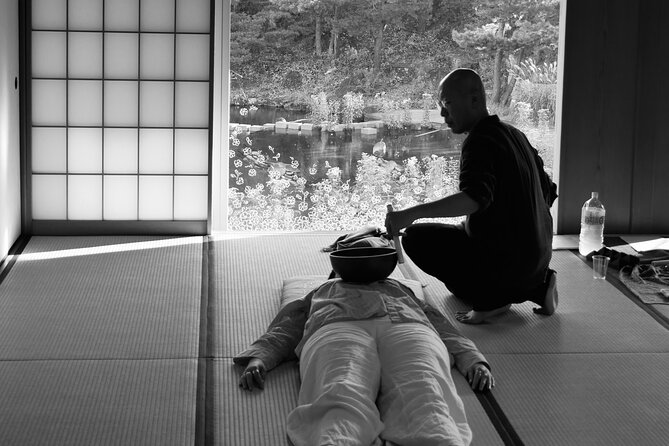
A key thing you should know: the session experience can include placing copper bowls on your body. Multiple descriptions talk about vibrations calming you most when the bowls rest on you directly. Translation: you’re not just hearing sound; you’re feeling it through your body.
That makes this a good choice if you’re curious but skeptical. A first sound bath can feel a little “floaty” and hard to judge. Here, the physical vibrations make the effect easier to understand, even if you don’t have a spiritual framework.
The 60-Minute Sound Bath: What Happens While You Lie There
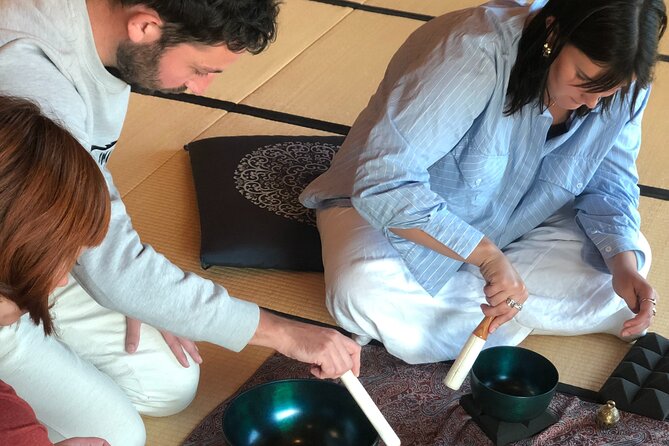
During the 60-minute session, your job is delightfully simple: lie down, listen, and let the sound do the work.
Based on how the session is described and what people report, the structure generally looks like this:
- Initial placement and sound near you
The guide plays the instrument close first, so you feel the vibration pattern immediately.
- Gradual shift toward body contact
Then you may feel instruments placed on/around your body. People highlight that this is where the calming effect clicks, because your whole system registers the vibrations.
- A slow, meditative arc
The vibe is “Zen while lying down.” It’s not a performance where you’re watching the teacher for cues. It’s more about staying present as the sound changes.
What I like about this style is that it doesn’t require you to follow complex instructions. If you can relax in a chair or on a couch at home, you can handle this. If you can’t, tell yourself you’re allowed to be awkward for the first five minutes—then the body usually cooperates.
Private Time in Kyoto: Why No One Else Changes Everything
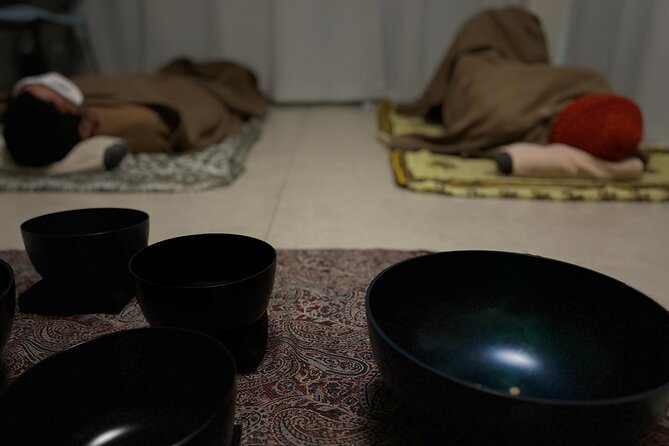
A big selling point is the group size. This is fully private, and the setup is limited to up to 2 guests. After your booking is confirmed, the operator notes that no other guests will be added to your time slot.
That matters more than it sounds. Sound bath experiences can be intimate in a sensory way—slight movements, talking, and random shifts in another person’s body posture can pull you out of the zone. With a private session, you’re less likely to feel like you’re sharing space with strangers while trying to unwind.
So if you’re the kind of traveler who hates waiting for your turn (or sharing quiet), this format is a strong match.





Traditional Tatami Room Option: Separate Venue, Same Goal
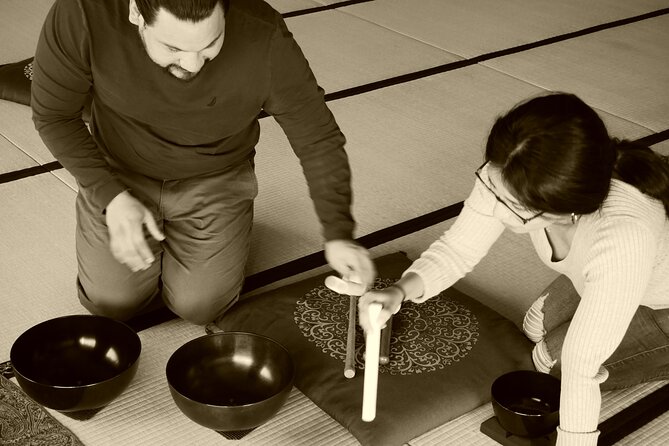
You might also have the option of a Traditional Tatami Room, but it’s described as a separate venue. The Google Maps link may not work for navigation, and you’ll get guidance after booking.
There’s also a small group-size note: the session in that room may accommodate up to 3 people when you request it after booking.
If you’re considering the tatami option, think about practical comfort:
- You’ll still be in a lying-down setup
- The room is specifically described as tatami-based, so consider how you feel about floor-level relaxation and getting in/out safely
Nothing here is “hard,” but Kyoto tatami culture is real. If you’re not used to it, ask questions early.
Price and Value: Is $97.73 Worth It?
At $97.73 per person, this isn’t a budget add-on. But price is mostly about what you’re buying: time, privacy, and a specific Japanese instrument experience.
Here’s how I’d judge the value:
- You’re getting a private session, not a shared group class.
- The instrument is not generic. The Singing Ring is described as handcrafted by Japanese artisans.
- You’re not doing research or building your own setup. The guide handles everything: comfort setup, sound sequence, and body-vibration contact.
For around an hour of guided deep relaxation, the cost can make sense—especially if you’d otherwise pay for a therapist, meditation class, or premium spa time. If you’re traveling with a partner, the per-person cost improves because the session is designed for a small group (up to 2).
If you hate paying for calm and prefer free walking + temple views, you might feel the price more sharply. But if you want a guaranteed quiet reset built around Japanese sound craft, this one holds its value.
Who This Experience Fits Best (And Who Might Skip It)
This is a great fit if you:
- Want a break from Kyoto’s walking-heavy days
- Are curious about Japanese sound culture but don’t want a crowded group setting
- Like guided experiences where you can shut off decision-making
- Prefer relaxation that feels physical, not just mental
You might reconsider if:
- You have difficulty lying down comfortably for about an hour
- You dislike closed-space calm (even though the vibe is quiet and supportive, it’s still a resting session)
- You’re only looking for sightseeing photos and don’t care about sound or meditation-style experiences
Practical Tips to Make the Session Feel Easier
I’d do a few small things to get the most out of your 60 minutes:
- Arrive a few minutes early so you’re not rushing into the room.
- Wear comfortable clothing you can sit/lie in without fiddling.
- Let yourself be a beginner. First-time sound bath is normal; you don’t need the right mindset beyond showing up.
- Mentally prepare to be still. If your body is used to constant motion, it takes a minute for relaxation to catch up.
One more tip: if you choose the tatami room option, keep an eye on the separate location details you receive after booking. Kyoto can be easy to get turned around in, and you’ll save time by following the guidance message rather than fighting your phone map.
Should You Book This Private Sound Bath in Kyoto?
Book it if you want a calm, high-contact relaxation experience that uses Japanese craftsmanship and a guided flow you can trust. It’s not a vague wellness concept. You’re lying down on a heated mat, listening closely, and feeling the vibrations in a private setting with up to 2 people.
I’d skip (or ask extra questions first) only if mobility limits make floor-level lying-down uncomfortable for you, or if you dislike quiet, inward experiences. Otherwise, this is the kind of Kyoto “pause” you’ll remember later—especially when your feet and your brain need a rest that temples and markets can’t provide.
FAQ
FAQ
How long is the sound bath session?
The sound bath session lasts about 60 minutes, and the overall experience time is listed as around 1 hour 20 minutes.
Is this a private experience?
Yes. It’s a fully private sound bath session, and only your group participates.
How many people can be in a session?
The session allows up to 2 guests per booking to keep the experience private.
What instrument is used during the session?
The experience uses the Singing Ring, described as a handcrafted Japanese harmonic instrument.
Where is the meeting point in Kyoto?
The meeting point is at Little Granmy 京都, in Shimogyo Ward, Koinarichō, Kyoto (address is provided with the activity).
What if I choose the Traditional Tatami Room option?
The Traditional Tatami Room is at a separate venue, and the map link may not work for setting navigation. You should check the guidance message you receive after booking. It may also accommodate up to 3 people if you contact the provider after booking.
Do I need a printed ticket?
No. The experience includes a mobile ticket.
When do I get confirmation after booking?
You should receive confirmation within 48 hours of booking, subject to availability.
Can I get a refund if plans change?
The experience offers free cancellation. You can cancel up to 24 hours in advance for a full refund. If you cancel less than 24 hours before the start time, it isn’t refunded.
More Private in Kyoto


More Tour Reviews in Kyoto
Just added: more Kyoto tours to browse








Private, compared.
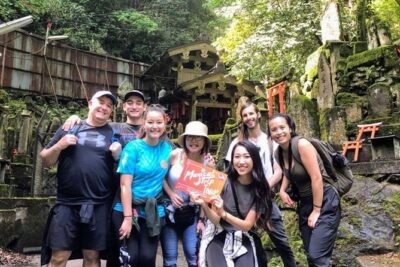 ★ 5.0Fushimi Inari Hidden Hiking Tour (Private Option Available)From $631,750 reviews
 ★ 5.0Private Kyoto Tour with a Local, Highlights & Hidden Gems, PersonalisedFrom $1021,543 reviews
 ★ 5.0Kyoto 6hr Private Tour with Government-Licensed GuideFrom $1551,369 reviews
 ★ 5.010 Must-see Spots in Kyoto One Day Private Tour (up to 7 people)From $1791,108 reviews
 ★ 5.0Kyoto 4hr Private Tour with Government-Licensed GuideFrom $109629 reviews
 ★ 4.8Private Tour with Local Licensed GuideFrom $106463 reviews
 ★ 5.0Private Kyoto Tour with Licensed Guide & Vehicle (Max 15 persons)From $634417 reviews
 ★ 4.8Private Customized Walking Tour with a Local InsiderFrom $64383 reviews