
Reviewed · KYOTO KIMONO EXPERIENCES
Men’s Kimono Lesson and Shopping in Kyoto
Kimono lessons feel intimidating until you sit down. This one turns things practical fast: in Kyoto you learn men’s kimono basics from Shogo (Let’s Ask Shogo, 1.8M+ subscribers) inside a real shop, with hands-on instruction you can actually use when you travel. The session also covers why pieces matter, not just how to fold them.
I like that it happens in an operating men’s kimono store, so you’re seeing fabric, sizing, and styling in context—not in a rental room. One thing to consider: it’s a men’s kimono–focused experience, so if you’re mainly after a general kimono sightseeing tour, you may want something broader.
In This Review
- Key highlights you’ll feel right away
- Meeting Shogo in Kyoto’s real men’s kimono shop
- Two hours of hands-on wearing: from base to final look
- Cultural meaning, not just clothing mechanics
- Shopping support that helps you avoid expensive mistakes
- What to expect during your 2-hour session
- How close is it to where you’ll already be in Kyoto?
- Value check: why $65.15 can be a fair deal
- Who this is perfect for (and who should skip)
- If you’re traveling with a partner or friend
- Should you book this men’s kimono lesson in Kyoto?
- FAQ
- How long is the men’s kimono lesson in Kyoto?
- Where does the experience start?
- What’s the price per person?
- Is there a mobile ticket?
- How big is the group?
- Can women participate or get help during the session?
- When do I get confirmation after booking?
- Is it refundable if I cancel?
Key highlights you’ll feel right away
- Small group size (max 4): more time for fit checks and questions.
- Real store setting: you learn among the actual stock and tools used in a kimono shop.
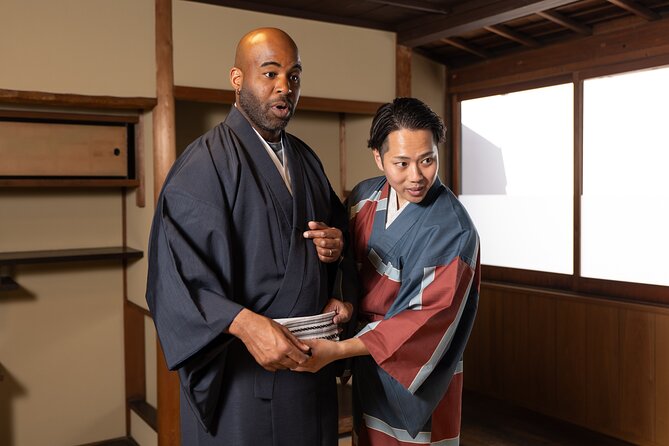
- Step-by-step donning: you get guidance on dressing procedures for a proper setup.
- Optional shopping help: support if you want to buy your own kimono set.
- Flexible partner option: one guest can watch free; women can be taught/dressed by Harumi for an extra fee.
Meeting Shogo in Kyoto’s real men’s kimono shop
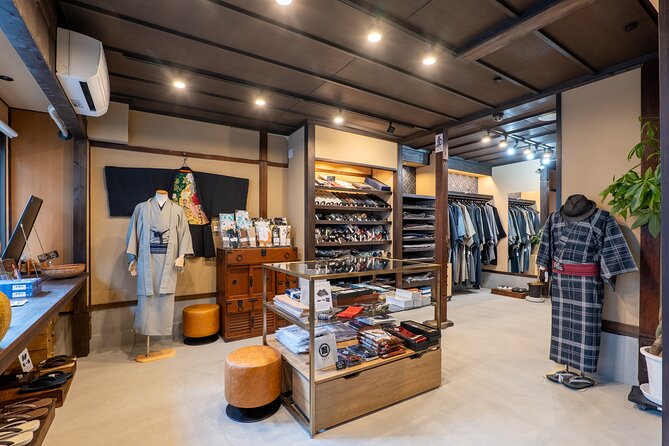
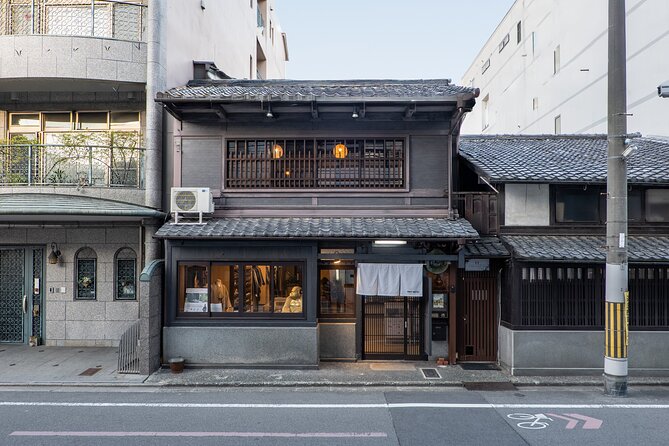
This class is held in Kyoto at 432 Iwatoyamachō, Shimogyo Ward. That matters because it’s not a pop-up or a staged photo spot. You’re stepping into the world of a working men’s kimono store, the kind that’s been around long enough to develop real procedures and real standards for fit and presentation.
Shogo is the host: the face behind Let’s Ask Shogo, and someone who’s worn kimono daily for nearly 10 years. Even if you don’t watch his videos, you’ll recognize the format of clear explanations and patient pacing. The goal here is confidence. Not costume-level confidence. The kind you use the moment you’re back in your hotel room.
The shop is run by a company with over 20 years of experience, and that experience shows in the flow of the lesson. You start with fundamentals, then you move into practical wearing steps, then you have room to talk about what you might actually want to take home.
Wander Kyoto in kimono a little longer


Two hours of hands-on wearing: from base to final look
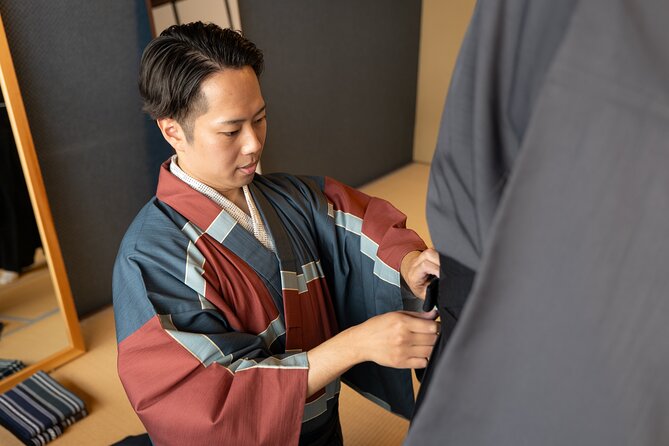
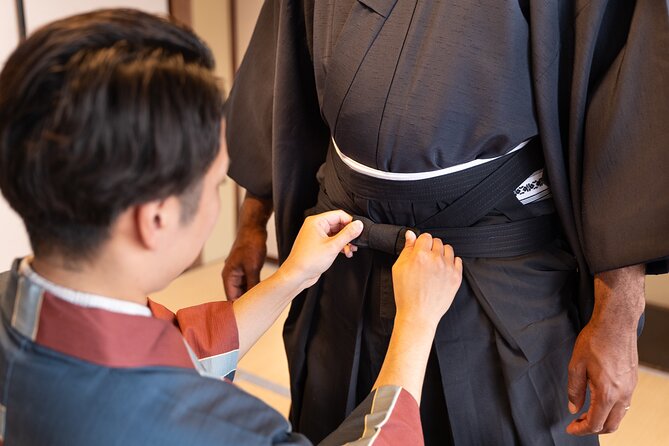
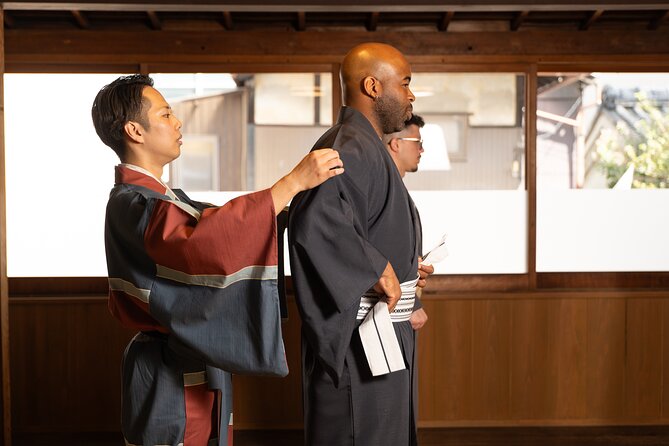
The lesson is about learning the essentials of a men’s kimono system. That sounds abstract until you’re standing there with the garment in front of you and someone helps you figure out the correct sequence. You’re guided through how to wear it properly, which is the part many people skip when they only rent.
A key piece you’ll work with is the juban (the base layer worn under a kimono). You don’t just hear about it—you get taught the proper procedure for putting it on, so the kimono sits correctly afterward. This is the kind of “boring detail” that makes a huge difference. Get the base wrong, and everything above it starts to feel off.
You’ll also get instruction that goes beyond just wearing once. Some people come away saying they can wear one by themselves afterward, and that’s the best outcome for this kind of experience. The lesson isn’t about memorizing a checklist. It’s about understanding what’s where and why.
And yes, you’ll likely handle the clothing enough to learn how it moves on the body. That matters for comfort, for looking tidy, and for not ending up with sleeves or layers doing their own thing.
Cultural meaning, not just clothing mechanics
You’re learning garments, but the lesson is also about context. Kimono aren’t random. Patterns, styling choices, and how the pieces combine into a set all carry meaning tied to tradition and everyday life in Japan.
Shogo’s explanations are designed to be clear and example-based, with room for questions. That format helps you connect practical steps to cultural reasons, so you don’t feel like you’re doing a costume ritual with no payoff. If you’ve ever wondered why certain combinations are seen as correct or elegant, this is where your curiosity gets answered.
You’re also in a store that sells kimono, so the conversation naturally turns toward real-world choices: what looks good together, what fits your body, and what you should pay attention to if you’re shopping.
Shopping support that helps you avoid expensive mistakes
After learning the basics, you have guidance if you want to purchase your own kimono set. The value here is not the shopping itself. The value is having someone help you shop with a trained eye.
That guidance can include practical things like choosing the correct size and matching color so your kimono set works as a set, not just as separate pieces. In a store like this, those details are the difference between looking polished and feeling like you bought the wrong version.
One of the best aspects is that the lesson is positioned as a first step into kimono—not a high-pressure sales pitch. If you’re not ready to buy, you can still get a strong learning experience, then use that knowledge later.
In fact, I’d treat the shopping portion like a bonus workshop. You’re learning how to think like a kimono buyer: fit, coordination, and what you actually need for a complete look. That’s a skill you keep.
What to expect during your 2-hour session
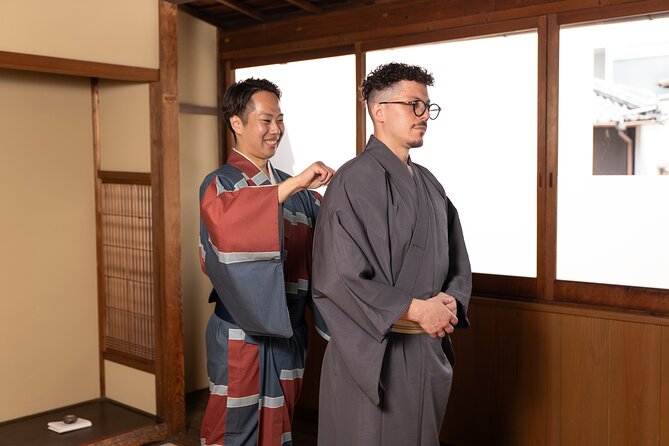
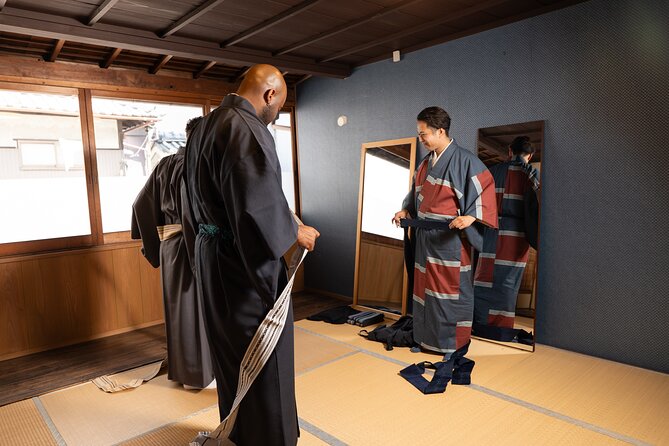
The experience runs for about 2 hours. The timing is tight enough that you don’t waste your afternoon, but long enough to cover the basics without rushing your questions. The maximum group size is 4 travelers, which helps the instructor keep an eye on fit and posture.
Here’s the rhythm you can expect:
- You start at the shop meeting point and get oriented.
- You begin with base-layer and foundational steps (including the juban process).
- You move into learning proper donning procedure for the kimono.
- You ask questions as you go, then you finish with options for shopping and next steps if you want to buy.
The shop environment can also be comfortable. Some participants have specifically noted the setting as easy to find and having air conditioning, which matters on hot Kyoto days or muggy evenings.
When the session ends, it finishes back at the meeting point. Simple and tidy.
Other Kyoto tours and experiences to compare






How close is it to where you’ll already be in Kyoto?
The location is described as near public transportation, so you shouldn’t need a car or complicated planning just to reach it. For Kyoto, that’s a big deal. Getting around takes enough mental energy already.
Also, because the activity ends where it starts, you can slot it cleanly into a day plan. If you’re doing temple-heavy routes in the morning, you can use the kimono lesson as a grounded, indoor change of pace.
Value check: why $65.15 can be a fair deal
At $65.15 per person for about 2 hours, this sits in the “not cheap, but not crazy” zone for Kyoto activities. The question isn’t only the cost. It’s what you get for it.
You’re paying for:
- Direct, step-by-step instruction from someone who wears kimono daily (Shogo).
- A real men’s kimono store environment, not a generic rental setup.
- Small group size (max 4), which usually means more time with the guide.
- Optional shopping guidance if you choose to buy later in the shop.
If you were only renting a kimono for photos, you might spend similar money and still feel clueless afterward. This experience is the antidote to that problem. Even if you don’t purchase, learning how kimono should be worn is a travel skill, not just an outfit moment.
If you do plan to buy, this session can save you from common mistakes—especially around fit and matching pieces—so the value can increase fast.
Who this is perfect for (and who should skip)
This lesson is a strong fit if you:
- Want more than a rental and photos
- Feel nervous about wearing a kimono correctly
- Like learning the “why” behind clothing traditions
- Want expert guidance in a real men’s kimono shop
- Are interested in buying a set later (or at least understanding how to shop)
It may be less satisfying if you:
- Want a broad, multi-stop Kyoto cultural tour in one package
- Only care about a quick costume change with zero instruction
- Are hoping the session is designed primarily for women’s kimono shoppers (though there is a partner/watching option, and there’s an extra-fee possibility for women to be dressed/teached by Harumi)
If you’re traveling with a partner or friend
There’s a nice built-in option here. One guest can watch for free per booking. If your female partner or friend wants hands-on help, Harumi (Shogo’s wife) can dress or teach women for an extra fee—you can ask after booking.
That’s handy if you don’t want the whole group to stop and do separate activities. One person gets the men’s kimono lesson, the other gets to observe, then they can decide whether to take the extra step.
Should you book this men’s kimono lesson in Kyoto?
I think it’s worth booking if you want authentic instruction and you like learning through doing. The big strength is that it’s not a generic kimono “try-on.” It’s a focused, confident men’s kimono lesson inside a working shop, hosted by someone who clearly understands the details.
Book it sooner rather than later because it’s popular and tends to be booked about 57 days in advance on average. And if you’re on the fence, remember: you can come in as a beginner and leave with practical skills for wearing kimono properly, even if you don’t buy anything.
If your travel style is hands-on, curious, and practical—this one fits like a well-wrapped sleeve.
FAQ
How long is the men’s kimono lesson in Kyoto?
It runs for about 2 hours.
Where does the experience start?
The meeting point is 432 Iwatoyamachō, Shimogyo Ward, Kyoto, 600-8445, Japan. The activity ends back at the meeting point.
What’s the price per person?
The price is $65.15 per person.
Is there a mobile ticket?
Yes, the experience includes a mobile ticket.
How big is the group?
The maximum group size is 4 travelers.
Can women participate or get help during the session?
One guest can watch for free per booking. For an extra fee, Harumi can dress or teach women too, and you can ask after booking.
When do I get confirmation after booking?
Confirmation is received within 48 hours of booking, subject to availability.
Is it refundable if I cancel?
Free cancellation is available. You can cancel up to 24 hours in advance for a full refund. Canceling less than 24 hours before start time isn’t refunded.
More Shopping Tours in Kyoto


More Tour Reviews in Kyoto



More Kimono Days in Kyoto


Just added: more Kyoto tours to browse







Kyoto Kimono Experiences, compared.
 ★ 5.0Kimono Tea Ceremony at Kyoto Maikoya, NISHIKIFrom $65911 reviews
 ★ 4.8Kimono Rental with Hairstyling and AccessoriesFrom $21653 reviews
 ★ 4.9Kimono Tea Ceremony at Orizuruya GionFrom $49618 reviews
 ★ 5.0KYOTO Tea Ceremony with kimono near by Imamiya Jinjya ShrineFrom $99343 reviews
 ★ 4.3Kimono and Tea Ceremony Experience at Cultural AssetFrom $222306 reviews
 ★ 4.7Traditional Kimono RentalFrom $25265 reviews
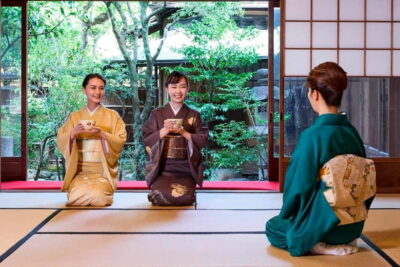 ★ 4.9Kimono Tea Ceremony with Matcha and SweetFrom $66249 reviews
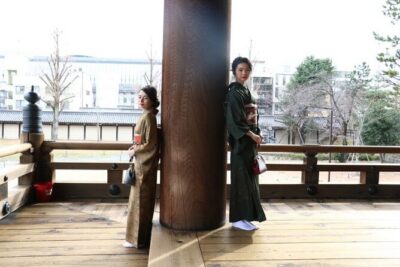 ★ 5.0Family-Friendly Kimono & Yukata Experience at WARGOFrom $31147 reviews
Browse the lists this tour appears in