
Reviewed · KYOTO CRAFT & CALLIGRAPHY WORKSHOPS
Let’s make only one original onigawara in the world!!
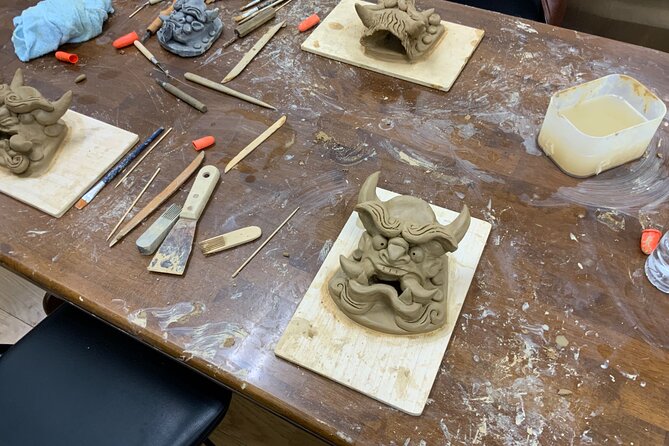
Sculpt a roof guardian in clay. In Yuya’s workshop at KAWARAKOUBOUYOUYA, you’ll create a small onigawara tile by hand, learning how these fearsome faces guarded roofs for generations. It’s also a hands-on class with a payoff: once your tile is finished, it gets fired at the kiln and later arrives with the traditional look.
I love two things most. First, the workshop gives you a real feel for how onigawara are made—not a quick craft, but step-by-step work with clay and the character pieces that form the demon-face style. Second, it’s run for small groups (up to 5) and hosted in English and Japanese, so you’re not left guessing. One consideration: since you’re working with soil, plan on clothes that can get dirty, not your best outfit.
In This Review
- Why Onigawara Still Matter on Modern Roofs
- The 2-Hour Build: From Clay to a Demon-Face Tile
- The Kiln-Fired Twist: Your Tile Changes After You Leave
- Price, Value, and What You Pay Separately
- Getting There: The Workshop Pin and a Simple Fix
- Who This Workshop Fits Best (and Who Might Not Love It)
- What You’ll Learn Beyond the Finished Tile
- Practical Tips Before You Go
- Should You Book Kawarakoubouyouya’s Onigawara Workshop?
- FAQ
- How long is the onigawara workshop?
- What is the price, and is shipping included?
- When will I receive my tile, and what color will it be?
- Is this workshop suitable for kids or people who are not good at crafts?
- Where do we meet for the workshop?
- What should I wear during the experience?
Why Onigawara Still Matter on Modern Roofs
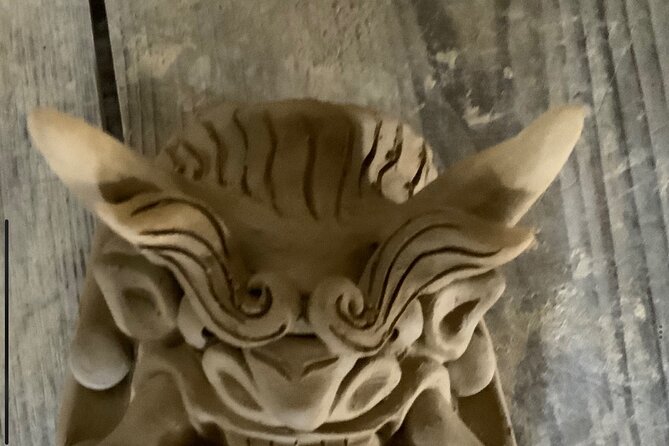
Onigawara are the traditional roof tiles of Japan, and the design isn’t random. These carved pieces often feature fearless faces of ogres and gargoyles, placed at the ends of the main roof ridge. The point is practical and symbolic: they’re meant to protect buildings from evil and help with rainwater as the roof does its job.
What makes this workshop special is that it connects you to that long chain of makers. You’re not just copying an image. You’re shaping a tile meant for a roof, with the same visual language people used centuries ago—then watching it transform after firing.
And yes, the idea of making onigawara sounds tough. The class description admits that onigawara were difficult by nature, but it also emphasizes that the host developed a procedure so almost anyone can do it, including kids and people with clumsy hands. That promise matters, because craft experiences can be either fun or frustrating. Here, the structure is the difference.
The 2-Hour Build: From Clay to a Demon-Face Tile
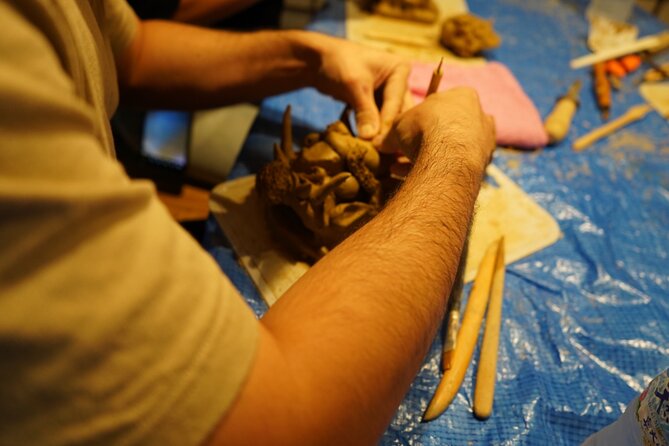
The class runs 2 hours, and that timing is exactly what you’d want if you’re juggling temple hopping and practical Kyoto-area sightseeing plans. You’ll spend the time creating your small tile, piece by piece, with guidance in a small-group setting.
Here’s the rhythm you can expect:
- You start with clay/soil and the basic tile form. The goal is to get the foundation right first, not rush into the face design.
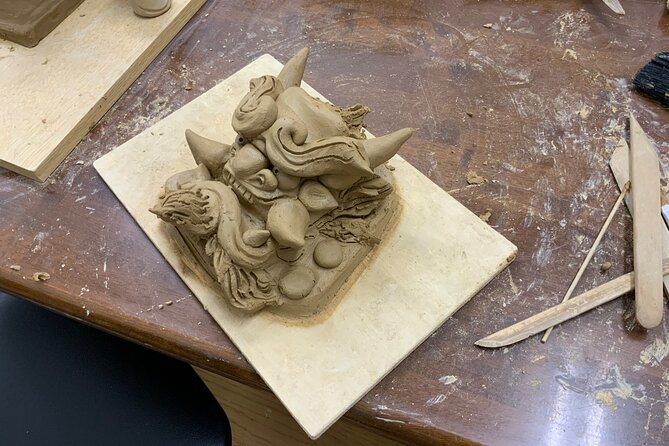
- You form the demon-face elements. That’s where the workshop earns its name. You’re crafting a small, simple version of the traditional ogre/gargoyle style—so you end up with a recognizably “onigawara” look, not just a lump that happens to be shaped.
- You assemble and refine. The host’s job is to help you manipulate the pieces and put them together step by step. The pace is designed for focus, and you’ll likely find you concentrating more than you expected—in a good way.
The most useful part is that the process is taught as a sequence. That makes the work feel manageable. You’re not being asked to reinvent traditional craft from scratch. You’re following a method so your hands know what to do next.
Make something by hand in a Kyoto workshop
The Kiln-Fired Twist: Your Tile Changes After You Leave
When your onigawara is finished in the workshop, the important part isn’t over. Your tile gets fired in a kiln at the factory—not in front of you during the 2 hours.
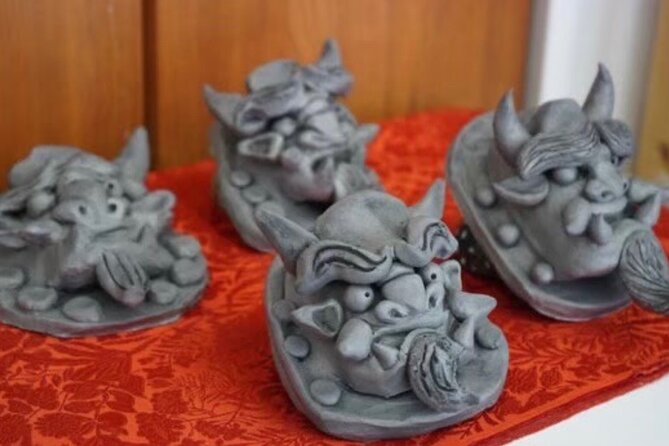
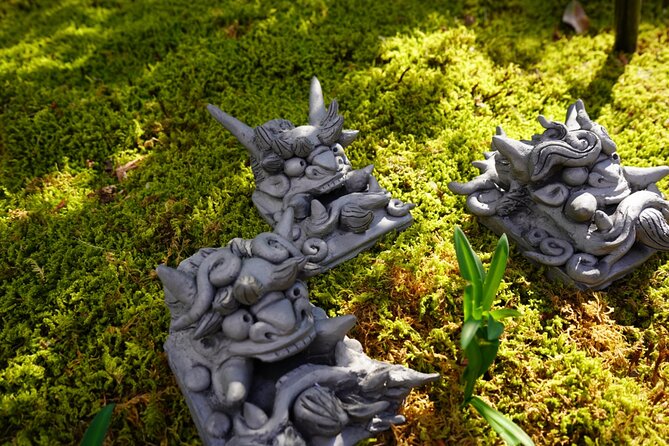
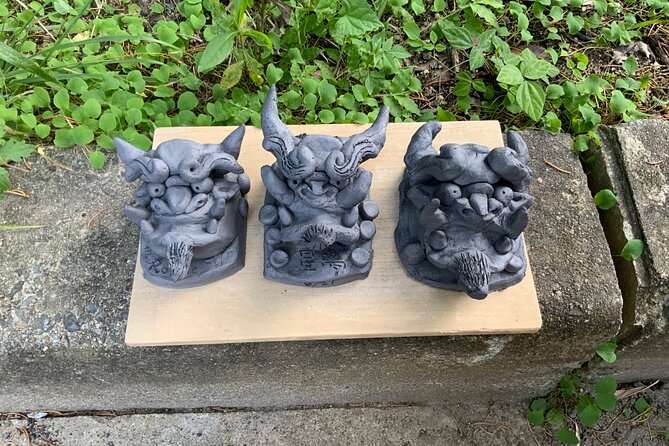
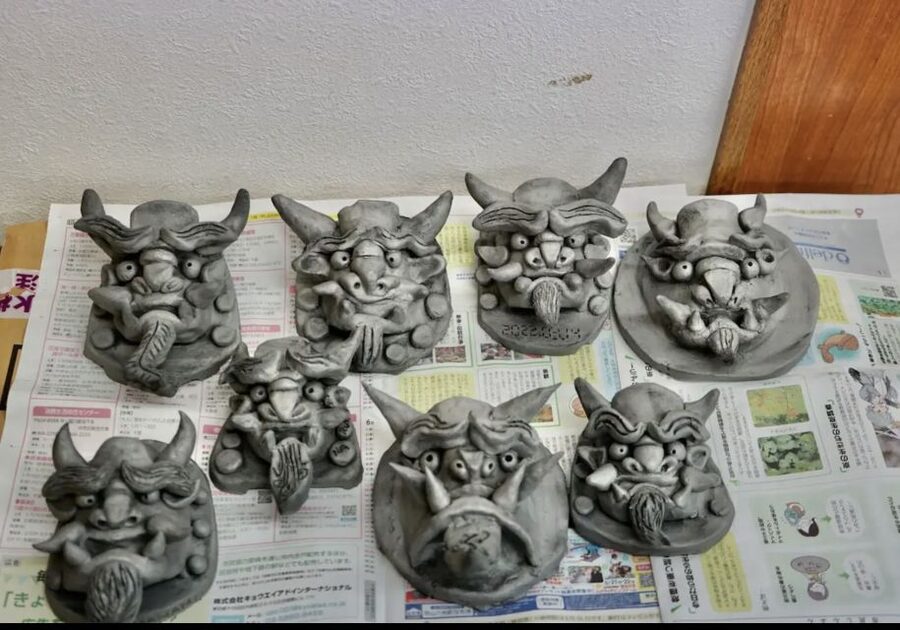
That waiting period is where the transformation happens. After about 1–2 months, the tile changes to the traditional silver color, and it’s then sent to your home. So you get two experiences: the making in real time, and the second-stage “reveal” later when the fired look is complete.
It’s a smart setup for travelers. You don’t need to worry about transporting something fragile through crowded streets, and you don’t have to pack a kiln-ready clay object. You make it, then you travel like a normal person.
Price, Value, and What You Pay Separately
The price is $90 per person, and it covers the core experience: the hands-on workshop time and the kiln firing process.
Shipping is where you’ll need to plan. The class notes that only the shipping fee is charged separately on the day, and after firing they will send your onigawara to your home. The activity doesn’t include shipping in the base price, so you should budget for that extra step.
Is $90 fair? For a lot of Kyoto-area souvenir shopping, you’re paying for the object and the convenience of walking out immediately. Here, you’re paying for instruction, the materials time, and the firing process that turns your clay into the traditional finished look over the following weeks. If you like crafts, this is closer to buying a small piece of experience you can feel in your hands, then receiving the finished result later.
Getting There: The Workshop Pin and a Simple Fix
You’ll meet at KAWARAKOUBOUYOUYA (MY shop). The directions are “search on Google map,” but there’s a practical tip worth knowing: the Google Maps pin can be slightly off. If you arrive and don’t see the place right away, walk about 40 meters east and try again.
That one-minute troubleshooting can save you from the annoying scavenger-hunt feeling that happens in Japan when pins aren’t perfect.
Who This Workshop Fits Best (and Who Might Not Love It)
This is a great fit if you want something that isn’t just photo-stops. The class is short, hands-on, and rooted in a traditional rooftop craft with real meaning.
It also suits a wide range of people:
- Families and kids, because the procedure is designed so you don’t need expert-level sculpting skills.
- People who think they’re bad at crafts. The workshop explicitly addresses that by using a developed method that makes the outcome achievable.
- Travelers who want a break from the constant tourist tempo. You get a focused activity where you’re learning and making, not just moving through another site.
You might hesitate if you really dislike working with soil or you’re traveling with outfits you can’t risk getting dirty. The workshop asks you to wear clothes that may get dirty, so plan your clothing like it’s a workshop, not a sightseeing outfit.



What You’ll Learn Beyond the Finished Tile
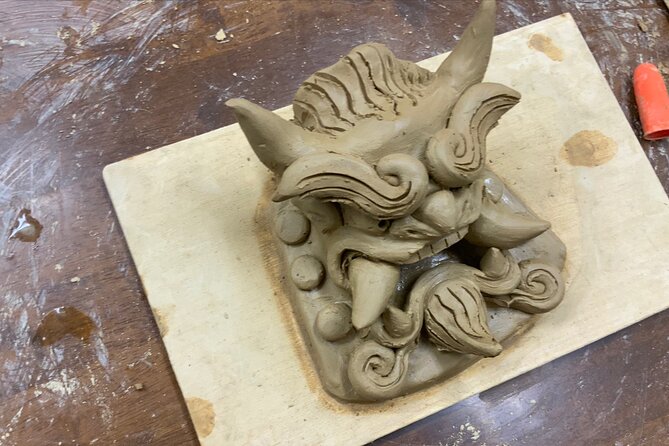
The tile itself is the obvious souvenir, but the real payoff is the context you pick up while you work.
You learn that onigawara are part of the protective roof language of Japan—placed at the ridge ends, with designs meant to fend off evil and manage rainwater runoff. You also learn that modern tile production has changed over time, but the workshop keeps a traditional approach alive: making an ogre face tile the way it was done in the past.
And because it’s a small-group class, the atmosphere tends to feel more like a shared craft session than a mass demonstration. That matters when you’re traveling solo or when you want a calmer experience that doesn’t feel rushed.
Practical Tips Before You Go
A few things will make your visit smoother:
- Wear clothes that can handle soil. This is non-negotiable. You’re working with earth, and it’s part of the process.
- Expect a hands-focused session. This isn’t a show-you-the-tool-and-walk-away activity.
- Plan around the timeline. Your tile doesn’t instantly become a silver finished object. It’s fired after the class, then shifts to that traditional look over 1–2 months, followed by shipping home.
If you keep those expectations aligned, you’ll get the best of both worlds: the satisfying creation time in the workshop and a future delivery that feels like it has a story attached.
Should You Book Kawarakoubouyouya’s Onigawara Workshop?
Book it if you want a meaningful Kyoto-area cultural activity that you do with your hands, not just your camera. The combination of traditional meaning, step-by-step instruction, and the kiln-fired silver-color result makes it better than a typical craft stop.
You might skip it if you’re only looking for an immediate take-home souvenir, because the finished tile arrives later and shipping is separate. Also, if you’re very sensitive to getting stained, choose your outfit like it’s going to get messy.
If you fit the “hands-on tradition” type of traveler, this is a strong choice.
FAQ
How long is the onigawara workshop?
The experience lasts 2 hours.
What is the price, and is shipping included?
The workshop costs $90 per person. Shipping is not included in that price. The shipping fee is charged separately on the day, and the fired tile is sent to your home afterward.
When will I receive my tile, and what color will it be?
After firing, your onigawara will change to the traditional silver color after about 1–2 months and then arrive by shipment to your home.
Is this workshop suitable for kids or people who are not good at crafts?
The class is designed so that even people with clumsy hands and children can make an onigawara using the host’s developed procedure.
Where do we meet for the workshop?
You’ll meet at KAWARAKOUBOUYOUYA (MY shop). Search for it on Google Maps.
What should I wear during the experience?
Because the workshop uses soil, you should wear clothes that may get dirty.
More Tour Reviews in Kyoto
More Kyoto Workshops to Try

Just added: more Kyoto tours to browse







Kyoto Craft & Calligraphy Workshops, compared.
 ★ 5.0Chopsticks Making Workshop in Gion with Engraving OptionFrom $15958 reviews
 ★ 4.8Authentic knife making experience at a blacksmith in KyotoFrom $154350 reviews
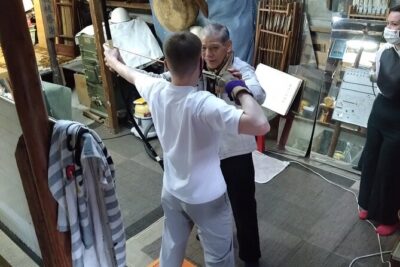 ★ 5.01-Hour Japanese Archery Experience in KyotoFrom $46176 reviews
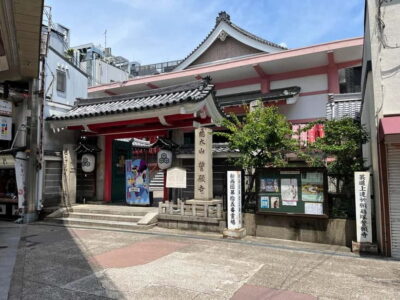 ★ 5.0Calligraphy class at Buddhist temple in city centerFrom $55167 reviews
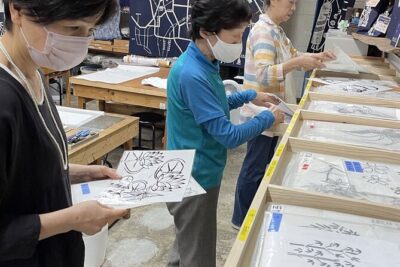 ★ 5.0Roketsu dyeing experience: M course Roketsu Dyeing ExperienceFrom $25163 reviews
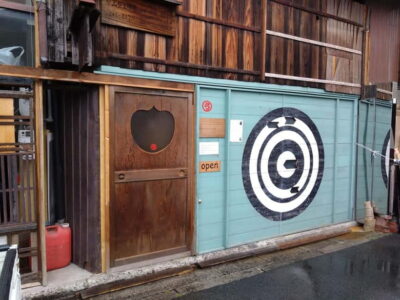 ★ 4.9Japanese Archery Workshop with Experienced InstructorFrom $38132 reviews
 ★ 4.8Japanese Calligraphy ClassFrom $5189 reviews
 ★ 5.0TAIKO, Japanese Drum Experience from KyotoFrom $11586 reviews
Browse the lists this tour appears in