
Reviewed · KYOTO COOKING CLASSES
Kyoto Udon & Tempura Cooking Class with Professional Chefs
Kyoto tastes better when you make it. This hands-on Kyoto udon and tempura cooking class lets you turn flour and water into chewy noodles, then fry up tempura while an English guide and udon master keep things clear and friendly. You also get to eat what you make and finish with a mini sake tasting, plus an English recipe set for dinner at home.
I especially like the practical focus on hands-on technique, not just watching. You’ll also appreciate the small group size (up to 8), which makes it easier to ask questions while your dough is still warm and your frying oil is ready. One consideration: the class can run a bit tighter than some descriptions, and you might do less of the full sushi or broth steps than you expect, depending on pacing.
In This Review
- Key Highlights Worth Your Time
- From Flour to Chewy Udon: What You Actually Learn
- Udon Master + English Guide: Why the Class Feels Friendly
- Inari Sushi and Onigiri: Rice That You Can Shape
- Tempura Frying: How “From Scratch” Can Be Practical
- Eating the Meal: Why the Sake Finish Helps
- Meeting at Kyoto Kawaramachi: Simple Start, Easy Finds
- Timing in Real Life: Plan for About Two Hours
- Price and Value: What $83 Buys You in Kyoto
- Best Fit: Who Should Book This Cooking Class
- Take-Home Recipes: Your Ticket to Repeat Dinner
- Should You Book This Kyoto Udon & Tempura Class?
- FAQ
- How long is the Kyoto Udon & Tempura Cooking Class?
- Where do I meet for the class?
- What language is the instruction in?
- Do I need cooking experience?
- What dishes will I make during the class?
- Can I get a full refund if I cancel?
Key Highlights Worth Your Time
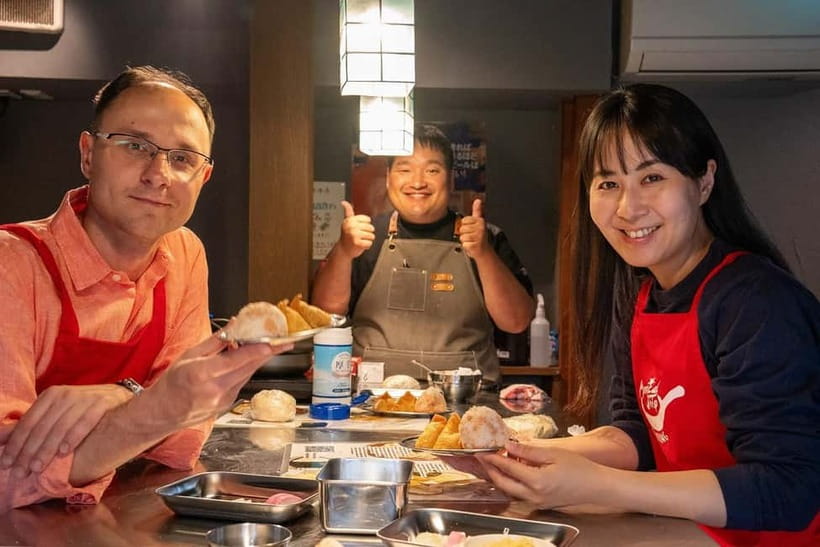
- Udon from scratch: Mix, knead, and roll dough by hand to learn the feel of real texture.
- English guidance with a pro: An English-speaking guide works alongside a specialist udon master.
- Tempura frying practice: You fry your own golden bites instead of just sampling.
- Inari sushi shaping and rice seasoning: You learn how seasoned rice becomes onigiri and inari sushi.
- Mini sake tasting + two drinks: You get a small drink moment to match the meal.
- Take-home English recipes and photos: You leave with a way to repeat the dishes, plus tour photos.
From Flour to Chewy Udon: What You Actually Learn
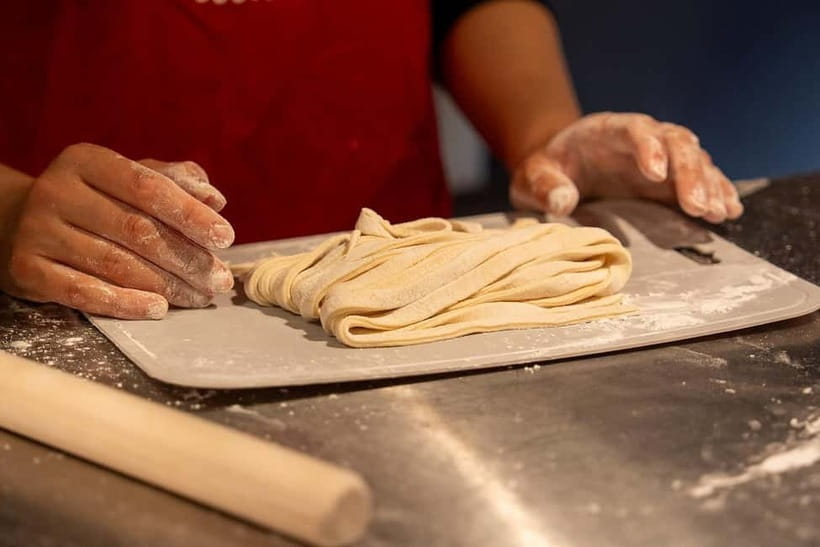
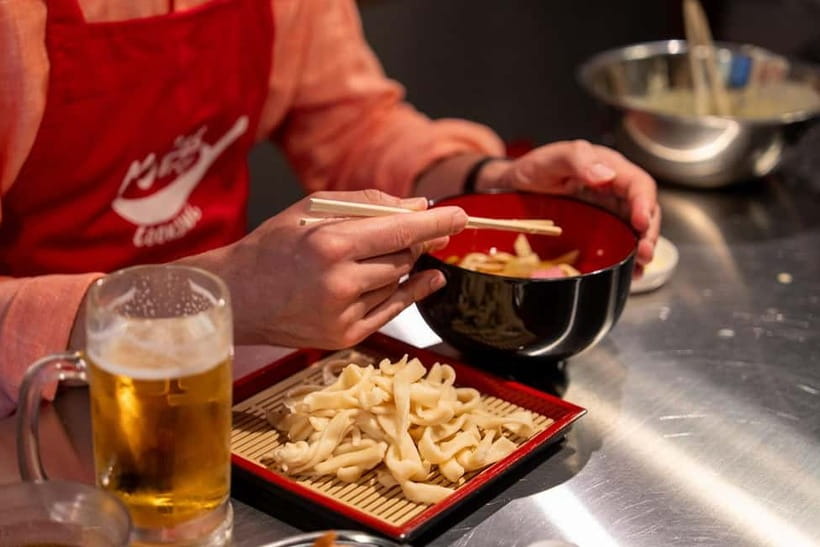
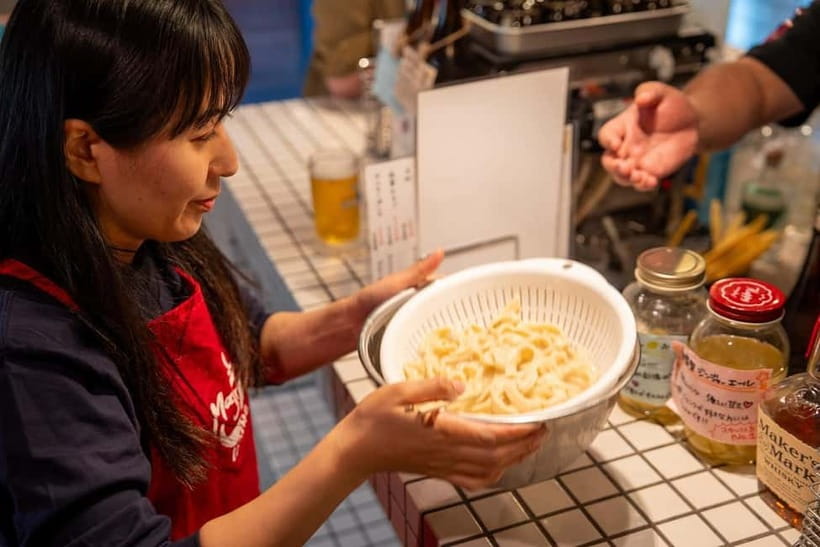
The core experience starts simple: flour and water. Then the work begins—mixing, kneading, and rolling your dough by hand until it has that right stretch and chew. This is the kind of skill that doesn’t feel like memorizing steps. It feels like learning through touch.
If you’re new to cooking, this part is still a win because the class is structured around doable actions. You’re not expected to be a chef with kitchen tools you’ve never used. You’re learning the specific motion that builds gluten and gives udon its signature bite.
One practical upside: homemade udon teaches you what matters. In a bowl of noodles from a shop, you can’t feel the dough’s elastic change. Here, you can. That makes it easier to understand why udon tastes the way it does—and why it’s hard to fake at home if you skip kneading and rolling.
Roll up your sleeves for another Kyoto cooking class

Udon Master + English Guide: Why the Class Feels Friendly
You’re not just in a room cooking. You’re cooking with a specialist, plus an English-speaking local guide. That combo matters more than it sounds. The specialist is focused on the technique, and the guide helps translate the why behind it so you’re not guessing.
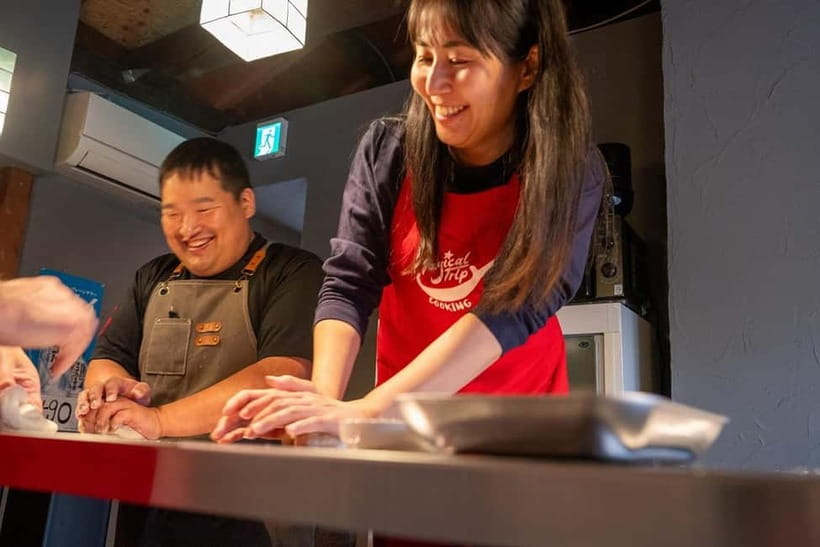
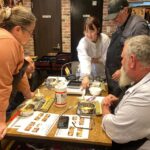
The small group format (limited to 8 participants) also helps. When everyone has time at the cutting board and rolling space, you spend less time waiting and more time doing. In a bigger group, the same class can feel like a demo with a few minutes of hands-on time. Here, the hands-on part is the point.
I also like that the class includes tour photos. It’s a small detail, but it helps you remember what you made and how it looked before you devoured it.
Inari Sushi and Onigiri: Rice That You Can Shape
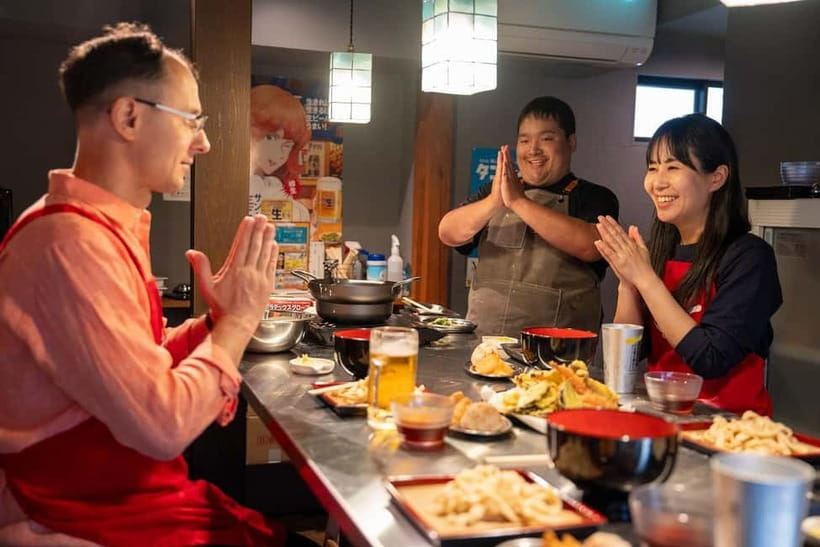
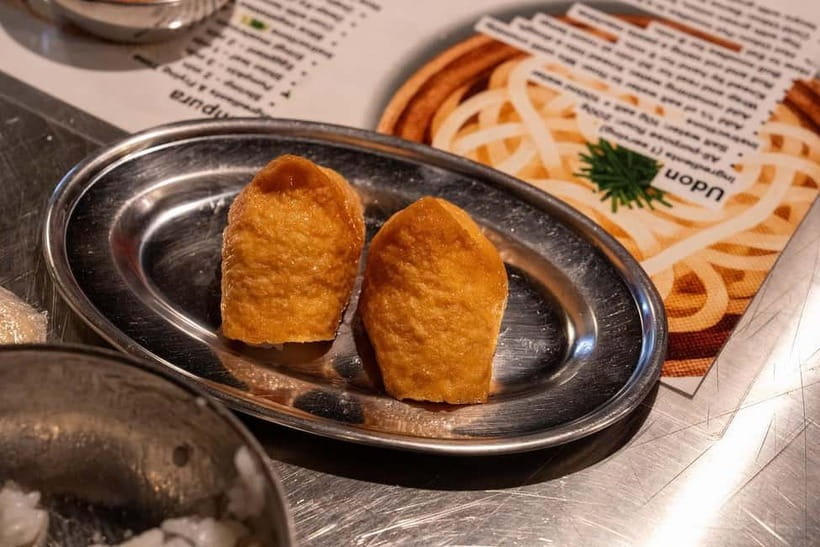
After udon dough, you shift to rice work. You’ll handle freshly steamed rice and learn how to season it for Inari sushi. Then the class focuses on shaping—making onigiri and inari sushi from the rice you prepared.
For many people, the biggest surprise is how much shaping changes the eating experience. A rice ball in Japan isn’t random. You’re learning a form that fits in your hand and holds seasoning and textures in place.
Now, here’s the caution I’d give: depending on timing and pacing, you may not get the full, step-by-step sushi assembly you’re picturing. Some classes in this style lean more toward rice seasoning and shaping than a complete inari sushi build from start to finish. If you’re traveling with a hard requirement—like wanting every sushi step—ask what’s covered when you book.
Tempura Frying: How “From Scratch” Can Be Practical
Tempura is where the class turns fun and noisy—in a good way. You’ll learn a process for frying crisp tempura bites, and you’ll do the frying yourself. That hands-on part is huge. Tempura is one of those things that’s easy to mess up when you only watch someone else do it.
About the ingredients and batter: the class aims to show you the method clearly, but some versions may simplify the batter part. In other words, you might not mix every component of tempura batter from scratch. You could end up dipping ingredients before frying rather than doing a full batter build step-by-step. The end result still gets you the key skill: turning ingredients into crisp, golden bites.
If you care about technique, focus on what you can control. Heat management and timing matter. You’ll get a feel for the moment when frying stops being soggy and starts being crisp.
Eating the Meal: Why the Sake Finish Helps
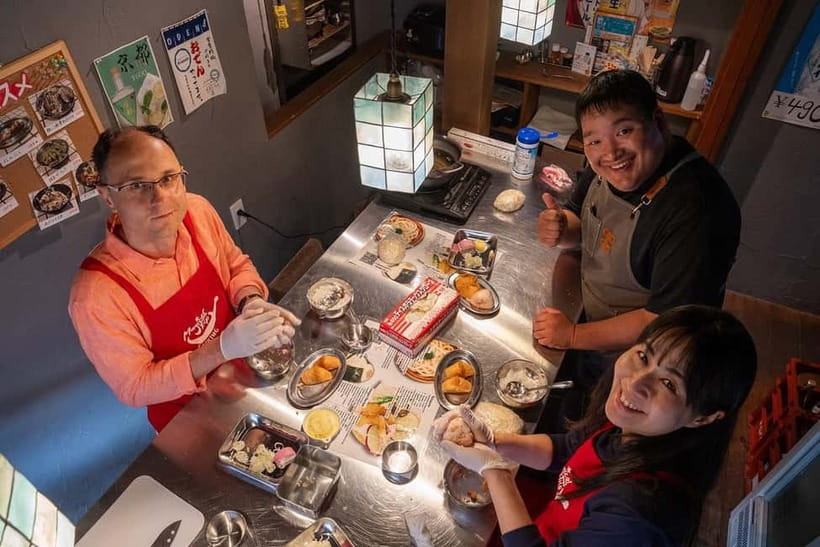
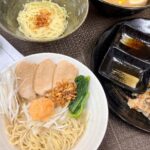
This is not a sit-and-watch class that hands you a plate at the end. You’ll eat what you make: udon plus Inari sushi and tempura. That’s the real payoff—your hands do the work, and your plate shows the result.
The meal is also a good way to learn what to adjust next time. When your noodles are freshly made, you immediately notice texture. When your tempura is crisp, you can tell if you fried too hot or too long. It’s food education without a textbook.
Then you finish with a mini sake tasting experience. Since the tour includes two drinks, plan on tasting at least one sake portion as part of the pairing. It’s a small moment, but it fits the theme: Japanese cooking isn’t only flavor. It’s also ritual and pacing.
Other Kyoto tours and experiences to compare


Meeting at Kyoto Kawaramachi: Simple Start, Easy Finds
Your meeting point is a 7-Eleven near Kyoto Kawaramachi-Takoyakushi. It’s listed as 7-Eleven – Kyoto Kawaramachi-Takoyakushi, and it’s close to Kyoto-Kawaramachi Station.
You’ll want to aim for the station walking routes rather than trying to navigate Kyoto streets by memory. The meeting is about a 3-minute walk from Exit B3 of Kyoto-Kawaramachi Station (Keihan Kyoto Line), or roughly a 9-minute walk from Exit 3 of Gion-Shijo Station (Keihan Main Line). If you’re arriving on foot from the Gion area, that second option can save you stress.
A small group class runs on time. If you’re coming from sightseeing, add a buffer so you’re not late while trying to find the exact store entrance.
Timing in Real Life: Plan for About Two Hours
The class is described as 2 hours, but real kitchen timing can vary. In practice, the full experience can feel shorter when the focus is mostly on dough kneading and a simplified fry/shaping flow. That’s not bad, it’s just a reality of cooking classes—food moves based on dough readiness and fryer temperature.
So here’s the practical way to plan: treat it like a compact workshop with a strong hands-on emphasis. You’ll likely spend time making the udon dough, shaping rice for inari sushi/onigiri, and frying tempura. You may not spend extended time cooking everything from scratch in the broadest possible sense, like udon broth from the ground up or a long, multi-step sushi assembly.
If you want to protect your schedule, keep the rest of your day flexible. You’ll be better off booking this as a main activity rather than squeezing it between trains and reservations.
Price and Value: What $83 Buys You in Kyoto
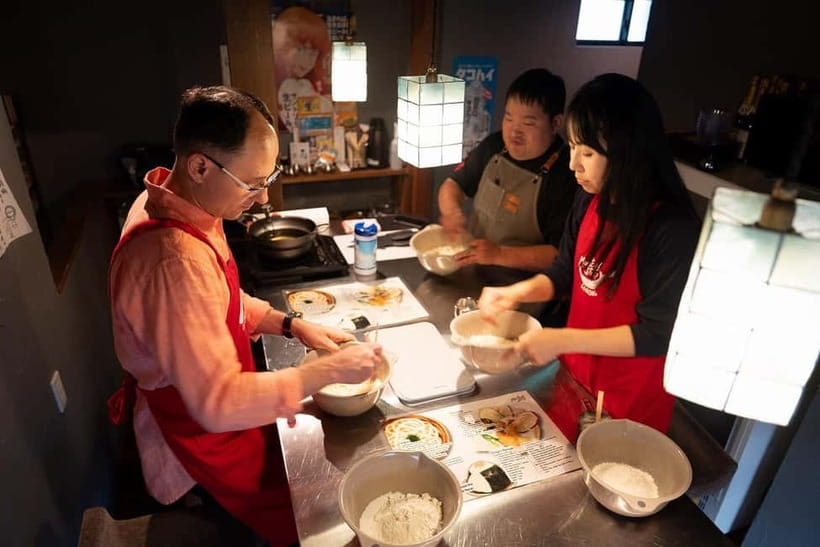
At about $83 per person, this isn’t a cheap activity. But it isn’t just paying for ingredients. You’re paying for professional instruction, guided technique practice, and a structured meal you didn’t have to plan or shop for.
Here’s how the value stacks up:
- You get hands-on udon dough work, which is hard to learn alone.
- You get a pro specialist (udon master) plus an English guide, which makes the learning curve gentler.
- You get multiple parts of the meal: udon, inari sushi, and tempura.
- You get two drinks, including mini sake tasting.
- You leave with an English recipe set to recreate the dishes at home.
Where the value is strongest is if you want to learn method, not just eat. If you already feel confident making noodles and frying tempura, you may find the class more “practice and tasting” than “new skills.” If you’re curious, this price can be fair because the class gives you technique and a meal in one package.
Best Fit: Who Should Book This Cooking Class
This Kyoto class is a strong choice for:
- First-timers who want a hands-on food skill without prior experience
- People who like cooking but don’t want to figure out shopping lists and equipment
- Couples, solo diners, and families who want an activity that ends with a meal
- Anyone who wants English support while working with Japanese cooking techniques
It’s also ideal if you’re the type who learns better by doing. Kneading dough, shaping rice, and frying tempura teach you with your hands. That’s a different learning style than reading a recipe and hoping you got it right.
The main mismatch risk is expectations. If you’re expecting a long, full sushi production process or a full udon broth cooking session, keep your expectations realistic and be ready for a tighter class format. The upside is you’ll still leave with the key skills the class highlights.
Take-Home Recipes: Your Ticket to Repeat Dinner
One of the smartest parts of this experience is the English recipe set. After you’ve made the dishes once, the recipes become much more usable. You’ll recognize what each step is trying to achieve, like texture goals for udon or seasoning balance for rice.
If you’ve ever bought a Japanese cooking book and thought, I get the idea but not the technique, this is what closes that gap. The class gives you reference points. The recipes give you the path back home.
Also, tour photos are included. That matters more than it sounds if you want to compare what you did with what the finished dish should look like.
Should You Book This Kyoto Udon & Tempura Class?
Book it if you want a friendly, small-group, English-supported cooking workshop that ends with a real meal—and you’d like to learn udon from scratch plus fry tempura and shape inari sushi/onigiri. The price makes sense when you treat it as a skills-and-meal bundle, not just a tasting.
Skip or at least confirm details if you’re chasing a very specific version of the class, like a full, extended sushi build or a complete udon broth-making session. This experience can be more compact and technique-focused than the broad description suggests.
If you’re okay with a hands-on learning format and you like eating what you cook, this one fits Kyoto well. It’s a food activity that feels like work you’ll enjoy—and results you can actually taste.
FAQ
How long is the Kyoto Udon & Tempura Cooking Class?
The class duration is 2 hours.
Where do I meet for the class?
Meet at 7-Eleven – Kyoto Kawaramachi-Takoyakushi. It’s about a 3-minute walk from Exit B3 of Kyoto-Kawaramachi Station (Keihan Kyoto Line), or about a 9-minute walk from Exit 3 of Gion-Shijo Station (Keihan Main Line).
What language is the instruction in?
The class is taught in English.
Do I need cooking experience?
No prior cooking experience is required. Ingredients are provided, and the class is suitable for all ages.
What dishes will I make during the class?
You’ll learn to make udon noodles, Inari sushi, and tempura, and you’ll eat what you make.
Can I get a full refund if I cancel?
Yes. You can cancel up to 24 hours in advance for a full refund.
More Cooking Classes in Kyoto
More Tour Reviews in Kyoto


More Kyoto Cooking Classes
Just added: more Kyoto tours to browse




Kyoto Cooking Classes, compared.
 ★ 5.0Ramen Cooking Class at Ramen Factory in KyotoFrom $1311,937 reviews
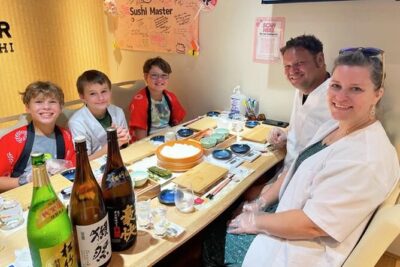 ★ 5.0Sushi Making in Kyoto! Same-day bookings welcome!From $53713 reviews
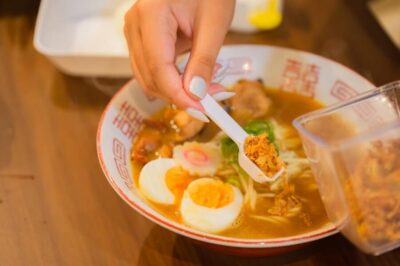 ★ 4.9Ramen Cooking Class at a Ramen Factory with SouvenirFrom $127532 reviews
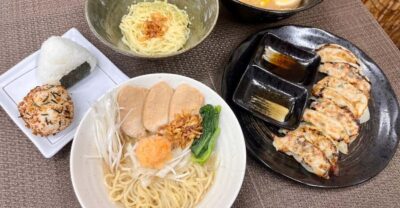 ★ 5.0Ramen, Gyoza, and Onigiri Cooking ClassFrom $90445 reviews
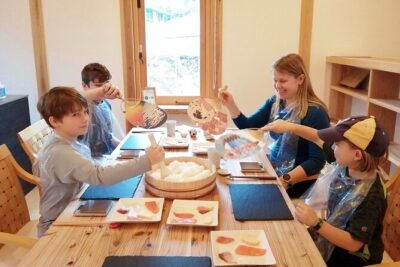 ★ 5.0The Original Small-Group Sushi Making Class in KyotoFrom $69436 reviews
 ★ 5.0Japanese Washoku Bento Small Group Cooking ClassFrom $58380 reviews
 ★ 5.0Kyoto Ramen and Gyoza Cooking Class with Professional ChefsFrom $86282 reviews
 ★ 4.9Afternoon Japanese Izakaya Cooking ClassFrom $67241 reviews
Browse the lists this tour appears in