
Reviewed · KYOTO COOKING CLASSES
Kyoto Udon and Tempura Cooking Class with Professional Chefs
Hand-cut udon is shockingly satisfying. In Kyoto, you learn by doing, starting with flour and water and ending with a meal you can taste right away—plus a mini sake tasting. The whole thing is built around hands-on practice with a real udon master and an English-speaking local guide.
I especially like that you’re not just watching—you’re kneading, rolling, and cutting your own noodles. Then you shift gears to rice dishes (onigiri and inari sushi) and finish with crispy tempura, so you leave with a broader set of Japanese cooking skills than most one-dish workshops.
One consideration: this class is centered on fried tempura and a full plate of food, so if deep-fried food isn’t your thing, it may not match your taste. Also, plan to get yourself to the meeting point at 7-Eleven (Uraderachō)—no transport is included.
In This Review
- Key Highlights You’ll Actually Feel During the Class
- Why This Kyoto Udon, Sushi, and Tempura Class Works
- The 2.5-Hour Cooking Flow: From Flour and Water to Fresh Udon
- Hot and Cold Udon, Plus What That Teaches You
- Onigiri and Inari Sushi: Rice Skills You Can Use Tomorrow
- Tempura Frying: Getting Crisp Without Overthinking It
- Eating What You Make: A Mini Sake Tasting with Your Meal
- What You Take Home: Recipes and Photos That Save Time
- Price and Value: What You’re Paying For at $85.39
- Logistics That Matter: Meeting Point, Timing, and Group Size
- Who This Kyoto Cooking Class Is Best For
- A Few Smart Tips Before You Go
- Should You Book It?
- FAQ
- What dishes will I make during the class?
- Does the class include drinks?
- Is the class suitable if I’ve never cooked Japanese food before?
- How long is the cooking class?
- Where do I meet, and when does it start?
- Is transportation included?
Key Highlights You’ll Actually Feel During the Class
- Hand-cut udon from scratch: you start with basic ingredients and learn the technique step by step.
- Onigiri + inari sushi practice: you’ll make classic rice bites, not just sample them.
- Tempura frying with guidance: you get a chance to fry and taste what you make while it’s crisp.
- English support from a local guide: you’re not stuck guessing what you’re doing.
- Instructors who keep it friendly and fun: Josh and Nakajima-san come across as kind, upbeat teachers.
- Take-home recipes and tour photos: you’ll get downloadable instructions and pictures by email after.
Why This Kyoto Udon, Sushi, and Tempura Class Works
Kyoto food classes can be hit-or-miss: some are mostly demos, others are so basic you don’t learn much. This one is different because it keeps you busy through multiple cooking stages, from dough to rice shaping to frying.
What makes it feel practical is the flow. You begin with udon—chewy, elastic noodles that require touch and timing. Then you move to rice dishes you can actually recreate at home (onigiri and inari sushi), and you end with tempura, where the reward is instant: crisp texture and hot food you make yourself.
The class also stays social without being chaotic. The group size tops out at 8 people, which matters because it’s easier to get corrections and encouragement when you’re not competing for attention.
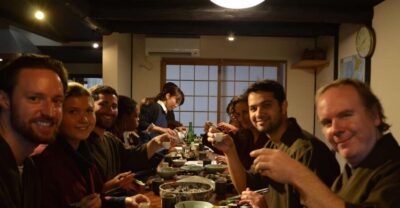
Roll up your sleeves for another Kyoto cooking class

The 2.5-Hour Cooking Flow: From Flour and Water to Fresh Udon
You start at 10:00 am and you’re in the kitchen for about 2 hours 30 minutes. The schedule is structured so you learn technique in the middle of the action, not at the end when it’s too late to apply it.
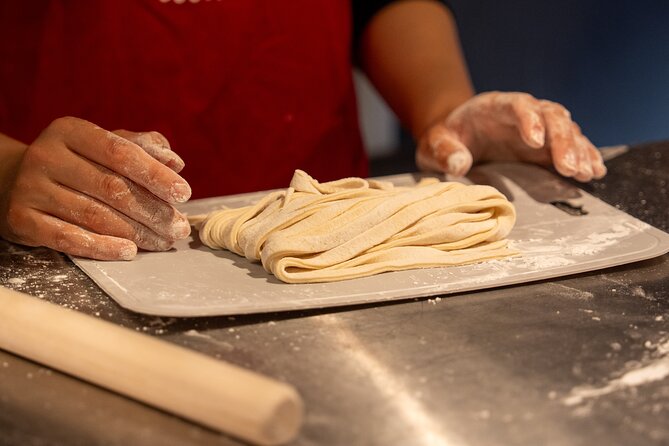
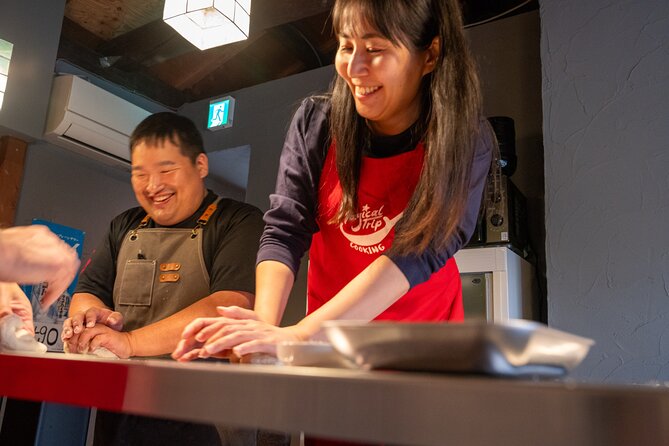
The udon portion begins with fundamentals: you start with just flour and water, then learn how to knead until the dough has the right feel. From there, you roll and cut by hand, guided by the udon master and your English-speaking local guide.
This is the big reason I like this class. Hand-cut udon isn’t just a snack trick—it teaches you how texture is created. When you can feel the dough change as you knead, you start understanding what makes noodles chewy.
Hot and Cold Udon, Plus What That Teaches You
You’re not only cooking one type of udon experience. From the way the class is described, you’ll get to make and try more than one style—so you can compare how serving temperature changes the overall feel of the dish. That’s a useful lesson if you’re trying to cook Japanese food beyond one reheating method at home.
Onigiri and Inari Sushi: Rice Skills You Can Use Tomorrow
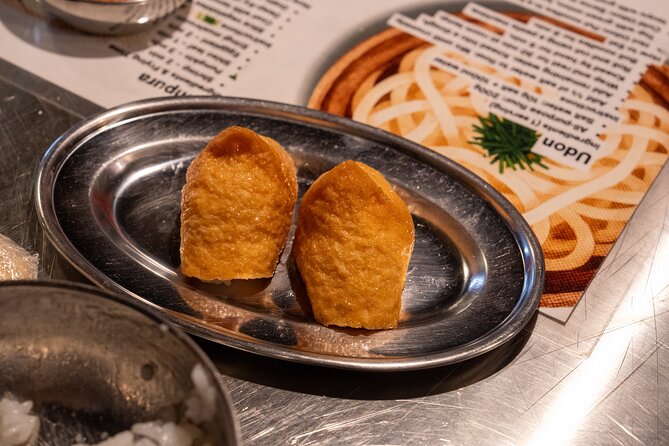
After the noodle work, the class shifts to rice dishes. You’ll prepare classic Japanese rice favorites like onigiri and inari sushi—the kind of foods people eat casually, but that still take real technique to do well.
Onigiri sounds simple until you try it. The value here is guidance on shaping and handling rice so it holds together and tastes right. You’ll learn the basic idea of forming compact, portable bites—perfect for lunches back home.
Inari sushi is even more instructive because it’s about balance and assembly. You’re making familiar Japanese comfort food, but you’re doing it in a guided setting so you’re not left guessing how the parts come together.
Tempura Frying: Getting Crisp Without Overthinking It
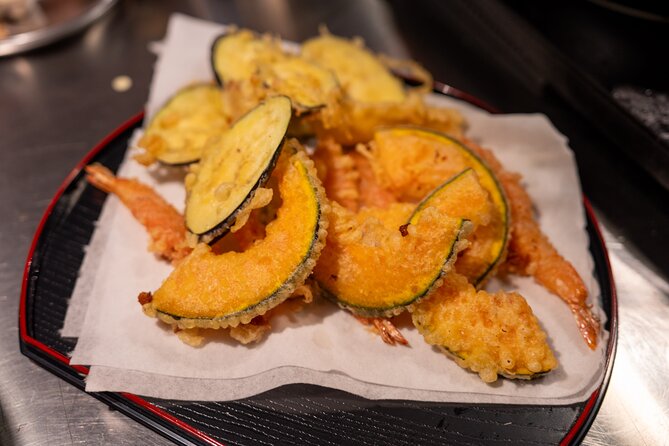
Tempura is the classic “wow, I made that” dish. Here, you fry crispy, golden tempura with friendly instruction and hands-on practice, so you aren’t stuck watching someone else do the work.
The skill you’re really learning is control—how to fry so the batter turns crisp instead of soggy. In a short class, that’s about technique and pacing: timing matters, and your guide can help you correct common mistakes before they become fried-lesson souvenirs.
If you’re a fan of shrimp and vegetable tempura, you’ll likely enjoy this part. The class format includes making tempura, and the experience has been described as including shrimp and vegetable components along the way.
Other Kyoto tours and experiences to compare

Eating What You Make: A Mini Sake Tasting with Your Meal
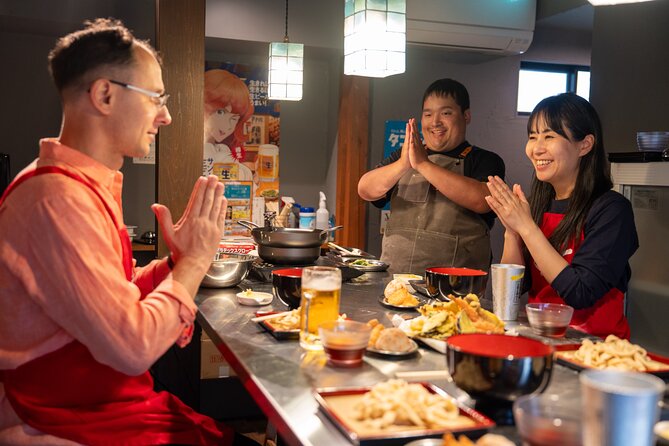
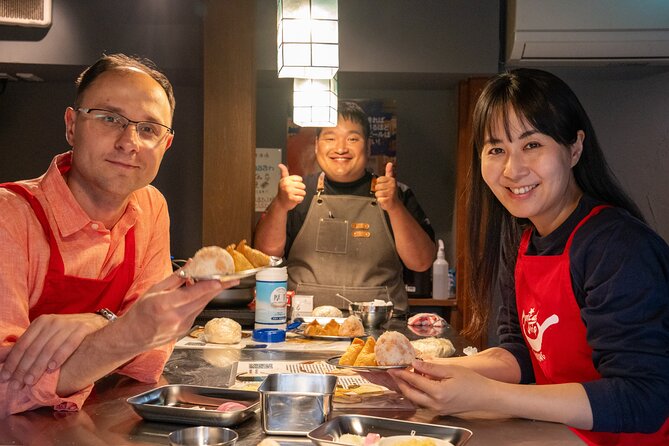
Once cooking finishes, you eat. That part matters more than people think. You’re tasting your own udon, your sushi bites, and your tempura while it’s still fresh enough to understand what the goal is—chewy noodles, structured rice bites, and crisp fried coating.
Your meal also includes a mini sake tasting. Two drinks are included overall, with a choice of alcoholic or non-alcoholic options, and sake is part of the mix. Even if you don’t drink much, the tasting gives you context for how Japanese food pairs with alcohol (and it’s included, so you won’t need to budget extra).
What You Take Home: Recipes and Photos That Save Time
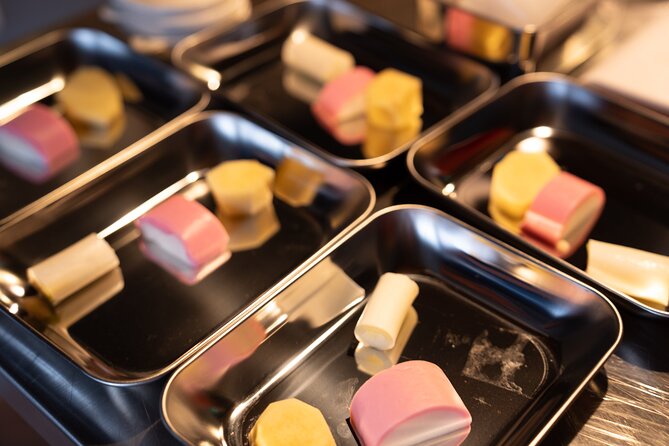
I like classes that don’t end with regret at the ingredient list. Here, you get downloadable English recipes, described as easy enough to recreate at home. That’s a big value boost, because cooking instruction without follow-up can turn into a nice memory but not a usable skill.
You also get tour photos emailed afterward. It’s not just “look how fun we were” material. Seeing what your dishes were meant to look like helps you replicate the results when you cook again.
If you’re planning a future Japan trip (or you just want to cook Japanese food for friends), these take-home materials are one of the best parts of the deal.
Price and Value: What You’re Paying For at $85.39
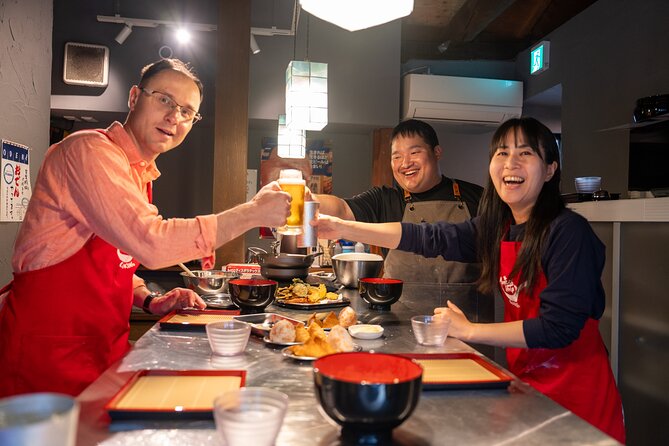
At $85.39 per person, you might wonder if it’s worth it for a 2.5-hour class. The value is in how many different food skills you cover and how much you actively do.
You’re making four dishes from scratch: udon, onigiri, inari sushi, and tempura. You’re also getting drinks included (two total, including sake as part of the experience). On top of that, you receive English recipes and emailed photos.
For a cooking class, the “hidden” value is the instruction quality: you’re taught by a udon master plus an English-speaking local guide. That combination is what makes the difference between wandering around a kitchen and actually learning what to do next time.
Logistics That Matter: Meeting Point, Timing, and Group Size
You meet at 7-Eleven, 599 Uraderachō, Nakagyo Ward, Kyoto, 604-8041, Japan. The start time is 10:00 am, and the activity ends back at the meeting point.
A few practical notes:
- Bring an appetite. This is a cook-and-eat experience, not a tiny tasting-only class.
- You’ll need to handle your own transport to the meeting point since it’s not included.
- The group max is 8 people, which helps with personal instruction and keeps the class from turning into a production line.
- You’ll use a mobile ticket, which is convenient if you already rely on your phone for everything in Kyoto.
If you like small, instruction-heavy experiences more than big group tours, this format should feel like a good fit.
Who This Kyoto Cooking Class Is Best For
This class is well suited for people who learn best through hands-on work. If you’ve never cooked udon before, that’s fine—starting from flour and water means there’s a built-in beginning.
It also fits families. One of the strongest signals from past experience is that it works for a group where not everyone has cooking confidence. Instructors like Josh and Nakajima-san are described as kind and friendly, and the class structure encourages participation rather than passive watching.
Food lovers will enjoy the variety too. You’re not just doing noodles or just doing frying—you get multiple Japanese staples in one session, which is great if you want breadth without spending all day hopping between experiences.
A Few Smart Tips Before You Go
You’ll have the best time if you plan for the class as a meal and a lesson, not just an activity.
- Skip a heavy breakfast if you can. The format includes cooking and then eating what you make.
- Wear comfortable clothes. You’ll be doing hands-on prep during the udon stage and working near a hot tempura setup.
- If you want to recreate dishes later, watch how the guide explains the steps and ask quick questions while you’re still in that stage.
- If you’re sensitive to fried food, consider that tempura is a core part of the experience.
Should You Book It?
I’d book this class if you want a Kyoto food experience that teaches real techniques and gives you a full meal at the end. The mix of hand-cut udon, rice shaping (onigiri and inari sushi), and tempura frying makes it a strong “learn a lot in one sitting” choice.
Pass if you mainly want scenery or if you’re not interested in frying-based cooking. Also, if getting to a meeting point near a 7-Eleven is a hassle for you, factor in your own transport time.
For most people—especially beginners who want guidance—this is a fun, practical way to bring Kyoto home to your kitchen.
FAQ
What dishes will I make during the class?
You’ll learn to make udon noodles by hand, plus onigiri and inari sushi with rice. You’ll also fry tempura and then eat everything you make.
Does the class include drinks?
Yes. Two drinks are included, and the experience notes include sake as part of the drink options. You can choose alcoholic or non-alcoholic drinks.
Is the class suitable if I’ve never cooked Japanese food before?
Yes. The class is described as beginner-friendly, with instruction starting from basic ingredients and step-by-step guidance.
How long is the cooking class?
The duration is about 2 hours 30 minutes.
Where do I meet, and when does it start?
You start at 7-Eleven, 599 Uraderachō, Nakagyo Ward, Kyoto, 604-8041, Japan at 10:00 am. The activity ends back at the meeting point.
Is transportation included?
No. Transportation to and from the meeting point is not included.
More Cooking Classes in Kyoto
More Tour Reviews in Kyoto




More Kyoto Cooking Classes
Just added: more Kyoto tours to browse








Kyoto Cooking Classes, compared.
 ★ 5.0Ramen Cooking Class at Ramen Factory in KyotoFrom $1311,937 reviews
 ★ 5.0Sushi Making in Kyoto! Same-day bookings welcome!From $53713 reviews
 ★ 4.9Ramen Cooking Class at a Ramen Factory with SouvenirFrom $127532 reviews
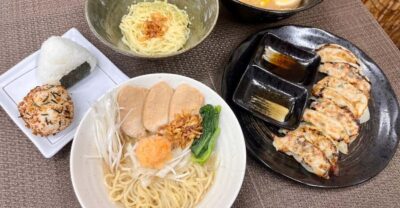 ★ 5.0Ramen, Gyoza, and Onigiri Cooking ClassFrom $90445 reviews
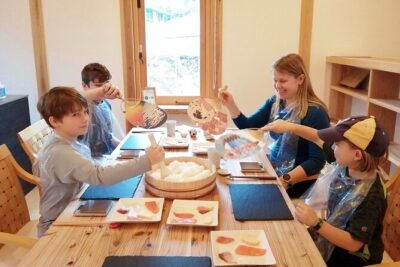 ★ 5.0The Original Small-Group Sushi Making Class in KyotoFrom $69436 reviews
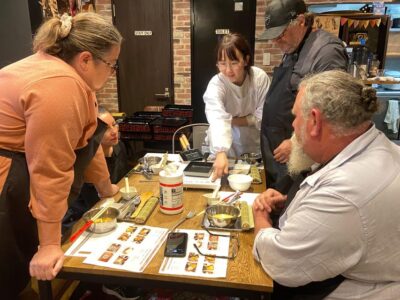 ★ 5.0Japanese Washoku Bento Small Group Cooking ClassFrom $58380 reviews
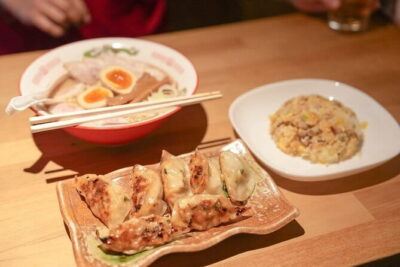 ★ 5.0Kyoto Ramen and Gyoza Cooking Class with Professional ChefsFrom $86282 reviews
 ★ 4.9Afternoon Japanese Izakaya Cooking ClassFrom $67241 reviews
Browse the lists this tour appears in