
Reviewed · KYOTO CRAFT & CALLIGRAPHY WORKSHOPS
Kyoto: Traditional Yuzen Dyeing Experience
Kyoto without the rush is possible in one room. I love the way this Yuzen dyeing experience slows you down, then turns your choices into a finished piece of silk art. You’re in a real machiya townhouse in the Nishijin district, guided by the artisan who actually practices this craft at home.
Two things I especially like: you pick your colors (and your design theme), and you get hands-on instruction that stays calm and personal. I also appreciate that this is a small-group setup capped at 6 people, so the artisan can correct details while the interpreter keeps everything flowing in English or Chinese.
One drawback to plan for: you’re expected to work in clothes you don’t mind getting dye on, and the session runs with real dye/chemical materials, so you’ll want to flag any allergies or sensitivities ahead of time.
In This Review
- Key Points You Should Know Before You Go
- A Machiya Workshop in Nishijin: What You’re Really Walking Into
- Meeting the Artisan and Your Interpreter: How the Class Stays Personal
- Choosing Your Design and Colors: The Part That Feels Like Real Decision-Making
- How Yuzen Dyeing Works: Painting Silk Instead of Doing Craft-Store Tie-Dye
- The Machiya Session Flow: What Happens During Those 2 Hours
- Value and Price: Is $161 Worth It for 2 Hours?
- Who This Yuzen Class Suits Best (And Who Should Rethink It)
- What to Bring (So You Don’t Worry While You Paint)
- Your Finished Piece: Why the Take-Home Moment Feels So Special
- Should You Book This Kyoto Yuzen Dyeing Experience?
- FAQ
- How long is the Yuzen dyeing experience?
- Where does the class take place?
- How much does it cost?
- Is the class small?
- What languages are available for the guide?
- Is transportation included?
- What should I wear or bring?
- Can I buy extra works from the artisan?
- Is the activity wheelchair accessible?
- Can I cancel for a refund?
- Are there any restrictions on what I can bring or do?
- Is this suitable for children?
Key Points You Should Know Before You Go
- Small group, big attention: Limited to 6 participants, with direct guidance from the artisan and interpreter.
- You choose the palette: Pick one or two colors first, then the artisan helps build a balanced scheme.
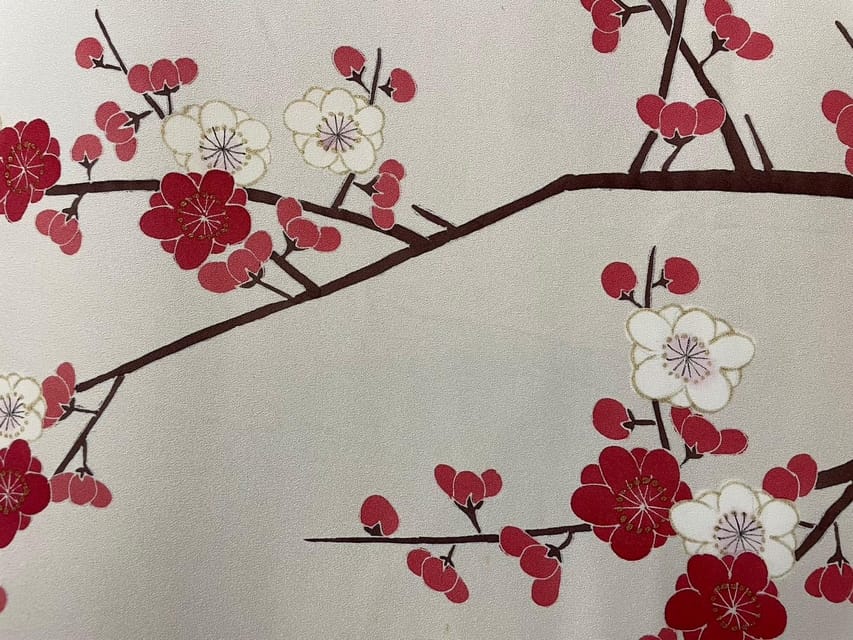
- Pre-designed silk makes it learnable: Your fabric often comes with gold outlines for your chosen motif.
- Authentic home-studio feel: You enter a traditional machiya where the craft is practiced day to day.
- Finished and wearable-ready outcome: You take home your dyed piece after it’s cared for at the end.
- Time can stretch a bit: If your session runs long, it’s usually because you’re not being rushed.
A Machiya Workshop in Nishijin: What You’re Really Walking Into
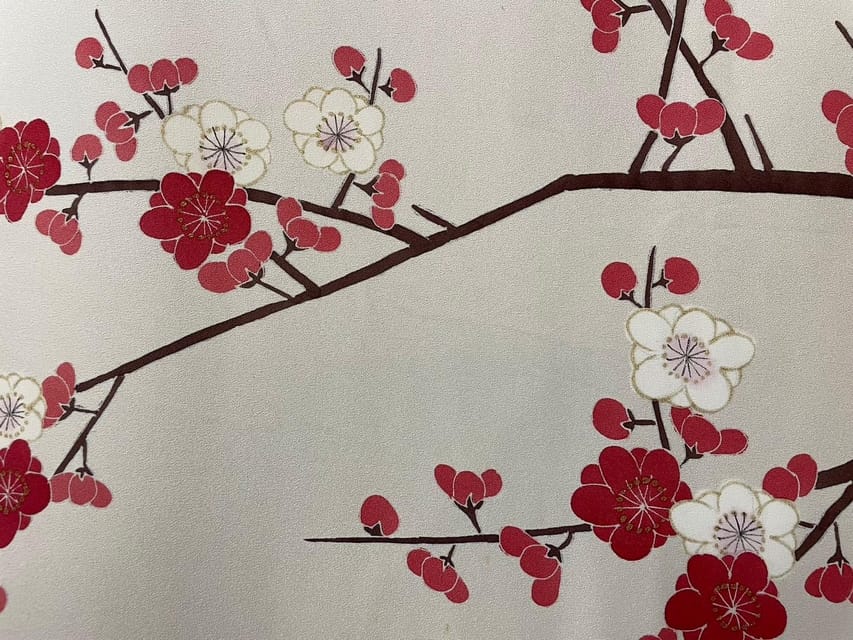
This class starts with atmosphere, not worksheets. You step into Kyoto’s historic Nishijin district and into a traditional machiya townhouse setting—an intimate home-studio vibe rather than a showroom or a crowded craft market.
That setting matters. Yuzen dyeing is all about precision and patience. When you’re sitting in a calm room that feels lived-in, you naturally work at a slower rhythm. Several sessions describe a serene studio view (some even mention overlooking a zen garden), and that quiet mood is part of why people rate this so highly.
It’s also a culture-connection moment. You’re not just watching a demo and leaving. You’re meeting the craft where it happens—inside the artisan’s own space—and learning how a master thinks about color harmony and placement.
Make something by hand in a Kyoto workshop
Meeting the Artisan and Your Interpreter: How the Class Stays Personal
The experience is guided directly by the artisan, with an interpreter on hand (English or Chinese). In reviews, I saw names come up clearly—Master Shin’Ichiro and an interpreter named Ha—so you can expect real human teaching, not a scripted slideshow.
Here’s how that help shows up while you work:
- The artisan speaks through the interpreter and also demonstrates technique visually.
- The interpreter helps you understand not only what to do, but why that small choice matters for the final look.
- If you’re nervous about artistic skill, the tone stays encouraging. People repeatedly describe the pace as unhurried, even when the session runs past the scheduled end time.
The practical upside? You’re less likely to feel lost. Yuzen has a lot of steps, but you’re not doing them alone.
Choosing Your Design and Colors: The Part That Feels Like Real Decision-Making
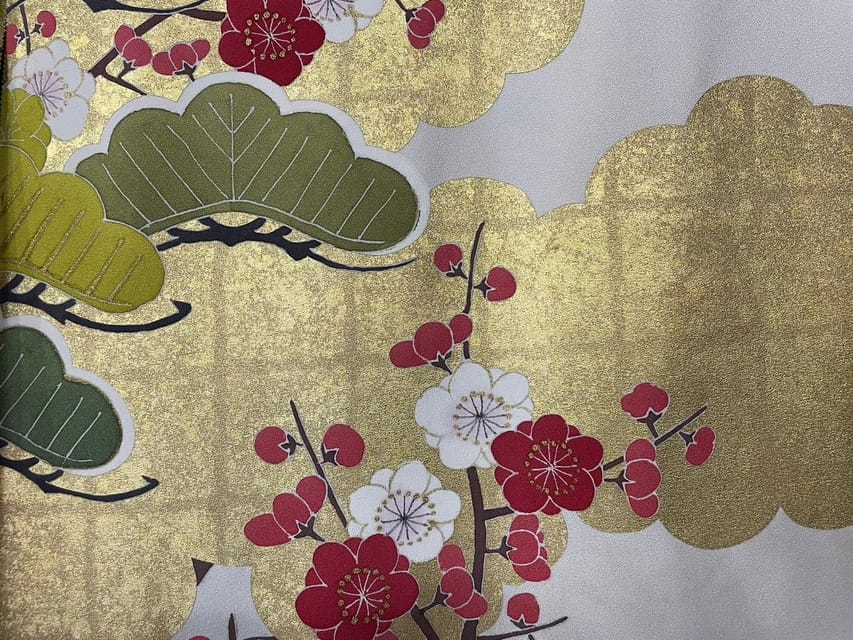
Most Yuzen experiences in Kyoto let you pick from a few options, and this one follows that pattern. You’ll choose a motif/design, then you’ll choose colors—starting with one or two colors that appeal to you.
Then the artisan does something you’ll love if you care about aesthetics: he builds a harmonious palette around your picks. Reviews describe the master suggesting tones that match the overall composition and mixing the dyes right in front of you. That can turn your selection from a guess into something intentional.
Common motif styles mentioned include phoenix themes (sometimes with a crescent moon), plus other options like cranes or fans. Even if you don’t love every design, the key is that you’ll still get a meaningful result because the artisan is guiding the color relationships.
A small-but-important consideration: if there are only a few design options, decision time can be quick. One reviewer wished there had been more choices, but the upside is you won’t get stuck for ages overthinking.
How Yuzen Dyeing Works: Painting Silk Instead of Doing Craft-Store Tie-Dye
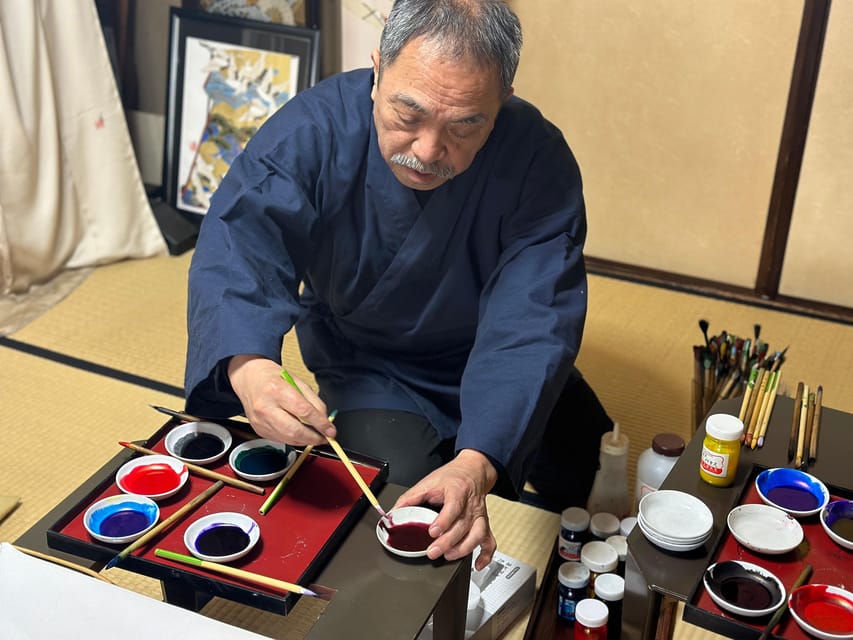
This is not fast tie-dye. Yuzen is more like controlled painting on dyed-ready silk.
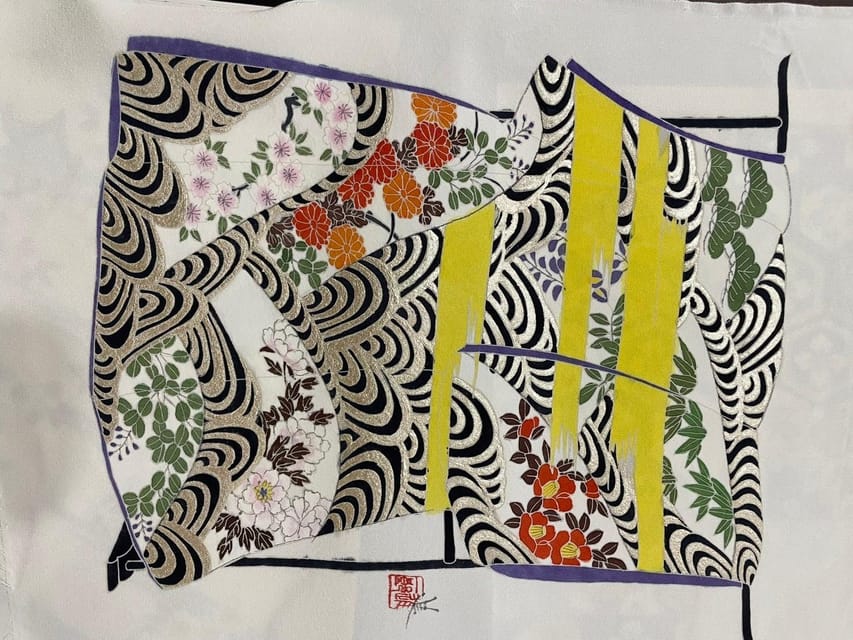
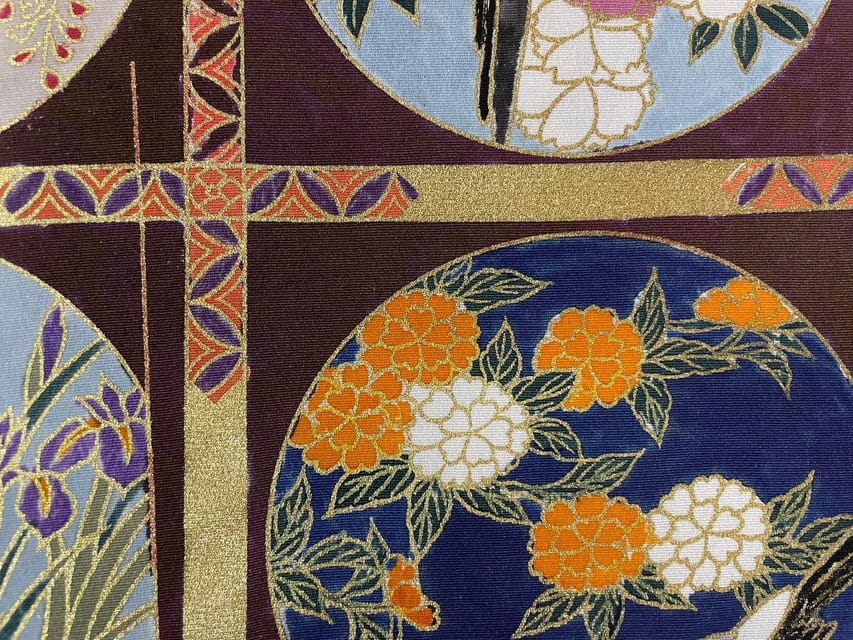
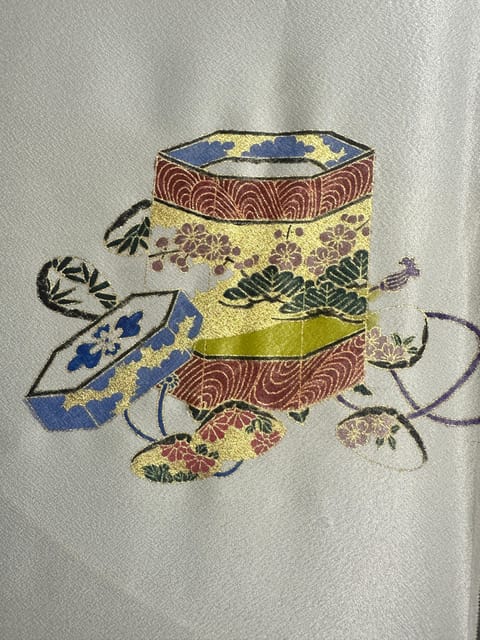
One recurring detail from the class experience: the fabric often arrives with golden outline lines for your selected design. You then paint inside those lines, using carefully mixed dye. That makes the class approachable, even if you’re not an artist.
As you paint, you’ll see your color develop on the silk. The artisan tends to explain:
- how dye concentration affects how a color looks on silk
- how much paint and water to load so it doesn’t bleed
- how to keep strokes controlled inside the outline
A useful practical tip that shows up in feedback: don’t overload your brush. Too much dye can bleed past the lines, and you’ll waste time trying to fix what the first coat already created.
If you’re curious about craft logic, you’ll probably enjoy the feeling that the master is tuning variables—color tone, dilution level, brush amount—until it lands where he expects it to land.
The Machiya Session Flow: What Happens During Those 2 Hours
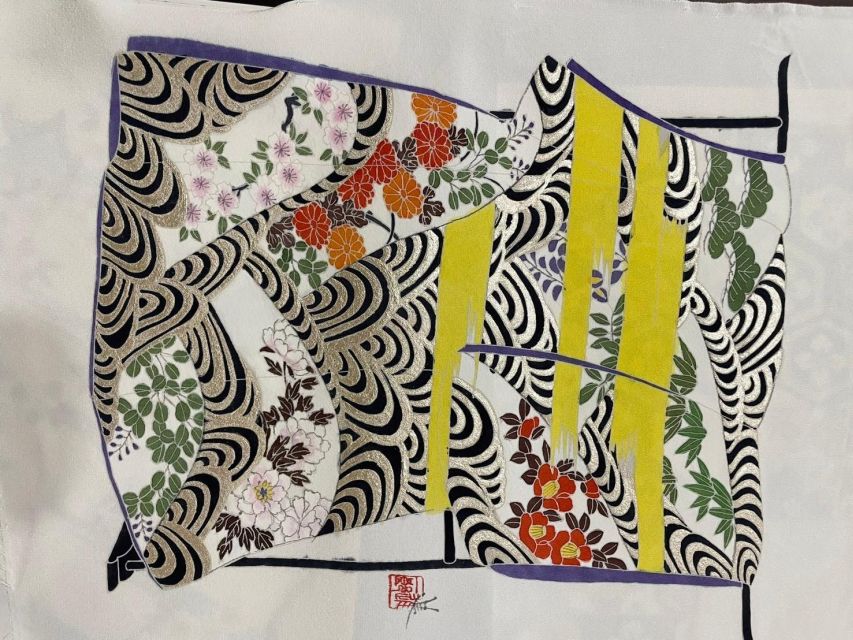
The core of the experience is a single guided workshop—about 2 hours in total. While your exact pace depends on the group and your design, the flow generally goes like this:
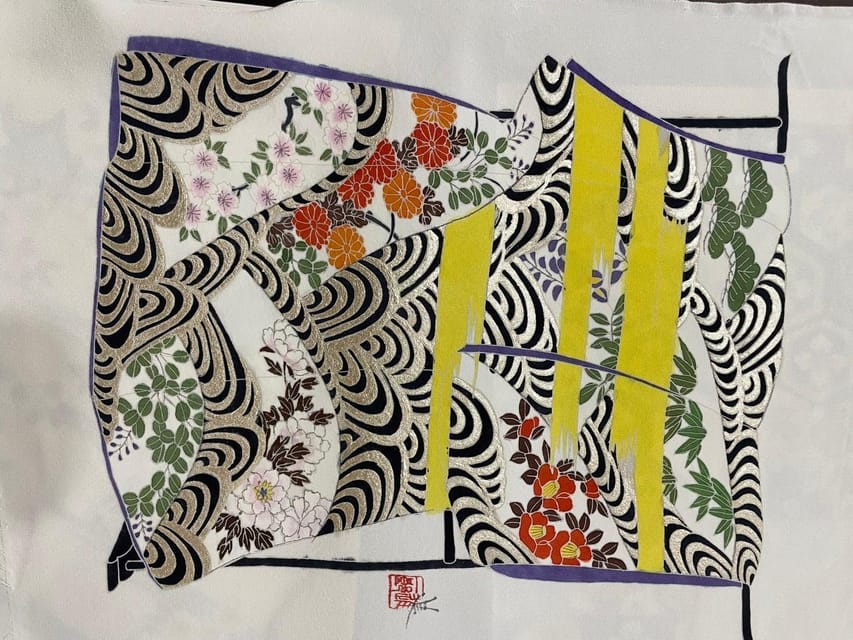
You start by getting oriented in the machiya studio and viewing display pieces of Kyoto Yuzen works. This is more than decoration. Seeing finished examples helps you understand what you’re aiming for, especially if your brain needs visual anchors.
Next comes your choices: motif/design selection, then your color picks. The artisan may ask about your preferences, then begins shaping a full palette from your starting colors.
After that, you move into dye prep and painting. You might watch the artisan mix colors first, then you’ll paint your own silk piece with guidance and correction.
Finally, the session ends with your piece being prepared so you can take it home. Reviews mention that the work is ironed at the end to ensure it’s dry and ready to keep. That little step is worth it—otherwise dye on silk can feel fragile.
One more nuance: sessions can run a bit long without drama. Some people even mention being about 30 minutes over and feeling uncomfortable about it at first, but also grateful the hosts didn’t rush them. If your schedule is tight, still plan a buffer.

Value and Price: Is $161 Worth It for 2 Hours?
At $161 per person for a 2-hour, hands-on class, the value depends on what you want out of your Kyoto day.
If you want a souvenir that looks like a real art piece, this price makes more sense. You’re paying for:
- instruction directly from an artisan (not just a generic teacher)
- interpretation support (English or Chinese)
- a small-group setting (limited to 6)
- materials and your own finished Yuzen-dyed silk piece to take home
Also, this is one of those crafts where your outcome quality is highly tied to process. If dye concentration, brush loading, and tone balancing are off, your result changes. You’re not going to get that level of technique from a DIY kit.
If you’re thinking this is a casual activity you can treat like a quick photo stop, then yes, it feels pricier. But if you like art, slow activities, and learning something you can’t easily replicate, $161 for a guided, finished, silk artwork is in the reasonable-to-good value zone.
Don’t forget what’s not included: transportation to/from the meeting point and any additional purchases from the artisan by cash (if you decide to buy extra works). Those extras can add cost, but they’re optional.
Who This Yuzen Class Suits Best (And Who Should Rethink It)
This experience is best for people who want hands-on craft time and don’t mind learning by doing.
It’s a strong match if you:
- like art and color work
- enjoy calm, focused activities
- want a Kyoto-made souvenir with meaning, not just packaging
- are comfortable following step-by-step guidance
It may be less ideal if you:
- can’t sit on the floor for about two hours
- need frequent breaks or have mobility constraints that make studio seating difficult (even though the activity is listed as wheelchair accessible, your comfort will depend on how the room is arranged)
Age matters. It’s not suitable for children under 10, and babies under 1 aren’t suitable either. If you’re traveling with older kids who are patient and curious, it could work well—but you still need them to handle the dye materials responsibly.
What to Bring (So You Don’t Worry While You Paint)
Pack for work. Comfortable clothes are the main requirement.
Also plan for the reality that dye may get onto your clothing. That means:
- wear something you don’t mind staining or speckling
- avoid your best white shirt unless you enjoy heartbreak
- if you have allergies or sensitivities, inform the operator ahead of time since chemical materials may be used
You’re also asked to avoid alcohol and drugs during the experience.
If you’re thinking like a traveler, not a student, the best mindset is: you’re here to make a thing and learn a technique. Don’t try to manage perfection.
Your Finished Piece: Why the Take-Home Moment Feels So Special
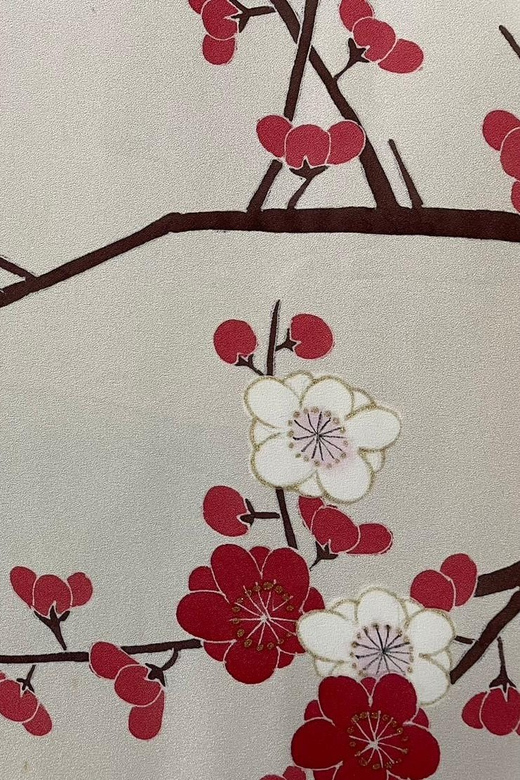
The best part of this class is that you leave with an actual artwork you made. You’re not picking up a pre-made item. You’re collaborating with the master on the choices—color palette, placement, and how the design holds together on silk.
That take-home moment is more satisfying because Yuzen is visually complex even when it’s made slowly. The golden outlines, your painted tones, and the final preparation all add up to a souvenir that feels like something you could frame.
And if you’re the type who worries about skill level, this is one of those activities that tends to ease that fear. People describe it as meditative and therapeutic, with enough structure to make success feel within reach.
Should You Book This Kyoto Yuzen Dyeing Experience?
I’d book it if you want an authentic, calm craft day in Kyoto—one where you create a real piece of silk art and learn from a practiced artisan in a traditional home setting.
Pass (or at least think twice) if:
- your schedule is extremely tight and you hate the idea of running over
- you’re looking for a fast, casual activity with minimal sitting
- you want a passive experience (this is hands-on painting)
If you’re on the fence, use this rule of thumb: if you enjoy color, art, and small group attention, this class is likely to feel worth every dollar.
FAQ
How long is the Yuzen dyeing experience?
The duration is 2 hours.
Where does the class take place?
It takes place in Kyoto’s Nishijin district in a traditional machiya townhouse setting.
How much does it cost?
The price is $161 per person.
Is the class small?
Yes. It is limited to 6 participants.
What languages are available for the guide?
English and Chinese are available, including the interpreter.
Is transportation included?
No. Transportation to and from the meeting point is not included.
What should I wear or bring?
Wear comfortable clothes that you don’t mind getting dye on.
Can I buy extra works from the artisan?
Additional purchases are not included in the price. If you want to purchase works from the artisan, that would be an extra cost (for example by cash, as noted).
Is the activity wheelchair accessible?
Yes, the activity is listed as wheelchair accessible.
Can I cancel for a refund?
Yes. Free cancellation is available up to 3 days in advance for a full refund.
Are there any restrictions on what I can bring or do?
Alcohol and drugs are not allowed. The info also lists no fireworks and no party groups.
Is this suitable for children?
It is not suitable for children under 10 years, and babies under 1 year.
More Tour Reviews in Kyoto
More Kyoto Workshops to Try

Just added: more Kyoto tours to browse




Kyoto Craft & Calligraphy Workshops, compared.
 ★ 5.0Chopsticks Making Workshop in Gion with Engraving OptionFrom $15958 reviews
 ★ 4.8Authentic knife making experience at a blacksmith in KyotoFrom $154350 reviews
 ★ 5.01-Hour Japanese Archery Experience in KyotoFrom $46176 reviews
 ★ 5.0Calligraphy class at Buddhist temple in city centerFrom $55167 reviews
 ★ 5.0Roketsu dyeing experience: M course Roketsu Dyeing ExperienceFrom $25163 reviews
 ★ 4.9Japanese Archery Workshop with Experienced InstructorFrom $38132 reviews
 ★ 4.8Japanese Calligraphy ClassFrom $5189 reviews
 ★ 5.0TAIKO, Japanese Drum Experience from KyotoFrom $11586 reviews
Browse the lists this tour appears in