
Reviewed · KINKAKU-JI & GOLDEN PAVILION TOURS
Kyoto: Top Sights Guided Tour – Gion, Kinkaku, Fushimi, Nijo
Kyoto can fit in eight hours. This tour strings together five headline sights with smart pacing, so you get Fushimi Inari’s torii pathway and the big-city icons without planning every step.
I really like that the day balances walking and transit, with guided time at each stop (not just a quick photo stop). I also love the finish at 金閣寺 (Kinkaku-ji), where the Golden Pavilion is the kind of payoff you remember for years. One drawback to plan for: it’s a full day with multiple locations and a separate lunch budget, so you’ll want comfortable shoes and a bit of patience while you hop between areas.
In This Review
- Key highlights you’ll feel right away
- How the tour works: a single day, five top Kyoto stops
- Starting at 稲荷駅 (Inari Station): getting your day on track
- Fushimi Inari Taisha: thousands of torii gates, guided to the meaning
- The train hop: time-efficient movement between Kyoto’s major zones
- Kiyomizu-dera’s wooden stage views: the Kyoto moment many people chase
- Sannenzaka and the short on-foot stretch: slowing down between monuments
- Gion with lunch: traditional machiya streets and a reset for your day
- Nijo Castle: opulent architecture plus preserved interiors
- Another coach ride: setting up for the Golden Pavilion finish
- Kinkaku-ji (金閣寺): finishing with the Golden Pavilion and garden views
- Price and value: what $131 buys you for an 8-hour Kyoto day
- What you should bring and how to pace yourself
- Who this tour fits best (and who might want something else)
- Should you book this Kyoto guided tour?
- FAQ
- Where does the tour meet?
- How long is the Kyoto top sights tour?
- What languages are available for the live guide?
- Are entry tickets included in the price?
- Is lunch included?
- Where does the tour end?
Key highlights you’ll feel right away
- Fushimi Inari Taisha torii gates, guided for context so you know what you’re looking at
- Kiyomizu-dera from the iconic wooden stage for those panoramic Kyoto views
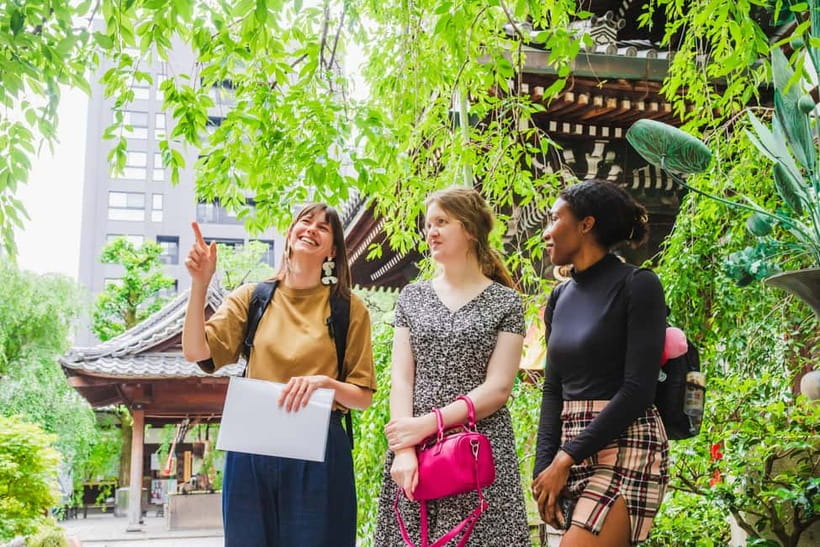
- Gion lunch plus guided stroll through traditional wooden machiya streets
- Nijo Castle interiors paired with its famous architecture and preserved spaces
- Kinkaku-ji to finish at 金閣寺, so the day ends on a high visual note
How the tour works: a single day, five top Kyoto stops
This is built for people who want the essentials of Kyoto without building a whole plan from scratch. You’ll meet your guide at JR Inari Station, right at the central ticket gate. The guide holds a yellow sign with the DeepExperience logo, which makes it easy to spot the group and start on time.
The total time is 8 hours, with guided time at each major site and short breaks for moving around. You’ll ride a train and buses/coach between neighborhoods, then walk through key areas like Fushimi Inari and Gion. English and Japanese are both offered, and the tour runs with a live local guide in a private or small-group format, which usually means questions don’t get lost in the crowd.
One more practical thing: the tour includes the guide fee and entry tickets, but lunch cost isn’t included. That’s normal for a day like this—so you’ll need to decide what you want to spend at lunch in Gion.
More evenings along the lantern-lit lanes of Gion

Starting at 稲荷駅 (Inari Station): getting your day on track
You’ll start at 稲荷駅 (Inari Station). The meeting point is the central ticket gate at JR Inari Station, and the guide will be holding the yellow DeepExperience sign.
This matters more than it sounds. Kyoto’s transit can be confusing if you’re doing it cold—different stations, different exits, different train lines. Starting right where the day’s first stop begins helps you avoid that “where do we go now?” feeling that eats into your energy.
Also, because the first major attraction (Fushimi Inari) is close to where you start, your morning isn’t wasted. You get moving quickly, and you’re not scrambling for transit while tired.
Fushimi Inari Taisha: thousands of torii gates, guided to the meaning
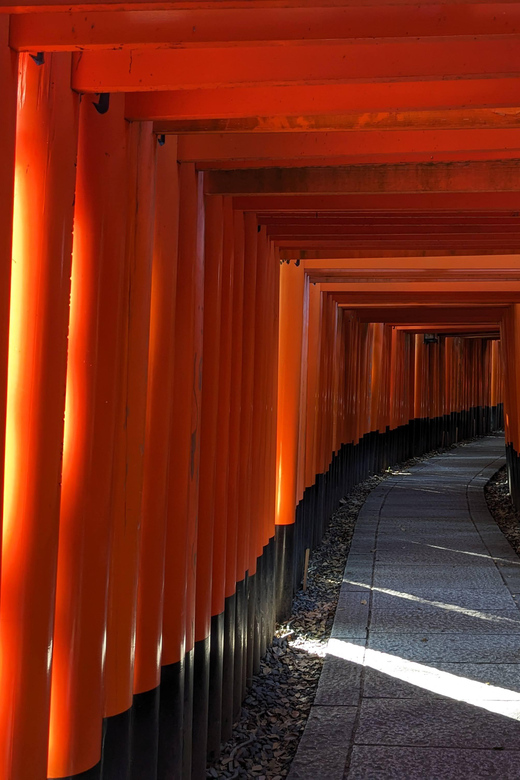
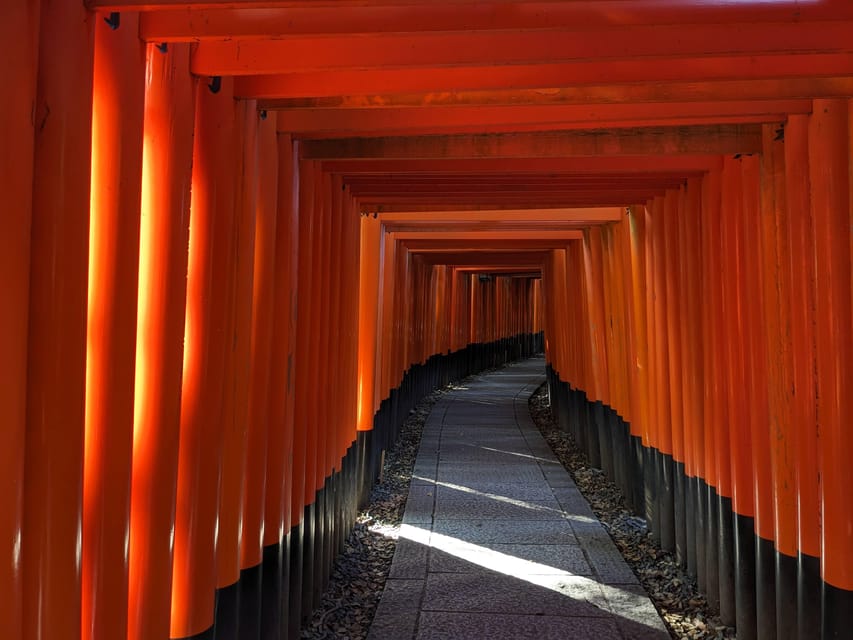
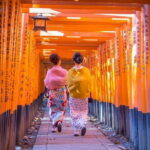
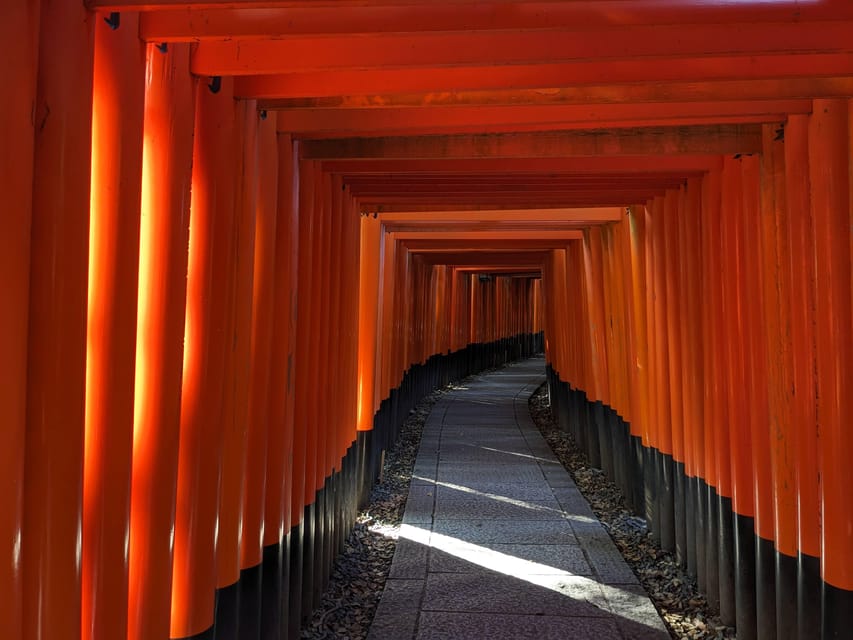
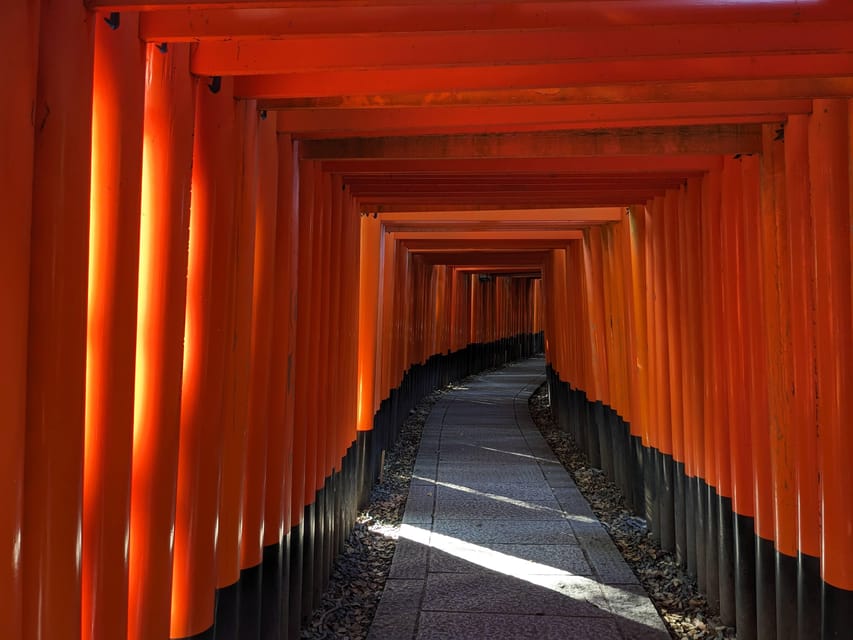
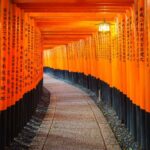
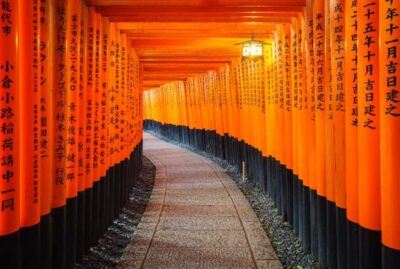
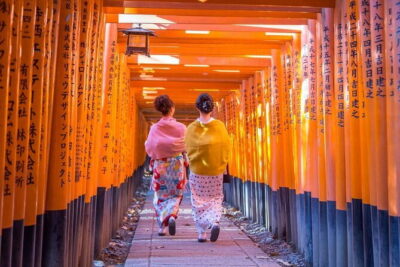
The day begins at Fushimi Inari Taisha, with guided time of about 40 minutes. The signature scene is the thousands of vermilion torii gates, which form a pathway that feels almost like a moving corridor of color.
What I love about getting a guide here is that the torii aren’t just a dramatic photo backdrop. They’re part of a shrine complex with a clear spiritual atmosphere, and a good guide helps you notice the details that you might otherwise skip—like why the pathway is laid out the way it is and how the site works as more than one big entrance.
You’ll walk through the torii gates as part of this segment, staying focused on the highlight area rather than trying to rush the entire complex alone. If you’ve only got a limited time window in Kyoto, this is the place to prioritize, because the visual impact is instant and Kyoto-specific.
Practical note: this section includes walking on approaches and through the gates. If your feet are sensitive, bring shoes with good support. You’ll thank yourself later in the day.
The train hop: time-efficient movement between Kyoto’s major zones
After Fushimi Inari, you’ll take the train for about 40 minutes. This is a smart move in a city where neighborhoods feel very distinct. Instead of fighting traffic or trying to figure out which bus works, you reset while moving.
I like this pacing because it prevents the common mistake of “over-walking” too early. You get the morning highlight on foot, then you get a breather on transit before the next temple stop.
Kiyomizu-dera’s wooden stage views: the Kyoto moment many people chase
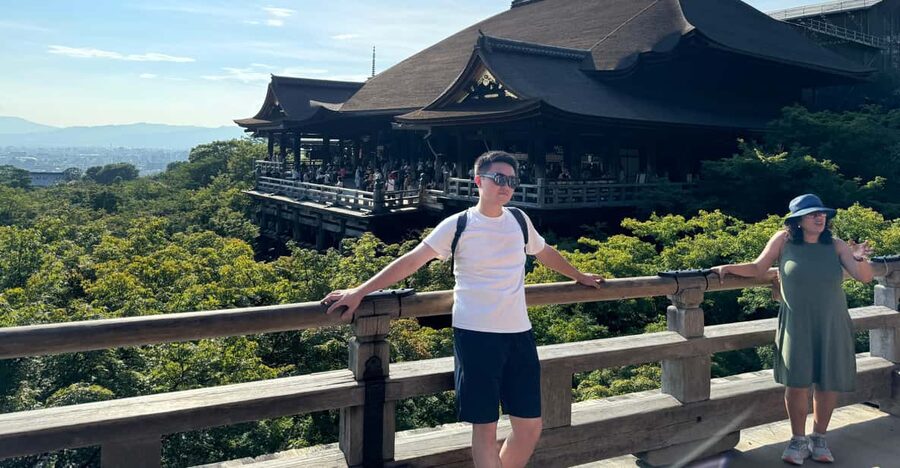
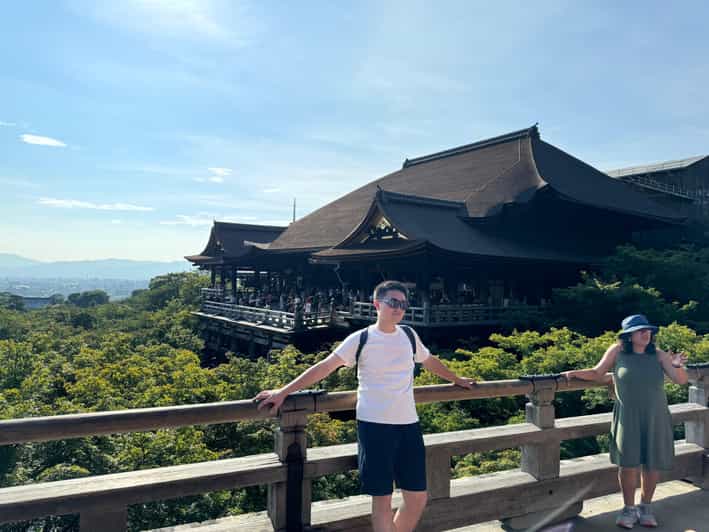
Next comes Kiyomizu-dera, with about 70 minutes guided. The big draw here is the iconic wooden stage and the panoramic views over Kyoto.
This is one of those places where you’ll feel your perspective shift. From the stage area, Kyoto looks layered—temple grounds below, city views stretching out beyond. It’s a strong “you’re really in Kyoto” moment, especially after starting the day in shrine-gate color.
A guide helps you make the most of the time. Without help, it’s easy to wander with no anchor—standing in the wrong spot for the view, missing the best angle for photos, or simply not understanding what parts of the complex you’re seeing. With guided time, you get structure.
More gilded pavilions and raked gardens around Kyoto


Sannenzaka and the short on-foot stretch: slowing down between monuments
Right after Kiyomizu-dera, you’ll spend a little time on foot (about 5 minutes), then get a short guided stop at Sannenzaka (about 15 minutes). After that, there’s another on-foot segment (about 20 minutes) before you reach Gion.
This in-between time is valuable because it breaks up the day. You’re not jumping temple to temple without transition—you’re getting an older-feeling street context on the way to a neighborhood that’s more everyday Kyoto.
You may notice details like traditional building styles and the way the streets guide your movement. Even if you don’t have long to wander, the guided segments help you see the “why it looks like this” side, not just the “what it looks like” side.
If you’re the type who likes to shop for small souvenirs or pause for snacks, this is one of the calmer windows in the schedule (still quick, but less intense than the temple stages).
Gion with lunch: traditional machiya streets and a reset for your day
Gion is where the tour shifts from landmark mode to neighborhood mode. You’ll spend about 1.5 hours here for lunch and a guided walk.
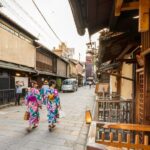
The vibe is historic charm: traditional wooden machiya houses and quaint streets that feel like old Kyoto. This is the point in the day where I think the guide’s role matters most. You want the walking to feel purposeful, and you want to know what to look for in a neighborhood that might otherwise feel like “pretty streets” with no context.
Lunch cost isn’t included, but the tour gives you time to eat in the Gion area. That’s useful because it avoids the trap of arriving hungry at the next stop and eating too quickly somewhere that doesn’t fit your day.
A good strategy: plan to keep your meal simple and not too time-consuming. You still have Nijo Castle and Kinkaku-ji ahead, and both are main-event sights.
Nijo Castle: opulent architecture plus preserved interiors
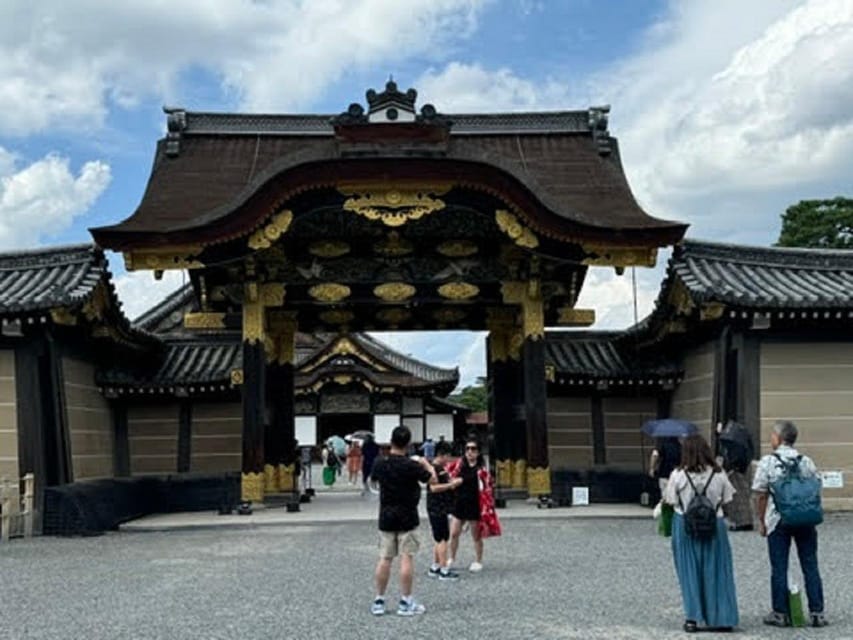
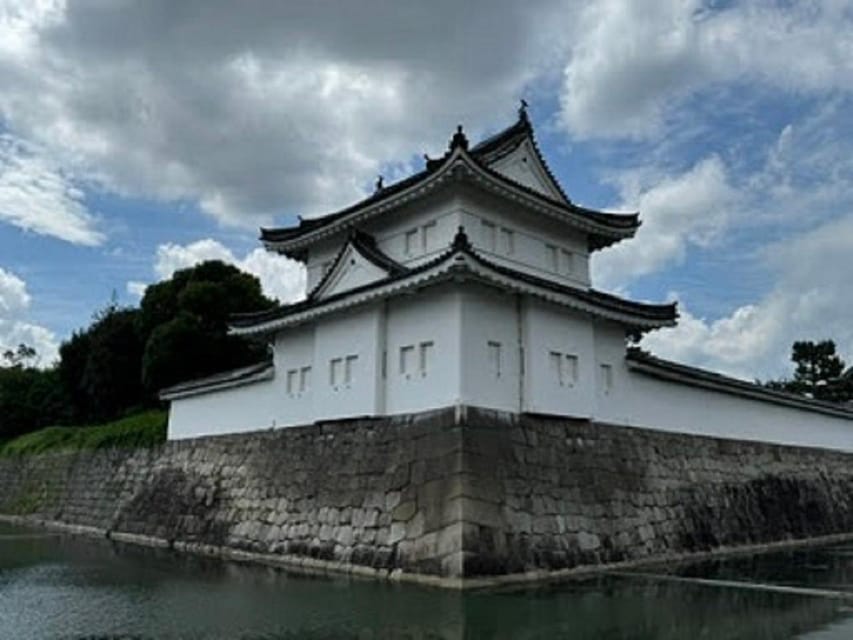
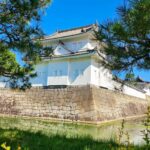
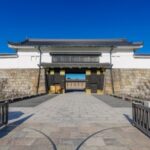
After Gion, you’ll ride a bus/coach for about 30 minutes to Nijo Castle. You get about 1 hour guided there.
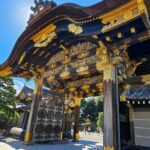
The highlight here is its opulent architecture and the beautifully preserved interiors. This part of Kyoto feels different from temples and shrines because it’s about structure, power, and palace life. The architecture is the story—so you’ll get more value when a guide points out what you should pay attention to rather than treating the building like a backdrop.
One smart way to experience Nijo Castle is to go into it with a slower pace than you’d use outside. Interiors reward attention: layouts, details, and the sense that the space was meant to impress. With a guided hour, you don’t have to guess where to focus, and you avoid turning the visit into “stand, look, move on.”
Another coach ride: setting up for the Golden Pavilion finish
Next is another bus/coach segment of about 30 minutes toward the final stop. This is good timing. It’s long enough to keep the next site from feeling rushed, but short enough that you don’t lose the momentum of the day.
By now, you’ll probably feel the rhythm of the tour: guided time at big sights, short movement breaks, and walking segments where your legs do most of the exploring.
Kinkaku-ji (金閣寺): finishing with the Golden Pavilion and garden views
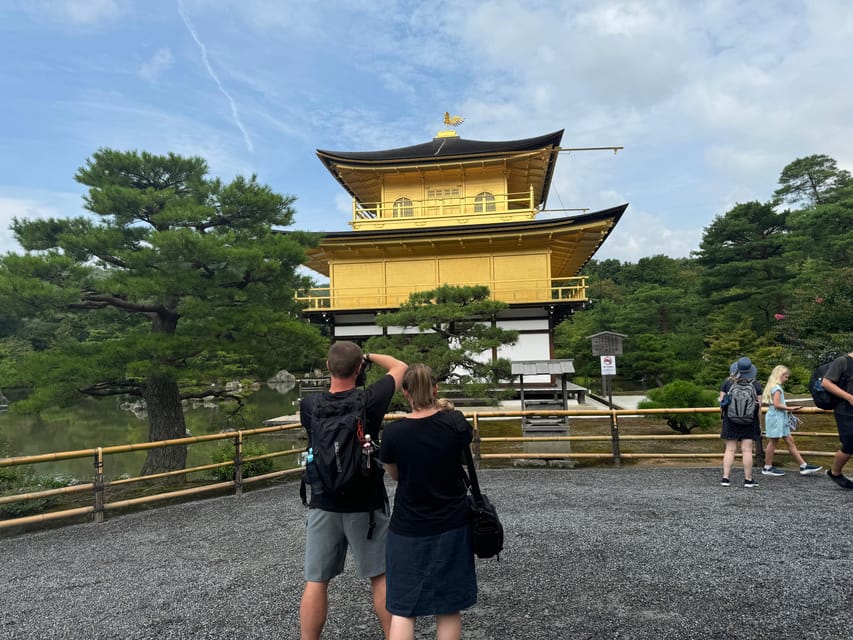
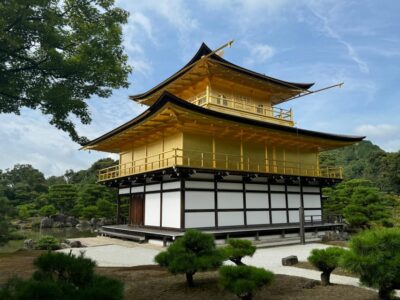
The last stop is Kinkaku-ji, the Golden Pavilion, with about 1 hour guided time. The tour ends at 金閣寺.
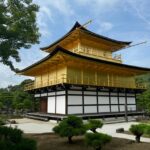
This is a classic “big visual payoff” moment. The golden temple glistens over a serene Japanese garden, and the contrast between bright gold and calm surroundings is exactly what makes Kinkaku-ji so memorable.
Ending here is a smart decision. You start with the colorful shrine experience, shift into neighborhood charm, then finish with one of Kyoto’s most iconic looks. It gives the day a clean arc: spiritual pathway → wide temple views → traditional streets → palace architecture → golden final image.
If you want photos, this is your best bet. The light and your angle will change as people move, but the building stays the star.
Price and value: what $131 buys you for an 8-hour Kyoto day
At $131 per person for an 8-hour guided day, the price is basically paying for three things:
1) A local guide who organizes your movement and gives you meaning behind each stop
2) Entry tickets included for the sights on the route
3) Transit support (train plus bus/coach segments) so you don’t spend your whole day figuring out logistics
If you were to DIY this route, you’d likely spend time planning connections, buying admissions one by one, and negotiating which order makes the day easiest. Doing it this way costs more than a do-it-yourself subway ticket, but it saves you that planning overhead—and it gets you to the right places within the time window.
This tour is also well suited for first-time visitors who want to avoid decision fatigue. You tell your feet to show up, and the guide handles the sequence.
What you should bring and how to pace yourself
Since it’s a full day across multiple neighborhoods, pack for comfort:
- Comfortable walking shoes (you’ll be on foot several times)
- A small water bottle if you can manage it
- Light layers, since temple areas and outdoor walking can feel different from one stop to another
Also, plan to treat this as a highlight day rather than a “learn everything” day. You’ll see the big icons, get guided context, and come away with a clear mental map of Kyoto.
Who this tour fits best (and who might want something else)
This tour fits best if you:
- Have limited time in Kyoto and want the top sights in one go
- Like guided explanations so you get more out of each photo stop
- Prefer a structured day with a local guide handling movement between areas
It may be less ideal if you:
- Want a very long, slow exploration of just one neighborhood
- Don’t like schedules with multiple major sites in one day
Should you book this Kyoto guided tour?
If you want a straightforward way to hit Fushimi Inari, Kiyomizu-dera, Gion, Nijo Castle, and Kinkaku-ji in a single day, this is an efficient choice. The value is strongest when you care about context from a live English/Japanese guide and when you appreciate that entry tickets are part of the package.
One more reason to book: the day is built to end with Kinkaku-ji, so you finish with a visual “wow” rather than burning out before the best temple photo.
FAQ
Where does the tour meet?
Meet your guide in front of the central ticket gate at JR Inari Station. The guide will be holding the yellow sign with the DeepExperience logo.
How long is the Kyoto top sights tour?
The total duration is 8 hours.
What languages are available for the live guide?
The live tour guide is available in English and Japanese.
Are entry tickets included in the price?
Yes. Entry tickets are included, along with the guide fee.
Is lunch included?
Lunch time is built into the Gion portion of the day, but lunch cost is not included.
Where does the tour end?
The tour finishes at 金閣寺 (Kinkaku-ji).
More of Castle-Era Kyoto
More Golden Pavilion and Temple Tours

Still in Gion? Keep Going


Just added: more Kyoto tours to browse





Kinkaku-ji & Golden Pavilion Tours, compared.
 ★ 4.8Fushimi Inari, Kinkakuji, Bamboo Grove 1 Day Bus TourFrom $1224,316 reviews
 ★ 4.1Osaka/Kyoto:Kinkakuji,Arashiyama,FushimiInariShrine,NaraParkFrom $661,596 reviews
 ★ 5.0Nijo, Kinkaku-ji, Arashiyama, Kiyomizu & Fushimi InariFrom $51699 reviews
 ★ 4.9Best of Kyoto: Ginkakuji & Path of Philosophy E-Bike TourFrom $6979 reviews
 ★ 4.7Kinkakuji, Golden Pavilion Guided TourFrom $6471 reviews
 ★ 5.0Kyoto top must-see Golden pavilion and Bamboo forest half-day Private tourFrom $12252 reviews
 ★ 5.0Kyoto Bamboo Forest & Golden Pavilion E-Bike TourFrom $9950 reviews
 ★ 4.6Osaka/Kyoto: Katsuoji, Kinkakuji, Arashiyama 1-Day Bus TourFrom $5633 reviews
Browse the lists this tour appears in