
Reviewed · PRIVATE
Kyoto: The Path Less Traveled (Private)
Kyoto without the crush is possible. This private 8-hour Path Less Traveled route is built around quiet Zen gardens and shrine spaces that most people miss, plus a real highlight stop at Sanjusangendo. You’ll move through Kyoto at a human pace, not a checklist sprint.
I love two parts of this kind of tour. First, Andrew’s explanations turn temple layouts and garden details into something you can actually see and understand while you’re standing there. Second, the mix is smart: nearly empty gardens and secluded temple corners, followed by the wow factor of 1,001 golden Buddhas at Sanjusangendo.
The main drawback to plan for is the extra cash you’ll need. Lunch and transportation are not included, and not every site may fit depending on pace, so you’ll want flexibility in your day—and you’ll have a say in what gets cut.
In This Review
- Key Points I’d Prioritize
- Why This Private Kyoto Route Feels Calmer Than the Usual Hits
- Andrew’s Explanation Style: How Temple Gardens Become Understandable Fast
- The Full Day at a Human Pace (9:00 Start, ~8 Hours)
- Stop 1: Konchi-in for Architecture, Statues, and Paintings in Quiet Mode
- Stop 2: Tenjuan Garden for That Fairy-tale Forest Feeling
- Stop 3: Heian Shrine’s Garden Behind the Shrine
- Stop 4: Chishaku-in for a Hardly-Visited Garden and Sliding-door Art
- Stop 5: Sanjusangendo for 1,001 Golden Buddhas (Yes, Really)
- Stop 6: Toyokuni Shrine for the Largest Bell in Japan
- Stop 7: Kawai Kanjiro Memorial Museum for Wabi-sabi Design You Can Feel
- Price and Value: $690 per Group Plus Cash for Lunch, Transport, and Admissions
- Timing, Transit, and Why “Depending on Pace” Is Actually Helpful
- What to Bring (So You’re Not Doing Math in the Temple Gift Shop)
- Who This Tour Suits Best (And Who Might Prefer Something Else)
- Should You Book Kyoto: The Path Less Traveled (Private)?
- FAQ
- How many people are on the private tour?
- How long is the tour?
- What’s included in the price?
- What extra cash do I need to bring?
- Are temple admissions included?
- Where do we meet, and where does the tour end?
- What happens if weather is bad or not all sites can be visited?
Key Points I’d Prioritize
- A private group (up to 4) means the day won’t feel rushed or crowded.
- A quieter Kyoto strategy: gardens and shrine grounds that many visitors skip.
- A strong contrast: calm temple gardens plus Sanjusangendo’s famous golden Buddhas.
- Wabi-sabi in real life at the Kawai Kanjiro Memorial Museum, not just a concept.
- Extra cash required for lunch, local transport, and admissions collected for five sites.
Why This Private Kyoto Route Feels Calmer Than the Usual Hits
Kyoto can be crowded in a hurry. This tour is designed around the opposite idea: spend your energy where the air feels slower—quiet temple grounds, garden paths, and back areas that don’t see endless photo lines.
You’re not just visiting “places.” You’re practicing how to look. Each stop gives you time to notice architecture, garden design, paintings, and small details that add up to a bigger mood. That’s where the value of a private guide really shows up.
There’s also a practical benefit: your group can set the tone. If something is running long, you don’t have to pretend you’re fine. The pace is meant to work with what you’re seeing rather than against it.
Other Kyoto tours and experiences to compare

Andrew’s Explanation Style: How Temple Gardens Become Understandable Fast
The standout feature here isn’t only the places. It’s how the guide helps you read them.
On this route, Andrew’s explanations focus on meaning you can spot in front of you—how a garden is meant to feel, what to look for in statuary and paintings, and how shrines connect to the space around them. That matters because Kyoto’s temples can feel like “pretty scenery” if you don’t have a quick way in.
Instead, you get a clean way to understand each stop. You’ll know what the space is trying to do (calm you, frame a view, hold tradition) and then you can move through it on your own terms. That’s also why people who thought Zen gardens might be “not their thing” end up enjoying the day. The guide does the translation work.
The Full Day at a Human Pace (9:00 Start, ~8 Hours)
You start at Keage Station (Higashikomonozacho, Higashiyama Ward) at 9:00 am. The tour ends outside Kawai Kanjiro’s House; it’s about a five-minute walk to the Umamchi Bus Stop. Plan comfortable shoes. Kyoto temple days often mean a lot of slow walking, not huge hikes—but still plenty of steps.
The schedule is built from several one-hour garden or shrine blocks, plus shorter time where needed. In total, it’s long enough to feel complete, not long enough to turn into survival mode.
One important note: depending on pace, you might not be able to visit every site on the route. If that happens, you decide what gets eliminated. That’s a genuinely useful setup—because it lets you protect your priorities.
Stop 1: Konchi-in for Architecture, Statues, and Paintings in Quiet Mode
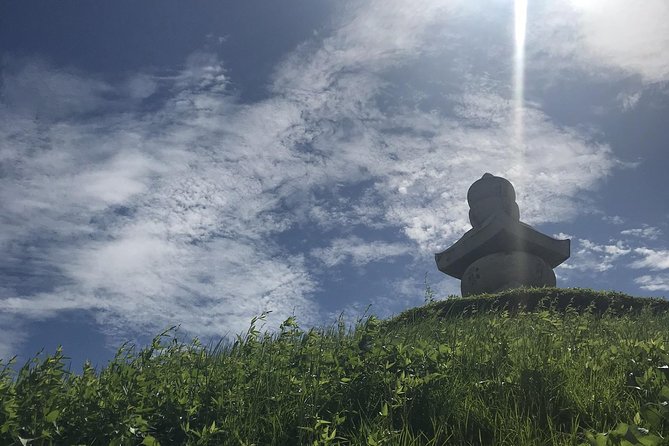
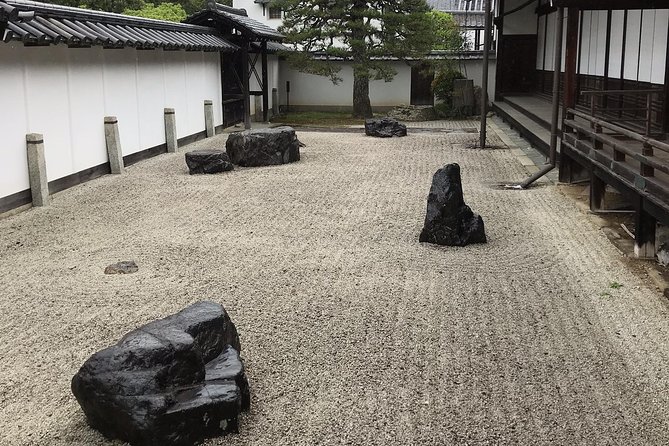
Konchi-in is where the day starts gently. You’re looking at high-level architecture, gardens, statuary, and paintings, all in a tranquil setting far from the masses.
This is the kind of stop that makes the rest of the day easier. Early on, you’ll learn how to slow down and notice. Konchi-in also gives you a strong baseline for what a “less traveled” Kyoto temple experience can feel like—calm, detailed, and not rushed.
Tip for your visit: take your time at the viewing angles. With gardens and temple interiors, you often get the best sense of design when you pause and let your eyes adjust.
Stop 2: Tenjuan Garden for That Fairy-tale Forest Feeling
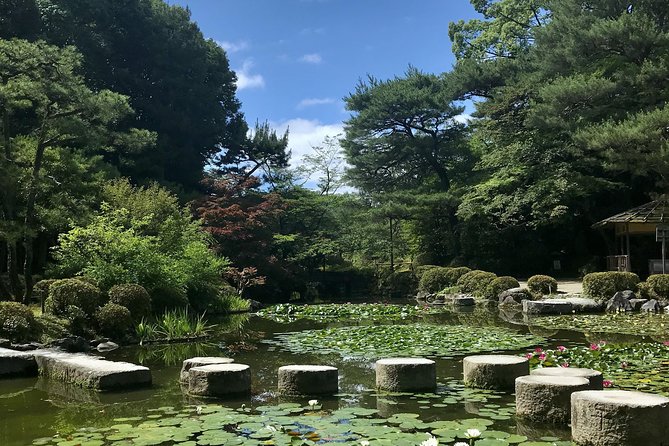
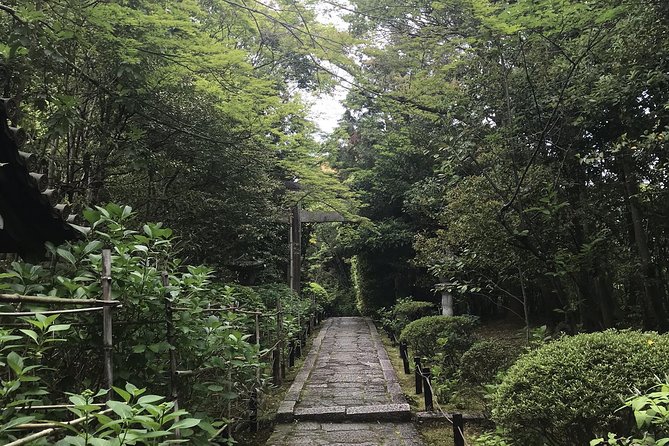
Tenjuan Garden is described as having two profound gardens, with one creating the sensation of suddenly entering a forest—like you’ve stepped into a storybook world.
That’s a great promise for a Kyoto day, because it’s not just about how it looks in a photo. It’s about how the space changes your mindset as you walk through it. A garden that feels like a hidden forest is exactly the kind of place where an extra ten minutes matters.
What you’ll do here: you’ll spend time moving through the garden spaces and absorbing the shift in atmosphere between sections.




Stop 3: Heian Shrine’s Garden Behind the Shrine
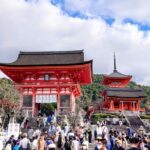
Heian Shrine itself can be popular, but the garden behind it is the part that often surprises people. This stop focuses on the garden area, which is one of the most picturesque in Kyoto, and it’s approached by walking through the grounds behind the shrine.
This is a nice strategy: you get the familiarity of a shrine location, then you shift to a quieter garden experience. That contrast is a theme across the whole day, and it’s one reason this tour works well for people who’ve done the big-name temples but still want something more peaceful.
If you like walking gardens: this is one of your anchor stops.
Stop 4: Chishaku-in for a Hardly-Visited Garden and Sliding-door Art
Chishaku-in is all about the feeling of being somewhere fewer people notice. The garden is described as hardly visited, and there are also sliding door paintings by one of Japan’s most heralded painters.
Sliding door paintings can be easy to miss if you just glance and move on. Here, you get time to actually look. That’s important because temple art isn’t decoration—it’s part of how a space directs your attention.
What makes it special: the combination of a quiet garden and serious artwork in one stop. It’s not a quick photo stop. It’s a “slow looking” stop.
Stop 5: Sanjusangendo for 1,001 Golden Buddhas (Yes, Really)
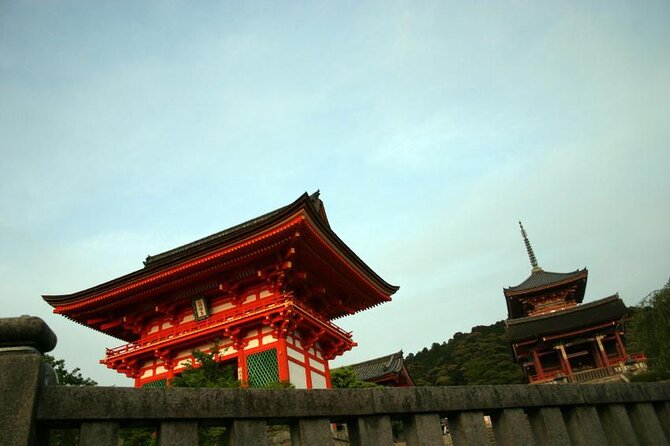
Sanjusangendo Temple is where Kyoto flips from calm to jaw-drop. This site is among the oldest structures in Kyoto and is home to 1,001 golden Buddha statues.
There really isn’t anything like this elsewhere in Japan in the same way. Even if you’ve heard the number before, seeing the scale in person tends to land differently than reading about it.
How to get the most out of the visit: don’t rush your eyes. Take a moment to scan the arrangement, then let your attention settle on smaller details. The meaning of the place works better when you’re not sprinting through.
Stop 6: Toyokuni Shrine for the Largest Bell in Japan
Toyokuni Shrine is shorter—around 20 minutes—but it’s a memorable kind of short stop. It’s described as a decadent shrine dedicated to one of Japan’s most pivotal samurai, and on the grounds you can see the largest bell in Japan.
This is a good breather stop. You get a unique object and setting, without it swallowing your time. It also helps keep the day from feeling like an endless string of garden after garden.
Worth it if: you like shrines that feel ceremonial and specific, not just scenic.
Stop 7: Kawai Kanjiro Memorial Museum for Wabi-sabi Design You Can Feel
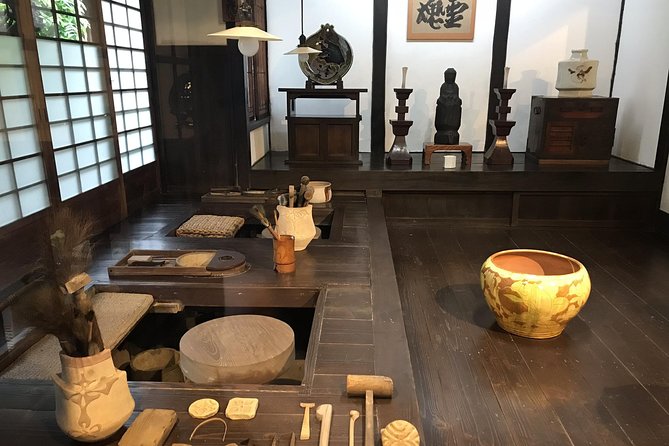
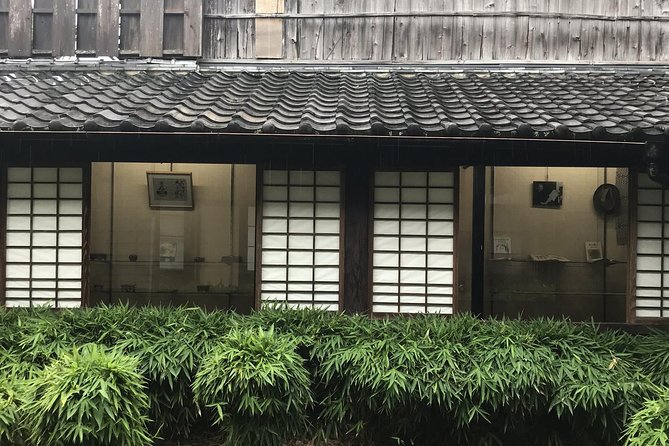
The last stop is a standout for people who enjoy craft and design, not only architecture. This is the converted home of noted 20th century potter Kawai Kanjiro, and it’s presented as a fine example of wabi-sabi—a way of living with simplicity, imperfection, and calm material honesty.
You’ll spend about an hour here, and the space is described as unlike any other you’ll visit in Kyoto. That difference is the point. After a full day of temple spaces, it’s a shift to personal creation—how one artist shaped daily life in a home-turned-museum.
What you’ll take home: a new appreciation for how Kyoto’s aesthetics show up not only in gardens and temples, but in the way people lived.
Price and Value: $690 per Group Plus Cash for Lunch, Transport, and Admissions
This tour costs $690.00 per group (up to 4). With private tours, the value is mostly about time and attention. You’re paying to have a guide manage the route, pace, and transitions between quiet spaces—so you don’t waste your day trying to figure out what’s meaningful.
A key point: the listed price includes guide service, but you’ll also need cash for a few essentials:
- Lunch: bring 1,500 yen (cash) per guest
- Transportation: bring 1,000 yen (cash) per guest
- Admissions: admission fees for five sites are 3,500 yen per person (cash)
So your total cost isn’t only the tour fee. The good news is that the extra spending is clearly defined. If you’re traveling as a group of 4, the $690 splits nicely, and the guide becomes excellent value.
Who feels the best value: people who care about gardens, art details, and a slower pace. If you want “big-name stuff only,” you may not love the extra cash side or the quieter approach.
Timing, Transit, and Why “Depending on Pace” Is Actually Helpful
The tour starts at 9:00 am and runs about 8 hours. You’ll have several one-hour stops and a short 20-minute shrine stop. That structure is useful: it gives you enough time to enjoy each space, but it doesn’t demand you stay alert nonstop.
You’ll also see the note about pacing: depending on how the day goes, not all sites may be visited. If that happens, you choose what gets eliminated.
That’s worth taking seriously. In practice, it means the day is flexible enough to respond to real conditions like time and crowding. It also means you should think before you go about your top two must-do stops so you can steer the decision if the schedule compresses.
What to Bring (So You’re Not Doing Math in the Temple Gift Shop)
You’ll want cash on hand for the items that are not included: 1,500 yen for lunch, 1,000 yen for transportation, and 3,500 yen per person for admissions collected for five sites. Having it ready at the start keeps the day smooth.
Other than that: comfy shoes. Kyoto temple walking is rarely a huge hike, but it adds up over an 8-hour day. Light layers help too, since gardens can feel cooler or warmer depending on the time of year.
Also, remember this experience requires good weather. If weather conditions make it unsafe or unpleasant, you’ll be offered a different date or a full refund.
Who This Tour Suits Best (And Who Might Prefer Something Else)
This is ideal for:
- people who love Japanese gardens and want time to actually look
- visitors who want a private day with control over pace
- art and craft fans who enjoy design and wabi-sabi
- anyone who’s already seen Kyoto’s most famous spots and wants quieter contrasts
It may be less ideal for:
- people who only want high-volume landmarks with zero flexibility
- anyone who hates budget surprises from separate cash fees
- those who would rather do a shorter morning route (this is built as a full half-day length, roughly 8 hours)
Should You Book Kyoto: The Path Less Traveled (Private)?
If you want Kyoto that feels calmer and more thoughtful, this booking makes sense. You get a guided route built around quiet garden spaces and shrines that don’t rely on massive crowds, plus the unmistakable spectacle of Sanjusangendo’s 1,001 golden Buddhas. The ending at the Kawai Kanjiro Memorial Museum also gives your day a creative finish that feels different from temple-to-temple.
Book it if gardens and temple art are your thing, and if you’re willing to carry a bit of cash for lunch, transit, and admissions. Skip it only if you’re aiming for famous highlights only, or if you can’t handle the reality that one or more stops may be cut based on pace.
FAQ
How many people are on the private tour?
It’s a private tour/activity, and the group size is listed as up to 4 people.
How long is the tour?
The duration is about 8 hours.
What’s included in the price?
The tour includes guide service. It also uses a mobile ticket.
What extra cash do I need to bring?
You need cash for lunch (1,500 yen per guest) and transportation (1,000 yen per guest). There is also an admissions fee (3,500 yen per person) collected for five sites.
Are temple admissions included?
No. Admission fees are not included in the main price. A cash fee of 3,500 yen per person covers admission for five of the sites.
Where do we meet, and where does the tour end?
You meet at Keage Station (Higashikomonozacho, Higashiyama Ward, Kyoto). You end outside Kawai Kanjiro’s House, with a short walk to Umamchi Bus Stop.
What happens if weather is bad or not all sites can be visited?
The experience requires good weather. If it’s canceled due to poor weather, you’ll be offered a different date or a full refund. Depending on pace, not all sites may be visited, and you determine what gets eliminated.
More Private in Kyoto

More Tour Reviews in Kyoto
Just added: more Kyoto tours to browse








Private, compared.
 ★ 5.0Fushimi Inari Hidden Hiking Tour (Private Option Available)From $631,750 reviews
 ★ 5.0Private Kyoto Tour with a Local, Highlights & Hidden Gems, PersonalisedFrom $1021,543 reviews
 ★ 5.0Kyoto 6hr Private Tour with Government-Licensed GuideFrom $1551,369 reviews
 ★ 5.010 Must-see Spots in Kyoto One Day Private Tour (up to 7 people)From $1791,108 reviews
 ★ 5.0Kyoto 4hr Private Tour with Government-Licensed GuideFrom $109629 reviews
 ★ 4.8Private Tour with Local Licensed GuideFrom $106463 reviews
 ★ 5.0Private Kyoto Tour with Licensed Guide & Vehicle (Max 15 persons)From $634417 reviews
 ★ 4.8Private Customized Walking Tour with a Local InsiderFrom $64383 reviews