
Reviewed · KIYOMIZU-DERA & HIGASHIYAMA TOURS
Kyoto Tea Ceremony & Kiyomizu-dera Temple Walking Tour
Kyoto teaches you with your senses. This 3-hour walk pairs the UNESCO Kiyomizu-dera Temple with a hands-on tea ceremony, plus time to wander the classic streets of Kiyomizuzaka. I liked how the guide connected the sights to Japanese religious culture, not just facts. One thing to watch: if you’re even a little late or things run behind, the tea ceremony timing can get tight, and you do not want to miss that part.
What makes this tour feel special is the mix. You start near Yasaka Shrine, then head through old shop streets where you might spot maiko and geisha moving through the lanes like it’s all part of the scenery. You’ll also stop at Yasaka Koshin-do, the colorful wish-ball temple people photograph nonstop. The tradeoff: it’s not a sit-and-stroll day. Expect some uneven walking and stairs, and bring cash for extra snacks and drinks.
In This Review
- Quick hits: what you’ll actually remember
- From Yasaka Shrine to Kiyomizuzaka: getting your bearings fast
- Practical tip
- Yasaka Koshin-do: the wish-ball temple you’ll want to photograph twice
- Kiyomizu-dera: the Water Temple and the Otowa Water luck moment
- The only real drawback here: lines and timing
- Tea ceremony: making matcha, tasting sweets, and learning the phrases
- A timing caution you should take seriously
- Snacks and shopping stops: what’s included vs what you’ll buy
- My practical advice
- Pacing and logistics: 3 hours sounds easy until you’re in old Kyoto
- Value for $63: what you pay for, and what you should expect to add
- Who should book this Kyoto tour, and who should skip it?
- Should you book Kyoto Tea Ceremony & Kiyomizu-dera?
- FAQ
- FAQ
- Where is the meeting point for the tour?
- What time should I arrive before the tour starts?
- How long is the tour?
- Is Kiyomizu-dera entrance included?
- Is the tea ceremony included, and do I make matcha?
- Are food and drinks included?
- Is Otowa Waterfall included in the itinerary?
- Are children allowed?
- Is the tour wheelchair or stroller friendly?
- What about allergies or dietary restrictions?
Quick hits: what you’ll actually remember
- Kiyomizu-dera’s Otowa Water: drink from the waterfall source for good luck, if the line is manageable
- Yasaka Koshin-do wish balls: ceiling-hung balls with written wishes, and tons of color for photos
- Matcha tea ceremony you make: learn the steps and actually whisk your own green tea
- Old-town street time at Kiyomizuzaka: teashops, sweets, and sun-dried food stalls along the walk
- Small samplings plus optional extras: you’ll taste some local bites, then buy more if you want
From Yasaka Shrine to Kiyomizuzaka: getting your bearings fast
The tour meets at Yasaka Shrine, in front of the statue, with the guide holding a sign that says MagicalTrip. Show up about 10 minutes early so you can start on time. That matters here, because the itinerary is built around fixed-feeling moments: temple entrances, a tea ceremony room, and the chance to visit the waterfall area.
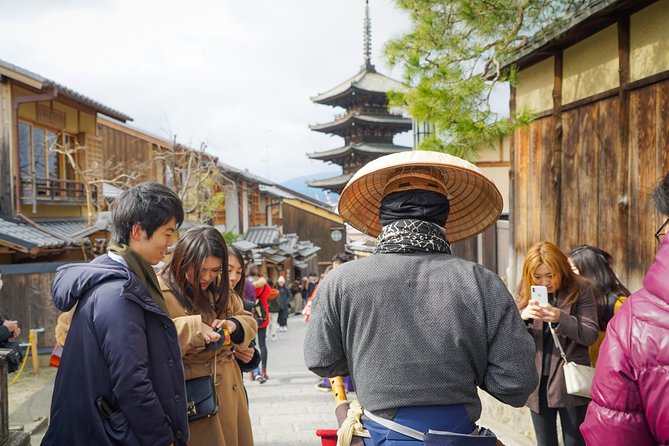
From the start, you’re placed right in Kyoto’s visual rhythm. You walk into the Kiyomizuzaka area with the kind of narrow lanes that make you slow down without trying. You’ll pass old teashops, sweet shops, and stalls selling traditional sun-dried foods. It’s the sort of street that feels made for casual wandering, but the guide keeps it meaningful by pointing out what you’re seeing and why it matters in daily life and ritual.
One of my favorite angles of tours like this is that you don’t just arrive at the temple and leave. You get a half-day taste of the setting around it. If you’re hoping to understand why Kyoto temples feel different from, say, big-city attractions, this “arrive by foot through the old streets” setup does the job.
Keep climbing the Higashiyama slopes toward Kiyomizu-dera
Practical tip
Wear shoes with real grip. Even on a day that’s only 3 hours, Kyoto’s temple streets can turn into a staircase workout.
Yasaka Koshin-do: the wish-ball temple you’ll want to photograph twice
Before Kiyomizu-dera, you’ll visit Yasaka Koshin-do, often described as the most colorful, photogenic temple in Kyoto. That reputation is earned. The main feature is the ceiling full of colorful balls, with wishes written on them. The effect is playful but also sincere. It gives you a visual shortcut to how religious practice can feel personal, not distant.
This stop is also a good palate cleanser. Kiyomizu-dera is iconic and busy in its own way. Yasaka Koshin-do feels smaller, more focused, and more visually direct. You’ll likely spend more time looking up than trying to rush toward the next photo spot.
The guide will also explain the religious culture behind what you’re seeing. Even if you’ve visited temples in other parts of Japan, this kind of context helps. Kyoto’s religious sites aren’t just architecture; they’re living places of hope, routine, and tradition.
A note for your expectations: this part is short, so if you’re the type who loves reading every sign, you might still want more time. But as a contrast stop before Kiyomizu-dera, it works well.
Kiyomizu-dera: the Water Temple and the Otowa Water luck moment
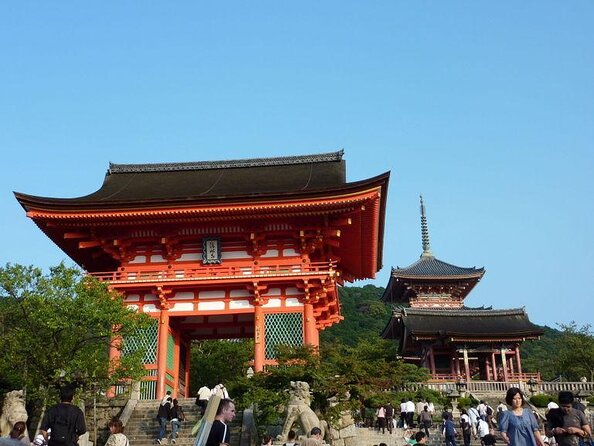
Next is the big one: Kiyomizu-dera, a UNESCO World Heritage Site and one of Japan’s most famous temples. You’ll come in with a guide, which helps because this temple can feel like a lot at once. The guide’s job is to point you toward the key sights and the story behind them.
Kiyomizu-dera is known as the Water Temple. It’s built on the site of the Otowa Waterfall, and the setting is dramatic—especially from the wooden platform area. The views matter: you can see cherry and maple trees (season-dependent) and get Kyoto city laid out in the distance.
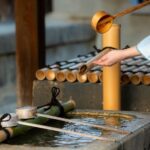
Then comes the Otowa Waterfall experience. You stand at the waterfall source area and drink the clear water. It’s said to bring good luck, which is exactly the kind of belief that makes these stops more than sightseeing. If there’s a line, you’ll have to wait your turn. The good news is the tour lets you experience it, not just look at it from afar.
The only real drawback here: lines and timing
There can be a line for the Otowa Waterfall. If your day is on a tight schedule beyond this tour, build in cushion so you’re not sprinting around Kyoto after the walk. Also keep in mind that the Kiyomizu-dera grounds involve some walking and uneven areas, so it’s not ideal if you use a wheelchair or stroller.
More temples and shrines to slow down in across Kyoto

Tea ceremony: making matcha, tasting sweets, and learning the phrases
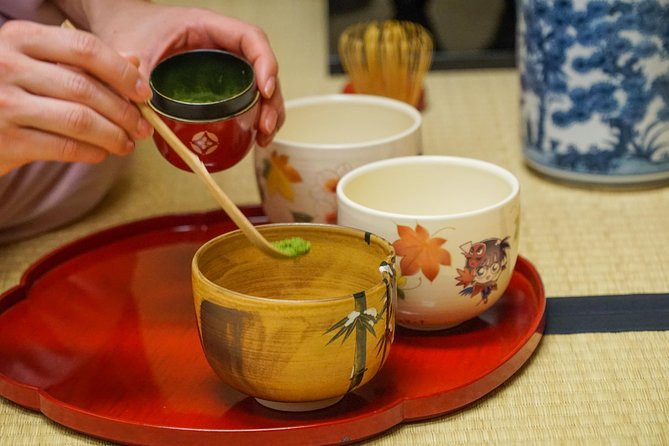
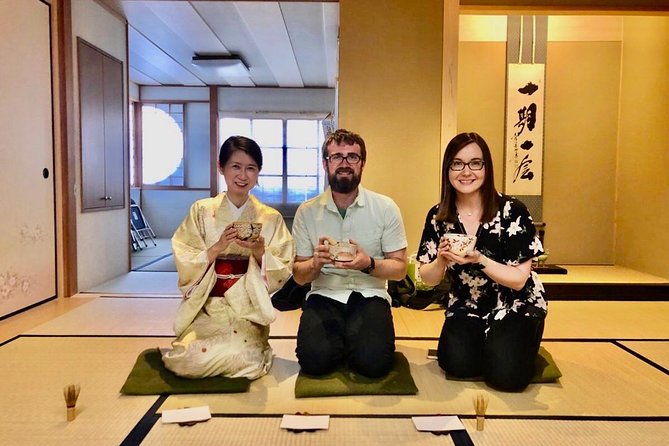
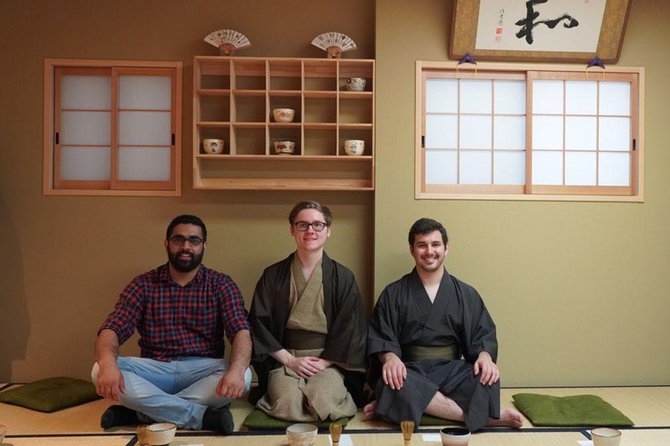
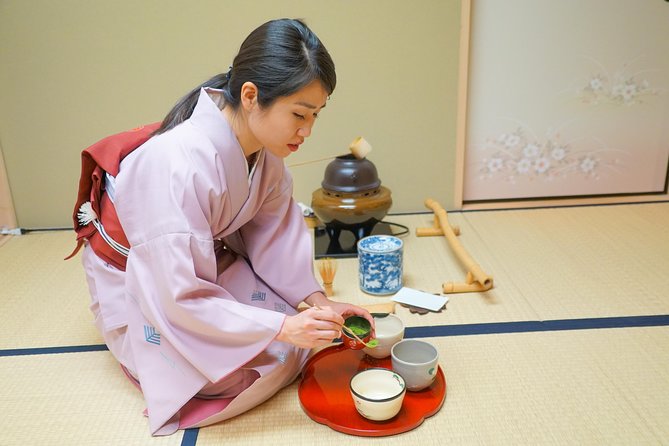
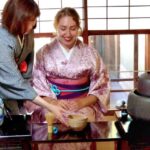
After temples and streets, you get the calm downshift: a traditional tea ceremony experience in a sophisticated room surrounded by tea utensils. This is where the tour becomes hands-on, not just visual.
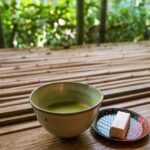
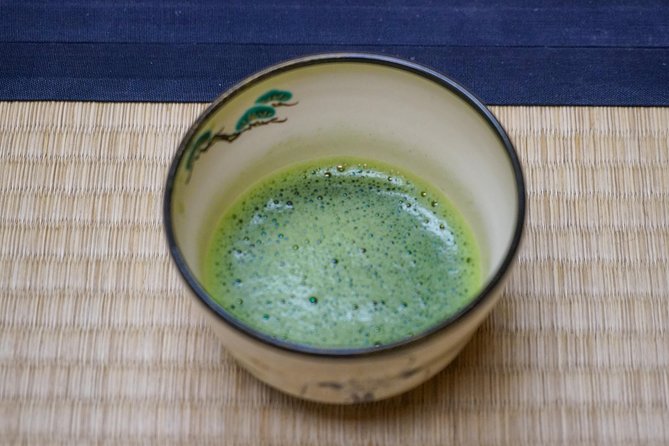
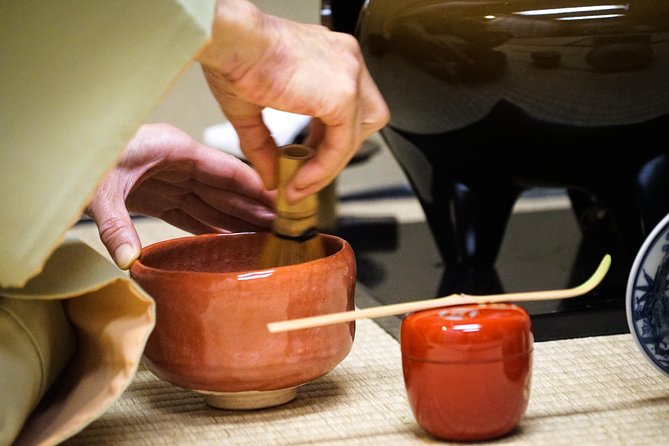
You’ll enjoy Japanese sweets, and then you’ll move into the matcha portion. The guide walks you through the steps in making traditional matcha. You’ll also learn Japanese phrases tied to the ceremony, which is a small but smart way to make the whole thing feel less like a performance and more like a living tradition. One detail I really appreciate is that the room and utensils are part of the lesson: you’ll see things like a bamboo tea whisk (a chasen) and unique tea bowls used for serving.
The goal isn’t to make you a tea expert. It’s to give you enough understanding to appreciate what you’re doing. And when you leave holding the memory of whisking your own green tea, you remember the ritual for longer than you would after a single tasting.
A timing caution you should take seriously
Because the ceremony is a set appointment during the tour, arrive at every stop on time and listen for the guide’s timing cues. If you’re running late from another reservation, you can accidentally miss the ceremony window. If anything feels off, ask the guide right away rather than assuming there will be extra slack.
Snacks and shopping stops: what’s included vs what you’ll buy
Between sights, you’ll stop at several eateries along the streets and enjoy local snacks. The tour includes a few samplings, and it’s a nice way to experience Kyoto flavors without turning the walk into a full food tour.
You’ll also get guidance on what to eat. That’s a value piece you can’t buy alone just by reading menus—someone can point you toward common local choices that fit the route and the pace.
Still, extra food and drinks are not included. The tour suggests you bring some cash for additional purchases and souvenirs. That’s more than a polite note. Kyoto has plenty of places where paying is easier with cash, and when you find something you want, you won’t want to do the mental math while hungry.
My practical advice
If you’re sensitive to dietary restrictions, plan carefully. The tour can’t guarantee allergy-free food, and kitchens involved may not be part of the tour operator’s setup. If you have dietary requests or allergies, inform the team at least one day before. That gives them the best chance to try for substitutions, though substitutions aren’t guaranteed.
Pacing and logistics: 3 hours sounds easy until you’re in old Kyoto
Three hours is a smart length. It’s long enough to see Kiyomizu-dera and do a tea ceremony, but short enough that you’re not wiped out for the rest of the day. The walk, though, includes uphill and temple-stairs vibes in classic Kyoto neighborhoods. It’s not just flat sidewalks.
The tour starts promptly on time, so don’t treat the meet-up like a suggestion. If you arrive late, you lose time where it’s hardest to make up—especially around the ceremony and the Otowa Waterfall area.
Also, summer in Japan can be very hot and humid. Bring water and a hat if you’re traveling in warmer months. This isn’t just comfort advice. Heat stress makes walking feel harder, and temple crowds don’t help.
Accessibility note: the itinerary includes some locations not accessible by wheelchair or stroller. If that affects your party, it’s worth thinking twice before booking.
Value for $63: what you pay for, and what you should expect to add
At $63 per person, this tour is aiming at a simple equation: classic Kyoto sights plus a tea ceremony you participate in. You’re not just buying entry to a temple. You’re getting:
- Kiyomizu-dera entrance fee
- Tea ceremony experience
- A few tastings
- Photos during the tour
- A local guide for 3 hours (English)
That’s meaningful value because a tea ceremony itself can cost real money, and temple entrance fees add up too. Where you’ll spend extra is optional: additional snacks, drinks, and souvenirs.
I also like that the tour includes photos during the walk. You still can take your own shots, of course, but having someone else handle a few key group and temple photos saves time and hassle. It’s a small perk that helps you enjoy the moment instead of playing photographer.
Who should book this Kyoto tour, and who should skip it?
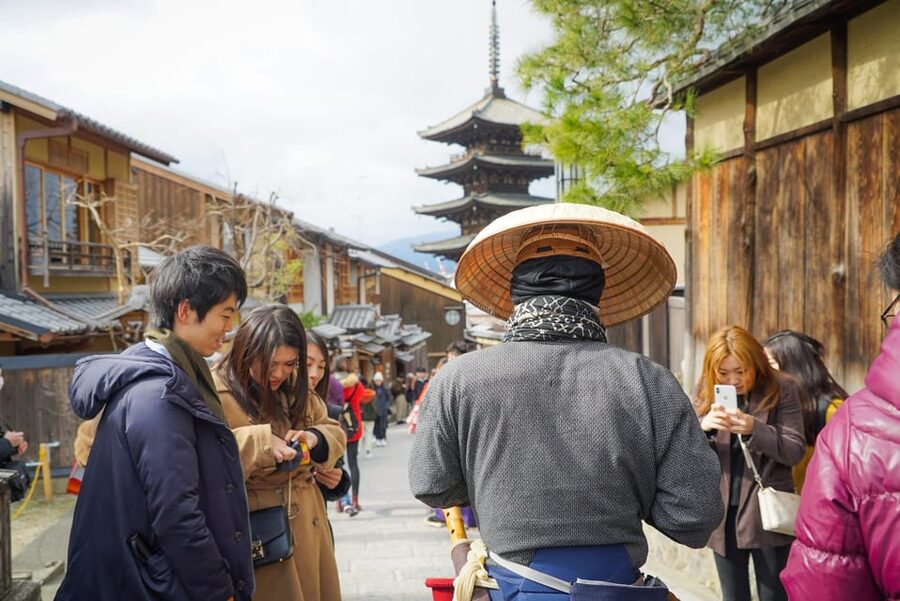
This tour is a strong fit if:
- You’re a first-time Kyoto visitor and want a concentrated hit of Kiyomizu-dera plus a tea ceremony
- You like street-walking through Kiyomizuzaka rather than jumping straight into a single landmark
- You enjoy guided context about Japanese religious culture, not just seeing buildings
It might be a weaker fit if:
- You need fully step-free access (some stops aren’t wheelchair or stroller friendly)
- You’re traveling with a child under 6 (this tour does not allow them)
- You have serious allergies and need strict dietary control (the tour can’t guarantee allergy-free conditions)
One more thought: the streets you pass touch areas people associate with Gion, but the focus stays on the temples and tea ceremony. If you want deep Gion history, you might still want a separate plan for that neighborhood.
Should you book Kyoto Tea Ceremony & Kiyomizu-dera?
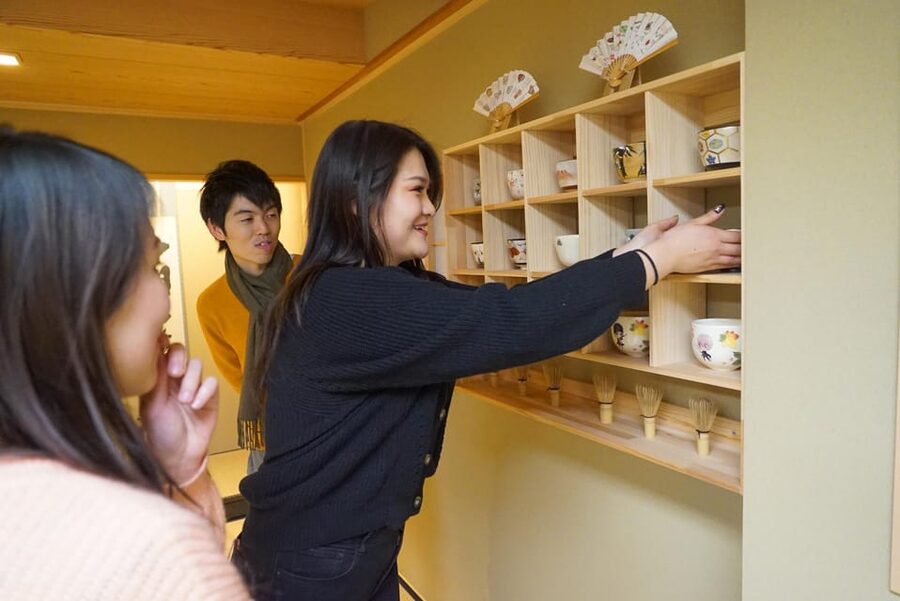
I’d book it if you want a smooth, guided way to combine the two most Kyoto-feeling experiences: Kiyomizu-dera and a matcha ceremony you take part in. The $63 price feels fair when you factor in the entrance fee, the ceremony, and the guided snack stops.
But book smart. Confirm your schedule so you’re not late for the tea ceremony window. Bring cash for extras. Wear real walking shoes, and in summer, pack water and a hat. If you have dietary needs, message ahead at least one day before and treat the samplings as something to plan around, not something guaranteed to be allergy-safe.
If you can do those basics, you’ll come away with more than photos. You’ll leave with the ritual and the views to go with it.
FAQ
FAQ
Where is the meeting point for the tour?
You meet in front of the statue of Yasaka Shrine, and the guide will be holding a board that says MagicalTrip.
What time should I arrive before the tour starts?
Please arrive about 10 minutes before the activity starts so the tour can begin on time.
How long is the tour?
The tour runs for about 3 hours.
Is Kiyomizu-dera entrance included?
Yes. The tour includes the Kiyomizu-dera Temple entrance fee.
Is the tea ceremony included, and do I make matcha?
Yes. The tea ceremony experience is included, and you will learn the steps in making traditional matcha.
Are food and drinks included?
The tour includes a few samplings and you may taste local snacks during street stops, but extra food and drinks are available for purchase.
Is Otowa Waterfall included in the itinerary?
Yes. You visit Otowa Waterfall and drink from the clear water, with the note that a line is possible.
Are children allowed?
Children under 6 years old are not allowed on this tour.
Is the tour wheelchair or stroller friendly?
Some locations on the itinerary are not accessible by a wheelchair or stroller.
What about allergies or dietary restrictions?
The tour cannot guarantee allergy-free food or guaranteed dietary accommodations. If you have dietary requests or allergies, inform the team at least one day before the tour.
One More Bowl of Matcha
More Kyoto Temples and Shrines
More Along the Higashiyama Slopes
Just added: more Kyoto tours to browse




Kiyomizu-dera & Higashiyama Tours, compared.
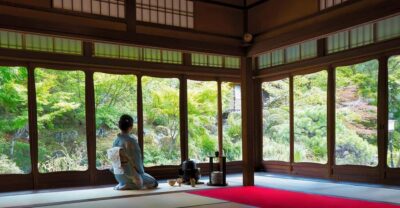 ★ 4.9Tea Ceremony in a Traditional Tea House in KiyomizuFrom $493,519 reviews
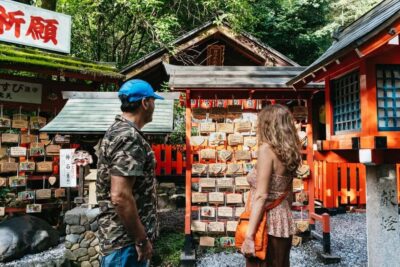 ★ 4.7Nijo Castle, Kiyomizu & Fushimi Inari Guided TourFrom $54700 reviews
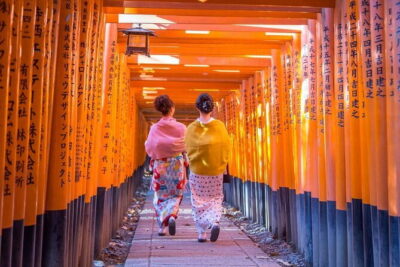 ★ 5.0Nijo, Kinkaku-ji, Arashiyama, Kiyomizu & Fushimi InariFrom $51699 reviews
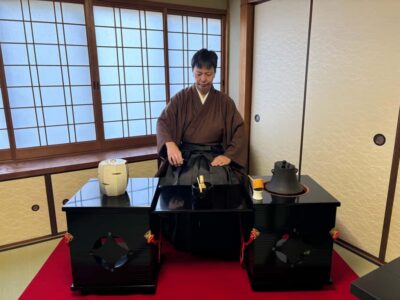 ★ 4.8Kyoto Ninenzaka: Tea Ceremony in Old Townhouse with ChairsFrom $21215 reviews
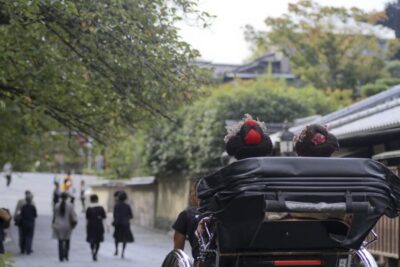 ★ 5.0Private Rickshaw Tour of Gion and Higashiyama AreaFrom $51144 reviews
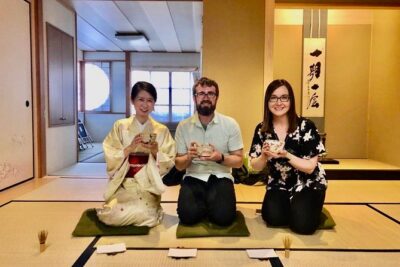 ★ 5.0Kyoto Tea Ceremony & Kiyomizu-dera Temple Walking TourFrom $109115 reviews
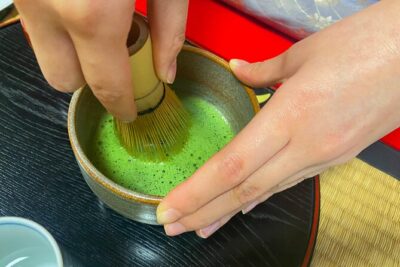 ★ 5.0Kyoto Kiyomizu Tea Ceremony with Scenic Garden ViewsFrom $50101 reviews
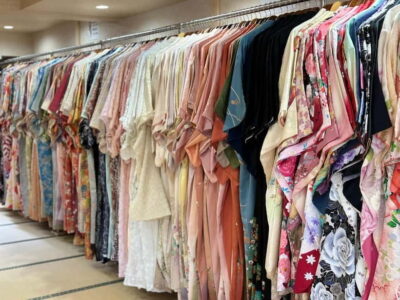 ★ 4.7Kimono/Yukata Rental 5 Minute from Kiyomizu-deraFrom $1989 reviews
Browse the lists this tour appears in