
Reviewed · KYOTO BIKE & E-BIKE TOURS
Kyoto: Rent a Touring Bike to Explore Kyoto and Beyond
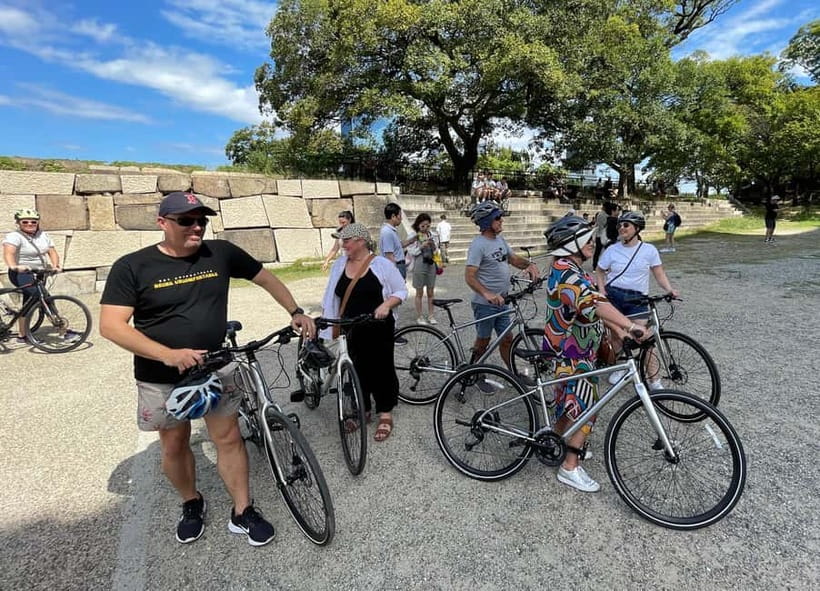
Kyoto by bike changes your day fast. You trade ticket lines for freedom of pace, rolling through riverside cycling paths that connect the wider Kansai area. That mix of city sights plus an easy path to calmer countryside is exactly what makes this kind of rental so appealing.
I also like that Road Bike Rental Japan gives you more than a bike: you get a safety briefing, plus local route recommendations to help you stitch together a one-day plan without getting stuck. The main drawback to keep in mind is that the pickup spot near Takeda Station may feel awkward depending on where you’re staying, so it’s worth checking your commute early.
In This Review
- Key things to know before you ride
- Why a touring bike is such a smart match for Kyoto and beyond
- Getting to the shop: Takeda Station and the 450-metre walk
- What you actually get for your ~$28 and why it feels fair
- Your one-day riding plan: city loops, riverside stretches, and a countryside escape
- Phase 1: Start with an easy warm-up near central Kyoto
- Phase 2: Pick a riverside route for a smoother ride
- Phase 3: Weave into local neighborhoods and temple areas off the main drag
- Phase 4 (optional): Extend into Kansai countryside if you still have energy
- Real service details: Mayu, David, Kana, and the value of actual route thinking
- Safety and comfort: the small stuff that keeps the day fun
- Price and logistics: what can surprise you on the day
- Who this bike rental fits best (and who should skip it)
- Should you book this Kyoto touring bike rental?
- FAQ
- Where do I meet for the bike rental?
- What’s included with the touring bike hire?
- Is food or drinks included?
- Do they provide navigation apps or GPS?
- What should I bring?
- Who is this activity not suitable for?
Key things to know before you ride
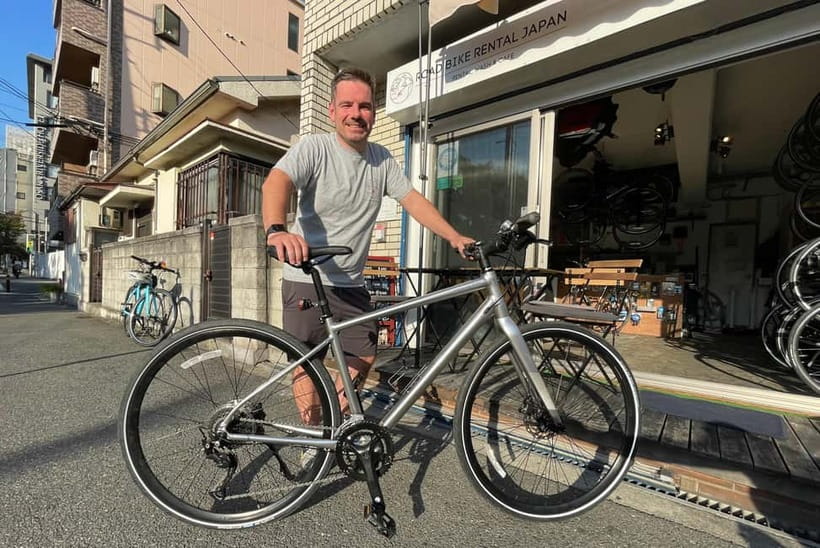
- Riverside cycling paths help you move smoothly between parts of Kansai without feeling like you’re always fighting traffic.
- Authentic neighborhoods are part of the ride, not just a quick drop-off at famous stops.
- City day or countryside day, based on what you feel like that morning.
- Staff route help matters: guides such as Mayu, David, and Kana are mentioned for sharing different cycling options.
- Basic safety gear included: helmet and lock, plus tools to help you enjoy the ride safely.
Why a touring bike is such a smart match for Kyoto and beyond
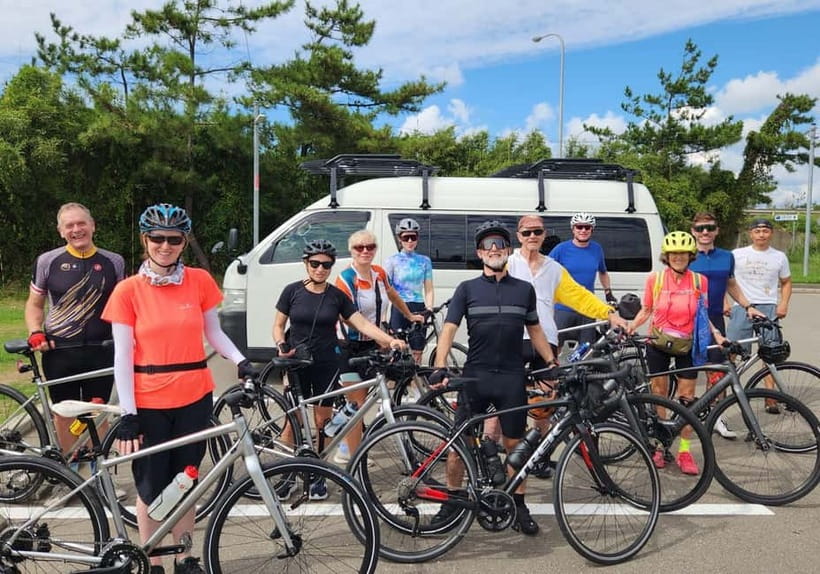
Kyoto can be a puzzle if you’re relying only on trains and walking. A touring bike turns the day into something you control. You can pedal when you feel like it, slow down when you spot something interesting, and skip the “one more stop” pressure that comes with fixed tours.
What I like most is the promise of smooth riverside routes. In a city where streets can get crowded, those car-light stretches can make your ride feel calmer and more fluid. And because the routes link into the broader Kansai area, you’re not boxed in by Kyoto city borders.
Then there’s the choice: you can stay focused on Kyoto city sights, or you can push out toward Kansai countryside. Even without listing specific temples or neighborhoods, the core idea is clear: you’ll spend your day combining urban texture with the option to escape.
One more practical point: this is set up for independence. You’re not stuck waiting on a group pace. If you want a slower morning and a longer afternoon pedal, you can do that.
More of Kyoto at handlebar pace
Getting to the shop: Takeda Station and the 450-metre walk
Meet at Takeda Station on the Kintetsu Kyoto line. Exit from the south ticket gate, then take the west exit (Exit 6). Walk straight down the road, and you’ll find Road Bike Rental Japan about 450 metres on the left.
If your hotel is elsewhere in Kyoto, plan your timing like you would for any departure point. The bike rental itself is straightforward, but the “getting there first” step is where people sometimes get stressed—especially on a day you’re excited to ride.
Tip: give yourself a little buffer. Even if the walk is short, station navigation and street crossings can add a few minutes.
What you actually get for your ~$28 and why it feels fair
At $28 per person for one day, this rental isn’t just “pay for a bike and go.” You’re paying for a bike plus the support that makes cycling in Japan easier.
Here’s what’s included:
- Touring bike hire
- Cycling in Japan safety briefing
- Local route recommendations
- Helmet and lock (mentioned as part of the included gear)
What you should bring or handle yourself:
- Comfortable shoes and clothes
- Your own food and drinks
- Your own phone/navigation use (no navigation apps or GPS are included)
- You’ll handle your own movement to/from the pickup point (no hotel pickup/drop-off)
That combination is why the price feels workable. A lot of bike rentals elsewhere charge extra for the “helpful parts” that reduce stress—safety briefing and route suggestions. Here, you’re getting those basics upfront, which can save you time and headaches on a first cycling day.
Also, one review notes that after returning bikes, the staff provided refreshment. Even if you can’t rely on it, it’s a nice example of the kind of service you may experience.
Your one-day riding plan: city loops, riverside stretches, and a countryside escape
Because this is a touring-bike rental with route recommendations (not a fixed guided itinerary), your “schedule” is more like a set of building blocks. Here’s a practical way to structure it so you don’t burn energy too early.
Phase 1: Start with an easy warm-up near central Kyoto
Begin right after pickup and choose a gentle early section. The goal is simple: get comfortable with the bike size, your cadence, and how you feel in traffic-adjacent areas.
This is where staff tips help. Reviews mention bikes being adjusted to riders’ sizes, and that matters. If you’re not fitted well, the whole day gets harder than it should.
What to watch for:
- Don’t go hard in the first 30 minutes.
- If you feel off, stop and ask for a quick adjustment while you’re still fresh.
Other Kyoto tours and experiences to compare
Phase 2: Pick a riverside route for a smoother ride
Next, aim for the smooth riverside cycling paths the experience highlights. This is your “make the day feel good” section.
Riverside routes tend to make cycling feel less stop-and-start. Even when you’re not racing toward a famous landmark, it’s a great time to slow down, take photos, and enjoy the rhythm of pedaling.
Good strategy:
- Use the riverside stretch as your connector route—something that links one area of the city to another.
- Keep your pace steady here, then save your energy for the stops you care about most.
Phase 3: Weave into local neighborhoods and temple areas off the main drag
Kyoto isn’t only famous gates and postcard streets. One of the best parts here is weaving through authentic local neighborhoods—the kind of places where you feel daily life around you.
Some reviews mention visiting temples that are a bit outside the usual route. You can use that idea even without chasing a specific name: look for the quieter temple areas where you won’t feel like you’re fighting crowds.
How to make this section work:
- Don’t pack in too many “quick photo stops.”
- Choose fewer stops and spend a bit more time walking the grounds on foot if you want the full mood.
Potential drawback: if you spend too long here, you may run out of daylight or energy for the countryside option later.
Phase 4 (optional): Extend into Kansai countryside if you still have energy
If you’re the type who wants more than Kyoto city sights, build in time for the Kansai Countryside option. Think of it as the payoff for starting early and keeping a reasonable pace.
Even if you don’t change the “type” of sights you see, a countryside stretch changes the feel of your whole day—less density, more open space, and a different kind of Kyoto-to-Kansai connection.
Rule of thumb: don’t treat this as a last-minute scramble. If you want countryside time, plan to leave yourself enough margin to return comfortably.
Real service details: Mayu, David, Kana, and the value of actual route thinking
Names matter, because it shows consistency in service. In reviews, Mayu, David, and Kana come up as staff who helped with routes and day-planning.
Here’s the practical value behind those compliments:
- They don’t just hand you a route; they give you different cycling route options so you can match your mood and energy.
- They provide the materials and tips you need to ride confidently.
- They adjust the bikes to riders’ sizes, which helps you enjoy the day instead of fighting your setup.
- One rider mentions getting refreshment when returning the bikes, which adds a human touch after time on the road.
If you’re a first-time bike rider in Japan, this kind of support is a big deal. You’re less likely to waste time second-guessing and more likely to build a route that actually fits the day you want.
Safety and comfort: the small stuff that keeps the day fun
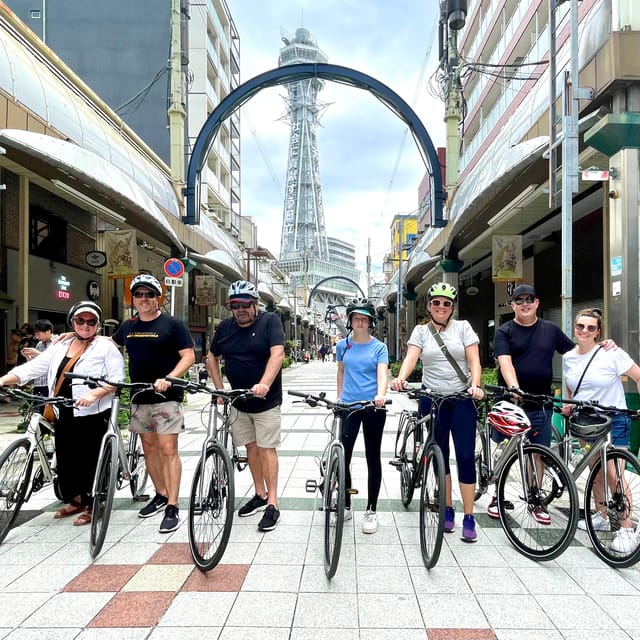
This rental includes a cycling in Japan safety briefing, plus a helmet and lock. That already covers the basics you want for a day out.
Beyond that, your comfort choices matter:
- Wear comfortable shoes and clothes you can move in.
- Bring yourself to the meeting point calm and ready. You can’t fix comfort issues after you start a longer ride.
Also, there are clear rules:
- Alcohol and drugs are not allowed.
- Not suitable for pregnant women, people with heart problems, and children under 18.
I’m glad the limitations are spelled out. Biking is fun, but it’s still physical activity. If you’re not sure where you fall health-wise, take that seriously and choose a different plan.
Price and logistics: what can surprise you on the day
The cost is simple—$28 per person—but the true “cost” is time and planning.
Be ready for these logistics realities:
- No hotel pickup or drop-off. You’re walking or transit-ing to Takeda Station yourself.
- Food and drinks aren’t included. Cycling makes you hungry; plan for it.
- Navigation apps or GPS aren’t provided. Your phone is your best friend here, but you’ll want to be comfortable using it on the go.
And here’s a more subtle consideration: one review notes the location isn’t convenient for everyone. That doesn’t mean it’s a bad rental. It just means you should compare your likely route to Takeda Station versus where you want to start riding.
Who this bike rental fits best (and who should skip it)
This is a great match if you want:
- Independence: ride at your own pace
- A day that combines Kyoto city areas with possible Kansai countryside time
- The ease of riverside cycling paths
- Real local guidance through route recommendations
It’s also a solid fit if you like planning like this:
- Choose a theme (city sights vs. temple time vs. countryside)
- Then let staff routes help you connect the theme with practical bike routes
Skip it (or consider something else) if:
- You need hotel pickup or guided pacing
- You’re not comfortable with a full day of active cycling
- Your health situation makes longer biking a bad idea (heart issues are explicitly mentioned)
- You’re traveling with someone under 18
Should you book this Kyoto touring bike rental?
If your goal is to see Kyoto and still have the option to stretch into Kansai without being trapped by train times, I think this is worth booking. The bike plus helmet and lock, the safety briefing, and the route recommendations give you a strong start, and the riverside-path focus helps you get a smoother ride day.
Book it if:
- You can reach Takeda Station easily
- You want to control your schedule
- You’d enjoy the mix of neighborhoods and temple areas, with a chance to escape toward countryside
Hold off if:
- Getting to the pickup point is a major hassle for your itinerary
- You’d rather have everything handled by staff end-to-end
- You don’t want to plan around food, navigation, and return timing
FAQ
Where do I meet for the bike rental?
Head to Takeda Station on the Kintestu Kyoto line. Use the south ticket gate, then take the west exit (Exit 6). Walk straight; Road Bike Rental Japan is about 450 metres on the left.
What’s included with the touring bike hire?
The rental includes the touring bike itself, a cycling in Japan safety briefing, and local route recommendations. A helmet and lock are also part of the gear provided.
Is food or drinks included?
No. Food and drinks are not included.
Do they provide navigation apps or GPS?
No. Navigation apps and GPS are not included.
What should I bring?
Bring comfortable shoes and comfortable clothes.
Who is this activity not suitable for?
It’s not suitable for pregnant women, people with heart problems, and children under 18 years old. Alcohol and drugs are also not allowed.
More Cycling Tours in Kyoto
More Tour Reviews in Kyoto






More of Kyoto by Bike
Just added: more Kyoto tours to browse








Kyoto Bike & E-Bike Tours, compared.
 ★ 5.0Hidden Kyoto E-Biking tourFrom $1161,843 reviews
 ★ 5.0Bike Tour Exploring North Kyoto plus LunchFrom $1061,087 reviews
 ★ 5.0Arashiyama Bamboo Forest & Hidden Gems Bike Tour (Early Bird)From $106613 reviews
 ★ 5.05 Top Highlights of Kyoto Full Day Bike Tour (E-bike option)From $172511 reviews
 ★ 5.0Full Day Biking Tour Exploring the Best of KyotoFrom $119498 reviews
 ★ 4.8Memory Kyoto E-Bike TourFrom $91297 reviews
 ★ 5.0E-Bike Tours of the highlights of Kyoto!!!From $109291 reviews
 ★ 5.0Afternoon Kyoto Bike Tour: Bamboo Forest, Monkeys & Hidden SpotsFrom $106283 reviews
Browse the lists this tour appears in