
Reviewed · KYOTO COOKING CLASSES
Kyoto Ramen Spoon Painting & Michelin Cooking Class
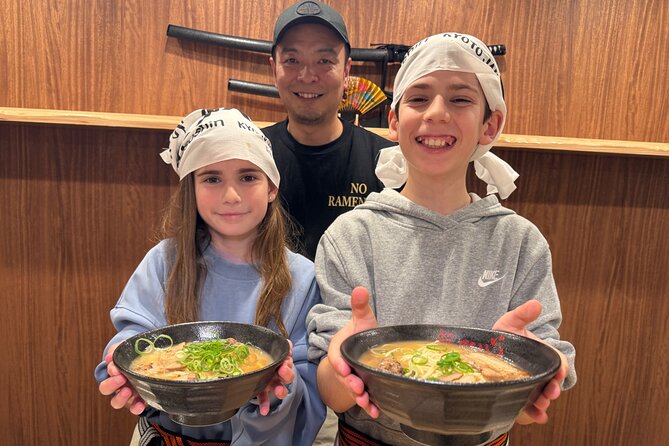
Ramen art meets chef-level technique. You’ll paint your own ceramic ramen spoon souvenir, then learn Michelin-nominated style ramen methods with Musoshin’s team in a real professional setup. It’s the kind of food class where the craft and the cooking actually connect, instead of feeling like two unrelated activities.
I also like the in-house ingredients system behind the ramen. Musoshin makes noodles every morning, lets them rest overnight, cooks the soup for 12 hours, and keeps the soy sauce and roast pork handmade—so you’re not just following a template, you’re learning the logic of the flavor. Add vegetarian/vegan options and the staff handling allergies well, and it feels built for real people, not just one “standard” diet.
The only drawback to plan around: the spoon gets baked in a kiln overnight. So while you’ll paint it on-site, you shouldn’t expect it to instantly be finished and “ready to go” the moment the class ends—and the workshop can take a little effort to find, so give yourself extra time in the Higashiyama area.
In This Review
- Key Things That Make This Class Worth It
- A One-Day Combo: Temples in the Morning, Ramen at the Workshop
- Getting Oriented: Where You Start and How Easy It Is to Find
- Your Ramen Spoon: Painting the Souvenir (and Why the Kiln Matters)
- Inside Musoshin Ramen Academy: What Makes Their Setup Different
- The Michelin-Style Cooking Lesson: How the Class Actually Works
- Meet the Chefs: Shin, and Other Energetic Instructors
- What You Eat: No Hunger Pangs, Just the Bowl You Built
- Vegetarian and Vegan Options: Real Choices, Not Afterthoughts
- Value for Money: Why About $65.89 Makes Sense Here
- Small Group Size: Why Max 12 Changes the Mood
- Who This Fits Best (and Who Might Want Something Else)
- Quick Tips So You Enjoy It More
- Should You Book This Ramen Spoon Painting & Michelin Cooking Class?
- FAQ
- How long is the Kyoto Ramen Spoon Painting & Michelin Cooking Class?
- What is the price per person?
- How large is the group?
- What will I make and take home?
- Is the spoon finished the same day?
- Does the class offer vegetarian or vegan options?
- Can the chef team handle allergies?
- Where is the meeting point?
- What is the cancellation policy?
Key Things That Make This Class Worth It
- Paint a ceramic ramen spoon souvenir and make it personal, not generic.
- Chef-led ramen technique tied to ramen components and how they work together.
- In-house production details like noodles rested overnight and a 12-hour soup base.
- Small-group format (max 12) that helps you ask questions and move at a workable pace.
- You cook and then eat what you make, so you won’t leave hungry.
A One-Day Combo: Temples in the Morning, Ramen at the Workshop

This experience is built for a full Kyoto memory, not just a sit-and-smile meal. You start in the Higashiyama area and visit major temple stops—Kiyomizu-dera, Kennin-ji, and Sanjusangendo—then you return to the meeting point area after the activity wraps.
What I like about pairing sightseeing with this ramen workshop is pacing. Kyoto temples can easily turn into “walk, look, repeat” if you don’t have a reason to stay focused. Here, you’ve got a goal that’s different from the usual photo stops: learning ramen craft, touching ingredients, and building a bowl at the end.
The practical catch is time. The whole program is about 1 hour 30 minutes, so this isn’t an all-day wander. If you like lingering at viewpoints and taking your time on stairs, you’ll need to manage your expectations and keep a steady pace.
Roll up your sleeves for another Kyoto cooking class

Getting Oriented: Where You Start and How Easy It Is to Find
The meeting point is listed at 440-5 Nishigomonchō, Higashiyama Ward, Kyoto (605-0816), and it’s noted as near public transportation. That matters because Higashiyama can feel like a maze if you’re off by even a few blocks.
The workshop is part of Musoshin’s academy setup connected to their ramen restaurant, and one thing that comes up from people is that it can be a little tricky to locate. I’d treat this like a “leave buffer time” situation. Use maps, double-check your arrival window, and don’t plan to sprint in right at the start.
Your Ramen Spoon: Painting the Souvenir (and Why the Kiln Matters)
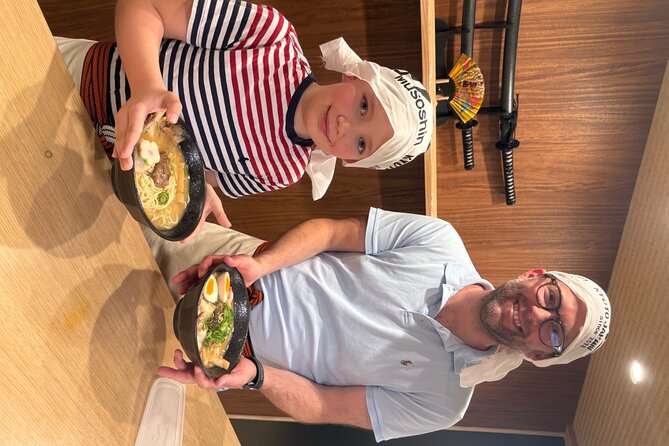
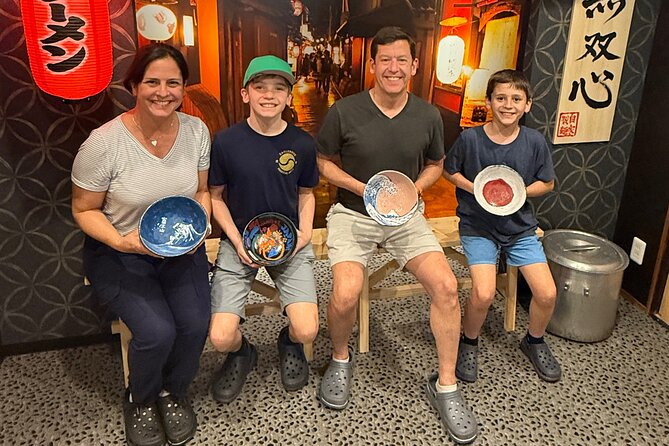
This class earns its keep with the ramen spoon painting. You create your own ceramic spoon souvenir first, then the spoon is baked in a kiln overnight. That overnight bake isn’t a small detail—it’s the difference between “a fun craft” and something that actually becomes a durable keepsake.
I like that the class sets you up for success here. You’re not asked to invent glaze techniques or ceramics from scratch. You’re painting a spoon in a guided workshop environment, and your job is creative and personal, not technical.
One thing to keep in mind: the spoon is baked after your painting session, so you’re not collecting it finished in the next five minutes. If you’re the type who likes taking everything home immediately, plan for a souvenir that’s completed after the class.
Inside Musoshin Ramen Academy: What Makes Their Setup Different
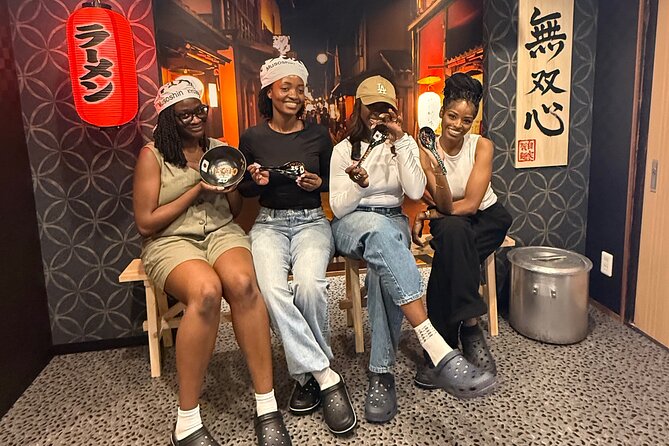
Musoshin Ramen Academy is run by 無双心ラーメンアカデミー (Muso-shin Ramen Academy), connected to Musoshin Ramen. The academy’s pitch is simple: ramen is the center of the experience, and the craft workshop isn’t floating next to a random class.
They’re also specific about credentials and consistency. Musoshin started in Kyoto in 2022, and they now have six restaurants across Kyoto and Toronto. Their Toronto location has been nominated for Michelin for three consecutive years, and the recipe is said to be the same.
Here’s what that means for you in plain terms: you’re not learning a diluted “tourist version” of ramen. You’re learning a method with a professional production background and an emphasis on making ingredients in-house.
The Michelin-Style Cooking Lesson: How the Class Actually Works
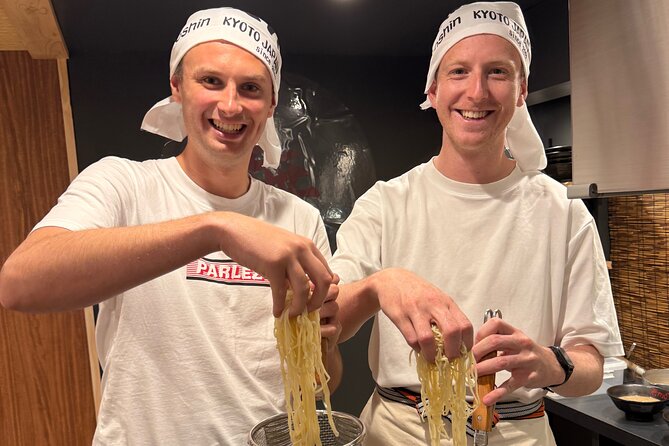
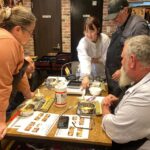
This is a hands-on ramen cooking class taught by the chef team behind Musoshin. People describe getting step-by-step guidance on ramen methodology—how the components fit together, and what makes ramen ramen. You’ll also hear some ramen context along the way, so it’s not just “mix this, add that.”
Musoshin’s stated approach is ingredient-first:
- Noodles made in their shop every morning, rested overnight.
- Soup cooked for 12 hours.
- Ramen soy sauce and roast pork made by hand.
- They also prepare ingredients ahead of time and then bring them to the workshop so customers can cook them.
For most visitors, that’s the best of both worlds. You get the educational value of technique and decision-making without the frustration of trying to start from raw production on a tight schedule.
You’ll do the cooking yourself, including preparing ramen with both pork-based and vegetarian options. Reviews also note vegan accommodation, so it’s not one-size-fits-all. And if you have allergies, the team’s been reported as able to handle them well—still, I’d recommend telling them clearly when you book.
Other Kyoto tours and experiences to compare


Meet the Chefs: Shin, and Other Energetic Instructors
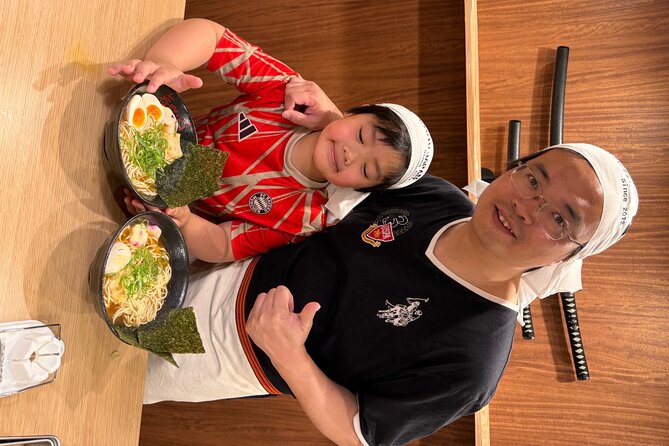
Names show up in the feedback, and that personal touch matters. People specifically mention Shin—often referred to as Master Shin—and also mention instructors like Amiru. The vibe described is friendly, energetic, and patient, including with kids.
Even if your schedule is tight, that kind of chef interaction changes the class. You’re more likely to ask practical questions, like how to adjust balance between broth and toppings, or what you can actually recreate at home without guesswork.
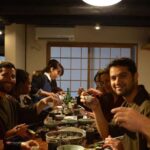
And since this workshop runs with a max group size of 12 travelers, the teaching style can stay interactive instead of turning into a lecture.
What You Eat: No Hunger Pangs, Just the Bowl You Built
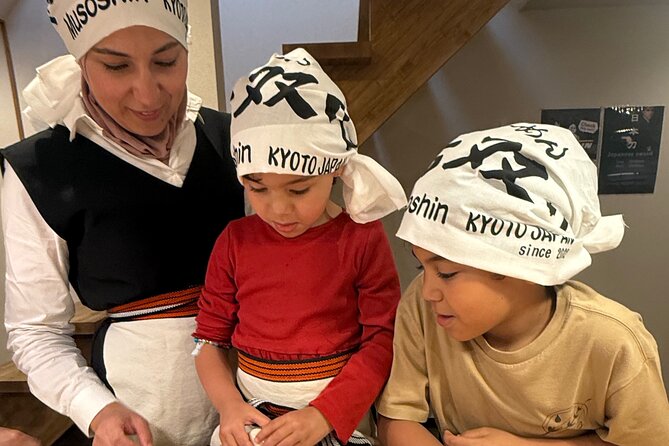
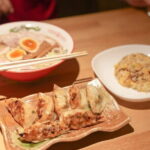
A big promise here is simple: you won’t finish the class starving. The experience is designed to end with a meal you sample right after your ramen prep.
I like that this isn’t “taste something, then leave.” You’re encouraged to arrange components, and that hands-on final step is where the class becomes memorable. Even if you’ve eaten ramen across Japan, building your own bowl tends to make you notice details you usually skip.
Portion-wise, the key word is satisfaction. The class is short enough that you’re eating while the work is still fresh in your head. That helps ramen stick in your memory as both food and technique.
Vegetarian and Vegan Options: Real Choices, Not Afterthoughts
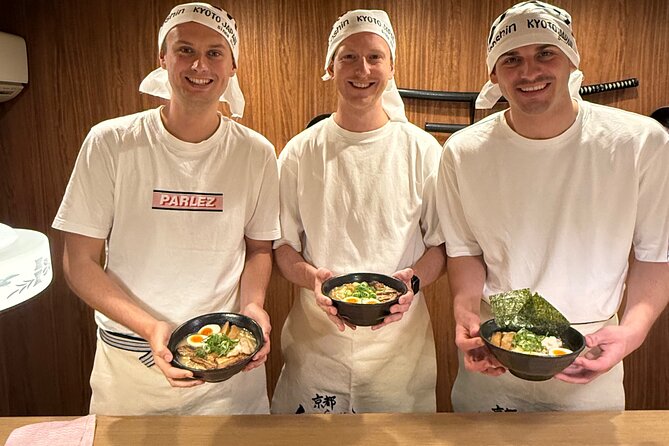
If you don’t eat meat, this matters. The class includes vegetarian options, and feedback also mentions vegan/vegetarian accommodation.
More importantly, the way Musoshin describes their in-house workflow suggests the options aren’t pulled from a generic shortcut. The noodle and soup system is part of the brand’s method, and that’s where consistency comes from. You still get the ramen experience rather than a compromise plate.
If you’re cooking with ingredients that come from the restaurant, you’re also less likely to run into the usual “tour class swaps one ingredient and calls it a day” problem.
Value for Money: Why About $65.89 Makes Sense Here
At $65.89 per person, this isn’t a bargain-basement cooking class. But the value comes from what’s included in that price:
- A hands-on ramen cooking session taught by the chef team.
- A ramen meal at the end.
- A personal ceramic ramen spoon souvenir (with kiln baking overnight).
- Supplies tied to the experience, including an apron and ramen items provided for the class.
For Kyoto, $65-ish can easily disappear into a meal that lasts 20 minutes. Here you’re paying for time, instruction, and a keepsake. The small-group cap (max 12) also plays into value—more attention, less waiting around.
So I’d judge it like this: if you’re a ramen fan who wants technique you can reuse, it’s a fair trade. If you’re only chasing a single photo souvenir, the price may feel steeper than you expect.
Small Group Size: Why Max 12 Changes the Mood
A ceiling of 12 travelers sounds small on paper and that’s exactly how it feels in a kitchen setting. You’re less likely to be stuck waiting for an instructor to clear space. It’s easier to get help when you’re handling hot components or trying to copy a step you just heard.
It also makes the temple-to-kitchen rhythm more comfortable. You’re moving as a unit, not getting fragmented into a dozen micro-groups.
If you hate crowds and want a class that still feels personal, this is one of the better-sized options in Kyoto.
Who This Fits Best (and Who Might Want Something Else)
This experience is a strong match if you:
- Love ramen and want the method behind the flavors.
- Like interactive activities where you make something you’ll keep.
- Want a small-group class with chef energy.
- Need vegetarian or vegan-friendly options, or want a class that can handle allergies well.
It might be less ideal if you:
- Need an immediate finished souvenir right at the end (the spoon is baked overnight).
- Prefer slow, unstructured sightseeing. The total time is about 1 hour 30 minutes, so it’s efficient rather than leisurely.
- Get stressed if a location is hard to find. Give yourself extra time and check your route.
Quick Tips So You Enjoy It More
- Wear comfortable shoes. Even with temple stops, you’ll be on your feet.
- Arrive a few minutes early. In Higashiyama, that buffer is worth it.
- If you have dietary needs, be clear when you book. The team has experience accommodating allergies and vegetarian/vegan options.
- Take photos early and often, especially during spoon painting. Ceramic details look great once finished.
Should You Book This Ramen Spoon Painting & Michelin Cooking Class?
If your Kyoto plan includes ramen anyway, I think this is an easy yes. The combo is smart: you get a real souvenir you made (not just a label on a store shelf), then you learn ramen technique in a kitchen connected to a brand with in-house production standards.
Book it if you enjoy hands-on cooking and you want to understand what makes a ramen bowl taste right. Skip it only if you’re strictly time-blind about locations, or if the idea of an overnight-baked spoon souvenir doesn’t fit how you travel.
FAQ
How long is the Kyoto Ramen Spoon Painting & Michelin Cooking Class?
It runs for about 1 hour 30 minutes.
What is the price per person?
The price is listed as $65.89 per person.
How large is the group?
The experience is limited to a maximum of 12 travelers.
What will I make and take home?
You paint a ceramic ramen spoon as a souvenir, and you’ll also use ramen items during the class (like a ramen bowl and apron provided for the activity).
Is the spoon finished the same day?
The spoon is baked in a kiln overnight after you paint it.
Does the class offer vegetarian or vegan options?
Yes. Vegetarian options are available, and vegan/vegetarian options are mentioned.
Can the chef team handle allergies?
Allergies have been handled well in the experience feedback you can rely on when planning.
Where is the meeting point?
The meeting point is listed at 440-5 Nishigomonchō, Higashiyama Ward, Kyoto, 605-0816, Japan, and it’s near public transportation.
What is the cancellation policy?
You can cancel for a full refund up to 24 hours in advance of the experience start time.
More Cooking Classes in Kyoto
More Tour Reviews in Kyoto





More Kyoto Cooking Classes

Just added: more Kyoto tours to browse








Kyoto Cooking Classes, compared.
 ★ 5.0Ramen Cooking Class at Ramen Factory in KyotoFrom $1311,937 reviews
 ★ 5.0Sushi Making in Kyoto! Same-day bookings welcome!From $53713 reviews
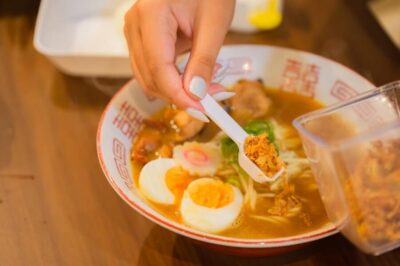 ★ 4.9Ramen Cooking Class at a Ramen Factory with SouvenirFrom $127532 reviews
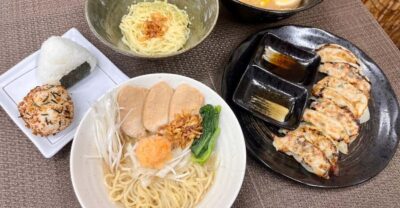 ★ 5.0Ramen, Gyoza, and Onigiri Cooking ClassFrom $90445 reviews
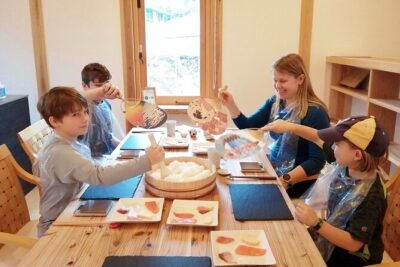 ★ 5.0The Original Small-Group Sushi Making Class in KyotoFrom $69436 reviews
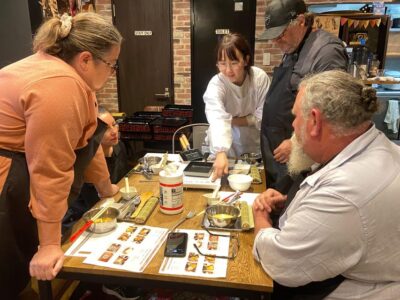 ★ 5.0Japanese Washoku Bento Small Group Cooking ClassFrom $58380 reviews
 ★ 5.0Kyoto Ramen and Gyoza Cooking Class with Professional ChefsFrom $86282 reviews
 ★ 4.9Afternoon Japanese Izakaya Cooking ClassFrom $67241 reviews
Browse the lists this tour appears in