
Knife work, then noodles, then instant comfort. This Kyoto ramen and gyoza cooking class is interesting because you don’t just order the food—you make it. I like the chance to practice hands-on ramen noodles from scratch and to rely on English translation led by guides like Rika or Yuki. One drawback to plan around: it isn’t set up for vegetarian/vegan or gluten-free meals.
What makes it work so well is the pacing. In about 150 minutes, you’ll move from dough and shaping to wrapping and frying, then sit down for a meal you helped create. I also like the little extras: photos (often with videos too) and two included drinks—beer, sake, or soft drinks—so the night feels complete, not like a rushed demo.
In This Review
- Key Takeaways Before You Go
- Meeting at Latitude 35°: Your MagicalTrip Start Point
- The 150-Minute Plan: From Dough to Dumplings to Fried Rice
- Ramen Noodle Basics You Can Actually Repeat at Home
- Gyoza Wrapping That Feels Like Skill, Not a Chore
- Fried Rice Skills That Finish the Meal Cleanly
- Price and Value: Why $83 Works (When You Use the Right Mindset)
- Who This Kyoto Class Fits Best (and Who Should Skip It)
- Practical Tips for a Smooth, Tasty Session
- Should You Book This Kyoto Ramen & Gyoza Class?
- FAQ
- How long is the Kyoto ramen and gyoza cooking class?
- What will I cook during the class?
- Are drinks included?
- Is instruction available in English?
- How many people are in the group?
- Are vegetarian, vegan, or gluten-free meals available?
- Where do I meet the guide?
- Is the class suitable for wheelchair users or limited mobility?
Key Takeaways Before You Go
- Make ramen noodles yourself, including kneading and cutting, not just assembling a bowl.
- Wrap your own gyoza and enjoy them as part of the meal with your included drinks.
- Small group of up to 8, so you get real help when you get stuck.
- English guidance plus chef instruction, with guides like Rika, Yuki, Ken, and Ayuri seen leading the translation.
- You get recipe materials to take home, so you can try ramen at home while the flavors are still fresh.
- Photos and videos are sent afterward, which is great if you want food memories without running for your phone mid-cook.
Meeting at Latitude 35°: Your MagicalTrip Start Point
You’ll meet outside in a clear, easy spot: in front of the Latitude 35° Story Monument (北緯35°物語). Your guide will be holding an orange sign board marked MagicalTrip, so you’re not left wandering around looking for a kitchen.
This matters more than it sounds. Cooking classes go best when everyone arrives together, gets briefed, and starts on time. The class also notes that late arrivals can’t join once the session begins, so do yourself a favor and build in a little buffer from wherever you’re staying in Kyoto.
Once you find your guide, expect a quick setup: a short introduction, safety reminders around knife use, and how the session will flow. The tone you’re aiming for is friendly and practical. Many guides are described as outgoing and patient, and that’s a big deal for beginners who feel nervous about cutting noodles or handling raw dough.
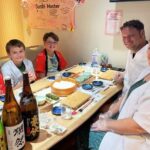
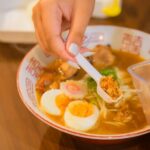
Roll up your sleeves for another Kyoto cooking class

The 150-Minute Plan: From Dough to Dumplings to Fried Rice
This isn’t a long, lecture-heavy class. It’s a tight 150-minute workshop built around doing the work in stages, then eating what you made.
Here’s the rhythm you can expect:
- Ramen prep: you’ll work the dough and learn how to handle it before noodles are cut and finished for your meal.
- Gyoza wrapping: you’ll portion and wrap your own gyoza, then cook them as part of the shared meal.
- Fried rice: you’ll also make fried rice, which rounds out the table and keeps the meal grounded in everyday Japanese comfort food.
- Eat, drink, and reset: you’ll sit down to enjoy ramen, gyoza, and fried rice together, with two included drinks (beer/sake/soft drinks).
Because the group is capped at 8, the chefs and the English-speaking local guide can correct technique without crowding you. That also helps families—more on that later—because kids who are supervised can still participate in a meaningful way without derailing the pace.
Ramen Noodle Basics You Can Actually Repeat at Home
Ramen in Japan is a huge deal, and the class gives you a bit of context while you cook. You’ll hear how ramen’s story runs back centuries—often traced to Tokugawa-era roots around 1697, and then to mainstream popularity tied to 1910. You’ll also get a sense of how ramen spread so widely that Japan has thousands upon thousands of shops.
But the best part is what you do with that context. The class breaks ramen down into workable steps:
- Knead the dough: not just in a vague way, but enough to understand how it changes under your hands.
- Cut the noodles: you’ll practice the technique so you can see what makes noodles cook up right.
- Top and serve your bowl: you’ll finish your ramen as a real meal, not a tasting sample.
I love this approach because it makes ramen feel less like a mysterious restaurant trick. The downloadable recipes help too. They’re designed so you’re not stuck remembering vague impressions once you get home and your kitchen doesn’t smell like Japan.
One practical note: this class is not described as gluten-free or allergy-safe in a guaranteed way. So if gluten is a dealbreaker, you’ll want to choose a different type of experience.
Gyoza Wrapping That Feels Like Skill, Not a Chore
Gyoza is where this class turns into a hands-on confidence builder. You don’t just eat dumplings—you wrap them. That means you’ll learn:
- how much filling to use,
- how to seal properly,
- and how the shape affects cooking.
Then you get the best payoff: you eat your own gyoza. It also comes with an easy drink pairing built into the tour. You can choose beer, sake, or soft drinks, and the class includes two drinks total. Sake goes especially well with dumplings, and the beer pairing is classic if you want something familiar.
From the way guides describe the session, the staff tends to keep the mood light. A couple of guides are called out for being fun and attentive, and that matters during repetitive steps like folding and sealing. If you’ve ever tried making dumplings at home and felt the process was fussy, you’ll appreciate how much coaching you get here.
If you’re worried about doing it wrong: that worry usually shrinks once you see how patient the chefs are and how quickly corrections happen mid-step.
Fried Rice Skills That Finish the Meal Cleanly
Fried rice is the last major skill you’ll tackle, and it’s a smart addition. Ramen and gyoza are the stars, but fried rice helps you end with something satisfying and practical—something you can recreate without chasing obscure ingredients.
You’ll cook fried rice as part of your full meal, then eat everything together. That “make, then sit down” format is one of the reasons this class feels worth the time. You get a complete Japanese comfort-food plate rather than leaving hungry with a handful of bites.
The class also notes there’s a recipe guide you can take home, so you’re not relying on memory. For many people, that’s what turns a single tour into a usable experience.
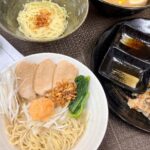
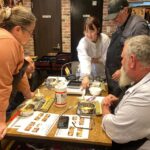
Other Kyoto tours and experiences to compare


Price and Value: Why $83 Works (When You Use the Right Mindset)
At $83 per person for about 150 minutes, the real question isn’t just the sticker price. It’s what you’re paying for:
- Pro chefs teaching you multiple techniques (noodles, dumplings, fried rice)
- English guidance throughout
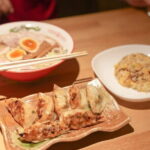
- A full meal that includes ramen, gyoza, and fried rice
- Two included drinks
- Recipe materials you can use at home
- Tour photos sent after the session
If you’re used to “watch and eat” cooking tours, this price can feel high. If you’re aiming for skill-building, it becomes more reasonable fast. You’re not just consuming; you’re learning and doing enough steps to feel you could repeat parts at home.
Also, the small group size (up to 8) matters. Less crowding usually means more attention on your noodles and your gyoza seals, and that’s where the difference between a fun class and a frustrating one shows up.
Who This Kyoto Class Fits Best (and Who Should Skip It)
This is a strong pick if you:
- love ramen and want to go beyond eating it,
- want a hands-on activity that also produces a real meal,
- prefer small-group formats over big tours,
- travel solo, as many people join alone and still get a friendly group vibe.
It’s also a good match for families, with an important caveat. The class welcomes ages 6+, but children must be supervised during knife use or any risky steps. More than one family-focused experience is described as not stressful, mainly because hosts and chefs stay attentive.
Skip or reconsider if you:
- need vegetarian, vegan, or guaranteed gluten-free options (the class can’t accommodate vegetarian/vegan requests, and gluten-free isn’t supported),
- have mobility limitations—wheelchair users are not recommended for this activity,
- don’t want alcohol: you can choose soft drinks, but the class includes alcoholic options for those who want them.
Finally, you should plan to be fully fed. The tour includes your meal, so don’t schedule dinner right after with huge expectations of an extra big meal.
Practical Tips for a Smooth, Tasty Session
A cooking class in Japan can be deceptively simple—until you’re holding dough and trying to listen through a busy kitchen. Here’s how to make the day go smoothly with what you already know:
- Arrive early enough to settle in. The class starts on time and late arrivals can’t join.
- Wear comfy clothes you don’t mind getting flour on. Noodle dough doesn’t ask permission.
- Expect knife work and supervision needs. If you’re bringing kids, plan on close attention during the risky steps.
- Use the guide’s translation. Guides are there to translate chef instructions clearly, and names like Rika, Yuki, Ken, and Ayuri show up in the guide line-up.
- Skip other “snack stops” before you arrive. You’ll be making a full meal and you’ll want to enjoy the finished ramen and gyoza without feeling stuffed too early.
- Wait for the photo email. They take photos during the class and send them afterward, which is convenient if you’d rather cook than document.
Should You Book This Kyoto Ramen & Gyoza Class?
Book it if your idea of a great Kyoto day includes skill-building, small-group coaching, and eating what you made. The combination of ramen noodles from scratch, gyoza you wrap yourself, and a full shared meal—plus recipe materials and photos—makes this one of the more practical “souvenir” experiences you can do.
Don’t book it if dietary restrictions are a must. Vegetarian/vegan and gluten-free needs aren’t supported, and there’s no promise of allergy-free preparation. Also skip if mobility is an issue, since the activity isn’t recommended for wheelchair users.
If you’re flexible, hungry, and curious about the techniques behind Japan’s comfort-food favorites, this class is a very solid use of time in Kyoto.
FAQ
How long is the Kyoto ramen and gyoza cooking class?
The class runs for about 150 minutes.
What will I cook during the class?
You’ll learn to make ramen, gyoza, and fried rice from scratch.
Are drinks included?
Yes. Your tour includes two drinks, and you can choose from beer, sake, or soft drinks.
Is instruction available in English?
Yes. The instructor is English, and there’s also an English-speaking local guide to help with translation.
How many people are in the group?
The group is small, limited to 8 participants.
Are vegetarian, vegan, or gluten-free meals available?
No. The class cannot accommodate vegetarian, vegan, or gluten-free requests, and allergy-free meals are not guaranteed (though small adjustments may be possible).
Where do I meet the guide?
You meet in front of the Latitude 35° Story Monument (北緯35°物語), and the guide will be holding an orange MagicalTrip board.
Is the class suitable for wheelchair users or limited mobility?
It’s not recommended for people with mobility issues, and wheelchair users should book a private tour instead.
More Cooking Classes in Kyoto
More Tour Reviews in Kyoto




More Kyoto Cooking Classes
Just added: more Kyoto tours to browse








Kyoto Cooking Classes, compared.
 ★ 5.0Ramen Cooking Class at Ramen Factory in KyotoFrom $1311,937 reviews
 ★ 5.0Sushi Making in Kyoto! Same-day bookings welcome!From $53713 reviews
 ★ 4.9Ramen Cooking Class at a Ramen Factory with SouvenirFrom $127532 reviews
 ★ 5.0Ramen, Gyoza, and Onigiri Cooking ClassFrom $90445 reviews
 ★ 5.0The Original Small-Group Sushi Making Class in KyotoFrom $69436 reviews
 ★ 5.0Japanese Washoku Bento Small Group Cooking ClassFrom $58380 reviews
 ★ 5.0Kyoto Ramen and Gyoza Cooking Class with Professional ChefsFrom $86282 reviews
 ★ 4.9Afternoon Japanese Izakaya Cooking ClassFrom $67241 reviews
Browse the lists this tour appears in