
A bowl that’s yours, followed by Michelin-level comfort. This class pairs ramen bowl painting with a hands-on meal from Musoshin Ramen, a Kyoto shop that’s grown fast since starting in 2022. If you’re after a Kyoto activity that’s both creative and delicious, this hits the sweet spot.
I especially love that the souvenir isn’t just decoration you buy off a shelf. You paint your own ceramic bowl or spoon, then Musoshin can kiln-fire it for free so you can use it for meals. My other favorite part is the ramen itself: the broth is built for hours with in-house noodles, handmade soy sauce, and roast pork, and you get to assemble your bowl with guidance from hosts like Shin (and often Sherry).
One thing to consider: this isn’t a full from-scratch cooking class where you make every component yourself. A couple people noted it feels more like assembling and finishing than training from zero, and the painting step can take a lot of your mental energy—so come with a design plan if you’re short on time.
In This Review
- Key highlights at a glance
- Musoshin Ramen Academy in Kyoto: what you’re paying for at $64
- Painting your ramen bowl (or spoon): your hands-on souvenir plan
- How the Michelin-style ramen part works (and what you won’t be making)
- Why Musoshin’s ingredients taste the way they do
- Your bowl, your arrangement: the fun part of eating what you built
- The “family friendly” part is real, not just marketing
- The hosts, the vibe, and the little details that make it feel Kyoto
- Price and logistics: how to decide if it’s the right fit
- Tips to get the most out of your class day
- Should you book this ramen bowl painting and Michelin cooking class in Kyoto?
- FAQ
- How long is the Kyoto ramen bowl painting and cooking class?
- What food will I eat during the class?
- Can I take my painted ceramic home the same day?
- Is kiln-firing available for the bowl or spoon?
- Are gluten-free, vegetarian, or vegan options available?
- Can I ship the painted items to my next hotel?
Key highlights at a glance
- Your ceramic souvenir, your design: Paint a bowl or spoon, take it the same day, or kiln-fire it for free for next-day pickup
- Michelin-nominated ramen: You eat a bowl made with Musoshin’s signature process and ingredients they prepare in-house
- In-house noodle and broth production: Noodles are made daily, then rested overnight; soup is cooked for 12 hours
- Interactive assembly at the table: You help put together your ramen bowl with toppings you cook and arrange
- Family-friendly, with real participation: Kids can paint and help through the steps, not just watch
- Diet options available: Gluten-free plus vegetarian and vegan ramen options are offered
Musoshin Ramen Academy in Kyoto: what you’re paying for at $64
For $64 per person and 1 to 90 minutes on site, you’re buying three things in one: a meal, a guided experience, and a keepsake. In my view, that’s the value logic here. You’re not paying restaurant prices and then hoping you find a workshop afterward. You get a structured activity that ends with you eating what you helped create.
The class is run by Musoshin Ramen, which started in Kyoto in 2022. Now the company operates six restaurants across Kyoto and Toronto. Musoshin’s Toronto location has been nominated for Michelin for three consecutive years, and the class is built on the same recipe approach. That matters because you’re tasting a system that’s been refined across locations, not a one-off demo.
You also get a small-group feel. That’s important in a hands-on setting like this, where painting details and cooking steps go better when the host can actually see what everyone is doing.
Roll up your sleeves for another Kyoto cooking class

Painting your ramen bowl (or spoon): your hands-on souvenir plan
This is the part that makes the whole experience feel like yours. You paint a Musoshin ramen bowl (or you can choose a ramen spoon option). Either way, you get supplies like an apron and a bandana, plus the ceramic piece to decorate.
Here’s what I think you’ll care about as a visitor:
- You can take it home the same day for decoration.
- If you want it fired and usable, Musoshin will kiln-fire it for free, and you pick it up after the next day.
That kiln option is a big deal. A painted souvenir is nice. A painted ceramic you can actually use later is better. It turns the activity into something that keeps living in your kitchen routine.
A detail worth planning for: painting time is real time. One person said they’d have liked more paint color choices, but it didn’t spoil the fun. If you have a specific design in mind, keep it simple: bold shapes, a couple color accents, and large motifs read best on curved ceramic.
Also, if you’re traveling light, the spoon option can be practical. I saw this come up more than once: a spoon is easier to pack than a full bowl.
How the Michelin-style ramen part works (and what you won’t be making)
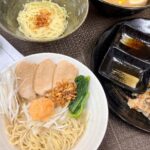
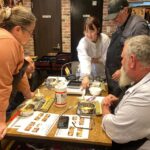
After painting, you move into the ramen sequence. The hosts bring ingredients prepared from Musoshin’s Gion location, and you cook and assemble your own bowl. Think of it as a guided assembly with chef direction, not a “make everything from scratch” course.
What you can expect to experience:
- A host-led explanation of how Musoshin’s ramen is built
- A cooking/finishing portion where you actively do steps with the components provided
- Then you eat your ramen while it’s at its best
A couple review comments used phrases like construction/assembly when describing the cooking. I take that as a helpful expectation-set: if you’re hoping to grind spices, ferment sauces, and create noodles from raw flour in front of everyone, you may feel a mismatch. The broth and key prep work are already handled by the restaurant team. Your main labor is assembling, finishing, and learning how the pieces fit together.
That said, you’re not standing around. The experience is paced so you participate, and it’s guided by chefs who answer questions. Hosts such as Shin (and in some sessions Sherry) are repeatedly mentioned for being kind, organized, and patient.
Why Musoshin’s ingredients taste the way they do
Musoshin is proud of how much they make themselves, and the class structure reflects that. The ramen stands on a few pillars:
- Noodles made in-house every morning, then rested overnight for the next day’s use
- Soup cooked for 12 hours
- Handmade ramen soy sauce and roast pork
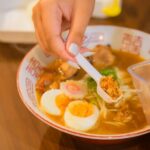
Even if you’re not a self-described “food nerd,” you can taste the difference when the broth and noodles are treated like the main event. Most ramen shops treat the soup as the soul and the noodles as the delivery system. Musoshin treats both as part of an exact workflow.
One practical benefit of this in a workshop like this: your bowl ends up tasting like the restaurant version, because the restaurant version is what they’re teaching through. You aren’t improvising with mystery ingredients.
Your bowl, your arrangement: the fun part of eating what you built
This class ends with ramen, but the meal feels more special than a normal lunch because of the assembly component. You get to arrange your toppings and structure your own bowl, which makes the “slurp moment” feel personal.
You’ll also notice that the process is designed to keep groups moving. People noted the class pace feels well organized and not rushed. That’s exactly what you want in Kyoto, where you often have sightseeing plans around a single food block.
Dietary needs are handled, too. The class offers gluten-free options and vegetarian and vegan ramen options. If your group has mixed preferences, this is one of the easier ways to keep everyone at the table with a similar experience.
There’s another quiet win that came up in reviews: hosts often take photos during the painting and cooking steps and share them afterward. If you like having good trip photos without trying to coordinate everyone’s camera angles, that’s a nice bonus.
Other Kyoto tours and experiences to compare


The “family friendly” part is real, not just marketing
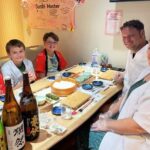
This is the kind of activity that works for families because kids can do meaningful parts, not only hold a spoon and smile. Painting is straightforward. The cooking/assembly steps are hands-on enough for kids to feel useful, and the hosts stay attentive.
I saw repeated mentions of hosts being patient with children and making sure everyone participates. That matters because a workshop can go sideways when kids are bored or adults feel like they’re waiting too long. Here, the structure seems to prevent that.
If you have teenagers, it still lands. One group of multiple ages described the experience as a highlight, mainly because it was fun to participate in and the ramen was genuinely excellent. For older kids, the “how it’s made” explanation adds a layer beyond the arts-and-crafts vibe.
The hosts, the vibe, and the little details that make it feel Kyoto
Kyoto ramen culture isn’t just the noodles. It’s also the care in presentation and the sense that food is made by people who take pride in the process.
In this workshop, that shows up through:
- Chef-led instruction from hosts like Shin, with Sherry appearing as a host in some sessions
- A clean, workshop-style setting where painting tools and cooking stations are set up so you can focus
- A Japanese décor style that some people described as featuring elements like samurai swords
That last point might sound like a small detail, but it affects your mood. You feel like you’re in a working ramen space, not a generic craft studio.
Price and logistics: how to decide if it’s the right fit
At $64, you’re not shopping for the cheapest activity in Kyoto. You are paying for a high-touch experience: painting supplies, a guided ramen session, and a meal. On top of that, the option to kiln-fire your ceramic piece for free is a tangible upgrade over basic souvenirs.
Here’s the logistics angle you should think about:
- If you want the kiln-fired bowl, you need to plan a pickup after the next day.
- If you’re not staying long enough, shipping your ceramic to your next hotel is possible, but shipping costs are not included.
Also, because your ramen ingredients come from Musoshin’s restaurant prep, the experience is optimized for taste and timing. That’s great for most visitors, but it also explains why the class can feel like finishing/assembling rather than making absolutely everything from scratch.
Tips to get the most out of your class day
A few practical moves will make your experience smoother:
- Come with a simple paint plan. Large shapes and a clear color theme help more than tiny details.
- Wear clothes you don’t mind getting slightly messy. You’ll get an apron, but painting is still painting.
- Decide early if you want bowl or spoon. Spoon can be easier to pack; bowl feels more like the full ramen souvenir.
- Go hungry. You’re eating ramen after painting, and people consistently say it’s the best part of the day.
- Ask about diet options for your group. The class offers gluten-free and vegetarian/vegan ramen options, so check ahead that they can accommodate your meal preferences.
If you love food, you’ll probably end up asking lots of questions during the ramen explanation. Shin and other hosts are repeatedly described as patient and ready to answer, which makes the learning feel natural instead of scripted.
Should you book this ramen bowl painting and Michelin cooking class in Kyoto?
I’d book it if you want a Kyoto activity that combines creativity with a restaurant-quality meal, and you like souvenirs you actually use later. The kiln-fired ceramic option plus the Michelin-nominated ramen ingredients make this feel like more than a “fun afternoon.” It’s also a strong choice for families because kids participate and the hosts keep the steps moving.
I’d think twice if your main goal is a highly technical cooking class where you make everything from raw ingredients. This workshop is more about guided assembly and learning how the final bowl is built than about producing every component from scratch.
If your group includes mixed dietary needs, it’s also a smart pick thanks to gluten-free and vegetarian/vegan ramen options.
FAQ
How long is the Kyoto ramen bowl painting and cooking class?
The experience runs for about 1 hour to 90 minutes, depending on the session time available.
What food will I eat during the class?
You’ll eat ramen from Musoshin Ramen that includes Michelin recognition. The ingredients are professionally prepared and sourced from their restaurant location.
Can I take my painted ceramic home the same day?
Yes. The ceramic you paint can be taken home for decoration the same day it’s created.
Is kiln-firing available for the bowl or spoon?
Yes. Musoshin will kiln-fire your custom-designed piece for free, and it’s ready for pickup after the next day.
Are gluten-free, vegetarian, or vegan options available?
Yes. Gluten-free, vegetarian, and vegan ramen options are available.
Can I ship the painted items to my next hotel?
Shipping is possible if requested, but the shipping cost is not included.
More Cooking Classes in Kyoto
More Tour Reviews in Kyoto



More Kyoto Cooking Classes
Just added: more Kyoto tours to browse





Kyoto Cooking Classes, compared.
 ★ 5.0Ramen Cooking Class at Ramen Factory in KyotoFrom $1311,937 reviews
 ★ 5.0Sushi Making in Kyoto! Same-day bookings welcome!From $53713 reviews
 ★ 4.9Ramen Cooking Class at a Ramen Factory with SouvenirFrom $127532 reviews
 ★ 5.0Ramen, Gyoza, and Onigiri Cooking ClassFrom $90445 reviews
 ★ 5.0The Original Small-Group Sushi Making Class in KyotoFrom $69436 reviews
 ★ 5.0Japanese Washoku Bento Small Group Cooking ClassFrom $58380 reviews
 ★ 5.0Kyoto Ramen and Gyoza Cooking Class with Professional ChefsFrom $86282 reviews
 ★ 4.9Afternoon Japanese Izakaya Cooking ClassFrom $67241 reviews
Browse the lists this tour appears in