
Reviewed · KYOTO COOKING CLASSES
Kyoto Ramen Bowl Painting and Michelin Cooking Class
Ramen and temple sights, together. I like the hands-on Michelin-style ramen and the bowl painting where you leave with something you made. The one catch is that the whole program is tight at about 1 hour 30 minutes, so you will need to keep moving instead of lingering at each temple.
At Musoshin Ramen Academy (run by the Musoshin Ramen restaurant group), you cook with ingredients brought from a nearby Musoshin Gion location, made by the chef the day before. I also love the practical touch: this class is designed for vegetarian and vegan customers, and groups are limited to 12, so Chef Shin and the staff can actually help as you work.
In This Review
- Key highlights you can plan around
- Musoshin Ramen Academy: Michelin ramen you can cook (not just watch)
- What you actually learn: ramen basics built around restaurant prep
- A temple walk that keeps you moving: Kiyomizu-dera, Kennin-ji, Sanjusangendo
- First-floor cooking: making Michelin-starred style ramen with Chef Shin
- Second-floor ramen bowl painting: your design, your souvenir
- Vegetarian and vegan ramen: a class built for real dietary needs
- Price and timing: what $78.18 buys you in the real world
- Practical tips so the day feels smooth
- Who this is for (and who might want something else)
- Should you book Musoshin Ramen Academy?
- FAQ
- FAQ
- What is the duration of the Kyoto Ramen Bowl Painting and Michelin Cooking Class?
- How much does the experience cost?
- Where is the meeting point?
- What do you do in the cooking part of the class?
- What happens on the second floor?
- Can the ramen be made vegetarian or vegan?
- Where do the ramen ingredients come from?
- Do you get to take anything home?
- If I bake the painted bowl, when do I pick it up?
- What temple stops are included?
- Is there a cancellation deadline?
Key highlights you can plan around
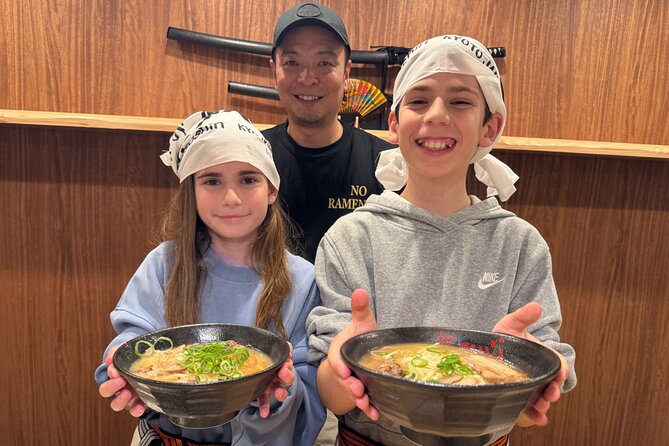
- Chef-led Michelin-style ramen cooking: you make the ramen, then enjoy it as part of the class
- Ingredients prepared in advance: ramen ingredients come from the Musoshin Gion store, prepared the day before
- Ramen bowl painting on-site: paint a bowl on the second floor and take it home
- Free oven-baked option: you can bake the painted bowl and pick it up next morning or later
- Small group size: maximum 12 travelers, which keeps the pace friendly
Musoshin Ramen Academy: Michelin ramen you can cook (not just watch)
This is a Kyoto ramen workshop run by a real ramen restaurant team: Musoshin Ramen Academy is operated by Musoshin Ramen. The academy model matters because you’re not getting a generic cooking demo. You’re learning inside a ramen-focused setting, and the ingredients you use are connected to their restaurant operations.
The structure is simple. On the first floor, a chef guides you while you cook Michelin-starred style ramen. You then eat the ramen you made. On the second floor, you switch gears and paint your own ramen bowl. That two-part flow is a big part of why this feels like more than a cooking class.
Chef Shin is the person leading the experience. In a small group setting, that’s a win: you can ask questions and get real answers while you’re cooking, not after the fact.
Group size is capped at 12, which also helps. You’ll spend less time waiting and more time actually doing. If you’re the type who gets impatient in big classes, this format should suit you.
Roll up your sleeves for another Kyoto cooking class

What you actually learn: ramen basics built around restaurant prep
You might expect a ramen lesson that’s heavy on theory. This one is built around technique you can follow step-by-step while you’re in the workshop. The key detail is that the ingredients are brought from the nearby Musoshin Gion store, and they are made by the chef the day before. That means you’re working with components that are already prepared in a restaurant workflow, instead of starting from scratch with raw items.
So what does that teach you? It teaches you how the final bowl comes together: how ingredients contribute to flavor and texture, and how a chef’s day-before prep supports consistent results. You’re not just tasting the outcome; you’re building it.
The class also includes the moment people remember most: eating your own ramen. You get to compare what you did with what you expected, and it helps you understand why the process matters. When the ramen tastes great and you know you made it, the lesson sticks.
Also, the academy is set up with dietary flexibility in mind. The ramen can be changed to vegetarian or vegan ramen. That’s not a side note. It’s part of how the class is designed and why many vegetarian and vegan customers choose it.
A temple walk that keeps you moving: Kiyomizu-dera, Kennin-ji, Sanjusangendo
This experience blends ramen with three Kyoto temple stops: Kiyomizu-dera Temple, Kennin-ji Temple, and Sanjusangendo Temple. That combination is ideal if you want more than one type of Kyoto memory in a single outing.
The practical reason this works is timing. You’re getting concentrated sightseeing at major sites, then switching indoors for the cooking and bowl painting. It’s a good balance if you’re trying to fit Kyoto into a busy schedule.
Still, there’s a real consideration: the total duration is about 1 hour 30 minutes. With three temple stops listed, you’ll likely be in motion rather than having long, slow time at each place. That’s not a flaw, but it changes expectations. If you want to linger, this may feel fast.
My advice: wear comfortable shoes. Temples tend to involve uneven ground, steps, and long-looking distances even when they don’t seem long on a map. If the weather is warm, bring water and plan for breaks later. If it’s cold, dress in layers because you’ll bounce between outdoors and the workshop.
If you like a structured route where the day doesn’t depend on guesswork, this temple-to-ramen sequence gives you that.
First-floor cooking: making Michelin-starred style ramen with Chef Shin
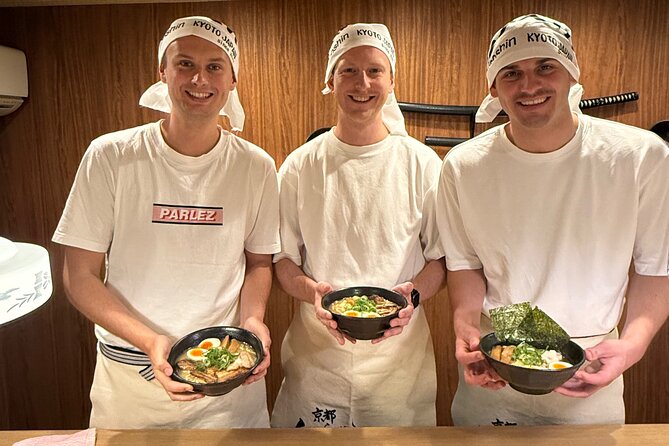
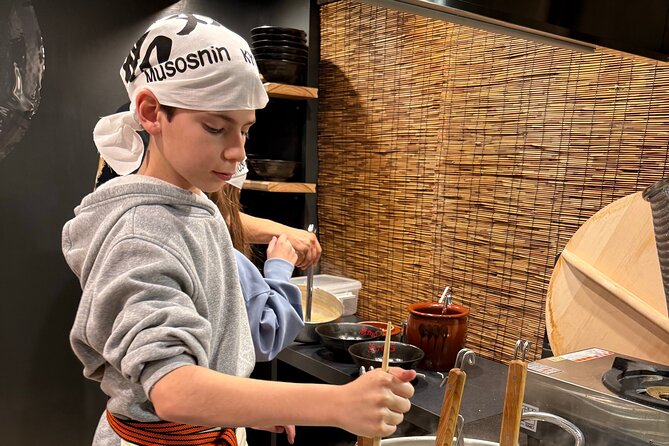
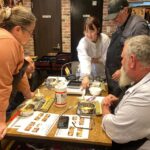
The first floor is where you do the main cooking work. Chef Shin instructs you to make your own Michelin-starred ramen, and the workshop is designed so you’re not stuck observing from the sidelines.
A helpful detail: the class uses ingredients that were prepared the day before at the Musoshin Gion store. That likely keeps the session smooth and consistent, so you spend less time waiting for prep and more time learning the flow of cooking.
What I like about this approach is that it lowers frustration. You’re focused on technique and timing, not on hunting for supplies or improvising a starting point.
Because it’s an active class, you’ll also get better at asking good questions. When you notice a step you don’t fully understand, you can ask then and there. The setting also feels personable in a small group, which makes it easier to follow along even if you don’t cook often.
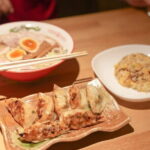
And yes, the ramen you make is part of the experience. That turns the session into a meal as well as a lesson.
Second-floor ramen bowl painting: your design, your souvenir
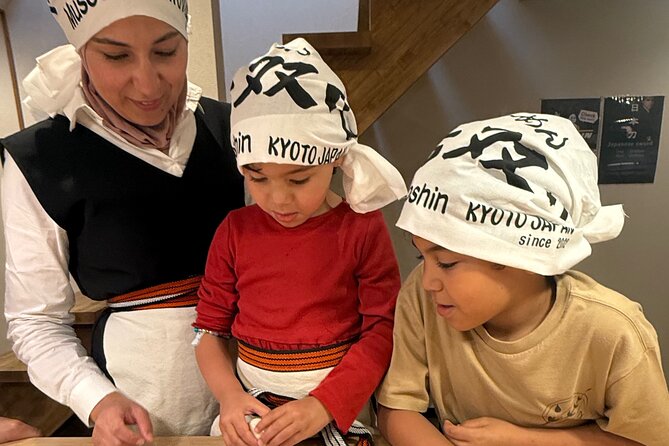
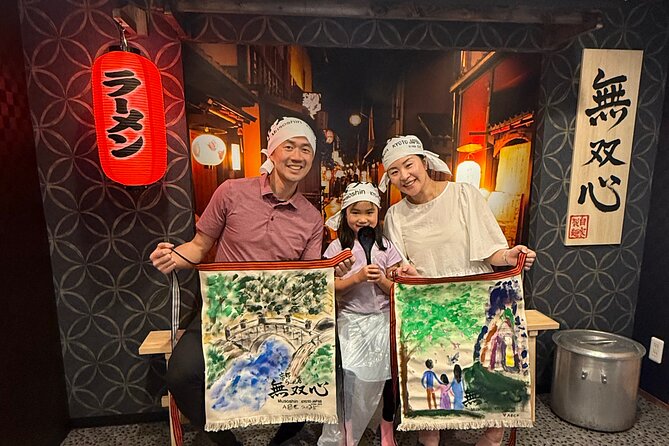
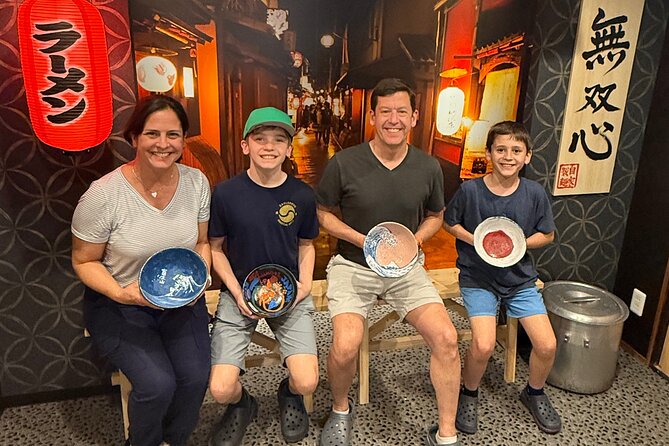
After cooking, you head upstairs for bowl painting. This is the part that turns the class from educational into memorable. You paint your own ramen bowl, which you can take home.
You have two ways to handle the bowl. You can take the painted bowl home as it is. Or, for a free option, you can put the bowl in a special oven to bake it. If you choose the oven option, you take home your original bowl as a souvenir to use in your meals.
That baked-bowl choice matters for planning. You’ll need to come back to pick up the baked bowl the next morning or later. If your Kyoto schedule is tight, decide early which option fits your trip.
My practical suggestion: if you hate follow-up errands, pick the take-as-is option. If you’re happy to plan one pickup window, the baked version is the better souvenir outcome.
In addition, you receive a bandana as a souvenir. It’s a small item, but it reinforces the ramen-academy feel, and it’s easy to pack without thinking.
Other Kyoto tours and experiences to compare


Vegetarian and vegan ramen: a class built for real dietary needs
Not all “diet-friendly” classes are equal. Here, vegetarian and vegan ramen is actually part of the workshop offering, and the academy notes it serves many vegetarian and vegan customers.
That changes how you should approach the booking. Instead of hoping a swap happens, you can reasonably expect there’s a real process for it. The cooking is still hands-on, and the class still ends with you eating what you made.
The other important point is the ingredients source. Since the ramen ingredients are brought from their nearby Musoshin Gion store, made by the chef the day before, the system is set up to keep quality consistent regardless of your dietary option.
If you eat plant-based, this kind of class is valuable because it gives you a ramen-specific experience rather than a vague alternative meal.
Price and timing: what $78.18 buys you in the real world
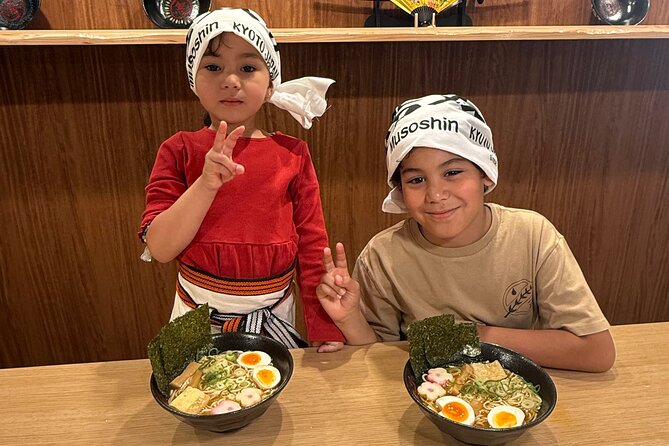
At $78.18 per person for about 1 hour 30 minutes, you’re paying for three things that are hard to replicate on your own: guided Michelin-style ramen cooking, a meal made by you, and ramen bowl painting plus a bandana.
You’re also paying for convenience and structure. The class is run by Musoshin Ramen, and the ingredients come from a nearby Musoshin Gion store. That likely reduces the chaos you’d face if you tried to recreate a similar bowl without the restaurant workflow.
Is it expensive compared to street food? Yes. But it’s not just lunch. You’re buying an experience: cooking instruction, a finished meal, a craft activity, and a take-home item. In a city where ramen is common but hands-on ramen workshops are rarer, the value can feel strong.
Timing is the main trade-off. Because the outing is relatively short, the experience is not built for deep, slow touring. You’ll get a taste of Kyoto temples and then move into ramen mode. If you want a longer day, you might pair this with a separate temple visit later.
Practical tips so the day feels smooth
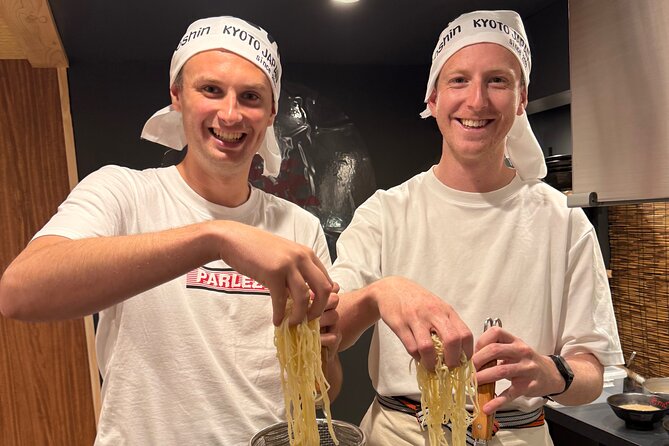
A few details help you enjoy this more:
- Arrive with dietary clarity: since vegetarian and vegan options are available, plan to request the option when you book so the kitchen can set you up properly.
- Choose the bowl pickup plan: if you want the oven-baked result, remember you’ll pick up the baked bowl next morning or later. That’s easy if you’re staying near the area, harder if you’re moving hotels soon.
- Treat it like a workshop, not a museum: on the first floor, you’ll be cooking. Bring your attention, ask questions, and don’t worry if you’re not a confident cook.
- Wear comfortable shoes for the temple portion: the program includes three temples, and the overall schedule is short.
- Use the mobile ticket: the experience uses a mobile ticket, so keep it handy on your phone.
The small group size helps a lot. With a maximum of 12 travelers, you should get more direct support than in large, factory-style tours.
Who this is for (and who might want something else)
This experience is a great fit if you want hands-on Kyoto food learning, not just restaurant sightseeing. It’s especially good if you care about vegetarian or vegan food and want a class built for it.
It also fits couples, families, and anyone who likes making something they can take home. The bowl painting is a souvenir you don’t get from a meal, and the bandana adds to the theme.
If you want unhurried temple wandering or long time in each site, the short overall duration may feel too structured. In that case, you might enjoy ramen separately and do temples on your own schedule.
Should you book Musoshin Ramen Academy?
If you’re the kind of traveler who loves doing rather than just watching, I think this is a smart booking. You get Chef Shin’s ramen guidance, you eat what you make, and you finish with a painted bowl you can keep. The vegetarian and vegan option is built into the experience, and the group size keeps it from feeling chaotic.
Book it if your ideal Kyoto day includes ramen craft plus a quick hit of top temple names like Kiyomizu-dera, Kennin-ji, and Sanjusangendo. Skip it if you want a slow, full-morning temple experience or if you cannot make room for the oven-baked bowl pickup.
FAQ
FAQ
What is the duration of the Kyoto Ramen Bowl Painting and Michelin Cooking Class?
It runs for about 1 hour 30 minutes.
How much does the experience cost?
The price is $78.18 per person.
Where is the meeting point?
The start point is 440-5 Nishigomonchō, Higashiyama Ward, Kyoto, 605-0816, Japan.
What do you do in the cooking part of the class?
A chef instructs you to make your own Michelin-starred ramen on the first floor, and you then enjoy the ramen you made.
What happens on the second floor?
You paint your ramen bowl. You can take the painted bowl home as it is, or use the free oven option.
Can the ramen be made vegetarian or vegan?
Yes. The ramen can be changed to vegetarian or vegan.
Where do the ramen ingredients come from?
The ingredients are brought from the nearby Musoshin Gion store, and they are made by the chef the day before.
Do you get to take anything home?
Yes. You can take your painted ramen bowl home, and you also receive a bandana as a souvenir.
If I bake the painted bowl, when do I pick it up?
You can pick up the baked bowl the next morning or later.
What temple stops are included?
The experience includes Kiyomizu-dera Temple, Kennin-ji Temple, and Sanjusangendo Temple.
Is there a cancellation deadline?
Yes. You can cancel for a full refund up to 24 hours before the experience starts.
More Cooking Classes in Kyoto
More Tour Reviews in Kyoto


More Kyoto Cooking Classes

Just added: more Kyoto tours to browse




Kyoto Cooking Classes, compared.
 ★ 5.0Ramen Cooking Class at Ramen Factory in KyotoFrom $1311,937 reviews
 ★ 5.0Sushi Making in Kyoto! Same-day bookings welcome!From $53713 reviews
 ★ 4.9Ramen Cooking Class at a Ramen Factory with SouvenirFrom $127532 reviews
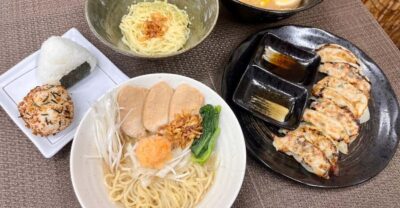 ★ 5.0Ramen, Gyoza, and Onigiri Cooking ClassFrom $90445 reviews
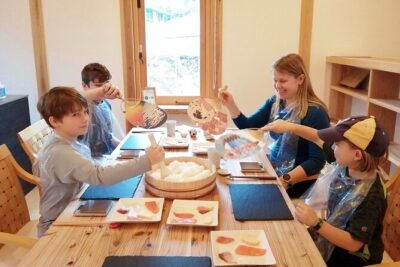 ★ 5.0The Original Small-Group Sushi Making Class in KyotoFrom $69436 reviews
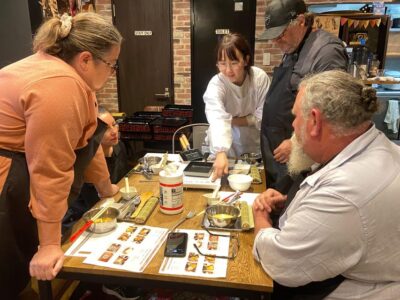 ★ 5.0Japanese Washoku Bento Small Group Cooking ClassFrom $58380 reviews
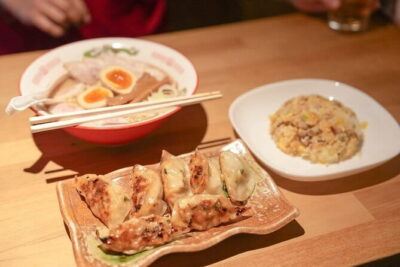 ★ 5.0Kyoto Ramen and Gyoza Cooking Class with Professional ChefsFrom $86282 reviews
 ★ 4.9Afternoon Japanese Izakaya Cooking ClassFrom $67241 reviews
Browse the lists this tour appears in