
Reviewed · GION & GEISHA DISTRICT TOURS
Kyoto: Night Walking Tour with Geisha Traditions
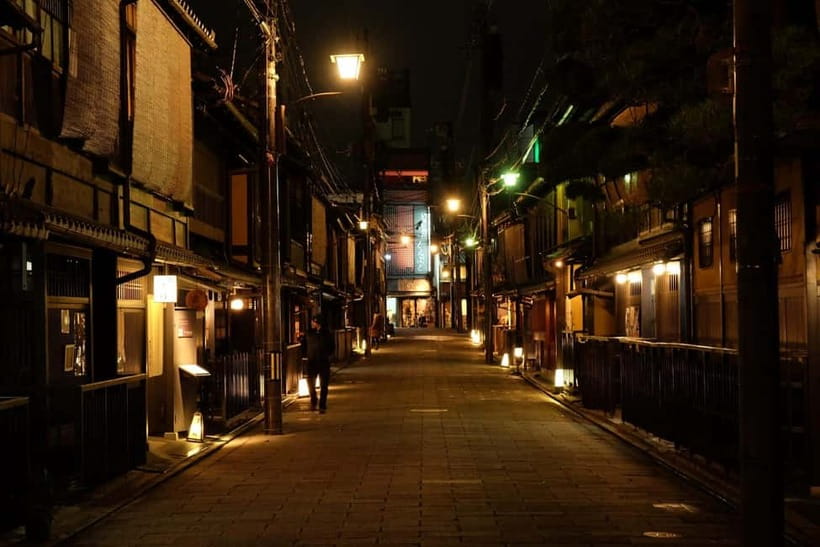
Lanterns turn Gion into a living story. This Kyoto night walking tour takes you through Gion as it switches from daylight chatter to incense-scented quiet, with a guide translating what you’re seeing. You’ll hear how this corner of Kyoto became famous for geisha arts and spiritual routines, while still keeping one foot in modern Japan.
I especially like two things. First, you get geisha and maiko culture explained through the places connected to training, prayers, and daily life. Second, you walk the lantern-lit lanes at night, so the neighborhood feels like a real working district, not a museum.
One possible drawback: you’re on your feet for a walking tour through historic streets and alleys, so plan for uneven ground and a slower pace if it’s wet or crowded. Also, photography may be restricted in some spots, so don’t assume you can shoot freely everywhere.
In This Review
- Key highlights worth showing up for
- Night Walking in Gion: What Makes It Feel Different
- Starting Point at 7 Eleven: Easy to Find, Easy to Start
- How You’ll Walk Gion at Night (and What That Means for You)
- Geisha and Maiko Culture: Learning the Rules Behind the Beauty
- Training, Praying, and Living: The Stops That Explain the Community
- Shrines, Festivals, and Kyoto’s Spiritual Rhythm After Dark
- Geisha Performance Viewing: What You Get (and What You Don’t)
- Price and Value: Is $20 Worth a Night Walk?
- Practical Tips for a Smooth Evening Walk
- Who This Tour Fits Best
- Should You Book This Kyoto Geisha Traditions Night Walk?
- FAQ
- Where does the Kyoto night walking tour start?
- Where does the tour end?
- How much does the tour cost?
- What’s included in the tour?
- Is tea house entry included?
- Are you actually attending a geisha performance inside?
- Will the tour include shrines and festivals?
- Is the tour available in English?
- Is photography allowed during the tour?
- Is cancellation allowed if plans change?
Key highlights worth showing up for
- Geisha culture explained by a local guide, with etiquette and daily-life context you can actually use
- Nighttime Gion streets with lanterns, incense, and the feel of Kyoto after dark
- Stops tied to training and prayer, not just photo points and souvenir streets
- Small shrines and festival talk, connecting the geisha world to Kyoto’s spiritual calendar
- A real-world performance moment from outside a tea house, plus modern touches like Pokémon-themed manholes
Night Walking in Gion: What Makes It Feel Different
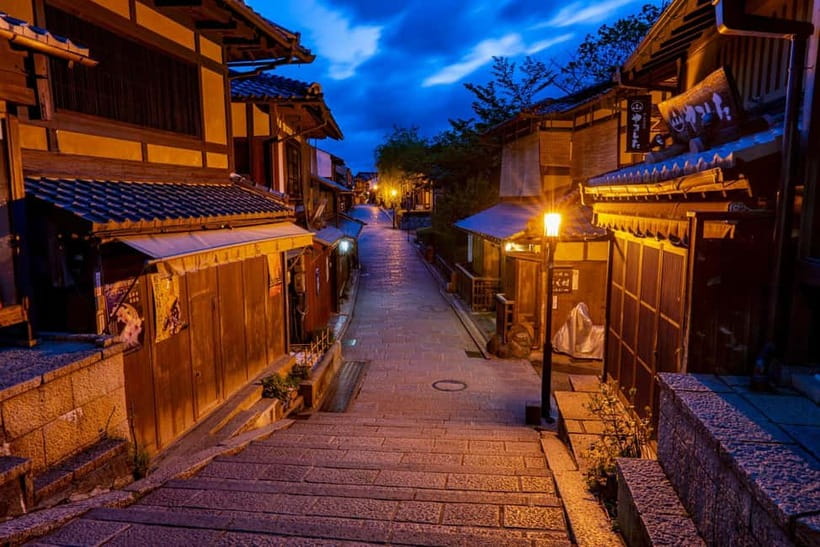
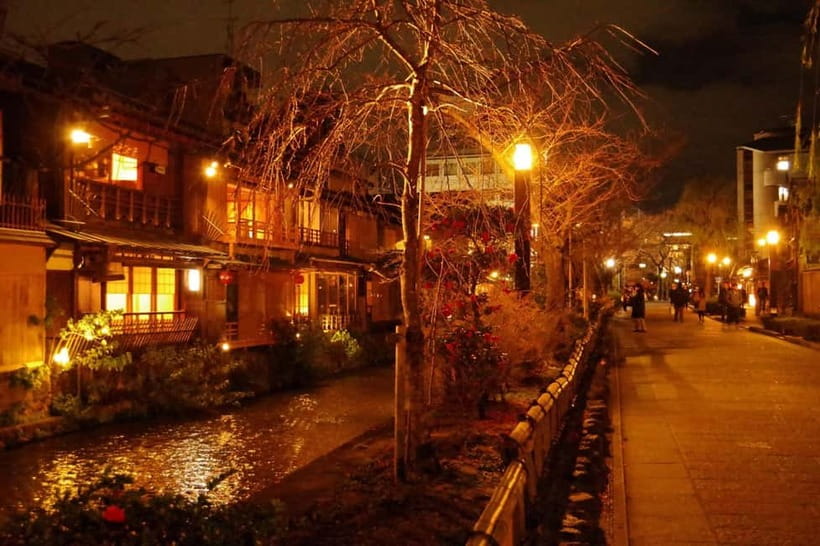
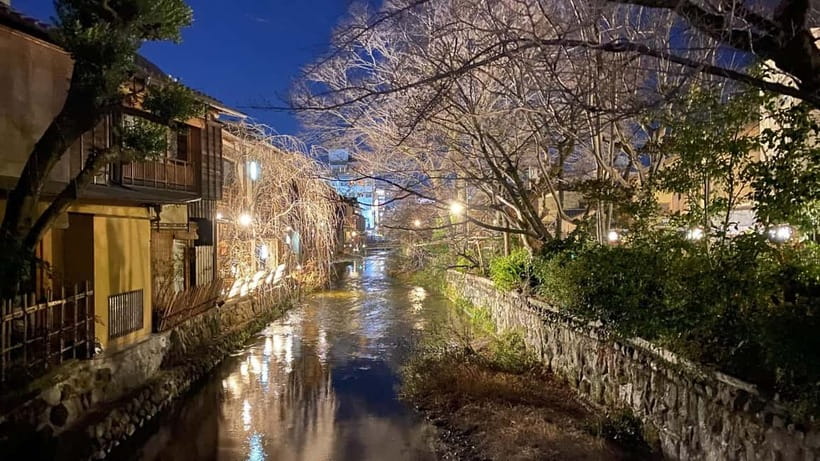
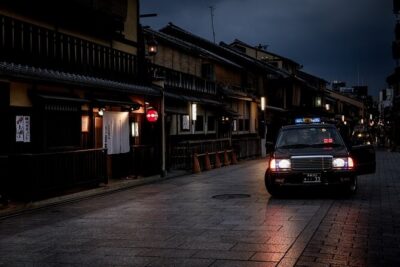
Kyoto at night has a specific rhythm. In Gion, that rhythm comes from small lanes, low wooden buildings, and lantern light that makes everything look softer and more deliberate. This tour leans into that mood, so you’re not just marching through landmarks. You’re learning what the neighborhood is for, and why people have treated it with care for centuries.
The big strength here is that you’re not asked to take geisha culture on faith. You’re shown how traditions connect to real spaces: where practice happens, where performers make prayers for success, and how a day in the life is shaped by strict expectations and long training. That turns what could be surface-level fascination into something you understand.
At the same time, you still get a contrast that makes Kyoto feel like home for the present. The walk includes unexpected everyday details, including Pokémon-themed manholes, which is a reminder that this historic district isn’t frozen in time.
More evenings along the lantern-lit lanes of Gion

Starting Point at 7 Eleven: Easy to Find, Easy to Start
The meeting point is simple: in front of 7-Eleven. That matters more than you might think, because Kyoto’s side streets can be tricky in the dark. Having a clear, brightly lit landmark helps you get oriented fast and keeps the tour from turning into a frantic search party.
The tour ends back at the meeting point, which is practical if you’re planning the rest of your evening. You won’t be stranded across town after the walk.
One more useful note: the tour language is English, so you’ll get the cultural context directly instead of piecing it together from a sign or app. For me, that’s the difference between seeing Kyoto and understanding what you saw.
How You’ll Walk Gion at Night (and What That Means for You)
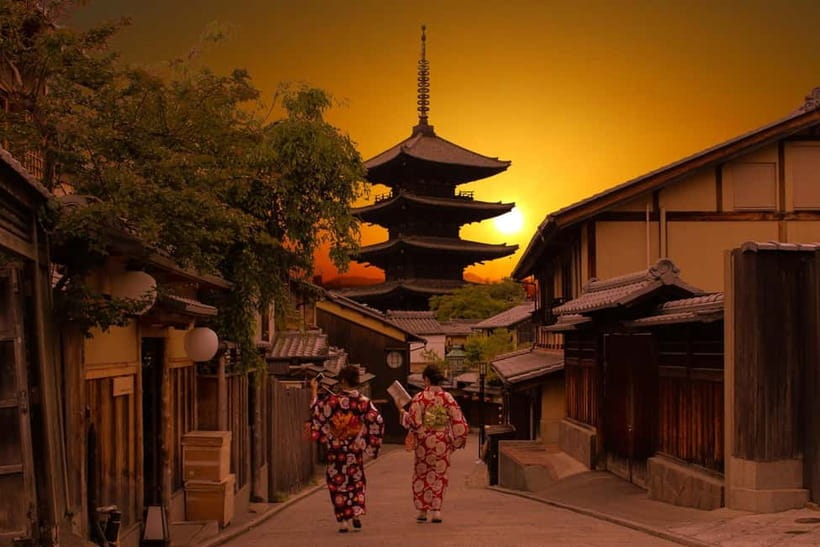
You’ll explore the historic Gion district on foot, moving through narrow lanes and streets where the atmosphere changes block by block. Because it’s a night walk, you’ll notice details you might miss at midday: the way incense hangs in the air, how lanterns reflect off wood and stone, and how quiet side alleys can be compared to the main streets.
This is also the kind of experience where timing matters. Late light changes how buildings read. Even the same street can feel different 30 minutes apart. A guided walk helps you catch that transition and understand what you’re looking at while it’s happening, not after.
Practical reality check: you are walking through historic streets and alleys. That’s not always the smoothest surface. If you have mobility issues, this kind of tour may feel challenging. If you’re comfortable with uneven ground and an evening pace, you’ll be in good shape.
Geisha and Maiko Culture: Learning the Rules Behind the Beauty
The core of the tour is geisha traditions, explained through more than stories. You’ll learn about training and daily expectations around geisha and maiko—and why so much is structured, rehearsed, and governed by etiquette.
Here’s what I find most valuable: you learn culture as a system, not as a costume. The guide talks about the rigor of training and the personal discipline tied to performing arts. That helps you understand the quiet intensity behind what you see in the district.
You’ll also hear how the geisha community fits into Kyoto’s broader spiritual and artistic life. So instead of treating geisha as an isolated attraction, you’ll connect it to festivals, rituals, and how neighborhoods evolve over time.
And yes, you’ll get some humor along the way too. In feedback about the experience, guides were praised for staying energetic and conversational, even when weather turned heavy rain. That kind of energy matters because the tour is long enough for attention to wander if the guide turns it into a lecture.
Training, Praying, and Living: The Stops That Explain the Community
The tour includes important locations tied to the geisha world: spots connected to where geisha train, where they pray for success, and where they live. Even without naming every single address, the idea is clear: you’re connecting behavior to place.
Why this is good for you: you get to picture the community as a living network. You’re not just learning facts. You’re mapping the emotional and practical side of the profession onto Kyoto’s geography.
And because the tour is happening at night, the atmosphere supports the lesson. It’s easier to understand why people treat certain corners of Gion with respect when you’re standing there after dark.
A small caution: the tour is built around walking and viewing from public areas. If you’re hoping for private access into tea houses, this isn’t that tour. Entry into tea houses is not included.
See how Kyoto shifts after dark






Shrines, Festivals, and Kyoto’s Spiritual Rhythm After Dark
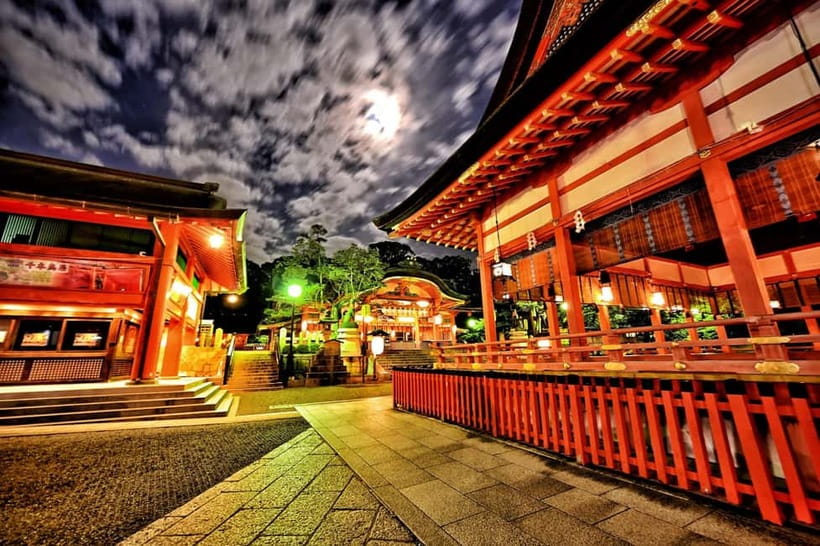
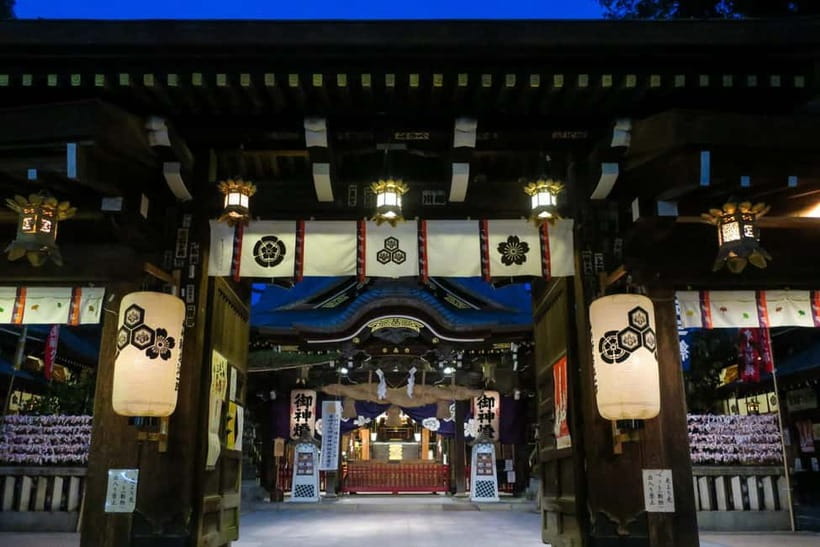
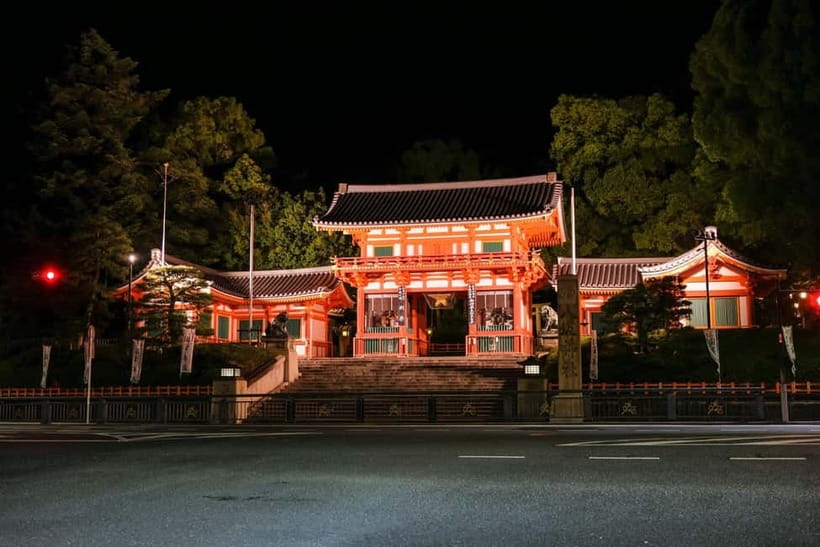
Gion isn’t only performance culture. It’s also spiritual culture. Your walk includes stops at small shrines, plus guidance on how Kyoto’s festivals and traditions relate to the geisha community and daily life.
This matters because geisha culture doesn’t float in a vacuum. In Kyoto, arts and spirituality often share the same calendar and the same values: respect, timing, seasonal meaning, and gratitude. When the guide ties those pieces together, you’ll start seeing Kyoto as one connected system instead of a list of sights.
Expect more than quiet bowing and pretty buildings. You’ll get explanations of what the shrines and ritual connections mean, and how they show up in festival life throughout the year. The goal isn’t to turn you into a scholar. It’s to help you walk out knowing what to look for the next time you spot a shrine in Kyoto.
Geisha Performance Viewing: What You Get (and What You Don’t)
You won’t attend a geisha performance inside a tea house. What you do get is a viewing from outside a tea house. That’s an important difference, and it’s worth being clear about what it means for your expectations.
In practical terms, you’ll get that charged sense of a formal moment, without the full behind-the-scenes access. It’s a respectful way to experience the performance side of the culture while keeping the focus on the broader street-level context of Gion.
If you’re the type who wants hands-on access, private seating, or guaranteed inside viewing, you may feel slightly underfed. But if you’re here for the atmosphere, context, and a taste of the tradition in the right setting, this format can actually feel more authentic and less “tour show.”
Also, photography may be restricted in certain areas. So keep your phone ready, but don’t bet your evening on perfect shots.
Price and Value: Is $20 Worth a Night Walk?
$20 per person is low for a guided cultural walking experience in a neighborhood like Gion. The value isn’t just the guide’s English. It’s the fact that you’re getting context that would take you hours to piece together on your own, especially the parts about geisha and maiko training, etiquette, and how tradition ties to Kyoto’s festivals and shrines.
What you’re paying for:
- A local guide walking you through the district
- Explanations of geisha traditions and daily life
- Stops at important places connected to training and prayer
- A performance viewing from outside a tea house
- Small details that connect old and modern Kyoto, like Pokémon-themed manholes
What you’re not paying for:
- Entry into tea houses (so no inside access)
- Any personal expenses
For me, the sweet spot is when you want meaning, not just photos. If you’d rather understand what geisha culture represents and why Gion looks the way it does at night, $20 can be a fair deal. If you only want snapshots and don’t care about cultural context, you might compare it to a self-guided wander.
Practical Tips for a Smooth Evening Walk
This tour is simple in concept, but small choices can make it comfortable.
Wear shoes you trust. Even if you’re not thinking about it, you’ll cover ground on historic streets and alleys. Flat, grippy footwear is your friend.
Plan for night photos, not night miracles. Some areas may restrict photography. Keep expectations realistic, and focus on observation first. Your memory will thank you.
Bring a light layer. Kyoto nights can feel cool, and waiting around for a performance viewing from outside means you’ll be stationary longer than you expect.
Keep your schedule flexible. The experience runs with a set start point and returns back to where you began, so it’s easy to stack with dinner nearby. And if you book with reserve-and-pay-later, you’re able to hold the spot while you firm up the rest of your itinerary.
Who This Tour Fits Best
This tour is a strong match if you:
- Are curious about geisha and maiko culture but want clear explanations, not rumors
- Like walking tours that connect streets to stories
- Want Kyoto after dark, with lanterns, incense, and quieter alley energy
- Prefer respectful cultural viewing over indoor access
It’s less ideal if you:
- Need wheelchair-friendly routes or lots of sitting time (the experience is walking-focused)
- Want guaranteed inside tea house entry
- Have a strict plan for lots of photography at every stop
Should You Book This Kyoto Geisha Traditions Night Walk?
If your goal is to understand Gion as a real cultural space—training, etiquette, spiritual connections, and a performance moment seen respectfully—then yes, this is the kind of tour that makes sense. The pricing is reasonable, and the format keeps you walking through the district while learning what matters.
I’d say book it if you’re willing to trade comfort for atmosphere and learning. Pass if you’re only after inside tea house access or you need a very low-footprint experience.
If you go, go with patience for small lanes and a camera plan that assumes some restrictions. You’ll come away with a clearer sense of what geisha traditions mean in Kyoto, not just what they look like at night.
FAQ
Where does the Kyoto night walking tour start?
It starts in front of 7-Eleven.
Where does the tour end?
The tour ends back at the meeting point.
How much does the tour cost?
The price is $20 per person.
What’s included in the tour?
It includes a walking tour of the Gion district, a local guide, insight into geisha culture, and viewing of a geisha performance from outside a tea house.
Is tea house entry included?
No. Entry into tea houses is not included.
Are you actually attending a geisha performance inside?
No. You view the performance from outside a tea house.
Will the tour include shrines and festivals?
Yes, the tour includes visits to small shrines and explanations related to Kyoto’s festivals and traditions.
Is the tour available in English?
Yes, the tour language is English.
Is photography allowed during the tour?
Photography may be restricted in certain areas.
Is cancellation allowed if plans change?
Cancellation is allowed up to 24 hours in advance for a full refund.
More Tour Reviews in Kyoto

More of Kyoto After Dark
Still in Gion? Keep Going

Just added: more Kyoto tours to browse






Gion & Geisha District Tours, compared.
 ★ 4.7Kyoto Geisha Walking Tour: Gion District & Hidden GemsFrom $253,273 reviews
 ★ 4.9Gion Magical Night Walking Tour with Geisha TriviaFrom $242,393 reviews
 ★ 4.7Gion Geisha District Walking Tour – Stories of GeishaFrom $202,187 reviews
 ★ 4.9Best of Kyoto: Gion, Geisha, Pagodas & CobblestonesFrom $242,058 reviews
 ★ 4.5Night Walk in Gion: Kyoto’s Geisha DistrictFrom $212,003 reviews
 ★ 5.0Kyoto Night Foodie Tour in Gion (9+ dishes + 6 Sake tastings)From $1631,762 reviews
 ★ 5.0Kyoto Gion Geisha District Walking Tour – The Stories of GeishaFrom $251,441 reviews
 ★ 5.0Kyoto Gion: 2-Hour Geisha Culture & History Walking TourFrom $231,186 reviews
Browse the lists this tour appears in