
Reviewed · GION & GEISHA DISTRICT TOURS
Kyoto night walk tour (Gion district)
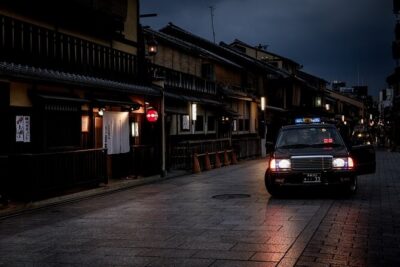
Gion looks different after dark. This Kyoto night walk tour threads through classic streets and small, respectful moments, guided from the Minamiza Kabuki area toward Yasaka Shrine and the lantern-lit edges of Higashiyama.
I especially love the focus on small details: the guide sets the tone so you feel how people actually move through the neighborhood at night. I also really like the photo-first approach, with the guide taking lots of pictures for couples, families, and solo travelers.
One consideration: it is still a night walking tour, so expect a fair amount of walking, cool air, and a couple of moments where conversation slows down, plus Kiyomizu-dera entry isn’t included.
In This Review
- Key highlights at a glance
- From Minamiza Kabuki to Gion’s quiet streets
- Yasaka Shrine: free entry, night atmosphere, and useful context
- The silent stone-wall district: part of the etiquette, part of the vibe
- Yasaka Noto pagoda and the best photo timing
- The famous Yasaka slope walk: a quick hit of classic Kyoto
- Kiyomizu-dera at night: seasonal lights, short visit, plan for entry
- What you get for $35: private time plus free entries where it counts
- How Hiro’s style changes the walk (and your photos)
- Weather and timing: the real limits of a night walk
- Who should book this Gion night walk, and who might not
- Should you book the Kyoto night walk in Gion?
- FAQ
- How long is the Kyoto Gion night walk tour?
- Where do I meet for the tour?
- Is this a private tour?
- Are temple or shrine admission tickets included?
- What happens if the weather is poor?
- Can I use a mobile ticket?
Key highlights at a glance
- Yasaka Shrine at night with free entry and clear, practical context
- Silent stone-wall area where the guide tells you to keep quiet
- Yasaka Noto pagoda stop built for photos and quick history
- Kiyomizu-dera lights (seasonal), with entry fees not included
- Private group experience for just your party
- A guide who shoots photos and helps you get real images, not awkward selfies
From Minamiza Kabuki to Gion’s quiet streets
You meet at 194 Kawabatachō, Higashiyama Ward, right in the Gion start zone near the Minamiza Kabuki theatre. The tour is private, so you’re not stuck with a big herd or drowned out by other groups. That matters in Kyoto, where it’s easy to spend your evening fighting crowds instead of noticing the place.
The walk itself is paced for night viewing: you move steadily between key points, then pause long enough to absorb what’s around you. One thing I like about this style is that it helps you get your bearings fast. You’re learning the geography of Gion and Yasaka as you go, so after the tour you’re better able to wander on your own.
Also, the tour uses a mobile ticket, which keeps things simple once you’re in the city. And since the meeting area is near public transportation, you won’t need a car or a long taxi shuffle to get into the action.
More evenings along the lantern-lit lanes of Gion


Yasaka Shrine: free entry, night atmosphere, and useful context
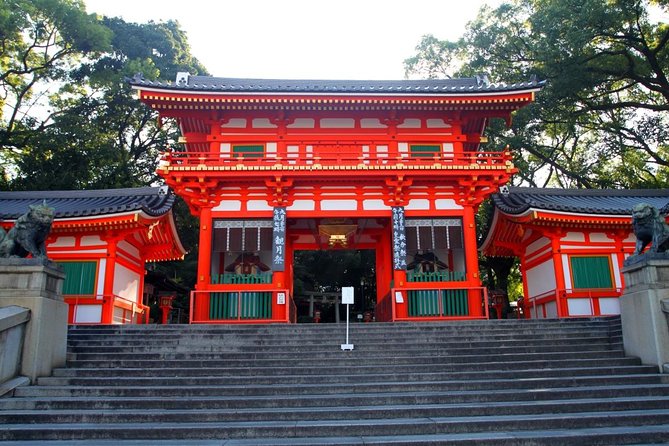
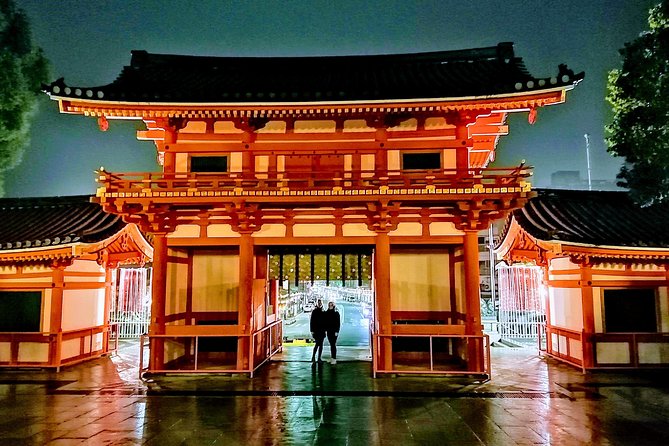
The first stop is Yasaka Shrine, with a 15-minute visit and free admission. At night, this is where Kyoto shifts from sightseeing mode to something more human. The shrine area feels less like a checklist and more like a living part of the neighborhood.
What makes this stop worth it on a guided night walk is the way the guide frames the place. You don’t just get a date and a name—you get a sense of what Yasaka Shrine means locally and why it still matters. That context helps you look at details you might otherwise skip, like the flow of people, the layout, and the atmosphere of worship and celebration.
Practical tip: if you like photos, plan to slow down here. Night lighting can make everything look dramatic, but it also exaggerates small composition mistakes. A guide helping you position yourself (and timing the shot) can make a big difference in how your pictures turn out.
The silent stone-wall district: part of the etiquette, part of the vibe
Right after Yasaka Shrine, you’ll move into a stone wall district area where the guide says there’s not much explanation. The key instruction is simple: keep silent there.
This is one of those Kyoto moments that feels small until you realize how often tourism steamrolls local norms. Having a guide actively protect the quiet atmosphere is respectful, and it also changes your experience. When everyone lowers their voice, the alleyways feel calmer, and the night air feels closer to the ground.
You also get something else here: a reminder that Gion at night is not a theme park. People live in these streets. They hear footsteps, quiet conversations, and occasional laughter. So following the silence rule is part of seeing the real Kyoto, not just looking at it.
If you’re the type who asks lots of questions mid-walk, this is the one stop where you’ll likely feel the boundaries set by the guide. It’s brief, but it’s a meaningful shift.
Yasaka Noto pagoda and the best photo timing
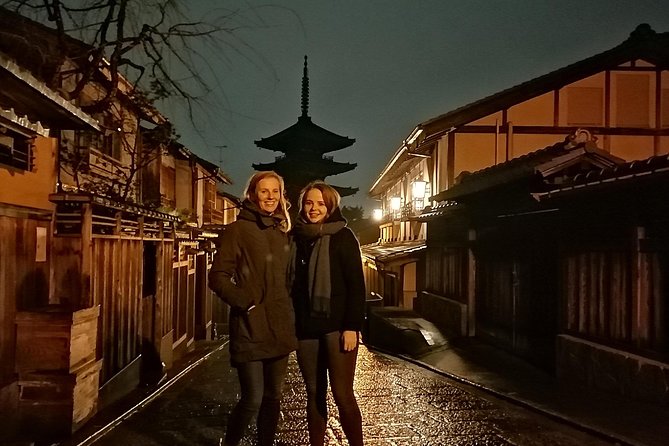
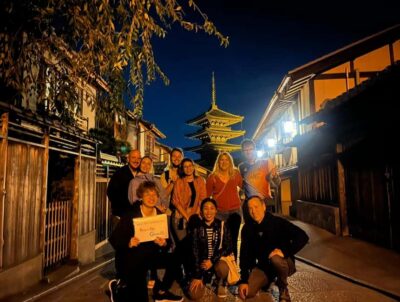
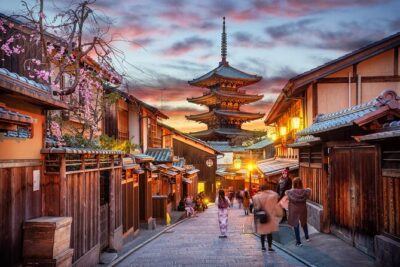
Next is Yasakanoto, a stop centered on the pagoda. You’ll spend about 20 minutes here, with free admission, plus the chance to take cool pictures in front of the pagoda.
This is where the tour earns points for practical photography help. Multiple people highlight that the guide doesn’t just point things out—he actively takes photos and helps you get good framing. That’s especially useful if you’re traveling as a couple, with kids, or solo. Instead of handing your phone to strangers, you get someone who knows the angles for night lighting.
The guide also shares the history of the pagoda, but the pacing stays efficient. You learn enough to make the structure feel meaningful, then you get time to actually enjoy the view and get photos before the walk continues.
One more helpful thing: this part of the tour is long enough for you to try more than one pose or angle. Night light can look different minute to minute, and you’ll appreciate having time to capture that.
The famous Yasaka slope walk: a quick hit of classic Kyoto
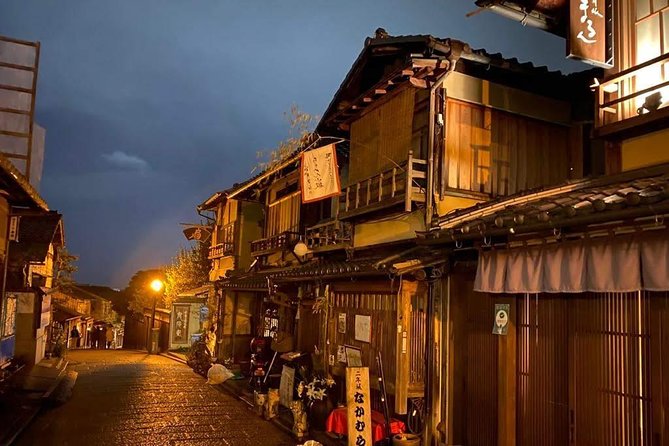
Between major stops, you’ll do a walkthrough of a famous slope in the Yasaka area. This section isn’t framed as a long temple visit. It’s more like a moving “photo corridor” where you see how the streets connect and how the lighting falls across the neighborhood at night.
Why this matters: Kyoto’s charm isn’t only in temples. It’s in the transitions—the way one street bends into another, and the way lantern glow makes every corner feel staged even when it isn’t. A guided night route helps you catch those transitions before you drift into the wrong streets or end up backtracking.
If you’re building your first-night plan, this is a strong time to notice landmarks and textures. You’ll start recognizing streets by feel, which makes later self-guided wandering much easier.
See how Kyoto shifts after dark


Kiyomizu-dera at night: seasonal lights, short visit, plan for entry
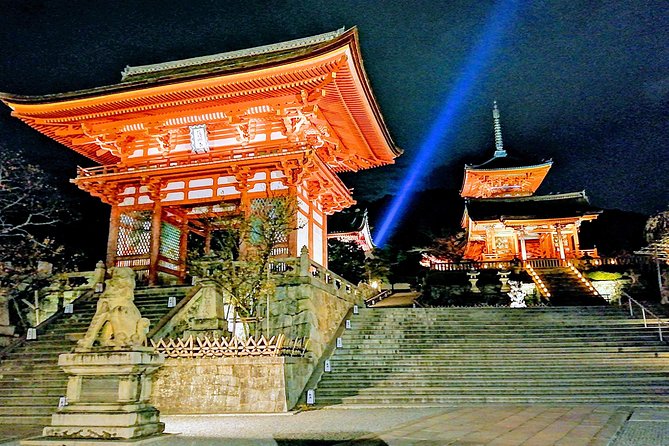
The tour ends with Kiyomizu-dera Temple, around 10 minutes on the route. You can see light-up displays depending on the season, but admission is not included.
This stop is a classic reason to do a night walk in Kyoto. When Kiyomizu-dera is lit for the season, it changes the entire vibe. From the walk, you get a taste of that glowing, hillside presence without spending your whole evening stuck in long lines.
That said, the short time here means you should arrive with realistic expectations. You’re not getting a full, slow temple experience. You’re getting a guided glimpse that’s designed to fit the 90-minute format.
Practical note: since admission isn’t included, check what you’ll need to bring for entry so you aren’t stuck hunting for payment at the last minute. It’s a small cost, but it’s best handled smoothly.
What you get for $35: private time plus free entries where it counts
At $35 per person for about 1 hour 30 minutes, this is priced like a smart “first-night” activity. The value comes from the mix of private pacing, guided context at key points, and free admissions at the stops that have them.
In particular, you get free admission at Yasaka Shrine and at Yasakanoto. That already offsets part of the ticket price compared with tours that pack in places with paid entry fees. Kiyomizu-dera is the exception in this route, where the admission is not included—so if you’re trying to budget tightly, remember that.
The other big value factor is the guide’s role as a photographer. Several people mention he takes lots of photos and helps make sure you get real keepsakes. For a night walk, that’s not a gimmick. It’s exactly the thing that improves your trip memories most, because you’ll be outside in motion, with low light and limited patience for trial-and-error.
One more detail worth noting: this tour is booked about 32 days in advance on average. That doesn’t mean you can’t get a last-minute slot, but it does suggest it’s popular—especially with visitors who want a calmer Gion experience at night.
How Hiro’s style changes the walk (and your photos)
Based on the experience people describe, Hiro’s approach is friendly, flexible, and focused on practical enjoyment. He’s also known for being an effective communicator in English, which matters a lot at night when signage can be harder to read and street layouts can feel confusing.
What stands out is how he mixes cultural storytelling with real-time guidance:
- He explains what you’re seeing, so you understand the why, not just the what.
- He takes photos throughout the walk, including families and solo travelers.
- He often helps with practical food plans after the tour, with recommendations like ramen and other local meals.
If you want the best results for your pictures, come prepared to follow direction. Night photography rewards small choices: where you stand, how you angle your camera, and when you pause before the next step. A guide who watches timing can help you capture the street light glow without turning the walk into a photo session that burns your whole evening.
Also, Kyoto is big on etiquette. The instruction to keep quiet in the stone-wall district is a perfect example. Following those social cues makes the whole experience feel more authentic, not less.
Weather and timing: the real limits of a night walk
This experience depends on good weather. That’s not just legal fine print. For a night walk in Kyoto, rain and cold can change everything—how long you can comfortably stand outside, how the light looks, and whether temple areas become slippery or unpleasant.
Timing also matters because Kiyomizu-dera’s light-up effect is seasonal. So even if you do everything right, you might see a different lighting setup depending on when you’re in town.
My practical advice: if you’re planning this on your first night, keep some flexibility in your overall itinerary. Kyoto nights are magical, but they’re also weather-dependent. If the tour has to switch dates or refund due to conditions, you’ll be glad you built in breathing room.
Who should book this Gion night walk, and who might not
This tour fits best if you want:
- A private night walk through Gion without feeling lost
- A guided introduction to Yasaka Shrine, Yasaka Noto, and the approach toward Kiyomizu-dera
- Photo help that saves you from selfie stress
- A respectful route with moments where you follow local etiquette, like the quiet stone-wall area
It may not be ideal if you want a long, in-depth temple visit. The stops are intentionally short to keep the route flowing, and the tour is built for the 90-minute format. If you’re hoping for hours at one site, you’ll likely want a different plan.
Also, wear shoes you trust. People point out it’s a lot of walking, and that’s exactly what night walking in Kyoto tends to mean. Comfortable footwear turns the whole experience from tiring to fun.
Should you book the Kyoto night walk in Gion?
I’d book it if you’re arriving in Kyoto and want a high-signal first evening: you’ll see the right places in the right order, learn enough context to make it meaningful, and come away with photos that actually reflect the night mood.
I’d skip it or swap it if you’re expecting a full temple-thorough experience, or if you strongly dislike guided pacing and follow-the-leader routes. This one is about walking, photos, and night atmosphere more than slow temple time.
Bottom line: if you want Gion at night with a guide who understands both the streets and the photo moments, this is a strong value at $35 for a private 90-minute plan.
FAQ
How long is the Kyoto Gion night walk tour?
It runs for about 1 hour 30 minutes.
Where do I meet for the tour?
You meet at 194 Kawabatachō, Higashiyama Ward, Kyoto, 605-0075, Japan.
Is this a private tour?
Yes. It’s private, and only your group participates.
Are temple or shrine admission tickets included?
Yasaka Shrine and Yasakanoto are free. Kiyomizu-dera Temple admission is not included.
What happens if the weather is poor?
This experience requires good weather. If it’s canceled due to poor weather, you’ll be offered a different date or a full refund.
Can I use a mobile ticket?
Yes, the tour uses a mobile ticket.
More Tour Reviews in Kyoto




More of Kyoto After Dark
Still in Gion? Keep Going

Just added: more Kyoto tours to browse








Gion & Geisha District Tours, compared.
 ★ 4.7Kyoto Geisha Walking Tour: Gion District & Hidden GemsFrom $253,273 reviews
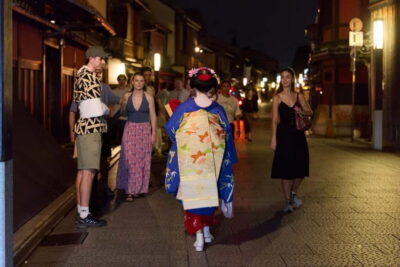
 ★ 4.9Gion Magical Night Walking Tour with Geisha TriviaFrom $242,393 reviews
 ★ 4.7Gion Geisha District Walking Tour – Stories of GeishaFrom $202,187 reviews
 ★ 4.9Best of Kyoto: Gion, Geisha, Pagodas & CobblestonesFrom $242,058 reviews
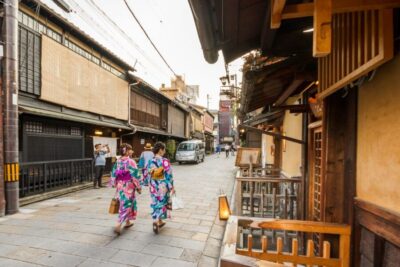 ★ 4.5Night Walk in Gion: Kyoto’s Geisha DistrictFrom $212,003 reviews
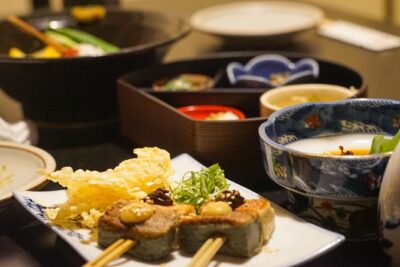 ★ 5.0Kyoto Night Foodie Tour in Gion (9+ dishes + 6 Sake tastings)From $1631,762 reviews
 ★ 5.0Kyoto Gion Geisha District Walking Tour – The Stories of GeishaFrom $251,441 reviews
 ★ 5.0Kyoto Gion: 2-Hour Geisha Culture & History Walking TourFrom $231,186 reviews
Browse the lists this tour appears in