
Reviewed · WORKSHOPS
Kyoto: Kintsugi Jewelry Workshop with Natural Stones
Gold glues broken pottery into beauty.
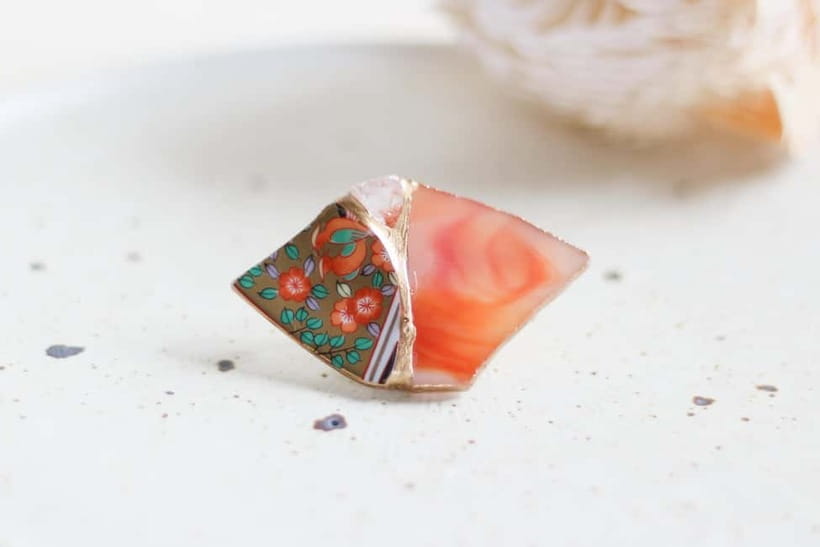
This Kyoto workshop turns that idea into something you can wear: you’ll make kintsugi jewelry by combining pottery shards, colorful natural stones, and gold-toned lacquer techniques. I like that it’s set in a calm, centuries-old-feeling setting, and the instructor Natsuka walks you through both the craft and the meaning behind it, right near Fushimi Inari Taisha.
One practical consideration: plan your arrival on foot. There’s no parking, and the front street is a narrow alley that isn’t vehicle-friendly.
In This Review
- Key Points You’ll Care About
- Why Kintsugi Jewelry Feels Better Than Another Kyoto Souvenir
- Inside a 100-Year-Old Kyoto Townhouse Near Fushimi Inari Taisha
- How to get there (and what to watch for)
- The Craft Basics: Synthetic Lacquer, Gold Powder, and Pottery Shards
- Pottery shards you can choose from
- Picking Your Jewelry Style: Earrings, Rings, Brooches, and More
- Design Time With Natsuka: Color, Meaning, and Patience
- The Story of Kintsugi and Wabi-Sabi You Can Actually Explain Later
- Your 150 Minutes: How the Workshop Flows
- What You Take Home the Same Day (And What Makes It Worth It)
- Price and Value: Is $106 Fair for 150 Minutes of Craft?
- Who This Workshop Suits Best in Kyoto
- Who should skip it
- Getting the Most Out of Your Session
- Should You Book This Kintsugi Jewelry Workshop?
- FAQ
- How long is the Kyoto Kintsugi Jewelry Workshop?
- How much does it cost?
- Where is the meeting point?
- What materials are used for the kintsugi technique?
- What can I make, and do I take it home the same day?
- Is the workshop wheelchair accessible?
Key Points You’ll Care About
- A 100-year-old townhouse setting makes the craft feel like a quiet Kyoto pause, not another stop on a checklist
- Synthetic lacquer + gold powder are used for the kintsugi process, with an allergy-friendly approach
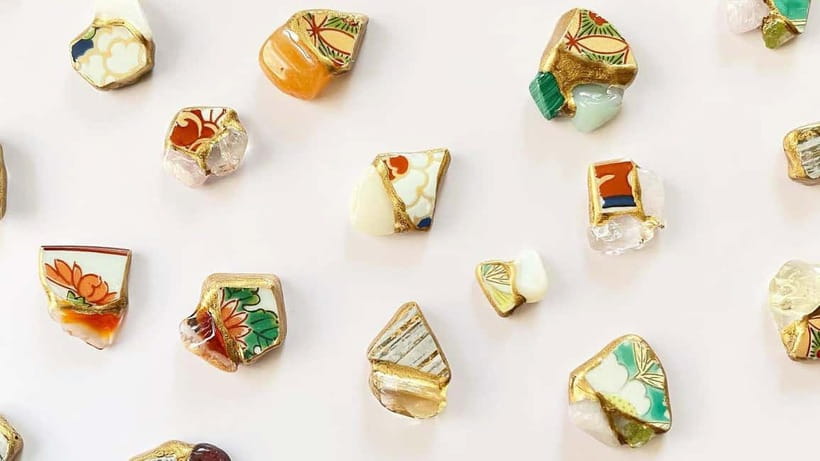
- Pottery shard selection includes Arita, Karatsu, Oribe, Kyoto, Shigaraki, and Hagi options
- You choose the jewelry style (earrings, rings, necklaces, brooches, tie pins, cufflinks, and more)
- Small groups (max 10) help you get real guidance while you design your piece
Why Kintsugi Jewelry Feels Better Than Another Kyoto Souvenir
Kyoto sells a lot of beautiful things. Still, kintsugi jewelry is different because you’re not just buying an object. You’re creating a small wearable story from something that was once considered damaged.
The core idea is simple: kintsugi treats breakage as part of the object’s life. Instead of hiding cracks, the repaired lines become part of the design. That attitude connects directly to wabi-sabi, the Japanese way of seeing value in imperfection and time. When you’re making your own piece, that philosophy stops being abstract. You can actually see how gold-toned seams change the look and feel of a shard-by-shard assembly.
Another reason I like this format is that it’s hands-on and personal. You pick stones, you pick pottery fragments, and you choose an accessory type that fits your style. The result is one-of-a-kind by default, because your materials won’t be the same as anyone else’s.
Other Kyoto tours and experiences to compare

Inside a 100-Year-Old Kyoto Townhouse Near Fushimi Inari Taisha
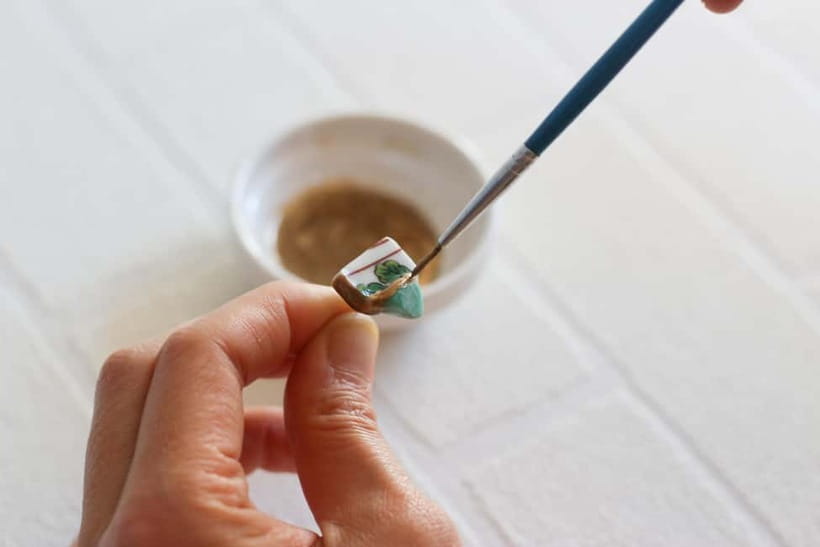
The workshop takes place in a traditional Kyoto townhouse that’s about 100 years old. That matters more than you’d think. A craft class in a sleek studio can be fine. But here, the building’s old-house atmosphere makes the entire process feel slower and more thoughtful.
Location-wise, you’re close to the action. The workshop is about a 3-minute walk from Fushimi Inari Taisha, which means you can pair it with shrine time or use it as a calm break from that area’s crowds. It’s also a very walkable area, especially if you’re arriving from nearby train stations.
How to get there (and what to watch for)
Your closest stations are:
- A 5-minute walk from Keihan Ryukoku Daimae-Fukakusa Station
- Or a 5-minute walk from JR Inari Station
Important logistics: there’s no parking at the atelier. The street in front is a narrow alley, not set up for vehicles. When you arrive, you’re looking for a traditional one-story house with a white curtain hanging at the entrance. If you want to avoid the late-arrival stress, use the provided photo map to match the turns and the look of the storefront.
The Craft Basics: Synthetic Lacquer, Gold Powder, and Pottery Shards
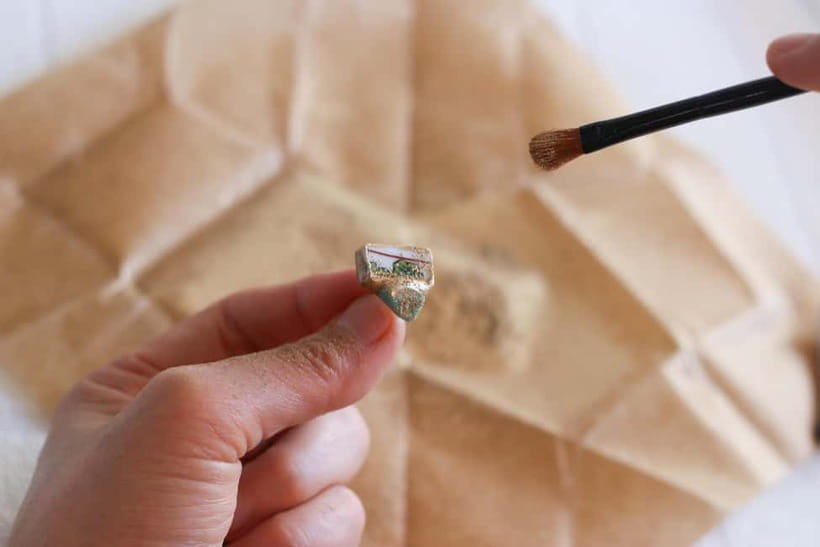
Kintsugi is traditionally a repair technique for broken ceramics, using lacquer and precious-metal accents to highlight the repair. In this workshop, you’ll follow a kintsugi jewelry version of the method using synthetic lacquer and gold powder (so you can create with less concern about allergic reactions).
What you’re working with is the charm of this experience: broken pottery fragments are not treated like scraps. They’re treated like design materials. You’re guided through using lacquer and gold powder to bring those fragments together into a wearable piece, then combining them with other decorative elements.
Pottery shards you can choose from
You don’t just get one generic set of ceramic pieces. You’ll be able to choose pottery shards from a range of types, including:
- Arita
- Karatsu
- Oribe
- Kyoto
- Shigaraki
- Hagi
You can also find options beyond ceramic shards, like stained glass, shells, and pearls, plus natural stones. This gives you freedom to build a piece that feels like Kyoto pottery meets your own color preferences.

Picking Your Jewelry Style: Earrings, Rings, Brooches, and More
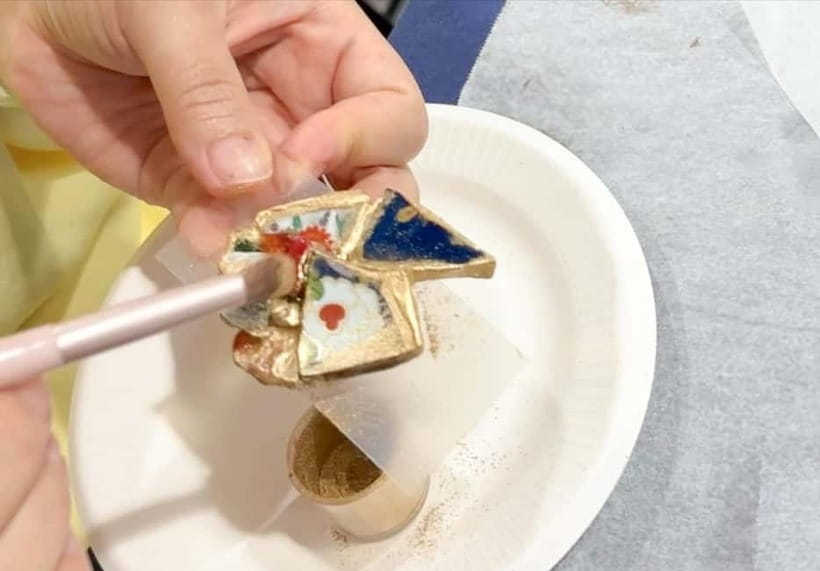
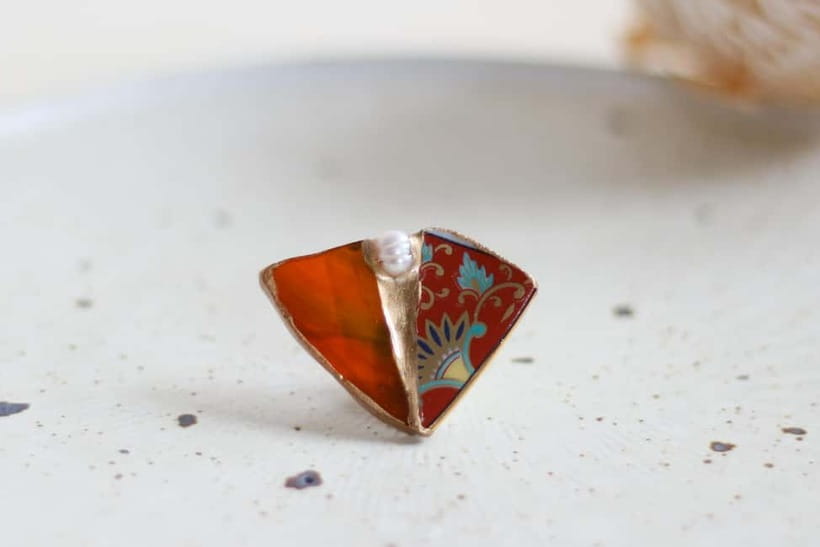
The workshop is designed so you can choose an accessory type, not just make a “generic charm.” That’s one of the best value features here. Instead of leaving with something you might never wear, you build something that fits how you dress.
Depending on what’s available in your session, you can choose from options such as:
- earrings
- rings
- necklaces
- brooches
- tie pins
- cufflinks
- and other accessory styles
This also makes the creative process feel more personal. You’re not only selecting stones and fragments—you’re shaping the final form. If you prefer subtle, you might steer toward small details. If you want a statement, you can lean into bolder stone-and-shard combinations.
And because it’s a small group (limited to 10 participants), you’re not stuck guessing your way through. Natsuka provides step-by-step support, and there’s time to ask questions as you go.
Design Time With Natsuka: Color, Meaning, and Patience
This is where the workshop becomes more than a craft demo. The instruction style is calm and supportive. Natsuka is patient, and the pace can be slow when you want it to be. That’s not a throwaway detail—it changes the whole experience.
In many workshops, you’re rushed through decisions or pushed to finish on a tight timer. Here, you can take time to design. People also report that Natsuka explains the steps clearly in English (and Japanese if needed), and that the group stays small enough for you to get advice instead of just watching.
During your designing, you’ll likely spend time deciding:
- which pottery shards you want to feature
- which natural stones (and other decorative materials) add the right color and contrast
- how your chosen fragments should be arranged so the final piece looks intentional, not accidental
It’s a practical lesson in composition, even if you don’t call it that. Your “mistakes” can become part of the design, and you learn to treat the repair line as visual structure.
The Story of Kintsugi and Wabi-Sabi You Can Actually Explain Later
A big part of value here is the explanation—what makes kintsugi more than pretty gold seams.
You’ll learn about:
- the history and significance of kintsugi in Japanese culture
- the idea of wabi-sabi and why repaired objects are often seen as more meaningful
- the origins of the upcycled pottery pieces (including the regions tied to different pottery types)
This matters because it gives your souvenir a narrative you can share, not just a label stuck on a bag. When you wear your jewelry later—on a date, a trip photo, or a family event—you’re carrying the logic of the craft with it.
It also helps you appreciate what you’re seeing in Kyoto. After this class, pottery displays and repair traces won’t feel like random details. You’ll have a framework for understanding why breakage doesn’t always mean the end.
Your 150 Minutes: How the Workshop Flows
The full workshop runs about 150 minutes. Exact minute-by-minute timing can vary by session and by your pace, but you can expect the experience to move through a clear rhythm:
1) You start with an introduction to kintsugi and what you’ll be making.
2) You choose pottery fragments and decorative materials (natural stones, and options like stained glass, shells, pearls).
3) You work through the kintsugi method for assembling the ceramic pieces, using synthetic lacquer and gold powder.
4) You finalize your chosen accessory type—earring, ring, brooch, or other form.
5) You leave with your finished jewelry that you can take home the same day.
If you’re the type who likes to slow down and enjoy the process, this length helps. You’re not stuck racing from decision to decision.
What You Take Home the Same Day (And What Makes It Worth It)
The workshop includes materials and instruction, and you get to take your handmade jewelry home the same day. That’s important for travel practicality. You don’t need to plan for shipping or worry about delays.
Many participants leave with more than one piece. At minimum, you should expect a substantial finished wearable item created by you—something you’ll remember because you chose the shards, the stones, and the design elements.
And since everything is upcycled pottery, you’re also getting a sustainability angle without turning it into a lecture. You’re converting broken ceramics into a new object with gold-highlighted repairs, which feels honest and meaningful.
Price and Value: Is $106 Fair for 150 Minutes of Craft?
At $106 per person for about 150 minutes, the value comes from what’s included and what you produce.
Here’s the value equation I’d use:
- You’re paying for instruction plus all the key materials used in the kintsugi process (including synthetic lacquer and gold powder).
- You’re not limited to one decision. You choose from multiple pottery types and a range of decorative elements.
- You’re working in a small group (up to 10), so the instructor can actually help as you build.
- You leave with a one-of-a-kind souvenir you made yourself, and you take it home the same day.
If you typically spend money on Kyoto “things” you’ll store in a drawer, this is a different kind of purchase. This is more like spending part of your trip making a personal object. Even if you travel light, you’ll be able to pack the final jewelry easily, and it won’t feel like generic tourism merch.
Who This Workshop Suits Best in Kyoto
This is a strong match if you want:
- a break from the pace of Kyoto sightseeing
- a calm, meditative creative activity
- a small-group class where you can ask questions and move at your own pace
- a souvenir with real meaning, not just visual appeal
It also seems to work well as a rainy-day plan. The atmosphere is designed for focusing on craft, not managing weather or crowds.
Who should skip it
It’s not suitable for wheelchair users. If mobility is a concern, you’ll want to choose a different activity that can accommodate your needs.
Getting the Most Out of Your Session
You’ll get the best experience if you treat this like a studio time, not a quick tour stop.
A few practical tips:
- Wear clothes you’re okay with if you accidentally pick up a little lacquer dust from handling materials.
- Come ready to make design decisions—stones, fragments, and accessory type matter.
- If you want a slower pace, that’s part of the experience here. Natsuka’s guidance is designed to support your pace, not force it.
Should You Book This Kintsugi Jewelry Workshop?
Book it if you want a Kyoto memory you can wear, and if the idea of repairing broken things into something beautiful sounds like your kind of craft. The setting in a 100-year-old townhouse, the small-group size, the variety of pottery types (Arita, Karatsu, Oribe, Kyoto, Shigaraki, Hagi), and the use of synthetic lacquer make it both culturally meaningful and realistically travel-friendly.
Skip it if you need wheelchair accessibility, or if you’re looking for a high-energy sightseeing experience. This is best when you want quiet creativity, real instruction, and a finished piece you’ll actually enjoy owning.
FAQ
How long is the Kyoto Kintsugi Jewelry Workshop?
The workshop lasts 150 minutes.
How much does it cost?
It costs $106 per person.
Where is the meeting point?
You’ll meet at the atelier about a 5-minute walk from Keihan Ryukoku Daimae-Fukakusa Station or JR Inari Station. There is no parking at the atelier.
What materials are used for the kintsugi technique?
You’ll use synthetic lacquer and gold powder, plus your choice of pottery shards and decorative materials like natural stones and pearls.
What can I make, and do I take it home the same day?
You can choose an accessory type such as earrings, rings, necklaces, brooches, tie pins, cufflinks, and more. You can take your handmade jewelry home on the same day.
Is the workshop wheelchair accessible?
No, it is not suitable for wheelchair users.
More Workshops in Kyoto

More Tour Reviews in Kyoto
Just added: more Kyoto tours to browse





Workshops, compared.
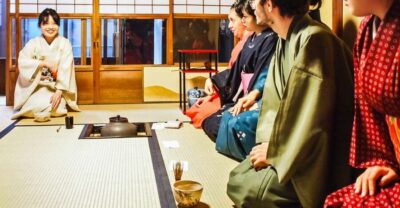 ★ 4.345-Minute Tea Ceremony Lesson ExperienceFrom $222,378 reviews
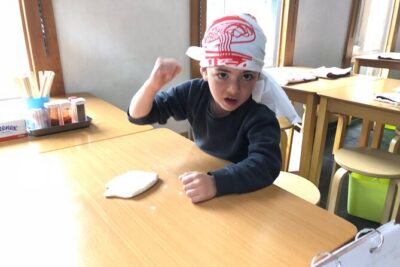 ★ 5.0Ramen Cooking Class at Ramen Factory in KyotoFrom $1311,937 reviews
 ★ 5.0Chopsticks Making Workshop in Gion with Engraving OptionFrom $15958 reviews
 ★ 4.9Samurai Sword Class by Experts in Traditional ArtsFrom $64657 reviews
 ★ 4.9Ramen Cooking Class at a Ramen Factory with SouvenirFrom $127532 reviews
 ★ 5.0Ninja 1-hour Hands-on Lesson by Japanese master in Kyoto -EntryFrom $80489 reviews
 ★ 5.0Ramen, Gyoza, and Onigiri Cooking ClassFrom $90445 reviews
 ★ 5.0The Original Small-Group Sushi Making Class in KyotoFrom $69436 reviews
Browse the lists this tour appears in