
Reviewed · WORKSHOPS
Kyoto: Japanese Koto Musical Instrument Class
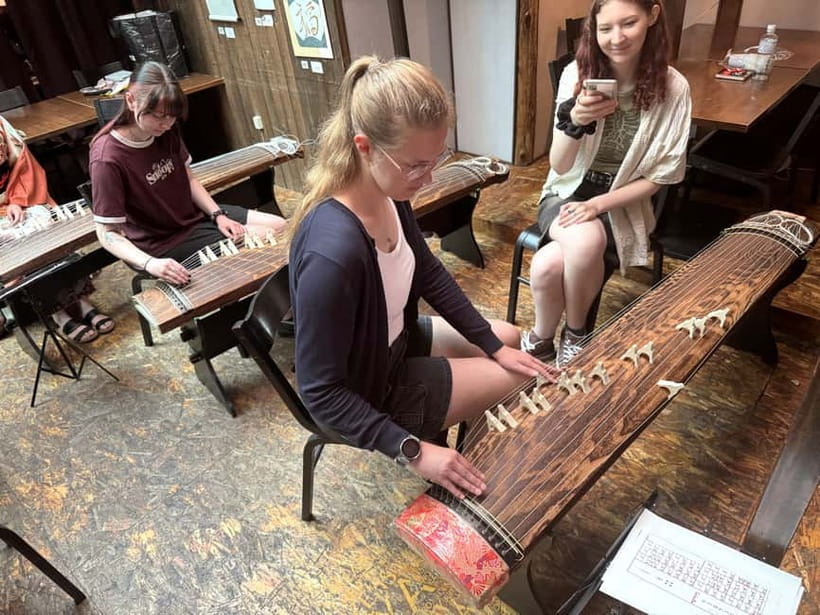
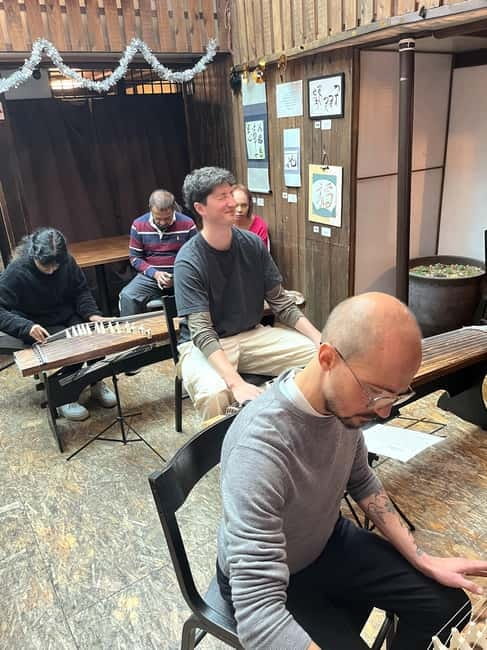
Kyoto sounds different when you’re holding the instrument. This 90-minute koto lesson at Gojo Paradiso is a calm, hands-on way to get close to traditional Japanese music, and I like that you’ll start with a live performance before you’re asked to play. You’ll learn the folk tune Sakura Sakura, and you’ll get clear, beginner-friendly coaching from a patient instructor. One thing to consider: it’s not set up for very young kids, so plan on it being more for adults and older teens.
The setting helps. Gojo Paradiso sits along the Takase River on Kiyamachi Street, so even before the lesson starts you get that slower, quieter Kyoto feeling. It’s also a small group experience (limited to 10), which makes it easier to ask questions and fix technique without feeling rushed.
The possible downside is also the easiest to spot: you’re doing music class, not a long sightseeing tour. If you’re looking for lots of Kyoto stops and photo viewpoints, this is probably too focused for you—but if you want a memorable cultural skill, it’s ideal.
In This Review
- Key points I’d highlight before you book
- Gojo Paradiso: the calm Kyoto setting for your first koto notes
- Inside the 90 minutes: listen first, then play Sakura Sakura
- Price and value: is $32 worth a hands-on instrument class?
- Small group lessons: why the instruction feels approachable
- Beyond first success: trying other songs after Sakura Sakura
- Where to meet: Gojo Paradiso near Gojo and Shichijo
- Who this class is perfect for (and who should skip it)
- Should you book this Kyoto koto class?
- FAQ
- Do I need prior experience to play the koto?
- How long is the Kyoto koto class?
- What song will I learn?
- How many people are in the group?
- Where is the meeting point?
- Is it wheelchair accessible and is it suitable for kids?
Key points I’d highlight before you book
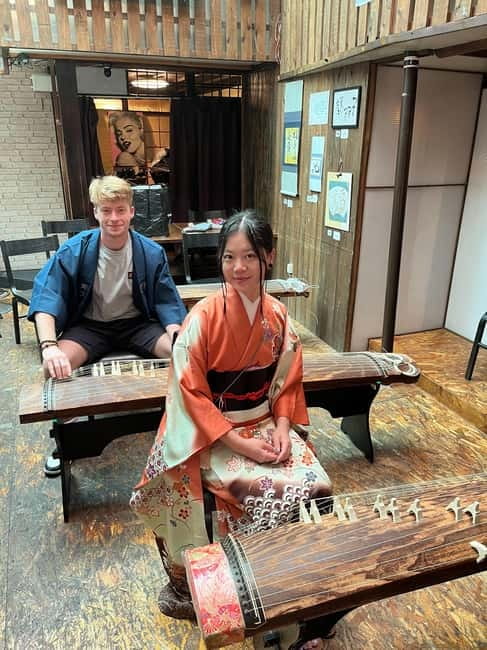
- A live koto performance first so you hear the sound you’re trying to make, then you copy it with guidance
- Beginner-friendly coaching with koto and materials provided, no prior experience needed
- Sakura Sakura is the starting goal (and then you can try more songs once you’ve got the basics)
- Small group, max 10 so you actually get attention and feedback
- Gojo Paradiso is walkable from Keihan Kiyomizu Gojo and Keihan Shichijo stations, right by the Takase River
- Photos and videos are part of the moment so you can capture your first successful notes
Gojo Paradiso: the calm Kyoto setting for your first koto notes
Kyoto does quiet really well, and Gojo Paradiso leans into that. It’s on Kiyamachi Street along the Takase River, which means you’re not stuck in a generic classroom vibe. Instead, you’re in a spot that matches what koto music does best: it slows your attention down.
That matters more than you’d think for a beginner. When you’re learning a string instrument, your hands need time to learn patterns, and your ears need time to recognize what “good” sounds like. Starting in a peaceful atmosphere helps you focus on small corrections—things like finger placement and the timing between notes.
Also, the location is practical. If you’re already touring around Kiyomizu-dera or the Gojo/Shichijo area, getting here is straightforward. It’s a short walk from Keihan Kiyomizu Gojo Station and also from Keihan Shichijo Station, and it’s right along the river path so you can connect it to a normal walking day without complicated transit.
If you like experiences where the setting supports the activity—rather than fighting it—this is the right kind of place.
Other Kyoto tours and experiences to compare

Inside the 90 minutes: listen first, then play Sakura Sakura
This class is built like a good lesson: you start by listening, then you jump to doing.
Here’s the flow you can expect:
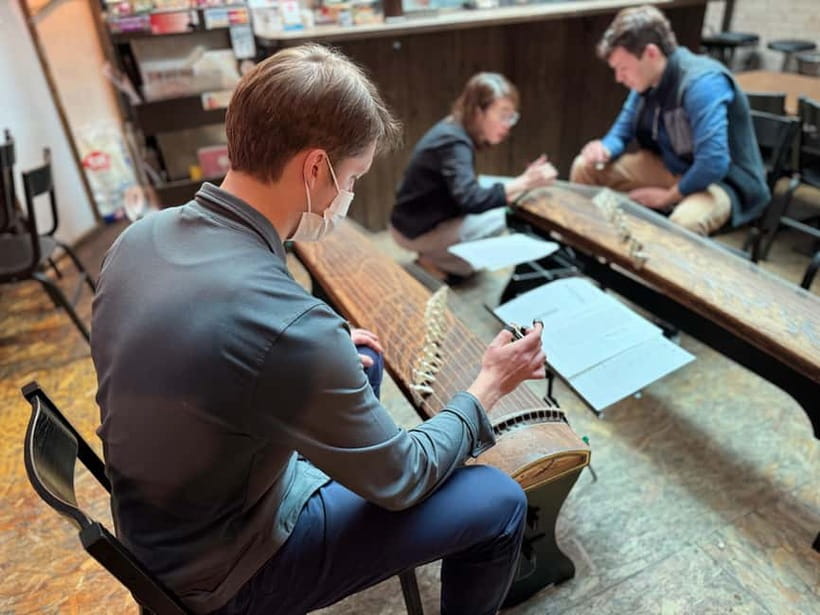
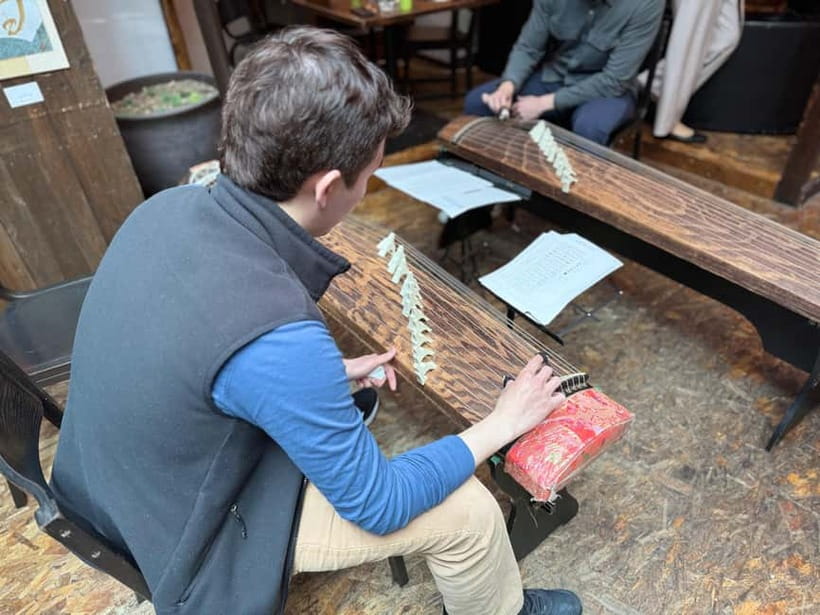
- You’ll begin with a live koto performance. This isn’t just background noise. You’re learning the sound, the rhythm, and the “feel” of the music before your hands get involved.
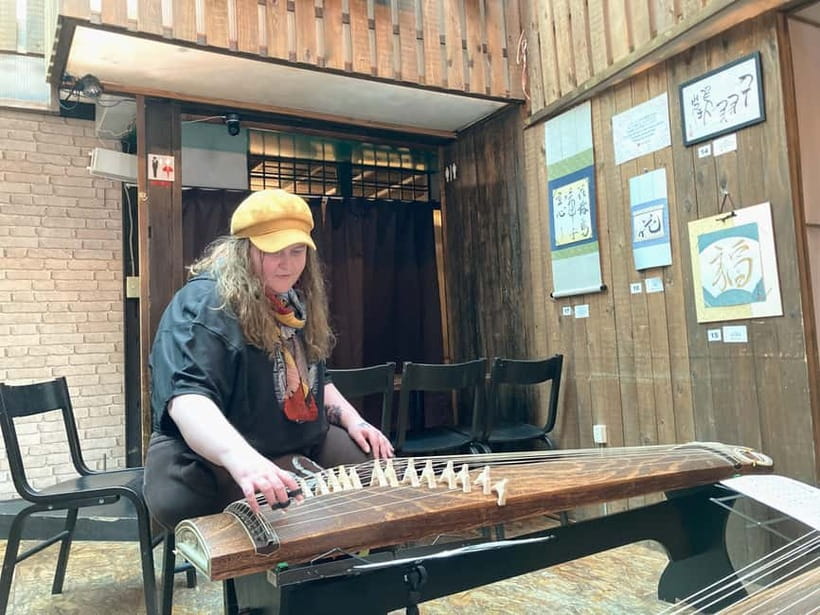
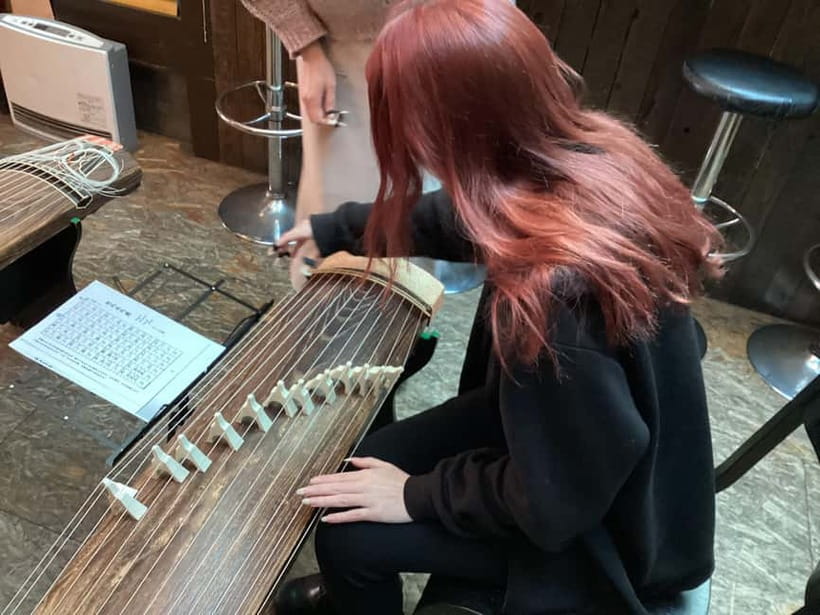
- After that, your instructor will guide you as you try playing Sakura Sakura, the famous Japanese folk song. This is the key moment for most people: the switch from hearing to making the notes yourself.
- If you reach the basics quickly, you can try additional songs. The idea is to keep progress moving, not to grind through a single piece forever.
Because it’s designed for beginners, you don’t need to arrive knowing anything. The koto and necessary materials are provided, which is a big deal when you’re traveling. No rental. No guessing how the instrument works. No dragging along something delicate in your hotel bag. You show up, you learn.
One of the best parts is that the lesson doesn’t treat you like a spectator. You’re actively playing, so you leave with a real sense of what koto music feels like when it’s coming from your own hands.
You’ll also have time to capture the moment with photos and videos. That’s useful because your memory of first-attempt notes fades quickly. Getting a recording helps you remember what the lesson actually taught you.
Price and value: is $32 worth a hands-on instrument class?
At $32 per person for 90 minutes, this is priced like a true “learn something real” activity, not a casual cultural demo.
Here’s how I judge value for classes like this:
- You’re paying for an expert instructor, not just admission to a room.
- You get the instrument and materials included, which reduces hidden costs.
- You’re not just watching. You’re playing.
For a lot of Kyoto experiences, you’re paying for the location, the scenery, or the performance. This one is different. You’re buying time with a teacher plus the chance to leave with a personal connection to a traditional instrument. That’s the kind of value that lasts longer than a photo.
There’s also a practical value angle: this doesn’t eat half your day. Ninety minutes fits neatly into an afternoon or a slower morning, and it’s easy to pair with nearby sightseeing.
If you’re the type who enjoys hands-on learning—call it school brain, but on vacation—you’ll probably feel the price is fair, even if you’re not a lifelong music person.
Small group lessons: why the instruction feels approachable
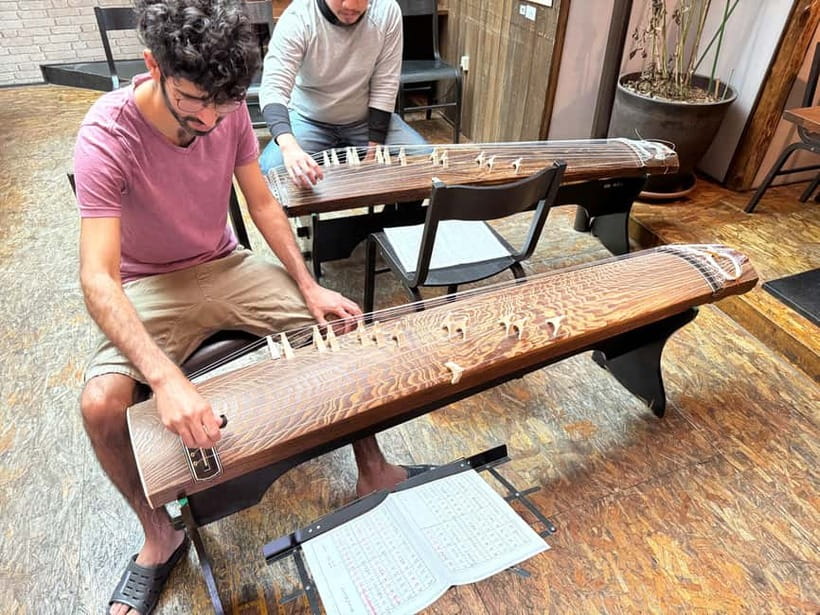
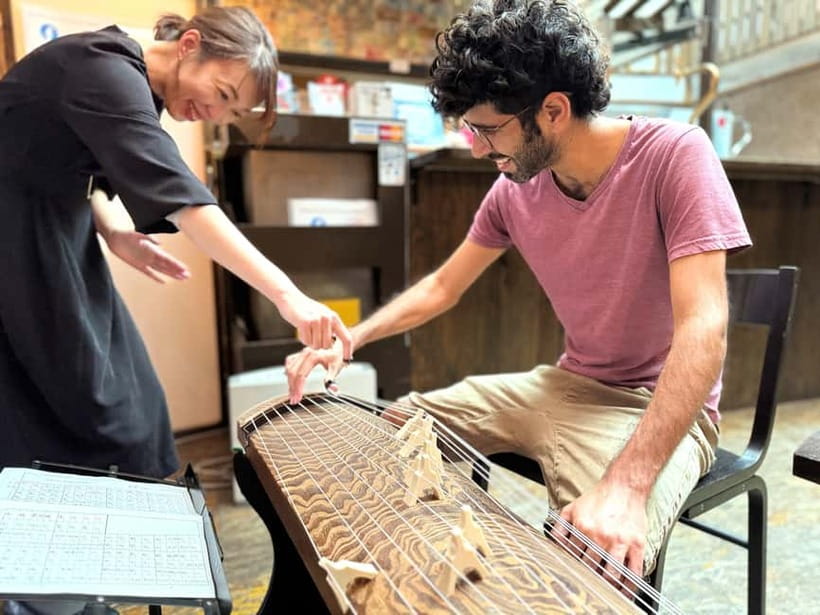
This is a small group class, limited to 10 participants. That alone changes the learning experience. In a group that small, you’re more likely to get attention when you hit a snag, and the instructor can correct technique without repeating the same advice for dozens of people.
What I like most in the feedback style here is the emphasis on clarity and patience. Several learners highlight that the teacher is friendly, knows what she’s doing, and can explain things in a way that makes a beginner feel capable. One instructor name that comes up is Natsuko, praised for being especially kind and patient.
And that’s the core need for a first-time instrument class. If the lesson feels strict or vague, beginners freeze. If it feels calm and supportive, you’re more willing to experiment, and that’s how you actually improve during the session.
You’ll also notice the language support: the instructor speaks both English and Japanese, so you’re not stuck guessing what you’re supposed to do. Even if you’re not fluent, you can follow instructions and ask questions.
Beyond first success: trying other songs after Sakura Sakura
Sakura Sakura is the starting point, but the lesson doesn’t necessarily stop there. Once you’ve mastered the basics, you can try other songs.
That matters because it turns the session from a one-and-done demo into a mini progress experience. You start with a recognizable tune, then you build confidence by applying what you learned to something new. For many people, that’s what makes the class feel like a real achievement rather than just a quick cultural moment.
What I recommend: don’t rush yourself on the first song. If you’re still focused on your hands, that’s normal. Your goal isn’t perfection in 90 minutes. Your goal is understanding how the instrument responds and learning the rhythm patterns well enough to keep going.
If you’re curious about more traditional Japanese music, this is a nice doorway. Even if you don’t become a koto player that day (nobody becomes one overnight), you’ll leave knowing what kinds of melodies and techniques you want to explore later.



Where to meet: Gojo Paradiso near Gojo and Shichijo
Meeting logistics are simple, and that’s a big deal in Kyoto.
You’ll meet at Gojo Paradiso along the Takase River on Kiyamachi Street. It’s:
- about a 5-minute walk from Keihan Kiyomizu Gojo Station
- about a 10-minute walk from Keihan Shichijo Station
- roughly 386 meters from Keihan Kiyomizu Gojo Station
I like planning lessons in places that are easy to find on foot. The riverwalk area helps because you can orient yourself visually, then make the last short turn onto Kiyamachi Street.
If you’re building your day, aim to arrive a little early. That gives you time to settle in, focus on the calm setting, and mentally switch from sightseeing mode to learning mode.
Who this class is perfect for (and who should skip it)
This Japanese koto instrument class is best for:
- beginners who want to try an instrument without pressure
- music lovers who enjoy hearing traditional sounds up close
- culture enthusiasts who like learning through doing, not just watching
- travelers who want a short, high-impact experience in central Kyoto
It’s not ideal if:
- you’re traveling with children under 10 (the class isn’t suitable for that age group)
- you want a long sightseeing day with multiple stops
- you’re looking for a themed performance without hands-on practice
The good news: because koto and materials are provided, you don’t need special gear or prior experience. Your only job is showing up with a calm attitude and a willingness to try again when something feels tricky.
Also, it’s wheelchair accessible, so mobility shouldn’t be a barrier for the right participants—just plan around the class length and the small-group setting.
Should you book this Kyoto koto class?
Yes, I’d book it if you want a memorable Kyoto experience that’s hands-on and genuinely learnable. The biggest reason is simple: you don’t leave as a viewer. You leave with first-attempt koto music under your fingers, guided by an instructor who’s known for being friendly and patient.
It’s also a strong value. $32 for 90 minutes with instruction plus instrument and materials included is the kind of deal that makes “culture” feel personal instead of distant.
I’d skip it only if you hate structured activities, don’t want to sit and practice for a bit, or you’re traveling with a child under 10.
If you’re trying to balance Kyoto’s temples and streets with something more personal, this is one of those rare activities that fits right into your life after the trip.
FAQ
Do I need prior experience to play the koto?
No prior experience is required. The lesson is beginner-friendly, and the koto and necessary materials are provided.
How long is the Kyoto koto class?
The experience lasts 90 minutes.
What song will I learn?
You’ll start by learning the Japanese folk song Sakura Sakura. If you master the basics during the class, you can also try other songs.
How many people are in the group?
The group is small, limited to 10 participants.
Where is the meeting point?
The meeting point is Gojo Paradiso along the Takase River on Kiyamachi Street. It’s about a 5-minute walk from Keihan Kiyomizu Gojo Station and a 10-minute walk from Keihan Shichijo Station.
Is it wheelchair accessible and is it suitable for kids?
The experience is wheelchair accessible. Children under 10 are not suitable for this activity.
More Workshops in Kyoto
More Tour Reviews in Kyoto
Just added: more Kyoto tours to browse








Workshops, compared.
 ★ 4.345-Minute Tea Ceremony Lesson ExperienceFrom $222,378 reviews
 ★ 5.0Ramen Cooking Class at Ramen Factory in KyotoFrom $1311,937 reviews
 ★ 5.0Chopsticks Making Workshop in Gion with Engraving OptionFrom $15958 reviews
 ★ 4.9Samurai Sword Class by Experts in Traditional ArtsFrom $64657 reviews
 ★ 4.9Ramen Cooking Class at a Ramen Factory with SouvenirFrom $127532 reviews
 ★ 5.0Ninja 1-hour Hands-on Lesson by Japanese master in Kyoto -EntryFrom $80489 reviews
 ★ 5.0Ramen, Gyoza, and Onigiri Cooking ClassFrom $90445 reviews
 ★ 5.0The Original Small-Group Sushi Making Class in KyotoFrom $69436 reviews
Browse the lists this tour appears in