
Reviewed · KYOTO BUS & SIGHTSEEING TOURS
Kyoto Hop-On, Hop-Off Sightseeing Bus Tour
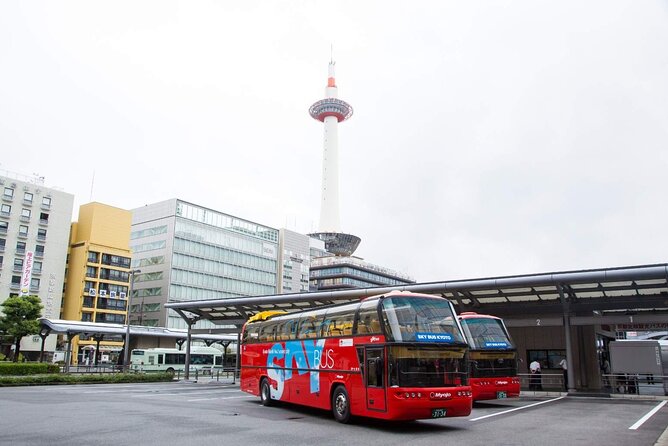
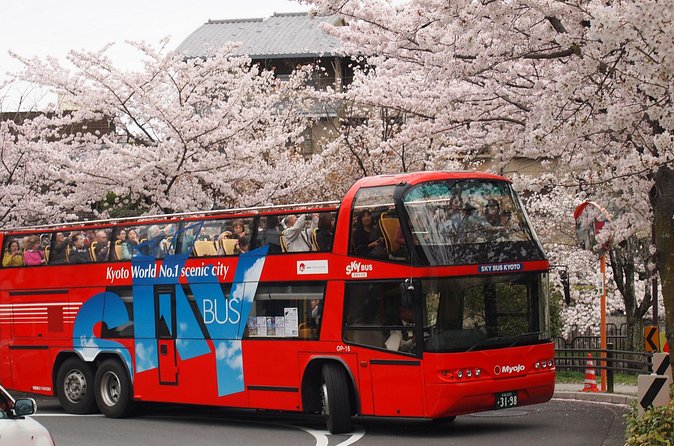
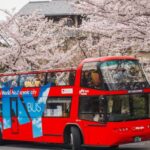
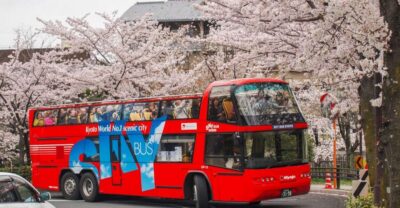
Kyoto in one loop, at your pace. SKY HOP BUS KYOTO is a hop-on hop-off ride that strings together the big sights, with multilingual audio and wide views from a double-decker bus. I like how flexible it is, so you can linger at a temple stop or duck off for a quick market snack, and then re-board when you’re ready. One catch: you’ll need to plan for bus timing and the stops can be easy to miss in a busy area like Kyoto Station.
Seats are unreserved, so expect to hunt for a spot. Bring water for hot weather and use the included poncho if rain hits. If you’re trying to stack too many timed plans in one day, the loop duration and gaps between buses can feel a bit unforgiving.
In This Review
- Key Points Before You Ride
- How the SKY HOP BUS Kyoto Loop Fits Real Travel Days
- Kyoto Station to Downtown: Getting Oriented Fast
- Ginkaku-ji and Heian-jingu: Slower Stops on the East Side
- Kiyomizu-dera via Gojozaka: Where the Walk Starts
- Gion Area Access: Stop Near KOTOWA KYOTO YASAKA
- Sanjusangendo and the Museum Area: A Strong Middle-of-Day Choice
- Second Loop: West/North Stops That Balance the Day
- Kinkaku-ji and the Top-Choice North-West Run
- Price and Value: When $45.56 Makes Sense
- Timing, Frequency, and Why You Should Not Over-Schedule
- Onboard Comfort: Audio, Earphones, Wi‑Fi, and the Rain Plan
- Practical Tips to Make This Bus Tour Feel Easy
- Should You Book This Hop-On Hop-Off Bus in Kyoto?
- FAQ
- How long is the SKY HOP BUS Kyoto tour?
- Are seats reserved?
- What’s included with the ticket?
- Can I hop on and off multiple times?
- What happens if the tour is canceled due to poor weather?
- Does the bus include Wi-Fi and earphones?
Key Points Before You Ride
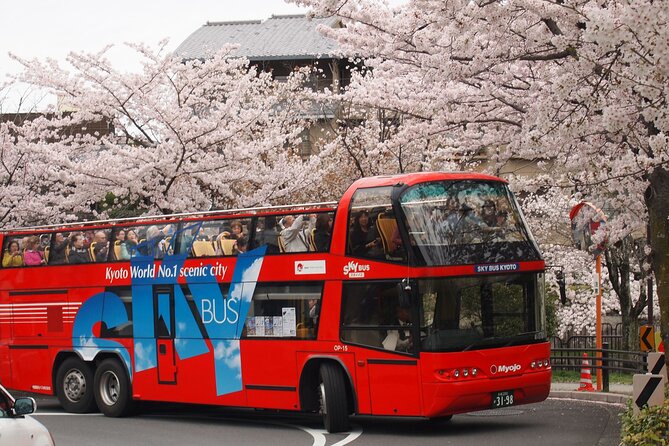
- Open-top double-decker views: great for photos and for spotting where you want to get off.
- Multilingual audio with earphones included: you don’t have to guess what you’re seeing.
- Hop on and off as many times as you like within your pass validity period.
- Onboard Wi-Fi keeps long waits a little easier.
- Unreserved seating: arrive early if sitting high matters to you.
- Buses may run about every 50 minutes: build your day around that rhythm.
How the SKY HOP BUS Kyoto Loop Fits Real Travel Days
This is one of those Kyoto plans that works best when you treat it as a moving base instead of a strict sightseeing schedule. The bus gives you the big-picture route across town, then you decide how long to stay at each area.
You’ll get multilingual audio, plus earphones, which helps a lot when you’re standing in front of a temple or shrine and want the context right away. And because it’s a hop-on, hop-off setup, you’re not stuck doing a fixed walking itinerary end to end.
The practical value is simple: Kyoto has clusters of sights. A bus like this helps you jump between those clusters without constantly changing trains or fighting for directions.
Loop the big Kyoto sights in one run


Kyoto Station to Downtown: Getting Oriented Fast
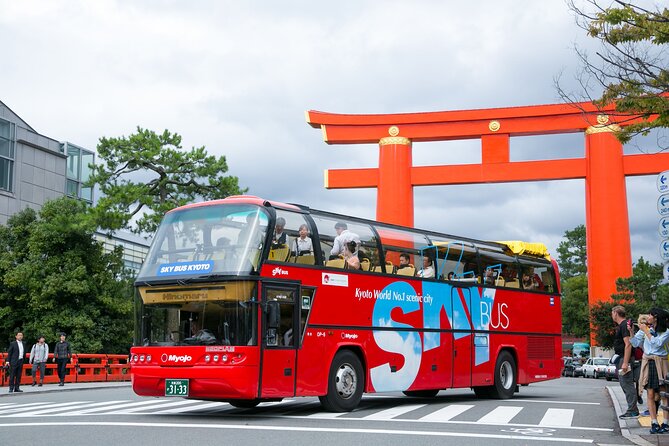
Your first major pickup point is Kyoto Station, which makes this tour especially handy if you’re staying near the station or you’re arriving by rail. From here, the bus pushes you toward central Kyoto streets and classic sightseeing zones.
Next up is Karasuma Gojo. This is a useful stop because it’s the kind of area that connects to lots of transit options and shopping streets. Even if you don’t get off right away, it’s a reminder that you’re moving through neighborhoods, not just visiting one “icon.”
The bus then heads toward Shijo Karasuma Nishiki-Ichiba Market. This is the stop you use when you want food without committing to a full sit-down plan. It’s also a good place to do a quick wander, then come back on board later.
Kyoto City Hall comes next. It’s not usually a top temple-and-shrine choice, but it helps with navigation. A stop like this can be a mental anchor: it places you firmly in the city center so you don’t feel like you’re only traveling outward.
Ginkaku-ji and Heian-jingu: Slower Stops on the East Side
After downtown, you move toward the east side with Ginkakuji Temple (Silver Pavilion) as one of the headline stops. This is exactly the kind of place that benefits from bus convenience. You’re not just going there; you’re staging your day so you can return later if you want more time for photos or slower walking.
Then you’ll reach Heian-jingu Shrine / Okazaki Park. A park-plus-shrine stop is a nice pairing for people who want a break from constant street-level movement. It’s also a smart stop if you’re trying to find a calmer rhythm halfway through the day.
One thing I like about this part of the route is the pacing. If you start the morning with bus views and central stops, it keeps your day from feeling like nonstop “get off, queue, rush.”
A consideration: you’ll want to manage your timing here, because once you’re hopping between stops, the bus schedule becomes your clock.
Kiyomizu-dera via Gojozaka: Where the Walk Starts
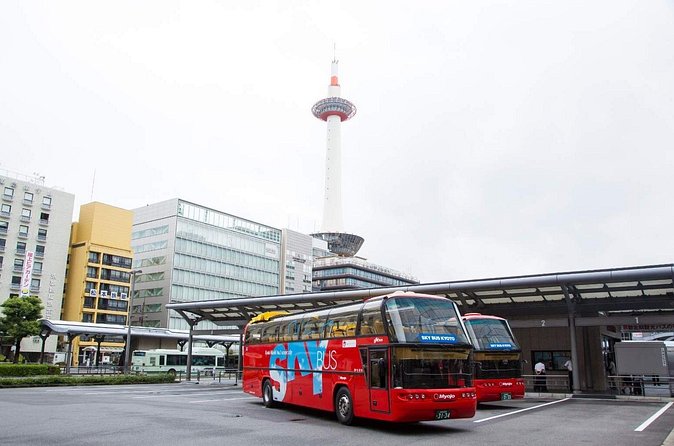
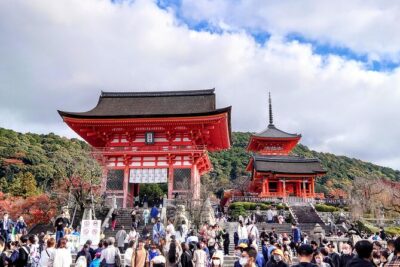
The bus brings you to Gojozaka (Kiyomizu-dera Temple). This is a great stop choice if your Kyoto “must-see” list includes Kiyomizu-dera, since getting off near the temple area can reduce the need to figure out last-mile routes.
This stop is also a practical reminder: at big temple areas, you’re likely to do some walking after you leave the bus. Plan for that. It’s not a sit-and-stare stop the whole time.
I also like that you can approach it on your schedule. You’re not forced to go at a particular time window just because you bought a ticket. If you get off, look around, then decide it’s too busy, you can re-board and move on.
Gion Area Access: Stop Near KOTOWA KYOTO YASAKA
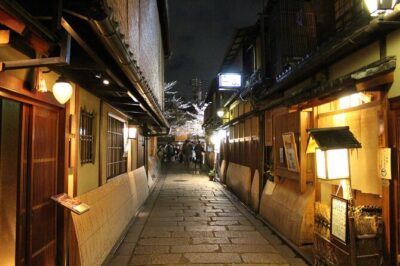
One of the more interesting names on your stop list is KOTOWA KYOTO YASAKA. This stop functions like a landmark drop for the Gion area and the surrounding streets. If you’re aiming for evening atmosphere or just want a clean drop-off near where people go to stroll, this is one of the most useful stop names in the list.
The bigger value here isn’t that the bus takes you to one spot. It’s that it places you close to a neighborhood feel. You can hop off, wander for a while, and then hop back on later without needing to re-route yourself across town.

Sanjusangendo and the Museum Area: A Strong Middle-of-Day Choice
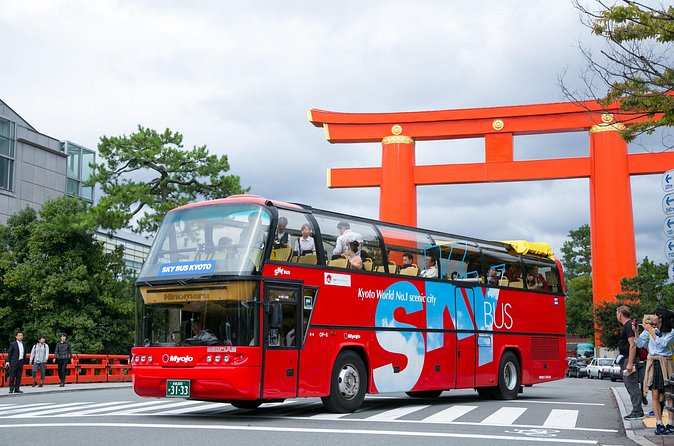
Another notable stop is Sanjusangendo Kyoto National Museum (Hyatt Regency Kyoto). The location name itself tells you why it works for a lot of visitors: you’re near both temple grounds and a museum-style visit option.
This is a good point in your day to adjust your plan. If you started earlier with more outdoor walking, a museum stop can be a nice change of pace. If you started earlier in temples, the museum area can help you balance your day without adding complicated transit.
The key benefit with this route is that it gives you choices. You’re not locked into only one type of attraction, and you can re-board without losing your connection to the rest of Kyoto.
Second Loop: West/North Stops That Balance the Day
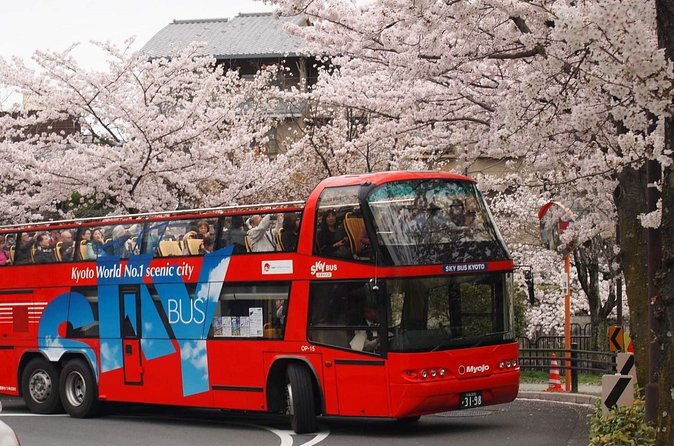
Your ticket coverage also includes another set of major stops that loop you through other key areas, bringing you back toward downtown. The repeated Kyoto Station stop in the second list is a clear clue: this isn’t a one-direction-only ride. It’s designed so you can build your day around where you want to be.
Nishi Hongan-ji Temple is one of the first stops on this cluster. It’s a strong pick if you want a major temple area without changing plans too much. From a convenience standpoint, the bus is doing the hard part for you: getting you there without extra transfers.
Then you’ll reach Nijo-jo Castle. A castle stop is great when you want to add a different kind of Kyoto landmark into the mix, and it also helps break up the day from shrine-and-temple repetition.
Next is Kitano-tenmangu Shrine (Kamishichiken). A shrine stop like this gives you variety, and being part of the bus route means it’s easier to include without building a complicated route of your own.
Kinkaku-ji and the Top-Choice North-West Run
A headline stop on the second cluster is Kinkaku-ji (Golden Pavilion). If you only have time for one “big icon” temple, this is often the one people plan around. Having it on the hop-on hop-off route is what makes the ticket feel worth considering.
You’ll also see Daitoku-ji Temple on the route. It’s a helpful stop name because it suggests you’ll get access to additional temple grounds beyond the absolute most famous sites. That matters if you like having options instead of only chasing the first famous photo spot.
Then the bus includes Kyoto Imperial Palace (Doshisha Univ.). A palace-area stop rounds out the day with a different kind of cultural setting, and it can work well near the end if you want a structured destination before heading back.
Finally, the second list returns again to Shijo Karasuma Nishiki-Ichiba Market. That’s a smart “wrap up” stop. You can end with food, souvenirs, or a last wander before the bus takes you back toward Kyoto Station.
Price and Value: When $45.56 Makes Sense
At $45.56 per person for this experience, the value depends on how you like to travel. If you prefer to see Kyoto in bursts with frequent “get off, walk a bit, re-board” flexibility, this bus can be worth it because it removes a lot of logistics work.
If you’re the type who wants to spend 6–8 hours walking between sights with your own routing, you might find the price harder to justify. The bus is selling convenience plus a guided feel through audio commentary.
Also note: the ticket offers a One Day Pass or Two Days Pass depending on what you select. If you’re visiting for more than a day or you know you’ll want to revisit a temple area, the two-day option can make the price feel lighter per day. If you’re only here for a single packed day, the one-day pass is usually the simpler choice.
One more reality check: the tour is sold by a provider listed as Trevopedia Wonders, and pricing can feel uneven depending on where you book. If you’re price-sensitive, comparing options is smart.
Timing, Frequency, and Why You Should Not Over-Schedule
The ride duration is listed at about 1 hour 8 minutes (approx.), but that’s not the whole story. The experience is built around hop-on hop-off use, meaning your total day length depends on how long you stay at each stop and how soon the next bus comes.
One practical timing note from real use is that buses can come about every 50 minutes. That means you should treat each hop-off as a decision, not a casual “maybe later” plan. If you get off and spend a short time, you might end up waiting. If you stay too long, you might feel rushed for the next stop.
So here’s a simple strategy:
- Pick two to three anchor stops you really care about.
- Use the other stops for flexibility, snacks, and quick walks.
- If you find a stop is too crowded, re-board and switch areas.
This keeps the bus helpful instead of stressful.
Onboard Comfort: Audio, Earphones, Wi‑Fi, and the Rain Plan
This tour is set up to reduce guesswork while you’re traveling. You’ll have a multilingual audio guide and earphones, which is ideal for first-time visitors. It also helps you understand what you’re seeing before you decide whether a stop deserves more time.
The bus also includes onboard Wi‑Fi. That’s a small detail, but it helps if you’re traveling with maps or want to check opening hours while you’re between stops.
And yes, there’s a poncho option included if rain hits. Kyoto weather can change fast. Even when it’s not pouring, a light sprinkle can ruin your plans if you’re not prepared.
One more comfort detail: seats are unreserved. If you care about the best viewing spot, time your first boarding carefully.
Practical Tips to Make This Bus Tour Feel Easy
Here’s what makes the difference between a smooth day and a frustrating one.
First, plan your hydration. Hot weather can turn a temple day into a slog. Carry water and don’t wait until you’re thirsty to think about it.
Second, watch for how you find your bus. Kyoto Station is huge, and the stop can be hard to locate quickly at first. Give yourself a few extra minutes when you head back to re-board.
Third, dress and shoe choice matter because you’ll likely walk after getting off at major landmarks. Lightweight, comfortable shoes are the kind of “boring” thing that saves your day.
Finally, don’t treat the bus like a taxi replacement. It’s efficient, but it’s still on a schedule. If you have one ticketed entry you must hit at a specific time, plan the rest of your day so you’re not depending on a perfect connection.
Should You Book This Hop-On Hop-Off Bus in Kyoto?
Book this if you want an easy way to connect Kyoto’s top sights without doing constant transit switching. It’s especially good for first-timers who like structure without rigid pacing: hop on, ride to the next area, and use audio to decide how long to stay.
I’d also book it if you’re traveling with mixed interests, because the route includes a spread of temple, shrine, and city-center stops. The ability to hop on and off as many times as you want within your pass validity period is the real superpower.
Skip it or shop around first if you’re extremely schedule-driven, because bus frequency can mean waiting. And if you’re the kind of traveler who already plans routes well and enjoys public transit navigation, you might find a bus ticket less cost-effective.
FAQ
How long is the SKY HOP BUS Kyoto tour?
The duration is listed at about 1 hour 8 minutes (approx.).
Are seats reserved?
No. All seats on the bus are unreserved.
What’s included with the ticket?
The ticket includes a multilingual audio guide, earphones, and a poncho in case of rain, plus a One Day Pass or Two Days Pass depending on what you select.
Can I hop on and off multiple times?
Yes. You can get on and off as many times as you like at all Sky Hop Bus stops within the ticket validity period.
What happens if the tour is canceled due to poor weather?
If it’s canceled due to poor weather, you’ll be offered a different date or a full refund.
Does the bus include Wi-Fi and earphones?
Yes. The bus has onboard Wi-Fi, and earphones are included with the multilingual audio guide.
If you tell me your travel dates and whether you want the one-day or two-day pass, I can help you build a simple stop order that matches how much walking you feel like doing.
More Tours in Kyoto

More Tour Reviews in Kyoto
More Kyoto Sightseeing Loops

Just added: more Kyoto tours to browse






Kyoto Bus & Sightseeing Tours, compared.
 ★ 5.0PERFECT KYOTO 1-Day Bus TourFrom $12913,518 reviews
 ★ 4.8Fushimi Inari, Kinkakuji, Bamboo Grove 1 Day Bus TourFrom $1224,316 reviews
 ★ 4.9Best of Kyoto: Gion, Geisha, Pagodas & CobblestonesFrom $242,058 reviews
 ★ 3.9Hop-on Hop-off Sightseeing Bus TicketFrom $272,034 reviews
 ★ 5.0Private Kyoto Tour with a Local, Highlights & Hidden Gems, PersonalisedFrom $1021,543 reviews
 ★ 4.7Kyoto/Osaka: Nara, Fushimi Inari Taisha, Arashiyama Bus TourFrom $521,275 reviews
 ★ 5.010 Must-see Spots in Kyoto One Day Private Tour (up to 7 people)From $1791,108 reviews
 ★ 4.5One-Day Tour of Kyoto’s Highlights from Osaka/KyotoFrom $661,092 reviews
Browse the lists this tour appears in