
Reviewed · KYOTO COOKING CLASSES
Kyoto: Hands-on Takoyaki and Okonomiyaki Cooking (1 Hour)
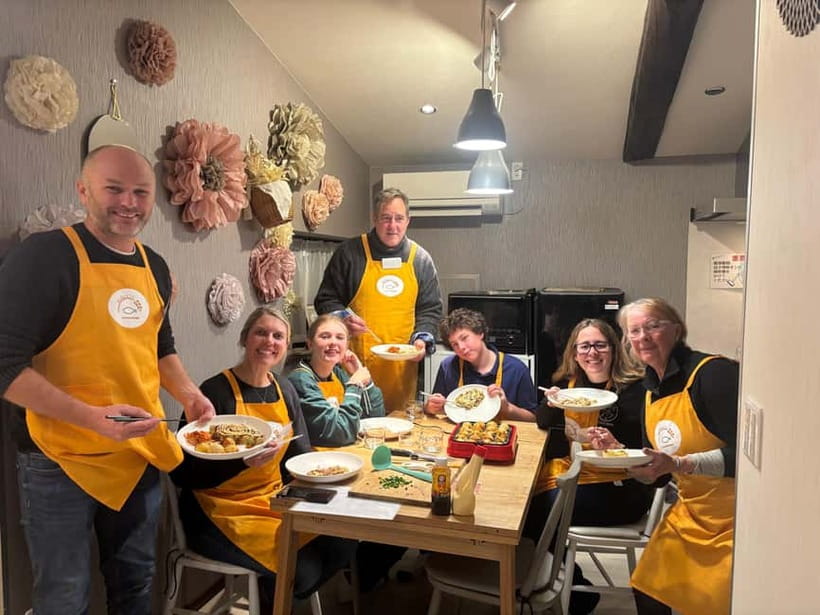
A great snack turns into a real skill. In just 1 hour, you make both takoyaki and okonomiyaki with friendly, beginner-friendly coaching. I like that it’s close to central stations, and I like that dietary adjustments are supported; one thing to keep in mind is that, like any small operation, the session quality can depend on who’s leading it, so the December 2025 instructor update matters.
Here’s the core appeal: you’re not sitting through a lecture. You’re cooking at your own pace, then eating what you made in a relaxed setup.
In This Review
- Key Points to Know Before You Cook
- Kyoto Cooking in One Hour: Takoyaki Plus Okonomiyaki
- Where You’ll Go (and How Easy It Is)
- The Class Flow: What Happens During the Hour
- Why Takoyaki and Okonomiyaki Together Works
- Dietary Options: How Flexible Is It, Really?
- The Instructor Experience: Friendly Coaching (and the December 2025 Upgrade)
- Price and Value: Is $56 Worth It?
- Who Should Book This Cooking Class?
- Practical Tips to Get the Most From Your Hour
- Quick Reality Check: What to Watch For
- Should You Book It?
- FAQ
- How long is the cooking class?
- What dishes will I make?
- How much does it cost?
- Where is the meeting point?
- How do I get there from Shijo or Karasuma Station?
- Do you offer gluten-free, vegan, or halal-friendly options?
- What dietary information should I provide?
- What’s included in the price?
- What languages are the instructors?
- Is there a cancellation policy?
Key Points to Know Before You Cook
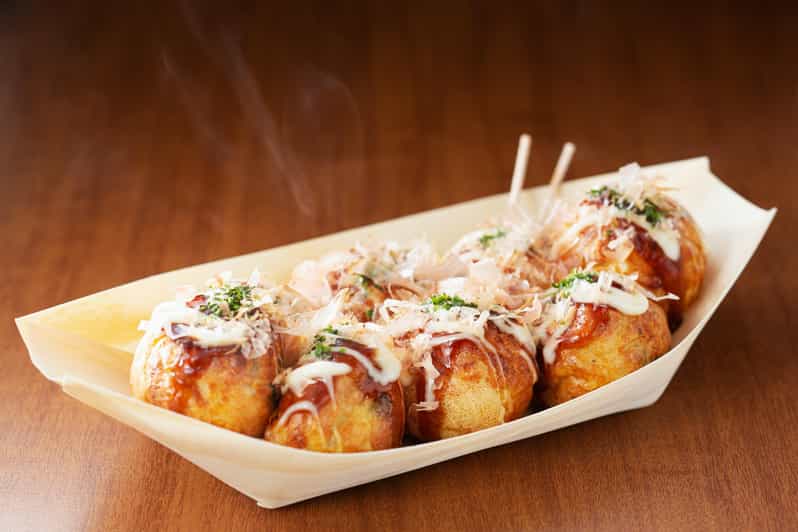
- Two classic Kansai comfort foods in one short session: takoyaki and okonomiyaki
- Small group size (max 6) keeps the pace friendly for beginners
- Central meeting area: about a 10-minute walk from Shijo or Karasuma Station
- Dietary flexibility: gluten-free, vegan, and halal-friendly ingredients are available if you request
- December 2025 improvement: classes are led or supervised by experienced instructors for smoother timing
- What you get: ingredients plus aprons and utensils rental, so you can focus on cooking
Kyoto Cooking in One Hour: Takoyaki Plus Okonomiyaki
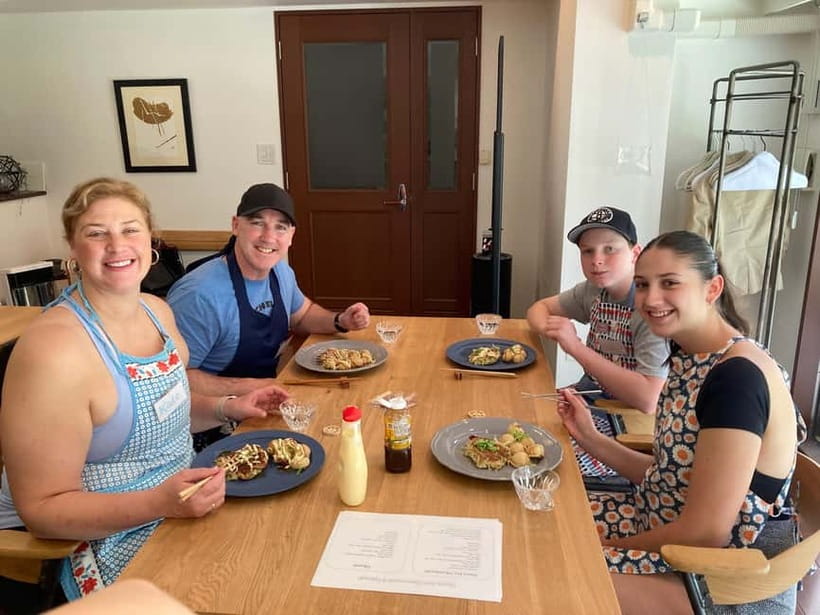
If you want Kyoto food culture without committing a whole afternoon, this class fits nicely. The concept is simple: you learn by doing. In a single hour, you make two of the most recognizable Japanese comfort foods, especially loved in the Kansai region.
Both dishes have deep everyday roots. Okonomiyaki has been around since the Taisho era (1912–1926), and takoyaki dates to the Showa era (1926–1989). That matters because these aren’t “museum foods.” They’re the kind of dishes people eat because they’re fun, shareable, and satisfying.
This is also a smart choice if you’re traveling with mixed food confidence. One person can be comfortable cooking already, while the other just wants to not mess things up. With up to 6 people, the class stays small enough for guidance to actually land.
Roll up your sleeves for another Kyoto cooking class

Where You’ll Go (and How Easy It Is)
Location is part of the value here. The meeting point is within about a 10-minute walk of either Shijo Station or Karasuma Station, which is about as convenient as it gets in central Kyoto. If you’re coming from JR Kyoto Station, plan roughly 15 minutes by train or bus plus a short walk.
You’re also about a 15-minute walk from Nishiki Market, so you can pair this with a food stroll before or after if your schedule is tight. The practical meeting detail: take the elevator to the third floor and press the doorbell for 302.
The Class Flow: What Happens During the Hour
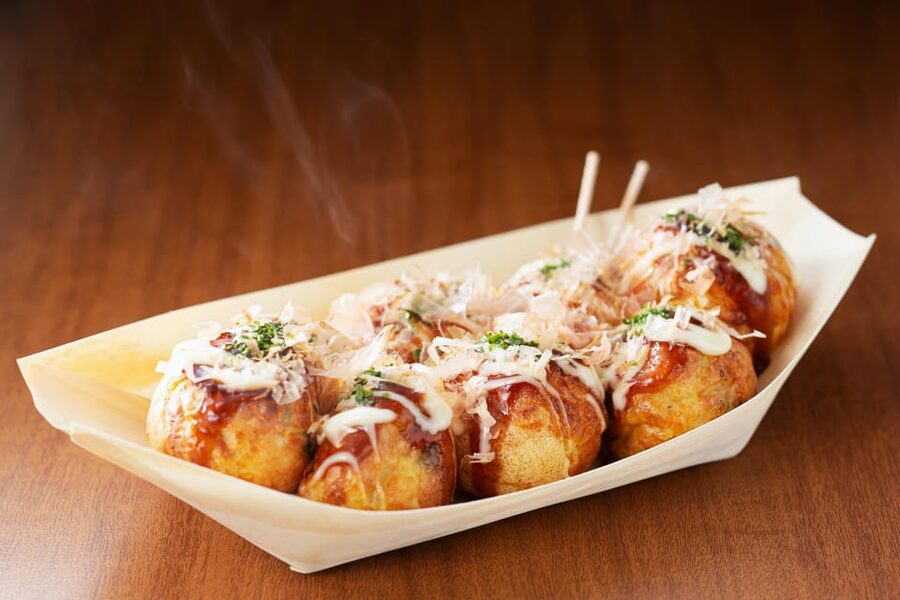
You’re making two dishes, and the format stays hands-on rather than lecture-heavy. Think of it as a guided cooking session where you follow the instructor’s direction, prep and cook at your own pace, and ask questions as you go.
Because the class is only 1 hour, the timing is intentionally compact. The December 2025 update is important here: classes are now led or supervised by experienced instructors, and the flow has been refined so you can cook comfortably within the time limit.
A typical rhythm you can expect:
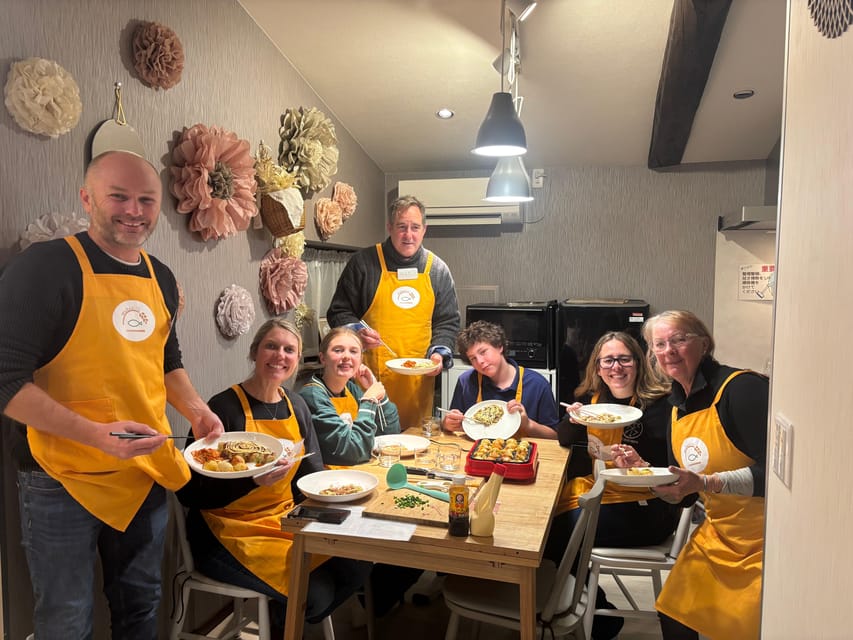
- You get set up with aprons and utensils, plus the ingredients for the dishes.
- You work through the steps for takoyaki and okonomiyaki, with ongoing help from the instructor when you need it.
- Once the cooking finishes, you sit down in a casual atmosphere and eat what you made.
That last part is underrated. Many cooking classes teach you how to cook but don’t make room for the enjoyment. Here, there’s space to relax and actually taste your food while it’s still fresh.
Why Takoyaki and Okonomiyaki Together Works
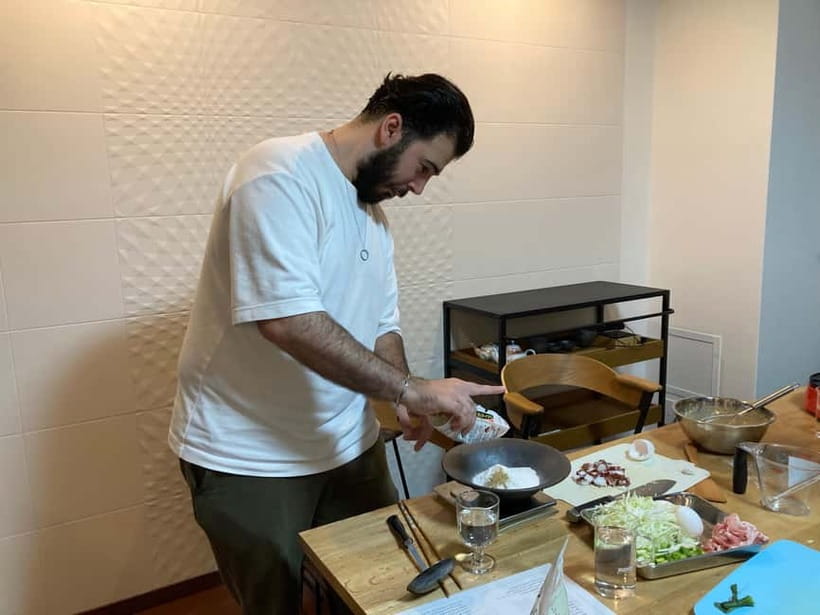
Making two dishes in one session isn’t just efficient. It’s also practical because the learning curve is shared. You’ll handle similar core cooking tasks and move through comparable kitchen motions, which helps your brain connect the dots faster.
Takoyaki is the “octopus ball” you see around Japan, while okonomiyaki is the savory, pancake-style comfort food with toppings and personality. Pairing them is a quick way to understand two sides of Japanese street-food thinking: one is snackable and round, the other is more like a griddled meal where you build flavor.
One person-friendly bonus from the small-group format: if you get a setup with only two participants, you can ask more questions and get more direct coaching. Even if your group is full at 6, you’re still close enough for the instructor to notice when something needs correcting.
Dietary Options: How Flexible Is It, Really?
This experience is specifically set up for gluten-free, vegan, and halal-friendly options, plus allergy-safe support if you report it when booking. The key detail is that you need to tell them in advance. They adjust ingredients accordingly based on what you request.
If you’ve ever struggled to find Japanese cooking classes that can handle dietary needs without making you feel like a problem, this one is built to help. That’s especially useful in Kyoto, where it’s easy to assume everything is “standard Japanese” and ends up not working for your needs.
Practical advice: include every restriction clearly when you book. If you’re unsure how your allergy translates into Japanese ingredient categories, just be specific about what you must avoid.
Other Kyoto tours and experiences to compare


The Instructor Experience: Friendly Coaching (and the December 2025 Upgrade)
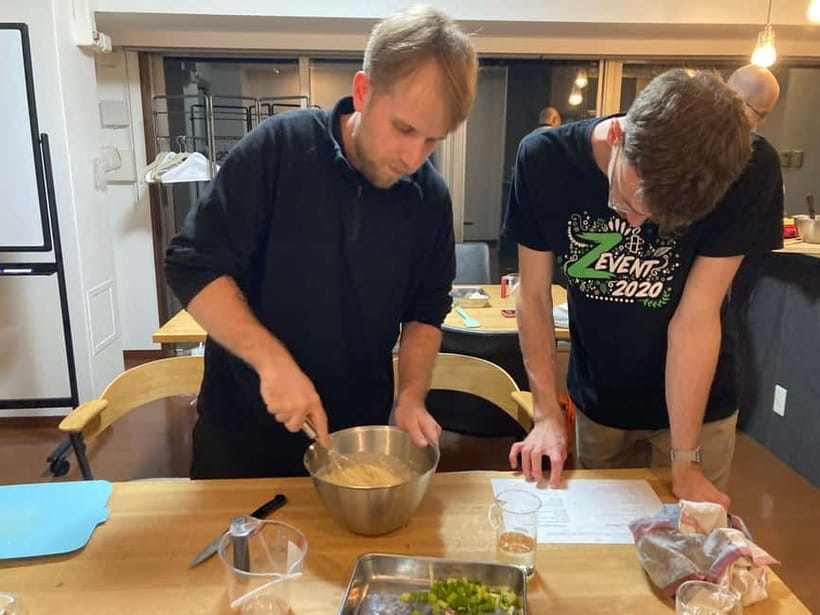
Most of the appeal here is human. Small-group cooking works best when the instructor is approachable and keeps the session moving. You’ll get instruction in English and Japanese, and the teaching style is designed to be beginner-friendly rather than strict or intimidating.
In one example, the instructor was named Marie, described as very kind and cheerful during the session. That kind of energy matters because it lowers the anxiety level. When you’re cooking with unfamiliar tools and unfamiliar techniques, calm guidance helps you actually enjoy the process.
At the same time, one drawback surfaced in an earlier session: a host being late and the class feeling less prepared. That’s exactly why the December 2025 update is worth noting. With classes now led or supervised by experienced instructors, you should expect a more reliable, planned flow—especially for a one-hour format where there’s no room for delays.
Price and Value: Is $56 Worth It?
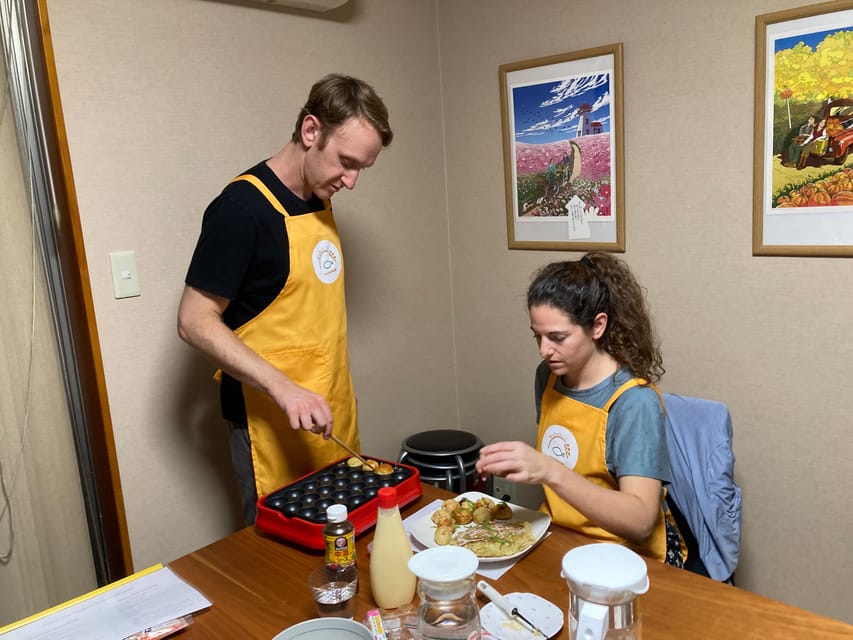
At $56 per person, you’re paying for more than ingredients. You’re paying for:
- an instructor who guides you through two dishes in a compressed hour
- aprons and cooking utensils rental
- ingredients for lunch or dinner-sized food (the class is structured around that kind of portion)
For comparison, a single “take-a-stroll-and-eat” food experience might not teach you anything you can reproduce at home. This one gives you a hands-on outcome you can remember—and repeat—because you actually cooked.
Where value can vary is in what you expect from cooking classes. If you want a deep technical masterclass (lots of theory, long timing, or advanced pastry-level detail), one hour may feel short. If you want a fun, friendly, doable introduction to Japanese comfort food, the price-to-time ratio makes sense.
Who Should Book This Cooking Class?
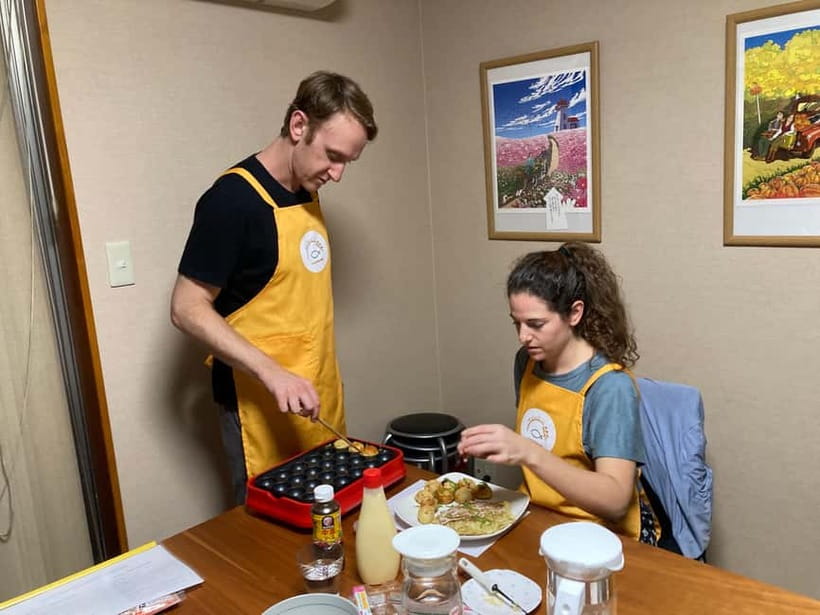
I think this is a great fit if you:
- are new to Japanese food and want a friendly first kitchen win
- want a short activity that still feels interactive
- prefer central logistics over long commutes
- need dietary accommodations (gluten-free, vegan, halal-friendly, or allergy needs)
- like the idea of learning Kansai classics you can later find and recognize on menus
It may be less ideal if you’re looking for a longer, more serious culinary workshop with heavier technique breakdown. In that case, you might want a longer class in Kyoto that gives more time for mastering steps.
Practical Tips to Get the Most From Your Hour
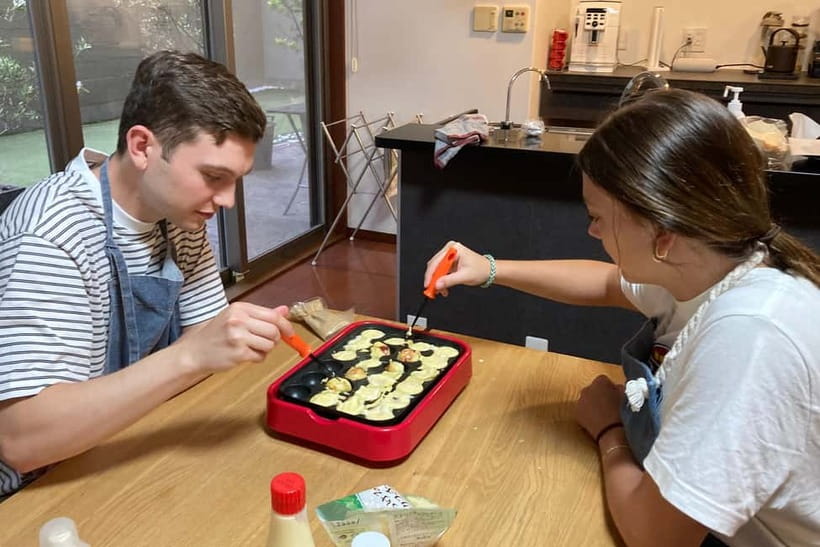
First, come ready to cook. Even with aprons, you’ll be handling ingredients and moving around a small workspace. If you’re wearing something delicate or restrictive, consider changing beforehand.
Second, ask questions early. With only 1 hour and a maximum group of 6, the best moments to learn are at the start—when you can correct your approach before you’re halfway through the cooking.
Third, if you have dietary needs, double-check your request after booking. The class supports gluten-free, vegan, and halal-friendly ingredients, but it depends on clear communication at the time of booking.
Finally, build your schedule buffer. Central Kyoto is busy, and finding third-floor doors can take an extra minute if you’re distracted by signage, crowds, or photos. Give yourself a tiny cushion so you can arrive relaxed.
Quick Reality Check: What to Watch For
The class is designed to be beginner-friendly, but it’s still real cooking with real tools. If you have low confidence in kitchens, just know that the small-group format and instructor guidance are there to help you through.
The other “watch for” item is timing. Because it’s only an hour, any delays can shrink the time you have to cook and eat comfortably. The December 2025 update (experienced instructors leading or supervising) is the best signal that this should be smoother now than in the past.
Should You Book It?
Yes, if you want a short Kyoto activity with real payoff. This is one of those experiences that turns a trip into a skill you can carry home. The combination of hands-on cooking, small group size, dietary support, and central location makes it a strong value at $56.
I’d book it especially if:
- you’re traveling on a tight schedule
- you need gluten-free, vegan, or halal-friendly options
- you want a friendly, non-intimidating introduction to two Kansai staples
Skip it only if you’re looking for a longer, more technical class where you can practice until it feels perfect. For everything else—this is a fun, practical way to eat Kyoto like you’re part of the kitchen.
FAQ
How long is the cooking class?
It lasts 1 hour.
What dishes will I make?
You’ll cook both takoyaki and okonomiyaki.
How much does it cost?
The price is $56 per person.
Where is the meeting point?
Take the elevator to the third floor and press the doorbell for 302.
How do I get there from Shijo or Karasuma Station?
It’s about a 10-minute walk from either Shijo Station or Karasuma Station.
Do you offer gluten-free, vegan, or halal-friendly options?
Yes. Gluten-free / vegan / halal-friendly options are available if you request them at booking.
What dietary information should I provide?
Let them know about any restrictions or allergies at the time of booking so the ingredients can be adjusted accordingly.
What’s included in the price?
The cost includes the experience, ingredients (for lunch or dinner food), and aprons and cooking utensils (rental).
What languages are the instructors?
Instruction is available in English and Japanese.
Is there a cancellation policy?
There’s free cancellation up to 24 hours in advance for a full refund.
More Cooking Classes in Kyoto
More Tour Reviews in Kyoto





More Kyoto Cooking Classes

Just added: more Kyoto tours to browse








Kyoto Cooking Classes, compared.
 ★ 5.0Ramen Cooking Class at Ramen Factory in KyotoFrom $1311,937 reviews
 ★ 5.0Sushi Making in Kyoto! Same-day bookings welcome!From $53713 reviews
 ★ 4.9Ramen Cooking Class at a Ramen Factory with SouvenirFrom $127532 reviews
 ★ 5.0Ramen, Gyoza, and Onigiri Cooking ClassFrom $90445 reviews
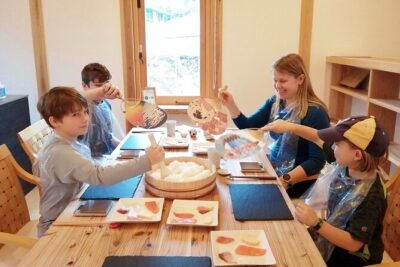 ★ 5.0The Original Small-Group Sushi Making Class in KyotoFrom $69436 reviews
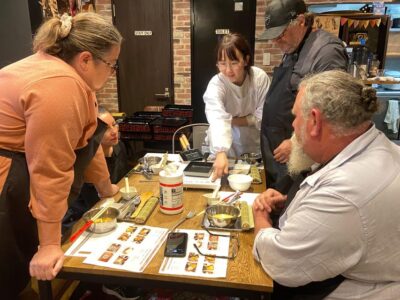 ★ 5.0Japanese Washoku Bento Small Group Cooking ClassFrom $58380 reviews
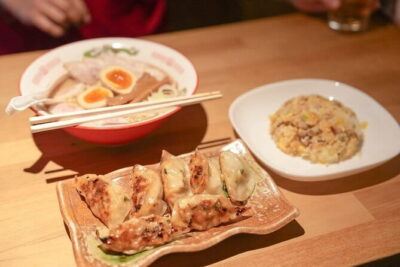 ★ 5.0Kyoto Ramen and Gyoza Cooking Class with Professional ChefsFrom $86282 reviews
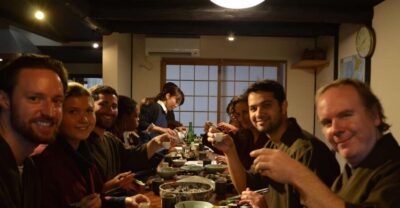 ★ 4.9Afternoon Japanese Izakaya Cooking ClassFrom $67241 reviews
Browse the lists this tour appears in