
Reviewed · FUSHIMI INARI SHRINE TOURS
Kyoto: Half-day Guided Bike Tour with Fushimi Inari
Orange torii on a bike sounds too fun. This half-day ride threads together South Kyoto’s highlights and quieter backstreets, ending at Fushimi Inari without rushing you all day.
I especially like the start: you get UNESCO-listed Toji and Japan-scale temple sights early, while your legs and eyes are fresh. I also like that the route keeps you moving between rivers, alleyways, and temple gates, with time for real photo stops, not just quick glances.
One thing to plan for: this is still a bike tour. If you can’t comfortably ride a bike (or you deal with back problems), it’s not a good fit, and you’ll be happier with an e-bike upgrade if you want extra help on the way.
In This Review
- Key highlights that make this tour work
- The real appeal: South Kyoto, stitched together by bike
- Price and logistics: what you’re really paying for
- Before you roll: the safety briefing that sets the tone
- Toji: where the tour begins with Kyoto’s heavyweight temple energy
- Higashi-Honganji: big scale, calm explanations, and a real sense of place
- The ride along Takase Canal and Kamo River: your natural breather
- Gion backstreets: where the geisha district feels human
- Tofukuji photo stop: perfect timing for Kyoto’s slower mood
- Fushimi Inari Taisha: torii gates without the full-day chaos
- How long is the ride, really?
- Guides make the difference: names to remember and what to expect
- Who this bike tour is perfect for
- Getting the most out of it: my practical advice before you go
- Should you book Kyoto: Half-day Guided Bike Tour with Fushimi Inari?
- FAQ
- How long is the Kyoto half-day bike tour?
- What is included in the price?
- Is an e-bike available?
- Where do I meet the tour?
- What age is required?
- Can I cancel for a full refund?
Key highlights that make this tour work
- Toji first, then Higashi-Honganji: big, meaningful temple stops early in the ride
- Gion backstreets, not just the postcard lanes: you get a different feel for the geisha district
- River and canal breaks: a breather between major sights
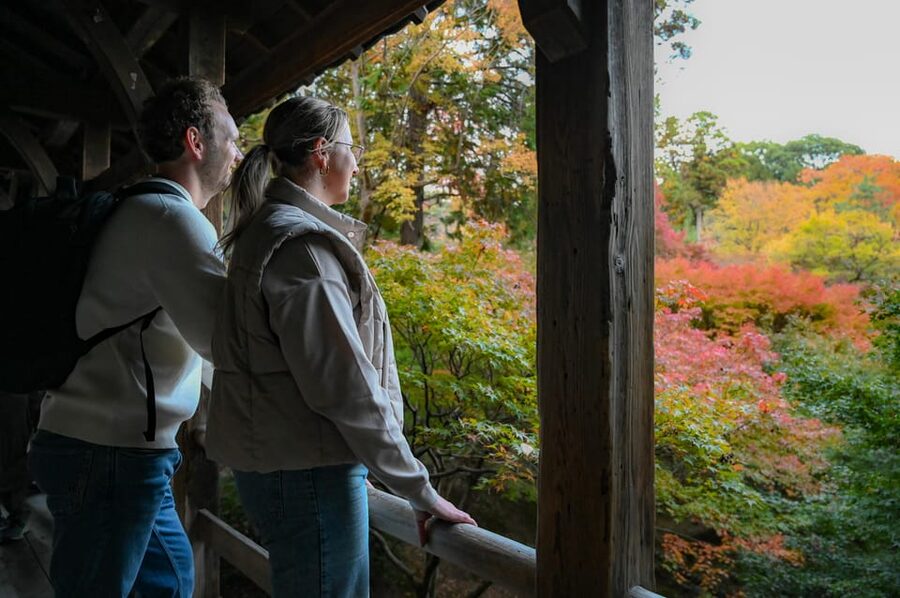
- Tofukuji photo time: enough pause to step into that Kyoto stillness
- Fushimi Inari torii gates on a guided route: see more with less stress
- Small group of up to 8: easier pacing and more personal attention from guides like Jay, Julian, Indra, Sean, Juan, and Mayco
The real appeal: South Kyoto, stitched together by bike
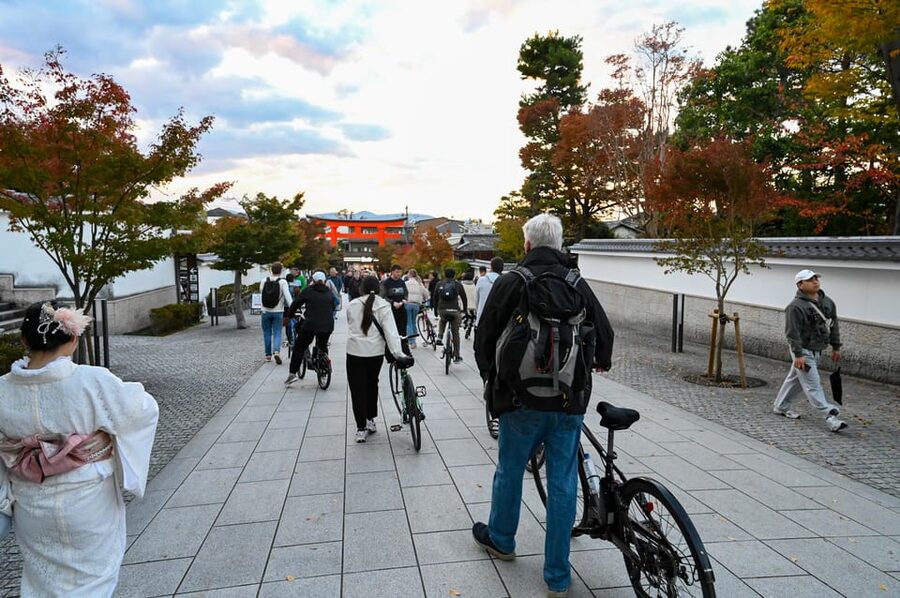
Kyoto can be overwhelming in the best way. Too many shrines, too many lanes, and suddenly you’re standing in front of another gate with no idea how it all connects. This tour solves that by doing the hard part for you: it links temples, river areas, and Gion neighborhoods into one smooth half-day loop.
What makes it especially satisfying is the mix of “big-name” Kyoto and quieter angles of the same story. You hit the UNESCO site of Toji, then the massive scale of Higashi-Honganji, then you slide down toward the moodier, older-feeling streets around Gion. The bike helps you cover ground fast enough to make it feel like a mini itinerary, not a checklist.
And since the group is capped at 8, you’re not fighting for space or waiting forever. That matters around photo stops and at the most visited spots.
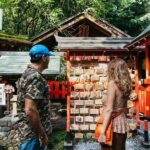
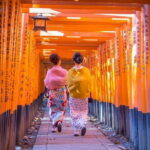
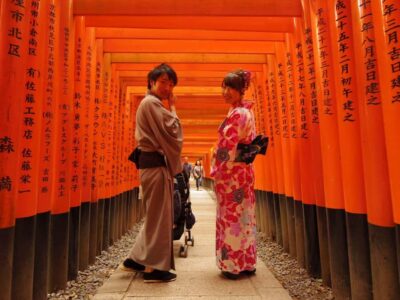
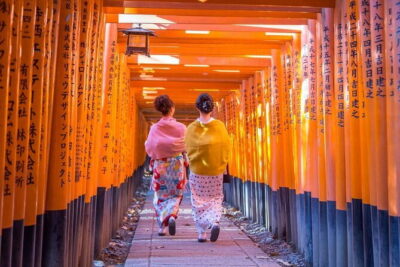
More walks up through the vermilion torii of Fushimi Inari

Price and logistics: what you’re really paying for
At $77 per person for about 210 minutes, you’re paying for three things: (1) a working bike setup, (2) an English-speaking guide, and (3) guided movement between multiple major sights.
Here’s what’s included: bicycle rental, helmet, guide, and water. Meals are not included, so plan a snack or a real meal before or after your tour. You’ll also want comfortable shoes and clothing that can handle cool mornings or breezy river time.
E-bike option: if you want help (or you just don’t want to think about hills and distance), e-bikes are available for an upgrade of 3000 yen. In practice, this can be the difference between a relaxing ride and a “let’s just get it done” ride.
The meeting point is also straightforward once you picture it. From Kyoto JR Station, go past Avanti, cross one set of traffic lights, then after the Daily Yamazaki convenience store take the next left to reach the shop area at Cycle Kyoto. If you’re prone to getting turned around in station districts, give yourself a few extra minutes.
Before you roll: the safety briefing that sets the tone
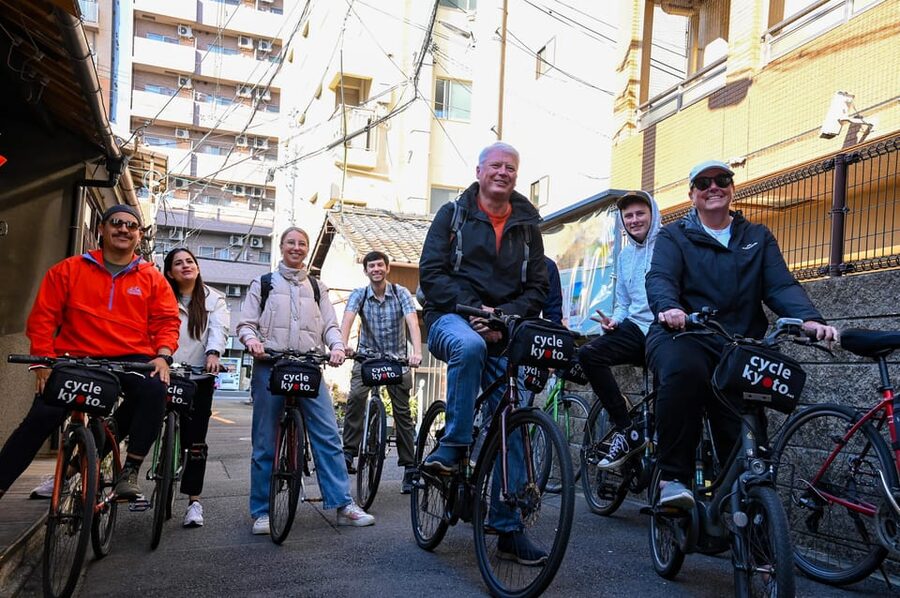
You start with a 15-minute safety briefing, which is more than a formality. In Kyoto, even on calmer streets, you’ll share road space with local traffic and cyclists. A good briefing helps you understand where the group will pause, how to handle crossings, and what the guide expects on tight turns.
The tour also provides a small pouch on the bike for personal items. That’s helpful because it means you don’t have to carry everything on your body while you’re busy taking photos or adjusting your camera.
Minimum age is 13, and it’s not set up for people who can’t ride. If you’re a confident rider, you’ll likely feel comfortable with the pace. If you’re unsure, consider asking for an e-bike upgrade rather than hoping it will be fine.
Toji: where the tour begins with Kyoto’s heavyweight temple energy
Toji is the kind of start that makes the rest of the tour feel meaningful. It’s not just another temple stop. It’s the UNESCO heritage site and described as Kyoto’s oldest temple—and early in the morning, that status hits harder.
This first guided segment lasts about 35 minutes, which gives you time to orient yourself, learn what to notice, and take a few photos without feeling like you’re being rushed. The guide’s role here is important: they help you connect what you’re seeing with why it matters in Kyoto’s religious and cultural rhythm.
A small practical note: when you start with a major sight, it also gives you time to “get your Kyoto legs” before you move into the narrower-feeling backstreets later.
Possible drawback: because Toji is a flagship site, the area can feel more structured than the later neighborhoods. That’s not a problem—just a reminder that the vibe shifts as the tour goes on.
Higashi-Honganji: big scale, calm explanations, and a real sense of place
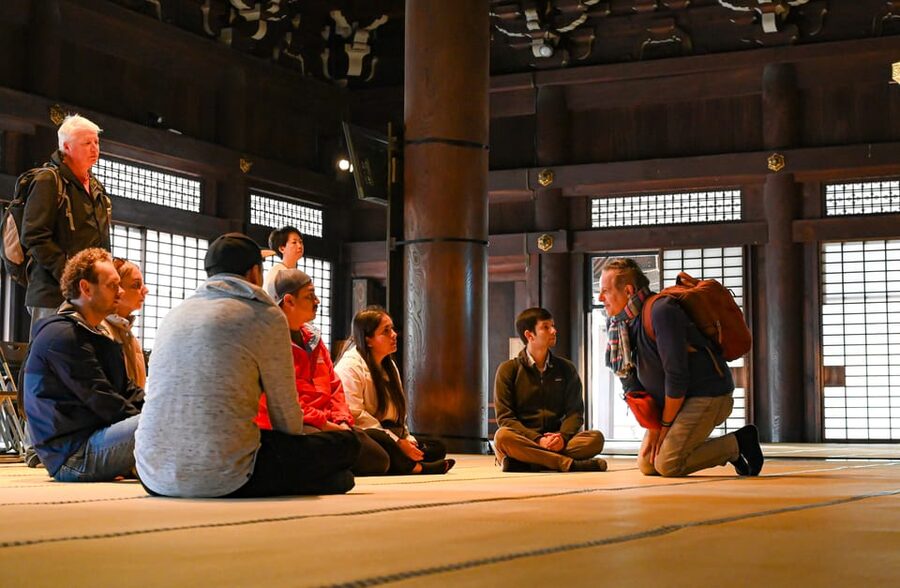
After Toji, the route moves to Higashi-Honganji, one of Japan’s largest temples. This stop is also guided for about 35 minutes, so you’re not stuck on a fast platform where everything feels like random statues and signs.
What I like about starting with two heavy hitters back-to-back is that you’re less likely to lose the plot. You’re learning how different temples function in daily life and sacred space, not just hopping from landmark to landmark.
And from the guide names you’ll see in the tour history—people like Indra and Julian—there’s a pattern: they focus on what you can spot and what it means, not just dates and facts. If you want context for Kyoto’s temple architecture and the everyday seriousness around it, this is a good fit.
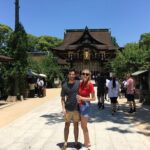
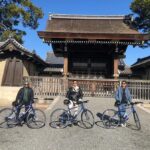
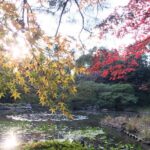
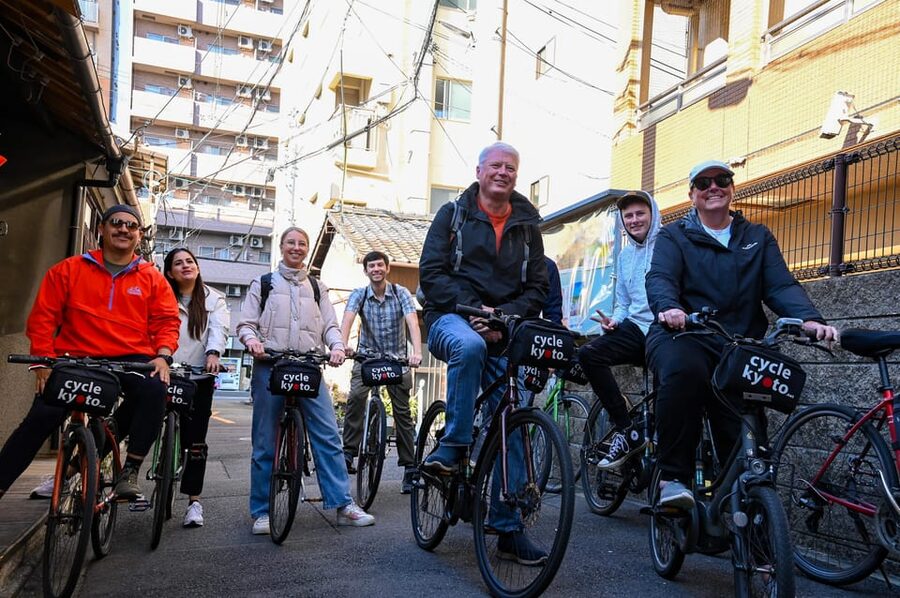
More of Kyoto at handlebar pace


The ride along Takase Canal and Kamo River: your natural breather
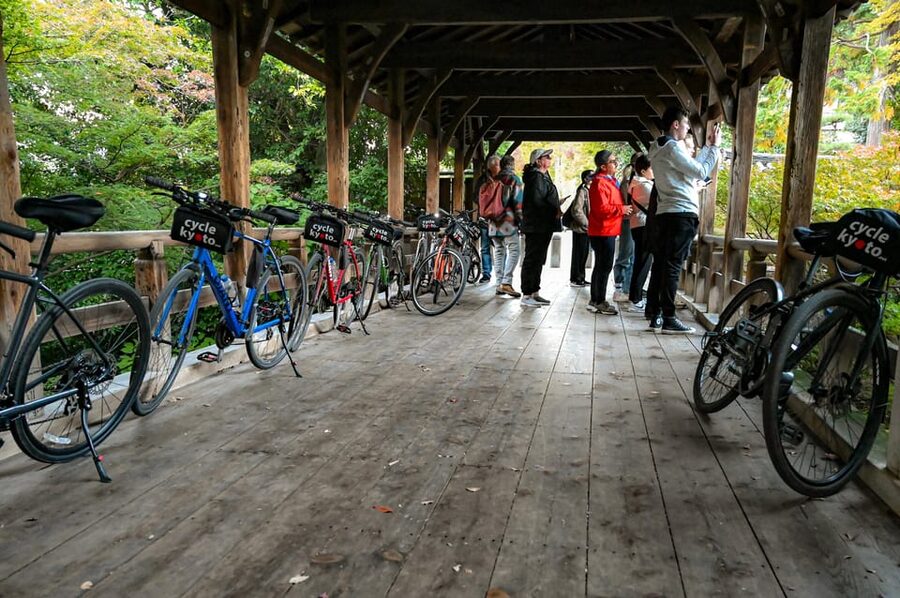
Between temple intensity and alleyway charm, the tour gives you a rhythm break.
You stop at the Takase Canal for about 10 minutes, then along the Kamo River for about 15 minutes. This isn’t just scenic time. It’s where you get a sense of how locals move through Kyoto’s riverside areas—open space, softer walking paths nearby, and generally a more relaxed pace than the busiest sight corridors.
It also helps physically. Even if you’re comfortable biking, the first couple of stops can add tension from standing and walking. These river breaks let your shoulders and breathing settle before you head into Gion’s more intricate lanes.
Gion backstreets: where the geisha district feels human
Gion is famous for a reason, but the usual experience can become a photo sprint. Here, you get something better: backstreets of Gion with guided context and a calmer route.
The Gion segment runs about 30 minutes, which is enough time to feel you’re in a neighborhood, not just passing through. You’ll also notice how the streets shift from wider temple approach areas into tight lanes where shopfronts, wooden facades, and small details become the story.
This is also where a good guide really changes the experience. Guides such as Jay and Sean are specifically noted for making people feel comfortable and explaining what you’re seeing. That’s what you want in Gion: a way to look past the obvious and understand the cultural layer you’re standing in.
Practical tip: if you’re bringing a camera, Gion is a good place for a steady lens or careful framing. The light can be pretty, but the streets also mean you’ll be shooting while moving, so don’t make it too complicated on the spot.
Tofukuji photo stop: perfect timing for Kyoto’s slower mood
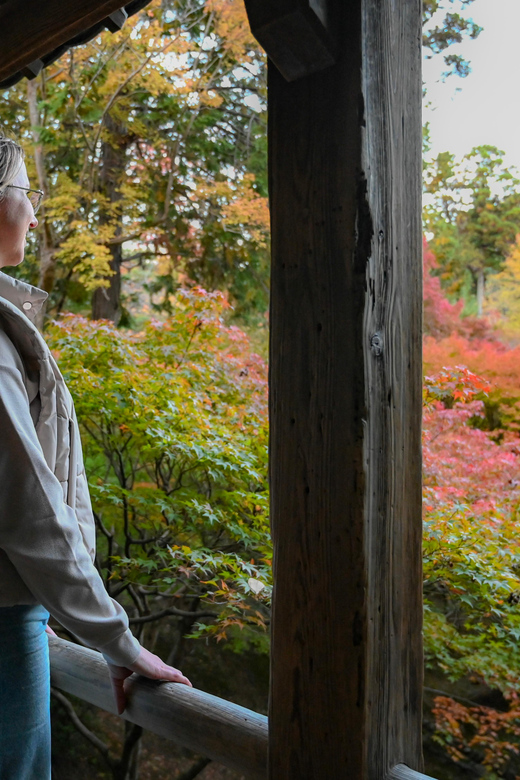
Next comes Tofukuji Temple with a 30-minute photo stop. This is a different style of segment than the earlier guided temple walks. Think of it as a dedicated window to slow down, step into the scenes, and take your time getting angles right.
Tofukuji is known for its visual drama, and this stop is positioned after Gion, so your brain is primed for atmosphere. You’ve had alleyway impressions; now you get temple quiet—wide spaces and classic compositions that photograph well.
Possible drawback: a photo stop is only as good as your willingness to wander a little. If you rush straight to the first view and stop, you may miss the variety. Bring your patience for this one. You won’t be there all day, so use the time intentionally.
Fushimi Inari Taisha: torii gates without the full-day chaos
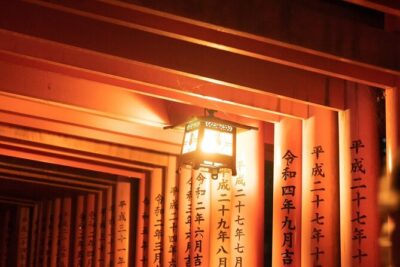
Then you roll into the grand finale: Fushimi Inari Taisha, guided for about 45 minutes. This is described as Japan’s most visited attraction, and it’s easy to understand why—thousands of orange torii gates make the place feel like you’re walking through a visual tunnel.
The guided portion helps because the gates can be deceptively overwhelming. Without context, you can end up circling the same areas or feeling like you have to keep moving just to stay “on track.” With a guide, you can focus on what matters most for your visit length.
This is also where the bike tour format adds value. You arrive as a small group, you’re moving through Kyoto efficiently, and you’re not spending your whole day in transit. You get the iconic experience with a stronger sense of route and timing.
Small practical consideration: Fushimi Inari is popular. Even with a guide, there can be crowds. If you want the calmer-feeling moments, keep your pace steady and be ready to shift your attention from the most obvious gate line to the side views your guide points out.
How long is the ride, really?
The duration is 210 minutes, and the itinerary includes several guided segments and short visits between major stops. One review notes you might bike more than 15 km, which sounds right for a half-day loop that also includes extended time at temples.
In other words, you’re not doing a workout race. But it is also not a pure sightseeing stroll. Wear shoes you can walk in for a while, and bring a camera you can access quickly without fumbling.
If you’re unsure about your stamina, that’s when an e-bike upgrade can make the tour feel much more relaxed. You keep the experience and reduce the “ride stress.”
Guides make the difference: names to remember and what to expect
This tour’s reviews point to guides who bring Kyoto alive with practical explanations and an easygoing vibe. I’ve seen a pattern of strong leadership from people like Jay, Julian, Indra, Sean, Juan, and Mayco.
The best guides here do two things:
- They help you notice what you’d otherwise overlook.
- They keep the group moving at a pace that works for real people, not just the schedule.
If you’re the type who likes to ask questions in plain language, this format usually rewards you. The English guidance style described across the tour experiences suggests you can get more than surface facts.
Who this bike tour is perfect for
This is a strong match if you:
- Want a fast way to see South Kyoto’s major sights without hopping between buses and taxis all day
- Enjoy biking and feel comfortable navigating city streets
- Want guided context for temples and cultural spaces, not just photos
- Prefer a small group (up to 8) and a manageable pace
It’s a weaker fit if you:
- Have back problems or need medical-friendly alternatives
- Can’t ride a bike confidently
- Are traveling with kids under 13 (public tour minimum)
- Expect meals to be part of the experience (they aren’t)
Getting the most out of it: my practical advice before you go
Bring warm clothing and plan for the fact that river areas can feel cooler. Even in comfortable seasons, Kyoto’s outdoor time adds up when you’re stopping and standing.
Also bring:
- Sunscreen (you’ll be exposed during riding and stops)
- A camera (Gion and Fushimi Inari are photo-heavy)
- Comfortable clothes you can move in on a bike
A useful mindset: treat this tour like a guided “story route.” When the guide explains a temple or a street, you’re not just learning trivia—you’re building a mental map you can reuse later when you wander on your own.
Should you book Kyoto: Half-day Guided Bike Tour with Fushimi Inari?
If you want a smart half-day plan that hits Kyoto’s icons plus meaningful neighborhoods, I’d book it. $77 buys you transportation (bike + helmet), guided time, and access to places that are easier to understand with an organized route.
Book it especially if:
- You like guided walks but want the freedom of covering ground by bike
- You want Fushimi Inari’s torii gates without turning it into an all-day grind
- You’d rather spend your energy on photos, river views, and temple moments than on figuring out logistics
Skip it if you’re not comfortable biking, because this tour assumes you can ride and enjoy the movement between stops.
FAQ
How long is the Kyoto half-day bike tour?
The tour runs for about 210 minutes, with a 15-minute safety briefing and guided/stop time at Toji, Higashi-Honganji, Gion, Tofukuji, and Fushimi Inari.
What is included in the price?
The price includes a bicycle rental, helmet, a live English-speaking guide, and water. Meals are not included.
Is an e-bike available?
Yes. E-bikes are available upon request for an upgrade fee of 3000 yen.
Where do I meet the tour?
Meet at Cycle Kyoto. From Kyoto JR Station, go past Avanti, cross one set of traffic lights. After the Daily Yamazaki convenience store, take the next left.
What age is required?
The minimum age for the public tour is 13.
Can I cancel for a full refund?
Yes. You can cancel up to 24 hours in advance for a full refund.
More Tour Reviews in Kyoto





More of Kyoto by Bike
Fushimi Inari, a Few More Ways
Just added: more Kyoto tours to browse








Fushimi Inari Shrine Tours, compared.
 ★ 4.8Fushimi Inari, Kinkakuji, Bamboo Grove 1 Day Bus TourFrom $1224,316 reviews
 ★ 5.0Fushimi Inari Hidden Hiking Tour (Private Option Available)From $631,750 reviews
 ★ 4.7Kyoto/Osaka: Nara, Fushimi Inari Taisha, Arashiyama Bus TourFrom $521,275 reviews
 ★ 4.4Osaka/Kyoto: Arashiyama, Nara & Fushimi Inari Shrine w/LunchFrom $61754 reviews
 ★ 4.7Nijo Castle, Kiyomizu & Fushimi Inari Guided TourFrom $54700 reviews
 ★ 5.0Nijo, Kinkaku-ji, Arashiyama, Kiyomizu & Fushimi InariFrom $51699 reviews
 ★ 5.0Kyoto Fushimi-Inari Night Walking TourFrom $43320 reviews
 ★ 4.93-Hour Fushimi Inari Shrine Hidden Hiking TourFrom $72270 reviews
Browse the lists this tour appears in