
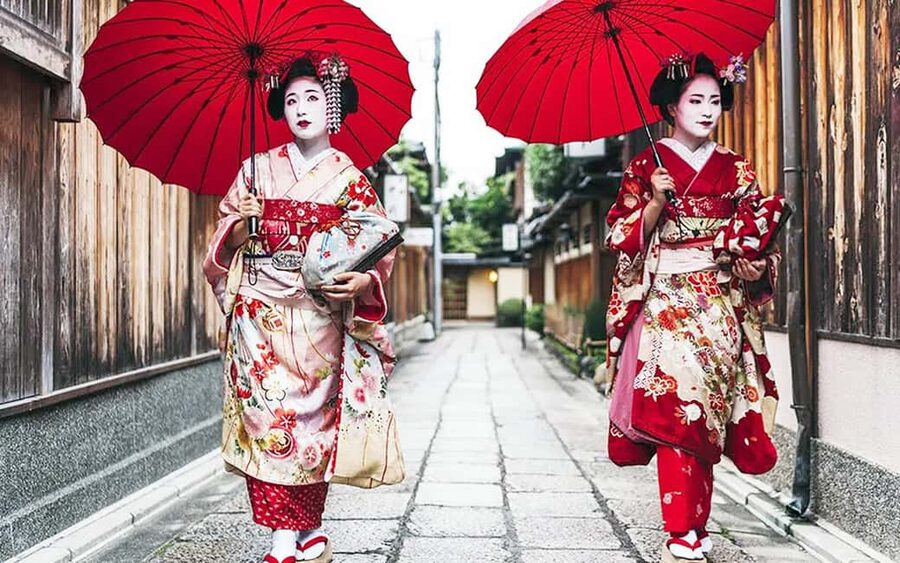
Reviewed · GION & GEISHA DISTRICT TOURS
Kyoto: Gion Hidden Gems & Geisha Culture Tour
Kyoto at night turns Gion into theater. This 2-hour Gion culture walk mixes a real shot at a geisha glimpse with visits to an old shrine scene and the kind of quiet lanes you don’t easily find on your own. I also like how the tour teaches what geisha life actually means, including the strict training and the craftsmanship behind kimonos, hairstyles, and performances.
One possible drawback: it’s a walking tour, and it isn’t suitable for mobility impairments or wheelchair users.
In This Review
- Key highlights you’ll care about
- Meeting at Macdonald Shijo Ohashi: starting smoothly in busy Kyoto
- Shirakawa Canal: the photo stop that sets the mood
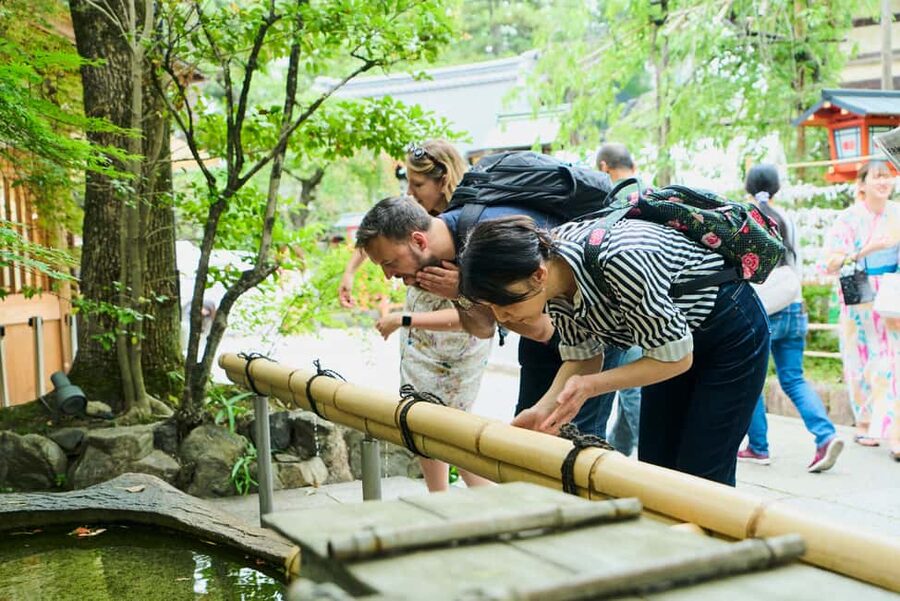
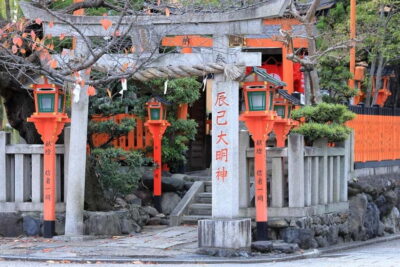
- Tatsumi-jinja and Yasaka Shrine: old Kyoto’s meaning in walking form
- Edo-era townhouses and the quieter lanes you came for
- Yasui Kompira-Gu Shrine and the last walk toward Hanamikoji-dori
- Geisha culture, explained without the awkward stuff
- Guide quality: why this tour feels different from a basic stroll
- Price and value: $23 for a 2-hour culture plan that actually pays off
- Practical tips so you enjoy it instead of rushing it
- Who should book this Gion tour (and who shouldn’t)
- Should you book this Kyoto Gion Hidden Lanes tour?
- FAQ
- Where do I meet for the tour?
- What is the tour duration?
- Is the tour in English?
- Can I use flash photography?
- Will the tour run if it’s raining?
- Is it suitable for wheelchair users or people with mobility impairments?
Key highlights you’ll care about
- Gion at night: a calmer feel as the crowds thin out and evening plans begin
- Shirakawa Canal photos: willow-lined, stone-path scenery that looks good even in rain
- Ancient shrine stop: a chance to connect Kyoto’s old timeline to Gion’s traditions
- Edo-period townhouses and preserved streets: less-spread-out sights, more variety
- Geisha culture explained in plain terms: training, dances, and how kimonos get made
- Strong guide energy: lots of Q&A and practical local tips after the walk
Meeting at Macdonald Shijo Ohashi: starting smoothly in busy Kyoto
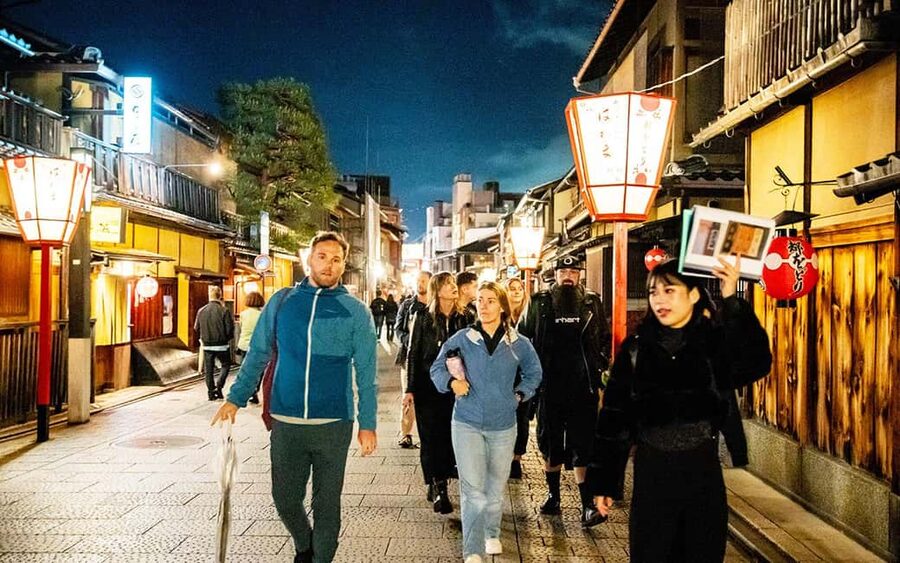
Your tour starts at Macdonald Shijo Ohashi in Kyoto, at the side of the building because the front gets crowded. Look for a guide holding a sign that says Local Guide Stars. This tiny detail matters because you want to start on time and avoid the “where is the group?” scramble.
From there, you’ll be on foot right away. The walking style here is practical: a mix of short guided segments plus photo stops, so you’re not just listening while standing in the sun. You also get the advantage of seeing how locals move through the area—slow, directional, and unhurried—especially helpful if it’s your first time in Kyoto.
A tip before you go: wear comfortable shoes and bring water and sunscreen. If you’re doing this in the warmer months, shade between stops can be limited, so you’ll feel the difference with proper shoes and hydration.
More evenings along the lantern-lit lanes of Gion


Shirakawa Canal: the photo stop that sets the mood
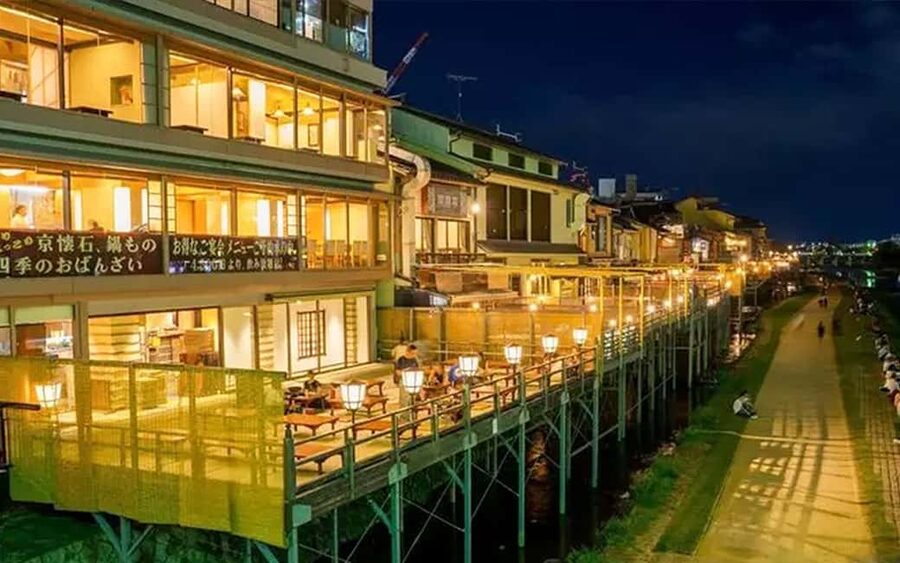
The first major scenery hit is Shirakawa Canal, where the riverside is lined with willows and traditional tea-house vibes. You’ll have time to pause, look, and take photos, but it’s not just a quick “look and go.” The guide helps you read the space—what you’re seeing, why these streets and buildings matter, and how the canal area fits into Gion’s nighttime rhythm.
Why this stop is worth it: it gives you atmosphere before the culture talk. Instead of diving straight into history, you start with a visual baseline. When later lanes feel quieter and more ceremonial, you’ll get it immediately.
Rain doesn’t cancel the tour, so if the forecast looks iffy, plan for it. A light umbrella or raincoat helps you keep moving without turning the day into soggy chaos. Also remember: flash photography isn’t the move inside temples, but outside along the canal you’ll usually be fine—just follow the guide’s cues.
Tatsumi-jinja and Yasaka Shrine: old Kyoto’s meaning in walking form
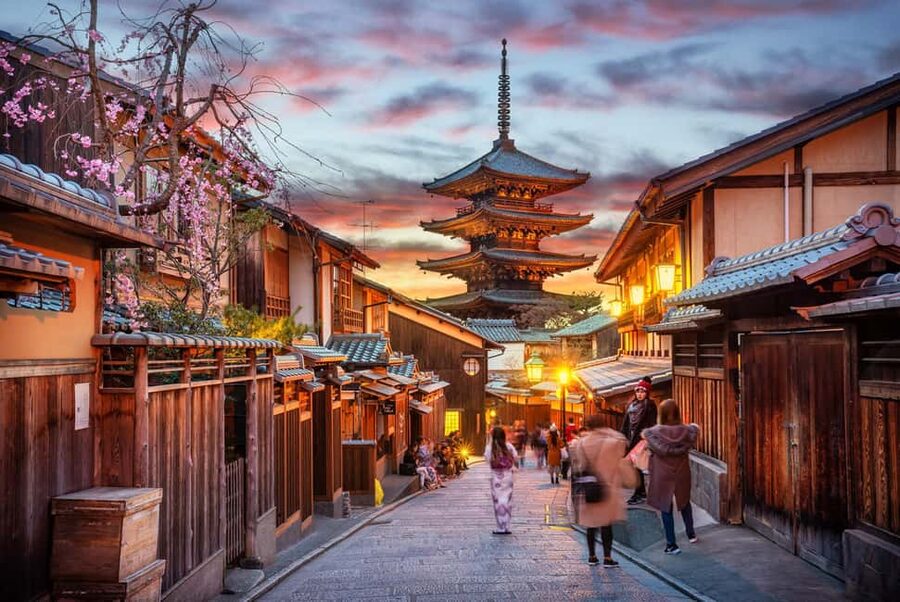
Next up you’ll visit Tatsumi-jinja Shrine and then Yasaka Shrine. These are not “big ticket” stops in the sense of a single landmark photo; instead, they work because you’re walking into them as part of a broader Gion story. The guide connects the shrine setting to Kyoto’s long timeline—there’s an emphasis on an about 1,000-year-old tradition thread, so you’re not just ticking boxes.
What I like about this approach: you get context while your feet are still on the historic streets. Shrines can feel abstract if you’re just reading signage. Here, you’re guided through what to notice and what the space is designed to communicate.
Practical note: photography is allowed, but flash is not permitted inside temples. If you’re hoping for low-light shots, plan on using your camera’s normal settings and let the guide point out the best angles instead of relying on flash.
Edo-era townhouses and the quieter lanes you came for
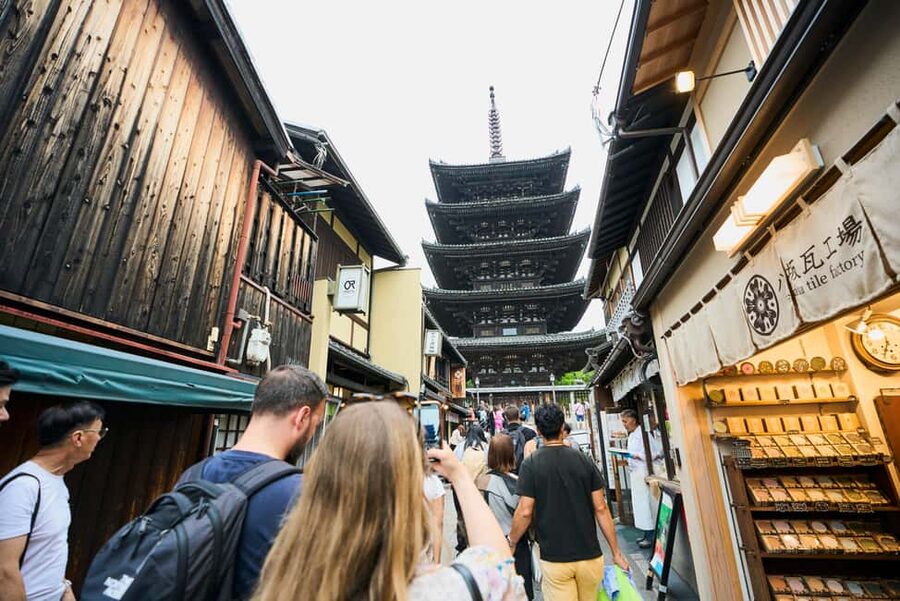
One of the strongest reasons to book a guided walk in Gion is simple: the fun parts are in the side streets. This tour takes you through lanes where you’ll see Edo-period wooden townhouses and stone-paved paths, plus that “why is this street so calm?” feeling that hits when you step away from the main flow.
You’ll also pass through areas connected to the Kiyomizu-dera direction—including photo stops around Ninenzaka and Hōkan-ji Temple—with the guide narrating what you’re walking through. In practice, this means less time hunting for the right corner and more time actually seeing the atmosphere: narrow streets, traditional facades, and the small visual details that make Kyoto feel handcrafted.
A small consideration: the pace can be fairly lively for a short tour. Some guides are quick and keep things moving to fit every stop into the 2 hours, so if you prefer long pauses, bring that mindset and use photo moments as your “breathing space.”
Yasui Kompira-Gu Shrine and the last walk toward Hanamikoji-dori
As you near the end, you’ll go to Yasui Kompira-Gu Shrine and then make your way to Hanamikoji-dori, the heart of the geisha district. This is where the odds of catching a glimpse go up—not because you’re guaranteed a sighting, but because the timing matches evening engagements.
Here’s the real value: your guide frames what you might see. You’re not just scanning for costumes and hoping for magic. You learn how geiko and maiko work their way through the district, and what “on her way to…” can look like in real life. That makes any sighting feel more meaningful rather than random.
Photo tip: keep your camera ready, but stay respectful. Flash isn’t allowed inside temples, and in general the district’s charm comes from quiet observation, not interruptions.




Geisha culture, explained without the awkward stuff
A big part of the tour’s appeal is that it handles geisha culture in a structured, respectful way. You’ll learn about strict training, the graceful dances, and the craftsmanship behind the kimonos and hairstyles. The tour doesn’t treat geisha as costumes. It treats them as a trained art world with rules, work, and skill.
This matters for first-timers. Kyoto’s geisha district can feel confusing if you only know stereotypes. With the guide’s explanation, you start noticing details you might otherwise miss—like why hairstyles and kimono presentation look the way they do, and why certain movements and timing feel deliberate.
Also, it’s not all lecture. Many guides bring humor and energy, and that turns the walk into something you’ll remember when you’re back in your hotel. Guides you might meet include people like Mai, Dan, Wajid, Takumi, Uta, Noa, Nicolas, and Alexander, and the common thread is strong storytelling plus room for questions.
Guide quality: why this tour feels different from a basic stroll
What separates this walk from a self-guided wandering session is the guide’s role as translator and curator—but in a practical way. In the best moments, you get quick explanations that sharpen your eye: what to look for, what you’re seeing in the street layout, and how the shrine and geisha-district pieces connect.
You’ll also hear local, useful add-ons. Several guides are known for sharing suggestions for where to eat after the walk, including plans that go beyond generic tourist lists. If you want dinner ideas that fit the mood of Gion—rather than the nearest chain—this is one of those small perks that can save you time and disappointment later.
Pacing varies by guide and by the group’s comfort level. Some guides keep it moving fast so you hit every stop in 2 hours; others are more relaxed and take care that everyone catches up. Either way, the format tends to work because you’re walking through changing scenery instead of repeating the same street.
Price and value: $23 for a 2-hour culture plan that actually pays off

At $23 per person for about 2 hours, this is one of those “good value when you use it right” tours. The pricing works because you’re buying three things that take effort to assemble yourself:
First, you’re buying a local English-speaking guide who helps you interpret what you’re seeing, especially around shrines and geisha culture. Second, you’re buying route efficiency: multiple key stops in one walk without spending half the time figuring out where to go next. Third, you’re buying night timing at Hanamikoji-dori, which is the moment geisha sightings become more plausible simply because of evening schedules.
Is it worth it if you’re only hoping for a geisha? Maybe not. But if you want a coherent introduction to Gion’s streets, shrines, and traditions—with a guide who can explain the meaning—then the cost feels fair.
Practical tips so you enjoy it instead of rushing it
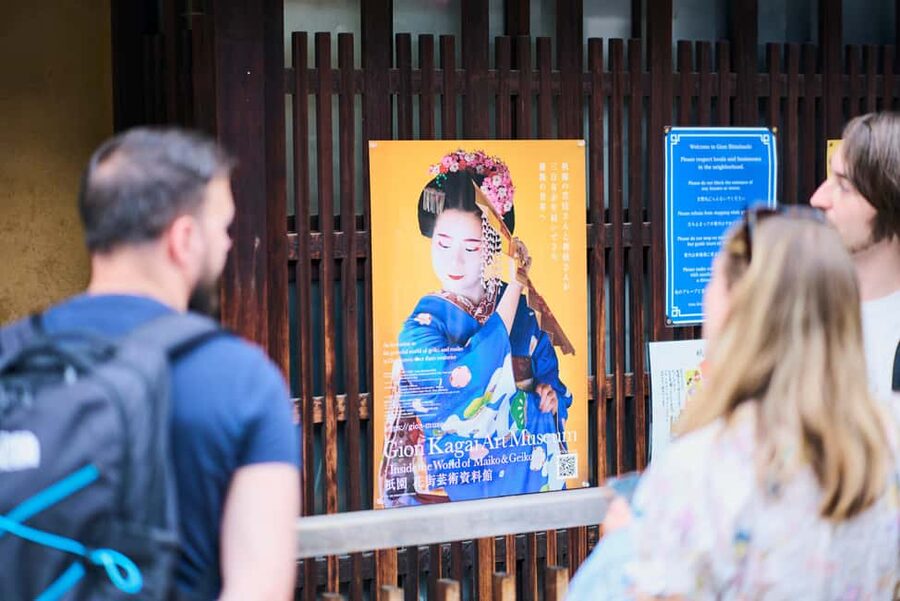
A few details can make or break a night walk like this:
- Bring comfortable shoes. The charm depends on walking, not sitting.
- Pack sunscreen and water. Kyoto weather can still surprise you, and you’re outside for much of the experience.
- Use your phone/camera normally. Flash photography is not permitted inside temples.
- Expect the tour to run in rain. You’ll want an umbrella or raincoat so you can keep moving and still enjoy the canal and shrine scenery.
One more mindset tweak: view it as learning by walking. If you try to treat it like a sightseeing checklist, you’ll feel rushed. If you lean into the guide’s explanations, every stop clicks into place faster.
Who should book this Gion tour (and who shouldn’t)
This is a great fit if you’re:
- On a first Kyoto trip and you want a focused introduction to Gion
- Interested in geisha culture beyond myths and headlines
- Happy with a short but steady walk through multiple streets and shrine areas
- Looking for a chance to see a geisha or maiko (not guaranteed, but the timing and guidance help)
It’s not a fit if you:
- Have mobility impairments or use a wheelchair (it’s not suitable)
- Want a low-movement experience or long sitting breaks between stops
- Prefer self-guided wandering where you never follow someone else’s schedule
Should you book this Kyoto Gion Hidden Lanes tour?
I’d book it if you want a smart 2-hour night plan in Kyoto that blends shrines, Edo-era streets, and geisha culture explanations in one route. The $23 price makes sense when you factor in guided context and a night ending near Hanamikoji-dori, where evening energy changes the whole experience.
I wouldn’t book it if walking is hard for you or if your main goal is purely “spot a geisha at all costs.” Here, the real win is understanding what you’re seeing—so even if the sighting odds go the other way, you still leave with a better grasp of Gion.
FAQ
Where do I meet for the tour?
Meet at Macdonald Shijo Ohashi store. The guide will be waiting at the side of the restaurant holding a sign that says Local Guide Stars, since the front gets very busy.
What is the tour duration?
The tour lasts 2 hours.
Is the tour in English?
Yes. It includes an English-speaking local guide.
Can I use flash photography?
Photography is allowed, but flash photography is not permitted inside temples.
Will the tour run if it’s raining?
Yes, the tour takes place even in the rain. Bring an umbrella or raincoat.
Is it suitable for wheelchair users or people with mobility impairments?
No. The tour is not suitable for people with mobility impairments or wheelchair users.
More Tours in Kyoto
More Tour Reviews in Kyoto
Still in Gion? Keep Going

Just added: more Kyoto tours to browse








Gion & Geisha District Tours, compared.
 ★ 4.7Kyoto Geisha Walking Tour: Gion District & Hidden GemsFrom $253,273 reviews
 ★ 4.9Gion Magical Night Walking Tour with Geisha TriviaFrom $242,393 reviews
 ★ 4.7Gion Geisha District Walking Tour – Stories of GeishaFrom $202,187 reviews
 ★ 4.9Best of Kyoto: Gion, Geisha, Pagodas & CobblestonesFrom $242,058 reviews
 ★ 4.5Night Walk in Gion: Kyoto’s Geisha DistrictFrom $212,003 reviews
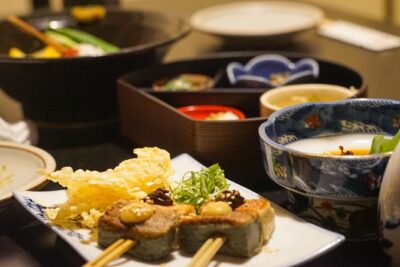 ★ 5.0Kyoto Night Foodie Tour in Gion (9+ dishes + 6 Sake tastings)From $1631,762 reviews
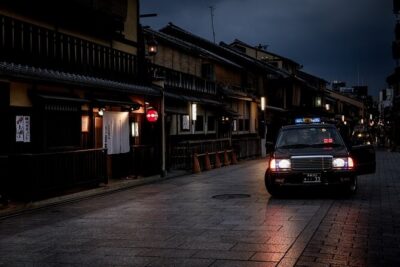 ★ 5.0Kyoto Gion Geisha District Walking Tour – The Stories of GeishaFrom $251,441 reviews
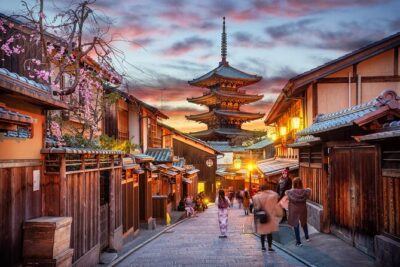 ★ 5.0Kyoto Gion: 2-Hour Geisha Culture & History Walking TourFrom $231,186 reviews
Browse the lists this tour appears in