
Reviewed · GION & GEISHA DISTRICT TOURS
Kyoto: Gion Geisha District & Sake-in-Hand Walking Tour
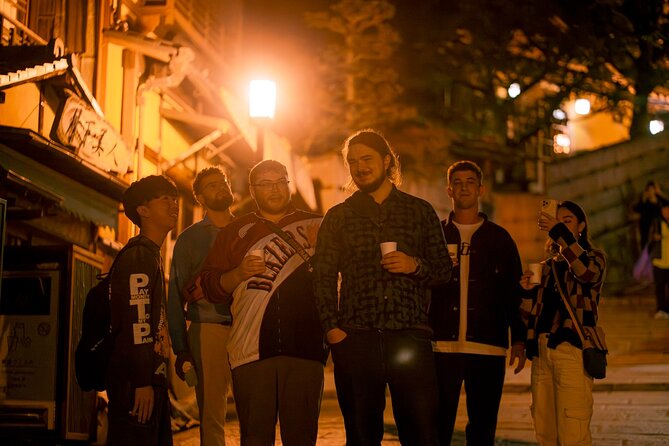
Kyoto’s Gion turns extra magical after dark. This small-group walking tour pairs Gion alleyways and key shrines with a sake tasting, so you’re not just sightseeing—you’re learning how the district works and where to look for the kinds of moments Kyoto is known for.
Two things I really like here: you get to slow down in the backstreets with guide commentary, and you get sake tasting included as a built-in pacing tool for the evening. One thing to keep in mind: it’s a lot of walking through residential areas at night, so wear comfortable shoes and keep your voice low.
If you do like history with atmosphere, this is a good way to see a Kyoto evening that feels lived-in rather than checklist-only. And with a maximum of 10 travelers, it’s easier to ask questions and get the kind of route guidance that helps you avoid wandering in circles.
In This Review
- Key highlights
- Gion after dark: what makes this walk feel special
- The $27.84 value: why the math can work (or not)
- Where you start and finish in Kyoto (so you don’t waste time)
- Stop-by-stop: the exact evening route and what to look for
- Kamo River: the calm opener
- Gion: walking the district most people only see from the postcards
- Hanamikoji Street: the classic street, on the right track
- Yasui-Konpiragu Shrine: relationships and a big clue about Japanese beliefs
- Hokan-ji Temple (Yasaka Pagoda): the pagoda stop you’ll remember
- Sannenzaka and Ninenzaka: the slope streets made for evening wandering
- Nene-no-Michi: the serene path named after a real figure
- Yasaka Shrine: the grand close and a strong final photo target
- Sake in hand: how the tasting fits into the experience
- What the guide actually adds (and why it matters)
- Timing, pace, and how much you should plan to walk
- Who should book this Kyoto Gion night tour?
- Should you book it?
- FAQ
- How long is the Kyoto Gion Geisha District & Sake-in-Hand Walking Tour?
- What does the tour cost?
- Where does the tour start and end?
- Is this tour good for people who don’t walk much?
- Does the tour include alcohol?
- How big is the group?
- What happens if the weather is poor?
- Can I get a refund if I cancel?
Key highlights

- Sake in hand: a included tasting that helps set the mood for a night stroll
- Max 10 travelers: a smaller group so the guide can actually talk with you
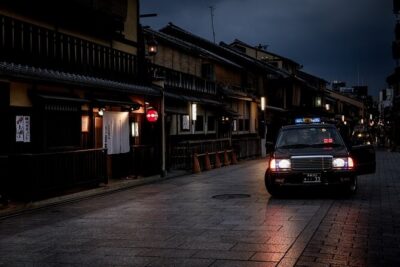
- Lantern-lit backstreets: Gion in the evening feels quieter, softer, and more photogenic
- Guided “where to look” tips: practical context for geisha culture and spotting what you might see
- A shrine-and-street circuit: Yasaka Shrine plus Higashiyama slopes and famous pagoda sights
- Intimate photo opportunities: specific stops built around views along the way
Gion after dark: what makes this walk feel special
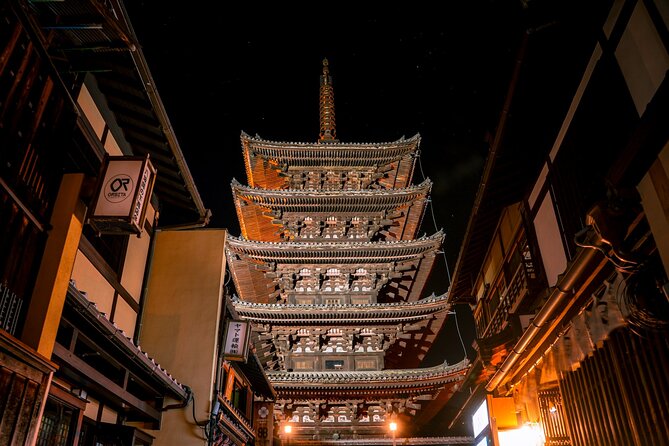
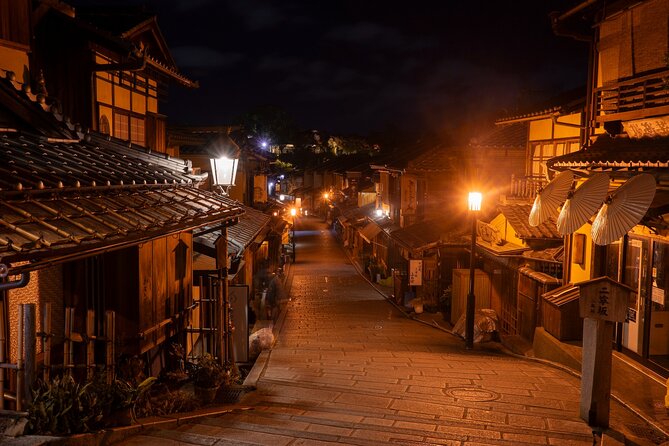
Gion is Kyoto’s best-known geisha district, and walking it at night changes everything. During the day, you can end up feeling like you’re viewing a museum-like streetscape. At night, the alleyways and traditional machiya houses feel more like you’ve stepped into the district’s own rhythm—especially when lantern light catches the street corners and the pace slows down.
The smart move on this tour is that it’s not just a point-to-point march. You’re guided through narrow lanes with enough commentary to help the sights connect. The payoff is that you stop treating everything as random backdrops and start recognizing patterns: where cultural activity concentrates, how the streets relate to major landmarks, and what to be respectful about as a visitor.
You also get a small-group setup. With a group capped at 10, I find you’re more likely to have real conversation rather than shouting over the crowd. In recent feedback, people singled out guides like Shumpei and Mune for being friendly, answering questions, and making the night feel personal rather than scripted.
One more practical reason this tour works: it’s designed as an evening flow. You’re moving from Gion into a shrine-temple stretch and then back toward Yasaka Shrine, so you keep getting variety without huge transfers.
More evenings along the lantern-lit lanes of Gion


The $27.84 value: why the math can work (or not)
At $27.84 per person, this is priced as a low-cost guided experience for Kyoto. The real question is what that money buys beyond a regular self-guided stroll.
Here’s what’s included or built in from the tour details:
- A local sake tasting (alcohol is provided; you must be 20+)
- Guide commentary that adds context for geisha culture and what you might notice
- A route that hits multiple classic evening stops without you having to plan the order
- Mobile ticket, and it’s geared for a group experience that stays intimate
If you’re the kind of traveler who enjoys learning while walking—especially when you’re trying to understand geisha culture without missing context—this price can feel fair fast. People also highlighted that it’s good value for the time, with a relaxed pace and helpful guidance on photo spots.
The possible downside is that you should expect a walking tour, not a sit-down talk show. One review mentioned disappointment due to limited interaction, which is a reminder that the experience can feel more guided or more quiet depending on the guide and group mood. If you want heavy back-and-forth discussion the whole time, come prepared with questions before you meet up.
Where you start and finish in Kyoto (so you don’t waste time)
You start at Kikunoi Roan (600-8012 Kyoto, Shimogyo Ward, Saitōchō, 四条下る斎藤町118) and the tour ends at Yasaka Shrine (625 Gionmachi Kitagawa, Higashiyama Ward, Kyoto, 605-0073).
That ending point matters. Yasaka Shrine is a natural anchor for the Higashiyama area, so you don’t feel like you’re stranded at the edge of nowhere after the walk. It also means you can realistically roll into more evening sightseeing right after the tour.
The route is described as near public transportation, and the tour is built around night walking in residential areas. That means you should plan for:
- Comfortable shoes (the tour involves a lot of walking)
- Quiet voices while passing homes and local streets (the tour specifically asks you to be respectful)
- A mindset shift: this is about moving through real neighborhoods, not only viewing famous monuments from afar
And because the tour includes alcohol, you’ll want to pace yourself. Drink responsibly—small amounts are part of the concept, and you don’t want to slow down your own stamina for the rest of the walk.
Stop-by-stop: the exact evening route and what to look for

This tour is short—about 1 hour to 1 hour 30 minutes—so each stop is purposeful. You’ll generally get a brief look at each landmark and then move on, which keeps the night lively.
Kamo River: the calm opener
The route begins with the Kamo River, which runs through Kyoto and is known for scenic, tranquil river views. Starting here works because it resets your eyes and breathing before you enter the tighter lanes of Gion.
Practical tip: if you’re taking photos, this is often the moment to get your camera settings ready. After this, the lighting shifts and streets get narrower.
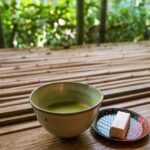
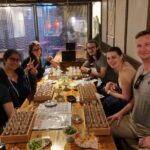
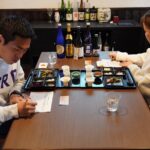
Follow the sake trail through Fushimi and beyond


Gion: walking the district most people only see from the postcards
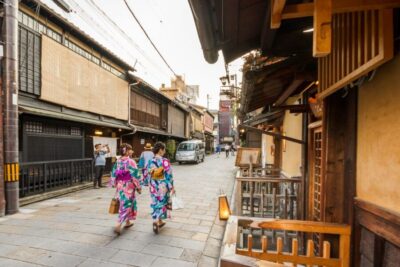
Next comes Gion, Kyoto’s most famous geisha district. You’ll walk through the traditional-feeling lanes with wooden machiya houses and teahouses nearby, and you get guide commentary to help interpret what you’re seeing.
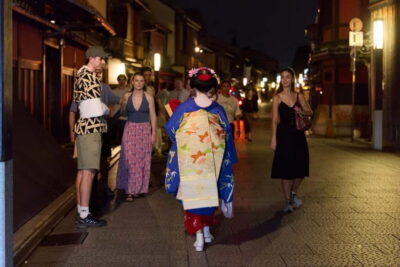
A standout from reviews: people loved learning how the district works and also enjoyed the chance of seeing a geiko go by. That’s never guaranteed, but the guide’s context can help you notice the right things without turning the area into a free-for-all. Think of this as learning how to look, not just where to stand.
Possible drawback: Gion is popular. Even on a guided night route, you may still share space with other visitors. The difference is that you’re less likely to get lost or waste time figuring out where you’re supposed to go next.
Hanamikoji Street: the classic street, on the right track
Hanamikoji Street is the historic, atmospheric main lane at the heart of Gion, with preserved wooden structures along the way. This stop is brief—about 10 minutes—but it gives you a strong sense of how central this street is to the district’s identity.
What to do: use the time to orient yourself. When you understand how Hanamikoji connects to smaller alleys, the rest of the walk starts to make more sense.
Yasui-Konpiragu Shrine: relationships and a big clue about Japanese beliefs
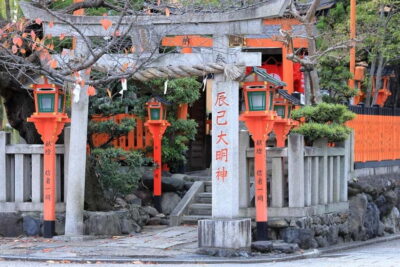
Then you head to Yasui-Konpiragu Shrine, a Shinto shrine associated with the idea of severing bad relationships and bringing good ones. It’s also known for its large Enki feature (the tour description calls this out specifically).
Why it’s worth a stop on a walking tour: it adds a different layer. You’re not only seeing old streets—you’re learning how belief systems shape the way people treat places in Kyoto, including what they come to ask for.
Hokan-ji Temple (Yasaka Pagoda): the pagoda stop you’ll remember
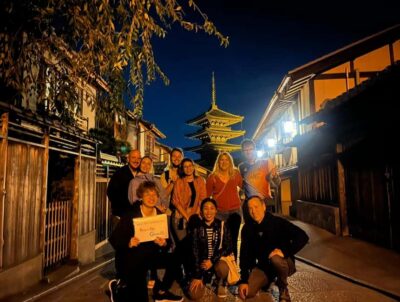
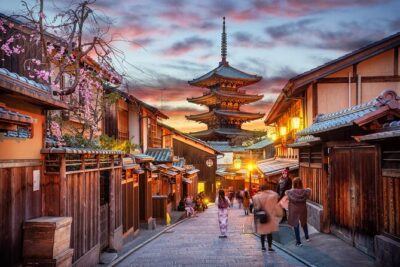
Next is Hokan-ji Temple, commonly called Yasaka Pagoda. The tour notes that it’s an iconic five-story pagoda and that it dates back to the 6th century.
This is a good moment for photos and for slowing down slightly, because pagodas naturally pull your attention upward. If you’re wondering how to frame it, take one wide shot first, then step a little to find a cleaner angle where the pagoda isn’t competing with too many distractions.
Sannenzaka and Ninenzaka: the slope streets made for evening wandering
You’ll move through Sannenzaka and Ninenzaka, two historic pedestrian streets in the Higashiyama area. These are known for their traditional atmosphere and preserved buildings, and the tour splits the time across this slope zone (with separate mention of Ninenzaka and Sannenzaka).
These streets are the kind of place where you can easily overdo it if you’re not on a timed route. Since this tour runs on a set flow, you get just enough time to enjoy the vibe without feeling stuck. It’s also a practical training ground for slow walking: you can pause for a photo, then keep going.
Nene-no-Michi: the serene path named after a real figure
Then comes Nene-no-Michi, a stone-paved path named after Nene, the beloved wife of Toyotomi Hideyoshi. The tone here is more calm and reflective than the busier street sections.
Why I like this stop: it’s a reminder that Kyoto evening tours aren’t only about spectacle. You’re given a quieter path to reset your attention.
Yasaka Shrine: the grand close and a strong final photo target
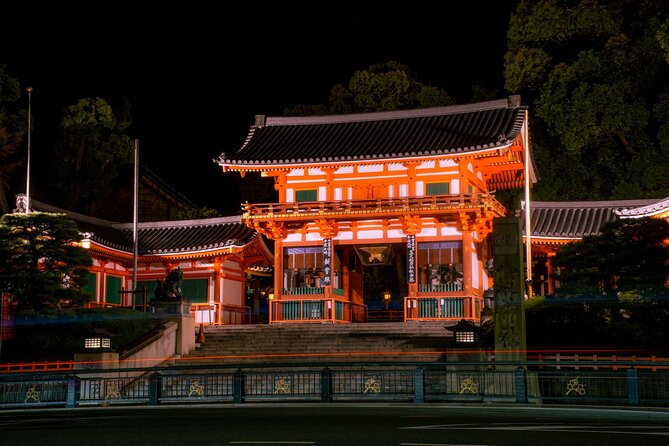
Finally, you reach Yasaka Shrine, also called Gion Shrine. The tour description notes its historical importance and that it dates back to 656 AD.
This is a natural ending point for a reason. It feels like a “Kyoto evening finale,” and because the tour ends here, you can decide what to do next without rushing.
In past feedback, people loved the overall atmosphere—soft lantern light, shrine scenery at night, and the sense that the evening felt more magical than expected.
Sake in hand: how the tasting fits into the experience
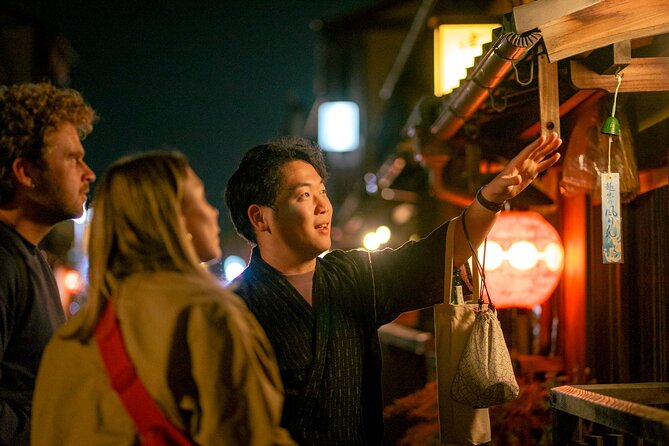
The tour includes a sake tasting, and alcohol is provided as part of the experience. That’s one of the biggest differences between this and a basic city stroll.
The practical value is pacing. When you’re walking for 1 to 1.5 hours, it helps to have a scheduled moment where you pause, taste, and reset. It can also make the conversation easier—people in reviews mentioned enjoying the tasting while learning about the district and having photo opportunities along the way.
Two notes to keep you comfortable:
- You must be 20 years old or older to participate.
- Drink responsibly. This is still a walking tour, and you’ll want to stay steady on slopes and uneven paving.
If you don’t normally drink much, you’ll still get the experience because it’s integrated into the route. Just don’t assume it’s a heavy party setup. The intent is cultural context plus a small treat, not a marathon of alcohol.
What the guide actually adds (and why it matters)
The biggest pattern in the positive feedback is simple: guides who explain what you’re seeing, and who do it in a friendly way.
Name-checked guides from recent experiences include Shumpei / Shunpei and Mune. People appreciated how the guides could:
- Share cultural context for geisha culture
- Answer questions about Japan beyond the usual sightseeing facts
- Keep the atmosphere relaxed, even when the group size is small
That’s important because Gion can be confusing if you only use your phone map. You might see lanes, but you won’t know what they mean. A good guide helps you connect the sights to ideas: how traditions persist, how people move through the district, and what to look for without being intrusive.
Possible drawback again: if you’re expecting constant back-and-forth, there’s a chance the pace stays calmer. One review mentioned it felt like lots of walking with limited interaction. For that reason, bring your own curiosity. Ask about what you’re about to see, not just what you’ve already seen.
Timing, pace, and how much you should plan to walk
This is a short evening tour, typically 1 hour to 1 hour 30 minutes, and it involves a lot of walking. The tour says a moderate physical fitness level is enough, but comfortable shoes are not optional.
Plan your evening like this:
- Don’t schedule back-to-back heavy activities right before or after.
- Build in time to cool down afterward, especially if you’re sensitive to walking on slopes around Higashiyama.
- If you’re visiting in cooler weather, wear layers. Night air plus walking can feel different from daytime Kyoto.
Also, because it’s in residential areas at night, be mindful. Keep voices down and avoid stopping in doorways or blocking narrow passages.
One more thing: the tour is described as dependent on good weather, and it requires it. That’s typical for an outdoor night walk. If weather turns, you might be offered a different date or a full refund.
Who should book this Kyoto Gion night tour?

This fits best if you:
- Want an evening route through Gion that doesn’t feel like a maze
- Like learning cultural context while you walk
- Enjoy the idea of sake tasting as part of the experience
- Prefer small-group sightseeing (max 10)
You might consider skipping it if you:
- Hate walking and want minimal time on your feet
- Don’t drink at all and would rather spend your evening on dry sightseeing (the tour does include alcohol)
- Need highly interactive, discussion-heavy pacing for the whole tour
If your goal is to see the classic Kyoto highlights at night with less stress and more context, this is a strong match.
Should you book it?
I think this is a book-worthy option for a first trip to Kyoto’s nighttime charm, especially if you want Gion without the confusion. The combination of lantern-lit alleyways, a shrine-and-slope route, and an included sake tasting gives you more than the usual “stand here, take a photo, move on” formula.
Book it if you like guides who explain the meaning behind the streets and you’re comfortable with a steady walking pace. Pass or choose something else if you want minimal walking or if you’re allergic to the idea of alcohol being part of the plan.
If you book, come ready with questions—about what geisha culture looks like in daily life, what you should notice in the streets, and how locals treat these places after dark. That’s where the tour tends to click.
FAQ
How long is the Kyoto Gion Geisha District & Sake-in-Hand Walking Tour?
It runs about 1 hour to 1 hour 30 minutes.
What does the tour cost?
The price is $27.84 per person.
Where does the tour start and end?
It starts at Kikunoi Roan in Shimogyo Ward and ends at Yasaka Shrine in Higashiyama Ward.
Is this tour good for people who don’t walk much?
The tour involves a lot of walking and is best for people with moderate physical fitness. Comfortable shoes are important.
Does the tour include alcohol?
Yes. A sake tasting is included, and participants must be 20 years old or older. Please drink responsibly.
How big is the group?
The tour has a maximum of 10 travelers.
What happens if the weather is poor?
The experience requires good weather. If it’s canceled due to poor weather, you’ll be offered a different date or a full refund.
Can I get a refund if I cancel?
Free cancellation is available. You can cancel up to 24 hours in advance for a full refund. Within 24 hours, no refund is offered.
More Tour Reviews in Kyoto



The Fushimi Sake Trail, Continued
Still in Gion? Keep Going

Just added: more Kyoto tours to browse








Gion & Geisha District Tours, compared.
 ★ 4.7Kyoto Geisha Walking Tour: Gion District & Hidden GemsFrom $253,273 reviews
 ★ 4.9Gion Magical Night Walking Tour with Geisha TriviaFrom $242,393 reviews
 ★ 4.7Gion Geisha District Walking Tour – Stories of GeishaFrom $202,187 reviews
 ★ 4.9Best of Kyoto: Gion, Geisha, Pagodas & CobblestonesFrom $242,058 reviews
 ★ 4.5Night Walk in Gion: Kyoto’s Geisha DistrictFrom $212,003 reviews
 ★ 5.0Kyoto Night Foodie Tour in Gion (9+ dishes + 6 Sake tastings)From $1631,762 reviews
 ★ 5.0Kyoto Gion Geisha District Walking Tour – The Stories of GeishaFrom $251,441 reviews
 ★ 5.0Kyoto Gion: 2-Hour Geisha Culture & History Walking TourFrom $231,186 reviews
Browse the lists this tour appears in