
Reviewed · KYOTO BUS & SIGHTSEEING TOURS
Kyoto Full Course Tour: Explore 10 Must-See Sights & Hidden Gems
Kyoto can feel like a maze, even when you have a map. This full-day tour strings together the big-name stops and the street-level moments so you can actually see a lot in one day. You’ll cover 10 major sights by foot and bus, and the guides work out the timing so you’re not stuck on the wrong train platform all morning.
What I love most is the combination of big icons plus quieter temple pacing, and the way the guide explains how daily life and public transport fit together. If your day is tight, this kind of plan helps you get your bearings fast in Kyoto.
The main trade-off is pace. Expect 20,000+ steps and a tight schedule, so it’s not the choice for slow strolling or people who need lots of flexibility.
In This Review
- Key Highlights You’ll Feel in Your Feet
- What This Kyoto Full Course Tour Really Does for You
- What $98.83 Buys (and What You’ll Pay on Top)
- The Start at Saga-Arashiyama: Why Meeting Matters
- Arashiyama Bamboo Forest: A Clean First Impression
- Randen Tram Line and Getting Around Like a Local
- Kinkaku-ji Golden Pavilion: The Icon Stop
- Ryoan-ji Temple: The Stone Garden Moment
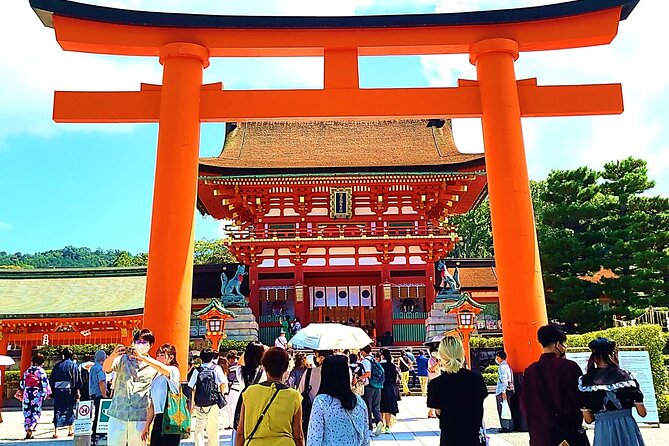
- Fushimi Inari-taisha: 1,000+ Torii Gates Without the Hassle
- Kiyomizu-zaka Street: Shopping Lanes and Street Energy
- Kiyomizu-dera Temple: The Wooden Stage Detail
- Sanneizaka and Hokan-ji Yasaka Pagoda: Old Streets and a Photo Anchor
- Gion at the End: Historic District Feel in Real Time
- Lunch at a Sushi-Go-Round: Fast, Fun, and Vegetarian Needs Attention
- Pace, Footsteps, and Public Transport Prep
- What the Guides Add Beyond Checklists
- When This Tour Makes Sense (and When It Doesn’t)
- Should You Book This Kyoto Full Course Tour?
- FAQ
- How long is the Kyoto full course tour?
- How many sights are included in the tour?
- Where do I meet the group?
- What’s the end point of the tour?
- What is the lunch like, and is it vegetarian-friendly?
- What’s included in the tour price?
- What costs are not included?
- Do I need an IC card for transit?
- How big is the group?
- Is the tour refundable if I cancel?
Key Highlights You’ll Feel in Your Feet
- Arashiyama bamboo forest in a quick hit, with mountain forest atmosphere close by
- Kinkaku-ji (Golden Pavilion) and Ryoan-ji stone garden back-to-back style temple time
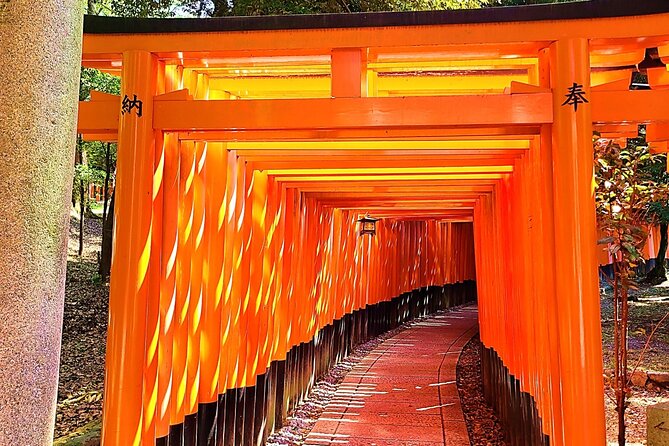
- Fushimi Inari’s 1,000+ torii gates with a route that’s famous for a reason
- Kiyomizu-zaka and Sanneizaka slopes for the shopping-and-street texture of old Kyoto
- Gion at the end of the day when the light and crowds often start to change
What This Kyoto Full Course Tour Really Does for You
This tour is built for one simple goal: help you see Kyoto’s best-known sights without turning your day into a logistics project. Kyoto’s transit can be confusing, and temple neighborhoods don’t line up neatly in a straight line. Instead of you figuring that out, the guide handles the flow and keeps the group moving.
Because it’s a full course (about 9 hours 30 minutes), you’ll move through Kyoto’s different “moods” in one go: bamboo and river-area air in Arashiyama, gold and stone calm in central temples, then bright shrine lanes and old-street slopes, and finally Gion’s historic district atmosphere. It’s the kind of itinerary that helps you understand where you want to go back on your own later.
Guides you might meet include people like Megumi or Masako—and the vibe is consistently friendly and quick to explain. In practice, that matters because the tour isn’t just about standing at photo spots. You’re also learning how to use public transport in Kyoto and how etiquette plays out in everyday life around shrines and temples.
Loop the big Kyoto sights in one run


What $98.83 Buys (and What You’ll Pay on Top)
The tour price is $98.83 per person, and it includes tour fee and consumption tax. What’s not included is important to budget for so you don’t get surprised halfway through the day.
Plan on:
- Transportation: about $10 (¥1,340 per person)
- Food & drinks: about $6.8–14 depending on what you order
- Entrance fees: about $11 (¥1,600 per person) across the day
For value, you’re paying for time saved. Kyoto takes longer than you think because of transfers, walking to entrances, and crowd rhythms. A guided loop like this can be cheaper than paying for taxis or spending your whole vacation day mapping routes.
One more practical note: the operator recommends cash ready, and you’ll want an IC card like SUICA or PASMO prepared in advance since you’ll use public transport.
The Start at Saga-Arashiyama: Why Meeting Matters
You meet at JR Saga-Arashiyama Station, and the tour runs on time—it starts at 8:50, not 9:00. You’ll also finish later near Gion Shopping Street.
This early start matters in Kyoto because the best windows for some places are the early ones. Arrive a bit early so you can find the meeting point without panic. The tour also says late arrivals won’t be allowed to join, and it’s non-refundable, so treat that 8:50 start as a hard deadline.
Group size is capped at 10 travelers, which helps the flow. You’ll still feel the pace, but you’re not competing with a huge herd.
Arashiyama Bamboo Forest: A Clean First Impression
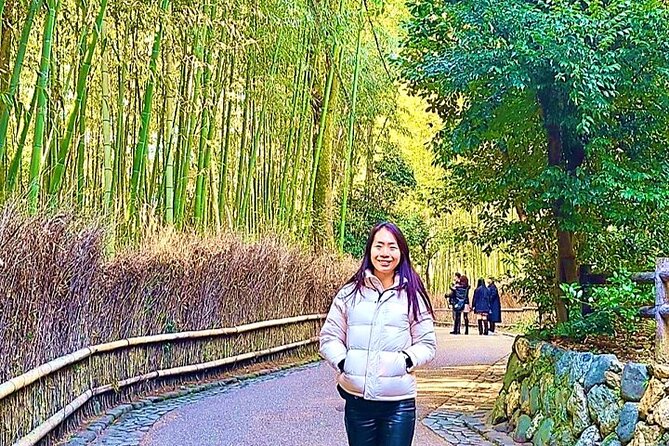
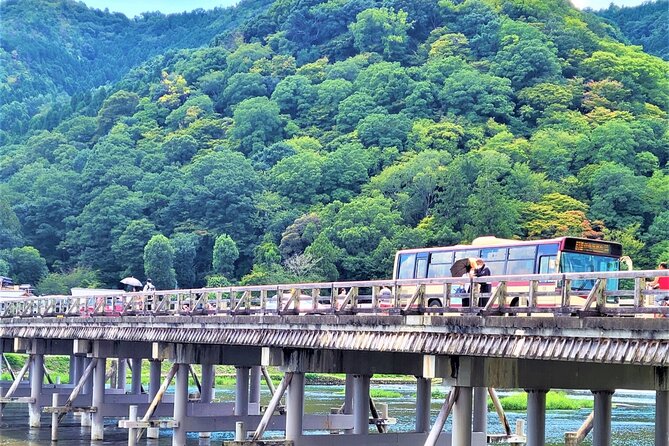
The day begins in Arashiyama, where you’ll spend around 30 minutes at the bamboo forest area. This is Kyoto’s most famous “walk-in-quiet” scene: tall bamboo, a green forest feel, and that sense of being slightly away from city noise even though you’re still in a busy area.
What I like about starting here is that it gives you an easy, sensory baseline before the schedule tightens. If you’ve never been to Japan before, it’s also a smooth intro to Kyoto’s mix of nature and culture.
A consideration: 30 minutes is enough for photos and a short stroll, but it’s not enough for a deep wander. If you fall in love with the area, you’ll probably want a return visit later when you have more time.
Randen Tram Line and Getting Around Like a Local
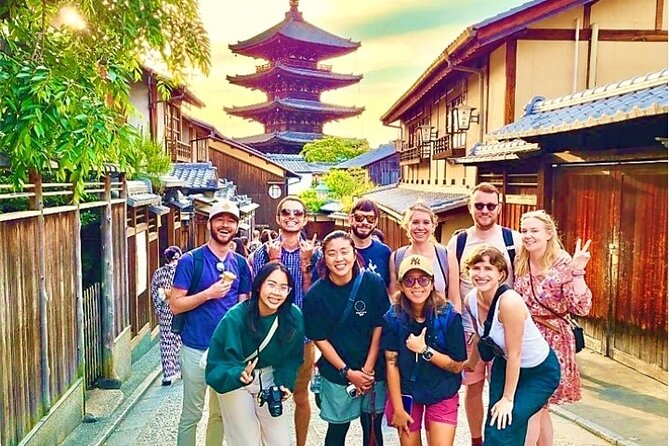
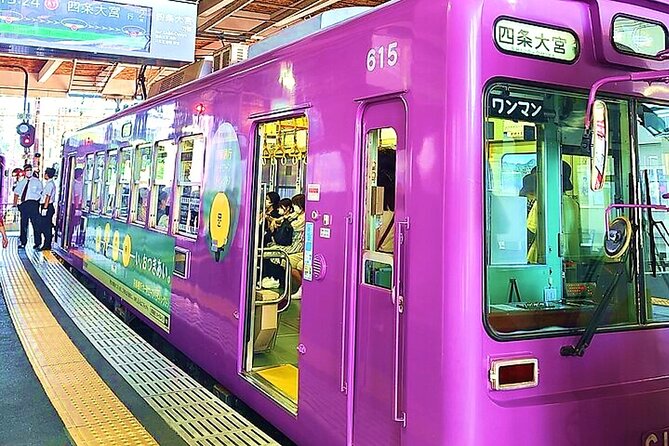
Part of the experience includes riding public transport in a way that feels local. Kyoto’s transit is complicated, and this tour is built on the idea that a guide helps you avoid the common trap: taking the right train but getting off at the wrong exit, or spending time walking when there was a better option.
You’ll use a mix of walking and transit, so if you’ve never used SUICA/PASMO before, make sure you’ve set it up before you arrive. The tour explicitly recommends having this ready.
This is also one of the reasons the tour can fit so many stops. Instead of everyone learning the system from scratch, you’re following someone who already knows how to make connections work.
Kinkaku-ji Golden Pavilion: The Icon Stop
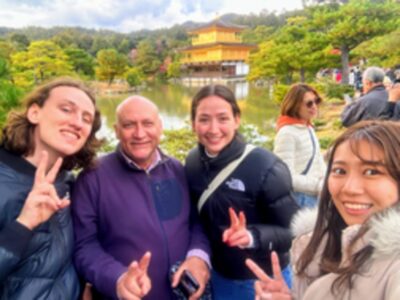
Next up is Kinkaku-ji (Golden Pavilion), the famous temple you can’t really skip if it’s your first Kyoto trip. You get about 30 minutes, with entrance fees not included.
Kinkaku-ji is popular for a reason. Even in a short visit, it delivers that strong visual impact: the structure, reflections, and the way the temple sits in its surrounding grounds. If your camera roll is already full, it’s still worth seeing in person because photos don’t fully catch the atmosphere.
The drawback is simple: crowds. You won’t get a private viewing experience in 30 minutes. Use the time for a calm look, not just rapid-fire photos. Then move on.
Ryoan-ji Temple: The Stone Garden Moment
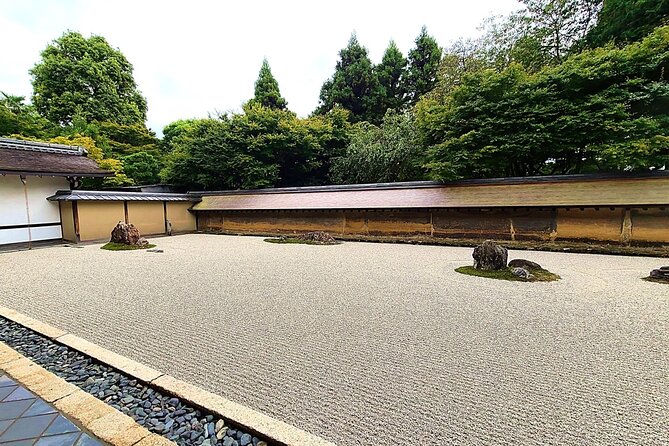
From there you go to Ryoan-ji Temple, where the famous stone garden is part of what draws people in. Again, expect around 30 minutes, and entrance fees aren’t included.
This is a different kind of Kyoto than bamboo or gold. The stone garden is designed to be contemplative, and even with a short visit, it can slow your mind down. You might notice how the layout encourages you to look differently from different angles.
A practical note: this stop can feel quieter, but you’ll still be part of a group schedule. If you’re the type who likes to linger long, take a brief moment to reset your pace before you head to the next stop.
Fushimi Inari-taisha: 1,000+ Torii Gates Without the Hassle
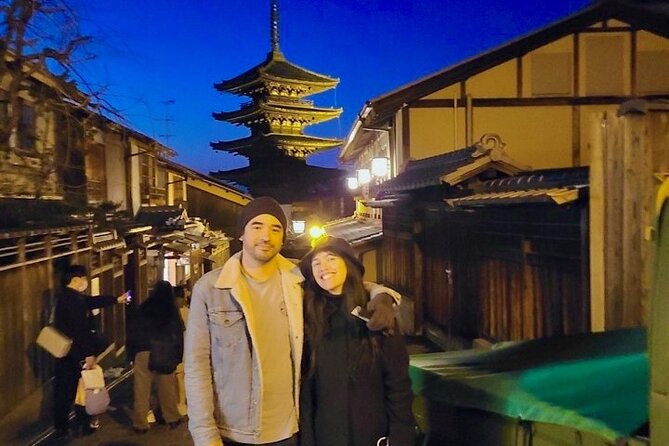
Then comes Fushimi Inari-taisha, the shrine with over 1,000 red torii gates along the path. You’ll spend about 30 minutes here, with entrance fees not included.
This is one of those Kyoto experiences where the scale hits you fast. Even if you’ve seen pictures, the rows of gates create depth that feels real on the ground. The best way to enjoy it during a timed tour is to follow the flow, pause where the view opens, and don’t try to do everything to the farthest end if you have limited time.
If you’re prone to getting distracted by side paths or photo moments, consider this a warning: the tour timing is strict, and the group needs to keep moving. The upside is that you’ll still get the core experience without spending your day planning the route.
Kiyomizu-zaka Street: Shopping Lanes and Street Energy
After the shrine, you shift to Kiyomizu-zaka Street, with about 30 minutes and no entrance fee listed.
This is Kyoto’s “street layer”: souvenirs, small shops, and local eateries along a slope. It’s a great break from temple seating and a chance to pick up small gifts or snack on something you’ll enjoy later.
A consideration here is that it can be busy, because it’s right in the first-timer zone. If you want calm browsing, treat the time as a quick scan. Save the slower shopping for your own follow-up time after the tour.
Kiyomizu-dera Temple: The Wooden Stage Detail
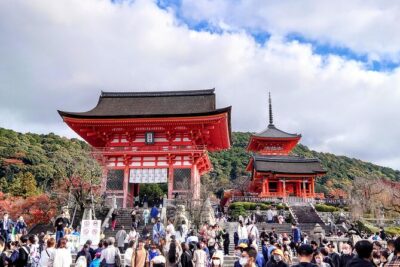
Next is Kiyomizu-dera Temple, typically the highlight temple for many first-time visitors. You’ll get about 30 minutes, and entrance fees aren’t included.
The famous detail: the wood stage is described as using no single nail. Even if you don’t geek out on construction, it’s the kind of fact that makes the building feel more impressive.
This is also a “looks in every direction” temple. The setting is part of the experience, and your guide can help point out what to notice quickly so you don’t just feel like you’re passing through.
If you’re hoping for a long, slow temple visit with time for multiple viewpoints, this stop is short. But as part of a day that also covers Inari, Gion, and multiple other temples, the 30 minutes can be a good balance.
Sanneizaka and Hokan-ji Yasaka Pagoda: Old Streets and a Photo Anchor
From Kiyomizu-dera you’ll walk to Sanneizaka, another sloped pedestrian lane with about 30 minutes and no entrance fee. This area is known for lined-up shops and a classic Kyoto street scene that feels more local than some souvenir-only blocks.
After that, you’ll visit Hokan-ji Temple, where the Yasaka Pagoda is one of Kyoto’s major symbols. This stop also runs about 30 minutes.
What’s nice here is pacing. You get street atmosphere in Sanneizaka, then a clean landmark moment with the pagoda. It gives you a visual anchor before you move into the historic district phase of the day.
Gion at the End: Historic District Feel in Real Time
Finally, you finish in Gion, around 30 minutes as you end at Gion Shopping Street.
Gion is where Kyoto’s historic district energy lands. Even if you don’t catch something dramatic, you’ll feel the difference: streetscape, mood, and the sense that this is a long-lived cultural neighborhood rather than just a checklist of sights.
This end-of-day placement is practical. You’ve already done the “big temples” and now you get a place to wander with your energy intact. It’s also a useful launching point for your next day because Gion is one of those neighborhoods you’ll likely want to revisit outside the tour schedule.
Lunch at a Sushi-Go-Round: Fast, Fun, and Vegetarian Needs Attention
Lunch is included as part of the day and is described as a conveyor belt sushi spot. You might see options like sushi, veggie-sushi, ramen, kara-age, beer, and mochi depending on what’s available.
Here’s the big practical point for you: vegetarian needs may be limited. The tour setup is that lunch is at the sushi-go-round, and you’ll be told in advance what’s possible, but only some menu items might fit a vegetarian diet.
So if you’re vegetarian (or have food allergies), plan to eat intentionally. Look for veggie-sushi options and be ready to order carefully. Don’t assume every item will be vegetarian-friendly.
Pace, Footsteps, and Public Transport Prep
This tour is not for the faint of heart in the walking department. You’ll be moving all day and the tour info highlights 20,000+ steps. Wear shoes you can walk in for hours, not shoes that look good for one hour.
A few prep tips that actually help:
- Bring a small bag you can manage while walking and boarding buses
- Have cash ready for costs not included
- Use an IC card like SUICA/PASMO so transit is smooth
- Bring a layer if mornings feel cool, because Kyoto can shift in temperature
Also remember the rule that you need to follow the host. If you break away for any reason, the host can’t look for you, and that can end badly for your day. Kyoto is easy to get turned around in, especially when you’re moving quickly.
What the Guides Add Beyond Checklists
Part of why people rate this tour highly is the guide. Names you might run into include Megumi and Masako, and the common thread is a mix of humor, clear communication, and careful group handling.
You’ll also learn more than “what to see.” The tour description notes you can learn about history, culture, society, values, etiquette, and everyday life—plus how to use public transportation and navigate like a local.
In plain terms: the guide helps you understand the why behind the wow. That makes it easier to remember what you saw and helps you decide what’s worth repeating on your own.
When This Tour Makes Sense (and When It Doesn’t)
This is a good fit if:
- You have limited time in Kyoto (like 2–3 days) and want the core sights covered
- You’d rather spend energy walking than planning transit routes
- You want a structured day with a local guide and a clear ending in Gion
It may not be the best fit if:
- You need a slower schedule or lots of rest breaks
- You’re sensitive to crowding at major attractions like Kinkaku-ji or Fushimi Inari
- Vegetarian options are essential and you don’t want to think about menu choices
There’s also an important timing factor: the tour starts on time, and late arrivals aren’t allowed in. So if your day is already chaotic (bags, delayed trains, long breakfast lines), this might add stress.
Should You Book This Kyoto Full Course Tour?
I’d book it if you want a fast, guided introduction to Kyoto and you’re okay paying a bit extra for convenience. The price plus the on-the-ground costs still lands in the range of a well-run day tour, and you’re getting a loop that covers major sights without you spending most of the day in transit confusion.
I’d skip it if you’re the type who hates walking 20,000+ steps or you want a flexible, slow travel rhythm. If you’re hoping for long temple stays and lots of free wandering time, you’ll be happier planning a smaller set of sights and taking your time.
If your goal is to see Kyoto’s greatest hits and then choose your favorites for repeat visits later, this is a strong way to kick off your trip.
FAQ
How long is the Kyoto full course tour?
It runs about 9 hours 30 minutes.
How many sights are included in the tour?
The tour includes 10 must-see sights and related stops.
Where do I meet the group?
You meet at JR Saga-Arashiyama Station (meeting point address is provided), and the tour starts at 8:50.
What’s the end point of the tour?
The tour ends at Gion Shopping Street.
What is the lunch like, and is it vegetarian-friendly?
Lunch is at a sushi-go-round (conveyor belt sushi). Only some menu options might work for vegetarians.
What’s included in the tour price?
The tour fee and consumption tax are included.
What costs are not included?
Transportation is not included (about $10 per person), food and beverage are not included (about $6.8–14 depending on what you order), and entrance fees are not included (about $11 total per person).
Do I need an IC card for transit?
Yes. The tour recommends preparing an IC card such as SUICA or PASMO.
How big is the group?
The group is capped at a maximum of 10 travelers.
Is the tour refundable if I cancel?
No. It is non-refundable and cannot be changed for any reason.
More Tours in Kyoto
More Tour Reviews in Kyoto
More Kyoto Sightseeing Loops
Just added: more Kyoto tours to browse





Kyoto Bus & Sightseeing Tours, compared.
 ★ 5.0PERFECT KYOTO 1-Day Bus TourFrom $12913,518 reviews
 ★ 4.8Fushimi Inari, Kinkakuji, Bamboo Grove 1 Day Bus TourFrom $1224,316 reviews
 ★ 4.9Best of Kyoto: Gion, Geisha, Pagodas & CobblestonesFrom $242,058 reviews
 ★ 3.9Hop-on Hop-off Sightseeing Bus TicketFrom $272,034 reviews
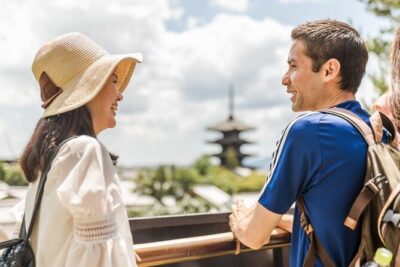 ★ 5.0Private Kyoto Tour with a Local, Highlights & Hidden Gems, PersonalisedFrom $1021,543 reviews
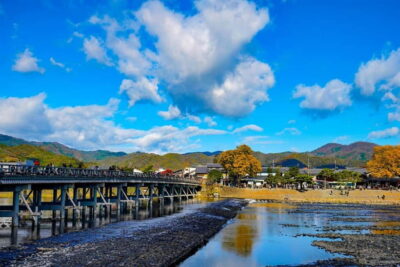 ★ 4.7Kyoto/Osaka: Nara, Fushimi Inari Taisha, Arashiyama Bus TourFrom $521,275 reviews
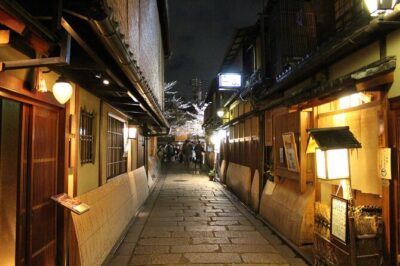 ★ 5.010 Must-see Spots in Kyoto One Day Private Tour (up to 7 people)From $1791,108 reviews
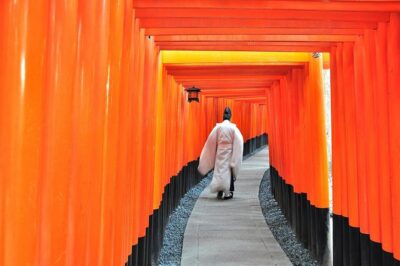 ★ 4.5One-Day Tour of Kyoto’s Highlights from Osaka/KyotoFrom $661,092 reviews
Browse the lists this tour appears in